rotating globe
13 Apr 2026


Centre cannot cut air purifier GST

GST Council alone decides rates; any reduction awaits post-Budget discussion

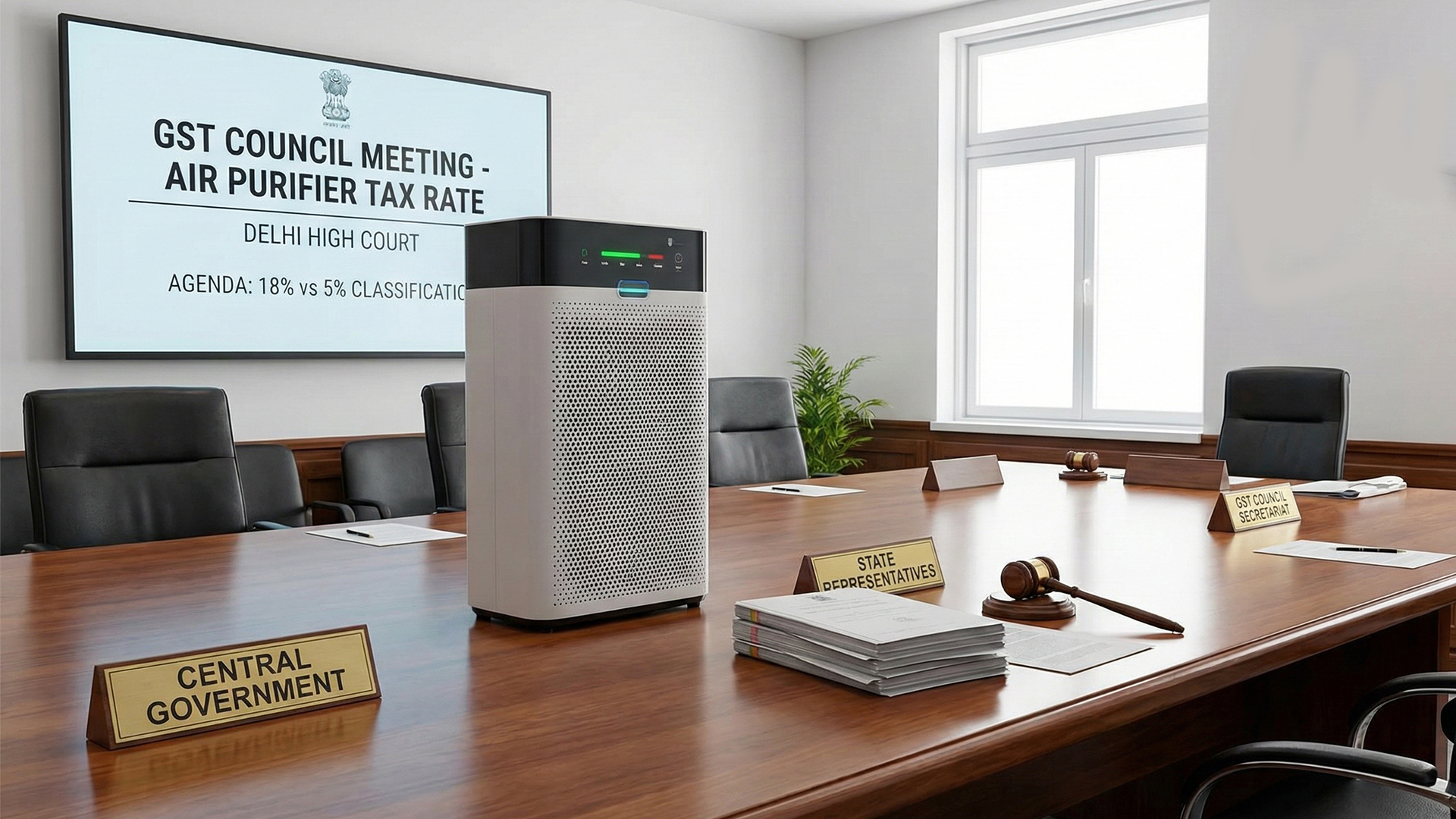
The Union government has informed the Delhi High Court that it cannot unilaterally reduce the Goods and Services Tax (GST) on air purifiers. The Centre emphasized that decisions regarding tax rates are the exclusive domain of the GST Council, a constitutional body comprising Union and state finance ministers.

This clarification came in response to a public interest litigation (PIL) that sought to classify air purifiers as medical devices, arguing that they should attract a lower GST rate of 5 percent instead of the current 18 percent. Petitioners claimed that air purifiers help combat air pollution, protect public health, and should therefore be taxed like essential medical devices.

In its affidavit, the government stated that the courts do not have the authority to direct changes in tax rates or compel the GST Council to convene on a specific issue. The Centre explained that such interference would breach the principle of cooperative federalism enshrined in the Constitution.

Air purifiers currently fall under a tariff heading that attracts an 18 percent GST, whereas medical devices enjoy a concessional rate of 5 percent. The government noted that reclassifying items or changing tax rates is a matter that requires discussion and approval by the GST Council, which ensures uniformity across the country. Acting independently would disrupt the constitutional process and create inconsistencies in tax administration.

Officials also indicated that any decision on reducing the GST on air purifiers will be considered only after the Union Budget, during the next meeting of the GST Council. They clarified that the rate cut, if approved, would apply nationwide and not solely to Delhi or any other state.

The Delhi High Court is scheduled to hear the matter further after the submission of the government’s counter-affidavit. Meanwhile, industry stakeholders and environmental activists continue to advocate for a GST reduction on air purifiers, citing rising pollution levels and the public health benefits of cleaner indoor air.

Also Read: Mamata Banerjee slams ED raids on TMC data

Delhi-NCR shivers as winter rain hits hard

Temperatures dip sharply across Delhi, Noida and Gurugram. IMD warns of dense fog and prolonged cold spell

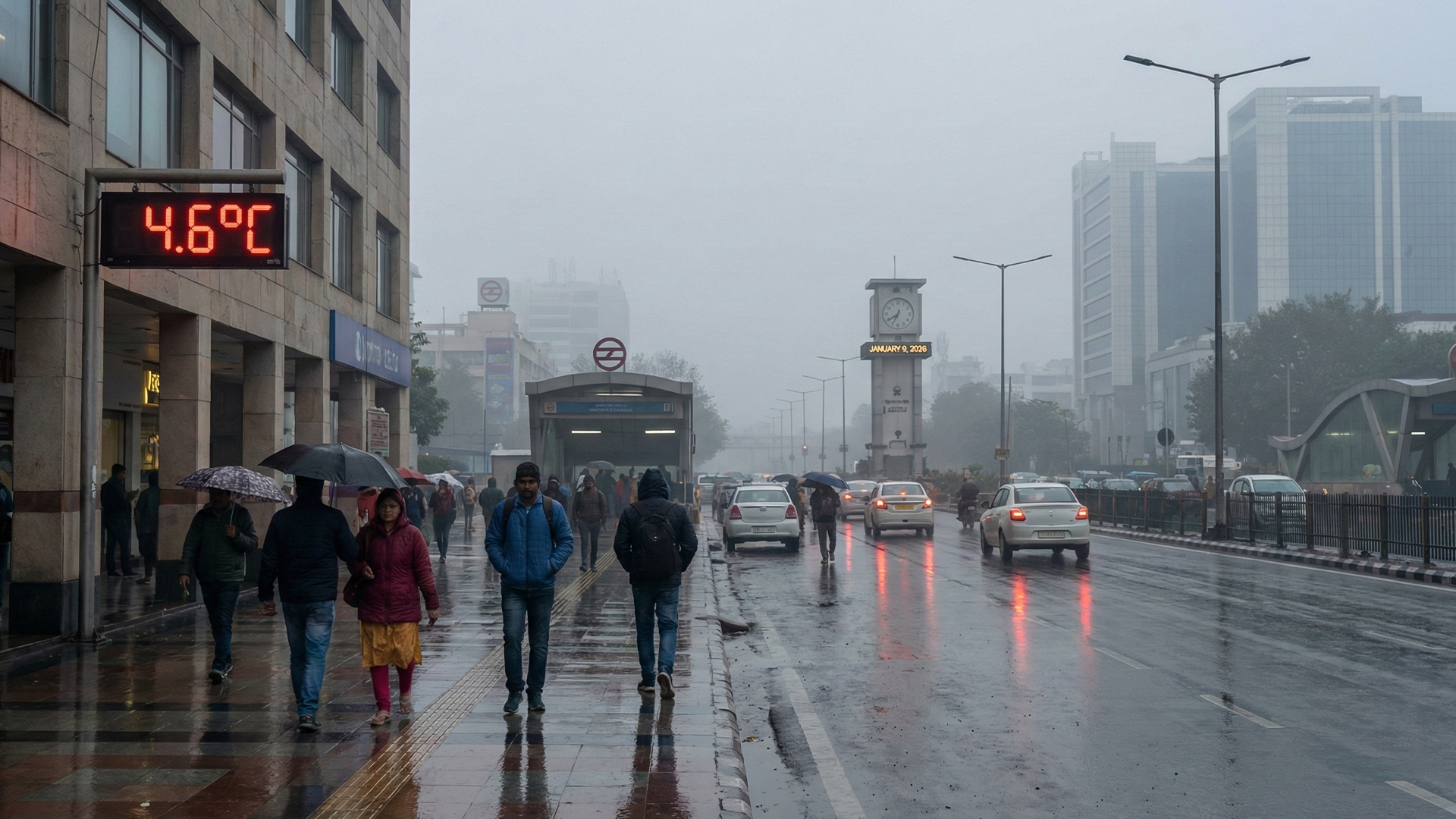
The National Capital Region reeled under severe winter conditions on Friday, January 9, 2026, as Delhi, Noida and Gurugram experienced the coldest day of the season so far. According to the India Meteorological Department (IMD), minimum temperatures in Delhi dropped to around 5–6 degrees Celsius, well below normal levels, marking a sharp intensification of winter.

Adding to the discomfort, light rain and drizzle were reported in several parts of Delhi-NCR during the early hours of the day. The brief but widespread rainfall increased moisture in the air, making the cold feel more intense than usual. Residents across multiple localities woke up to damp roads, grey skies and biting cold winds.

The IMD has issued a yellow alert for dense fog, cautioning that visibility may remain poor during early mornings over the next few days. Fog, combined with cold north-westerly winds, is expected to keep temperatures low, particularly during night and morning hours. Weather officials said these conditions are likely to persist, extending the cold wave across the region.

Several areas in Delhi, including Dwarka, Palam, Pashchim Vihar, Rajouri Garden and regions near the Indira Gandhi International Airport, witnessed intermittent drizzle. Noida reported misty conditions with a possibility of light showers, while Gurugram saw cold and foggy weather, with skies clearing slightly as the day progressed.

The harsh weather affected daily routines, especially for commuters. Low visibility due to fog slowed down traffic movement, and some train services were delayed. Authorities advised motorists to drive cautiously, use fog lights, and plan extra travel time during morning hours. People were also urged to stay warm, particularly children and the elderly.

IMD forecasts indicate that night temperatures will remain below seasonal averages in the coming days, while daytime temperatures are also expected to stay subdued. Foggy mornings are likely to continue, keeping winter conditions harsh across the NCR.

Meteorologists explained that the ongoing cold spell is part of a larger winter pattern affecting northern India, with cold waves and dense fog reported in several neighbouring states as well. With no immediate relief in sight, Delhi-NCR residents are bracing for a prolonged spell of intense winter weather in the days ahead.

Also Read: Mamata Banerjee slams ED raids on TMC data

Trump pulls US out of 66 international organisations

Many of these are UN-affiliated agencies focused on climate

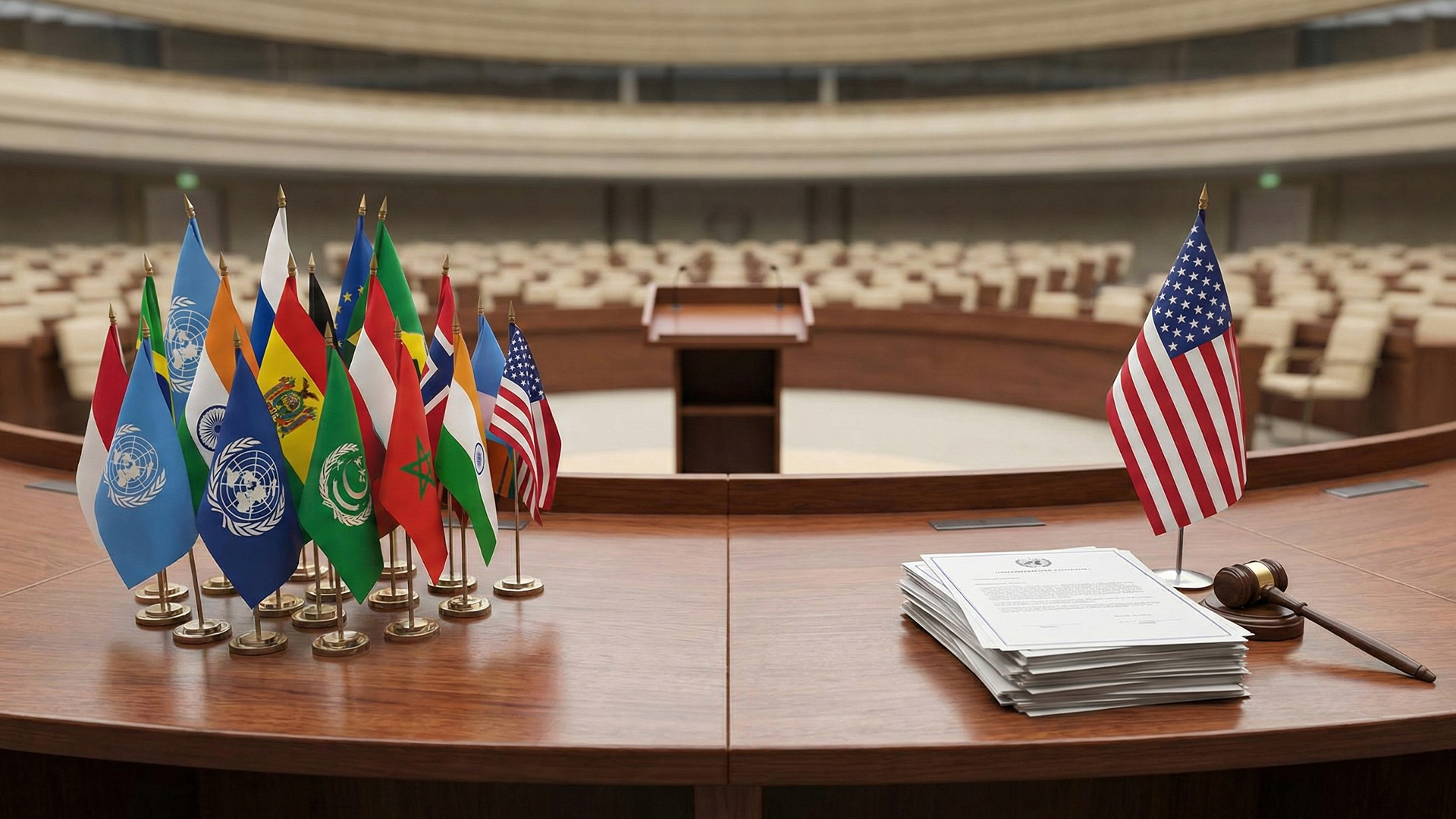
US President Donald Trump has ordered to withdraw from more than 60 international organisations, including several UN agencies and the India–France-led International Solar Alliance (ISA), calling the memberships “redundant” and contrary to American priorities.

On Wednesday, Trump signed an executive order instructing US departments to immediately cease participation in and funding for 31 United Nations bodies and 35 non-UN organizations, according to a White House statement.

The affected entities cover areas including climate change, conservation, counterterrorism, and human rights, among others.

The Trump administration cited that these bodies operate in ways that conflict with US national interests, security, economic growth, or sovereignty. Participation in or funding for these entities will be halted to the extent allowed by law.

Among the bodies on the list is the International Solar Alliance, a global initiative led by India and France focused on climate action. Over 100 countries are signatories, with more than 90 having ratified full membership.

Speaking on X, US Ambassador to the UN Mike Waltz said the withdrawal ensures the United States will no longer “fund or participate in international organisations that do not serve, or actively work against, American interests.”

Secretary of State Marco Rubio added that the 66 organisations were found to be “redundant, mismanaged, poorly run, or pursuing agendas that conflict with the US mission, sovereignty, and prosperity.”

The United Nations confirmed it has received the list of organisations affected and said it will issue an official response on Thursday.

Trump’s move represents one of the most significant rollbacks of US involvement in multilateral institutions in recent years, and it is expected to have far-reaching implications for international cooperation on issues ranging from climate change to security and development.

Also Read: https://thesummary.org/national-shooting-coach-booked-for-sexually-assaulting-minor-athlete/

National Shooting Coach Booked under POSCO

Ankush Bhardwaj accused of sexually assaulting minor athlete

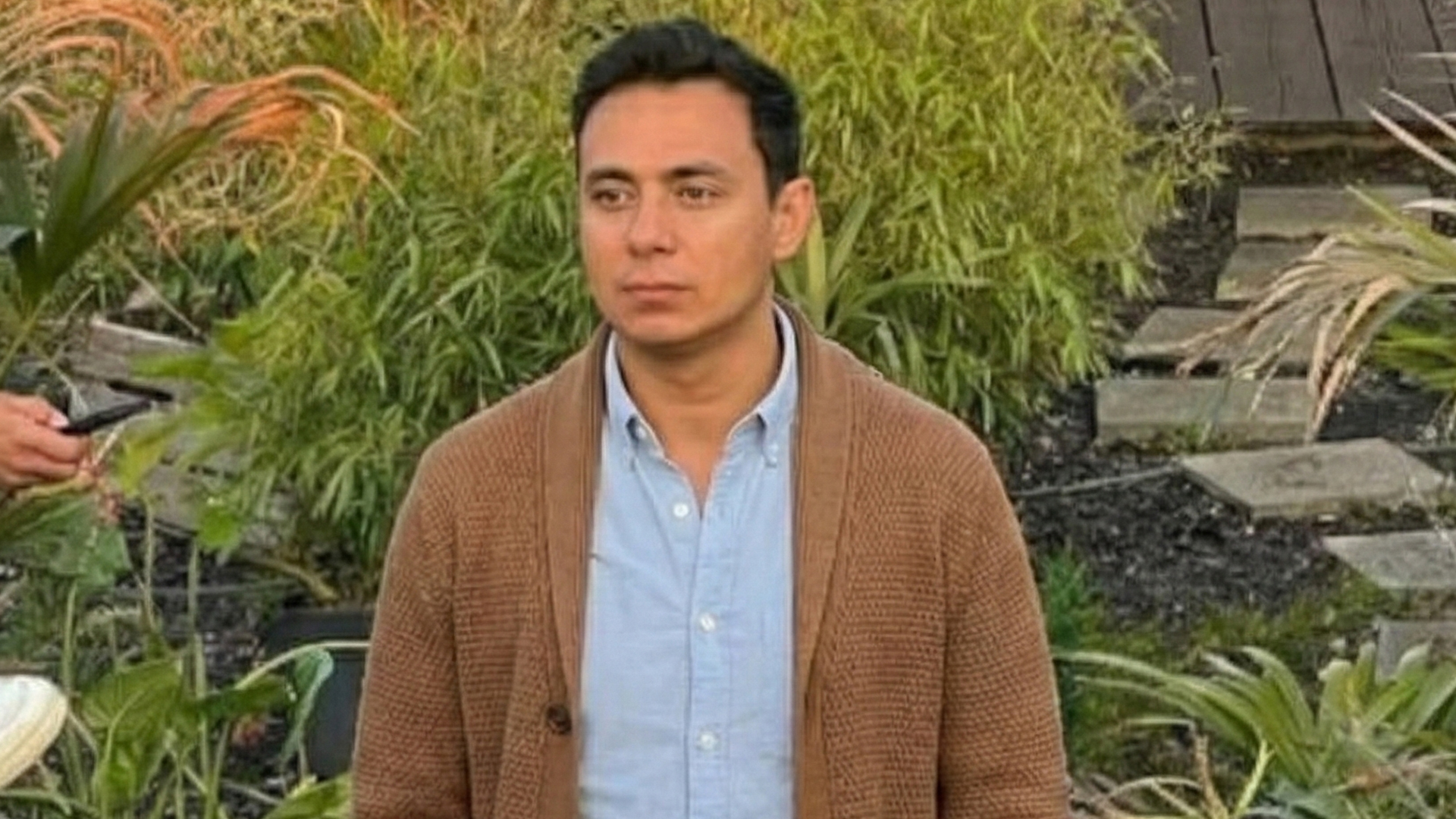
A national-level shooting coach has been suspended after a minor athlete accused him of sexual assault during the National Shooting Championships held last month. The National Rifles Association of India (NRAI) confirmed that a police complaint has been filed against coach Ankush Bhardwaj, and disciplinary action has been initiated.

According to the NRAI, an FIR has been registered in Faridabad under Section 6 of the Protection of Children from Sexual Offences (POCSO) Act, which relates to aggravated sexual assault, along with Section 351(2) of the Bharatiya Nyaya Sanhita for criminal intimidation. The federation said Bhardwaj has been suspended with immediate effect pending the outcome of the investigation.

“NRAI has taken a serious view of the allegations and suspended the coach on moral grounds. A show-cause notice will be issued, and he will remain barred from all coaching responsibilities until the inquiry is completed,” NRAI secretary Rajiv Bhatia said.

Bhardwaj was among a group of coaches appointed by the Sports Authority of India following the Paris Olympics in 2024, based on recommendations made by the NRAI.

The complaint states that the alleged incident occurred at the Karni Singh Shooting Range during the

Ankush Bhardwaj after complaint under POCSO Act during National Championships

The 17-year-old shooter, who had reportedly been training under Bhardwaj since August last year, said she was travelling alone for the competition when the incident took place.

According to the FIR, after her event concluded, the coach allegedly asked her to stay back for a performance review. The shooter claimed she was later asked to meet him at a hotel lobby in the Surajkund area of Faridabad, from where she was allegedly persuaded to enter his hotel room under the guise of further discussion.

The minor alleged that she was assaulted when she attempted to leave and was threatened with damage to her sporting career if she reported the matter. She said fear and trauma prevented her from speaking out immediately, and she eventually disclosed the incident to her mother on January 1 after concerns were raised about changes in her behaviour.

Police officials have confirmed that the case is under investigation.

Bhardwaj, a former pistol shooter, has previously faced disciplinary action, having served a doping ban in 2010 for using a prohibited beta-blocker, a substance banned in precision sports such as shooting.

Also Read: https://thesummary.org/us-attack-killed-at-least-100-says-venezuela-minister/

US attack killed at least 100: Venezuela minister

Captured Venezuelan President Maduro’s security contingent killed

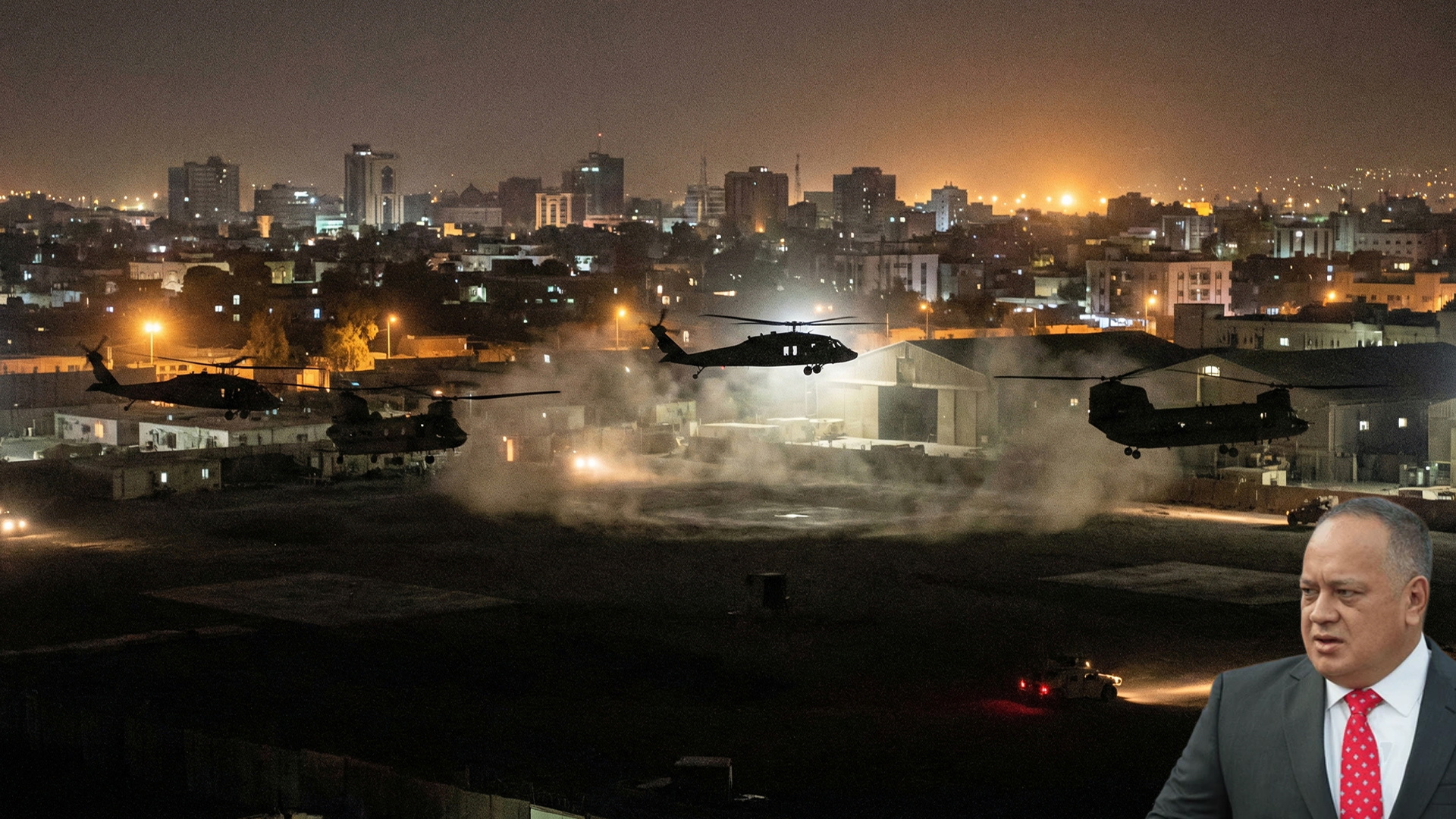
Venezuela’s Interior Minister, Diosdado Cabello, said that at least 100 people were killed during a US-led military operation that resulted in the capture of President Nicolás Maduro over the weekend. The government said the casualties included members of Venezuela’s security forces and allied personnel.

Maduro and his wife, Cilia Flores, were reportedly injured in the raid, with Flores sustaining a head injury and Maduro a leg wound. Cabello added that the operation claimed the lives of dozens of Cuban personnel stationed in Venezuela. In response, interim President Delcy Rodríguez declared a week of mourning for military personnel lost in the attack.

The raid, which took place in Caracas, marks a dramatic escalation in US intervention in Venezuela.

On Thursday, US forces seized a Russian‑flagged oil tankers linked to Venezuelan oil exports in the North Atlantic and Caribbean citing violation of US sanctions linked to Venezuela. Justifying these moves, US they were intended to enforce sanctions and prevent Venezuelan crude from reaching markets illegally.

This has drawn sharp protests from Moscow and raised concerns of a new flashpoint between Washington and Russia.

The White House defended the operation, with Press Secretary Karoline Leavitt stating that the US reserves the right to use military force to safeguard national and regional security. Analysts note the raid highlights growing tensions over Venezuela’s resources and geopolitical alignment, with global leaders monitoring the situation closely.

Also Read: https://thesummary.org/nvidia-unveils-rubin-ai-chip-platform/

Nvidia unveils Rubin AI chip platform

Next-gen architecture targets faster, cheaper AI computing

Nvidia has introduced its new Rubin chip architecture, a next-generation AI computing platform designed to meet the growing demands of advanced artificial intelligence systems. Announced in early January 2026, Rubin represents Nvidia’s shift towards supporting reasoning-based AI models that require higher performance, longer context processing, and greater efficiency.

Rubin will replace the company’s Blackwell architecture and is positioned as a major upgrade in AI inference and training capabilities. Nvidia says the new platform can deliver several times higher inference performance while improving training efficiency, helping organisations deploy complex AI models at scale.

Unlike traditional chip upgrades, Rubin is built as a full-stack platform. It integrates GPUs, CPUs, networking, memory, and data processing technologies into a tightly connected system. This design reduces data bottlenecks and improves communication between components, which is critical for running large and complex AI workloads in data centres.

Another key focus of Rubin is cost and energy efficiency. Nvidia claims the architecture can significantly reduce the cost of AI inference compared with earlier platforms, while also lowering power consumption. This makes it easier for cloud providers, enterprises, and research institutions to run large AI models without sharply increasing infrastructure costs.

Nvidia said Rubin is already in production and will see broader deployment in the second half of 2026. Major cloud companies and AI developers are expected to adopt the platform to power next-generation AI services, reinforcing Nvidia’s dominant position in AI hardware.

Rubin has been designed with future AI use cases in mind, particularly models that rely on reasoning rather than simple pattern recognition. These include systems that can analyse information, understand long contexts, and make more advanced decisions, reflecting the evolving direction of AI development.

Also Read: India’s GDP set to grow 7.4% in FY26

India’s GDP set to grow 7.4% in FY26

Strong services sector and domestic demand support early growth estimates

India’s economy is projected to expand at 7.4 percent in the financial year 2025‑26, according to the government’s first advance estimates of GDP. This growth rate is higher than the 6.5 percent recorded in the previous fiscal year, reflecting a continued recovery from pandemic-related disruptions and strong domestic economic activity.

The nominal GDP, which includes the effect of price changes, is expected to rise by 8 percent, signaling healthy overall growth. Analysts say the numbers suggest that India is maintaining momentum despite global uncertainties such as geopolitical tensions, fluctuating oil prices, and slowing growth in major economies.

The services sector is leading the growth trajectory, driven by robust performance in finance, real estate, trade, transport, and communication. Manufacturing and construction are also contributing positively, with an expected growth rate of about 7 percent each. Agriculture, while performing steadily, is projected to grow around 3.1 percent, showing moderate expansion.

Policy measures and strong domestic demand are supporting economic resilience. Investments, government spending, and consumption are all playing key roles in sustaining the momentum. Tax reforms, GST adjustments, and targeted incentives for sectors like manufacturing and infrastructure are expected to further strengthen the economic outlook.

These advance GDP estimates provide an early picture of India’s economic trajectory and will serve as an important reference for the upcoming Union Budget, which is scheduled for February 1. Policymakers are expected to use these figures to guide fiscal planning, balancing growth with inflation management and investment in social sectors.

Experts say that the data reflects India’s growing economic resilience and its ability to maintain steady growth despite external challenges. With a strong domestic market and policy support, the country is well-positioned to achieve stable and sustainable economic expansion in FY26.

Also Read: Jaishankar calls Luxembourg key partner

Jaishankar calls Luxembourg key partner

EAM Jaishankar and Deputy PM Bettel discuss boosting India–Luxembourg ties in finance and technology

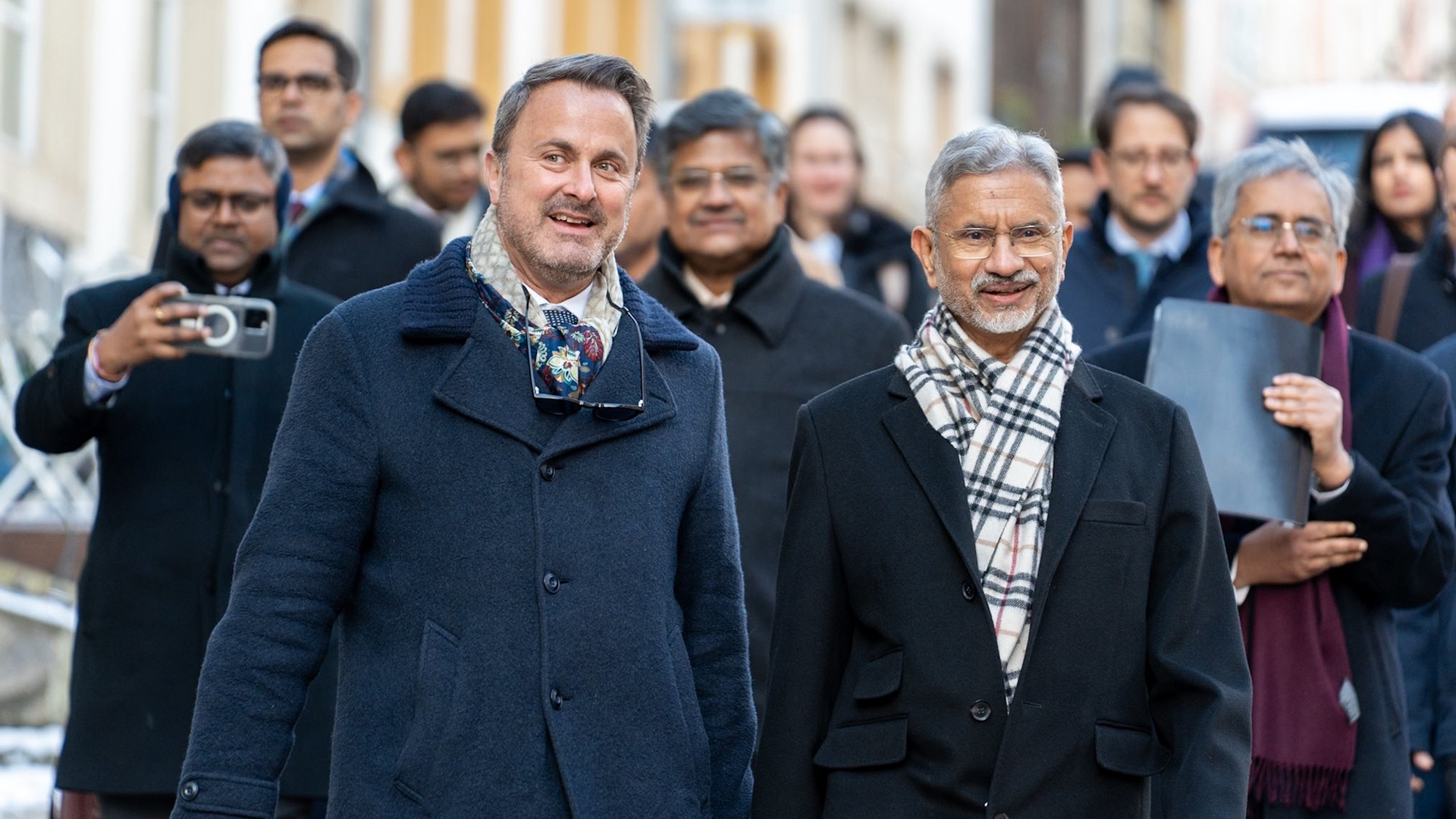
India views Luxembourg as a very important and trusted partner, External Affairs Minister S. Jaishankar said after meeting Luxembourg’s Deputy Prime Minister and Foreign Minister Xavier Bettel during his official visit to the European nation.

Speaking after the talks, Jaishankar highlighted the depth of India–Luxembourg relations, which span nearly eight decades. He said India values Luxembourg not only as a bilateral partner but also for its constructive role within the European Union, especially at a time when India is working to strengthen its engagement with Europe.

The External Affairs Minister thanked Bettel for consistently supporting closer India–EU ties and for advocating stronger cooperation between the two sides. He noted that Luxembourg’s voice carries weight in European discussions and can help advance shared priorities, including trade, investment and strategic collaboration.

During the meeting, the two leaders reviewed existing cooperation and identified new areas for growth. Jaishankar said there is significant untapped potential in sectors such as financial services, fintech, digital innovation, space technology and artificial intelligence. He described these as “key areas of the future” where both countries can work more closely and benefit from each other’s strengths.

The discussions also covered broader global and regional developments, reflecting the shared interest of India and Luxembourg in stability, economic growth and innovation-driven partnerships. Jaishankar described the interaction as warm and forward-looking, with a clear focus on practical outcomes.

Sharing details of the meeting on social media, Jaishankar said the conversation ranged from bilateral cooperation to global issues, and expressed appreciation for Luxembourg’s openness and engagement with India. He also acknowledged Bettel’s personal interest in strengthening people-to-people ties and cultural understanding.

As part of his visit, Jaishankar also met Luxembourg Prime Minister Luc Frieden, conveying greetings from India’s leadership and discussing ways to expand cooperation in finance, technology and innovation. He called on Grand Duke Guillaume of Luxembourg and interacted with members of the Indian community living in the country.

Also Read: Trump pushes Greenland plan, sparks global concern

ISS astronauts step into space on January 8

NASA’s first spacewalk of 2026 will see the Expedition 74 crew work outside the station as the world watches live

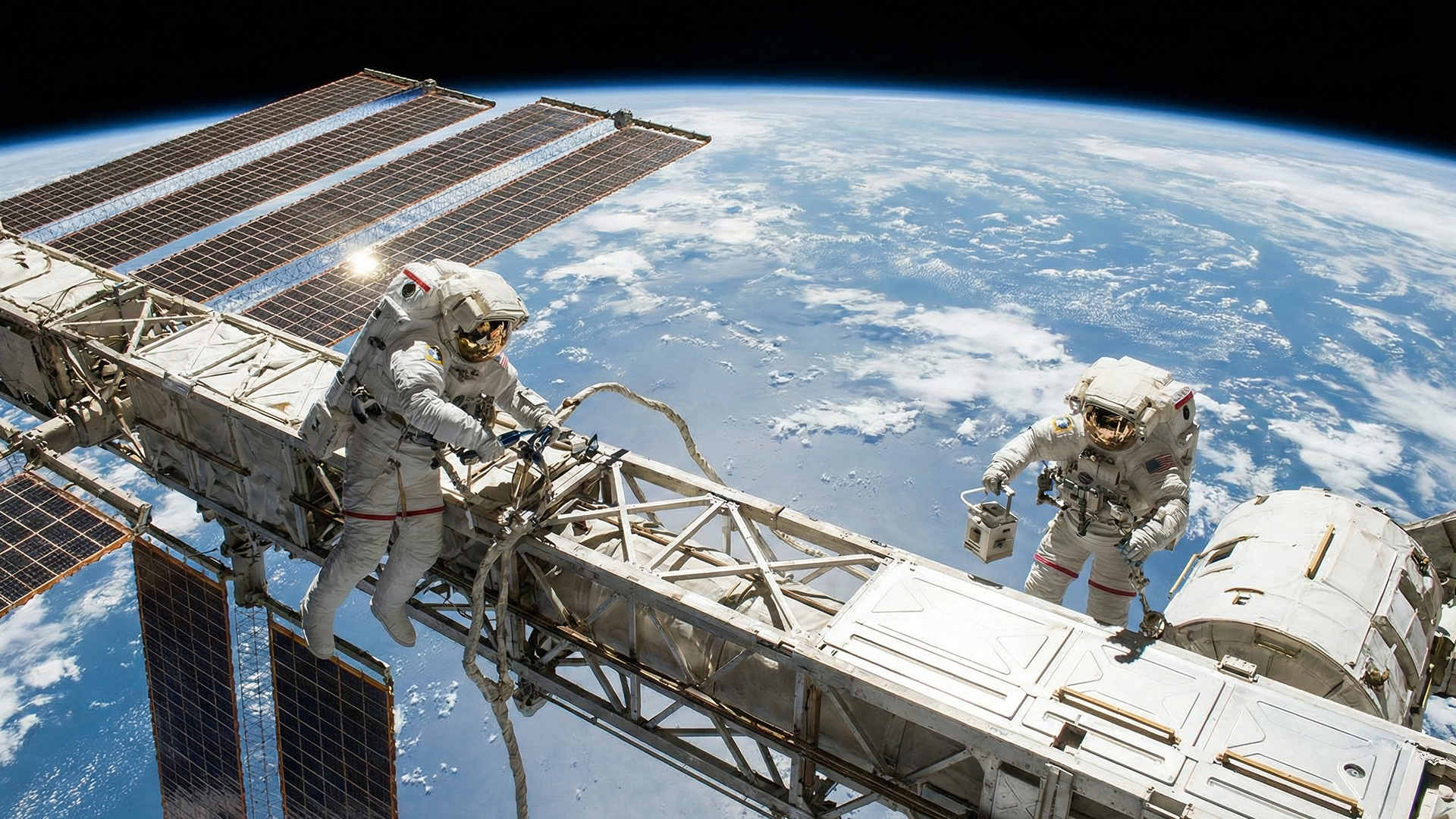
High above Earth, two astronauts will begin 2026 by stepping into open space. On January 8, NASA’s Expedition 74 crew will carry out the first spacewalk of the year, marking another important moment in the life of the International Space Station.

The spacewalk, known as an Extravehicular Activity or EVA, is scheduled to begin at 8 am Eastern Time and will last for about six and a half hours. During this time, the astronauts will leave the safety of the station to work on its exterior while orbiting Earth at a speed of more than 28,000 kilometres an hour.

NASA astronauts Mike Fincke and Zena Cardman will lead the mission. For Cardman, this will be her first-ever spacewalk, a major milestone in her career. For Fincke, a veteran astronaut, it will be his tenth spacewalk, placing him among NASA’s most experienced spacewalkers. Fincke will wear a spacesuit with red stripes, while Cardman’s suit will have no markings.

Their main task will be to prepare the space station for the installation of new roll-out solar arrays. These upgraded solar panels are designed to increase the station’s power supply and support its long-term operations. The work is essential to keeping the ISS safe and functional as it continues to host astronauts and scientific research.

NASA will broadcast the spacewalk live, allowing viewers around the world to follow every step. Coverage will begin well before the astronauts exit the station, showing suit preparations, safety checks and final briefings. The spacewalk can be watched on NASA+, NASA’s YouTube channel and Amazon Prime Video. In India, the live coverage will begin in the evening.

This mission will be the 278th spacewalk conducted in support of the ISS. Another spacewalk is already planned for January 15, continuing the routine but vital work that keeps humanity’s orbiting laboratory running.

As the new year unfolds on Earth, the quiet work taking place outside the space station leaves us all in amazement, curiosity and pride.

Hungarian filmmaker, Béla Tarr, dies at 70

The filmmaker who taught the world to slow down and look closer leaves behind a profound artistic legacy

Béla Tarr, the Hungarian filmmaker whose long, unbroken shots and haunting black-and-white images redefined world cinema, has died at the age of 70 after a prolonged illness. Revered by critics and filmmakers alike, Tarr was never interested in entertainment in the conventional sense. His films asked viewers for patience, empathy and reflection. He rewarded them with unforgettable cinematic experiences.

Born in 1955 in Pécs, Hungary, Tarr entered filmmaking almost by accident, picking up a camera as a teenager to document everyday struggles. That raw honesty stayed with him throughout his career. His early films focused on working-class lives, while his later work turned increasingly philosophical, exploring loneliness, moral collapse and the quiet endurance of ordinary people.

Tarr’s global reputation rests largely on Sátántangó (1994), a seven-and-a-half-hour epic that became legendary for its hypnotic pace and bleak beauty. What might have seemed extreme to some was, for Tarr, an act of sincerity. “Life is slow,” he often said, and his cinema reflected that belief. Films such as Werckmeister Harmonies and The Man from London further cemented his place as a singular voice in world cinema.

His final film, The Turin Horse (2011), was widely seen as a farewell for it was spare, sombre and deeply moving. After its release, Tarr announced his retirement from filmmaking, saying he had reached the end of what he wanted to express as a director.

Yet he did not step away from cinema altogether. In his later years, Tarr devoted himself to teaching and mentoring young filmmakers through the film.factory programme in Sarajevo, encouraging them to find their own voices rather than imitate his.

Béla Tarr never chased popularity or box-office success. Instead, he pursued truth, atmosphere and emotional depth with rare conviction. His films are patient, demanding and deeply human, that will continue to speak to those willing to slow down and listen.

Also Read: Trump claims $600 billion windfall from tariffs