rotating globe
13 Apr 2026


Trump claims $600 billion windfall from tariffs

US president defends aggressive trade duties as court ruling looms

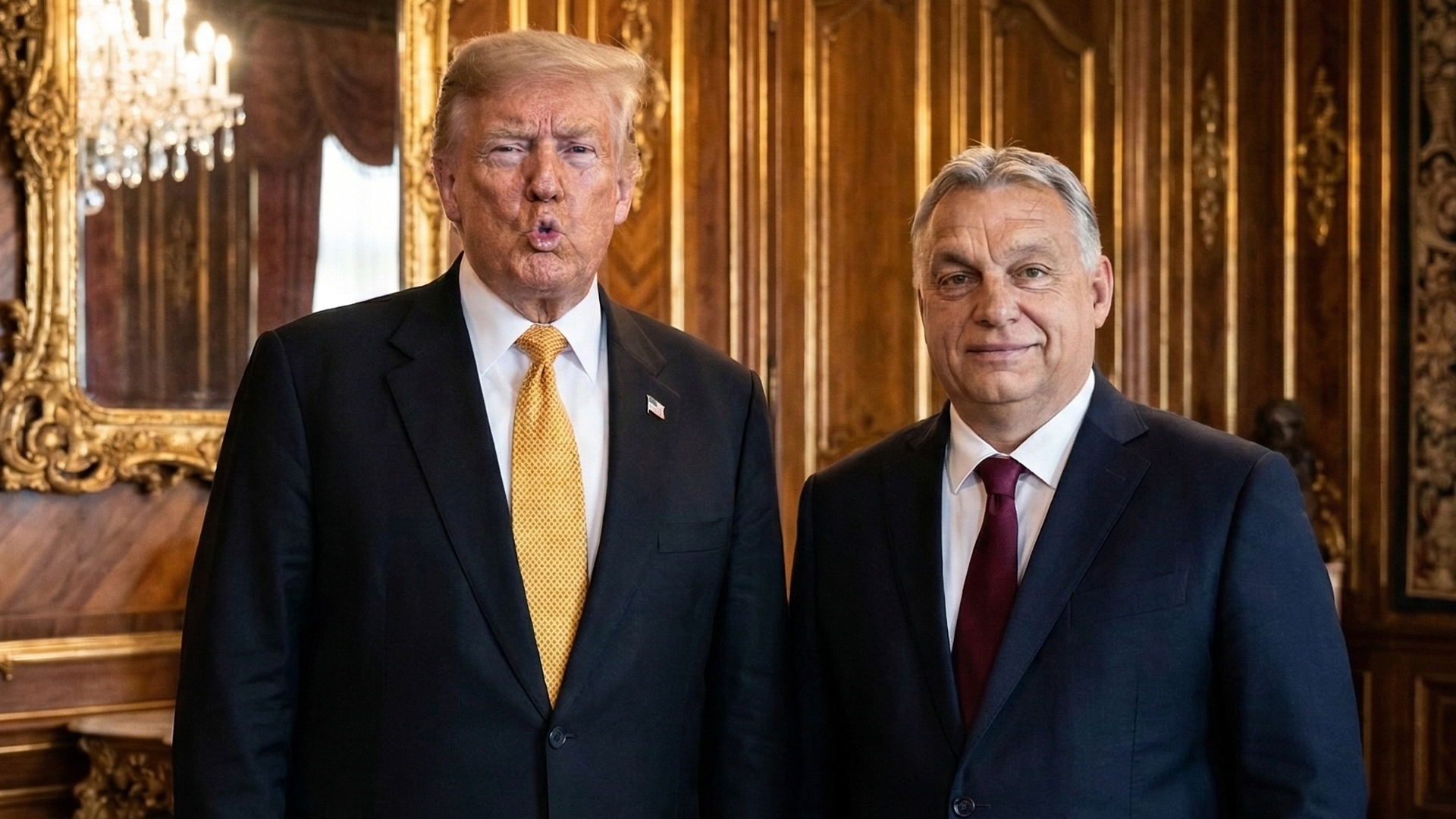
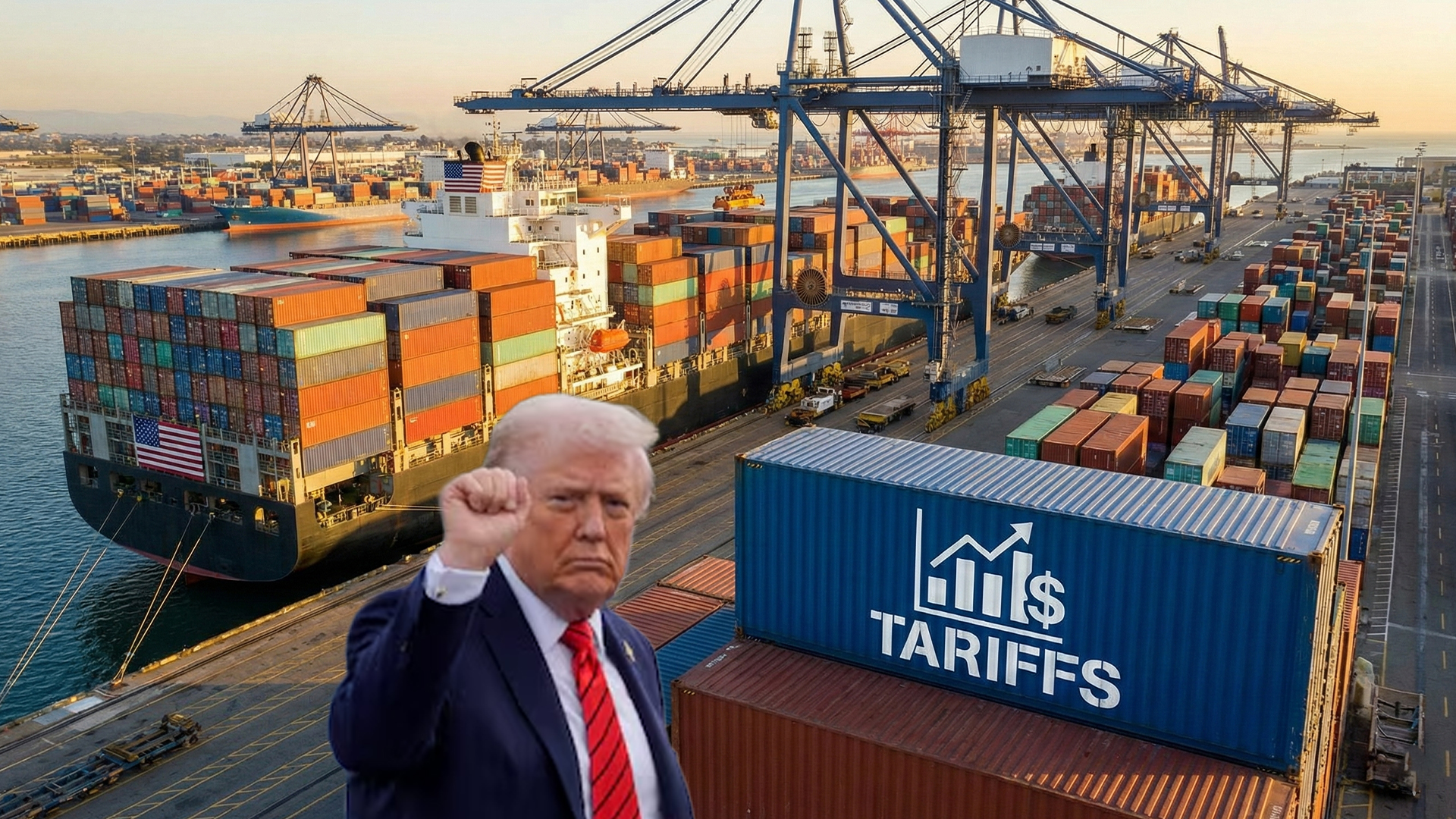
United States President Donald Trump has said that America’s tough trade measures are delivering massive financial gains, claiming the country will receive more than $600 billion in tariff revenues from import duties imposed under his leadership.

In a post on his social media platform Truth Social, Trump said the US has already collected, and will soon collect, over $600 billion from tariffs on foreign goods. He described the revenue as evidence that his trade strategy has strengthened the economy and improved national security, while accusing sections of the media of downplaying the figures.

Trump argued that negative coverage of tariffs was aimed at influencing an upcoming Supreme Court decision that will determine whether his administration acted within the law while imposing some of the levies. The former president said the courts should recognise tariffs as a key tool for protecting American interests.

The tariffs were imposed after Trump returned to office in January 2025 and include steep duties on imports from several countries. Some products face tariffs as high as 50 per cent, including goods from India and other major trading partners. Trump has long argued that such measures are necessary to address unfair trade practices and reduce the US trade deficit.

According to Trump, tariffs force foreign exporters to contribute fairly to the US economy rather than placing the burden on American taxpayers. He has repeatedly said tariffs help revive domestic manufacturing and reduce dependence on overseas suppliers.

However, critics challenge Trump’s claims, arguing the $600 billion figure does not match official data on tariff collections. Economists also warn that higher tariffs often lead to increased prices, as companies pass higher import costs on to consumers.

The issue has taken on added significance as the US Supreme Court prepares to hear legal challenges questioning whether Trump exceeded presidential authority by using emergency economic laws to impose some tariffs. A ruling against the administration could trigger large-scale refunds and policy rollbacks.


Also Read: US tightens tourist visa rules for few countries

US tightens tourist visa rules for few countries

Travellers from more countries may now need to deposit up to $15,000 to visit the United States

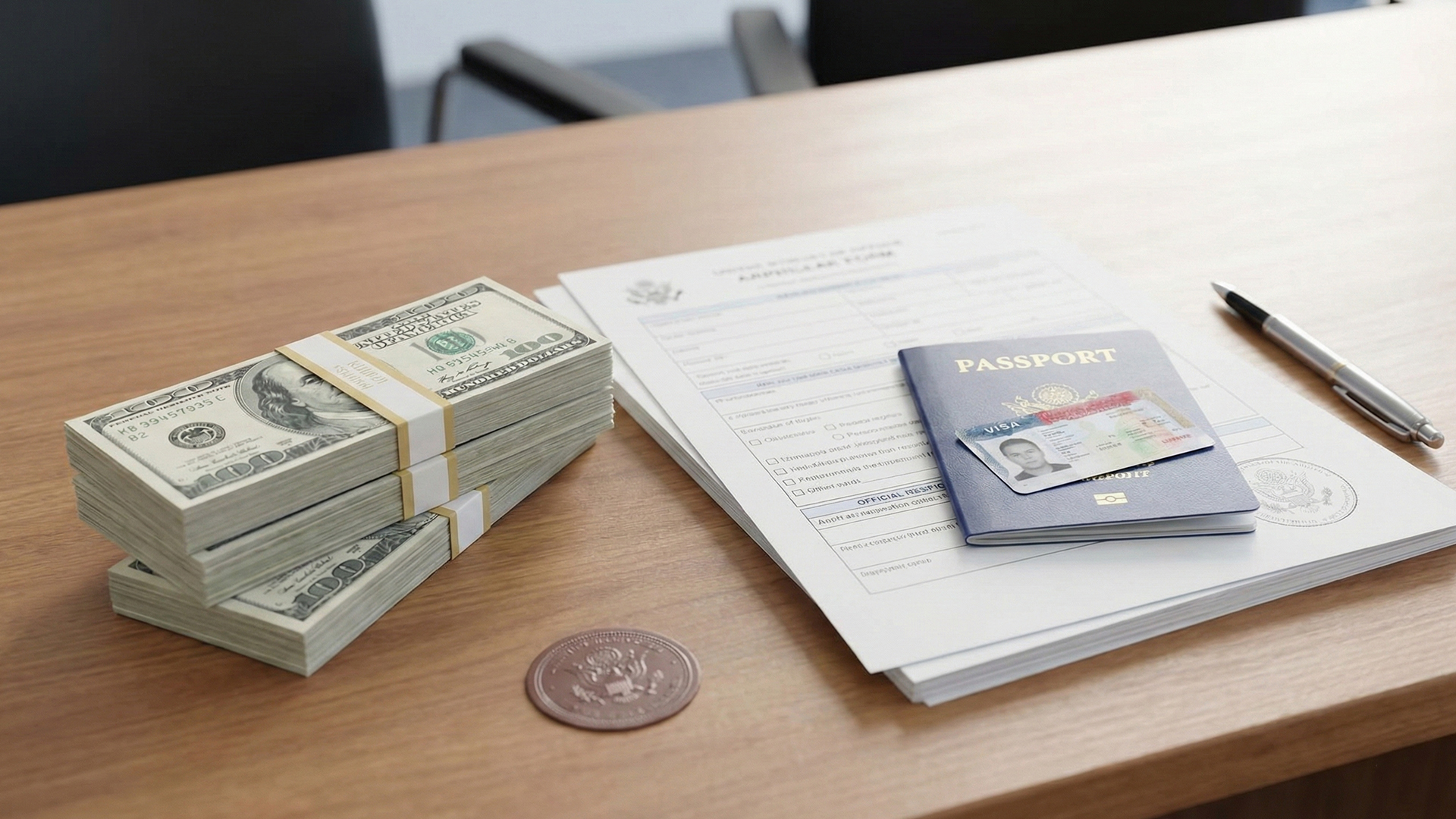
For many people planning a short visit to the United States, travel just became more expensive and uncertain. The US government has expanded a rule that requires travellers from select countries to deposit a refundable visa bond of up to $15,000 before they can receive a tourist or business visa.

The policy, first introduced during former President Donald Trump’s administration, is aimed at reducing visa overstays. US officials say the bond works as a financial guarantee, ensuring that visitors return home once their visa period ends. If travellers follow all the rules and leave the country on time, the money is returned. However, paying the bond does not guarantee that a visa will be approved.

From January 2026, seven more countries have been added to the list, taking the total to 13 nations. The latest additions include Bhutan, Botswana, Guinea, Guinea-Bissau, Namibia, Turkmenistan and the Central African Republic. Most of the affected countries are in Africa, with Bhutan being a notable Asian inclusion.

The bond applies mainly to B-1 (business) and B-2 (tourist) visas and ranges between $5,000 and $15,000, depending on the applicant’s risk profile and travel history. US authorities say the decision to include countries is based on data showing higher rates of visa overstays.

While the government maintains the rule helps protect immigration integrity, critics argue it creates a heavy financial burden for ordinary travellers. For many families, students, small business owners and patients seeking medical treatment, arranging such a large sum upfront is simply not possible.

Travel experts say the rule may discourage genuine visitors and affect tourism, business exchanges and people-to-people ties. Advocacy groups have also raised concerns that the policy unfairly targets citizens of poorer nations, making legal travel to the US increasingly difficult.

Also Read: Trump pushes Greenland plan, sparks global concern

Trump pushes Greenland plan, sparks global concern

President calls Arctic island a strategic priority, raising tensions with Denmark and allies

President Donald Trump has reignited his controversial interest in Greenland, describing the Arctic island as a key US national security priority. The White House said Trump and his advisers are exploring several options, including the possible use of the US military, to increase American influence over the territory.

“Several approaches are under consideration to advance this important foreign policy goal, and the US military is always an option if necessary,” a White House official said.

Greenland, a semi-autonomous part of Denmark with roughly 57,000 residents, has repeatedly rejected the idea of being sold. Leaders in Denmark and European allies have voiced strong opposition, emphasizing that any military action would strain NATO relationships and ignore Greenland’s right to self-determination.

Several paths are reportedly being discussed, including purchasing Greenland directly from Denmark or creating a special association that increases US influence without full sovereignty. Diplomacy remains the preferred approach, according to sources, while Secretary of State Marco Rubio reassured lawmakers that no invasion is planned.

Members of Congress across party lines have expressed concern over the administration’s rhetoric. “Greenland is not for sale, and the US must respect Denmark’s sovereignty,” said Senators Jeanne Shaheen and Thom Tillis, emphasizing the need for careful diplomacy.

US officials argue that securing Greenland could strengthen American presence in the Arctic, counter Russian and Chinese influence, and provide access to valuable resources. Yet the proposal has sparked unease globally, highlighting a tension between Trump’s unilateral ambitions and the collaborative approach expected by NATO allies.

Trump’s renewed focus follows US military action in Venezuela, which officials say highlights the strategic importance of controlling key global locations. Greenland sits between North America and Europe and is rich in untapped mineral resources, making it highly significant for both defense and high-tech industries.

As discussions continue, Greenland’s leaders maintain that the island belongs to its people, and any future must be decided locally, underlining the diplomatic challenges Washington faces in pursuing the plan.

Also Read: 24 Venezuelan, 32 Cuban officers killed in Maduro capture

24 Venezuelan, 32 Cuban officers killed in Maduro capture

US operation in Venezuela sparks heavy casualties and global outrage

The  US military operation in Venezuela to capture President Nicolás Maduro has left at least 24 Venezuelan and 32 Cuban security officers dead, officials say. The raid, carried out on January 3, involved US forces striking targets in Caracas and ultimately seizing Maduro and his wife, Cilia Flores, who were flown to the United States to face drug trafficking charges.

Venezuela’s Attorney General Tarek William Saab called the deaths a “war crime” and said prosecutors are investigating all casualties, including civilians caught in the strikes. He described Maduro’s removal as an “international abduction” violating international law.

Cuba confirmed that 32 of its military and police personnel stationed in Venezuela died, either in combat or during explosions caused by the operation. The Cuban government announced two days of national mourning for the fallen officers.

Acting Venezuelan President Delcy Rodríguez, sworn in after Maduro’s removal, declared a seven‑day period of national mourning. She reaffirmed Venezuela’s sovereignty and rejected US claims that the operation promoted democracy.

The operation has drawn widespread international criticism. Many countries and organisations condemned it as a breach of Venezuela’s sovereignty and international law, while the US government defended the mission as holding Maduro accountable.

Also Read: Colombian President Petro warns against US interference

5 police injured in Delhi demolition drive

Anti-encroachment drive near Faiz-e-Elahi mosque triggers stone pelting, tear gas, and law-and-order action, several detained

A pre-dawn demolition drive by the Municipal Corporation of Delhi (MCD) near the Faiz-e-Elahi mosque in Turkman Gate, Old Delhi, on Wednesday, 7 January 2026, turned violent, resulting in five police personnel being injured and several people detained. The operation was conducted under the direction of the Delhi High Court to remove unauthorised encroachments on land adjoining the mosque and a nearby graveyard.

The action began around 1 a.m., with a heavy deployment of 32 JCB machines, bulldozers, and excavators, supported by police and the Rapid Action Force (RAF). The demolition targeted structures identified as illegal encroachments, covering an area of nearly 38,900 square feet, based on surveys conducted by civic and urban development authorities.

As MCD teams began clearing the structures, a group of 25–30 people resisted, throwing stones and glass bottles at the security personnel. Police responded with tear gas and measured force to disperse the crowd, while ensuring the demolition continued safely. Despite the clashes, officials confirmed that the mosque itself was not damaged, and the operation focused strictly on unauthorised buildings, including a banquet hall, dispensary, and other extensions beyond the legally recognised boundaries.

Following the unrest, Delhi Police registered a First Information Report (FIR) against unknown persons for rioting and obstructing public servants. Several individuals have been detained for questioning, and CCTV and mobile footage are being reviewed to identify others involved in the violence. Law enforcement also continues to monitor the area to maintain peace.

Authorities emphasised that the drive was a legal exercise under court orders, aimed at clearing encroachments in a sensitive, densely populated part of the city. Residents expressed mixed reactions, with some raising concerns about the timing and manner of the operation, while others supported removing unauthorised structures. Traffic restrictions were imposed in nearby areas including Ajmeri Gate, JLN Marg, and Minto Road during the operation.

Also Read: Colombian President Petro warns against US interference

Sonia Gandhi hospitalised in Delhi, condition stable

Congress leader admitted to Delhi hospital for breathing issues; under observation

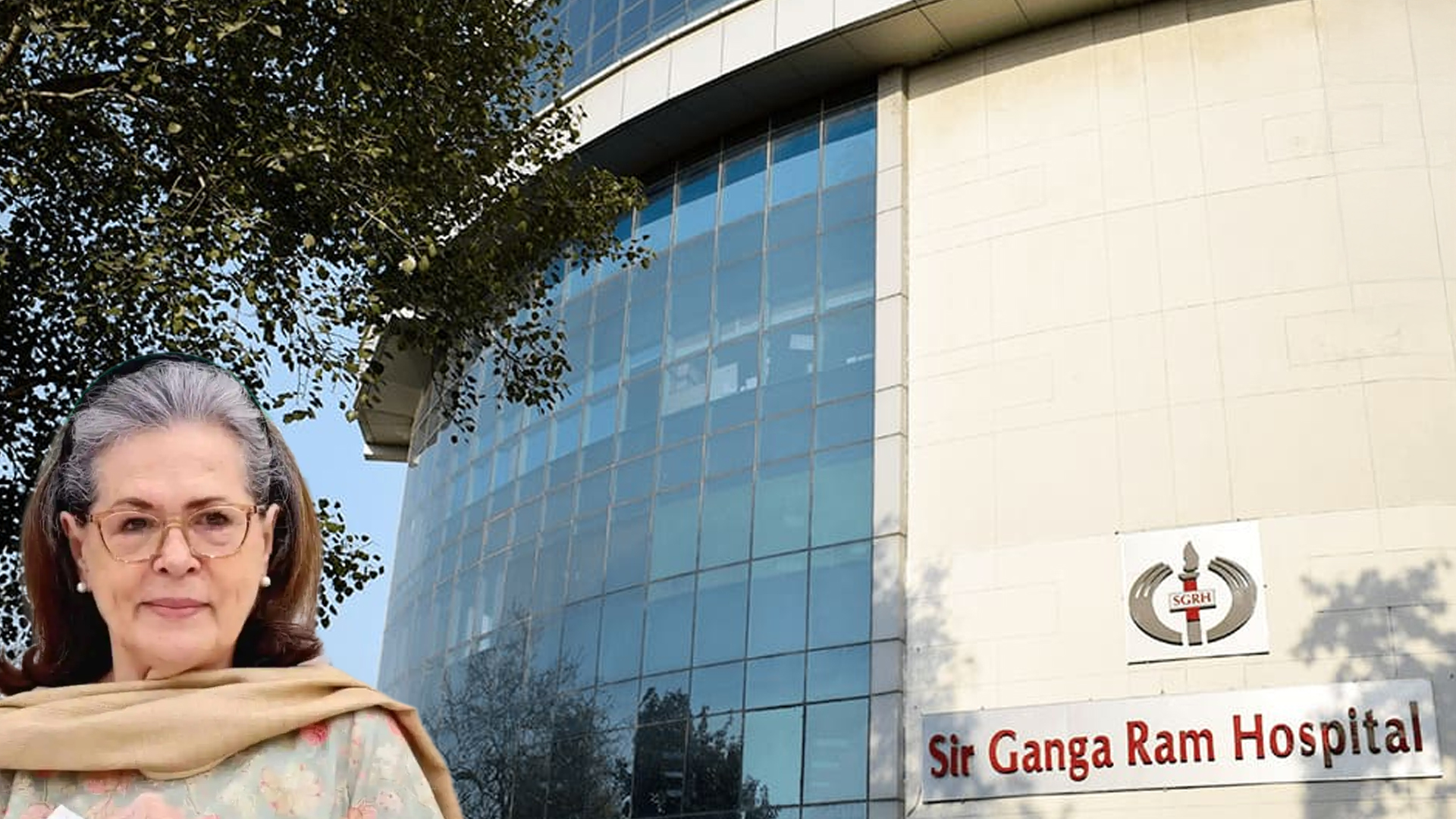
Senior Congress leader and Parliamentary Party Chairperson Sonia Gandhi was admitted to Sir Ganga Ram Hospital in Delhi yesterday, after experiencing breathing difficulties. Doctors have described her condition as stable, emphasizing that the hospitalisation was precautionary and not an emergency.

According to hospital sources, Gandhi, 79, approached medical authorities following respiratory discomfort. Detailed examinations revealed a mild aggravation of her pre-existing bronchial asthma, likely triggered by the cold weather and high pollution levels in the national capital. Given these factors, the medical team decided to keep her under observation and provide supportive care to ensure her full recovery.

Sir Ganga Ram Hospital Chairman, Dr. Ajay Swaroop, stated that Gandhi’s vital signs are stable and she is responding well to treatment. She is receiving antibiotics and other supportive medications, and her health parameters are being closely monitored by a team that includes a chest specialist. The treating physicians will decide on her discharge based on her clinical progress, and she may be released in a day or two if her recovery continues smoothly.

This is not Gandhi’s first hospital visit; she has a history of chronic cough and often seeks medical attention during the winter months or when environmental conditions, such as high pollution, worsen her respiratory symptoms. Her hospitalisation comes shortly after her 79th birthday in December 2025 and amid winter conditions that have affected many people with respiratory problems across the city.

The news of her admission quickly drew reactions from political circles and supporters. However, the timely updates provided by Sir Ganga Ram Hospital have reassured the public that there is no serious health crisis. The hospital has underlined that her care is routine and that she remains under vigilant medical supervision.

Officials have reiterated that Gandhi’s hospitalisation is primarily preventive, aimed at ensuring her health remains stable and that any complications are managed promptly.

Sonia Gandhi continues to receive attentive medical care, and the hospital has assured that her health will be monitored closely until she is fit for discharge.

Also Read: 5 police injured in Delhi demolition drive

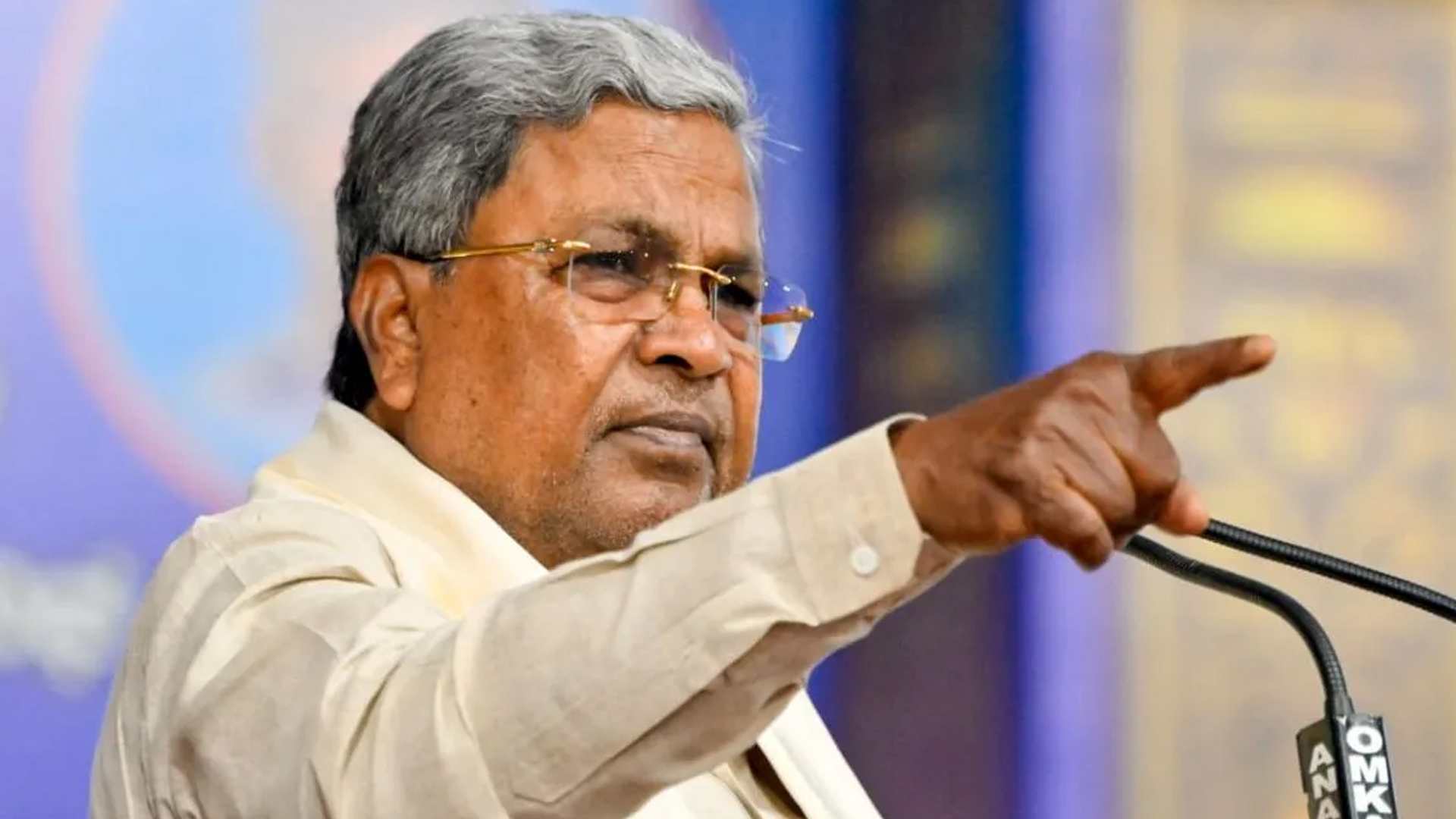
Siddaramaiah is longest‑serving Karnataka CM

From temple prayers to shared sweets, Karnataka celebrates a leader who has won hearts as much as records

Karnataka Chief Minister Siddaramaiah has carved his name in the state’s history by becoming its longest-serving chief minister, surpassing the record set by the legendary D. Devaraj Urs over four decades ago. The milestone was celebrated with warmth and local traditions across the state, as supporters marked the occasion with feasts, temple prayers, and distribution of sweets.

The 78-year-old leader has spent a total of 2,792 days in office, counting his first term from 2013 to 2018 and his current term, which began in May 2023. While numbers record his tenure, it is the connection with the people that has defined his leadership. In towns and villages, many celebrated not just the record, but the journey of a man who rose from humble beginnings to lead the state. Local communities prepared meals, organized small gatherings, and shared sweets, creating a festive atmosphere that mirrored the public’s affection for their leader.

Speaking about the milestone, Siddaramaiah expressed gratitude but kept the focus on service. “I never thought about breaking records,” he said. “My aim has always been to work for the people of Karnataka.” Over decades, he has seen the state through policy changes, social programs, and political challenges, and many residents remember his accessibility and willingness to listen.

The celebrations also reflected personal touches, foods favored by Siddaramaiah, like traditional country-style chicken, were part of the communal meals, and prayers were offered in temples he often visits. Supporters described the day as a moment to honor both his long political journey and the connection he maintains with ordinary citizens.

Political leaders acknowledged the milestone in various ways. Party colleagues offered congratulations, emphasizing hopes for a full, impactful term ahead. Opposition voices, while noting governance concerns, recognized the historical significance of Siddaramaiah’s tenure.

Also Read: Sonia Gandhi hospitalised in Delhi, condition stable

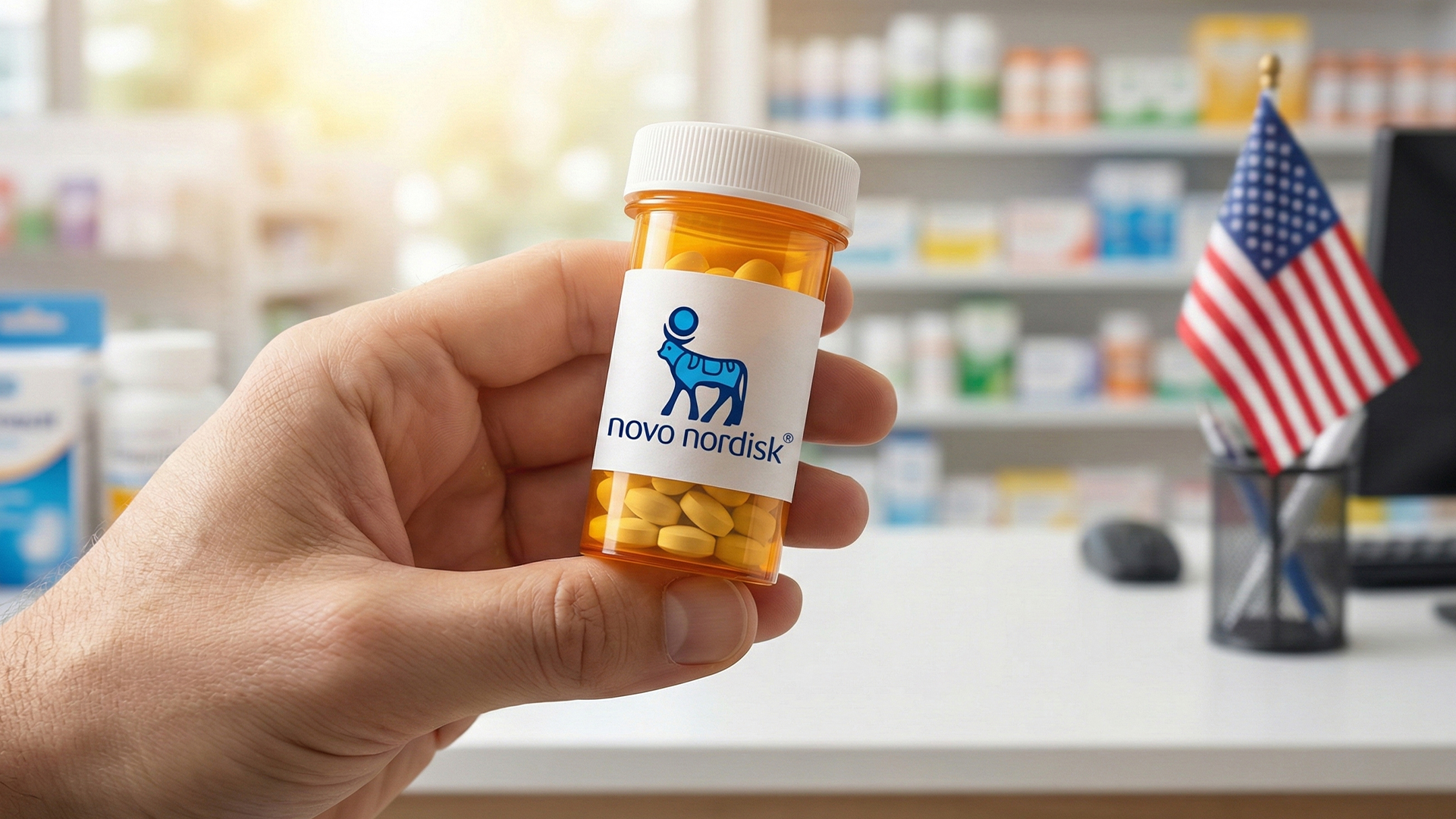
US gets first oral Wegovy weight‑loss drug

Lower-priced pill intensifies competition in obesity market

The United States has welcomed its first oral version of the popular weight‑loss drug Wegovy, offering patients a pill alternative to the injectable treatments that have dominated the obesity market. Launched by Novo Nordisk on January 5, 2026, the new oral option is priced significantly lower than existing therapies, making it more accessible to patients and intensifying competition among pharmaceutical companies.

The pill is available in 1.5 mg and 4 mg doses at $149 per month for self-pay patients, with insurance plans potentially reducing costs to as little as $25 monthly. Higher doses, including 9 mg and 25 mg, are priced at $299 per month, while the 4 mg dose will increase to $199 from mid-April. These prices are far lower than Novo Nordisk’s injectable Wegovy, which can exceed $1,000 per month, and undercut rival products from Eli Lilly, including the injectable Zepbound and the upcoming oral candidate orforglipron, expected at roughly $346 per month.

Clinical trial data show that patients on the oral Wegovy experienced an average 17% reduction in body weight over 64 weeks, similar to results from the injectable versions. Novo Nordisk aims to attract patients who are reluctant to use injections and expand its share of the growing obesity treatment market in the US, where rates of overweight and obesity continue to rise.

The launch also buoyed Novo Nordisk’s stock, reflecting investor confidence in the oral pill’s potential to strengthen the company’s competitive position. Analysts predict that the lower price could prompt further competition and improved patient access, reshaping trends in obesity drug pricing.

Regulatory reviews are underway in other markets, including the United Kingdom, and international availability may follow later in 2026. Healthcare experts note that the oral Wegovy could accelerate the adoption of GLP-1 treatments for obesity, making effective therapies more widely accessible while driving innovation in the sector.

With this launch, Novo Nordisk is set to redefine the US weight-loss drug market, offering patients a more convenient, affordable option and sparking a new phase of competition among leading pharmaceutical companies.

Also Read: Maduro denies US charges, calls arrest “kidnapping”