rotating globe
13 Apr 2026


Rupee rises to 90.12 after 4-day fall

Currency rebounds in early trade after four straight sessions of losses

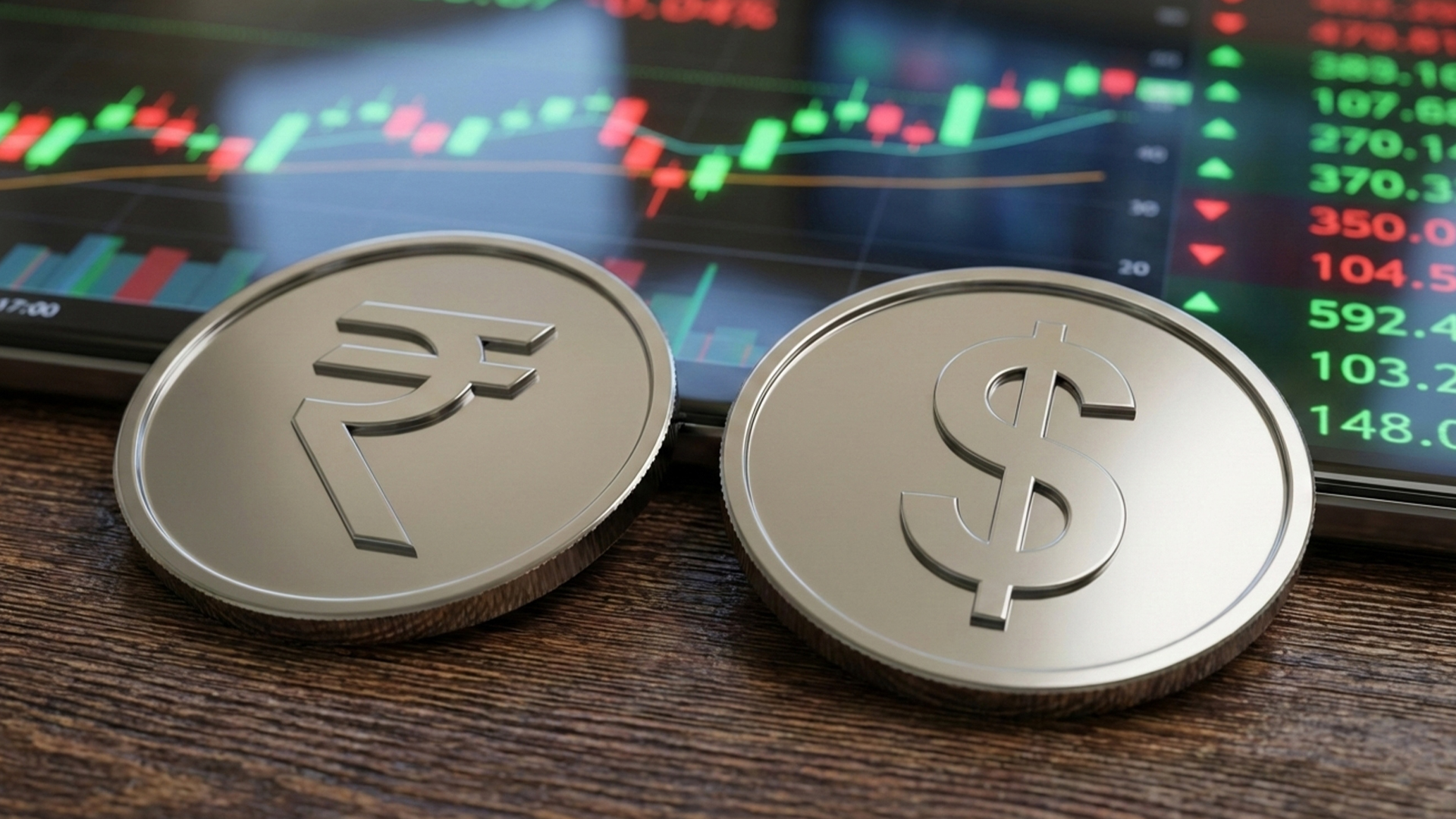
The Indian rupee strengthened against the US dollar on Tuesday, recovering part of its recent losses. In early trade, the rupee rose by about 18 paise to 90.12 against the dollar, compared with its previous close of around 90.30 in the last session, according to forex market data. The gain snapped a four-day losing streak, during which the currency had steadily weakened.

Traders attributed the rebound to a slight easing in the US dollar and some recovery-driven buying in the rupee at lower levels. The US dollar index, which tracks the greenback against six major currencies, was trading marginally lower near the 103–104 range in early Asian hours, offering support to emerging market currencies.

In the previous sessions, the rupee had come under pressure due to persistent dollar demand and weak risk appetite. Rising crude oil prices also weighed on sentiment. Brent crude was trading close to $78–80 a barrel, keeping concerns alive for India, which imports more than 80 per cent of its oil requirements. Higher crude prices tend to widen the trade deficit and weaken the rupee.

On Tuesday, the rupee opened on a firmer note as some dollar demand eased near the 90.20–90.30 levels. Traders also pointed to exporter dollar selling, which provided additional support. Short-covering by traders who had earlier bet against the rupee helped the currency strengthen in early trade.

Despite the rebound, analysts cautioned that the rupee remains vulnerable to global cues. Factors such as expectations around US interest rates, movement in crude oil prices, and ongoing geopolitical tensions are likely to dictate near-term currency trends. Any renewed surge in the dollar or a sharp spike in oil prices could again push the rupee lower.

The Reserve Bank of India (RBI) is expected to continue monitoring the currency closely. While the central bank has been intervening intermittently to curb excessive volatility, it has allowed the rupee to adjust in line with broader market conditions.

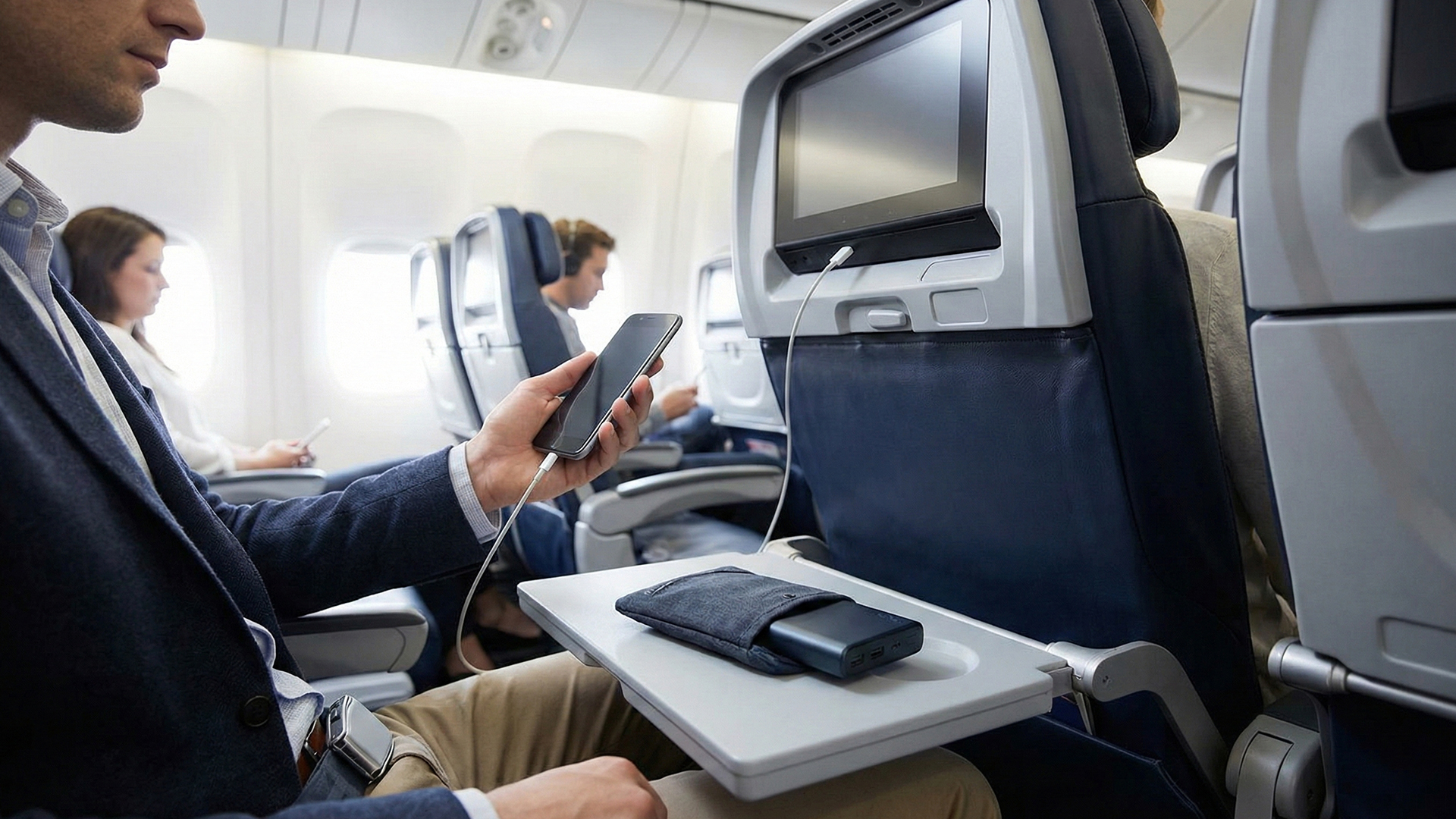
Also Read: DGCA bans in-flight power bank use
AI clinic launches in Greater Noida

GIMS Greater Noida introduces India’s first AI-assisted clinic

India has taken a significant step in modernising public healthcare with the launch of its first government AI clinic at GIMS, Greater Noida. The facility aims to use artificial intelligence to improve diagnosis, detect diseases early and support doctors in delivering more precise treatment.

The clinic combines AI technology with diagnostic imaging, laboratory tests and genetic screening. By analysing large volumes of medical data in minutes, AI systems can identify warning signs of diseases such as cancer, cardiac conditions, kidney failure and liver disorders much earlier than traditional methods.

According to hospital officials, AI will act as a clinical support tool, not a replacement for doctors. Radiology scans and pathology reports will first be screened by AI, which can highlight abnormalities for doctors to review. This reduces workload, speeds up reporting and improves consistency in diagnosis.

The initiative is expected to be especially helpful in early cancer detection, where timely diagnosis can save lives. AI can spot minute changes in scans that may be missed in manual reviews, enabling treatment to begin sooner and improving patient outcomes.

Another key focus of the clinic is personalised medicine. AI systems assess a patient’s health records, genetic profile and lifestyle factors to help doctors plan customised treatment strategies. This approach can improve effectiveness and reduce unnecessary side effects.

Officials said the AI clinic could help expand access to quality healthcare, particularly in public hospitals that face staff shortages and high patient volumes. In the long term, similar AI units could be rolled out in other government hospitals and connected to rural health centres.

The launch reflects India’s growing focus on digital health and innovation in public services. By bringing AI into government hospitals, authorities aim to make healthcare faster, more accurate and more accessible for millions of patients.

Also Read: Indore diarrhoea surge, 20 new cases, 142 admitted

SC denies bail to Umar Khalid and Sharjeel Imam

Five other accused in Delhi riots case get bail while Khalid and Imam remain in custody

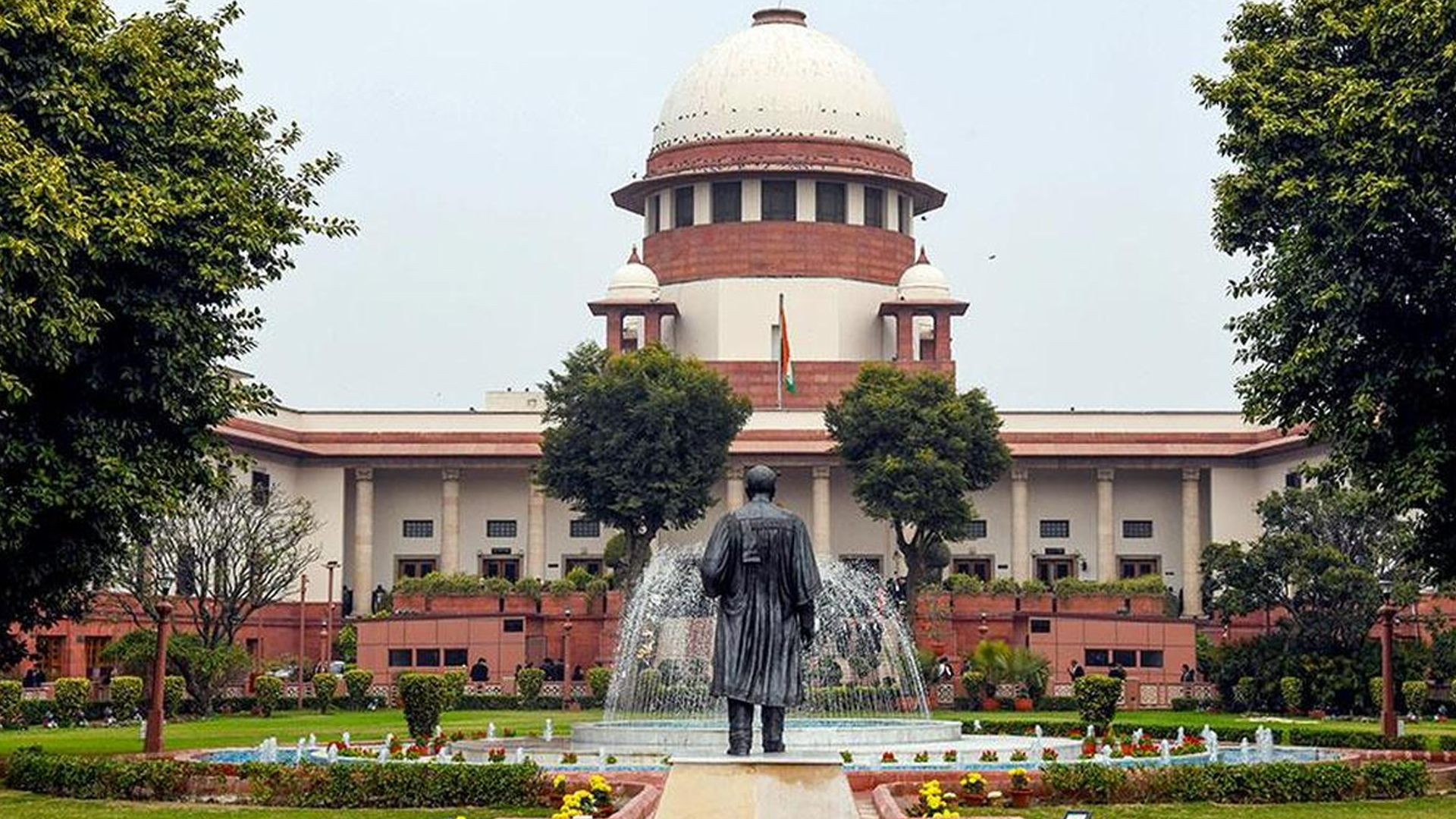
The Supreme Court (SC) of India today, refused to grant bail to Umar Khalid and Sharjeel Imam, accused in the 2020 Delhi riots larger conspiracy case. The SC said there is enough evidence to show their possible role in planning and guiding the riots.

The bench, made up of Justice Aravind Kumar and Justice NV Anjaria, said the laws under the Unlawful Activities (Prevention) Act (UAPA) are strict, and being in custody for a long time does not automatically mean bail should be granted. The court also noted that Khalid and Imam had a bigger role compared to the other accused.

At the same time, the SC granted conditional bail to five co-accused: Gulfisha Fatima, Meeran Haider, Shifa Ur Rehman, Mohammad Saleem Khan, and Shadab Ahmed. They must follow rules while out on bail, or it can be canceled. The court clarified that giving bail to these five does not weaken the allegations against all; it reflects differences in their role.

Umar Khalid, who has been in jail for more than five years without his trial starting, told his partner Banojyotsna Lahiri that “this is my life now” after the decision. He said he was relieved his co-accused got bail.

The SC said Khalid and Imam can apply for bail again after one year or after certain witnesses are examined.

The 2020 Delhi riots occurred in northeast Delhi during protests against the Citizenship Amendment Act (CAA) and the National Register of Citizens (NRC), leading to deaths, injuries, and damage to property.

The SC’s decision shows that each accused is treated based on their role and evidence. Khalid and Imam stay in custody, while the others are temporarily released under strict conditions.

Also Read: President Maduro captured, faces US court charges

President Maduro captured, faces US court charges

Venezuela raid sparks legal, political backlash and global diplomatic tensions over sovereignty claims

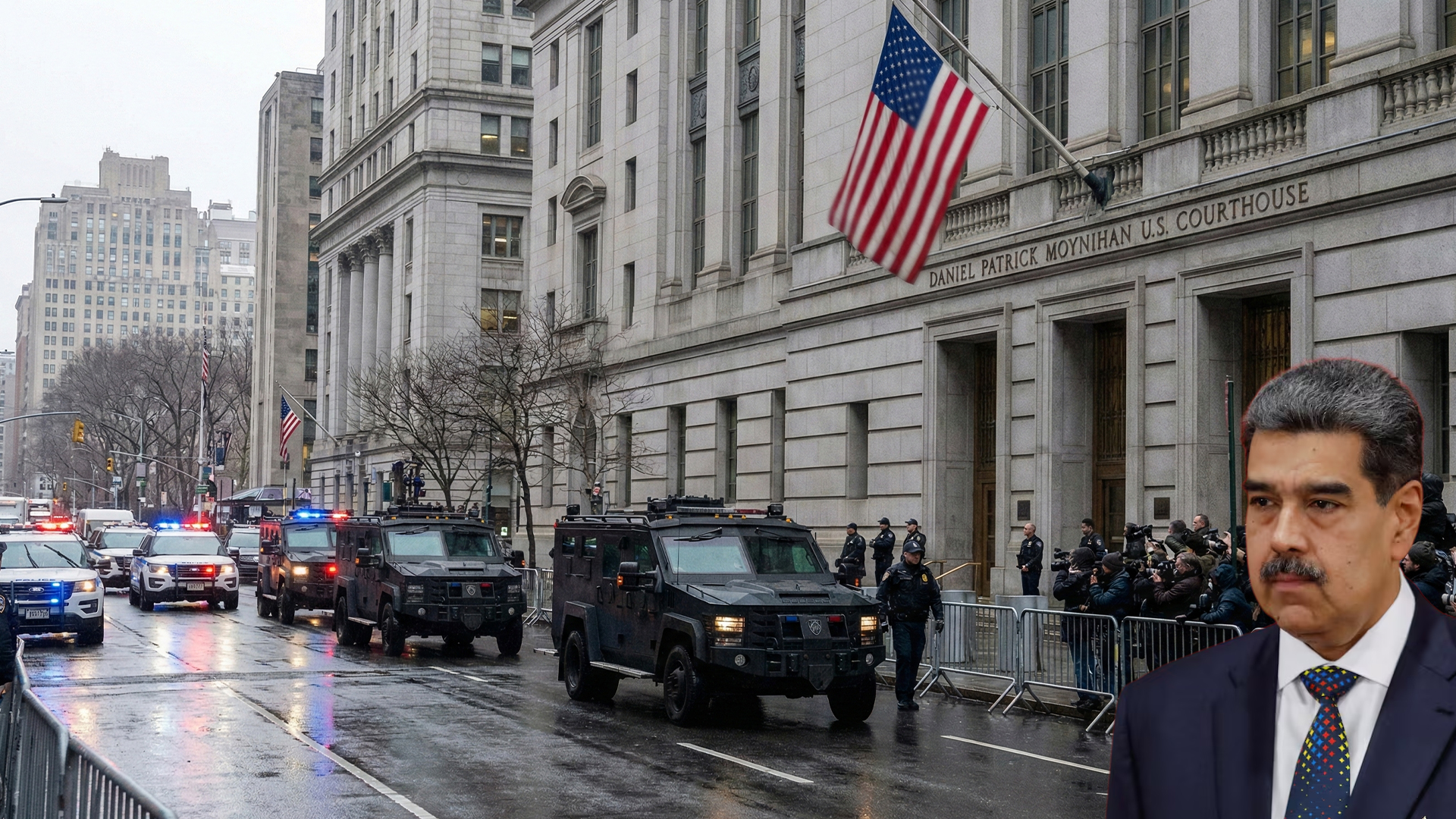
The United States carried out a military operation in Venezuela, capturing President Nicolás Maduro and his wife, and transporting them to New York to face federal charges. Maduro is set to appear in a Manhattan court on drug trafficking and narco‑terrorism charges, marking an unprecedented legal and diplomatic moment.

President Trump described the operation, code‑named Operation Absolute Resolve, as a success, targeting criminal networks. He also indicated that the United States would temporarily influence Venezuela’s transition, including oversight of its oil resources, while clarifying that Washington does not intend to govern daily affairs.

The operation involved elite US forces and extensive planning, prompting immediate international criticism. Venezuela’s government denounced the action as a “kidnapping” and violation of sovereignty, while officials emphasized that the country seeks peace and hopes for “respectful relations” with the US despite tensions.

Global reactions varied sharply. Russia, China, and many Latin American nations condemned the U.S. action as illegal under international law. Cuba reported casualties among its personnel in the raid, while Israel praised the US for decisive action.

In the US, the operation has triggered intense debate. Critics argue it exceeded presidential authority without Congressional approval, while supporters say it was necessary to confront transnational crime and drug trafficking.

As Maduro prepares to appear in court, the situation raises complex questions about international law, state sovereignty, and the geopolitical consequences of a military intervention targeting a sitting head of state. The world is watching closely as diplomatic and legal developments continue to unfold.

Also Read: Venezuela crisis pushes rupee past 90

Trump warns India over Russian oil tariffs

US President may raise duties if India continues importing Russian crude despite talks

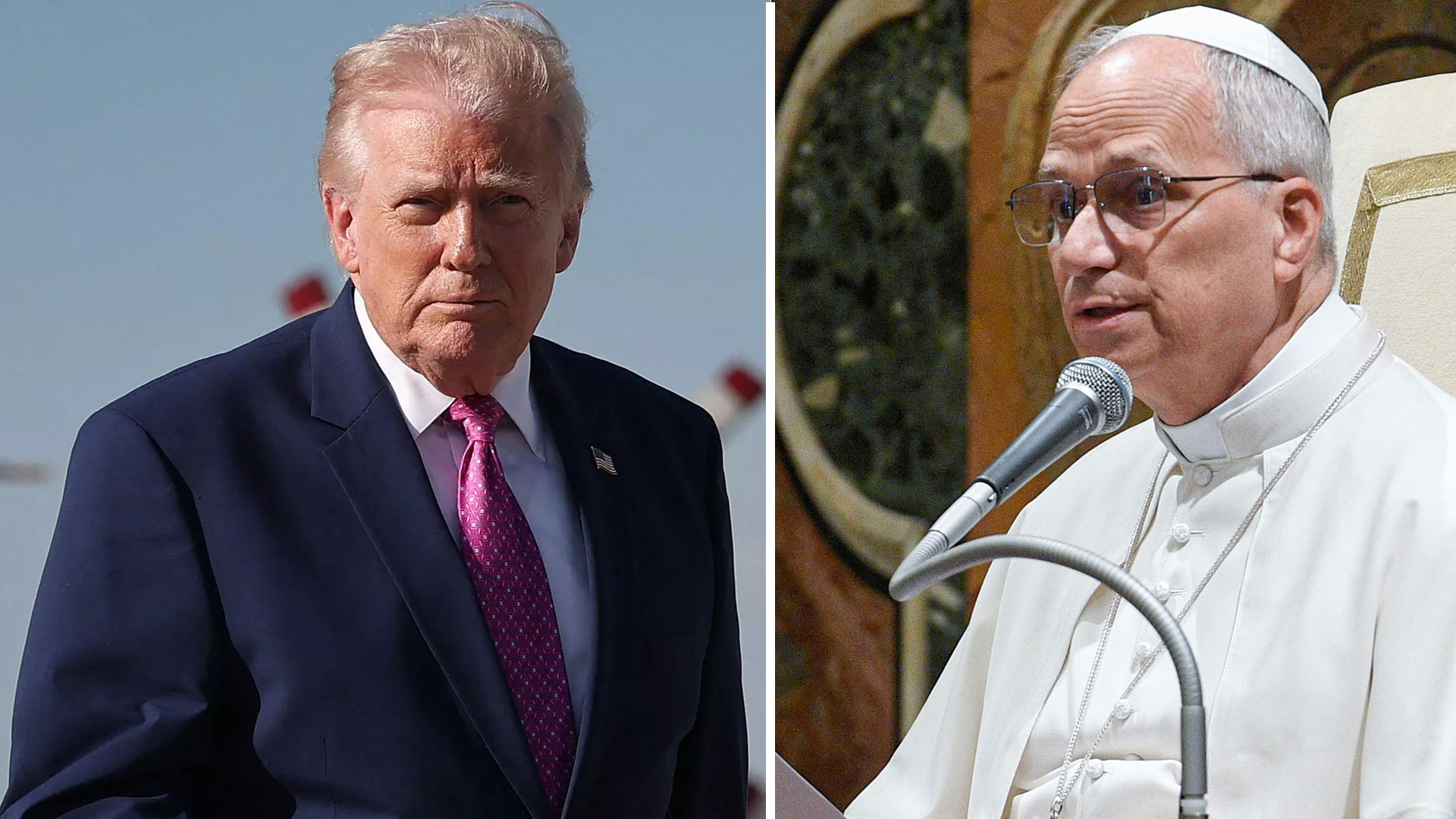
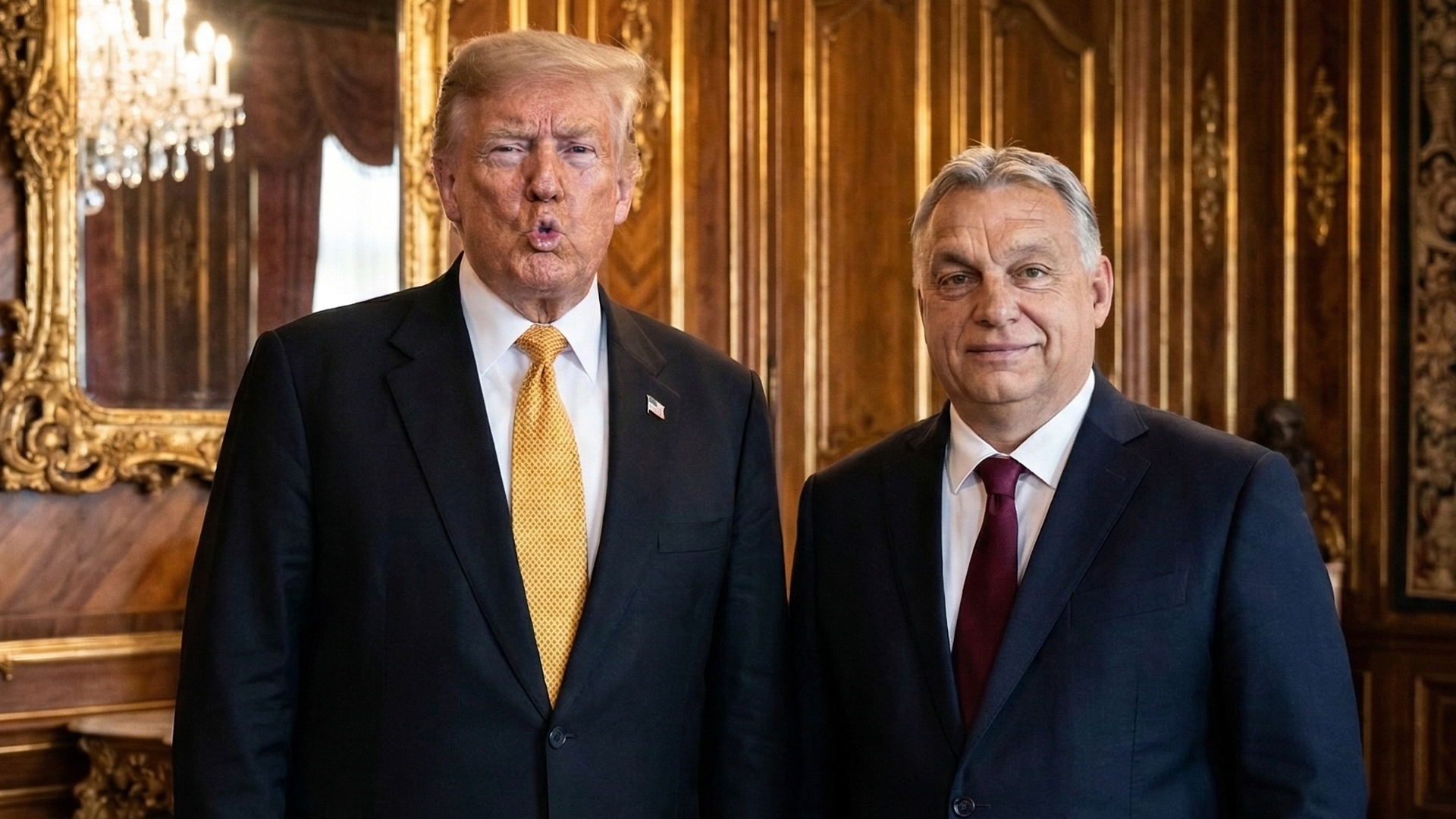
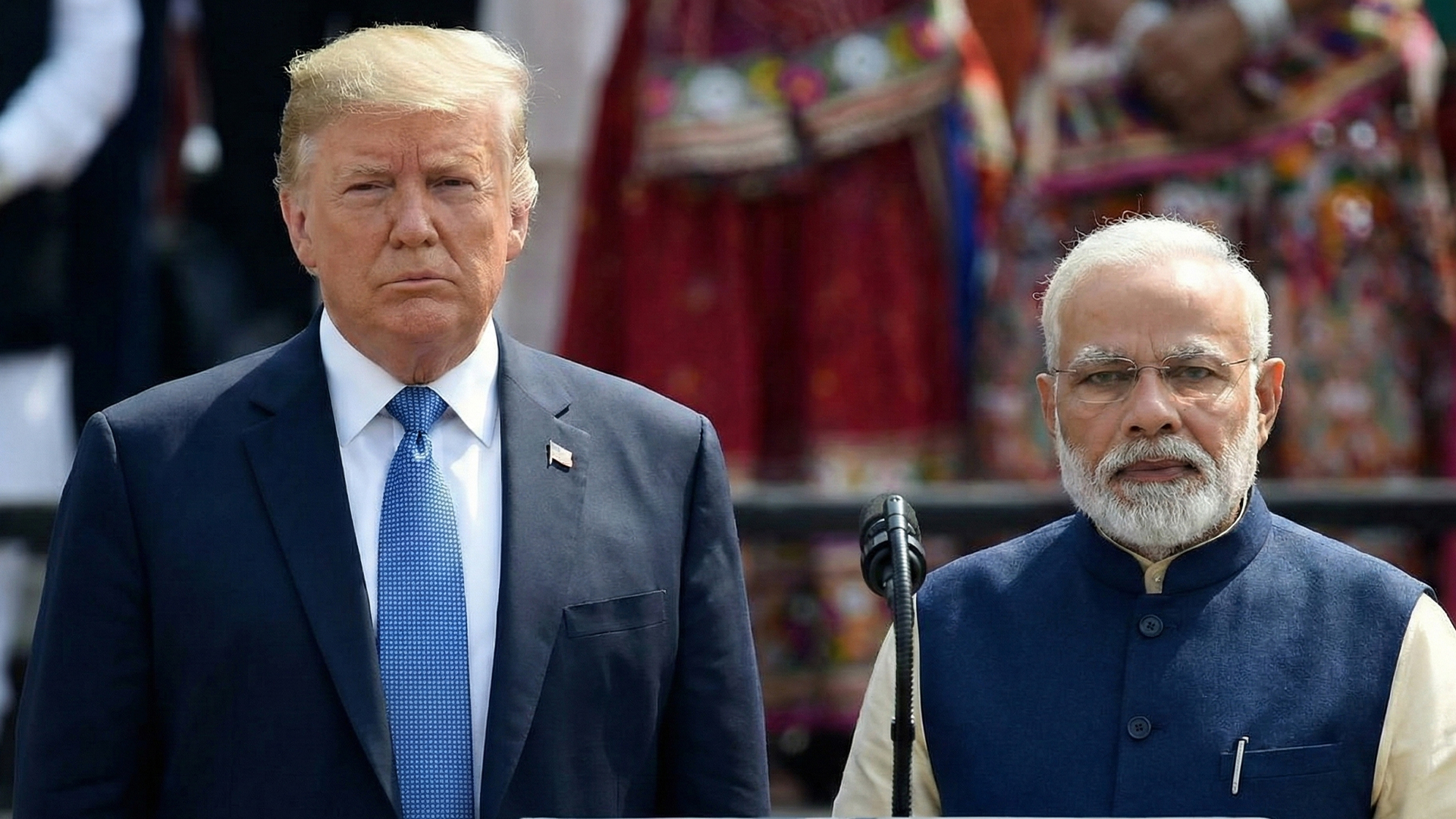
US President Donald Trump has once again warned India that the United States could increase tariffs on Indian goods if New Delhi does not address concerns over its imports of Russian oil. Speaking to reporters aboard Air Force One, Trump said the US could act “very quickly” if India does not cooperate, highlighting energy trade with Russia as a major point of tension.

Despite the warning, Trump praised Indian Prime Minister Narendra Modi, calling him “a very good man” and noting that Modi “knew I was not happy” with India’s stance on Russian crude. Trump said India had tried to accommodate Washington but stressed that the US may still resort to raising tariffs if its concerns are not addressed.

The remarks come at a sensitive time in US‑India relations. Both countries have been engaged in trade talks to resolve disputes and maintain strong bilateral economic ties. The tariff threat follows previous rounds of tensions, including a 2025 decision by the US to double tariffs on Indian imports, partly over continued purchases of Russian oil.

The focus on Russian oil comes amid the ongoing Russia‑Ukraine conflict. The US has expressed concern that India’s purchases of discounted Russian crude undermine Western sanctions and policy objectives. India, however, argues that its imports are driven by domestic energy needs and market considerations rather than geopolitical alignment.

To increase transparency, the Indian government has asked refiners to submit weekly data on Russian and US oil imports. This move is seen as part of India’s efforts to address US concerns and facilitate a trade agreement with Washington.

Experts say Trump’s comments reflect the delicate balance in US‑India relations. While both countries cooperate on strategic issues, trade and energy policies remain points of friction. Analysts note that any escalation, such as higher tariffs, could affect India’s economy and global trade dynamics.

The US‑India relationship continues to navigate this complex mix of cooperation and contention, with energy imports, trade tariffs, and geopolitical considerations shaping the dialogue between Washington and New Delhi.

Also Read: President Maduro captured, faces US court charges

Indore diarrhoea surge, 20 new cases, 142 admitted

Outbreak declared epidemic as contaminated drinking water puts city on alert

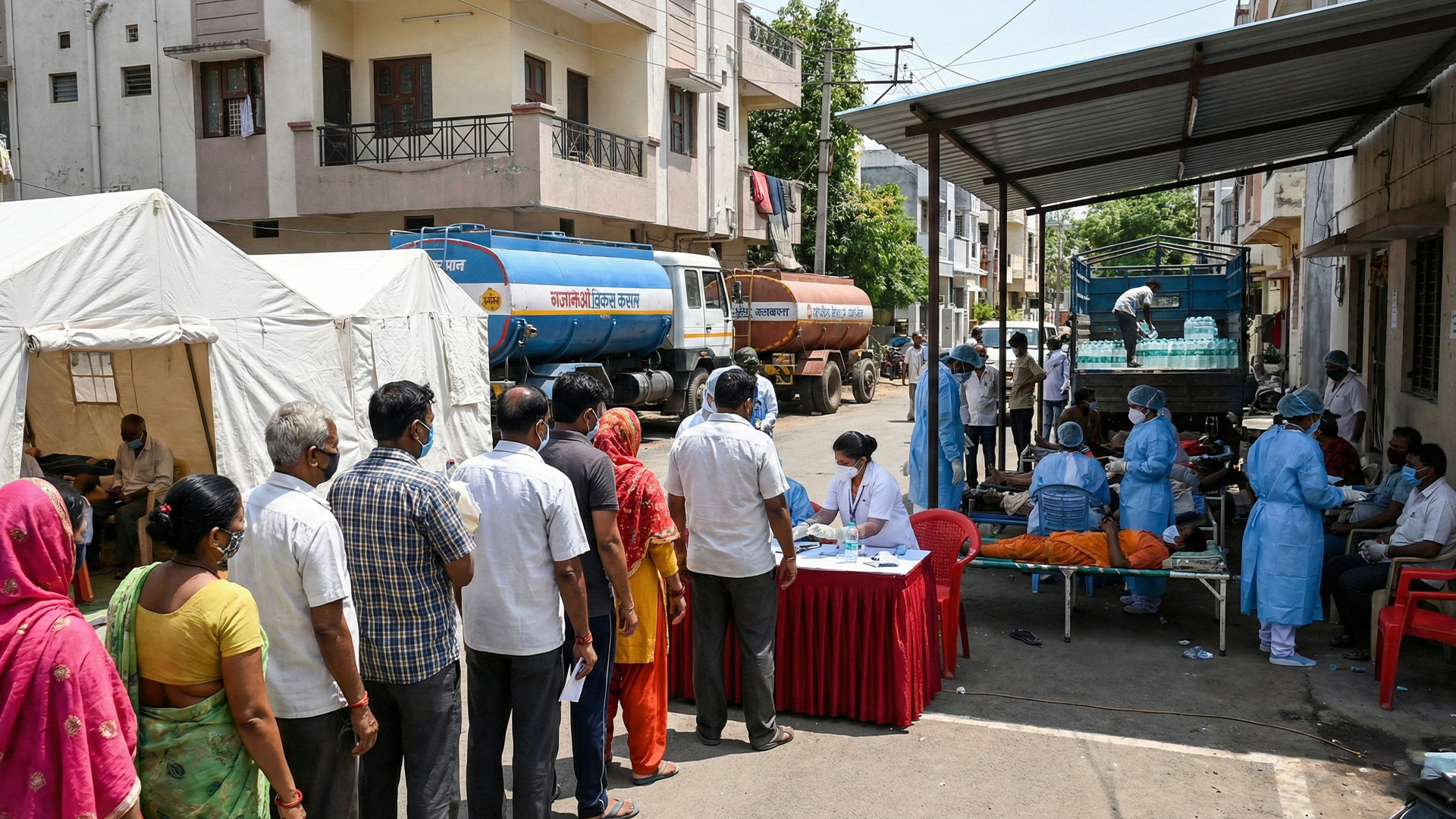
As per the latest updates on the water contamination crisis in Indore, health authorities have confirmed that 20 new diarrhoea cases were detected during ongoing screening, taking the number of patients currently hospitalised to 142. Of these, 11 patients are undergoing treatment in intensive care units. The outbreak, centred in the Bhagirathpura area, has now been declared an epidemic by the district administration, prompting intensified surveillance and emergency response.

Medical teams have screened over 9,400 residents across more than 2,300 households to identify fresh cases and prevent further spread. Officials said most patients reported symptoms such as acute diarrhoea, vomiting, dehydration and fever after consuming contaminated drinking water supplied to the area.

Since the outbreak began, a total of 398 people have been admitted to hospitals in Indore. While 256 patients have recovered and been discharged, several others remain under observation. Authorities have officially confirmed six deaths linked to the outbreak, though there are conflicting claims from local leaders and residents, with some alleging a higher toll, including the death of an infant.

The Indore Municipal Corporation has acknowledged contamination in the water supply and has taken steps to contain the situation. Water supply from suspected pipelines has been stopped in affected localities, and chlorination and flushing of pipelines are being carried out. Safe drinking water is being supplied through tankers, and residents have been advised to boil water before use and maintain strict hygiene.

To determine the exact cause of the contamination, a specialised team associated with the Indian Council of Medical Research has been deployed. The team is examining water samples and checking for possible pipeline leakages or bacterial contamination that may have triggered the outbreak.

The crisis has sparked public anger and political protests, with opposition parties accusing the civic administration of negligence and delayed action despite complaints about poor water quality in the area over the past few months. Demonstrations have been held demanding accountability and immediate corrective measures.

The outbreak has come as a major concern for Indore, a city often praised for its cleanliness and civic management. Health officials said active surveillance will continue in the coming days and urged residents to seek immediate medical attention if symptoms appear, stressing that early treatment can significantly reduce the risk of serious complications.

Also Read: Trump warns India over Russian oil tariffs

EAM S. Jaishankar begins his France, Luxembourg visit

External Affairs Minister focuses on diplomacy, trade, culture and stronger India-Europe relations

External Affairs Minister S. Jaishankar has begun a six-day official visit to France and Luxembourg as India looks to strengthen its engagement with key European partners. The visit reflects New Delhi’s growing focus on deepening political, economic and cultural ties with Europe at a time of global uncertainty.

In France, Jaishankar’s engagements are centred on reviewing the long-standing India-France Strategic Partnership, which covers defence, security, space, nuclear cooperation, climate action and emerging technologies. India and France have been close strategic partners since 1998 and regularly work together on regional and global issues.

During his stay in Paris, Jaishankar visited a special textile exhibition showcasing the shared cultural connections between India and France. The exhibition highlights India’s rich textile traditions, craftsmanship and creativity, and how cultural exchanges continue to strengthen people-to-people ties between the two countries. Jaishankar said such initiatives reflect the deep historical and cultural links that support the broader bilateral relationship.

The External Affairs Minister is also scheduled to meet senior French leaders, including his counterpart, to discuss ways to expand cooperation in trade, defence manufacturing, clean energy, digital technologies and global governance. He will also address the French Ambassadors’ Conference as Guest of Honour, where he is expected to share India’s views on global diplomacy and international cooperation.

After concluding his engagements in France, Jaishankar will travel to Luxembourg, where he will hold talks with senior leaders, including Foreign Minister Xavier Bettel. Discussions are expected to focus on expanding economic ties, investment cooperation and collaboration in areas such as sustainable finance and innovation. Luxembourg is an important financial hub and a key partner for India in Europe.

Jaishankar will also interact with members of the Indian community during his visit, highlighting the role of the diaspora in strengthening bilateral relations.

Also Read: India tops global rice production, overtakes China