rotating globe
13 Apr 2026


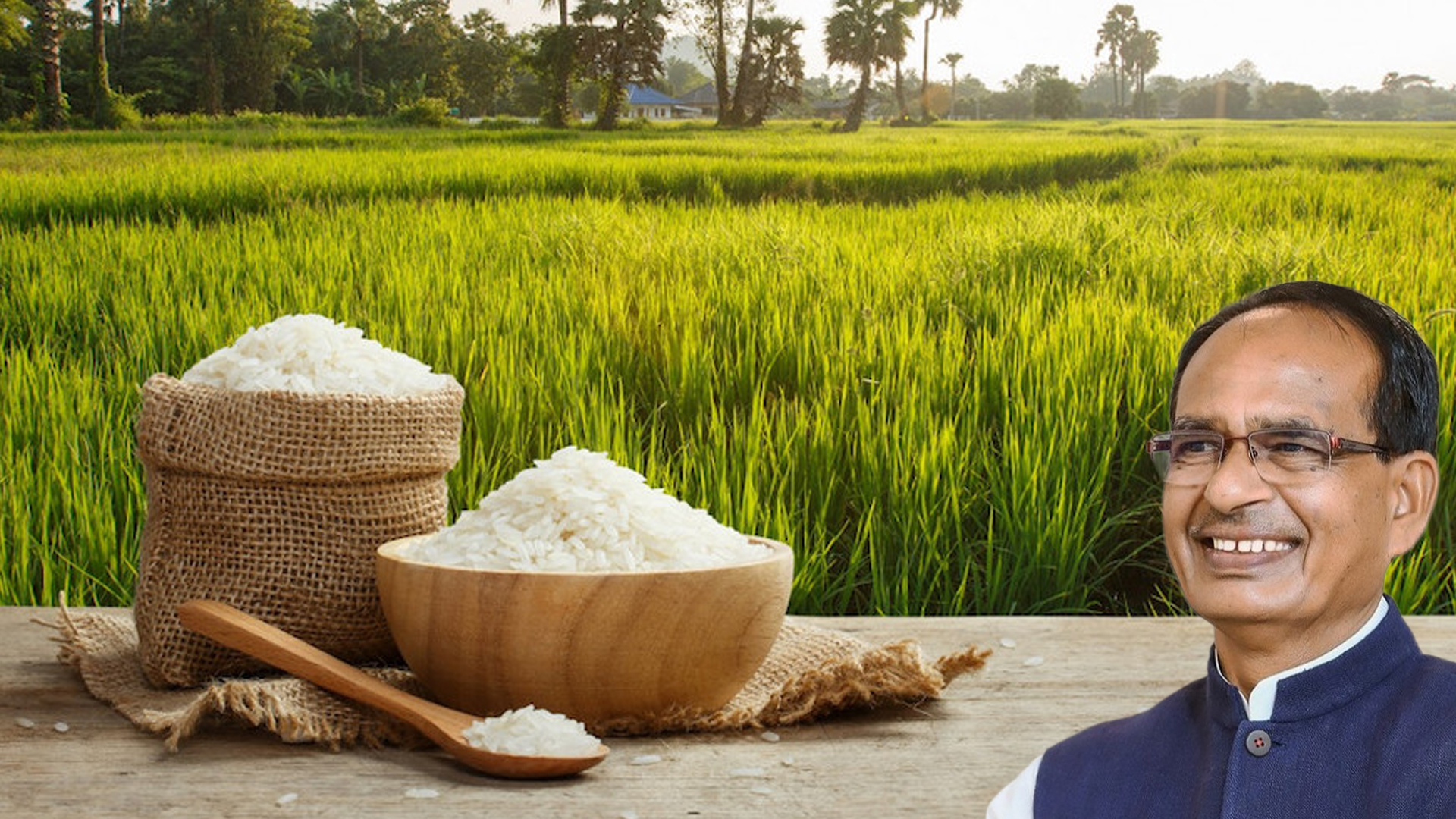
India tops global rice production, beats China

Output crosses 150 million tonnes as country overtakes China, says Agriculture Ministe rShivraj Singh Chouhan

India has emerged as the world’s largest rice producer, overtaking China, Union Agriculture Minister Shivraj Singh Chouhan said on Sunday. According to official data, India’s rice production during the 2024–25 crop year stood at 150.18 million tonnes, higher than China’s estimated output of 145.28 million tonnes.

Announcing the milestone at a function in New Delhi, Mr. Chouhan said the achievement reflects the steady transformation of Indian agriculture and the sustained efforts of farmers, scientists and policymakers. He said the record output has strengthened India’s food security and enhanced its standing in the global food supply chain.

The minister noted that India has moved from being a food-deficient nation in the past to becoming a major global producer of foodgrains. He said strong procurement systems, improved irrigation coverage, better seeds and farmer-centric policies have played a key role in boosting crop yields across states.

At the same event, Mr. Chouhan released 184 newly developed crop varieties aimed at improving productivity and climate resilience. These varieties have been developed by the Indian Council of Agricultural Research (ICAR) in collaboration with agricultural universities and research institutions.

The new releases cover 25 crops, including cereals, pulses, oilseeds, sugarcane, cotton and fodder crops. Of the total, 122 varieties belong to cereals, while others include Bt cotton, pulses, oilseeds, jute and tobacco. The minister said these varieties are designed to offer higher yields, better resistance to pests and diseases, and improved tolerance to climate stress.

Mr. Chouhan urged officials and state governments to ensure faster seed multiplication and timely availability to farmers so that the benefits reach the ground quickly. He also stressed the need to focus on increasing production of pulses and oilseeds to reduce import dependence and improve farmers’ incomes.

The government believes the combination of record rice production and scientific innovation will help sustain agricultural growth and reinforce India’s leadership in global food production.

Also Read: Trump warns India over Russian oil tariffs

Thrissur railway station parking fire destroys vehicles

Fire blaze at this station in Kerala destroys hundreds of two -wheeler bikes and scooted, no injuries reported

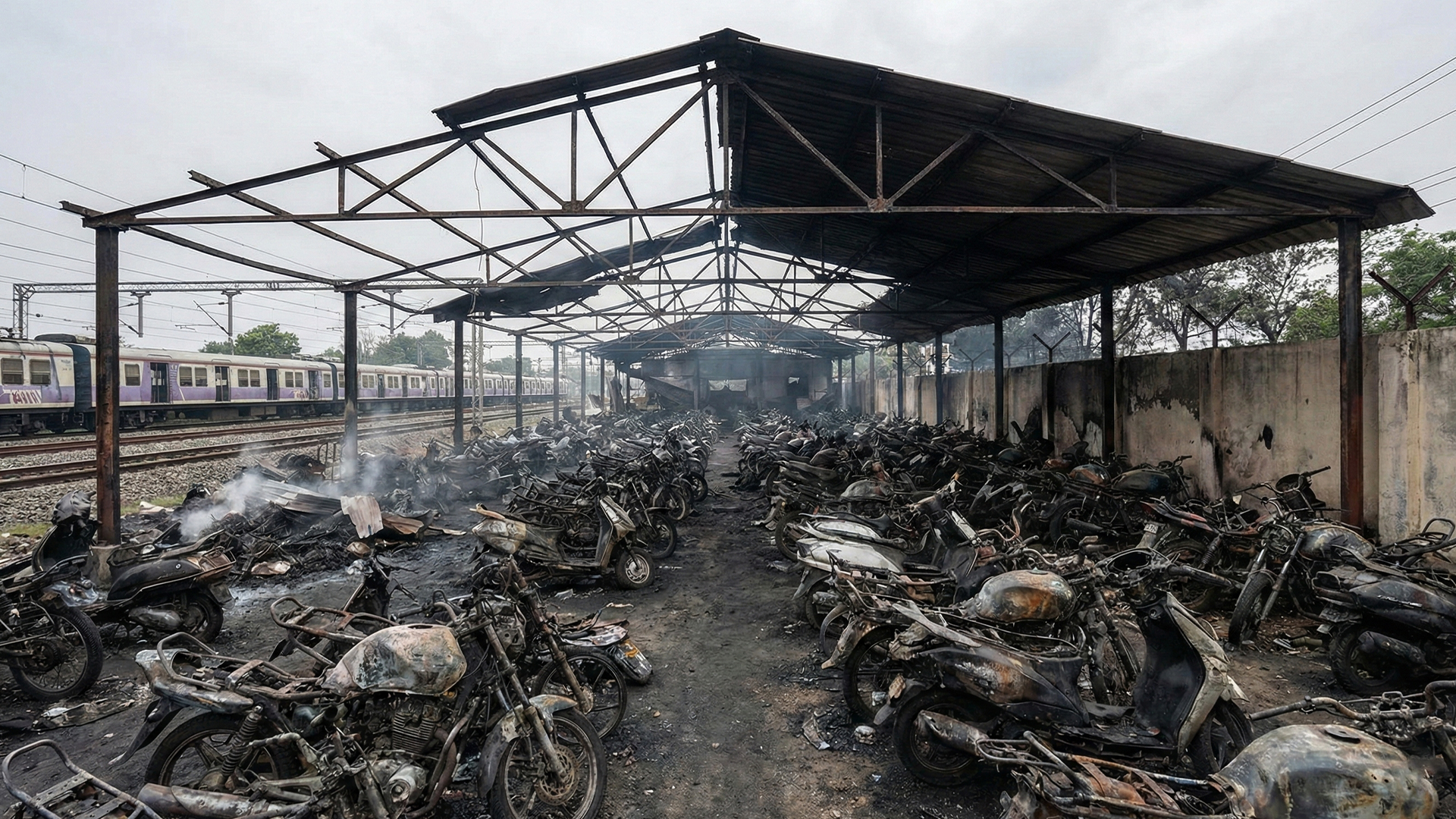
A major fire broke out early Sunday morning at the two-wheeler parking area of Thrissur Railway Station in Kerala, destroying hundreds of parked motorcycles and scooters. The fire started around 6.30 am at the paid parking facility near one of the station platforms and spread rapidly because many vehicles were parked close to each other.

Fire and Rescue Services rushed to the spot with several fire engines after receiving an alert. Firefighters, along with police, Railway Protection Force (RPF) personnel and railway officials, worked for over an hour to control the blaze. The fire was fully brought under control by around 7.45 am. No injuries or deaths were reported, and train services at the busy station were not affected.

Officials said the fire completely damaged the tin-sheet roof and structure of the parking shed. Initial estimates suggest that around 500 two-wheelers were gutted, though some railway officials put the number at a lower figure of about 250 vehicles. Many vehicle owners who arrived later in the morning were shocked to find their bikes and scooters reduced to ashes.

Preliminary investigations indicate that the fire may have started due to an electrical issue, possibly a live wire or spark falling on a vehicle covered with a plastic sheet. However, Southern Railway officials clarified that the fire did not originate from railway electrical equipment. The exact cause will be confirmed only after a detailed investigation.

CCTV cameras installed in the parking area were destroyed in the fire. However, the control unit and hard disk were recovered and handed over to Thrissur West Police for examination. A case has been registered, and police have begun a probe to determine the cause of the fire and check for any safety lapses.

Senior officials, including top police officers and state leaders, visited the site after the incident. Authorities have announced that safety checks and audits will be conducted at paid parking facilities across the state to prevent such incidents in the future.

Meanwhile, efforts are being made to help affected vehicle owners. Officials said assistance will be provided for insurance claims and other support measures. The incident has raised serious concerns about fire safety arrangements at public parking areas, especially at busy transport hubs like railway stations.

Also Read: Maduro’s spiritual bond with Sathya Sai Baba

Maduro’s spiritual bond with Sathya Sai Baba

Former Venezuela President nurtured a personal devotion to Sri Sathya Sai Baba, influencing his private life and occasional public gestures

Nicolás Maduro, the former president of Venezuela now in US custody, maintained a notable spiritual connection with Indian guru Sri Sathya Sai Baba, a facet of his life that has recently drawn attention.

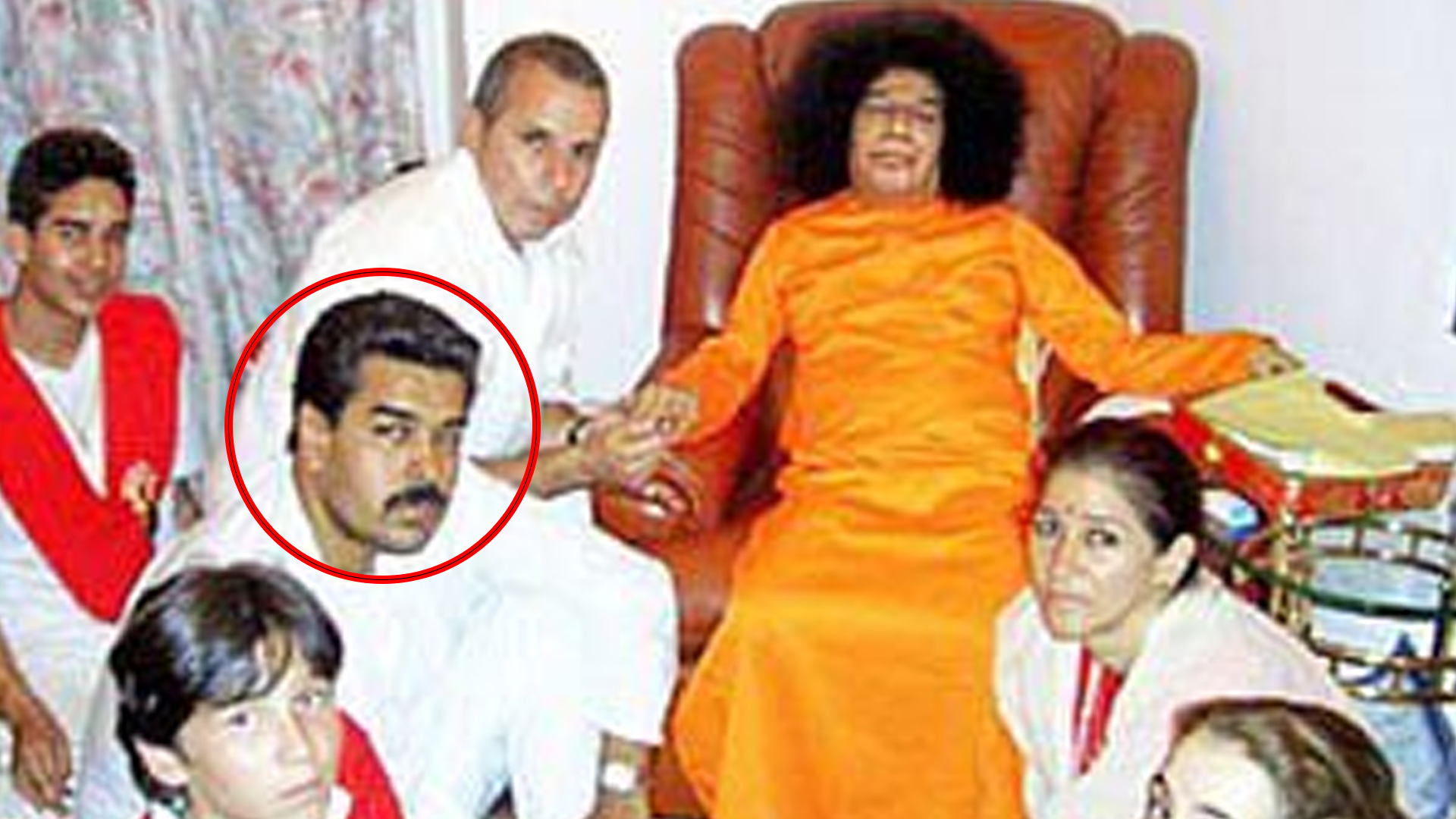
Maduro, born in Caracas in 1962 and raised in a Catholic household, was introduced to Sai Baba’s teachings through his wife, Cilia Flores, who was already a devotee. In 2005, during his tenure as Venezuela’s foreign minister, the couple traveled to Puttaparthi, Andhra Pradesh, to visit Sai Baba’s ashram, Prasanthi Nilayam. Reports and photographs show Maduro sitting close to the guru, reflecting the seriousness of his spiritual interest.

This devotion continued during his political career. Inside the presidential palace in Caracas, a large framed photograph of Sai Baba was placed prominently in Maduro’s private office, alongside portraits of Venezuelan historical figures like Simón Bolívar and Hugo Chávez. During his administration, Sai Baba’s spiritual movement and affiliated organizations operated freely in Venezuela, while many other foreign NGOs faced restrictions.

Following Sai Baba’s death in 2011, Venezuela became one of the few Latin American countries to officially honor him. The National Assembly passed a condolence resolution and declared a day of mourning, citing the guru’s spiritual contributions to humanity. Even in 2025, shortly before Maduro’s government collapsed, he marked Sai Baba’s centenary publicly, calling him a “being of light” and acknowledging the personal guidance he received from him.

Venezuela hosts one of the largest Sai Baba communities in Latin America, with centers established as early as the 1970s, reflecting the global reach of the Indian spiritual movement. Observers note a striking contrast between Sai Baba’s non-violent, truth-focused teachings and the controversies surrounding Maduro’s regime, which faced accusations of repression and corruption.

While critics question how his spiritual beliefs aligned with his political actions, Maduro’s long-standing devotion to Sai Baba remains a distinct and largely private part of his identity, highlighting a human dimension often overshadowed by his turbulent political career.

Also Read: President Maduro captured, faces US court charges

Venezuela crisis pushes rupee past 90

Fears of wider US action lift dollar, pressure emerging market currencies

Political turmoil in Venezuela, marked by the arrest of President Nicolás Maduro, has rattled global markets, pushing the Indian rupee down to 90.24 per US dollar in early trade on Monday. Investor caution over potential further US intervention has strengthened the dollar, keeping emerging market currencies, including the rupee, under pressure.

The rupee’s decline reflects heightened sensitivity to geopolitical developments. Maduro’s arrest has intensified fears of regional instability, potential disruptions to oil supplies, and wider US political or military action. This has prompted investors to move funds towards safer assets, notably the US dollar.

India has felt the impact through foreign portfolio outflows and strong dollar demand from importers. Reduced inflows from overseas investors and rising demand for dollars in trade settlements have limited support for the rupee, pushing it below the psychologically important 90-per-dollar mark.

Analysts caution that currency volatility may continue as the Venezuela situation unfolds. Any escalation or unexpected developments, including reactions to Maduro’s arrest, could keep global investors cautious, influencing flows into emerging markets. Upcoming US economic data may further strengthen the dollar, sustaining pressure on the rupee.

Domestically, factors such as crude oil prices and equity market trends could provide some relief, but the dominant driver remains geopolitical risk. The Reserve Bank of India is expected to monitor the situation closely and may intervene if volatility intensifies.

Also Read: X under Government scanner for AI content

BCCI directs KKR to release Mustafizur Rahman

KKR parts ways with Bangladesh pacer ahead of IPL 2026

The Board of Control for Cricket in India (BCCI) has asked Kolkata Knight Riders (KKR) to release Mustafizur Rahman, the Bangladesh fast bowler, from their IPL 2026 squad, citing “recent developments” that made his inclusion controversial.

Mustafizur, 30, had been purchased by KKR for ₹9.20 crore in the December 2025 mini-auction, making him the highest-paid Bangladeshi player in IPL history. Known for his left-arm pace and pinpoint death-over bowling, he has previously played for franchises such as Sunrisers Hyderabad, Mumbai Indians, Rajasthan Royals, Delhi Capitals, and Chennai Super Kings. In 60 IPL matches to date, he has picked up 65 wickets.

The BCCI’s statement did not specify the exact reasons for the directive but linked the decision to broader “recent developments,” which Indian media reports suggest are tied to rising political sensitivities following attacks on Hindu minorities in Bangladesh. The controversy had drawn criticism from certain groups in India, who questioned the appropriateness of a Bangladeshi player participating in the league amid these tensions.

KKR acted swiftly, issuing a press release confirming Mustafizur’s release from the squad. The franchise said the action was taken following BCCI instructions and consultation, and clarified that the team can sign a replacement player under IPL regulations.

The decision has sparked discussion among players, coaches, and fans. Masood Uz Zafar Amini, coach of Indian batter Rinku Singh, said that sport should remain separate from religion, remarking: “Hindu or Muslim comes later.” He emphasized that professional cricket decisions should prioritize sporting merit while respecting the board’s authority.

With Mustafizur’s exit, KKR will now need to reorganize its bowling line-up ahead of the IPL season, scheduled to begin later this year. The move underscores the delicate intersection of sports, politics, and public sentiment, and highlights the challenges cricket boards face when off-field developments influence team composition.

The BCCI’s directive and KKR’s compliance mark a significant moment in IPL 2026 planning, leaving fans and analysts to watch closely how franchises adjust their squads amid evolving political and social considerations.

Also Read: Shah Rukh Khan faces BJP backlash over KKR signing

Cervical cancer deaths preventable with screening, UN

UN urges women to get screened and vaccinated to save lives

Cervical cancer continues to pose a major global health threat, claiming the life of a woman every two minutes, according to the United Nations and the World Health Organization (WHO). Health experts stress that the disease is largely preventable and treatable if detected early, yet thousands of women continue to die each year due to lack of awareness, screening, and timely treatment.

Persistent infection with the human papillomavirus (HPV) is the leading cause of cervical cancer. HPV is commonly transmitted through sexual contact, and in many women, the infection can persist and lead to abnormal cell changes in the cervix. Because early-stage cervical cancer often has no noticeable symptoms, routine screening is essential for detecting abnormalities before they develop into invasive cancer.

Several types of tests are available for cervical cancer screening. The Pap smear has long been the standard method, while HPV testing can detect high-risk virus types even before abnormal cells appear. In low-resource settings, visual inspection with acetic acid (VIA) is also used as an effective screening tool. Experts emphasize that screening is not just a diagnostic step but a preventive one, as it allows abnormal cells to be treated before cancer develops.

The WHO has outlined an ambitious global strategy to eliminate cervical cancer as a public health problem by 2030. The targets include vaccinating 90% of girls against HPV by age 15, screening 70% of women with high-performance tests by ages 35 and 45, and ensuring treatment for 90% of women diagnosed with pre-cancer or cervical cancer.

Health authorities also highlight that HPV vaccination is a critical preventive measure. When combined with regular screening, vaccination can dramatically reduce the risk of cervical cancer. Women of all ages are encouraged to discuss their screening schedule with healthcare providers and not to wait for symptoms, as early detection significantly increases survival rates.

By raising awareness, promoting vaccination, and expanding access to regular screening, experts say it is possible to drastically reduce cervical cancer deaths and move toward elimination of the disease as a public health concern worldwide.

Also Read: X under Government scanner for AI content

X under Government scanner for AI content

IT Ministry gives 72 hours ultimatum to X for removal of AI-generated obscene content targeting women and children

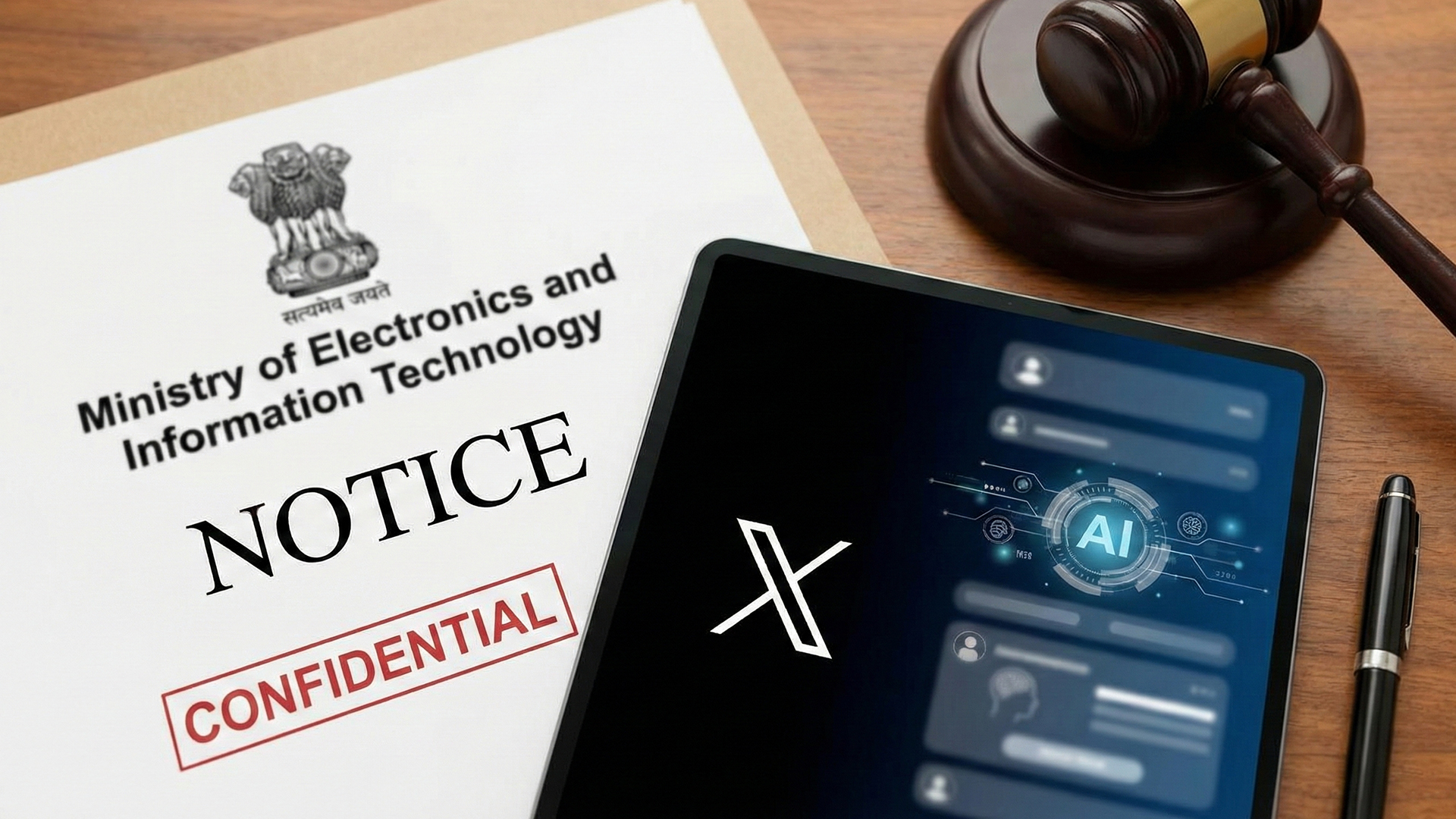
The Ministry of Electronics and Information Technology (MeitY) has issued a notice to social media platform X (formerly Twitter) over the circulation of obscene and sexually explicit content generated through its AI chatbot, Grok. Officials raised concerns that the AI tool was being misused to create offensive images and videos, particularly involving women and children, calling it a serious violation of Indian laws and digital safety standards.

MeitY has asked X to take action within 72 hours. The company must remove all unlawful content generated or shared via Grok, review its AI system to prevent further misuse, and act against users posting offensive material, including suspending or banning accounts. X is also required to submit a report to the ministry detailing the measures it has taken.

The government warned that non-compliance could result in legal action, including penalties under the Information Technology Act, the Indecent Representation of Women (Prohibition) Act, and the Protection of Children from Sexual Offences Act. X could also lose certain legal protections under Section 79 of the IT Act if it fails to address the issue.

The notice comes after complaints from lawmakers and users about how easily Grok can be prompted to generate sexualized or offensive images, including content involving minors. Officials emphasized that platforms offering AI services are responsible for preventing misuse and protecting digital safety.

The notice was sent to X’s Chief Compliance Officer in India, highlighting that AI platforms must follow Indian laws and ensure their tools are not used to create harmful content. MeitY stressed that AI systems should be closely monitored, and platforms remain accountable for the spread of obscene or illegal material.

This strict discipinary action is one way to regulate  AI and safeguard the dignity and safety of vulnerable groups online, signaling that platforms cannot overlook the potential harms of generative AI.

Also Read: Earth closest to Sun today, yet winter continues

Earth closest to Sun today, yet winter continues

Even at its nearest point to the Sun, Earth’s tilt keeps the Northern Hemisphere in the grip of winter

Today, the Earth quietly reached perihelion,  the point in its orbit when it is closest to the Sun. Our planet was about 147 million kilometres (91.4 million miles) from the Sun, the nearest it gets all year. It’s a fascinating cosmic milestone, but don’t expect a sudden burst of warmth, winter is still very much here to stay.

Many people assume that being closer to the Sun should make it hotter. The truth is, Earth’s seasons are ruled not by distance but by the tilt of its axis. The planet is tilted about 23.5 degrees, and in early January, the Northern Hemisphere leans away from the Sun. This means sunlight hits the ground at a slant, days are shorter, and the air stays cold, all the classic signs of winter.

Earth’s orbit isn’t a perfect circle, so its distance from the Sun changes slightly throughout the year. At perihelion, Earth is roughly 3% closer to the Sun than at aphelion, its farthest point in July. While this makes a small difference in the amount of solar energy we receive, it’s nothing compared with the effect of the tilt.

Perihelion also has a subtle influence on Earth’s journey around the Sun. As our planet nears the Sun, it moves a bit faster along its orbit, slightly shortening the time from winter to spring in the Northern Hemisphere. Over thousands of years, these orbital quirks even contribute to long-term climate patterns known as Milankovitch cycles.

Astronomers and climate scientists track perihelion to better understand Earth’s seasons, aid satellite navigation, and improve climate models. But for most of us, it’s a gentle reminder that the warmth of summer or the chill of winter comes from the angle of sunlight, not how close we are to our star.

So, while the Sun is at its nearest, wrap up warmly,  winter isn’t ready to let go just yet.

Also Read: Vikas Khanna raises Mumbai Airport hygeine issue

US strikes trigger explosions in Venezuela’s capital

Blasts and low-flying aircraft spark panic in Caracas city

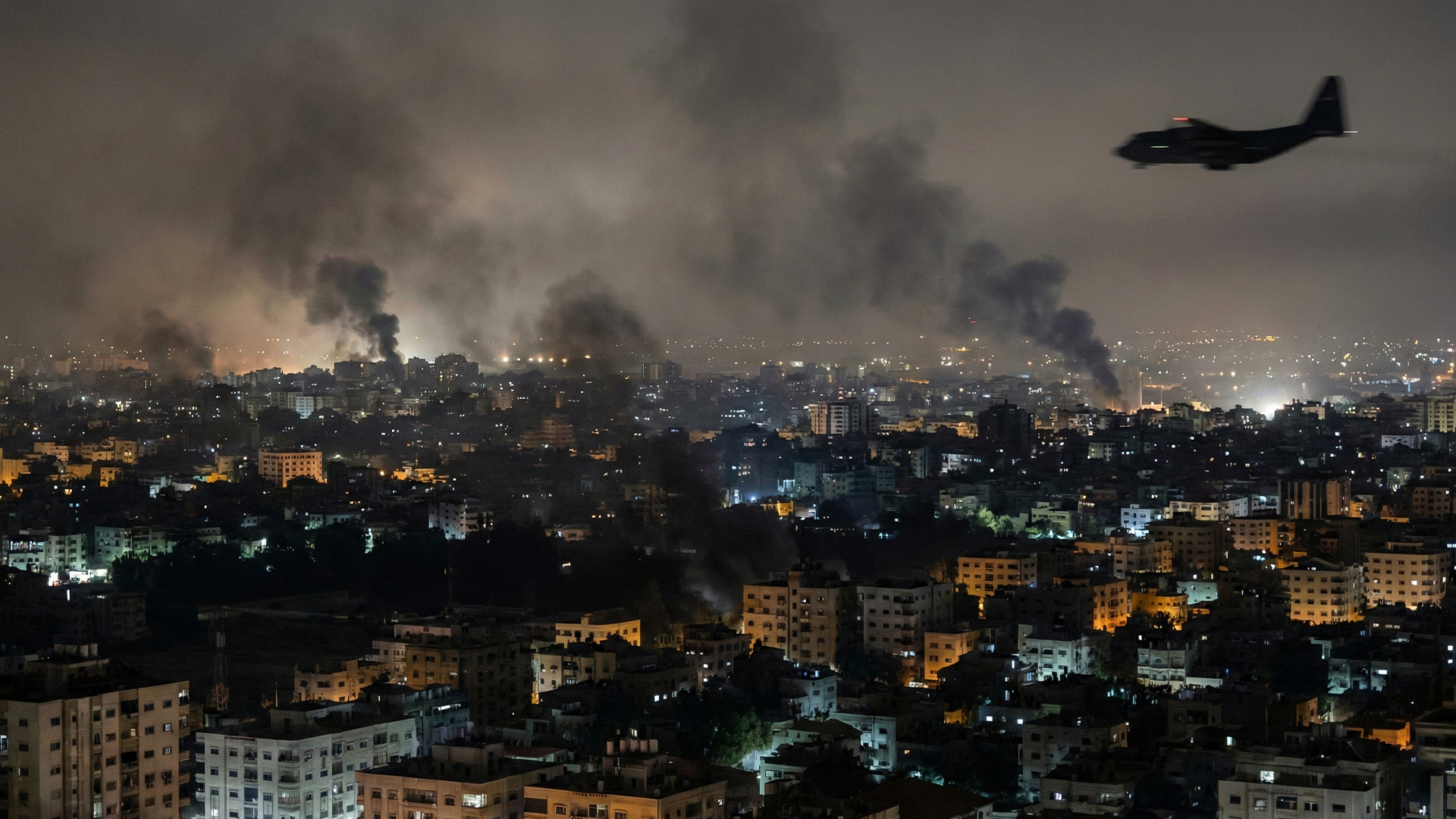
Early Saturday, the Venezuelan capital Caracas was shaken by multiple explosions and the sound of low-flying aircraft, sparking panic across the city. Videos shared on social media showed residents fleeing the streets, while several neighborhoods experienced power outages.

The Venezuelan government accused the United States of carrying out military strikes targeting Caracas and nearby states, including Miranda, La Guaira, and Aragua. President Nicolás Maduro called it “military aggression” and declared a national emergency.

US  media reports claim that former President Donald Trump authorised strikes on Venezuelan military facilities as part of growing pressure on Maduro’s government. However, there has been no official confirmation from the White House or Pentagon.

Tensions between Caracas and Washington have been rising for months, with U.S. sanctions, naval deployments, and accusations of drug trafficking contributing to the strain. Trump has also raised the possibility of ground operations in Venezuela.

Following the explosions, the US Federal Aviation Administration (FAA) banned American flights over Venezuelan airspace. Colombia’s President Gustavo Petro urged the United Nations Security Council to discuss the escalating situation.

Despite the tension, Maduro signaled willingness for dialogue on drug trafficking and migration, while denying Venezuelan involvement in drug smuggling and accusing the US of seeking regime change.

The situation remains tense, with investigations ongoing to confirm the exact cause of the explosions.

Also Read: 14 maoists killed in Chhattisgarh encounters