rotating globe
6 Apr 2026


Maharashtra Deputy CM Ajit Pawar dies in plane crash

Chartered plane carrying Pawar crashes near runway. All five on board dead

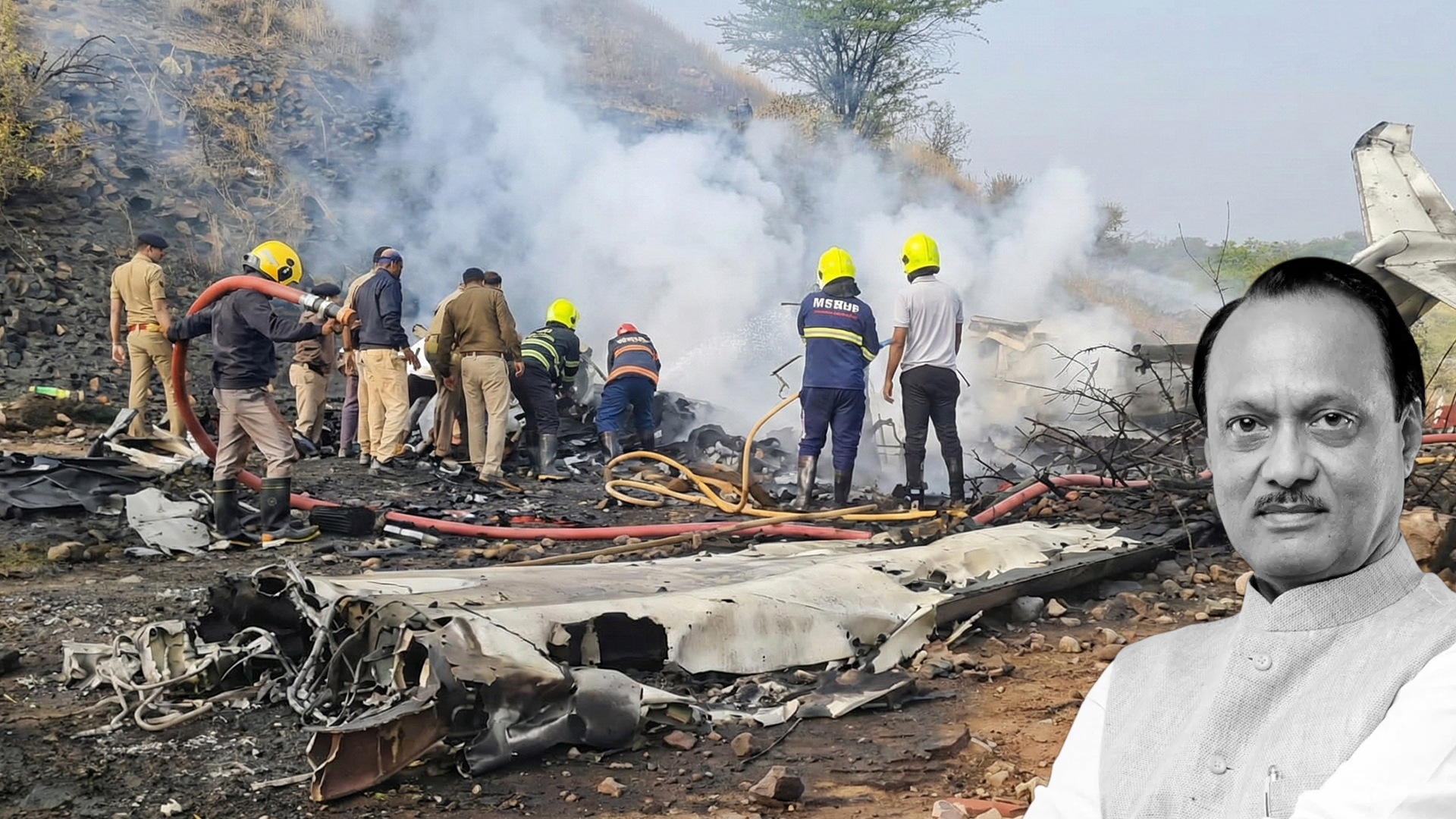
A chartered aircraft carrying Maharashtra Deputy Chief Minister and senior NCP leader Ajit Pawar crashed while attempting to land at Baramati airport in Pune district on Wednesday morning, resulting in the death of all five people on board, officials confirmed.

According to preliminary information from aviation and state authorities, the aircraft was flying from Mumbai to Baramati when it ran into trouble during its final approach. The plane reportedly veered off course while landing and crash-landed near the runway, breaking apart on impact and catching fire.

Visuals from the site showed thick smoke, burning wreckage, and emergency personnel rushing to the scene. Fire tenders, ambulances, and local administration officials reached the spot within minutes, but none of the occupants could be saved.

Officials said five people were on board the aircraft, including Ajit Pawar, two pilots, and two other staff members. All were declared dead at the site. The identities of the other victims are being officially verified.

Ajit Pawar was travelling to Baramati, his home constituency, to attend a series of pre-scheduled public and political engagements. His sudden death has sent shockwaves across Maharashtra’s political landscape, cutting short the career of one of the state’s most influential leaders.

Senior leaders from across party lines expressed shock and grief as news of the crash emerged. State government sources said Chief Minister and senior cabinet colleagues are closely monitoring the situation, while party leaders have begun arriving in Baramati.

The Directorate General of Civil Aviation (DGCA) has initiated an investigation into the accident. Aviation experts will examine flight data, weather conditions, and technical records to determine the exact cause of the crash. A detailed report is expected after the initial inquiry.

Ajit Pawar, a veteran politician and key figure in Maharashtra politics for decades, had served multiple terms as Deputy Chief Minister and was known for his strong influence in state administration and regional politics.

Authorities have cordoned off the crash site, and further official updates are awaited as the investigation progresses.
Centre says UGC rules won’t be misused

Education Minister Dharmendra Pradhan assures fair use amid protests and concerns

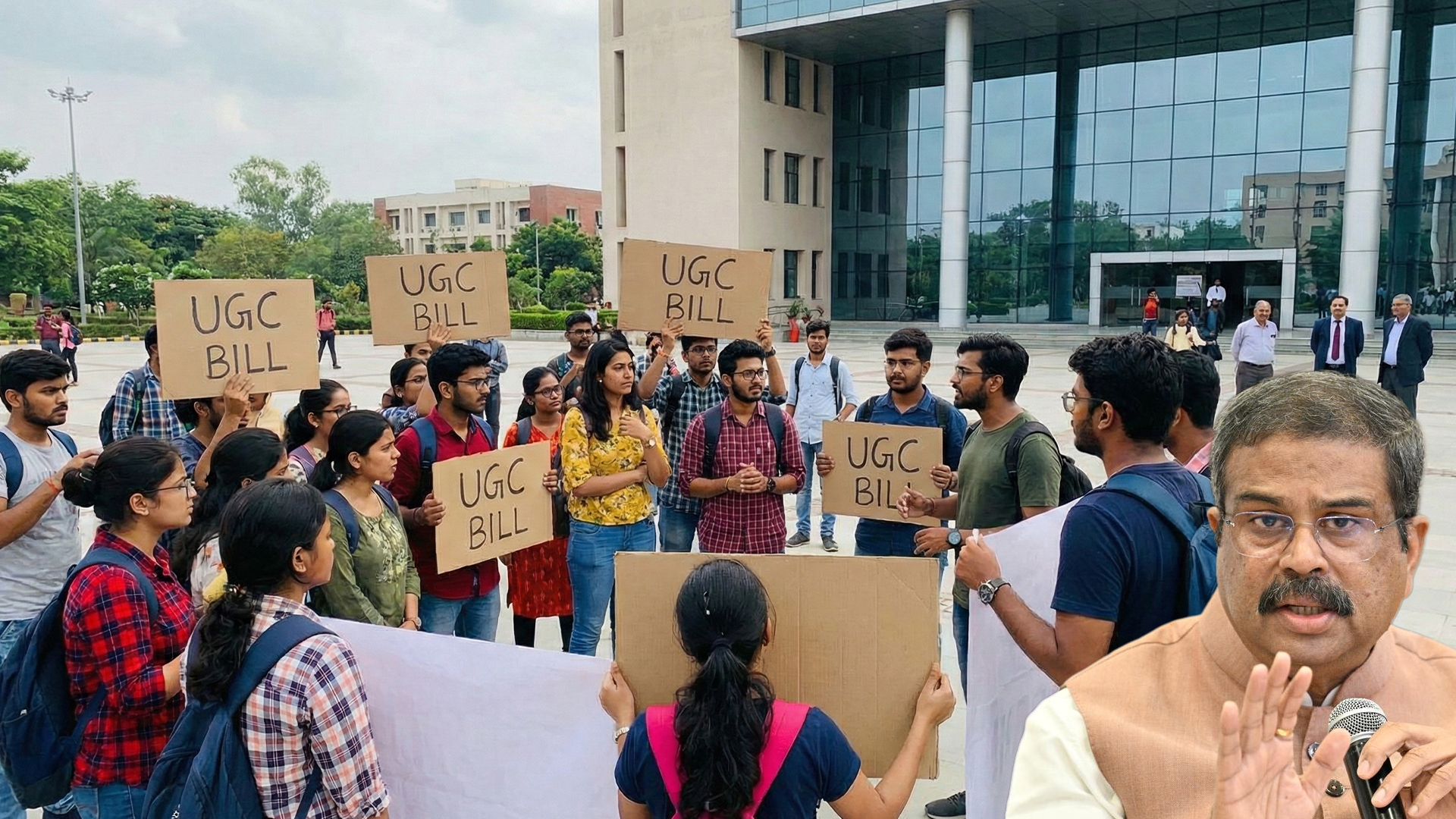
The Government of India has defended the newly issued University Grants Commission (UGC) regulations aimed at preventing caste-based discrimination in higher education institutions. Union Education Minister Dharmendra Pradhan emphasized that the rules are intended to make campuses safer, more inclusive, and equitable, and assured that they will not be misused or applied unfairly. He underlined that the regulations are framed within the constitutional framework and will operate under the supervision of the Supreme Court to ensure transparency and fairness.

The regulations, formally called the Promotion of Equity in Higher Education Institutions Regulations, 2026, were notified on January 13, 2026. They mandate that all universities and colleges set up Equal Opportunity Centres, grievance redressal systems, equity committees, and 24×7 helplines to address complaints of caste-based or other forms of discrimination. Institutions are expected to actively promote inclusive practices and ensure that every student, regardless of background, has equal access to opportunities.

While the government presents these measures as a step toward strengthening anti-discrimination safeguards, the regulations have sparked nationwide protests and criticism, particularly from some general category students and groups. Critics argue that the framework could be misapplied or misinterpreted, leading to unfair treatment. Protests have been reported in multiple states, and at least one petition has been filed in the Supreme Court challenging the rules.

Responding to these concerns, Minister Pradhan reiterated that the government is committed to ensuring equitable enforcement of the regulations. He stressed that the guidelines are not intended to target any particular group but to create a fair and supportive environment for all students. Officials also noted that institutions will receive guidance and monitoring to prevent any potential misuse, and that the rules will be periodically reviewed to address any challenges in implementation.

Also Read: H‑1B Visa interviews in India delayed to 2027

Shashi Tharoor denies CPI(M) links, confirms talks

Congress MP to discuss concerns directly with leaders

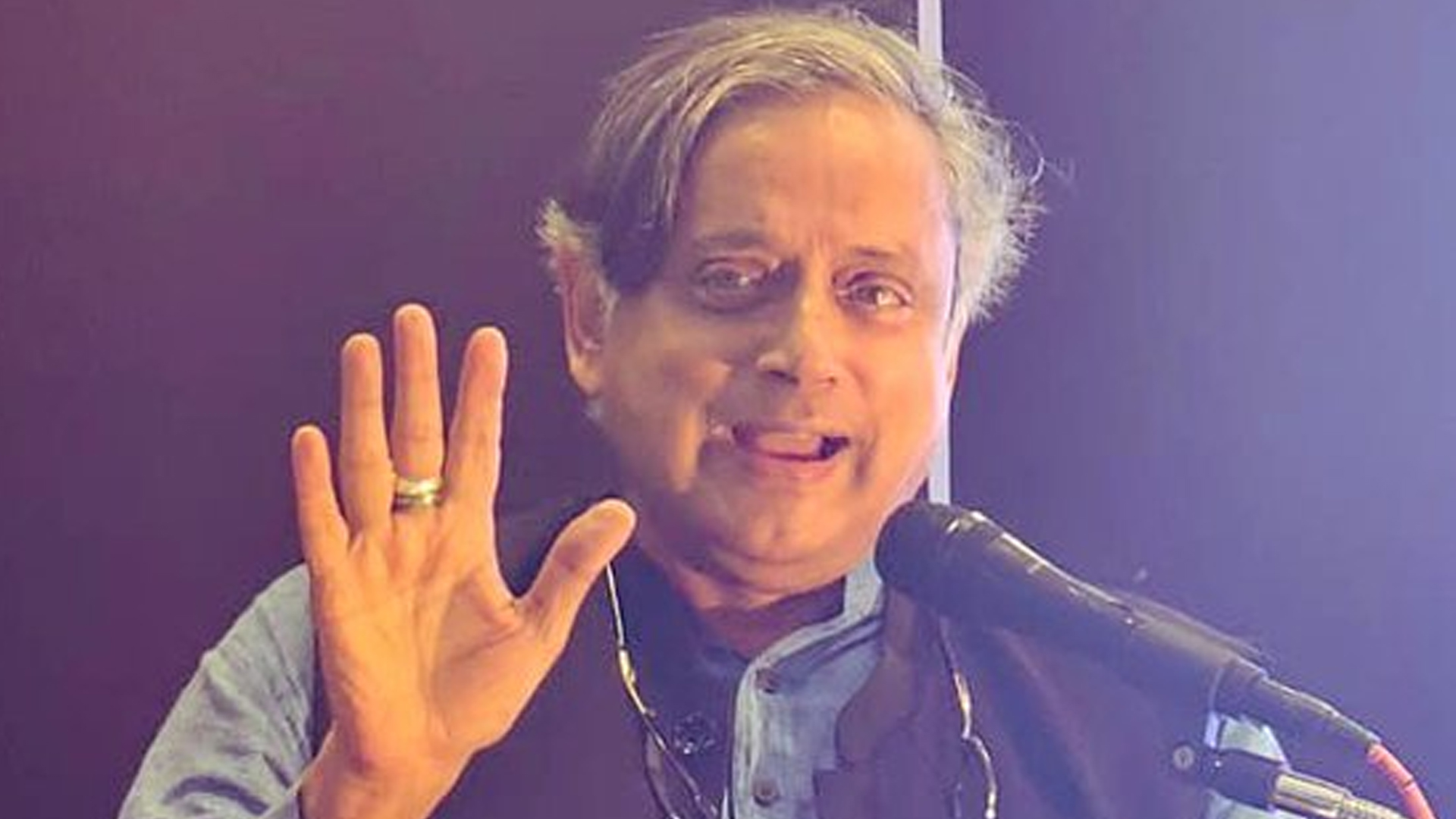
Senior Congress leader Shashi Tharoor has rejected reports suggesting he is leaning toward the CPI(M). The rumours emerged after his recent Dubai trip, where media claimed he met individuals linked to the left party.

Tharoor described the reports as baseless and said he plans to speak directly with senior Congress leaders, likely during the upcoming Parliament session, to address any issues.

His absence from a key Congress strategy meeting in Delhi added to speculation. Tharoor explained the invitation came late, and he had already booked his return flight.

The Congress party confirmed Tharoor remains a senior leader and that any concerns will be handled internally. Meanwhile, the CPI(M) called the rumours unfounded and denied any formal discussions with him.

Sources suggest Congress leadership is likely to reach out to Tharoor to maintain unity, especially ahead of upcoming elections. Tharoor has reiterated his loyalty to the party, noting he has not breached any official policy positions.

By avoiding public comments on speculation, Tharoor signals he prefers private dialogue over media debates, keeping his ties with Congress intact.

Also Read: Centre says UGC rules won’t be misused

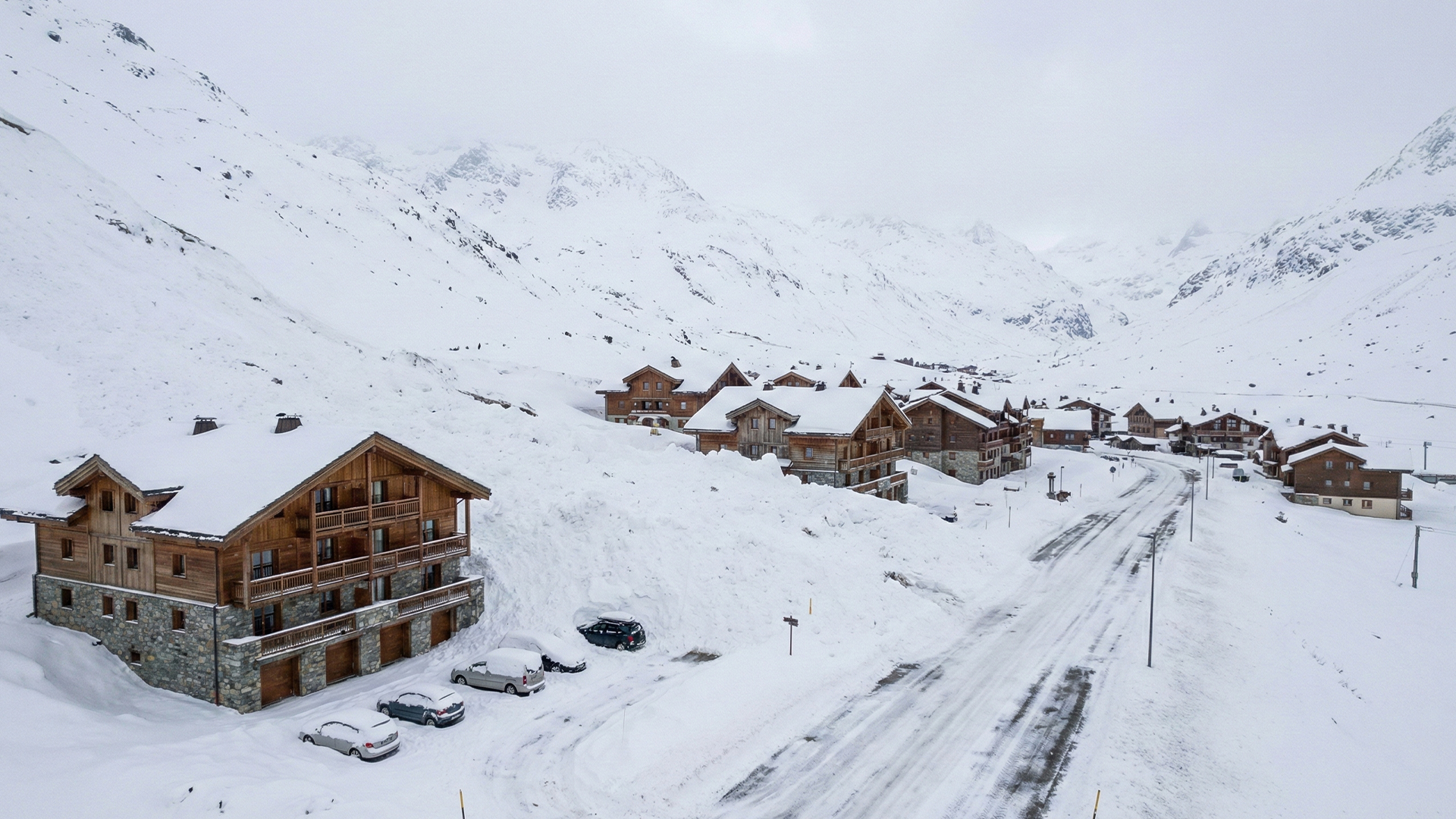
Sonamarg avalanche engulfs resort, no casualities

Powerful Himalayan snow slide captured on CCTV. Authorities warn of ongoing avalanche dange

A massive avalanche struck the popular Sonamarg tourist resort in Jammu & Kashmir late on Tuesday night, engulfing roads, vehicles, and buildings in seconds, but miraculously, no casualties were reported. CCTV footage from the resort captured the immense wall of snow racing down the slopes, highlighting the raw power of natural forces in the Himalayan region.

Authorities said early warnings and precautionary advisories helped prevent injuries, as most tourists and residents were indoors or away from high-risk zones when the avalanche occurred. The incident occurred in the Sarbal area, one of the higher-altitude regions of Sonamarg, which has recently experienced heavy and persistent snowfall, significantly increasing avalanche risk.

The avalanche has caused travel disruptions across the valley. Flights at Srinagar International Airport were cancelled due to poor visibility, while key stretches of the Jammu–Srinagar National Highway were blocked by snow, affecting road traffic between Jammu and Kashmir.

Disaster management teams and local authorities mobilised quickly, clearing snow from essential routes and inspecting affected structures. Officials are closely monitoring avalanche-prone zones and advising visitors and residents to exercise extreme caution, especially in high-altitude areas where snow accumulation remains heavy.

Sonamarg, renowned for its scenic landscapes and winter tourism, now faces a delicate balance: welcoming visitors while managing the persistent threat of snow-triggered disasters. Residents and tourists are being urged to remain vigilant and follow official safety guidelines.

Also Read: India tops in landmark EU trade deal

India tops in landmark EU trade deal

Historic pact opens markets as Trump aide says India “comes out on top”

India and the European Union have sealed a long-awaited Free Trade Agreement (FTA), ending nearly two decades of negotiations and marking one of the most significant trade breakthroughs for New Delhi. Dubbed the “mother of all deals,” the pact is being seen as a strategic win for India at a time when global trade is being reshaped by protectionism, shifting alliances, and tariff wars.

The agreement aims to sharply reduce or eliminate tariffs on the majority of goods traded between India and the 27-nation EU. Together, the two sides account for about a quarter of global GDP, making the deal economically powerful and geopolitically important. Once implemented, it is expected to boost trade, investment, and job creation across both regions.

For India, the biggest gains are expected in labour-intensive sectors such as textiles, leather, gems and jewellery, engineering goods, and marine products, which will get easier access to European markets. Indian exporters see the deal as a chance to scale up operations and improve competitiveness, especially as demand weakens in some traditional markets.

In return, India has agreed to gradually open its market to select European goods, including automobiles, machinery, wines, chocolates, and premium industrial products. These tariff cuts will be phased in over several years, giving domestic industries time to adjust and protecting sensitive sectors.

The pact also goes beyond goods. It strengthens cooperation in services, investments, and skilled workforce mobility, areas where India believes it holds a clear advantage. This aspect of the deal has drawn attention internationally. Reacting to the agreement, a senior aide to US President Donald Trump remarked that India appears to have “come out on top.” The comment reflects a view within US trade circles that New Delhi negotiated from a position of strength and secured favourable terms compared to its European partner.

The deal has taken shape amid rising global trade tensions, particularly the US push for higher tariffs and inward-looking trade policies. Analysts say this environment accelerated India–EU talks, as both sides looked to diversify partnerships and reduce dependence on uncertain markets.

However, the agreement is not yet a finished chapter. It still needs approval from India’s cabinet, EU member states, and the European Parliament before coming into force, likely in 2026–27.

Also Read: Maharashtra Deputy CM Ajit Pawar dies in plane crash

Google pays $68mn for privacy lawsuit

Settlement resolves claims of unintended recordings and privacy concerns

Google has agreed to pay $68 million to settle a US class-action lawsuit accusing its voice assistant of recording private conversations without permission. The proposed settlement, filed in San Jose, California, still requires approval from a federal judge before becoming final.

The lawsuit claimed that Google Assistant devices,  including smart speakers, phones, and displays,  sometimes recorded conversations even when users didn’t say “Hey Google” or “Ok Google.” These unintended recordings, known as “false accepts,” allegedly captured private talks that were later shared with third parties or used for targeted advertising.

Users who had Google Assistant-enabled devices since May 2016 are eligible to participate in the settlement. While Google denies wrongdoing, the company said it wanted to avoid the uncertainty, cost, and duration of a prolonged court battle.

If approved, the $68 million fund will be used to pay eligible users and cover legal fees. Lawyers representing the plaintiffs may receive up to a third of the settlement, around $22.7 million.

The settlement underlines the balance between convenience and privacy in today’s technology, reminding users and companies alike that personal conversations require careful handling in the era of smart devices.

This case follows similar actions against tech companies. In 2025, Apple paid $95 million over allegations that Siri also recorded users without proper consent. Experts say these cases highlight growing concerns about voice assistant privacy and the need for stronger protections for users.

Also Read: Trump hikes South Korea tariffs to 25%

Public sector banks see nationwide strike

Employees protest, demand five-day work week across India

Public sector banks across India experienced major disruptions on Tuesday, January 27, 2026, as employees staged a nationwide strike. The action was called by the United Forum of Bank Unions (UFBU), which represents staff from government-run banks, including State Bank of India (SBI), Punjab National Bank (PNB), Bank of Baroda, Canara Bank, and Union Bank of India.

The strike comes as staff push for the implementation of a five-day work week, a demand they say has been partially agreed upon but not yet executed. Union leaders highlight that a shorter work week would help employees balance work and personal life without affecting the banks’ productivity.

Many branches remained closed, while others operated with limited staff, causing delays in cash withdrawals, deposits, cheque clearances, and other in-person services. Customers were advised to plan their banking needs carefully or rely on digital channels.

Banks encouraged the public to use online banking, mobile apps, UPI payments, and ATMs, which continued to operate, though some machines faced cash shortages due to reduced staff.

Private sector banks such as HDFC Bank, ICICI Bank, and Axis Bank were unaffected by the strike and offered normal services at branches and online.

The strike highlights the vital role bank employees play in keeping financial services running smoothly and their growing calls for modernized work schedules. Customers were urged to be patient and plan ahead, while banks assured that services would resume fully once discussions with authorities progress.

Also Read: Chinese President Xi calls India a ‘friend and partner