rotating globe
6 Apr 2026


R. Madhavan honoured, calls Padma Shri beginning

Actor calls the honour a new beginning, thanks family and fans

Actor R. Madhavan has been awarded the Padma Shri, India’s fourth-highest civilian honour, in the 2026 Padma Awards. Known for his memorable roles across Tamil, Hindi, and Telugu cinema, Madhavan described the recognition as “beyond my wildest dreams” and said it feels like the start of an exciting new chapter.

He dedicated the award to his family, praising their constant support as his greatest strength, and thanked mentors, colleagues, and fans, calling the honour not just an achievement but a responsibility to uphold its values with humility and integrity.

Madhavan’s journey in cinema spans over two decades. He rose to fame with Mani Ratnam’s Alai Payuthey and Bollywood’s Rehna Hai Tere Dil Mein, earning acclaim for his natural performances. Over the years, he has taken on a mix of commercial hits, experimental films, and socially relevant projects, including Dhurandhar, cementing his reputation as a versatile actor who balances mass appeal with meaningful storytelling.

The 2026 Padma Awards recognised 131 individuals across arts, education, science, and public service, with Madhavan joining a celebrated group of achievers. For him, the Padma Shri is a sign that anchors him to stay focused in the journey continues, driven by passion, gratitude, and purpose.
Also Read: H‑1B Visa interviews in India delayed to 2027

Militias warn of war as US warships near Iran

Kataib Hezbollah and Houthis signal retaliation amid rising U.S.–Iran tensions

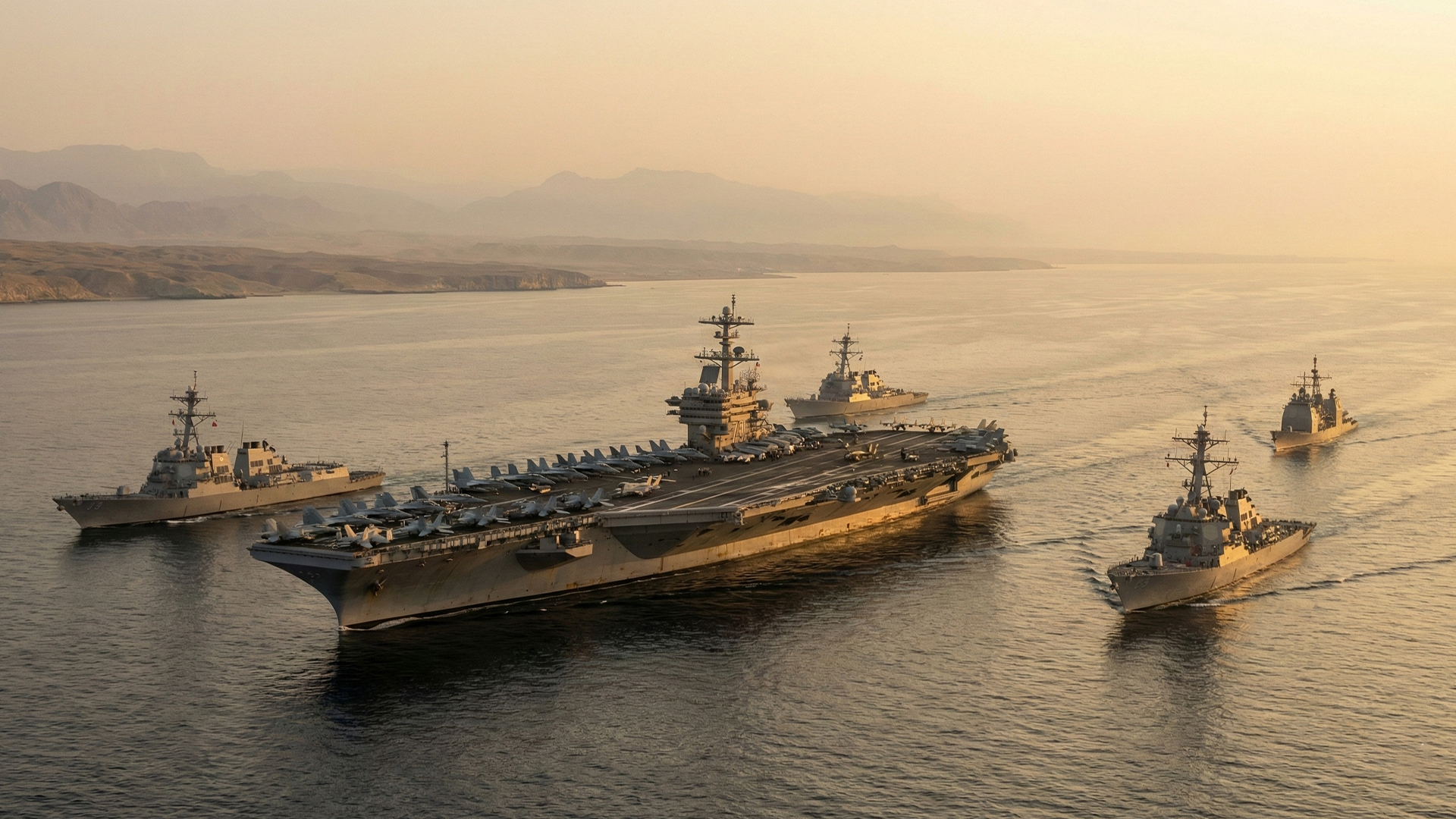
Tensions in the Middle East are rising as US naval forces move closer to Iran and Iran-backed militias issue stark warnings. The Navy’s aircraft carrier USS Abraham Lincoln and accompanying destroyers have been deployed to the region amid fears of potential conflict.

Iraq’s Kataib Hezbollah warned that any attack on Iran could trigger a “total war”, urging allied fighters across the region to prepare for possible confrontation. The group described potential hostilities as a fight to defend Iran against forces seeking to weaken it.

Meanwhile, Yemen’s Houthi rebels, also aligned with Tehran, signaled readiness to act if tensions escalate. After a 2025 ceasefire, the Houthis released a warning suggesting renewed attacks on shipping and US naval assets, highlighting the growing reach of Iran’s “axis of resistance.”

The military buildup coincides with mounting US–Iran friction. Recent protests in Iran over economic hardship and government crackdowns have drawn US attention, with President Trump warning Tehran against repression and hinting at possible military measures while keeping diplomacy as an option.

Iran has responded with its own warnings, stating that any attack would be treated as an act of all-out war. The combination of militia threats, naval deployments, and political tensions underscores the risk that a confrontation over Iran’s internal issues could escalate into a wider regional conflict.

Also Read: Public sector banks see nationwide strike

Trump hikes South Korea tariffs to 25%

US President cites Seoul’s delay in ratifying 2025 trade deal, this move raises costs on cars, electronics, and other goods

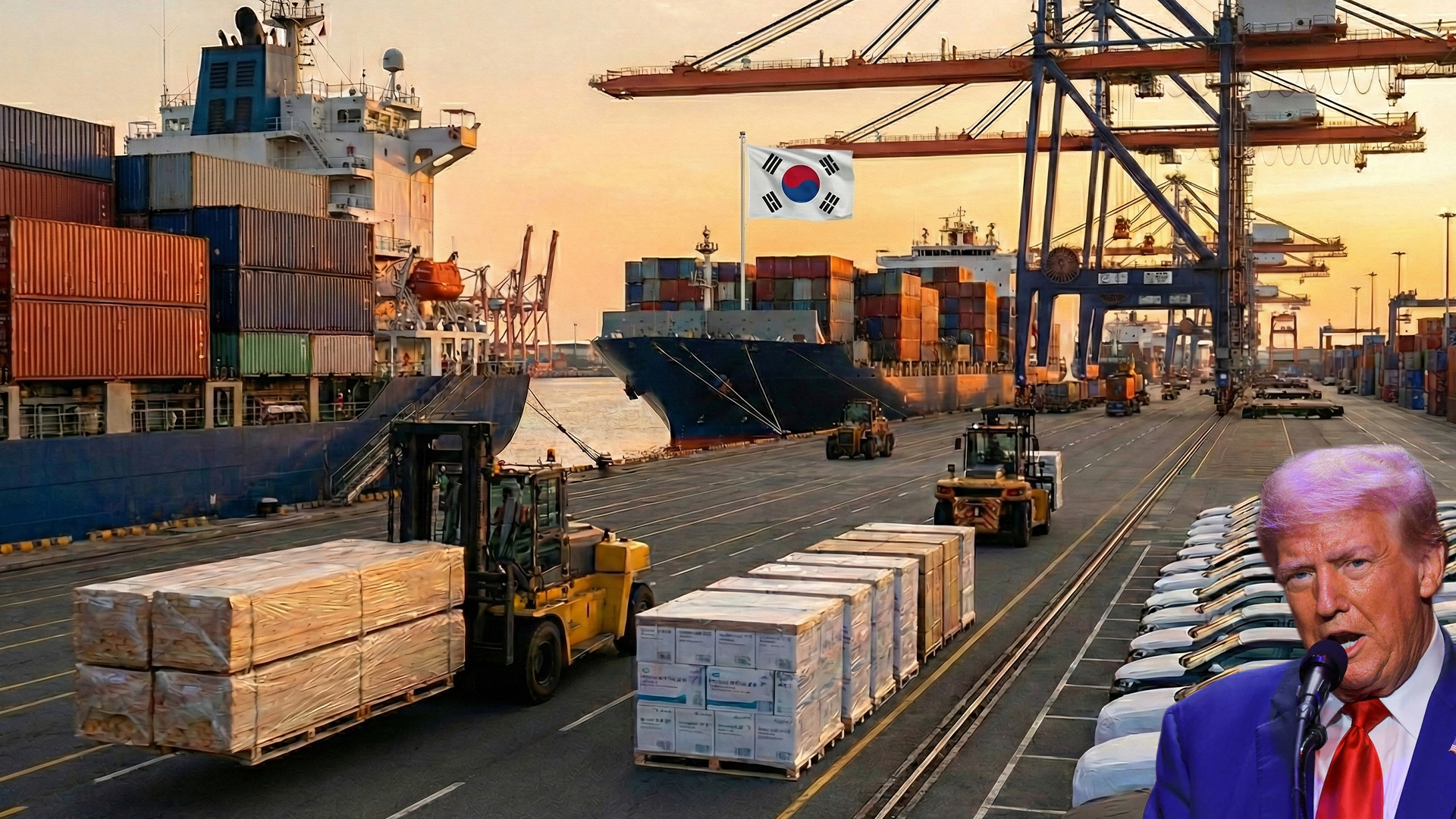
US President Donald Trump announced a sharp increase in tariffs on South Korean imports, raising rates from 15 percent to 25 percent on automobiles, electronics, pharmaceuticals, and other goods. The decision marks a significant escalation in trade pressure on one of America’s key allies.

Trump explained the hike was triggered by Seoul’s failure to ratify a bilateral trade deal signed in 2025, which had included earlier tariff reductions. “South Korea’s Legislature is not living up to its Deal with the United States,” Trump said, emphasizing what he called a lack of reciprocity.

The 2025 trade pact aimed to boost South Korean investment in US industries like semiconductors and shipbuilding while reducing tariffs on Korean exports. Lawmakers in Seoul, however, have debated the formal approval process, leaving the agreement in limbo.

South Korean officials said they were not formally notified of the tariff increase before Trump’s public statement. The country plans to send senior trade representatives to Washington for urgent consultations. Meetings with the US Commerce Department are expected to clarify next steps.

The tariff hike is likely to affect American importers and consumers, as well as South Korean manufacturers such as Hyundai and Kia, who rely heavily on the US market for cars and electronics.

Also Read: Militias warn of war as US warships near Iran

China calls India a ‘friend and partner’

Chinese President emphasises cooperation and stable ties as India marks its 77th Republic Day

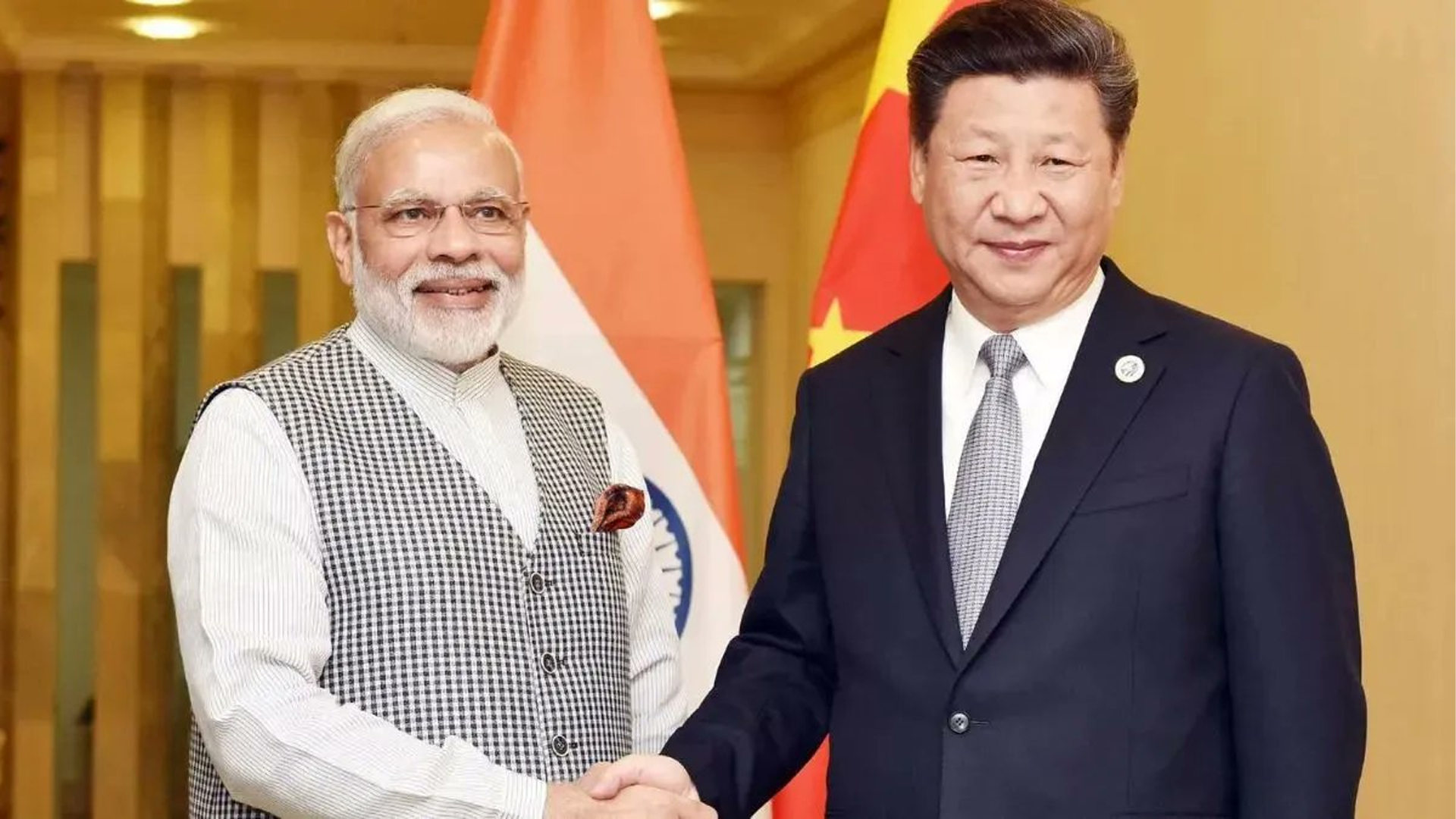
Chinese President Xi Jinping extended greetings to India on the occasion of its 77th Republic Day, describing India and China as good neighbours, friends and partners. The message, sent to President Droupadi Murmu, highlighted Beijing’s interest in improving bilateral relations and strengthening cooperation between the two Asian nations.

In his congratulatory note, Xi said that China is willing to work with India to move the relationship forward in a positive and stable direction. He stressed that cooperation between the two countries is important not only for their own development but also for regional stability and global peace. According to Xi, maintaining friendly ties serves the long-term interests of both nations and the wider international community.

Referring to the symbolic phrase often used in diplomatic exchanges, Xi said the “dragon and elephant” should work together, suggesting that mutual respect and collaboration between the two large neighbours can create shared opportunities. He added that China values dialogue and practical cooperation and hopes both sides will address concerns through communication.

The message comes at a time when India-China relations have shown signs of gradual improvement after years of strain following the 2020 military standoff in eastern Ladakh. While disengagement talks and diplomatic discussions have continued, trust has remained fragile. However, recent developments, including high-level meetings and the resumption of some exchanges, have indicated efforts to stabilise ties.

Xi also noted that the past year had seen positive momentum in bilateral engagement. He expressed hope that both countries would expand cooperation in areas such as trade, people-to-people exchanges and regional issues, while managing differences responsibly.

The Republic Day greeting is seen as a diplomatic signal from Beijing, underlining its intent to maintain constructive engagement with New Delhi. Observers say such messages, though symbolic, help set the tone for future dialogue and reinforce the importance of communication between the two governments.

Also Read: Uttarakhand bans non‑hindus at key temples

H‑1B Visa interviews in India delayed to 2027

Thousands of Indian professionals face long waits as US consulates run out of visa slot

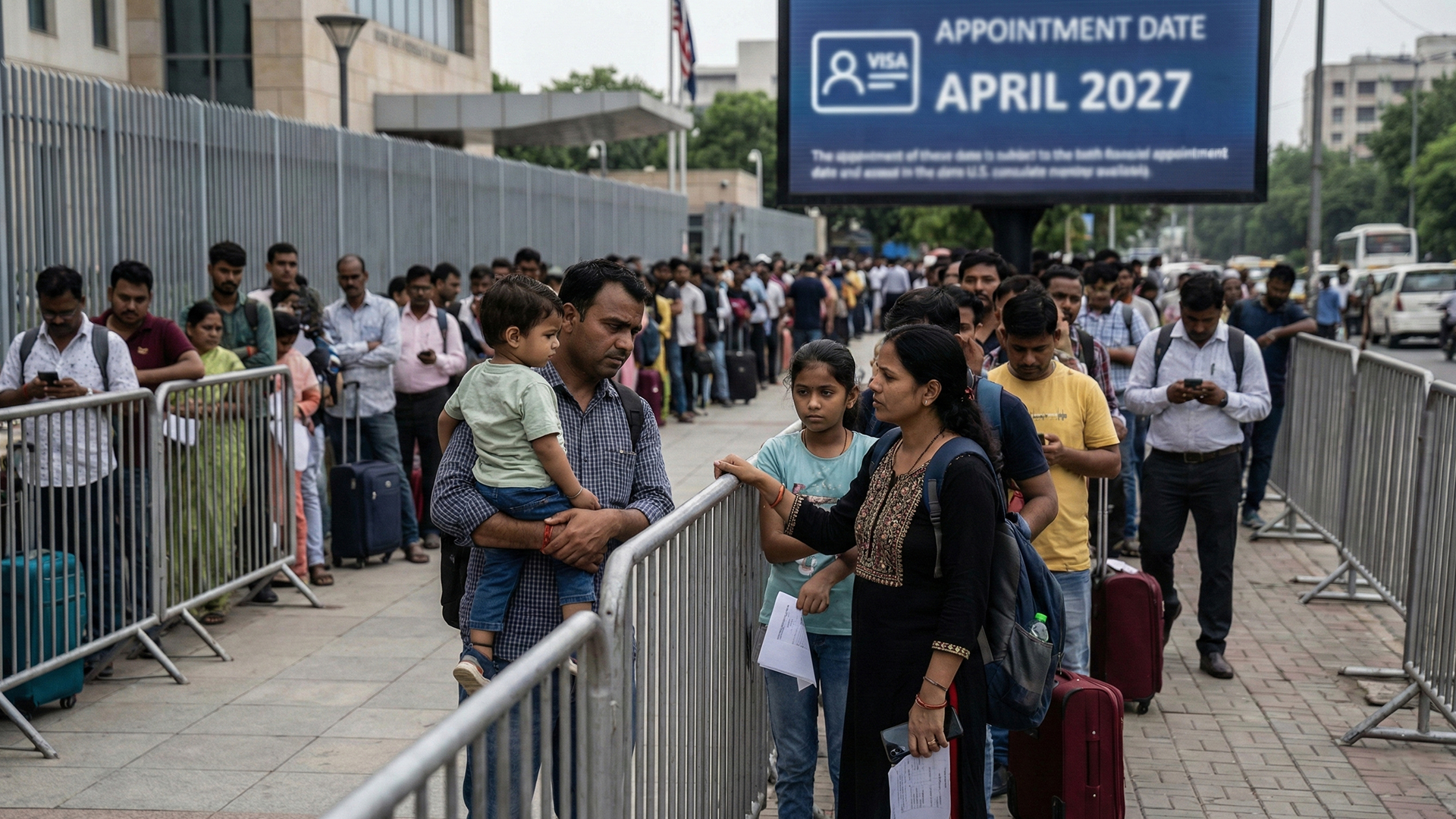
Thousands of Indian professionals applying for H‑1B work visas are facing unprecedented delays, with interview dates now stretching into 2027. US consulates in Delhi, Mumbai, Chennai, Hyderabad, and Kolkata currently show no available appointments for 2026, leaving applicants unable to schedule interviews.

The backlog is linked to new visa rules, including mandatory social media checks and stricter background verification. These changes have slowed the processing of applications and reduced the number of interviews consular staff can conduct each day. Many applicants who had planned early-2026 interviews have received notices that their appointments are now rescheduled for April, May, or later in 2027.

These delays are creating serious personal and professional challenges. Many Indian workers who returned home for visa stamping are stranded, unable to return to the US on time. Families are separated, career plans are disrupted, and projects for US employers dependent on global talent face uncertainty.

Additionally, the US has largely ended visa stamping in third countries for Indian applicants, concentrating demand entirely on local consulates. This has further worsened the backlog, according to immigration experts. Attorneys handling employment-based visas describe the scale and speed of these postponements as unprecedented.

Employers relying on skilled professionals from India are concerned about hiring delays and the impact on project timelines. The long waits also create uncertainty for individuals planning their careers or family moves, affecting not only employees but the broader global talent ecosystem.

 With H‑1B appointments now extending into 2027, thousands of Indian professionals are left in limbo, balancing career ambitions with prolonged delays in visa approvals, and hoping for smoother access to the US in the coming years.

Also Read: Rahul Gandhi sparks Gamosa row at President’s reception

Rahul Gandhi sparks Gamosa controversy

BJP calls it disrespect to Northeast culture while Congress says controversy is politically exaggerated

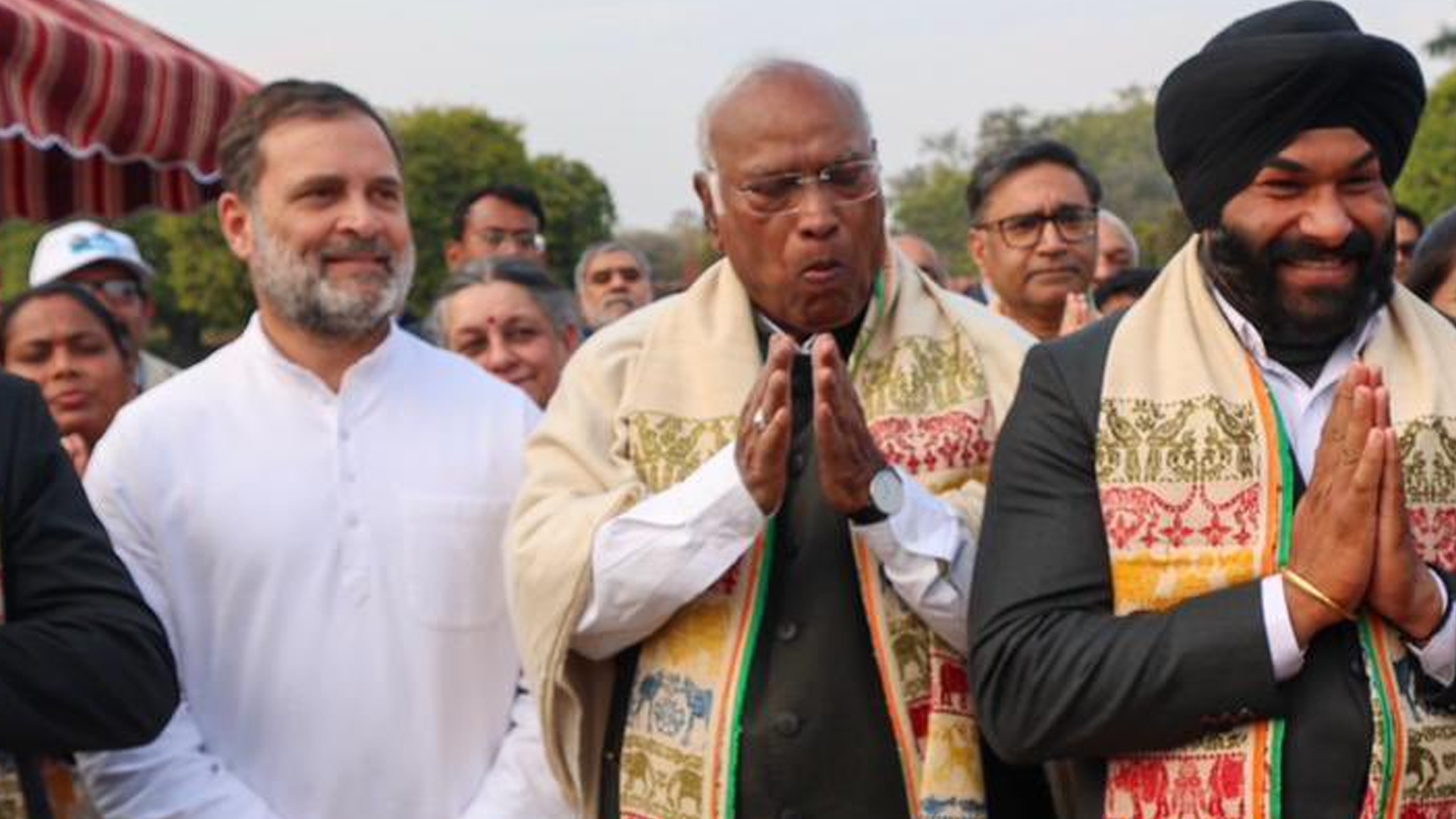
A political row erupted on Republic Day, January 26, 2026, after Congress leader Rahul Gandhi was seen not wearing the traditional Assamese Gamosa at the “At Home” reception hosted by President Droupadi Murmu at Rashtrapati Bhavan in New Delhi.

The Bharatiya Janata Party (BJP) criticized Gandhi, claiming that his refusal to wear the Gamosa, a symbol of respect and Assamese cultural pride, was an insult to the people of the Northeast. Party leaders released photographs showing most attendees, including Prime Minister Narendra Modi, ministers, foreign dignitaries, and the President herself, wearing the traditional scarf. Assam Chief Minister Himanta Biswa Sarma said Gandhi ignored repeated reminders and described the action as “disrespectful and insensitive.” BJP officials demanded an unconditional apology, asserting that Gandhi’s conduct hurt the sentiments of the region.

The Congress party rejected the allegations, stating that Gandhi did accept the Gamosa but later placed it on the table instead of wearing it. Party leaders pointed out that visuals also showed other leaders, including Defence Minister Rajnath Singh, not wearing the patka without facing criticism. They called the BJP’s reaction a politically manufactured controversy, aimed at polarizing public opinion ahead of elections.

The debate quickly escalated into a larger political tussle, with both parties accusing each other of politicizing cultural symbols. Social media amplified the issue, with hashtags supporting and criticizing Gandhi trending across platforms. Analysts noted that the controversy highlights how symbolic gestures often become a point of contention during high-profile national events.

While the Gamosa controversy dominated headlines, observers also emphasized that the reception was attended by several Northeast leaders and dignitaries, many of whom appreciated the recognition of their culture through the gesture of presenting the scarf. The incident, however, underscores the sensitivity surrounding cultural symbols in Indian politics, particularly in regions with strong ethnic identities.

Also Read: India rejects Pakistan’s claims on Op Sindoor at UN

1200 roads closed as snow hits Himachal

Heavy snow strands tourists, disrupts life across hill districts

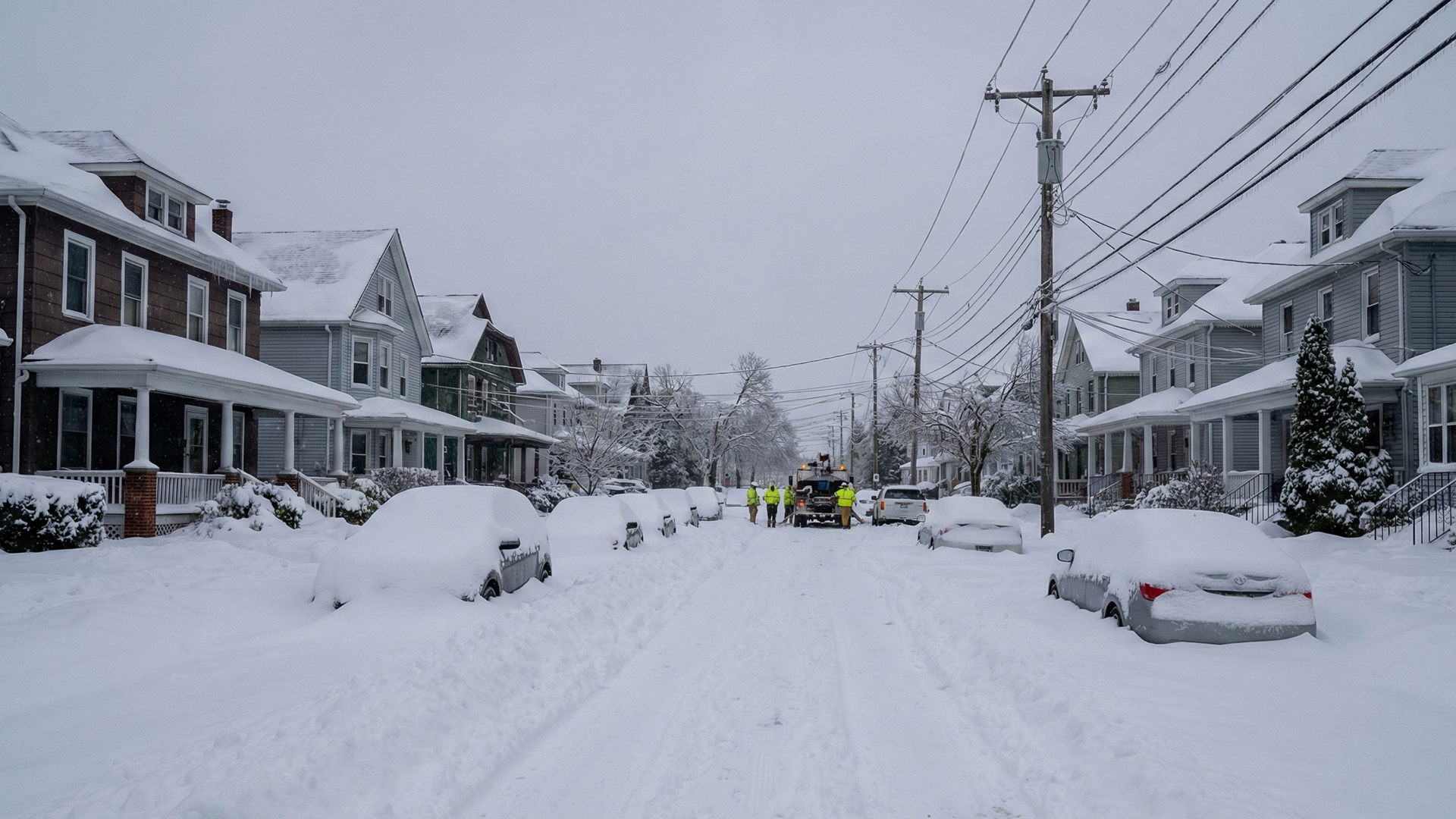
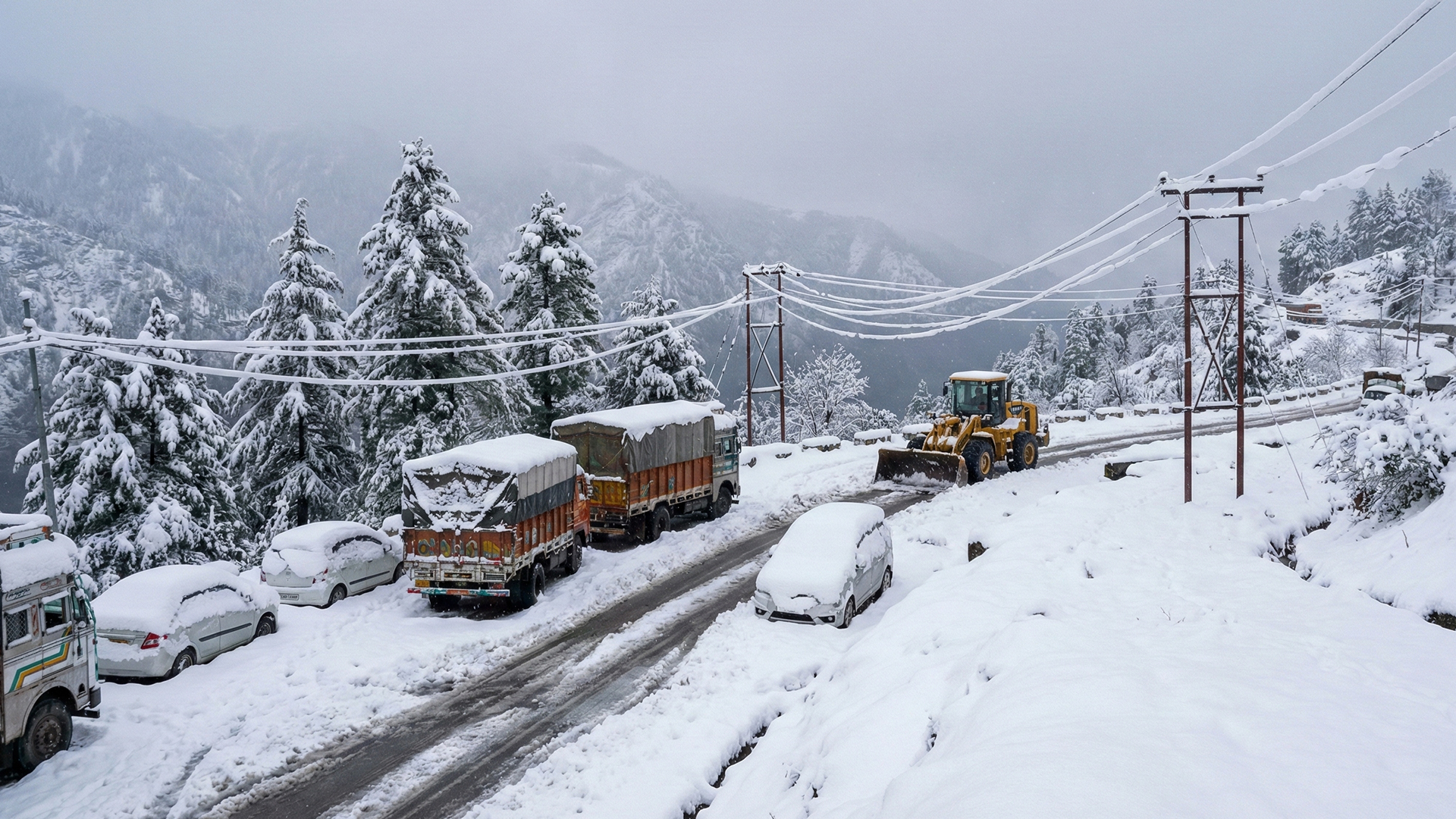
Himachal Pradesh is facing severe disruption after heavy snowfall forced the closure of more than 1,200 roads across the state. Hill towns including Manali, Shimla, and Lahaul-Spiti were among the worst affected, with highways and local roads blocked under thick layers of snow. The snowfall has brought life in these regions to a near standstill.

Many tourists visiting the state for winter holidays found themselves stranded for hours, with some stuck overnight in their vehicles. Snow‑covered roads, heavy traffic, and limited access to food, fuel, and basic facilities created challenging conditions for visitors. Local residents in remote villages also faced difficulties, as heavy snow caused intermittent power and water supply disruptions in several areas.

Authorities have deployed snow‑clearing machines and road maintenance teams to reopen major highways and restore connectivity. Work is ongoing to clear critical routes and ensure that emergency services can reach affected areas. Officials have also advised people to avoid unnecessary travel and to follow local safety guidelines.

The weather department has warned that snowfall is likely to continue in higher reaches of the state over the coming days. Visitors have been asked to check road conditions and follow official advisories before planning any trips.

Schools and offices in some areas remained closed as a precautionary measure, while local administration teams continue to monitor roads and villages for any urgent requirements. Efforts are also being made to assist stranded tourists and ensure their safety until roads are fully cleared.

 While the snowfall brings picturesque landscapes, it also reminds residents and visitors of the importance of preparedness and caution during extreme weather events.

Also Read: Chinese President Xi calls India a ‘friend and partner’

India rejects Pakistan’s claims on Op Sindoor at UN

Indian envoy says Pakistan spreads false narratives and continues to back terrorism

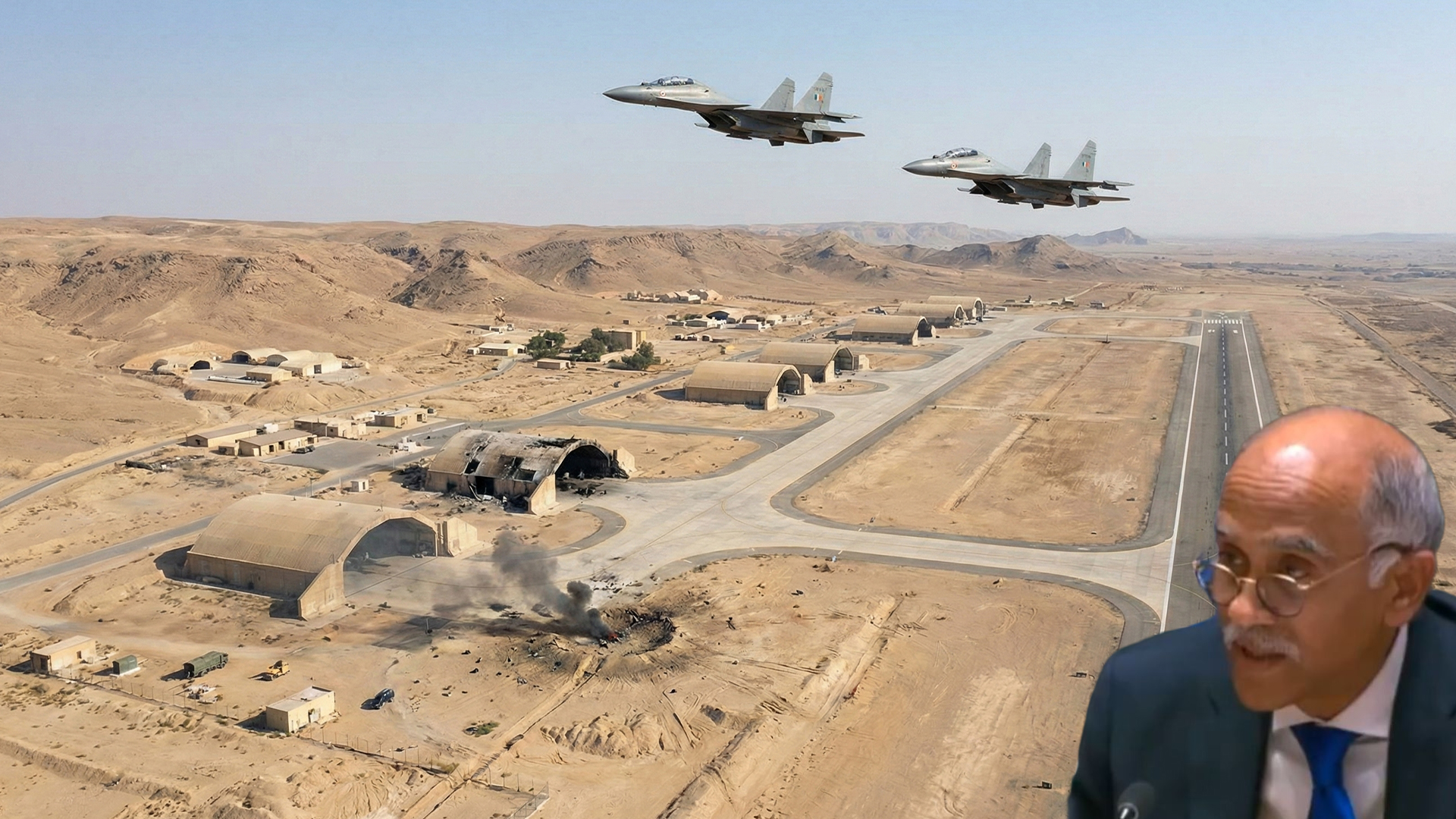
India has strongly rejected Pakistan’s claims about Operation Sindoor at the United Nations, calling them false, misleading, and self-serving. India’s Permanent Representative to the UN, Ambassador Parvathaneni Harish, said Pakistan used the UN platform only to target India and distract the world from its own actions.

Speaking during a UN debate, the Indian envoy said Pakistan’s statements had one clear aim,  to harm India’s image internationally. He said Pakistan’s version of Operation Sindoor did not match facts available in the public domain and was an attempt to twist the narrative.

Ambassador Harish explained that Operation Sindoor was a measured and responsible military response by India after a terror attack in Pahalgam, Jammu and Kashmir, in April 2025, in which 26 civilians were killed. He said the operation was carried out to target terrorist infrastructure and prevent further attacks, not to escalate conflict.

Rejecting Pakistan’s allegations of aggression, India pointed out that it was Pakistan’s military that asked for a halt to fighting on May 10, 2025, after the situation intensified. The Indian envoy also referred to widely available satellite images showing damage to Pakistani airbases, which contradict Pakistan’s claims.

A major focus of India’s response was Pakistan’s repeated attempt to normalise terrorism. Ambassador Harish said terrorism can never be accepted as normal and warned the international community against ignoring Pakistan’s continued use of terror as a tool of state policy.

India also dismissed Pakistan’s comments on Jammu and Kashmir, stating clearly that Pakistan has no right to comment on India’s internal matters. On the Indus Waters Treaty, the envoy said India’s decision to keep it in abeyance was due to Pakistan’s long history of violating the spirit of the agreement through conflict and cross-border terrorism.

Also Read: India, EU clinch historic trade agreement