rotating globe
6 Apr 2026


India, EU clinch historic trade agreement

PM Modi and EU President Ursula von der Leyen sign historic trade deal, cutting tariffs on 97% of goods

India and the European Union on January 27, 2026, sealed a long-awaited Free Trade Agreement (FTA), marking a historic breakthrough in bilateral economic relations after nearly two decades of negotiations that began in 2007. The agreement was announced at the 16th India-EU Summit in New Delhi by Prime Minister Narendra Modi and European Commission President Ursula von der Leyen, who described it as one of the most ambitious trade pacts concluded by either side.

The FTA brings together two major economic blocs representing around 2 billion people, nearly 25% of global GDP, and about one-third of world trade. It is expected to significantly reshape trade flows at a time when global commerce is under strain from rising protectionism and tariff disputes.

Under the agreement, tariffs will be eliminated or sharply reduced on about 96–97% of goods traded between India and the EU over a phased period. The EU is expected to remove duties on most Indian exports, giving a major boost to labour-intensive sectors such as textiles, leather, gems and jewellery, chemicals, engineering goods, and marine products. Indian exporters are expected to gain improved competitiveness and deeper access to European markets.

For European exporters, the deal is projected to result in annual tariff savings of around €4 billion. A major concession by India includes a steep reduction in import duties on European automobiles, which will be cut from as high as 110% to about 10%, subject to a defined annual quota and a gradual transition period. Duties on wines and spirits will also be reduced substantially over time, benefiting EU agri-food and beverage producers.

At the same time, both sides have safeguarded politically and economically sensitive sectors. Dairy products, cereals, and small cars have been excluded from full liberalisation to protect domestic producers, particularly in India.

Beyond trade in goods, the FTA provides a framework for expanded cooperation in services, investment, supply chains, standards, and regulatory alignment. It also opens the door for future discussions on professional mobility, technology collaboration, and people-to-people exchanges, areas seen as critical to deepening the strategic partnership.

The agreement comes amid shifting global trade dynamics, with India and the EU seeking to diversify trade relationships as uncertainty grows around US tariff policies and broader geopolitical tensions. Officials on both sides see the pact as a strategic move to strengthen economic resilience and reduce over-dependence on a few markets.

The final text of the FTA will now undergo legal scrutiny and vetting, followed by approval from India’s cabinet and ratification by EU institutions, including the European Parliament. Once cleared, the agreement is expected to come into force in late 2026 or early 2027, paving the way for a significant expansion in bilateral trade, investment, and long-term economic cooperation.

Also Read: Public sector banks disrupted by nationwide strike

IS Bindra, former BCCI President, passes Away at 84

Legendary cricket administrator whose vision shaped Indian cricket dies, leaving a lasting legacy

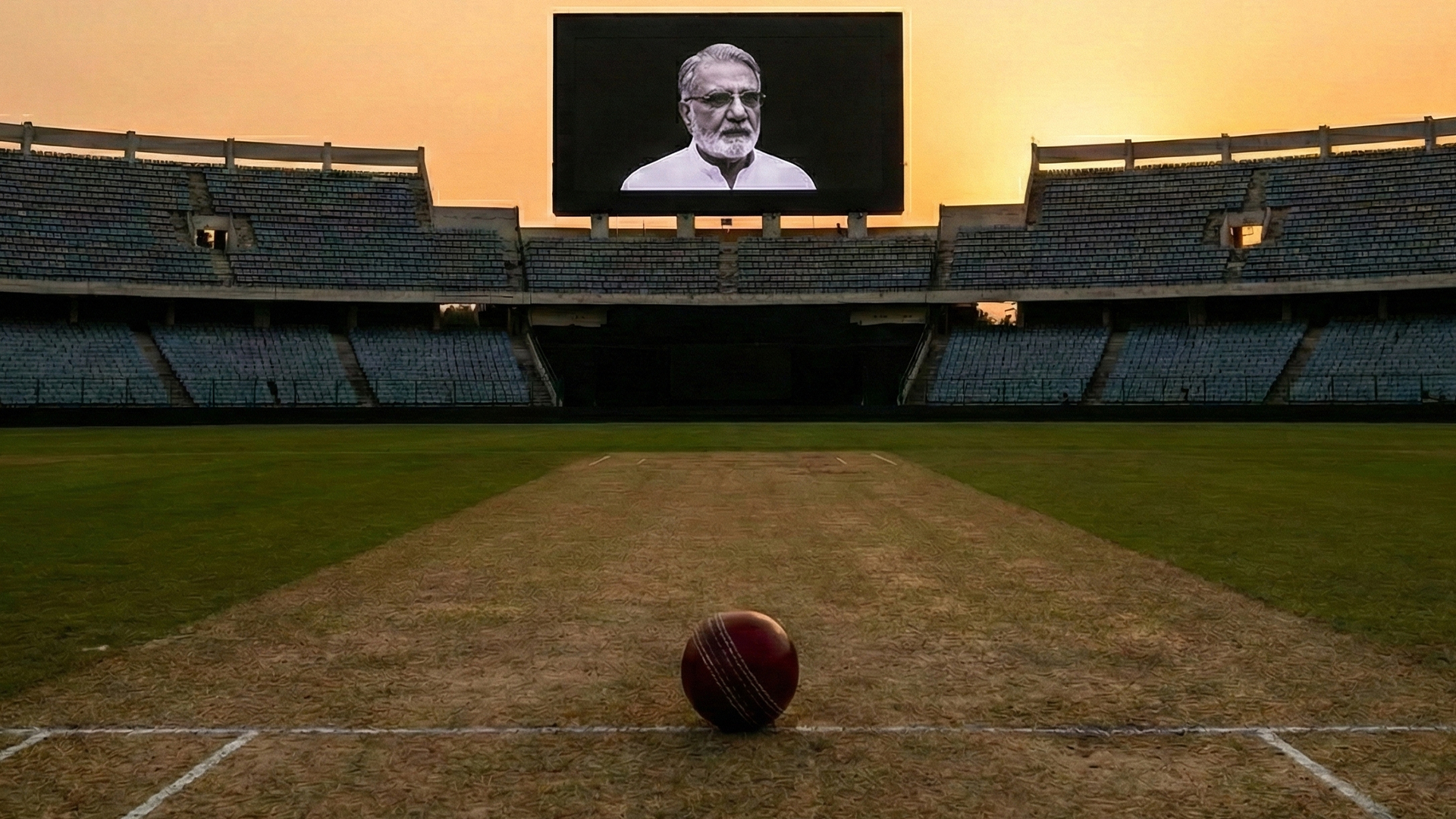
Former BCCI president and veteran cricket administrator Inderjit Singh Bindra passed away on Sunday, January 25, 2026, in New Delhi. He was 84 years old. Bindra’s family confirmed that he passed away peacefully at his residence, and his final rites will be held at Lodhi Road Crematorium on Monday.

Bindra was widely respected for his unwavering dedication to Indian cricket. He served as BCCI president from 1993 to 1996 and led the Punjab Cricket Association (PCA) from 1978 to 2014, playing a pivotal role in building modern cricket infrastructure and professionalising administration in the country.

Among his notable achievements, Bindra was instrumental in bringing major ICC Cricket World Cups to India and the subcontinent, including the 1987 and 1996 tournaments, which helped elevate India’s global cricketing profile. In recognition of his contributions, the PCA Stadium in Mohali was renamed I.S. Bindra Stadium in 2015, a tribute to his lifelong commitment to the sport.

Tributes have poured in from across the cricket world. BCCI officials and colleagues remembered him as a visionary leader whose strategic thinking and dedication helped shape Indian cricket. ICC Chairman Jay Shah called him “a stalwart of Indian cricket administration” whose influence will be felt for generations.

Bindra leaves behind his son and daughter, as well as a legacy of leadership, innovation, and passion for cricket. His passing marks the end of an era, but his contributions to Indian cricket will be remembered fondly by players, administrators, and fans alike.

Also Read: Trump claims US used secret ‘Discombobulator’ in Maduro raid

Uttarakhand bans non‑hindus at key temples

Gangotri move in action and Badrinath‑Kedarnath proposal pending approval

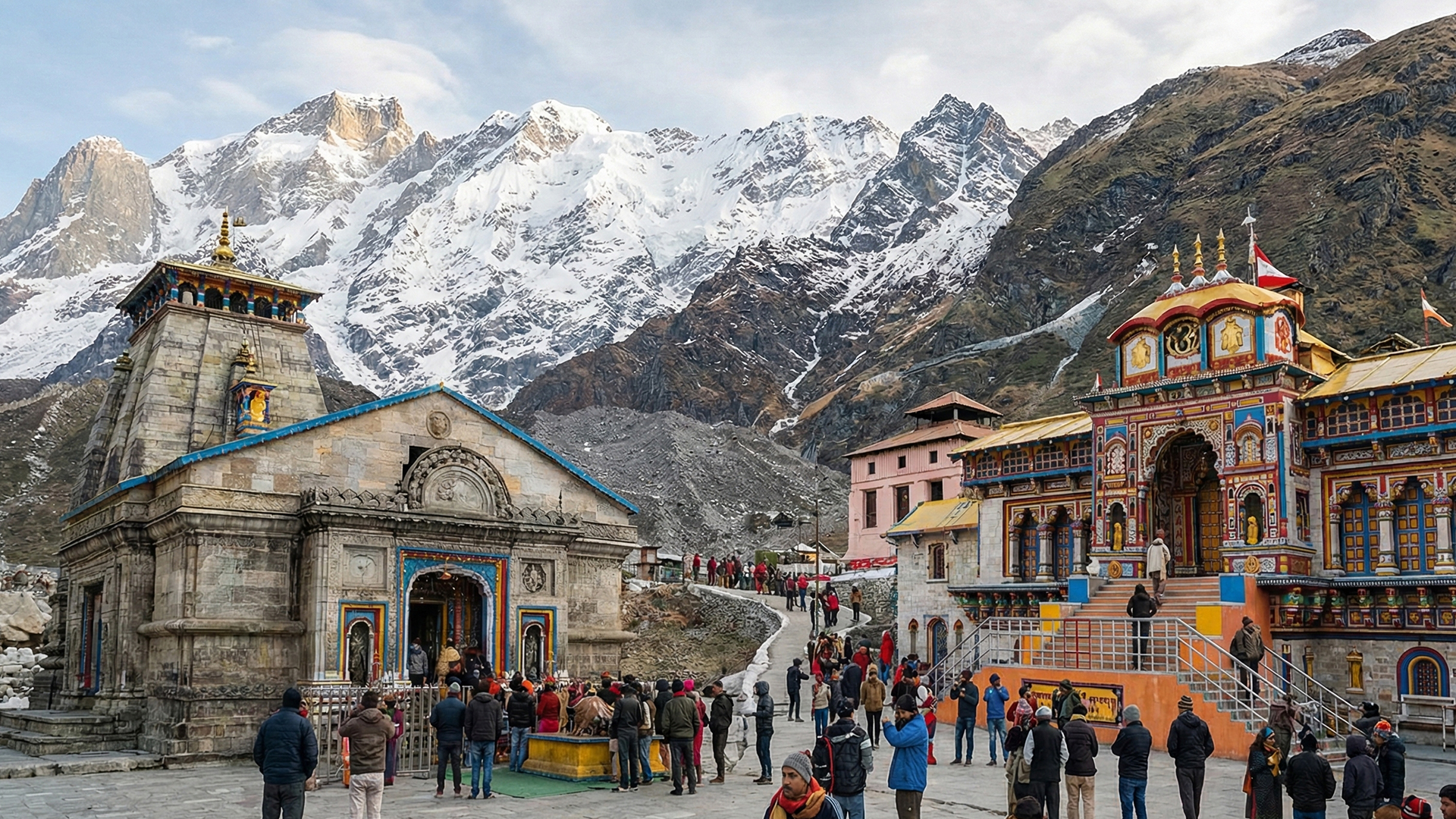
In a strict move aimed at preserving the religious sanctity of some of India’s most revered pilgrimage sites, temple authorities in Uttarakhand have begun restricting the entry of non‑Hindus. The decision comes amid growing discussions about maintaining the spiritual atmosphere and age-old traditions at the state’s Himalayan shrines.

The Shri Gangotri Temple Committee has already taken concrete action by formally banning non-Hindus from Gangotri Dham and the Mukhba temple, which serves as the winter abode of Goddess Ganga in Uttarkashi district. Committee members explained that the measure is intended to safeguard the religious customs and rituals that have been observed here for centuries, ensuring that devotees can experience the site in its traditional spiritual setting.

Meanwhile, the Badrinath‑Kedarnath Temple Committee (BKTC) is considering a similar step for the Badrinath and Kedarnath temples along with the other 43 shrines under its management. Chairman Hemant Dwivedi confirmed that the committee will soon present a formal proposal to bar non-Hindus from entering these temples. The plan is currently pending approval at the BKTC board meeting, and details on implementation are expected to follow.

Officials argue that these measures are not intended to exclude anyone from the state’s rich heritage but are necessary to protect the unique spiritual character of these dhams. Supporters say that maintaining traditional practices ensures that the sanctity of rituals and the devotion of pilgrims are respected. Legal or administrative guidance from the state government on enforcement is yet to be clarified.

For decades, Uttarakhand’s Himalayan shrines have drawn millions of devotees from across the country, offering spiritual solace amid breathtaking landscapes. This decision if put to action by temple committees reflects an effort to balance heritage, devotion, and tradition, reinforcing a sense of sacredness in spaces that hold deep emotional and cultural significance for Hindu worshippers.

Also Read: US affected by winter storm Fern

PFRDA moves to update NPS rules

Investment framework review aims to strengthen retirement savings

The Pension Fund Regulatory and Development Authority (PFRDA) has constituted an expert committee to review and update the investment framework of the National Pension System (NPS). The move is aimed at improving long-term retirement outcomes for subscribers by strengthening asset allocation, governance standards and risk management practices.

The nine-member committee, called the Strategic Asset Allocation and Risk Governance (SAARG) Committee, will be chaired by Narayan Ramachandran, former India head and CEO of Morgan Stanley. It includes senior professionals from asset management firms, financial markets and investment research.

PFRDA said the committee will conduct a comprehensive review of existing NPS investment guidelines and recommend changes in line with current market conditions and global best practices. The focus will be on enhancing diversification, ensuring portfolio stability and improving returns while keeping risks under control.

A key area of review will be the strategic asset allocation framework followed by NPS pension funds. The committee will examine how different asset classes are structured and whether new asset categories should be introduced or existing limits revised. It will also review performance measurement systems and accountability mechanisms for fund managers.

The panel will study valuation norms and liquidity aspects of alternative investments such as real estate, infrastructure investment trusts (InvITs), real estate investment trusts (REITs) and private equity. Strengthening governance standards and risk oversight mechanisms will also be a priority.

In addition, the committee will assess portfolio liquidity management, operational processes and the role of intermediaries within the NPS ecosystem. It will also explore ways to integrate environmental, social and governance (ESG) considerations into investment decisions, reflecting the growing importance of sustainable investing.

The SAARG committee has been given a timeline of nine months to submit its recommendations to PFRDA. Based on the findings, the regulator may revise NPS investment rules to provide greater flexibility, improved transparency and stronger risk controls.

Also Read: ChatGPT relies on Elon Musk’s Grokipedia

ChatGPT relies on Elon Musk’s Grokipedia

Source selection raises questions on AI transparency and trust

OpenAI’s latest language model, GPT‑5.2, has started using content from Grokipedia, an AI‑written encyclopedia created by Elon Musk’s company xAI. Unlike Wikipedia, which relies on human editors, Grokipedia generates and updates its articles entirely with AI. While it was designed to offer a fresh perspective, some experts worry it may spread inaccurate or biased information.

Recent tests revealed that ChatGPT often referenced Grokipedia when answering questions about less-known topics. For instance, queries on certain historical figures or obscure international events sometimes drew responses directly from Grokipedia entries. Experts say this raises questions about reliability, because unlike Wikipedia, Grokipedia does not have human fact-checkers to verify its content.

Interestingly, GPT‑5.2 seems to avoid using Grokipedia for widely publicised or controversial topics, such as major political events or widely debunked health claims. This selective referencing suggests the AI chooses sources based on context—but it also means obscure topics could carry unchecked errors.

Researchers warn that AI models relying on algorithmically generated sources may inadvertently spread misinformation, especially if users assume ChatGPT answers are always neutral and verified. While OpenAI emphasizes that its models draw from a broad range of publicly available sources and include safety filters to reduce harmful content, the Grokipedia connection highlights the ongoing challenge of balancing knowledge breadth with credibility.

For readers, this is a reminder to approach AI answers critically. Even the most advanced AI tools can reflect the quirks, biases, or errors present in their source material. As AI becomes a more common companion for information and learning, understanding where the information comes from is more important than ever.

Also Read: Canadian PM rejects China deal after Trump’s 100% tariff alert

Trump claims US used secret ‘Discombobulator’ in Maduro raid

US President says “Discombobulator” disabled Venezuelan defenses during Maduro operation

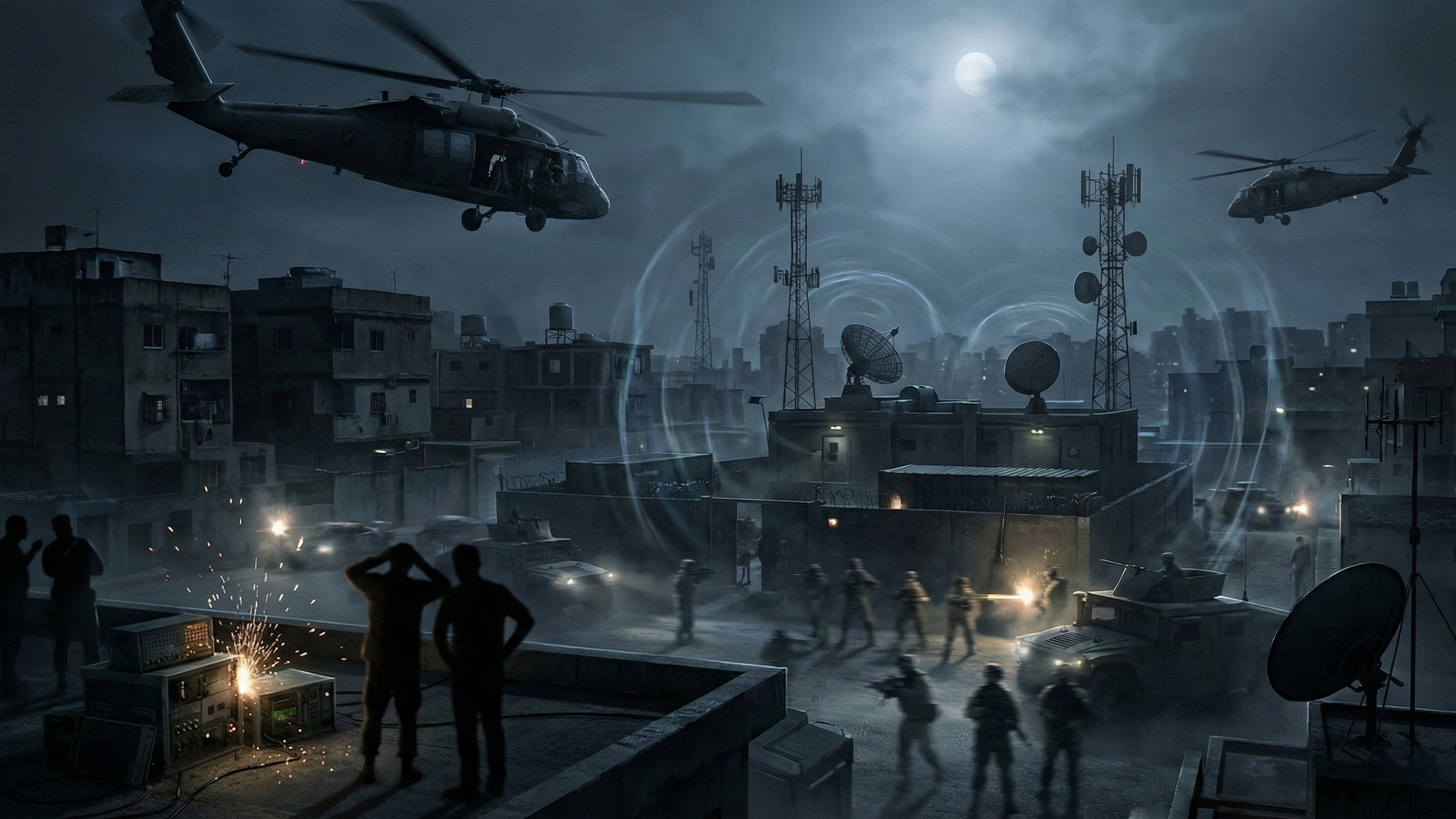
US President Donald Trump revealed that the United States used a secret weapon, which he called the “Discombobulator,” during a military raid that captured Venezuelan President Nicolás Maduro and his wife, Cilia Flores, on January 3. Trump said the device disabled Venezuelan defense systems, preventing missiles and other weapons from being fired and keeping US forces safe. He did not provide technical details, saying, “I’m not allowed to talk about it.” He also claimed that the US had “disabled nearly all the lights in Caracas” during the operation, though he avoided explaining how.

Trump described the weapon’s effect as highly effective, noting that Venezuelan personnel could not launch any of their Russian‑ or Chinese-made missiles. He said the device gave US forces complete control over the situation without any casualties on their side. Despite the dramatic claims, Trump offered few specifics about how the “Discombobulator” worked, keeping its exact capabilities classified.

The former president also linked the raid to broader US efforts against drug cartels. He warned that the United States could continue military operations against trafficking networks in South and Central America, including Mexico, if necessary. Trump highlighted a recent strike against a suspected drug‑smuggling ship in the Pacific Ocean and noted that more than 30 similar US actions have taken place since September.

In addition, Trump said the US seized oil cargo from seven Venezuelan tankers but did not reveal the current location of the ships or the oil. He emphasized that Venezuela “doesn’t have any oil” because of US operations.

The raid and Trump’s statements come as Maduro faces narcoterrorism charges in the United States. His detention has drawn strong criticism from international allies, who called the US operation unlawful.

Also Read: Indian Air Force dominance forced Pakistan to ceasefire

Pakistani lawyers jailed 17 years over anti-state posts

Imaan Mazari-Hazir and Hadi Chattha convicted under cybercrime law; rights groups decry suppression of dissent

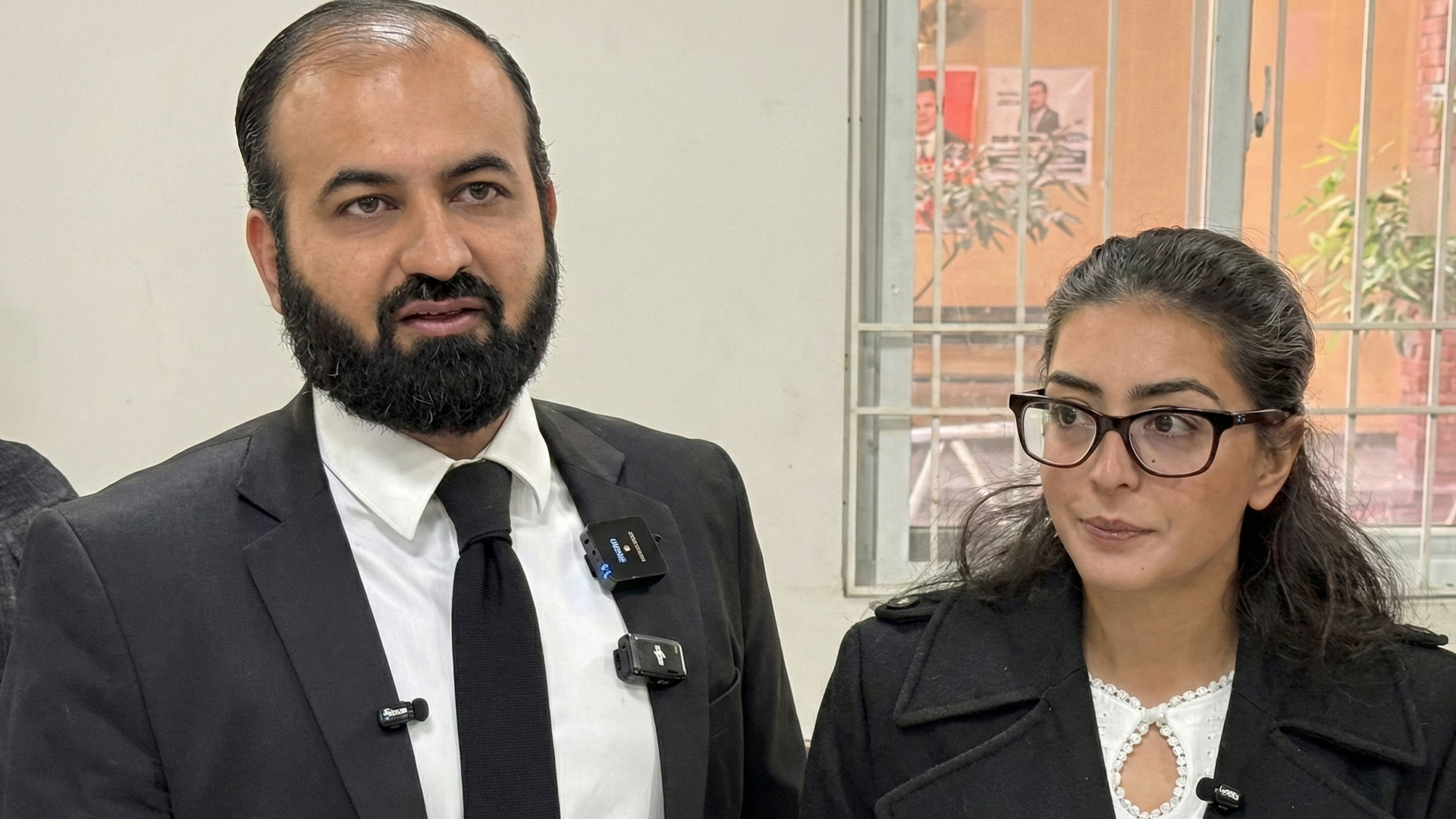
Two prominent human rights lawyers in Pakistan, Imaan Zainab Mazari-Hazir and her husband Hadi Ali Chattha, have been sentenced to 17 years in prison each for social media posts deemed “anti-state” and supportive of banned groups. The Islamabad sessions court handed down the verdict on January 24, 2026, under Pakistan’s Prevention of Electronic Crimes Act (PECA), which authorities increasingly use to target online criticism.

The court convicted the couple under sections related to cyberterrorism, glorifying banned organisations, and spreading false information, with sentences of 10 years, 5 years, and 2 years, respectively. They were also fined about PKR 36 million. The sentences will run at the same time.

The posts, published between 2021 and 2025, reportedly described Pakistan as a “terrorist state,” accused the military and other state institutions of human rights abuses, and shared narratives linked to banned militant groups. The court said these posts could damage public trust in state institutions.

During the trial, Mazari and Chattha appeared via video link and claimed they were not treated properly in custody, lacking adequate food and water. They also skipped part of the proceedings in protest.

The verdict has sparked criticism from rights groups. Amnesty International called it part of a campaign to silence dissent, while the Human Rights Commission of Pakistan said the case is being used to intimidate critics. Many observers say PECA, meant to fight cybercrime, is being misused to restrict freedom of speech.

Mazari is the daughter of former human rights minister Shireen Mazari and is known for defending journalists and activists. Pakistani authorities, however, insist the trial was fair and the ruling aligns with cybercrime laws.

Also Read: Padma Awards 2026 celebrate India’s changemakers

Indian Air Force dominance forced Pakistan to ceasefire

European analysis says Operation Sindoor ended in four days due to India’s air superiority

A recent European analysis has found that the Indian Air Force (IAF) dominated the skies during Operation Sindoor, compelling Pakistan to request a ceasefire within just four days. The study, published by the Switzerland-based Centre d’Histoire et de Prospective Militaires (CHPM), provides an independent assessment of the aerial confrontation that took place from May 7 to May 10, 2025.

According to the 47-page report by military analyst Adrien Fontanellaz, the IAF achieved air superiority early in the operation, enabling precise strikes deep into Pakistani territory. By May 10, the report notes, Indian aircraft operated with almost total freedom, targeting key infrastructure, airbases, and command centres. Advanced weapons such as BrahMos missiles and SCALP‑EG long-range missiles played a crucial role in neutralising Pakistan’s defences.

The operation followed a terror attack in Pahalgam, Jammu & Kashmir, which India attributed to groups based in Pakistan. In retaliation, the IAF launched coordinated strikes using Rafale and Mirage‑2000 jets, along with supporting aerial reconnaissance and electronic warfare systems. Pakistan responded by scrambling fighter jets and deploying PL‑15 air-to-air missiles, but the study says these efforts were largely ineffective due to India’s integrated air-defence systems.

The report also examined claims of aircraft losses on both sides. While Pakistan asserted it had downed multiple Indian jets, the European analysis verified fewer such incidents, highlighting that many incoming missiles were evaded. In contrast, India inflicted significant damage on Pakistani air infrastructure and equipment, degrading its ability to respond effectively.

By midday on May 10, 2025, Pakistan formally requested a ceasefire, which India accepted, ending the hostilities. The European study concludes that the IAF’s performance achieved India’s military and political objectives while demonstrating careful control over escalation, avoiding a larger conflict.

Also Read: Canadian PM rejects China deal after Trump’s 100% tariff alert