rotating globe
6 Apr 2026


US affected by winter storm Fern

Northeast faces heavy snow, South battles ice as frigid temperatures continue

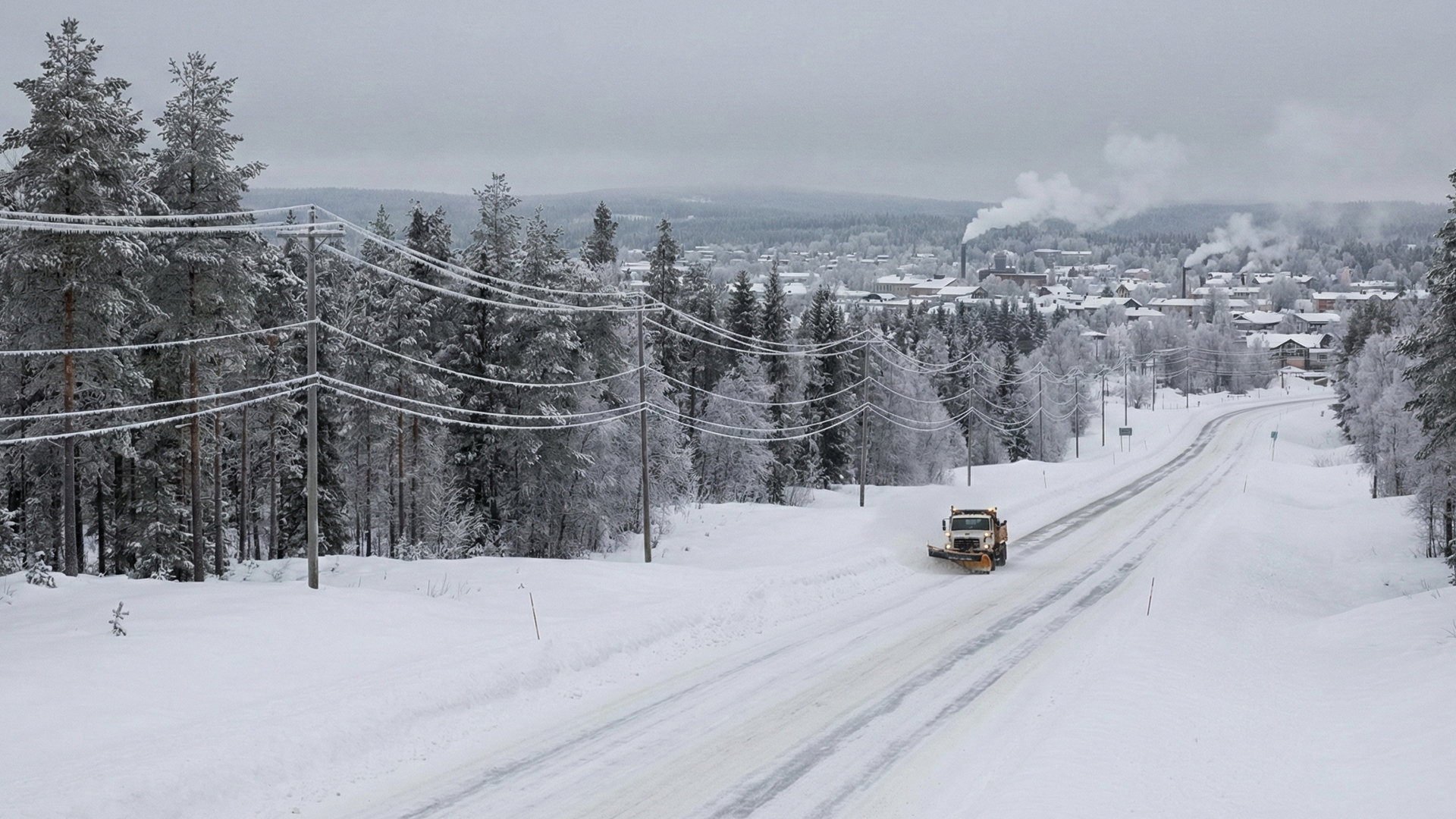
A powerful winter storm named Fern is sweeping across the United States, leaving millions of residents struggling with heavy snow, ice, and dangerously low temperatures. The storm has already affected over 220 million people across 34 states, stretching from the South and Midwest to the Northeast, making it one of the largest winter systems this season.

In the Northeast, communities are facing heavy snowfall, with forecasts warning of up to a foot of snow in parts of New York, Pennsylvania, and New England. Coastal areas may experience a mix of rain and freezing rain, creating slick roads and hazardous travel conditions. Thousands of flight cancellations have been reported at major airports, and officials are urging residents to avoid non-essential travel as icy roads and poor visibility make commuting extremely dangerous.

Meanwhile, the South and Mid-Atlantic are contending with significant ice accumulation. States like Louisiana, Mississippi, Tennessee, and Georgia have seen power outages, downed trees, and impassable roads. Emergency declarations have been issued in multiple states to help communities cope with the disruptions. Even after the snow and ice subside, officials warn that temperatures will remain well below normal, prolonging hazards on roads and increasing the risk of frostbite and hypothermia.

The storm has already had tragic consequences, with several deaths reported from hypothermia and traffic accidents. Local authorities continue rescue operations in affected areas, urging residents to stay indoors where possible and prepare for potential extended power outages.

Meteorologists emphasize that Winter Storm Fern is a large, complex system combining heavy snow, freezing rain, and frigid Arctic air. The combination of ice, snow, and strong winds has created extremely dangerous conditions across multiple regions, highlighting the storm’s severity and scale.

Also Read: Canadian PM rejects China deal after Trump’s 100% tariff alert
Canadian PM rejects China deal after Trump’s 100% tariff alert
PM Mark Carney sticks to North American trade commitments

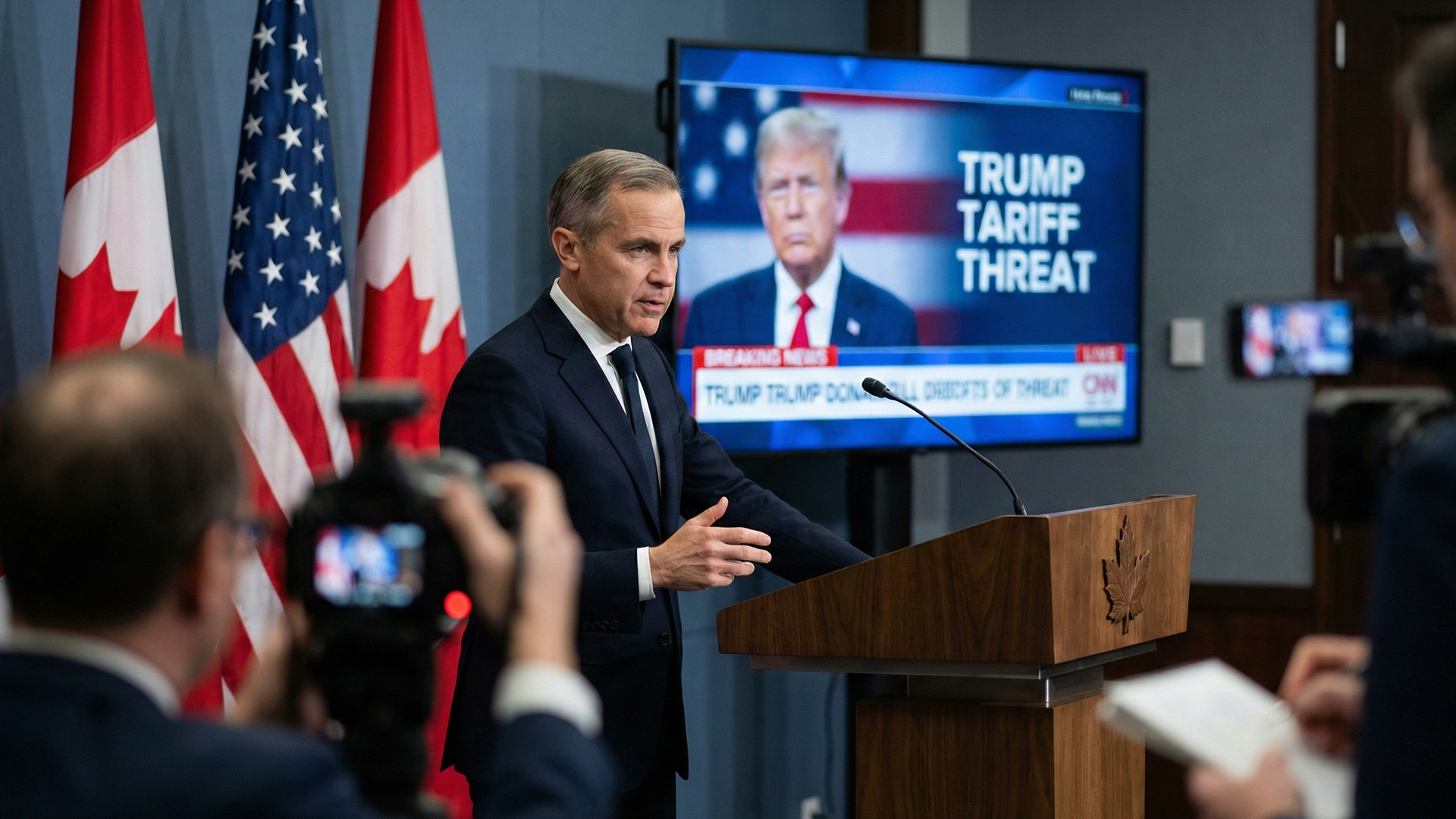
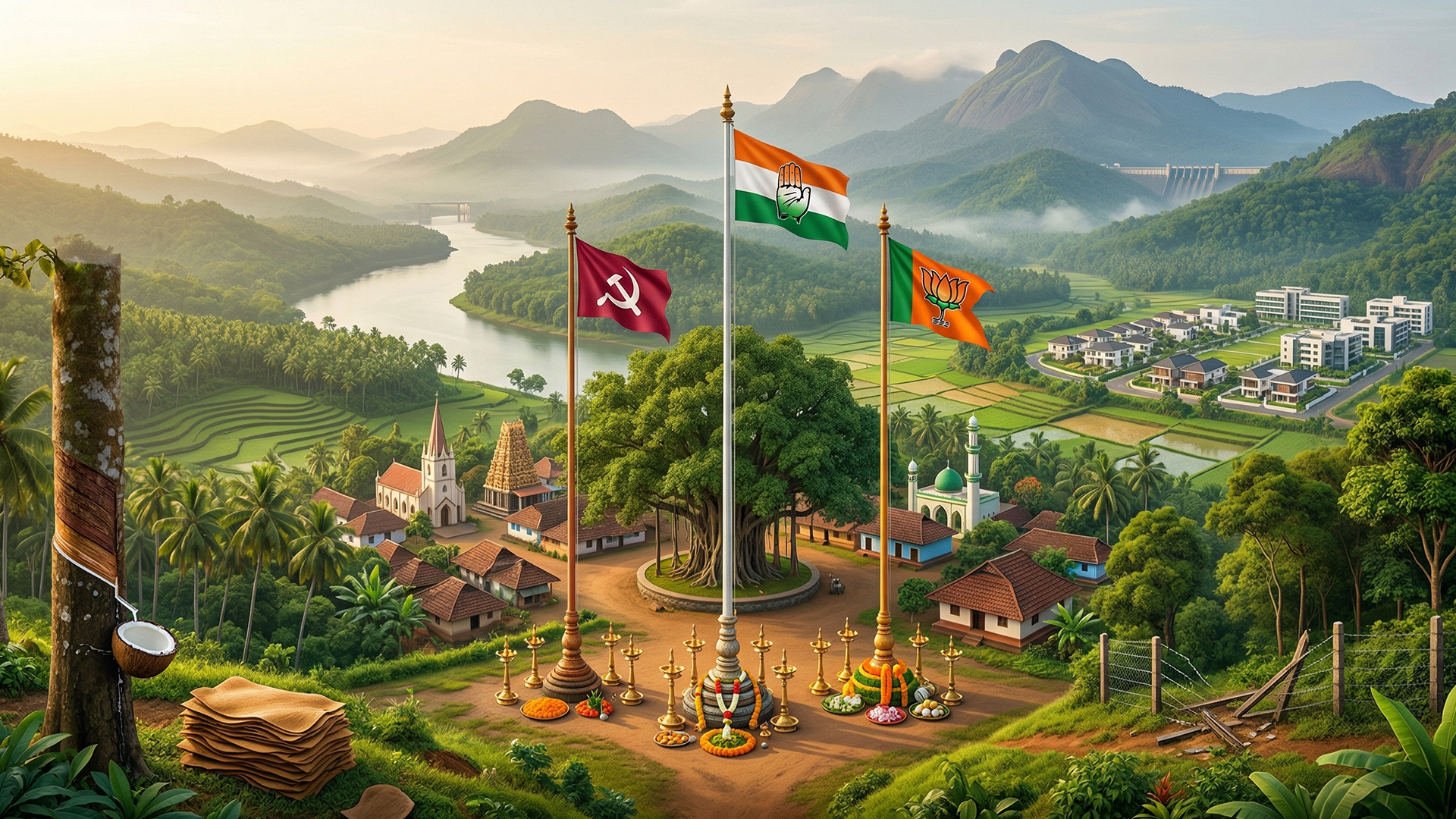
Canada has ruled out any free trade agreement with China, after US President Donald Trump threatened to impose 100 per cent tariffs on Canadian goods if Ottawa went ahead. Prime Minister Mark Carney clarified that Canada remains committed to its North American trade agreements and has no intention of pursuing a broad pact with Beijing.

Speaking on Sunday, January 25, Carney emphasised that Canada’s limited engagement with China has focused only on resolving specific tariff disputes, not on negotiating a full-fledged trade deal. “We respect our commitments under the USMCA. We are not planning any free trade agreements with China or other non-market economies,” he said.

The remarks follow a week of tense exchanges between Washington and Ottawa. Trump’s warnings came after reports that Canada was exploring closer trade ties with China, prompting fears in the US that Chinese goods could gain easier access to North American markets through Canada.

Recent agreements with China have been narrow and targeted. Canada reduced tariffs on a small number of Chinese electric vehicles, while Beijing agreed to ease duties on some Canadian exports, including canola and seafood. These measures, Carney stressed, are far from a comprehensive trade deal.

The US threat has added strain to Canada-US trade relations, but Carney’s firm stance sends a clear message: Ottawa seeks to balance global economic ties while honouring obligations to its North American partners. Analysts say the move highlights Canada’s careful approach to diplomacy, ensuring it can engage with global markets without triggering conflicts with the US.

By rejecting a broad China trade agreement, Canada aims to protect its exports, maintain stability in North America, and signal to international partners that it is committed to fair and transparent trade practices. Carney’s stance reassures businesses and citizens that Canada is choosing caution over confrontation, keeping the focus on sustainable economic growth.

Also Read: 10,000 kg explosives seized in Rajasthan

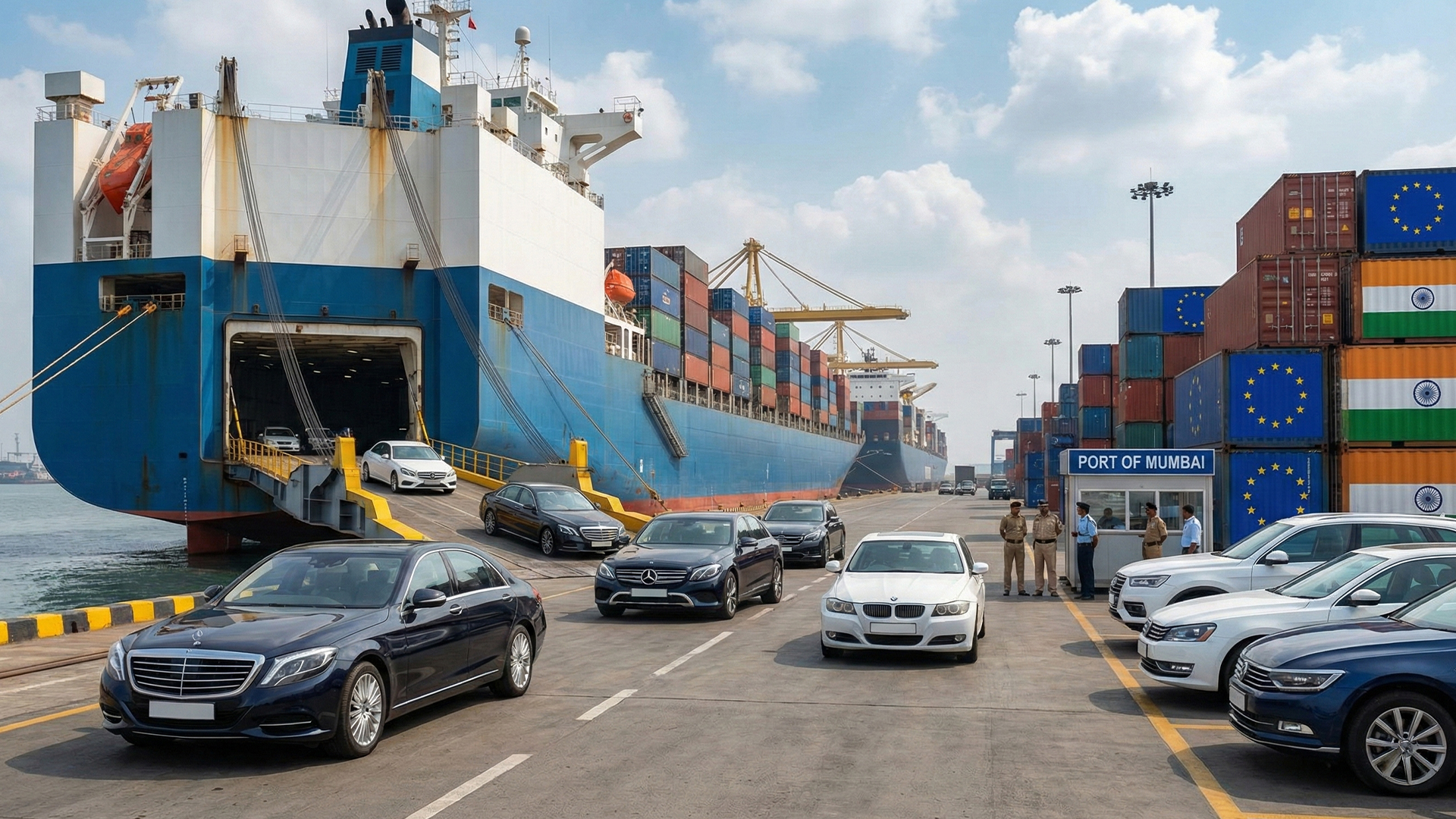
India to cut EU car duties to 40%

Big tariff cut proposed under India-EU trade pact

India is preparing to ease its strict import duty regime on cars from the European Union, with plans to reduce tariffs to about 40 per cent under a proposed free trade agreement, according to sources. Currently, duties on fully built imported cars can go as high as 110 per cent, making them unaffordable for most buyers.

The proposed tariff reduction reflects India’s willingness to compromise in order to conclude the long-pending India-EU free trade deal, which has been under negotiation for almost two decades. Officials suggest that the agreement is in its final stages and could be unveiled during a forthcoming bilateral summit.

Under the plan, lower tariffs would initially apply to a fixed quota of vehicles, mainly in the premium segment. Further reductions could follow gradually. European carmakers, which have struggled to gain a foothold in India due to steep taxes, are expected to see improved access to one of the world’s largest and fastest-growing automobile markets.

The Indian government is said to be cautious about protecting domestic manufacturers. As a result, electric vehicles may be excluded from immediate tariff cuts, giving local EV players time to expand capacity and investments.

India sells more than four million passenger vehicles annually, yet imports account for a negligible share. Any easing of duties could reshape the premium car segment, increase consumer choice and intensify competition.

Beyond automobiles, the proposed India-EU trade agreement is expected to cover multiple sectors, including services, investment and intellectual property. India is pushing for greater access for its labour-intensive exports, while the EU is seeking reduced tariffs and regulatory clarity.

Also Read: Bangladesh out of T20 World Cup 2026

Padma Awards honours Indian changemakers

Mammootty,Alka Yagnik, (late)V S Achuthanandan, (late) Dharmendra, (late) Piyush Pandey, Rohit Sharma and Uday Kotak among 131 honoured

Every Republic Day season brings stories of courage and commitment, and this year is no different. As the nation prepares to mark its 77th Republic Day, the Government of India has announced the Padma Awards 2026, shining a light on 131 individuals whose life’s work has touched millions,  sometimes from the spotlight, and often far away from it.

The Padma Vibhushan, India’s second-highest civilian honour, has been conferred on distinguished personalities including legendary Carnatic violinist N Rajam, former Kerala Chief Minister V S Achuthanandan (posthumous), eminent jurist K T Thomas, scholar P Narayanan, and veteran film icon Dharmendra Singh Deol (posthumous). Their recognition reflects decades of influence across public life, arts and education.

The Padma Bhushan list brings together familiar names from culture, business and public service. Celebrated actor Mammootty, iconic playback singer Alka Yagnik, industrialist Uday Kotak, tennis great Vijay Amritraj, former Maharashtra Governor Bhagat Singh Koshyari, and advertising pioneer Piyush Pandey (posthumous) are among those honoured. Leading doctors such as Dr Nori Dattatreyudu have also been recognised for their contribution to healthcare.

The largest segment, the Padma Shri awards, reflects the breadth of modern India. From cricket captain Rohit Sharma and women’s team leader Harmanpreet Kaur to hockey goalkeeper Savita Punia, actor Prosenjit Chatterjee, and numerous teachers, social workers and folk artists, the list celebrates impact at every level.

This year’s honours include 19 women, six overseas or foreign recipients, and 16 posthumous awards, reinforcing the inclusive spirit of the Padma tradition.

Beyond medals and ceremonies, the Padma Awards tell stories of persistence, passion and purpose. When the honours are presented at Rashtrapati Bhavan later this year, they will stand as a reminder that nation-building happens not only through power and policy, but through years of quiet, committed service.

Also Read: India marks 77th Republic Day at Kartavya path

India marks 77th Republic Day at Kartavya path

President Droupadi Murmu leads parade as India showcases unity, strength and inclusive traditions

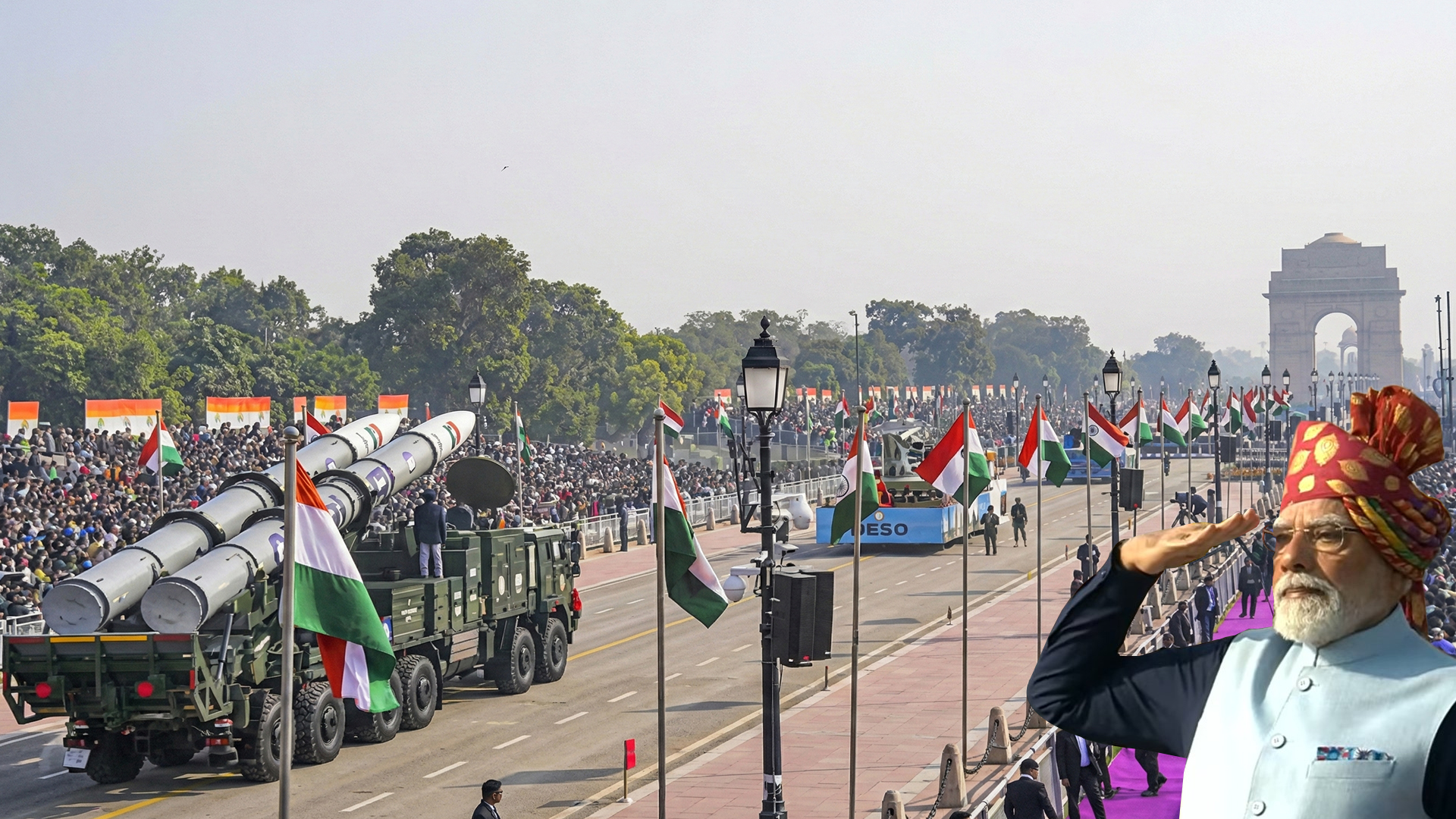
India celebrated its 77th Republic Day on January 26, 2026, with a grand ceremonial parade at Kartavya Path in New Delhi, marking 76 years since the adoption of the Constitution. President Droupadi Murmu unfurled the national flag and took the salute, as the nation reflected on its democratic journey and future aspirations.

The celebrations began early in the morning with Prime Minister Narendra Modi paying tribute to fallen soldiers at the National War Memorial, honouring their sacrifice for the country. Senior ministers, defence officials and invited dignitaries were present at the ceremony.

This year’s Republic Day parade brought together India’s military discipline, cultural diversity and technological progress. Marching contingents from the Army, Navy and Air Force displayed precision and coordination, while modern and indigenous defence equipment underlined India’s growing focus on self-reliance in defence manufacturing. A flypast by fighter aircraft added to the spectacle.

Colourful tableaux from States, Union Territories and Union ministries highlighted themes ranging from cultural heritage and social progress to innovation and development. The celebrations also marked 150 years of “Vande Mataram,” the national song that played a key role in India’s freedom movement.

A notable change this year was the naming of spectator enclosures along Kartavya Path after major Indian rivers such as the Ganga, Yamuna, Narmada, Krishna and Periyar. The move replaced conventional VIP labels and was aimed at creating a more inclusive atmosphere while symbolically honouring the rivers that have shaped India’s civilisation. Clear signage helped visitors navigate the enclosures smoothly.

The chief guests for the 77th Republic Day celebrations were European Council President António Costa and European Commission President Ursula von der Leyen, reflecting India’s strengthening strategic and economic ties with the European Union.

In her address on the eve of Republic Day, President Murmu emphasised the role of citizens in building a just and resilient nation, acknowledging the contributions of farmers, women, youth and frontline workers. Gallantry awards were also announced for members of the armed forces and security personnel for acts of exceptional courage.

Also Read: India to cut EU car duties to 40%

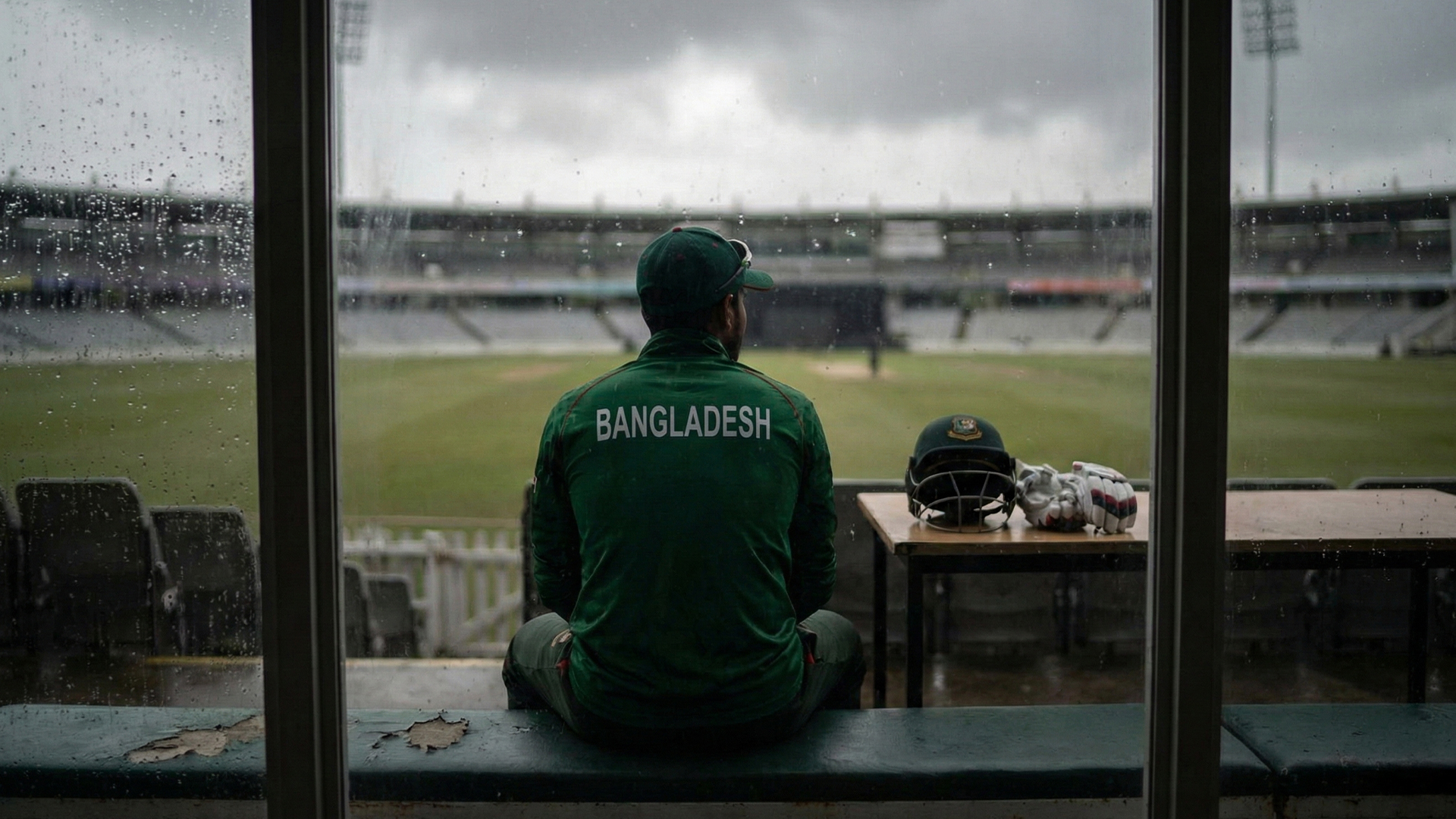
Bangladesh out of T20 World Cup 2026

Bangladesh withdraws and Scotland replaces them in T20 World Cup 2026

The Bangladesh Cricket Board (BCB) will not participate in the ICC Men’s T20 World Cup 2026, following a standoff with the International Cricket Council (ICC) over venue arrangements. The ICC has officially named Scotland as Bangladesh’s replacement for the tournament, which begins on February 7, 2026.

The controversy arose after the BCB refused to travel to India for its scheduled matches in Kolkata and Mumbai, citing security concerns for its players and staff. The board requested the ICC to move its fixtures to neutral venues, such as Sri Lanka, but the ICC rejected this proposal, stating that security assessments showed no credible threat to the team and that rescheduling would disrupt the tournament.

The ICC gave Bangladesh a 24-hour deadline to confirm participation under the original schedule. The BCB publicly stated it would not play in India, but failed to formally communicate its stance within the deadline. Consequently, the ICC proceeded to replace Bangladesh with Scotland, which qualifies based on T20 rankings.

In a last effort, the BCB appealed to the Dispute Resolution Committee (DRC), hoping for an independent review. However, the ICC did not accept the appeal, citing procedural issues.

Bangladesh’s withdrawal carries significant consequences. Reports suggest the board could face a financial loss of around ₹240 crore due to missed World Cup revenues, sponsorship impacts, and broadcast deals. Additionally, this decision could affect Bangladesh’s standing in international cricket.

Scotland’s inclusion marks a historic late change to the tournament lineup. They will now compete in Group C alongside England, West Indies, Nepal, and Italy, giving fans an unexpected twist to the competition.

Also Read: US exits World Health Organization after 78 years

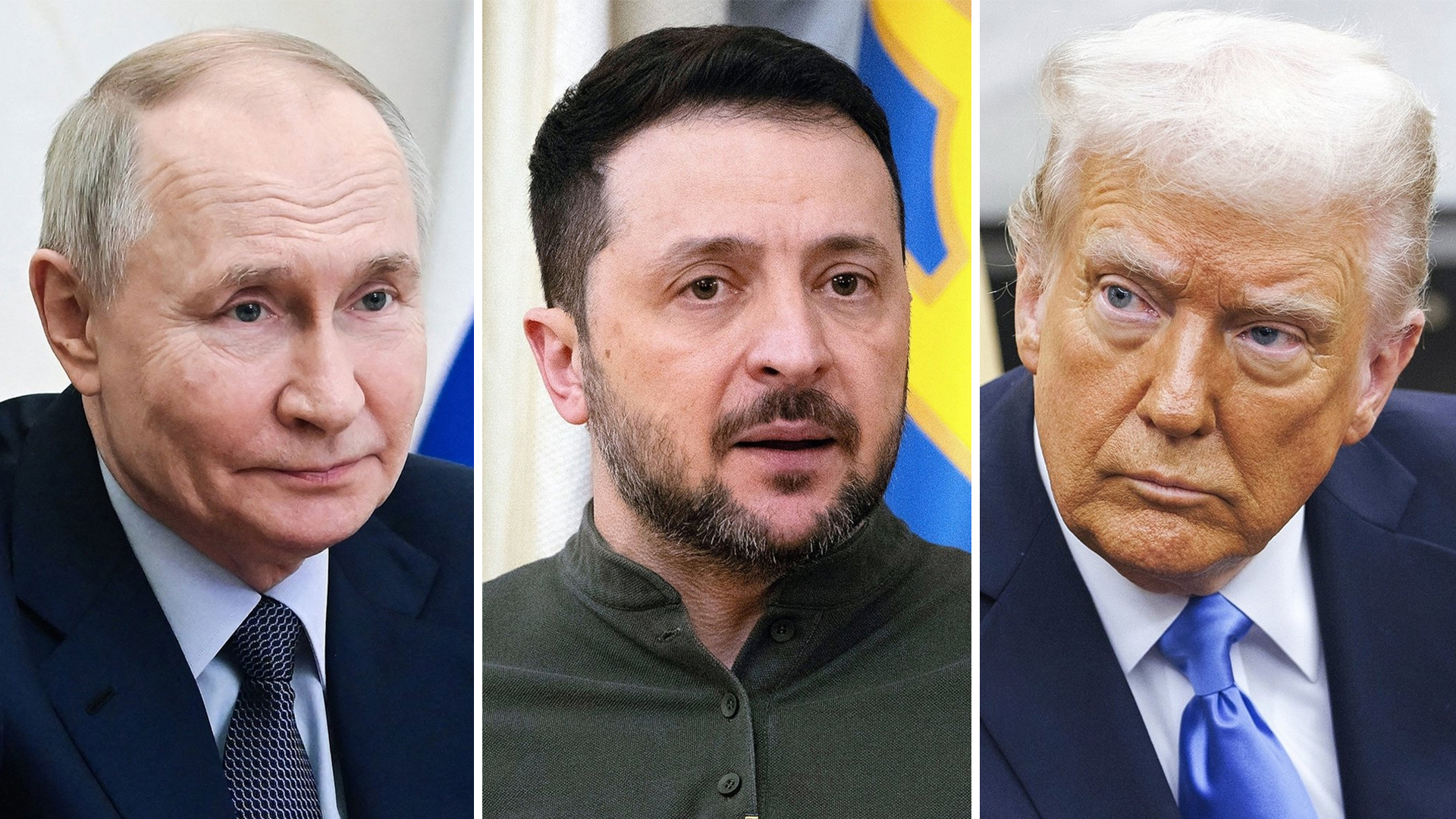
Deadlock in Ukraine‑Russia peace talks

Abu Dhabi talks with US mediation face sharp disagreement over eastern Ukraine territory amid ongoing Russian attacks

Peace talks between Ukraine, Russia, and the United States began on January 23, 2026, in Abu Dhabi to try to end the nearly four‑year war. These are the first high‑level talks involving all three countries together. The discussions follow earlier meetings in Davos and Moscow.

The main issue in the talks is territory in eastern Ukraine, particularly the Donbas region. Russia wants Ukraine to pull its troops out of areas in Donetsk and Luhansk that are still under Ukrainian control. Moscow says this is necessary for any peace deal. Ukraine has refused to give up land, saying it has fought hard to defend it and that giving it up would weaken the country’s security.

President Volodymyr Zelenskyy said resolving the Donbas question is the most important part of the talks. He also warned that it is too early to say if the negotiations will succeed. A White House official called the first day “productive” and said the talks would continue the next day.

The US team includes special envoy Steve Witkoff, adviser Jared Kushner, and military officials. Russia’s team is led by Admiral Igor Kostyukov, while Ukraine’s team is headed by Rustem Umerov, Secretary of the National Security and Defence Council.

The talks are happening while fighting continues in Ukraine. Russian attacks on cities have killed and injured civilians in the days around the meetings. On January 24, hundreds of Russian drones and missiles hit infrastructure and residential areas. Ukrainian officials say these attacks aim to weaken the peace process.

Despite US efforts, President Donald Trump saying both sides want a deal, and the willingness of leaders to talk, the sides remain far apart. Territory, security guarantees, and borders are the main sticking points. Both Kyiv and Moscow show little sign of compromise, making it unclear if a ceasefire or lasting peace agreement can be reached.

Also Read: Trump faces backlash for NATO Afghanistan remarks

Windows 11 updates paint and notepad with AI

New creative and writing tools roll out to Windows Insider users

Microsoft is continuing its push to modernise Windows 11 by upgrading two long-standing apps, Paint and Notepad, with new AI features and productivity enhancements. The updates are now available for testing through the Windows Insider programme.

Paint is getting a creative makeover with a new AI colouring book option. By entering a simple text prompt, users can generate black-and-white line drawings that are ready to colour. The feature is designed to encourage creativity and is particularly useful for families, teachers and hobbyists. It is accessed via Copilot and currently requires a Copilot+ PC and Microsoft account.

Alongside this, Paint users gain more control over colouring thanks to a new fill tolerance slider. This lets users decide how tightly colours are applied, improving accuracy when working with complex shapes or fine details.

Notepad, one of Windows’ most basic tools, is quietly evolving into a more capable writing app. Microsoft has added enhanced Markdown formatting, including support for strikethroughs and nested lists. Users can apply formatting using keyboard shortcuts, toolbar buttons or Markdown symbols, making Notepad more practical for note-taking, coding and content drafting.

The app’s AI-based writing features have also been refined. Tools like Rewrite and Summarise now display text in real time as it is generated, offering a smoother and quicker experience.

Microsoft says these updates aim to make everyday Windows apps smarter without sacrificing their simplicity. After Insider testing, the features are expected to roll out more broadly to Windows 11 users via regular app updates.

Also Read: Army vehicle crash kills 10 soldiers in Doda