rotating globe
6 Apr 2026


US‑Israel strikes Iran, Gulf tensions swell

Tensions rise as Tehran retaliates. Gulf states airspace and launch defensive measures

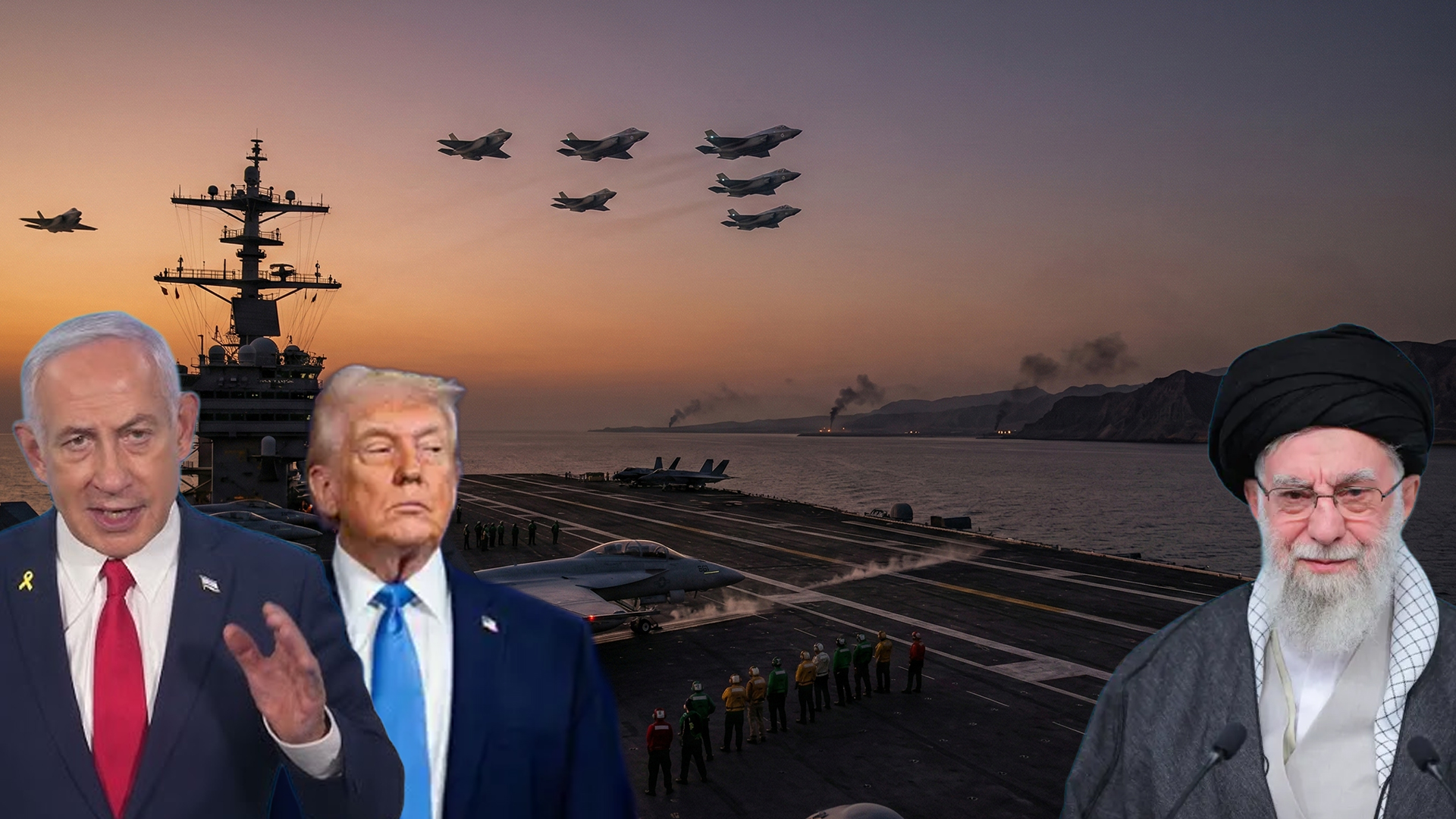
The United States and Israel launched coordinated airstrikes on Iran on Saturday, targeting military and government sites in Tehran and nearby areas. Officials said the strikes aimed to prevent Iran from advancing nuclear and missile capabilities that could threaten Israel and US interests. Explosions were reported in Tehran, and Iranian authorities confirmed at least some of the attacks.

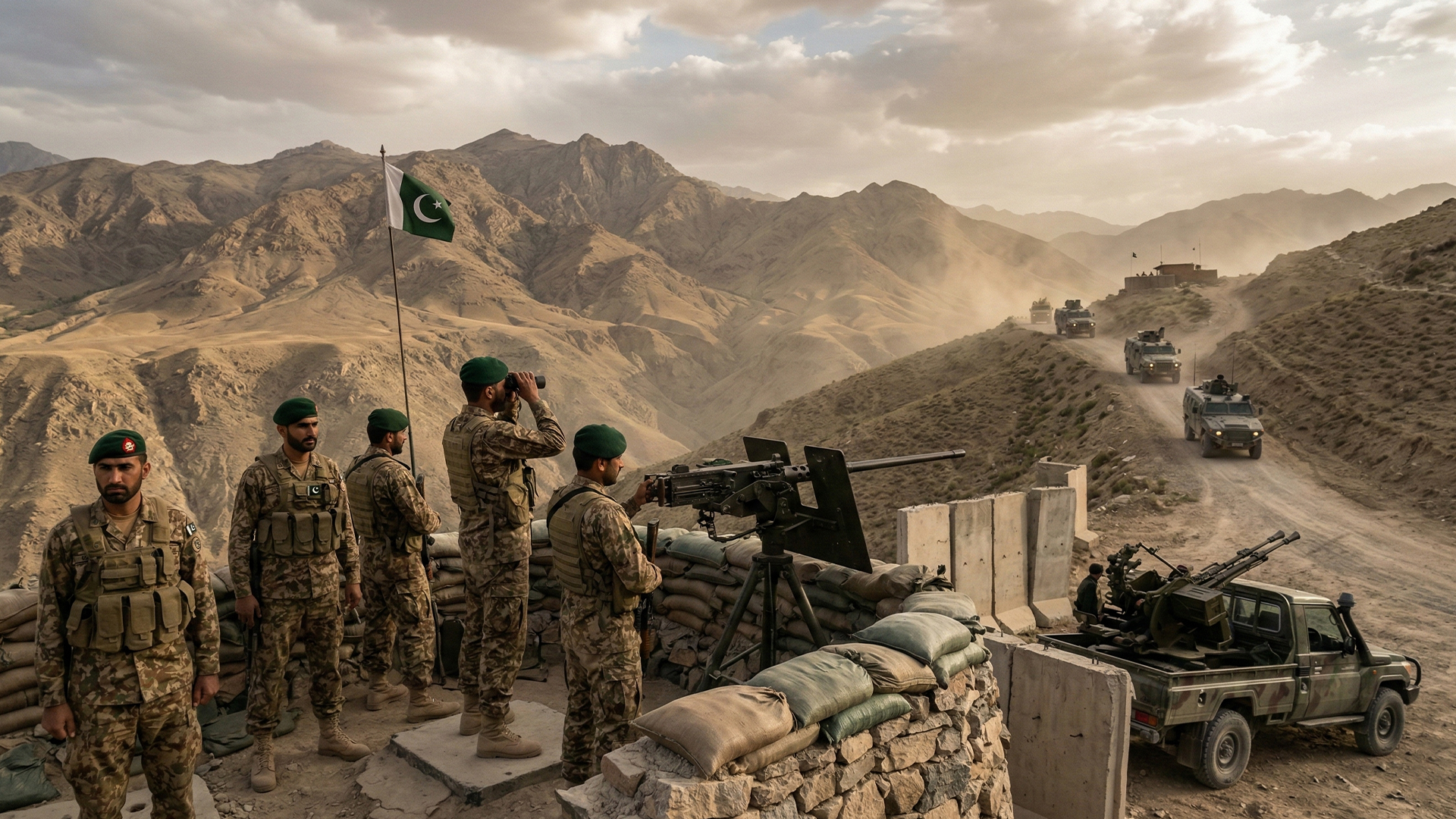
In retaliation, Iran fired missiles toward Israel and across the Gulf region, including US military bases in Qatar, the United Arab Emirates (UAE), Bahrain, and Kuwait. Local air defense systems intercepted several incoming missiles, but the attacks caused panic and emergency alerts across affected areas.

Gulf countries reacted quickly to the escalation. Qatar, UAE, Bahrain, Kuwait, and Iraq suspended flights to ensure safety as commercial airspace became a potential target. Military bases and critical infrastructure across the Gulf were put on high alert, with authorities closely monitoring missile activity. Diplomatically, GCC nations called for restraint, warning against actions that could escalate the conflict, while Saudi Arabia condemned Iran’s attacks on neighboring states.

In Israel, a nationwide state of emergency was declared. Schools were closed, public gatherings banned, and civilians were advised to shelter underground. US citizens in Israel were urged to remain close to safe zones and follow local authorities’ instructions.

International reactions have been mixed. Russia criticized the US‑Israel strikes as “unprovoked aggression,” warning of humanitarian and regional consequences. Meanwhile, Washington emphasized that its actions alongside Israel were defensive and aimed at preventing a wider conflict.

The situation remains tense and fluid, with casualties and full damage reports still unclear. The involvement of US forces, the expansion of missile exchanges into the Gulf, and the activation of GCC defenses have raised concerns about a broader regional escalation.

Also Read: Israel strikes Lebanon, Tehran blast raises fears
Jammu & Kashmir’s first Ranji Trophy

Paras Dogra’s team scripts history with dominant victory over Karnataka, bringing pride to the region

February 28, 2026, will be etched as a historic day in Jammu and Kashmir’s cricketing journey. After nearly seven decades of competing in India’s premier domestic tournament, J&K lifted their first-ever Ranji Trophy, defeating eight-time champions Karnataka at the KSCA Stadium in Hubballi.

From the very first session, J&K asserted themselves. Winning the toss, they chose to bat and built a colossal 584, with stellar contributions from Shubham Pundir (121), Paras Dogra (70), Yawer Hassan (88), Abdul Samad (61), Kanhaiya Wadhawan (70), and Sahil Lotra (72). Karnataka struggled to keep pace and were bowled out for 293, with pacer Auqib Nabi shining with a five-wicket haul, including the prized wickets of top-order batsmen KL Rahul and Karun Nair. Nabi finished the tournament as the leading wicket-taker with 60 scalps—a rare feat in Ranji history.

In J&K’s second innings, Qamran Iqbal (159 not out) and Lotra (101 not out) steadied the innings, ensuring the team maintained control. When the match ended in a draw, the first-innings lead was enough for J&K to claim the trophy, triggering jubilant celebrations among players, officials, and fans alike.

The victory was a moment of pride beyond the cricket field. Omar Abdullah, Chief Minister of J&K, attended the final, cheering the team in person. The triumph capped a remarkable 2025–26 season, in which J&K had defeated domestic heavyweights like Madhya Pradesh and Bengal, proving their mettle at every step.

This commendable milestone that will inspire generations of cricketers. Jammu and Kashmir’s maiden Ranji Trophy victory reflects the teams resilience, dedication, and hope.

Also Read: Billionaire Nikesh Arora’s daughter’s fairy-tale wedding

PM Modi opens Micron chip plant in Gujarat

State-of-the-art facility worth ₹22,500 crore, to strengthen India’s chip manufacturing capabilities

Prime Minister Narendra Modi on Friday officially opened a new semiconductor facility by Micron Technology in Sanand, Gujarat, marking a major step in India’s efforts to become a hub for high-tech manufacturing.

The facility, built at an investment exceeding ₹22,500 crore, will produce memory chips, including DRAM and NAND, essential for smartphones, computers, data centers, and emerging technologies such as artificial intelligence. It is expected to supply both domestic and global markets.

Spread across a large campus, the plant already employs about 2,000 workers and is projected to create thousands more direct and indirect jobs in manufacturing, logistics, and services as production scales up.

The project is part of India’s broader semiconductor mission aimed at reducing reliance on imports and attracting international investments in advanced electronics. Officials said the Sanand facility is one of the first major commercial operations under this initiative.

During the inauguration, Modi highlighted the growing global confidence in India’s manufacturing ecosystem and emphasized the government’s focus on high-tech industries. The prime minister called the plant a milestone in boosting “Make in India” ambitions and fostering innovation in technology sectors.

By producing advanced chips domestically, the plant is expected to support emerging sectors like AI, 5G, and cloud computing, while also enhancing India’s competitiveness in the international electronics market.

This also signals its ambitions to compete with leading semiconductor-producing nations, creating new opportunities for innovation, employment, and economic growth.

Also Read: India, EU seal 5 yr MFN deal

Israel strikes Lebanon, Tehran blast raises fears

Cross-border fire and a mysterious explosion deepen tensions between Israel and Iran

The conflict between Israel and Iran escalated sharply on Saturday morning, after Israel confirmed it had carried out a pre-emptive strike on Iran, just hours after launching air raids in Iqlim al-Tuffah region of southern Lebanon.

Israeli Defence Minister Israel Katz said the strike on Iran was launched to counter what he described as an immediate security threat. Following the announcement, air-raid sirens sounded across Israel, including in Tel Aviv and other major cities. Authorities declared a special nationwide emergency and instructed residents to remain close to shelters and follow guidance from the Home Front Command.

Earlier in the day, the Israel Defense Forces carried out strikes in southern Lebanon targeting positions linked to Hezbollah. Israel said those strikes were aimed at preventing attacks along the northern border and accused Hezbollah of violating a ceasefire agreed in late 2024. Lebanese officials condemned the raids, warning that repeated strikes risk undermining the fragile truce.

In Tehran, witnesses reported hearing explosions and seeing smoke rise in parts of the capital. Iranian authorities have not yet released detailed information on the cause or extent of the damage. There were no immediate confirmed reports of casualties.

The back-to-back developments have intensified fears of a wider confrontation between Israel and Iran, whose tensions have been rising over regional influence, missile capabilities and nuclear concerns. Security analysts say that a direct strike acknowledged by Israel marks a significant shift from previous shadow conflict tactics.

Governments in the region and beyond are closely monitoring the situation, urging restraint as diplomatic efforts seek to prevent further escalation.

People living near the Lebanon–Israel border are on alert, with many rushing to shelters as officials issue safety advice.

Also Read: US labels Iran a “state sponsor of wrongful detention”

Nikesh Arora’s daughter’s fairy-tale wedding

Celebrations light up Jodhpur’s Umaid Bhawan Palace with family, friends, and global guests

In a spectacular blend of tradition and modernity, Ayesha Arora, daughter of Indian-American tech billionaire Nikesh Arora, is getting married to Jack Hughes in Jodhpur’s iconic Umaid Bhawan Palace today. This grand wedding is a celebration of love, family, and culture that brought together close friends, family, and dignitaries from around the world.

The festivities began with a colorful Holi party at Bal Samand Palace, where guests celebrated with music, laughter, and splashes of vibrant colors. This was followed by an enchanting music night at Mehrangarh Fort, setting the tone for a wedding that balanced opulence with heartfelt moments. The traditional Hindu ceremony, complete with seven pheras, showcased the couple’s respect for culture and family values, while also highlighting the joy shared by everyone present.

The guest list read like a who’s who of global business and politics, including industrialists like Gautam Adani and the Ambani family, alongside diplomats and international figures. Despite the grandeur, Arora and Hughes made sure the event felt intimate, with personal touches woven into the celebrations, from curated performances to bespoke décor reflecting Rajasthani heritage.

Nikesh Arora, known globally for his leadership at Palo Alto Networks and past roles at Google and SoftBank, expressed his happiness at seeing his daughter start a new chapter surrounded by family, friends, and a warm, festive atmosphere.

From sun-kissed palace terraces to the laughter-filled evening parties, the wedding became a global talking point not just for its scale, but for the human moments that shone through, a father’s pride, a couple’s joy, and a city bathed in celebration.

Also Read: PM Modi opens Micron chip plant in Gujarat

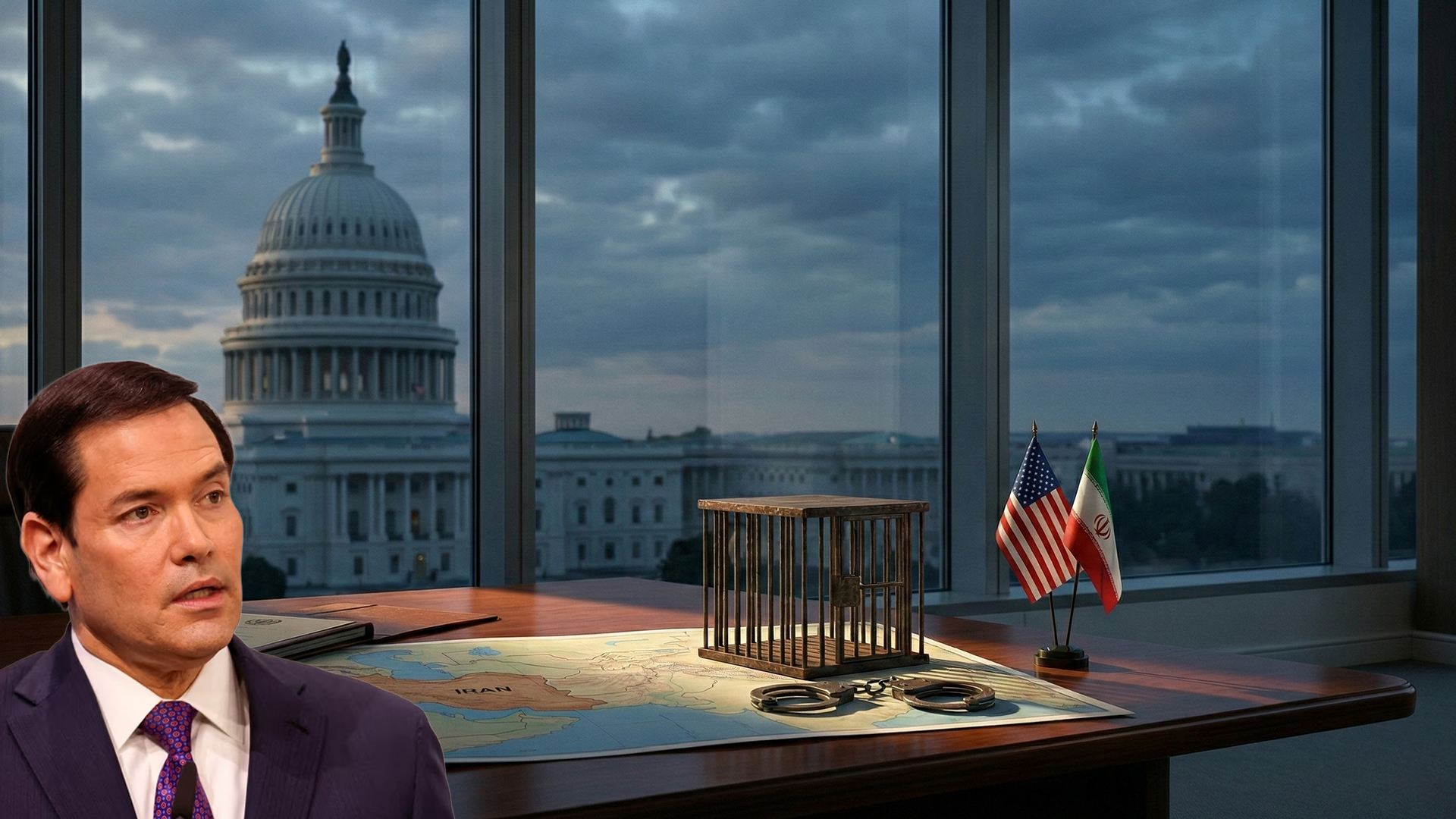
US labels Iran a “state sponsor of wrongful detention”

Senator Rubio urges Americans to leave Iran as Washington cracks down on Tehran’s detention practices

The United States has officially designated Iran as a “State Sponsor of Wrongful Detention”, a move aimed at pressuring Tehran over its practice of holding foreigners, including Americans, as leverage in political negotiations. The announcement, made by Senator Marco Rubio, follows a new law that allows Washington to formally call out countries that unjustly detain people.

In a statement, Rubio said Iran has a long history of taking hostages, starting with the 1979 US Embassy seizure in Tehran, and continues to detain innocent Americans for political gain. “The Iranian government must release all unjustly held Americans immediately,” he said, urging citizens in Iran to leave the country as soon as possible. “No American should travel to Iran under any circumstances.”

While the new designation does not automatically impose sanctions, it gives the US legal tools to target Iranian officials and entities linked to wrongful detentions. Washington could also introduce travel restrictions for Americans trying to go to, through, or from Iran, adding further pressure on Tehran.

This step comes amid ongoing diplomatic tensions and stalled nuclear negotiations. Earlier this week, talks in Geneva over Iran’s nuclear programme failed to resolve key issues, and former President Donald Trump warned that “sometimes you have to use force” when diplomacy stalls.

Iran has rejected the US claims, stating that all detainees are being held under legitimate judicial proceedings. Human rights groups and US officials, however, say many cases involve dual citizens and foreign nationals detained for political reasons.

Americans are to avoid travel to Iran, and those already there ought to exercise caution and follow US government guidance. Rubio’s announcement is intended to send a strong signal to Tehran that holding foreign nationals as bargaining chips will no longer be tolerated.

Also Read: Kolkata shaken by Bangladesh earthquake

Trump orders halt to Anthropic AI in federal agencies

Dispute over military safeguards escalates into major policy clash

US President Donald Trump has directed federal agencies to stop using artificial intelligence systems developed by Anthropic, escalating a growing clash between the White House and the technology sector over how AI should be used in government.

The order requires departments to begin phasing out Anthropic’s tools, even where they are already embedded in workflows. Officials say the move follows a breakdown in talks between the administration and the company over restrictions placed on the use of its AI models, particularly in defence-related settings.

At the centre of the dispute are limits built into Anthropic’s flagship AI system, Claude. The company has insisted on guardrails designed to prevent uses such as mass surveillance or fully autonomous weapons. Administration officials, including representatives from the Department of Defense, argue that such restrictions interfere with legitimate national security needs.

Trump framed the decision as a matter of executive authority, saying the federal government should not be constrained by private firms when it comes to defence and security. The administration is also reviewing whether Anthropic could face additional contractual or regulatory consequences.

Anthropic’s chief executive, Dario Amodei, has defended the company’s stance, saying its safety standards are fundamental to responsible AI development. He has signalled that the firm is prepared to challenge any punitive action, arguing that ethical boundaries are not optional features but core safeguards.

The confrontation has drawn attention across Silicon Valley, where AI companies are increasingly partnering with government agencies. Competitors, including OpenAI, are closely monitoring the situation as they negotiate their own federal contracts.

Also Read: Israel strikes Lebanon, Tehran blast raises fears