rotating globe
7 Apr 2026


India joins Trump’s Gaza peace meet as observer

New Delhi attends first ‘Board of Peace’ session in Washington, withholds funding and full membership for now

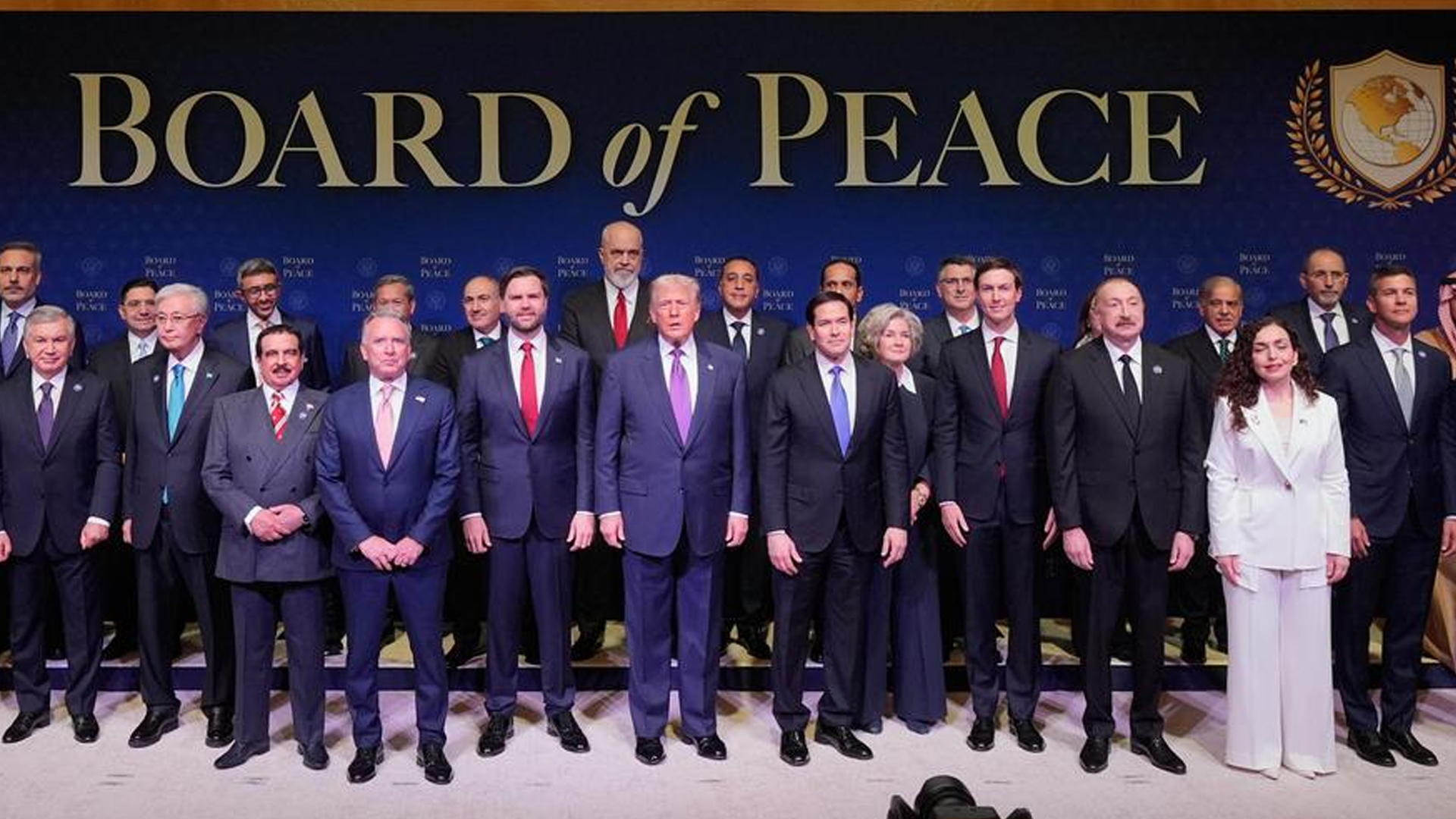
India attended the inaugural meeting of US President Donald Trump’s “Board of Peace” on Gaza in Washington as an observer, signalling diplomatic engagement while maintaining a cautious distance from the new initiative.

Representing India at the high-level gathering was Namgya C. Khampa, deputy chief of mission at the Indian Embassy. New Delhi did not commit any financial assistance, troop contribution or formal membership, indicating that it is still assessing the political and strategic implications of the US-led framework.

The meeting brought together more than 40 countries and the European Union to deliberate on Gaza’s post-war future, including reconstruction, governance, security mechanisms and economic revival. The United States announced a $10-billion contribution for rebuilding efforts, while some West Asian nations pledged funding and a few countries expressed willingness to support a proposed multinational stabilisation force.

India had earlier stayed away from the charter-signing event held in Davos in January. Its decision to attend the Washington meeting only as an observer reflects a calibrated approach, with officials closely watching how the initiative evolves and how major global players position themselves before taking a final call.

The “Board of Peace” is a central element of Trump’s Gaza plan, which envisages large-scale infrastructure rebuilding, the creation of a new Palestinian security structure and an internationally supervised administrative mechanism for the territory. However, the platform has drawn mixed reactions globally, with several key countries yet to join amid concerns over its structure and the limited role for the United Nations.

Also Read: INS Aridhaman to bolster India’s sea security

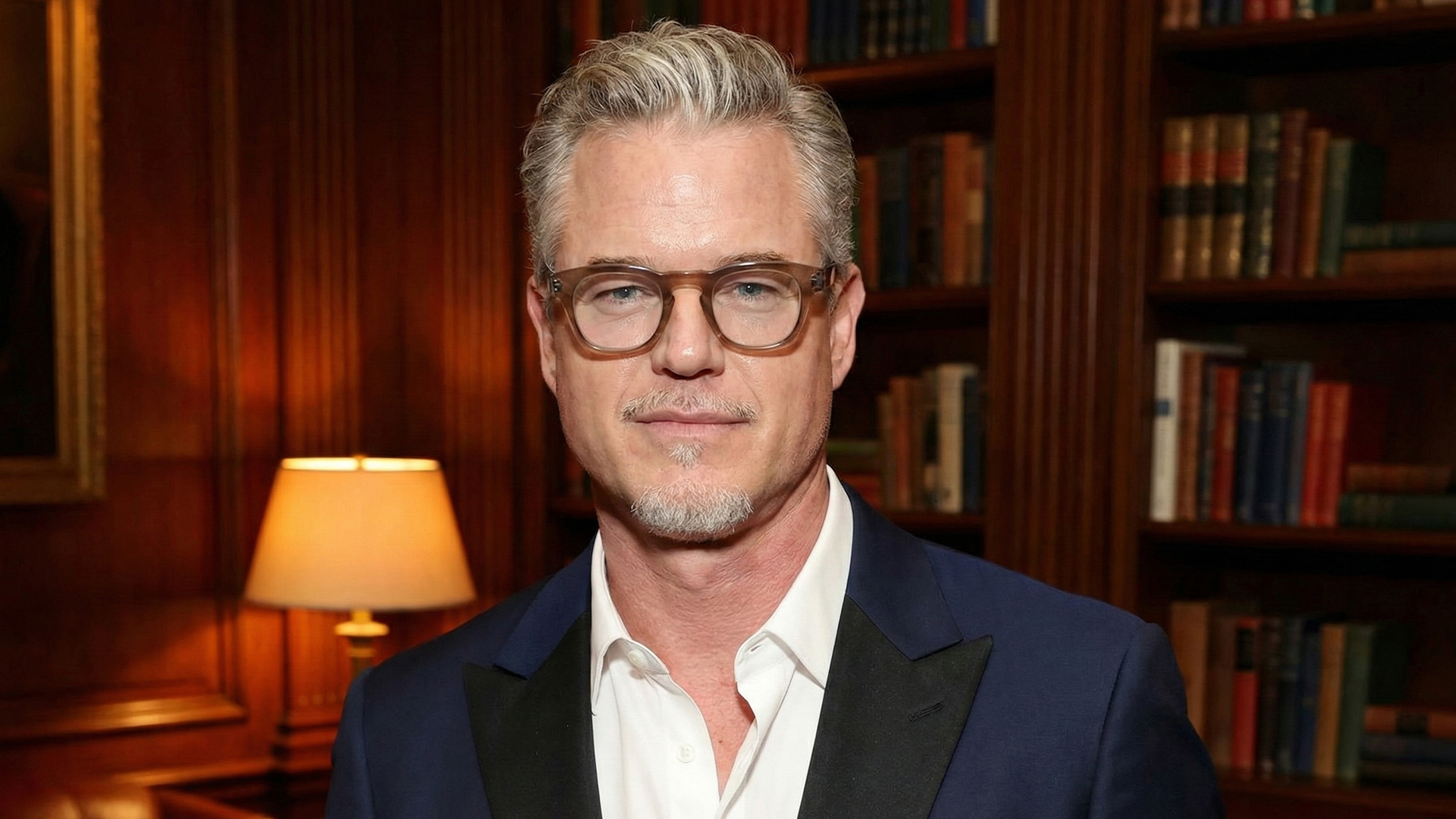
‘Grey’s Anatomy’ star Eric Dane dies at 53

Actor known as ‘McSteamy’ loses battle with ALS, leaves behind a lasting TV legacy

There are some actors who become famous, and then there are a few who become part of the emotional memory of television. Eric Dane belonged to the latter. With a half-smile, an effortless screen presence and a surprising depth that went far beyond his leading-man looks, he turned characters into people viewers felt they knew. His death at 53, after a battle with ALS, has left a quiet emptiness for audiences who grew up watching him.

For millions across the world, Dane will forever be Dr Mark Sloan, “McSteamy”, from Grey’s Anatomy. Introduced as the charming, confident plastic surgeon, he could easily have remained just the handsome disruptor in the hospital corridors. Instead, he revealed vulnerability, humour, loyalty and heartbreak, shaping one of the show’s most loved character arcs. In a series built on loss and healing, his performance carried both with rare warmth.

Yet his career was never confined to one role. Long before Seattle Grace, he had spent years moving through television, learning the craft in small parts and ensemble casts. Later, he commanded the screen as a naval captain in The Last Ship, bringing gravity and quiet leadership to a post-apocalyptic world. A new generation discovered his intensity in Euphoria, where his portrayal of Cal Jacobs, conflicted, intimidating and deeply human, showed an actor unafraid of complexity or discomfort.

His film appearances, including X‑Men: The Last Stand, Marley & Me and Burlesque, revealed the same quality that  he never treated any role as minor. Whether in a uniform, a lab coat or an ordinary shirt, he carried a presence that made scenes feel lived-in.

Off screen, Dane’s final chapter was marked by courage. After revealing his ALS diagnosis in 2025, he chose not to retreat from public life. He continued to work, to speak about the disease and to stand beside others facing it. The physical strength that once defined many of his roles gave way to something more enduring, a visible, dignified resilience.

His greatest strength nestled in  his family, his wife, Rebecca Gayheart, and their two daughters, whom he often described as his greatest grounding force. Friends and colleagues remember a man who was far gentler than his on-screen confidence suggested: funny between takes, protective of younger actors, and deeply grateful for the career he built.

Also Read: India joins Trump’s Gaza peace meet as observer

Shillong MP Syngkon dies at 54

PM Modi, leaders mourn first-time Meghalaya parliamentarian

Dr Ricky Andrew J. Syngkon, the Lok Sabha MP from Shillong, passed away on February 19 after suffering a sudden cardiac arrest. He was 54. The first-time parliamentarian collapsed while playing futsal and was rushed to a hospital, where he was declared dead, sending shockwaves across Meghalaya and the Northeast.

A prominent leader of the Voice of the People Party, Syngkon had emerged as a strong regional voice after winning the 2024 Lok Sabha election with a decisive mandate. His victory marked a significant political shift in the state and established him as an articulate representative of people’s concerns in Parliament.

Prime Minister Narendra Modi expressed deep grief over the MP’s untimely demise, recalling his dedication to public service and his efforts for the development of Meghalaya. The Prime Minister conveyed condolences to the bereaved family and supporters, noting that Syngkon’s work for the people would be remembered.

Known for his simplicity and close connection with the electorate, Syngkon was widely seen as a compassionate leader who carried the aspirations of his people to the national stage. His sudden passing is being viewed as a major loss not only for Meghalaya but for the entire Northeast.

Tributes poured in from leaders cutting across party lines, many describing him as humble, approachable and deeply committed to grassroots issues. In the short span of his parliamentary career, he consistently highlighted matters concerning the Northeast and worked to strengthen the region’s presence at the national level.

His death has led to widespread mourning in his constituency, with people from different walks of life paying their respects. The state assembly is expected to make obituary references, and arrangements are being made to allow the public to participate in the final rites.

Also Read: India to soon restart all visa services in Bangladesh

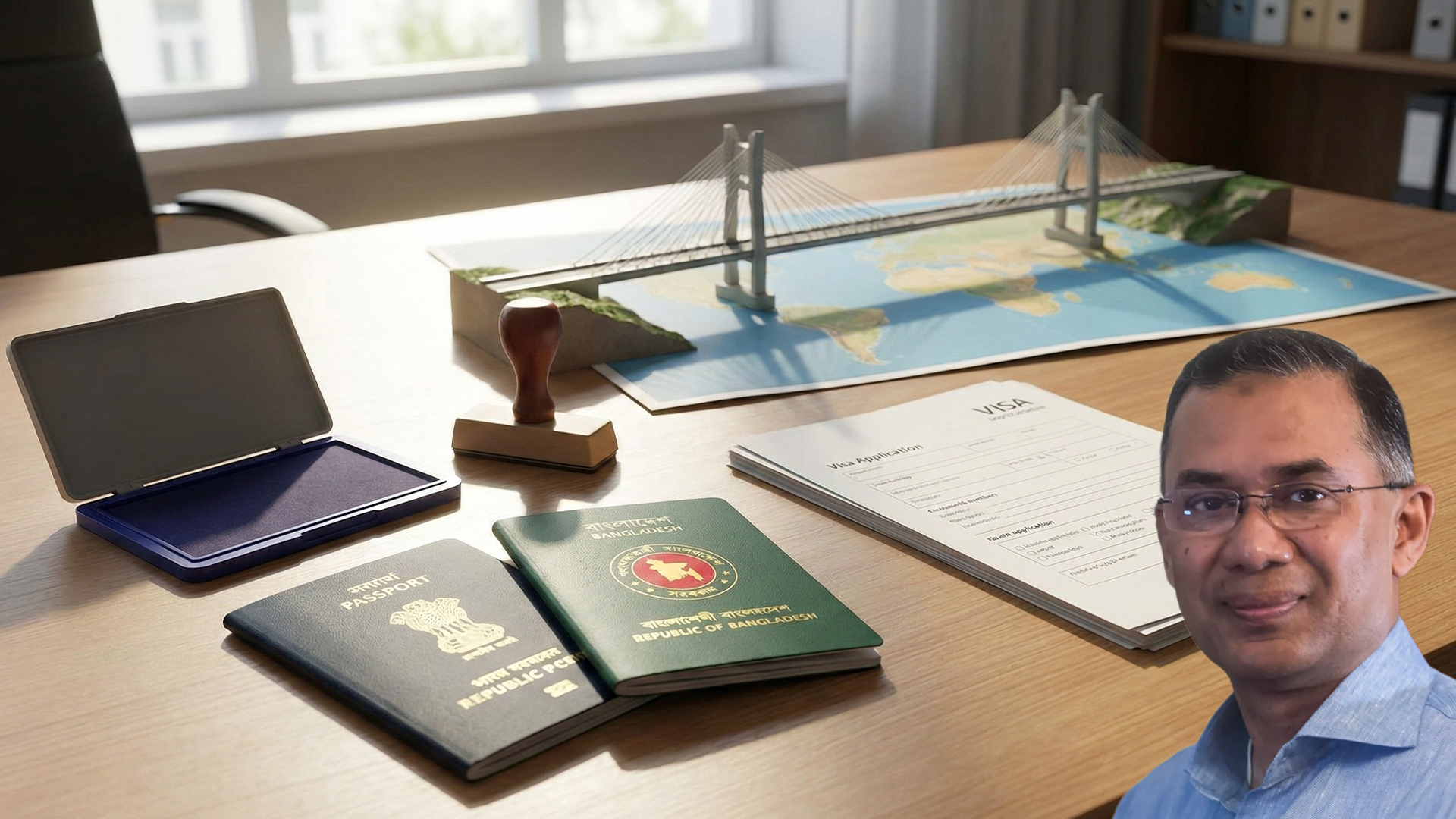
India to soon restart all visa services in Bangladesh

Full resumption expected after months of disruption; medical visas already being issued as ties begin to improve

India is likely to fully restart visa services in Bangladesh soon, in a sign that relations between the two countries are slowly returning to normal. A senior Indian consular official said the process is already in progress and more visa categories will open in phases.

As of now, India is issuing medical visas and a few limited-entry visas for Bangladeshi citizens. Tourist, business and other regular visas are expected to follow once the situation becomes stable and visa centres start functioning normally again.

Visa services were reduced last year because of political unrest and security concerns in Bangladesh. India had shut most of its visa application centres after threats and protests made operations difficult. Bangladesh had also slowed down visa services for Indians during this period.

The recent political change in Dhaka is being seen as an opportunity to improve bilateral ties. With a new leadership in place, both countries are showing interest in restoring normal travel and people-to-people contact.

Before the restrictions, Bangladesh was one of the biggest sources of foreign visitors to India. Thousands of Bangladeshi nationals travelled to India every day for medical treatment, education, tourism and business. The suspension had affected patients, students and traders the most.

Officials said restarting visa services will benefit common people and help economic and cultural exchanges between the two neighbours. It is also being viewed as an important confidence-building step after months of strained relations.

Once fully restored, the visa rule is expected to ease travel, boost healthcare visits, improve trade links and strengthen the long-standing ties between New Delhi and Dhaka.


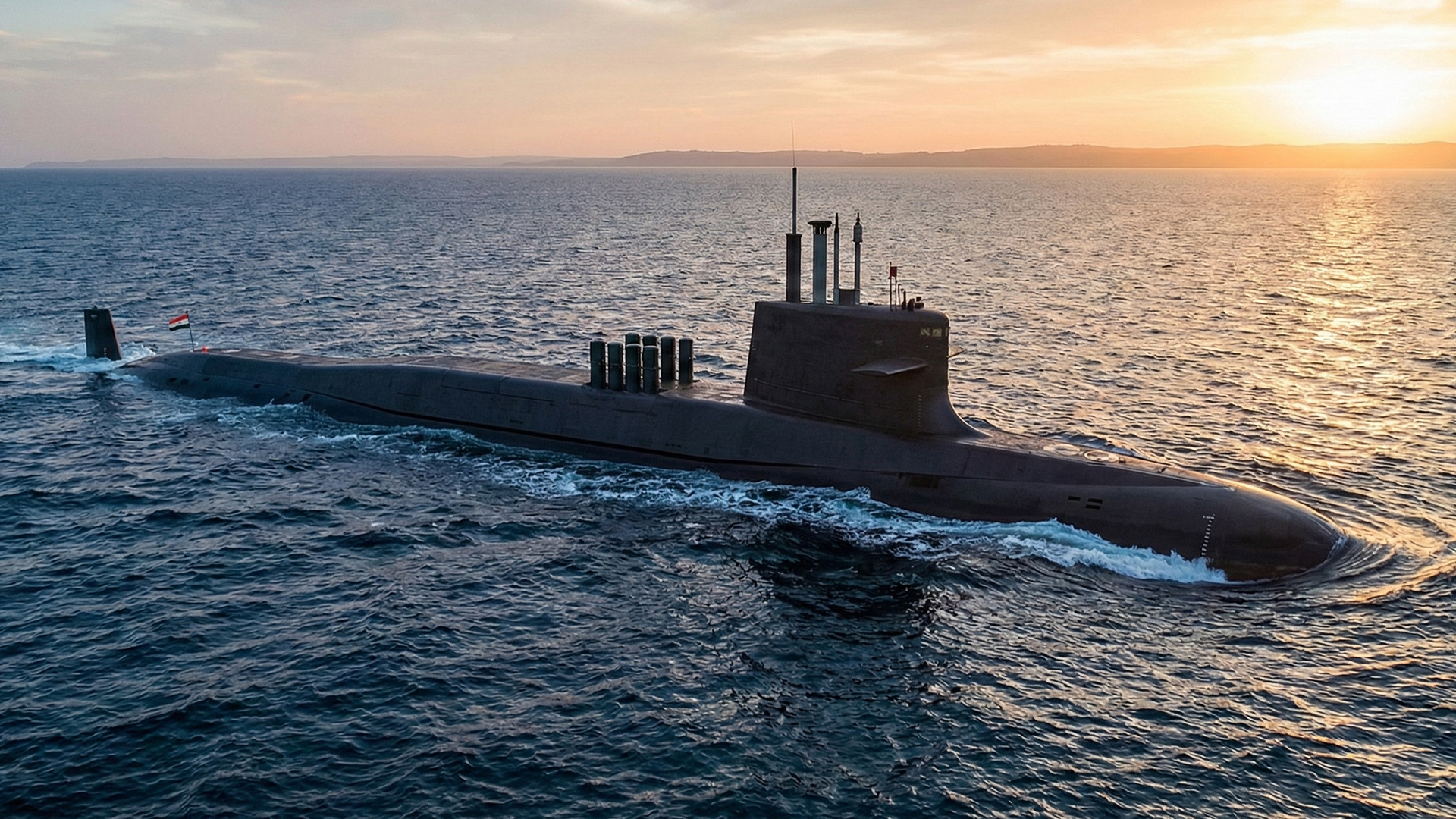
INS Aridhaman to bolster India’s sea security

Third SSBN induction to ensure continuous nuclear patrol capability in 2026

India is preparing to induct its third nuclear-powered ballistic missile submarine, INS Aridhaman, in 2026, marking a major milestone in strengthening the country’s strategic deterrence and indigenous defence capability. The submarine, currently undergoing advanced sea trials, is part of the classified Advanced Technology Vessel (ATV) programme that underpins India’s nuclear submarine fleet.

A successor to INS Arihant and INS Arighaat, the new vessel is larger, quieter and more capable. With a displacement of around 7,000 tonnes, it can carry more nuclear-tipped submarine-launched ballistic missiles than its predecessors, significantly enhancing firepower and operational flexibility. It is expected to be equipped primarily with K-4 missiles, which have a strike range of about 3,500 km, allowing it to target adversaries from safer patrol areas deep in the ocean.

The induction is crucial for completing the sea-based leg of India’s nuclear triad, the ability to launch nuclear weapons from land, air and sea. Submarines are considered the most survivable component of this triad because they remain hidden underwater for long durations, ensuring a credible second-strike capability in line with India’s No-First-Use doctrine.

Strategically, the addition of a third SSBN will allow the Navy to maintain continuous deterrence patrols, with at least one submarine deployed at all times while others undergo maintenance or training cycles. This is seen as a key requirement for a reliable nuclear posture.

Built with a high degree of indigenous technology, the submarine reflects India’s growing expertise in nuclear propulsion, underwater stealth and long-range missile integration. The project has involved close coordination between the Navy, the Defence Research and Development Organisation (DRDO), the Department of Atomic Energy and Indian shipyards.

Also Read: PM Modi pitches India as global AI leader

PM Modi pitches India as global AI leader

At India AI Impact summit, PM urges ethical innovation, global cooperation and tech access for the Global South

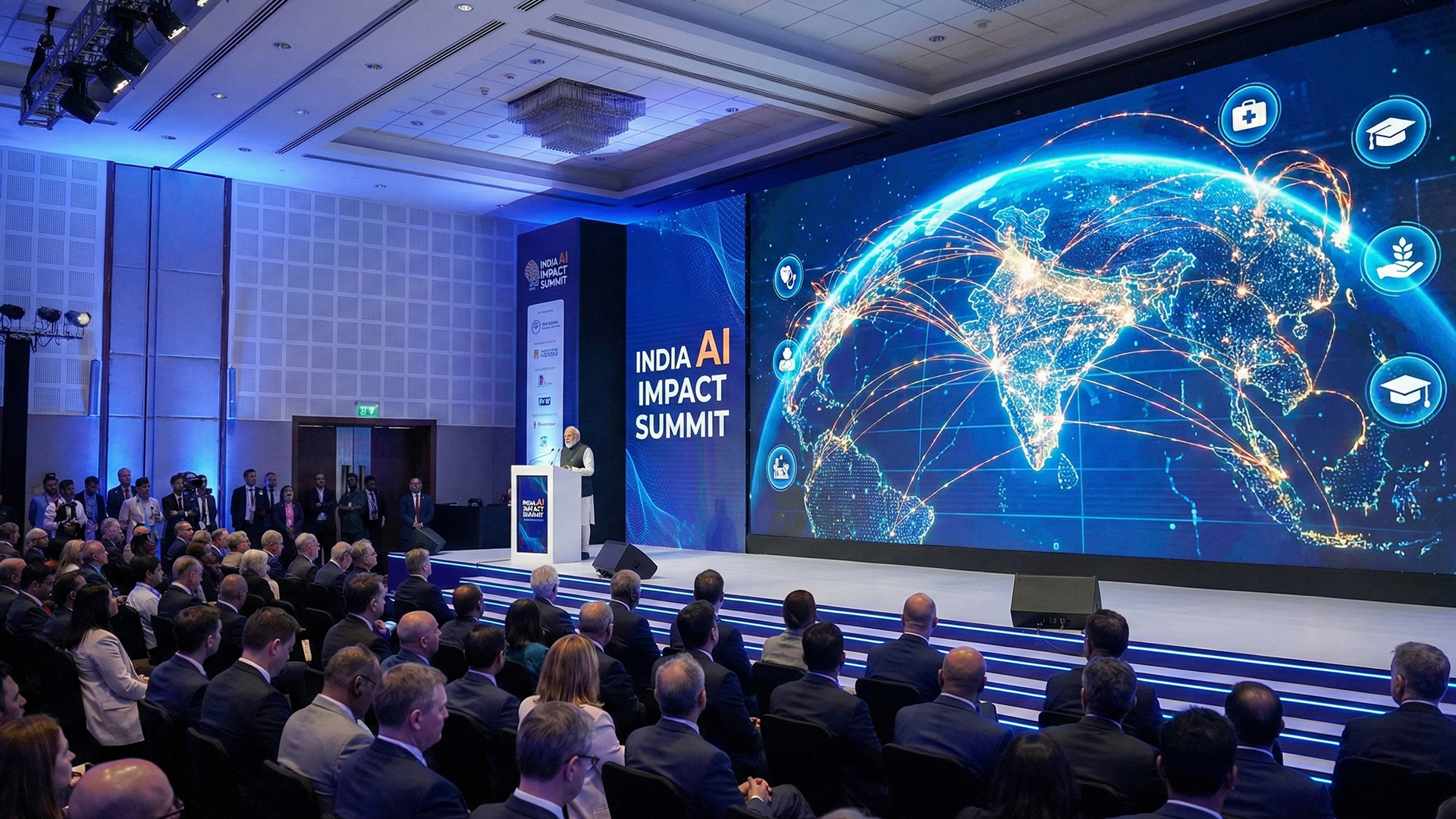
Prime Minister Narendra Modi on Thursday pitched India as a trusted and inclusive global hub for artificial intelligence, calling for technology that is developed domestically and deployed for the benefit of the world. Speaking at the high-profile India AI Impact Summit in the national capital, he emphasised that AI must be people-centric, ethical and accessible to all nations, especially the Global South.

The summit brought together global leaders, policymakers, industry heads and technology experts to deliberate on innovation, investment, governance and the future of AI-driven economies. The gathering reflects India’s growing ambition to shape international frameworks around emerging technologies while strengthening its own digital ecosystem.

Highlighting India’s rapid digital transformation, Modi pointed to the country’s strong public digital infrastructure, vast talent pool and thriving startup ecosystem as key advantages in the global AI race. He said India is moving from being a large consumer of technology to becoming a developer and exporter of cutting-edge AI solutions.

The prime minister stressed that artificial intelligence should be used to solve real-world challenges in sectors such as healthcare, agriculture, education and climate action. He underlined the need for global collaboration to create balanced regulations that promote innovation while addressing concerns related to safety, transparency and ethics.

A major theme of the summit was equitable access to AI. India argued that the technology must not remain concentrated in a few countries or corporations, and called for capacity-building, knowledge-sharing and investment flows to developing nations.

The event also served as a platform for partnerships between governments, academia, startups and major technology firms. Officials said such collaborations would accelerate research, boost infrastructure and attract investments into India’s fast-expanding AI sector.

With AI increasingly influencing economic growth and geopolitical power, the summit signalled India’s intent to play a central role in shaping its future.

Also Read: AI converts PM’s speech into 11 languages

AI converts PM’s speech into 11 languages

This was also the first time where real-time sign language interpretation added inclusive edge at summit

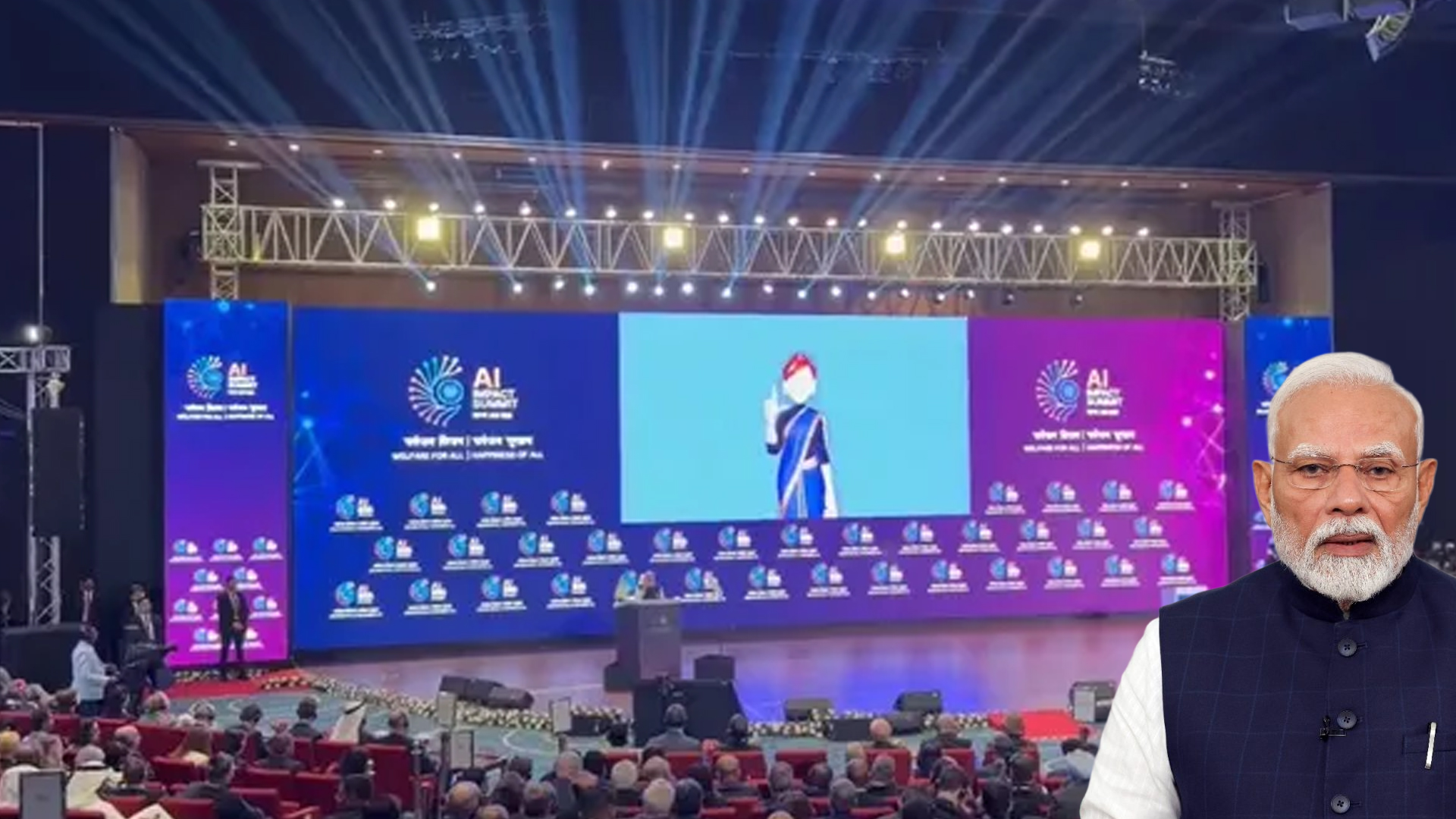
In a first-of-its-kind demonstration of artificial intelligence for inclusive communication, Prime Minister Narendra Modi’s address at the AI Impact Summit 2026 was translated live into 11 Indian languages and simultaneously interpreted into sign language in real time.

The breakthrough showcased India’s growing strength in AI-driven language technologies and its push to make public communication accessible to diverse audiences. As the Prime Minister delivered his speech, AI tools instantly converted his words into multiple regional languages, allowing participants from different linguistic backgrounds to follow the address without delay. At the same time, an AI-powered system generated real-time sign language interpretation, ensuring accessibility for the hearing-impaired.

The initiative highlighted how emerging technologies can bridge linguistic and physical barriers at large public events. The real-time translations were displayed on screens at the venue, enabling delegates, policymakers, industry leaders and students from across the country to experience the speech in their preferred language.

Officials said the effort reflects the government’s broader vision of using AI for social inclusion and digital empowerment. By integrating multilingual translation and sign language interpretation into a major national event, the summit demonstrated practical, large-scale deployment of AI for public good rather than limiting it to experimental or pilot projects.

The technology also underlined India’s linguistic diversity and the need for tools that can serve people in their native languages. Experts noted that such systems could be used in governance, education, healthcare and public services to improve last-mile communication and citizen engagement.

The AI Impact Summit brought together global technology leaders, researchers, startups and policymakers to discuss the role of artificial intelligence in economic growth, innovation and societal transformation. The live translation of the Prime Minister’s speech emerged as one of the most talked-about moments of the event, symbolising how AI can make communication more democratic and inclusive.

Also Read: Sarvam Kaze puts India in AI smart glasses race