rotating globe
7 Apr 2026


Sarvam Kaze puts India in AI smart glasses race

Sarvam AI’s first hardware product brings on-device intelligence and India-focused use cases to the wearable computing market

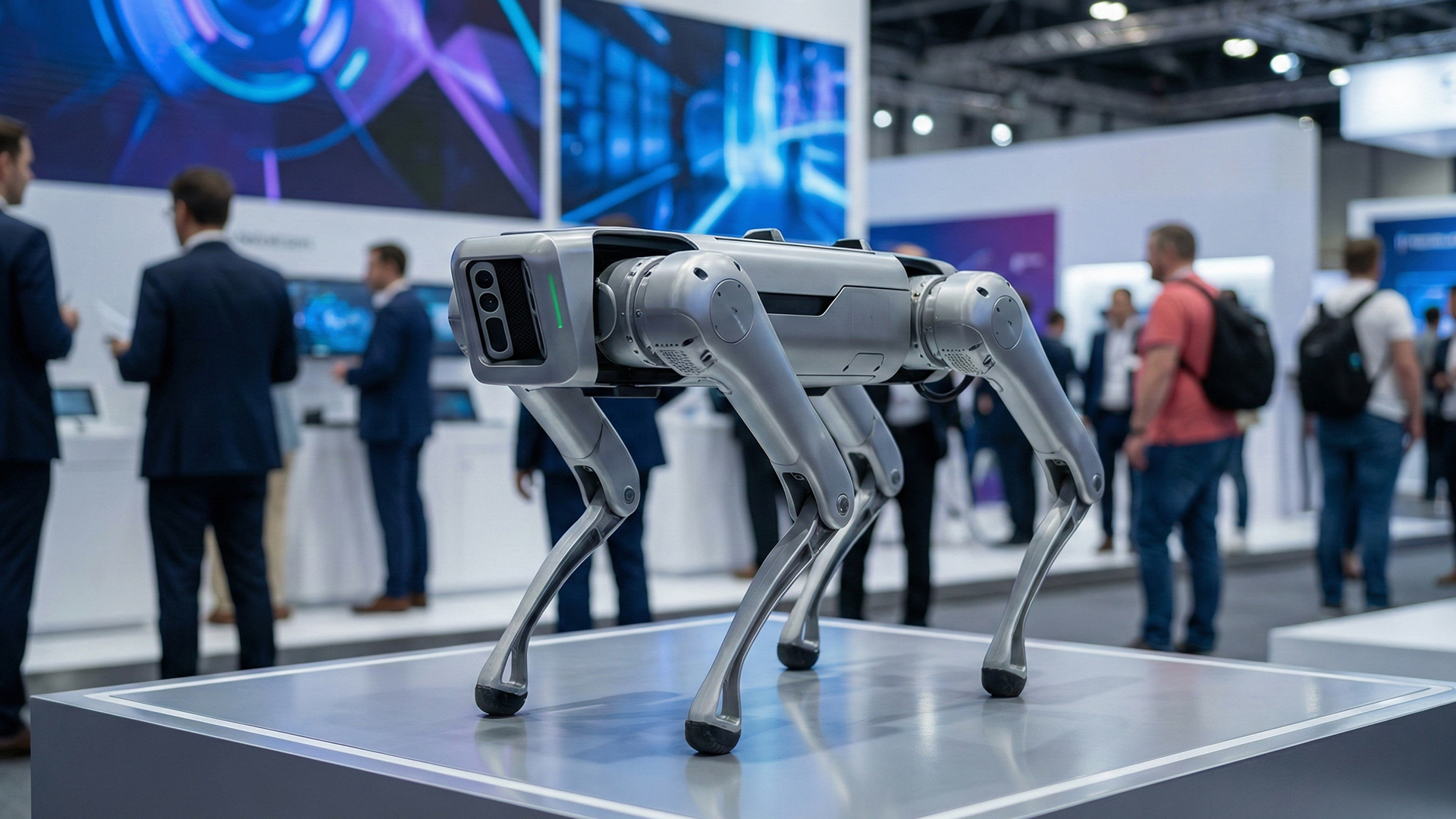
In a significant step for India’s deep-tech ecosystem, Sarvam AI has launched Kaze, an AI smart-glasses platform built entirely in India. Demonstrated at the India AI Impact Summit and worn by Narendra Modi during the event, the device highlights the country’s ambition to move beyond AI software into tightly integrated hardware-AI experiences.

Kaze acts as an always-available AI assistant, combining computer vision, speech recognition and real-time language models in a wearable form factor. Users can issue natural voice commands, receive contextual responses, capture visual information and access workflow support without touching a screen.

A key differentiator is its native support for multiple Indian languages, enabling real-time translation, guided assistance and voice interaction for non-English users. an area where global devices such as the Meta Ray-Ban smart glasses currently have limited localisation.

The glasses are being positioned for high-impact sectors including healthcare support, field inspections, education, logistics and accessibility for visually or physically challenged users. The architecture is also aligned with edge AI deployment, which can improve responsiveness while minimising cloud dependency.

While full specifications and pricing remain undisclosed, the commercial rollout is expected in the coming months. Kaze represents a strategic shift for India’s AI stack—from building models to embedding intelligence into everyday devices—signalling the emergence of a domestic contender in the global wearable computing market.

Also Read: PM Modi champions democratic AI at Summit
Ramazan fasts begin across India

Millions observe dawn-to-sunset fasting, prayer, and communal Iftar, welcoming a month of reflection and togetherness

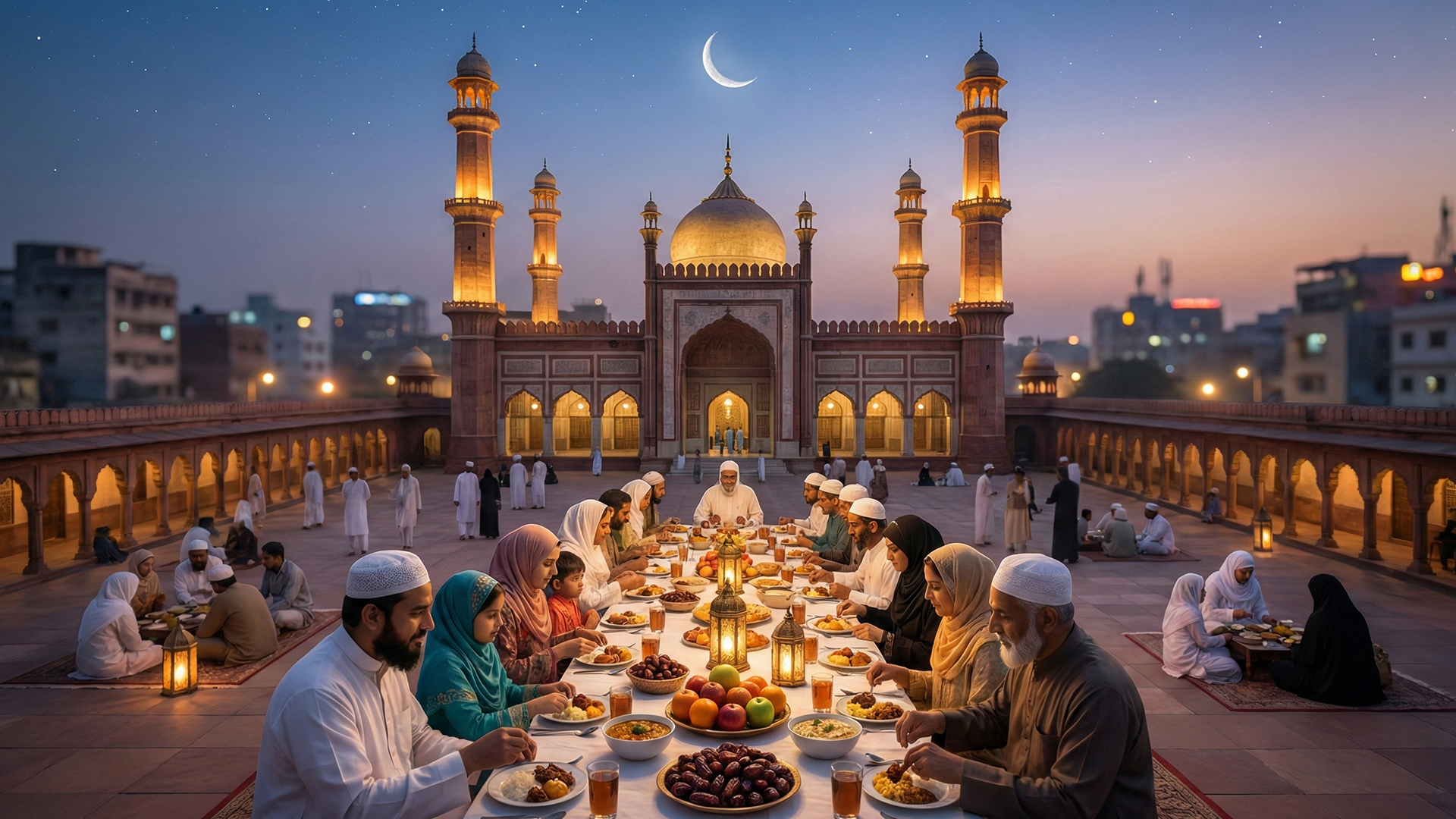
Millions of Muslims across India began observing the holy month of Ramazan on Thursday, following the sighting of the crescent moon on the evening of February 18. From bustling cities like Delhi, Bengaluru, Hyderabad, Lucknow, and Patna to small towns, the month ushers in a period of devotion, reflection, and community.

Prime Minister Narendra Modi extended warm greetings, tweeting: “Ramazan Mubarak to all. May this holy month bring peace, harmony and spiritual renewal,” as households prepared for the first fast.

Ramazan, the ninth month of the Islamic lunar calendar, is a time of spiritual renewal. Observers fast from dawn to sunset, refraining from food, drink, and other physical indulgences. Each day begins with Sehri, a pre-dawn meal, and ends with Iftar, often starting with dates and water, followed by traditional dishes such as pakoras, biryani, and sweets.

Beyond fasting, devotees engage in extra prayers, recite the Quran, and perform Taraweeh at night, while acts of charity and kindness are encouraged. City-wise timings vary; in Delhi, Sehri ended at 5:37 AM and Iftar was at 6:15 PM, marking nearly 12 hours of fasting. Markets bustle with ingredients for Iftar, and mosques host community prayers, fostering a sense of togetherness.

Ramazan will culminate in Eid al-Fitr, expected around March 20 or 21, 2026, celebrating the end of fasting and months of spiritual reflection.

Also Read: Trump critiques UK over Chagos deal

PM Modi champions democratic AI at Summit
Urges global cooperation to make artificial intelligence inclusive and ethical

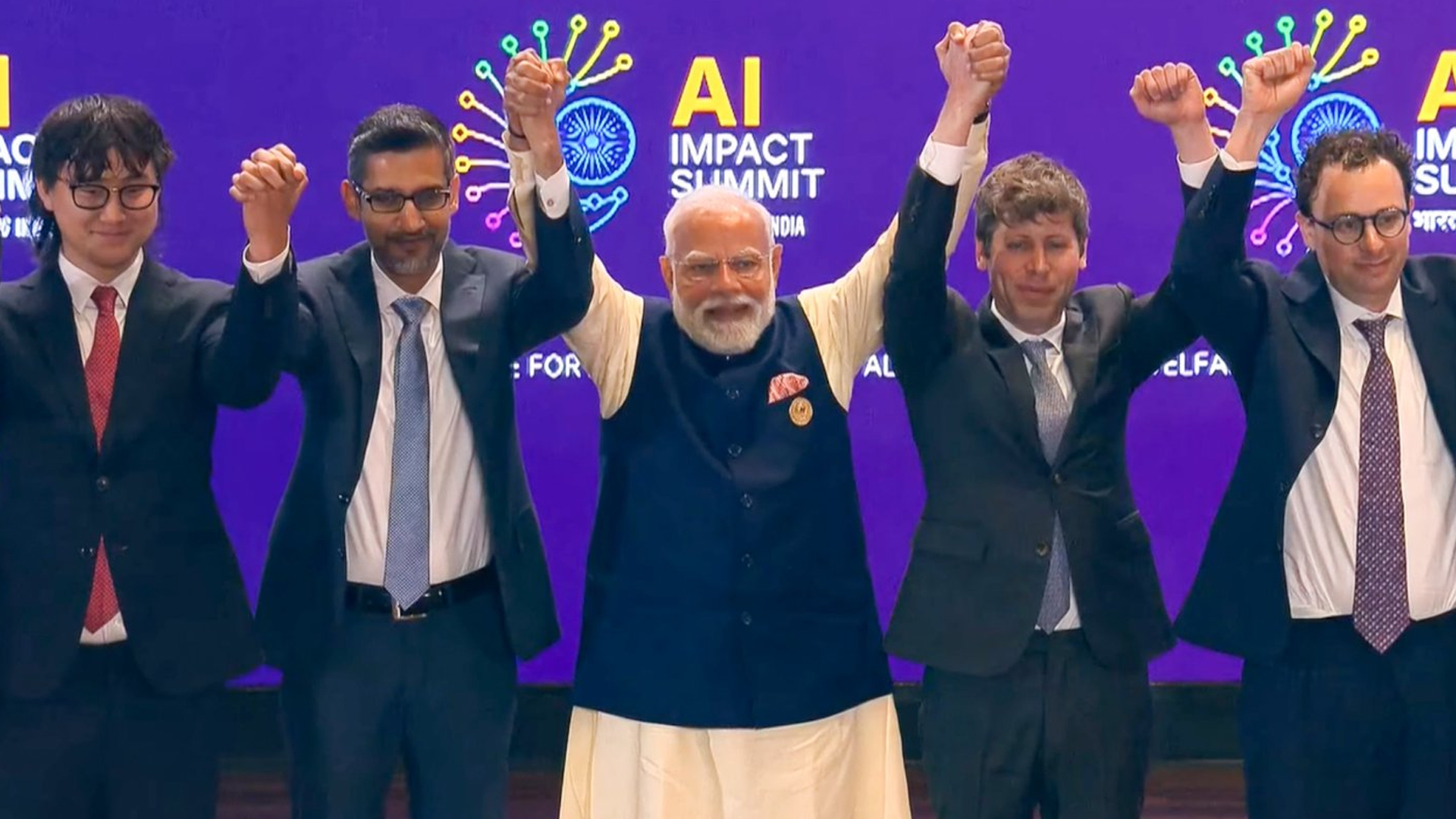
Prime Minister Narendra Modi on Thursday presented India’s human-centric vision for artificial intelligence, saying the technology must serve people and society. With the world looking for ethical guardrails in the age of algorithms, he emphasised that AI should be inclusive, transparent and focused on global good while addressing the AI Impact Summit 2026 at Bharat Mandapam.

Describing AI as one of the most transformative forces of the century, Modi said the focus should not be only on innovation but also on responsibility and inclusion. He called for the democratisation of technology so that its benefits reach all countries, especially the developing world, and not remain limited to a few.

He highlighted that India’s approach is guided by the idea that humans and machines will work together in the future. According to him, AI should enhance human potential, boost productivity and create new employment avenues rather than replace people. He also underlined the need for safeguards to ensure safe digital spaces for children and greater transparency through proper labelling of AI-generated content.

The summit has drawn participation from several countries, global technology leaders and policymakers, making it one of the largest international gatherings on artificial intelligence hosted by India. Discussions are centred on using AI for social sectors such as healthcare, education, agriculture and climate action, while also shaping frameworks for ethical governance.

PM Modi said India’s strong digital public infrastructure, young talent pool and rapid technology adoption place the country in a unique position to lead the global AI movement. He added that the real test is how responsibly the technology is used today for the benefit of future generations.

Also Read: Gujarat tables record ₹4.08 lakh cr budget

India, Zimbabwe through to Super 8 stage

Unbeaten India and seven other teams set for T20 World Cup knockouts

The ICC Men’s T20 World Cup 2026 has entered an exciting new chapter as the Super 8 stage line-up is confirmed. After thrilling league matches across all groups, eight teams have booked their spots, promising intense cricket in the rounds ahead.

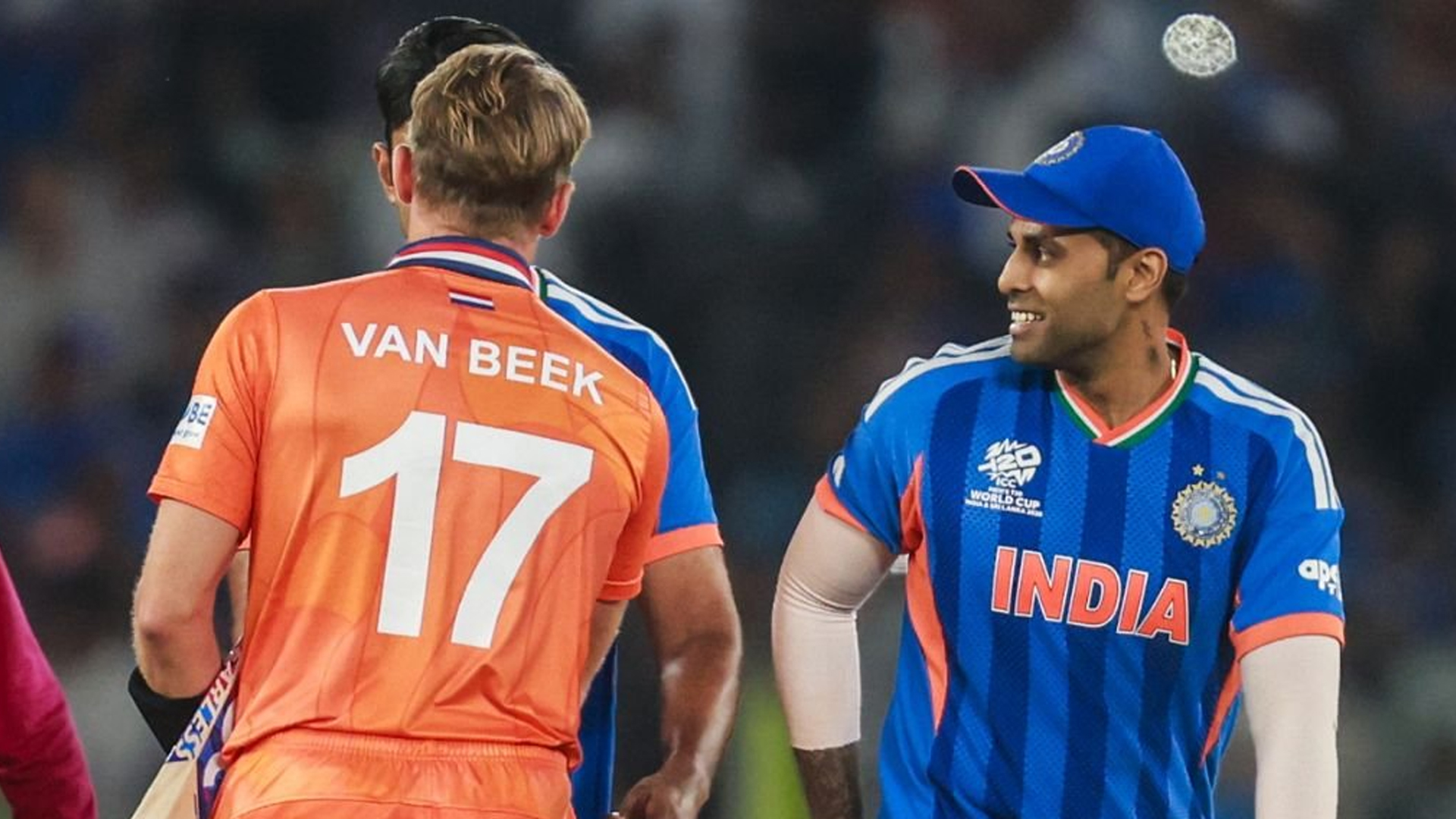
From Group A, India emerged as the standout team, winning all four of their matches and finishing unbeaten. Their final group game in Ahmedabad saw India edge past the Netherlands by 17 runs, maintaining their flawless record and sending a clear message to rivals.

Electing to bat first, India posted a challenging 193 for 6, thanks to a spectacular knock by Shivam Dube, who smashed 66 runs off just 31 balls, including six sixes. Suryakumar Yadav (34) and Hardik Pandya (30) added valuable support. The Netherlands fought valiantly but fell short at 176 for 7, as India’s bowlers, led by Varun Chakravarthy (3‑14) and Jasprit Bumrah, held their nerves to clinch the win.

Meanwhile, Zimbabwe created one of the tournament’s talking points by securing a Super 8 spot from Group B. A rain-affected match in Kandy gave them enough points to progress, while it also spelled the end of the road for former champions Australia.

Other teams joining the Super 8s include Sri Lanka, England, West Indies, New Zealand, South Africa, and Pakistan, ensuring a mix of form and experience in the next stage.

The Super 8 stage will see the eight qualifiers split into two groups of four, with each match carrying huge stakes. The top two from each group will advance to the semi-finals, inching closer to the coveted T20 World Cup 2026 trophy.

Also Read: Ramazan fasts begin across India

Alia Bhatt joins star presenters at BAFTA 2026

She will stand alongside Joins Cillian Murphy, Kate Hudson in star lineup

Actor Alia Bhatt will be one of the presenters at the 79th British Academy Film Awards (BAFTA), scheduled to take place on February 22 at the Royal Festival Hall in London. Her inclusion in the prestigious event underlines her rising international profile and marks another global milestone for the Bollywood star.

The British Academy unveiled a diverse list of presenters featuring several prominent names from world cinema. Bhatt will share the stage with actors such as Cillian Murphy, Kate Hudson, Monica Bellucci, Alicia Vikander, Bryan Cranston, Riz Ahmed and Glenn Close. The ceremony will celebrate the finest films and performances of the past year and will be hosted by actor Alan Cumming.

Reacting to the announcement, Alia expressed her excitement on social media, saying she was honoured to be part of one of the film industry’s most respected award platforms. Fans and members of the Indian film fraternity welcomed the news, calling it a proud moment for Indian cinema.

India will also have a presence in the nominations this year. Filmmaker Lakshmipriya Devi’s Boong, supported by Farhan Akhtar and Ritesh Sidhwani, has been shortlisted in the Best Children’s and Family Film category.

Alia Bhatt’s appearance as a presenter reflects the growing global recognition of Indian actors and the increasing crossover between Bollywood and international cinema. With major projects lined up, her participation at BAFTA 2026 further strengthens her position as one of India’s most visible faces on the world stage.

Also Read: Sanae Takaichi secures second term as Japan’s PM

UK mandates 48-hour removal of non-consensual intimate images

Social media and tech firms must delete private images shared without consent within two days or face heavy fines and possible service blocks

The UK government is introducing a new rule requiring social media and tech companies to remove non-consensual intimate images within 48 hours of being reported. The legislation is aimed at protecting victims, particularly women and girls, from online abuse and the spread of private or AI-generated explicit content.

Under the amendments to the Crime and Policing Bill, platforms will have a legal duty to act quickly once notified. Failure to comply could result in fines of up to 10 % of a company’s global revenue or, in extreme cases, a ban on operating in the UK.

Currently, sharing intimate images without consent is already illegal, but victims often face delays and repeated reporting to multiple platforms before content is removed. The new rule simplifies the process by expecting firms to remove flagged images across all services and prevent them from being re-uploaded.

Prime Minister Sir Keir Starmer said tech firms were “on notice” and emphasized that responsibility should shift from survivors to platforms hosting harmful content. He described rapid online abuse as a key part of the broader fight against violence targeting women and girls.

The regulator Ofcom may treat non-consensual intimate images with the same seriousness as child sexual abuse or terrorist material. Digital tools could be used to detect and block content automatically before it spreads further.

In addition, the government is exploring stricter measures on AI-generated sexually explicit content and potential age restrictions for social media users under 16. Officials hope these steps will reduce the circulation of harmful content and provide quicker relief for victims.

Also Read: Sarvam Kaze puts India in AI smart glasses race

Trump critiques UK over Chagos deal

US president warns giving Mauritius control could threaten Diego Garcia military base.

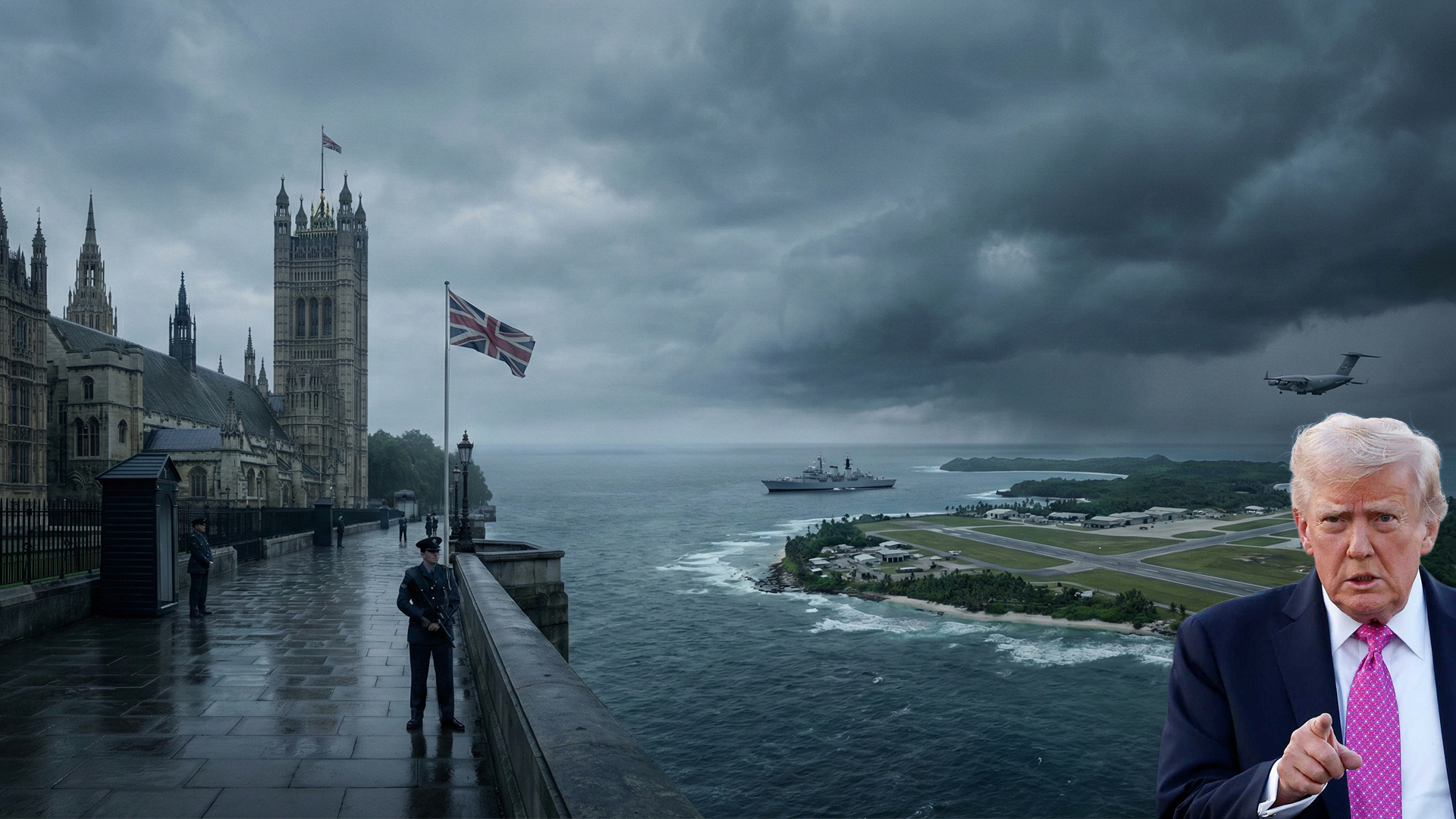
Tensions have flared between the UK and the US over the future of the Chagos Islands. President Donald Trump has criticised the UK’s plan to transfer sovereignty to Mauritius, warning it could jeopardise the strategic Diego Garcia military base.

The UK signed an agreement in May 2025 to return the Chagos Islands to Mauritius, ending decades of British colonial administration. Under the deal, the UK and the US will retain a joint military base on Diego Garcia through a 99-year lease, ensuring continued strategic access in the Indian Ocean.

Trump, speaking on his social media platform Truth Social, argued that relinquishing sovereignty could weaken Western security, particularly amid ongoing regional tensions. He called the long-term lease “tenuous” and urged the UK to reconsider its plan, highlighting the base’s importance for potential US military operations.

The US government, however, has officially backed the UK-Mauritius agreement. The State Department reaffirmed Washington’s commitment to the treaty, showing that Trump’s criticism does not represent the official US stance.

UK officials defended the deal, saying it secures the future of Diego Garcia while maintaining national and allied security. The controversy has also drawn attention from UK politicians, with some opposition figures echoing Trump’s concerns over strategic control.

The issue touches on historical grievances as well. Descendants of the Chagossian community, who were expelled in the 1960s and 70s to make way for the military base, continue to campaign for the right to return. Recently, British authorities issued removal orders to four Chagossians who landed on a remote atoll in protest, warning they could face fines or imprisonment.

Also Read: AI converts PM’s speech into 11 languages


US-Iran war fears rise as forces build up

Massive US military deployments meet Iranian drills and stalled nuclear talks, raising risk of conflict in the Gulf

Tensions between the United States and Iran are escalating as diplomacy struggles to resolve disputes over Tehran’s nuclear programme. Washington has reinforced its military presence in the Middle East, deploying two carrier strike groups, fighter jets, and air defence systems across the Gulf. The USS Abraham Lincoln is already in the region, while the USS Gerald R. Ford and additional combat aircraft are en route, marking one of the largest US buildups in years.

Reports indicate that the Trump administration is weighing possible strikes on Iranian targets if talks fail, with some advisers warning that conflict could erupt within weeks. Officials say US forces are prepared for action at short notice, even as Washington maintains that diplomacy remains the priority.

Indirect nuclear talks in Geneva have produced an agreement on broad principles, but detailed negotiations remain stalled. Iran continues uranium enrichment while resisting US demands to halt it completely, and is expected to submit a more detailed proposal soon.

In response, Iran has conducted naval drills in the strategic Strait of Hormuz and announced joint exercises with Russia in the Sea of Oman, signaling its readiness to counter US pressure.

The international community is watching closely. Russia has warned that any US strike could destabilize the region further, adding to fears of a wider conflict. Meanwhile, internal unrest in Iran, including mass protests over economic and political issues, adds to the country’s complex strategic calculations.

Also Read: AI converts PM’s speech into 11 languages