rotating globe
7 Apr 2026


India to stop Ravi river flow to Pakistan

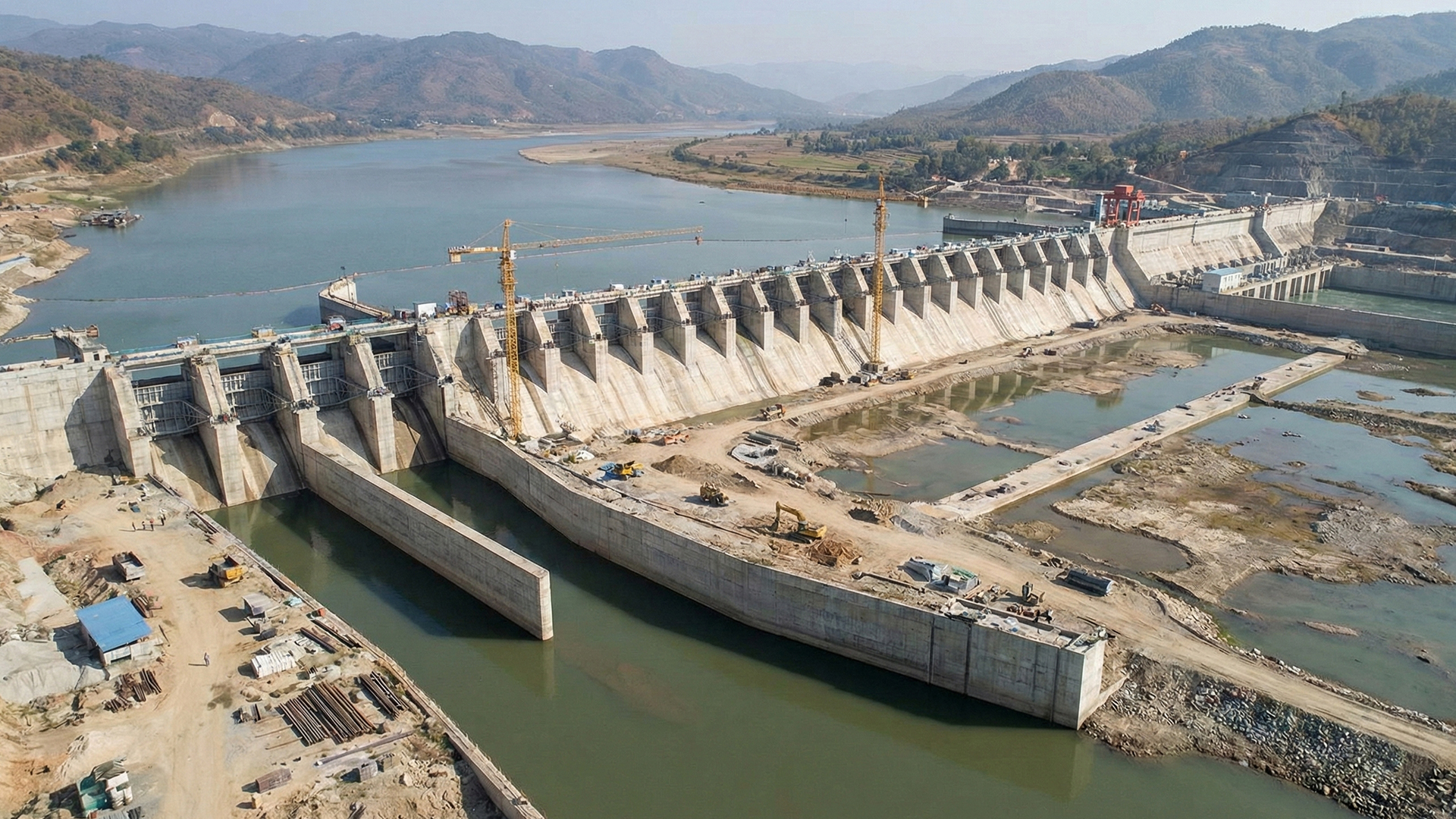
Shahpur Kandi Dam near completion as India redirects water for domestic irrigation

India is set to halt surplus water from the Ravi River that has traditionally flowed into Pakistan, following the near completion of the Shahpur Kandi Dam in Jammu & Kashmir. The project, scheduled for completion by March 31, 2026, will capture excess water and redirect it to local irrigation systems in Kathua and Samba, boosting agriculture and water storage in drought‑prone areas.

Under the 1960 Indus Waters Treaty, India already has rights over the eastern rivers, Ravi, Beas, and Sutlej,  but surplus water often flowed into Pakistan due to limited diversion infrastructure. The new dam changes this, allowing India to fully utilise its allocated share.

The decision comes after India suspended the Indus Waters Treaty in April 2025, linking its future application to Pakistan’s stance on cross‑border terrorism. Officials emphasize the project is within India’s legal rights and aims to address domestic water needs.

Once operational, the Shahpur Kandi Dam will irrigate over 32,000 hectares in Jammu & Kashmir and more than 5,000 hectares in Punjab. Experts note that Pakistan, which relies heavily on the Indus basin for agriculture, could face increased water stress during the summer months, adding tension to already fraught bilateral relations over shared river resources.

Also Read: Bill Gates to speak at India AI Summit

Bill Gates to speak at India AI Summit
Foundation confirms attendance as name briefly disappears from speakers’ list amid speculation and scrutiny

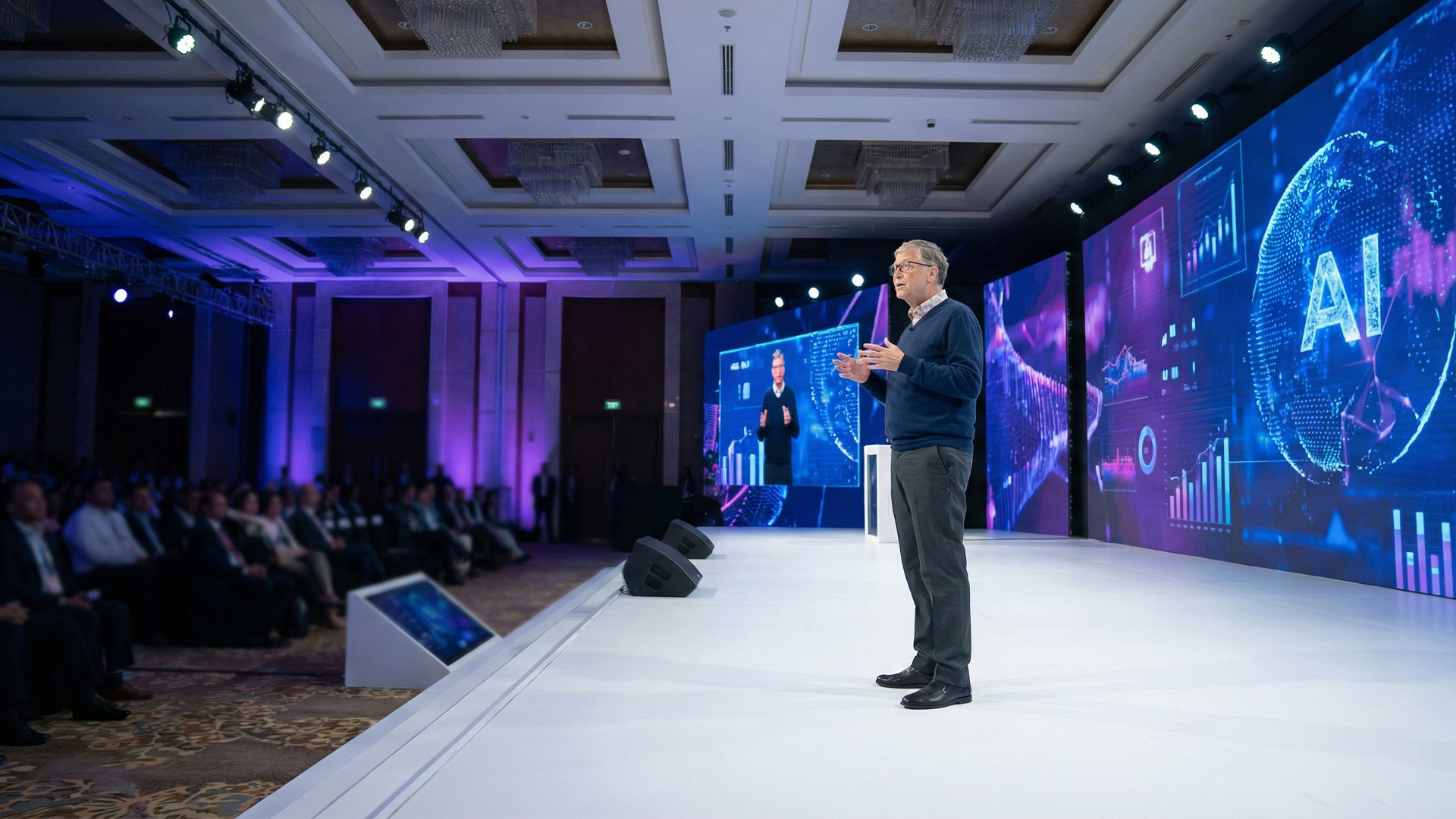
Microsoft co-founder Bill Gates will attend the India AI Impact Summit and deliver his keynote address as scheduled, his team confirmed, putting an end to speculation over his participation.

Confusion began after Gates’ name briefly disappeared from the official speakers’ list, leading to reports that he might skip the event. The Bill & Melinda Gates Foundation later clarified that his travel and speaking plans remain unchanged and that he will be present at the summit on February 19.

The uncertainty followed public discussion around newly released documents linked to the late financier Jeffrey Epstein in which Gates’ name was mentioned. While there have been no allegations of wrongdoing against him, the development triggered online debate and questions over his appearance at the high-profile gathering.

Despite the controversy, Gates has already arrived in India and continued with his scheduled engagements. During his visit, he met Andhra Pradesh Chief Minister N. Chandrababu Naidu and held discussions on technology, health and development initiatives, signalling that his broader India programme is proceeding as planned.

His keynote is expected to be one of the central attractions of the summit, which has brought together global technology leaders, policymakers, researchers and industry executives to discuss artificial intelligence, innovation and international collaboration. The event is part of India’s push to position itself as a major hub in the global AI ecosystem.

The summit has also seen a change in its star lineup earlier, with Jensen Huang unable to attend due to prior commitments, though his company is being represented by a senior delegation.

Also Read: Media flags AI threat to news revenue

Ajit Pawar plane black boxes damaged in fire

Flight data retrieved as AAIB works to recover cockpit audio

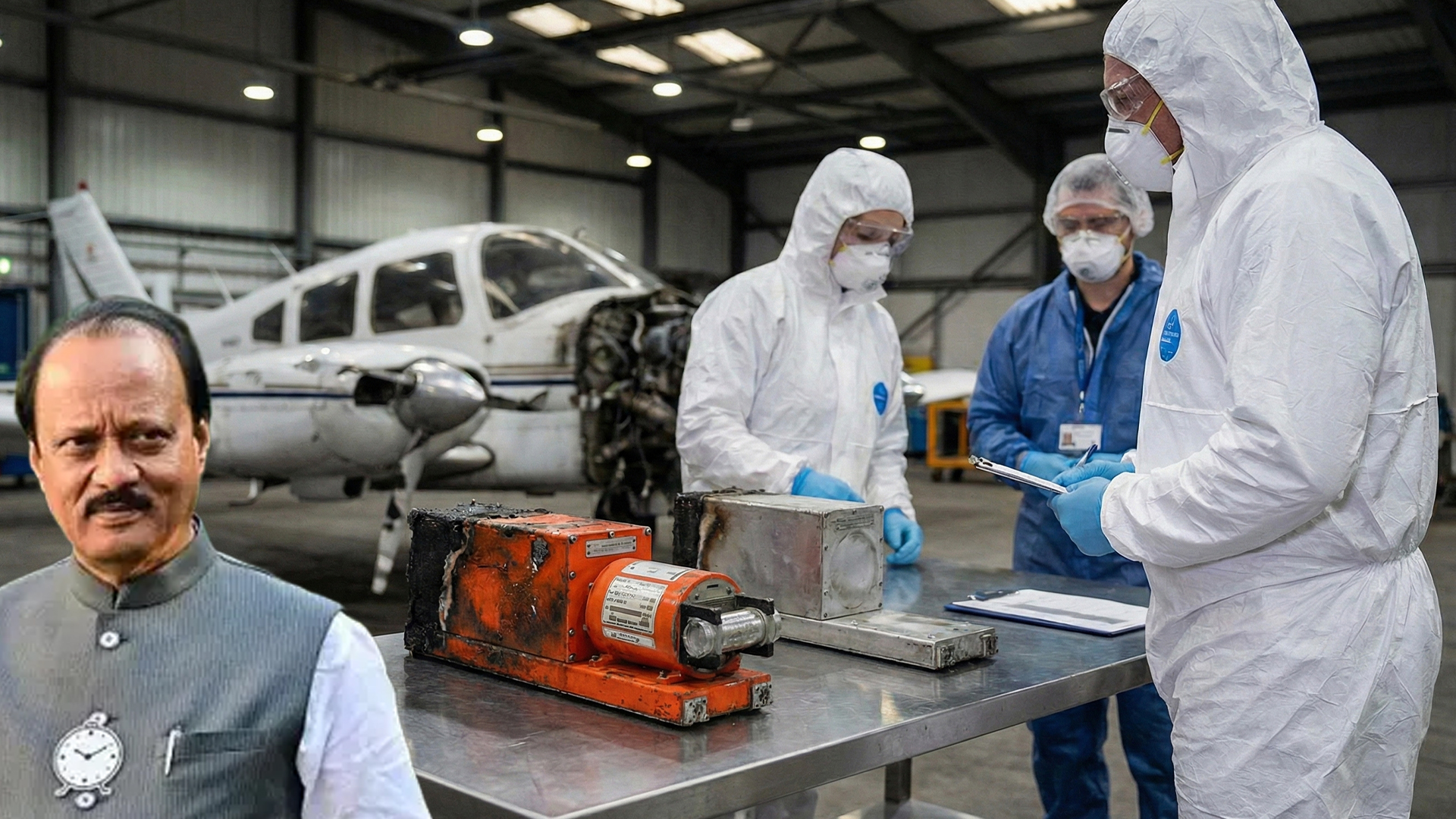
The investigation into the plane crash that claimed the life of senior Maharashtra leader Ajit Pawar has become more complex after both black boxes were found damaged in the fire that followed the accident.

Officials from the Aircraft Accident Investigation Bureau (AAIB) said the intense heat affected the cockpit voice recorder (CVR) and the digital flight data recorder (DFDR). While investigators have managed to extract technical flight data from the DFDR, the cockpit audio,  which could provide critical clues about the final moments, is yet to be fully recovered.

The cockpit voice recorder is crucial because it captures pilot conversations, warning alerts and communication with air traffic control. Due to the extent of the damage, Indian authorities are now taking technical support from foreign experts and the aircraft manufacturer to retrieve the remaining information.

The crash took place during the aircraft’s landing attempt at Baramati airport and resulted in the deaths of all five people on board, including the pilots and crew. Investigators are examining multiple aspects such as the aircraft’s performance, the crew’s response, weather conditions and the approach to the runway to reconstruct what led to the tragedy.

A preliminary report is expected to be released in the coming weeks. The recovered flight data is likely to help establish the sequence of events before the crash and identify any technical or operational issues.

Meanwhile, the damage to the black boxes has sparked political reactions, with some leaders calling for a more detailed and transparent inquiry. They have pointed out that flight recorders are designed to withstand severe impact and fire, raising questions that the investigation will need to address.

Also Read: India, France renew defence ties for next decade

Media flags AI threat to news revenue

Publishers seek fair pay, credit and human oversight as AI uses journalistic content at the AI Impact Summit 2026

At the IndiaAI Impact Summit 2026, senior editors and media executives made a strong case for recognising the value of professional journalism in the fast-growing artificial intelligence ecosystem. The discussion, hosted by the Digital News Publishers Association (DNPA), focused on how AI tools are increasingly using news content without clear compensation, attribution or accountability.

Speakers stressed that credible journalism is not just raw material for algorithms but a public-interest service that requires investment, verification and editorial responsibility. DNPA Secretary General Sujata Gupta said trust, institutional credibility and human editorial control must remain central even as AI becomes more common in newsrooms.

The session was moderated by Ashish Pherwani of EY and featured industry leaders including Navaneeth L.V. from The Hindu Group and Robert Whitehead of the International News Media Association. They pointed out that AI-generated answers and summaries are reducing direct traffic to original news websites, cutting into the revenue that funds reporting.

Several participants referred to international models such as those in Australia and the European Union, where technology platforms are required to share revenue with publishers whose content powers digital services. They argued that India must evolve its own framework to ensure sustainability of independent media.

At the same time, the tone was not anti-technology. Editors acknowledged that AI can help with data analysis, research, language translation and newsroom efficiency. However, they emphasised that machines cannot replace editorial judgement, ethical decision-making or on-ground reporting.

Also Read: India eyes top-three global AI rank by 2047

India, France renew defence ties for next decade

Missile co-production in India, officer exchanges and focus on new technologies deepen strategic ties during high-level meetings

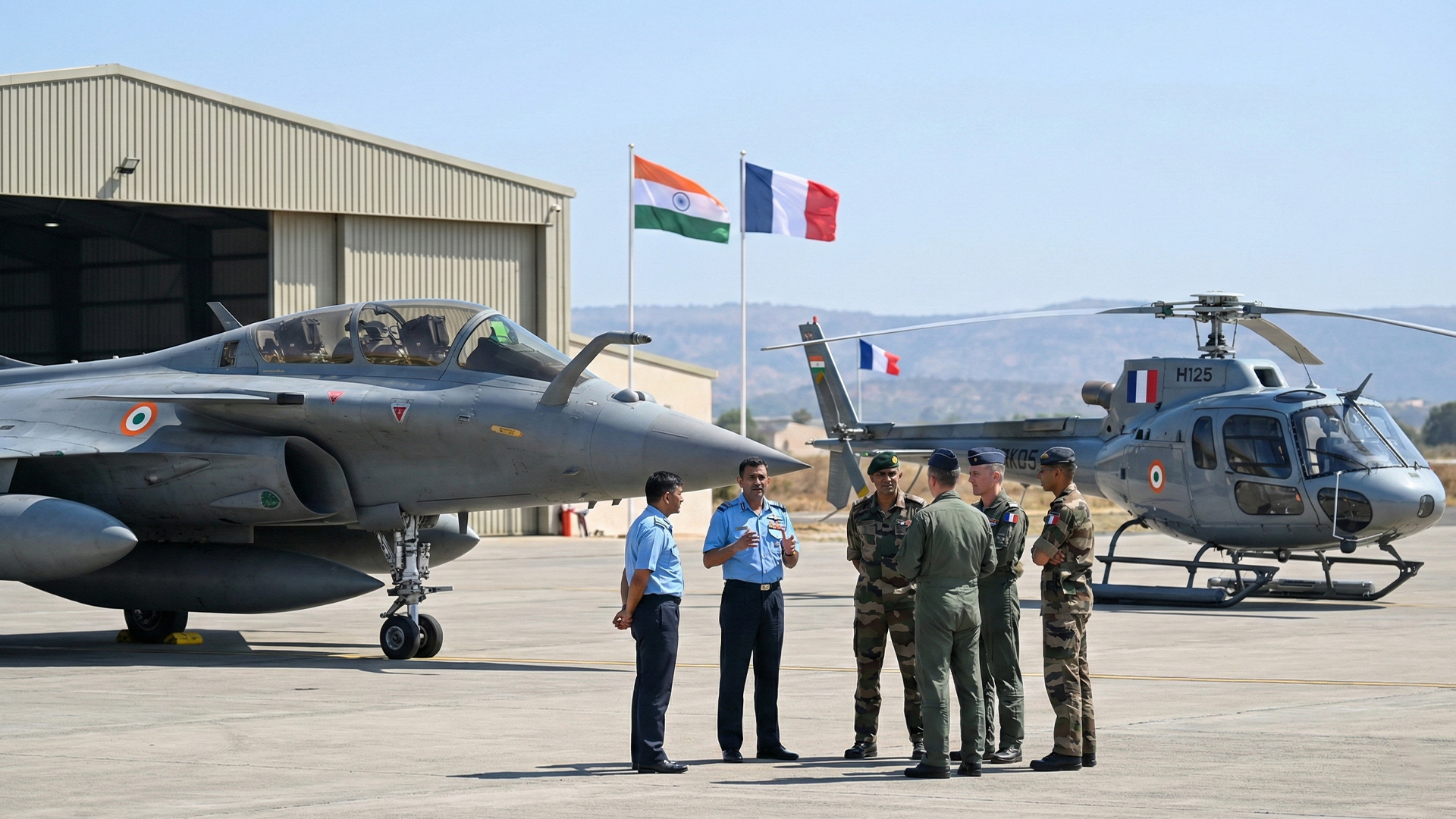
India and France have decided to continue their defence cooperation for another 10 years, showing their strong and trusted partnership in the military sector.

The decision was taken during the annual defence dialogue between Defence Minister Rajnath Singh and French Armed Forces Minister Sébastien Lecornu in Bengaluru. Both countries agreed to work more closely in defence manufacturing, technology sharing and joint development of advanced systems.

One of the key announcements was the plan to produce HAMMER precision-guided air-to-ground missiles in India. This will be done through a joint venture between Bharat Electronics Limited and France’s Safran. The move supports India’s push for self-reliance in defence production and will also bring advanced technology into the country.

India and France also agreed to send military officers to each other’s forces for training and better coordination. This step is expected to improve understanding and strengthen operational cooperation between the two armies.

During the talks, Rajnath Singh said France is one of India’s most important defence partners and that the relationship is moving from a simple buyer-seller model to joint design, development and manufacturing.

The defence discussions took place alongside French President Emmanuel Macron’s visit to India, where he held wide-ranging talks with Prime Minister Narendra Modi. Both leaders decided to expand cooperation in areas such as artificial intelligence, space, innovation, clean energy and critical minerals.

They also launched the India–France Year of Innovation to promote collaboration between researchers, industries and start-ups of both countries.

Also Read: Media flags AI threat to news revenue

India eyes top-three global AI rank by 2047

PM Modi unveils inclusive roadmap at AI Impact Summit. Global leaders attend, ₹350-crore innovation showcase draws attention

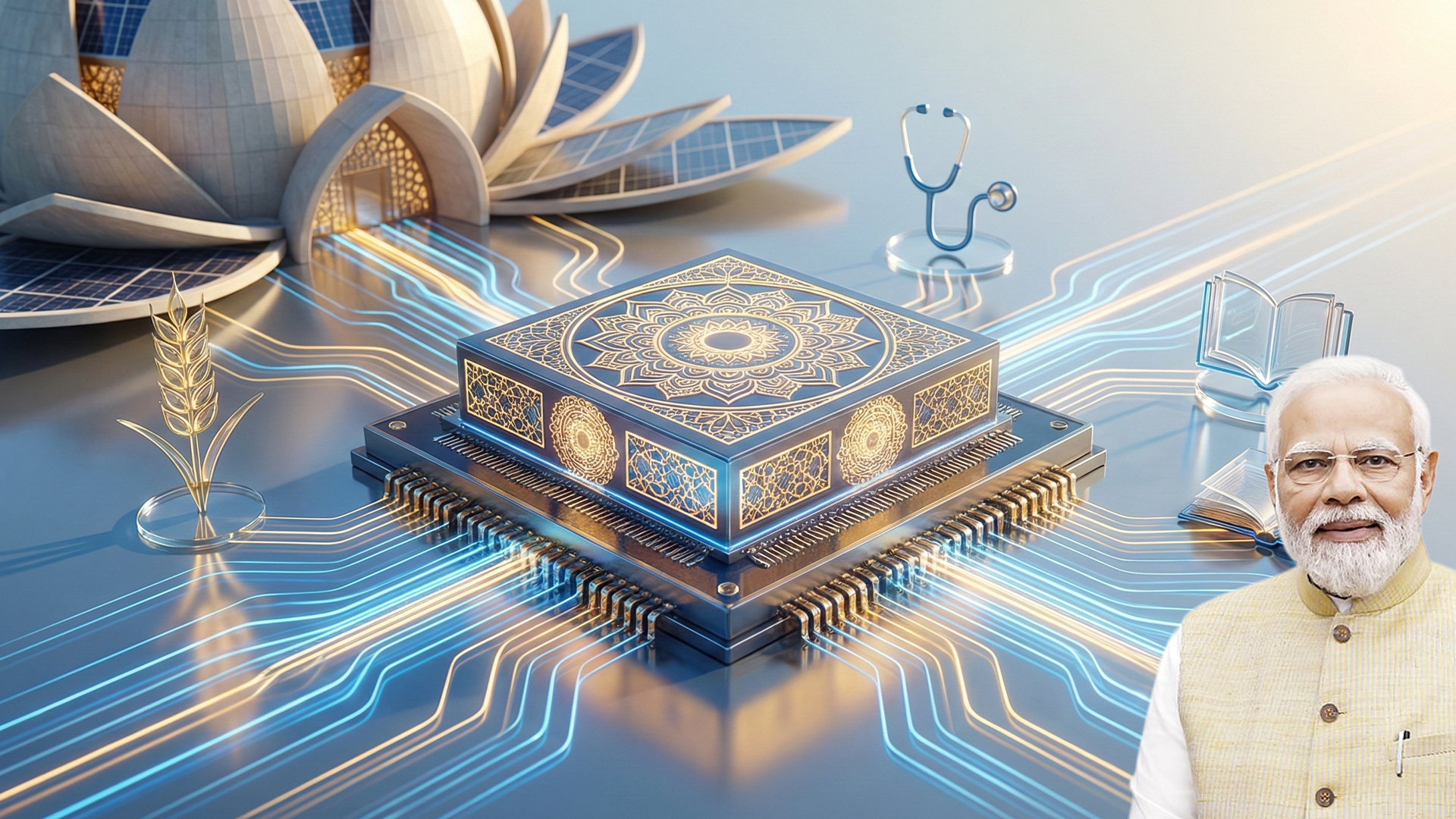
India has set its sights on becoming one of the world’s three leading artificial intelligence powers by 2047, with Prime Minister Narendra Modi outlining a long-term strategy that links AI growth to the country’s development goals.

Addressing the India AI Impact Summit 2026, the Prime Minister said artificial intelligence must expand human potential and improve lives across sectors such as healthcare, agriculture, education and governance. He emphasised that India’s approach would remain human-centric and inclusive, ensuring technology benefits every section of society.

Highlighting concerns around employment, Modi said the government is prioritising large-scale skilling, reskilling and upskilling initiatives so that the workforce is prepared for emerging AI-driven opportunities. He noted that India’s strength lies in its talent pool, thriving startup ecosystem and rapidly expanding digital public infrastructure.

The summit, being held at Bharat Mandapam, has drawn participation from heads of state, ministers, technology leaders, researchers and industry representatives from across the world. As the first global AI meet of this scale in the Global South, it aims to give developing countries a stronger voice in shaping the future of AI and its governance.

Discussions at the event are centred on translating ideas into real-world impact. Key themes include responsible AI, innovation, sustainability, data governance and the use of AI for social good. An AI Compendium featuring practical use cases and outcomes from nationwide consultations is also part of the summit’s knowledge output.

The AI Impact Expo has emerged as a major attraction, with the Galgotias University pavilion presenting AI projects and infrastructure valued at around ₹350 crore. The showcase spans smart education, medical technologies, robotics, cybersecurity, immersive learning and industry solutions, reflecting the growing collaboration between academia and industry in building indigenous capabilities.

Student-focused initiatives, including hands-on innovation programmes, underline the push to create a future-ready talent pipeline.

Also Read: PM Modi, Emmanuel Macron meet to boost ties

Tarique Rahman sworn in as Bangladesh’s PM

BNP clinches landslide win, Rahman leads new government after nearly 20 years

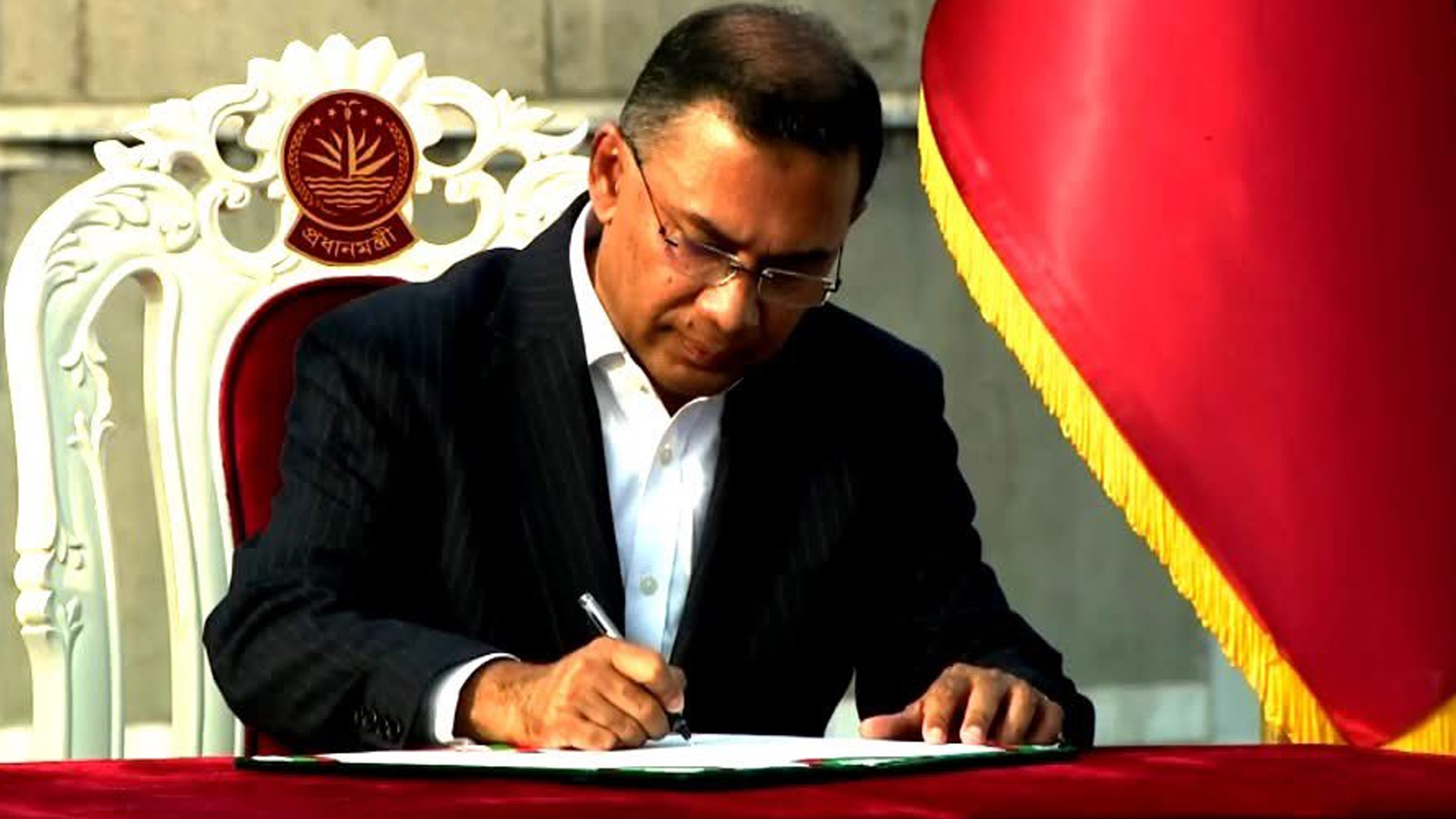
Tarique Rahman, leader of the Bangladesh Nationalist Party (BNP), was sworn in as Prime Minister of Bangladesh on 17 February 2026, following his party’s decisive election victory. This marks a significant shift in Bangladesh’s politics after nearly 20 years.

Rahman, 60, becomes the first male prime minister elected in decades, ending years of leadership by women, his mother, Khaleda Zia, and political rival Sheikh Hasina.

The oath ceremony took place at the South Plaza of the Jatiya Sangsad Bhaban in Dhaka, administered by President Mohammed Shahabuddin. Rahman was joined by members of his new 49-member cabinet, including 25 ministers, 24 state ministers, and 3 technocrats. Several ministers are serving for the first time.

In his first speech, Rahman called for national unity and pledged to focus on good governance and stability. His swearing-in signals a new chapter for Bangladesh as the BNP takes charge, with Rahman now leading the government into a transformative phase.

The ceremony combined Bangladesh’s political leadership with regional diplomatic representation, notably from India, the Maldives, Turkey, and Sri Lanka. Domestic MPs and officials also marked the formal start of the new government under Rahman’s leadership. Notable foreign guests included India’s parliamentary speaker Om Birla, Vikram Misri, India’s Foreign Secretary, Utpal Kumar Singh, Secretary-General of the Lok Sabha, Maldives President Mohammed Muizzu, Turkish Undersecretary Beris Ekinci, and Sri Lanka’s Minister Dr Nalinda Jayatissa.

The BNP won 209 out of 297 seats, in the parliamentary elections on 12 February, while the Jamaat-e-Islami party won 68 seats. The main rival, the Awami League, was not allowed to contest, paving the way for the BNP’s return to power.

His party’s victory follows a period of political unrest and mass protests. Supporters view it as a renewal of democratic choice, while critics have raised concerns about stability and the exclusion of the Awami League from the elections.

Also Read: PM Modi, Emmanuel Macron meet to strengthen ties

DU bans campus protests for a month

No rallies, gatherings, or assemblies of five or more after recent clashes over UGC rules

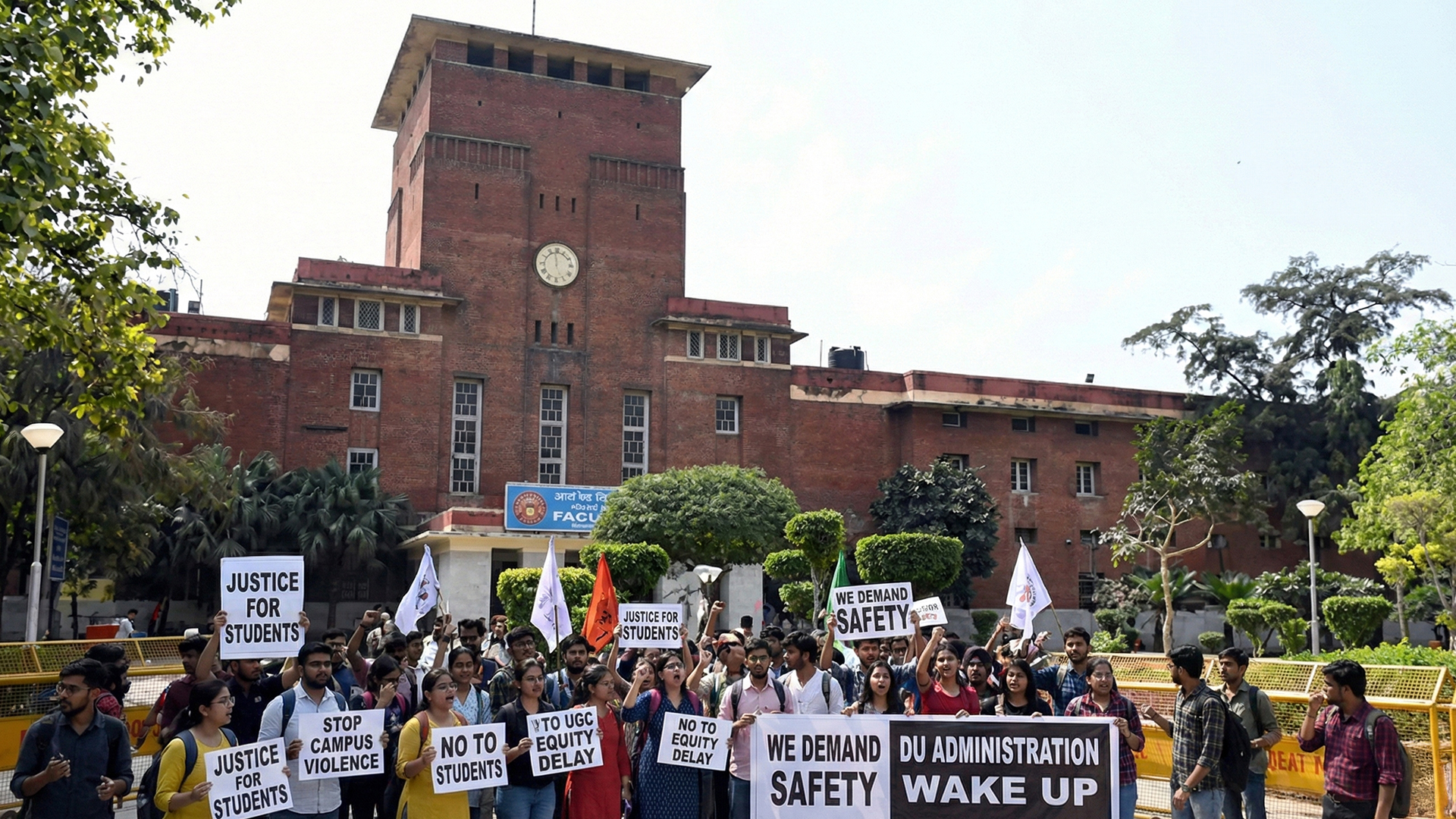
Delhi University has imposed a one‑month ban on all protests, rallies, and public gatherings on its campus, effective February 17, 2026, citing concerns over safety, law and order, and academic disruption. The decision follows a series of violent incidents during demonstrations against the University Grants Commission (UGC) Equity Regulations, 2026.

The proctor’s office clarified that under the restrictions, any assembly of five or more people, public meetings, dharnas, slogan‑shouting, processions, or carrying torches and other potentially hazardous items is strictly prohibited. Public speeches or any activity that could disrupt normal campus functioning or threaten safety are also banned.

The directive references warnings from the Assistant Commissioner of Police (Civil Lines) that large gatherings on campus could obstruct traffic, disturb public peace, or endanger participants. University authorities said the ban aims to prevent further clashes and ensure the safety of students, faculty, and staff.

The decision comes after escalating tension over the UGC Equity Regulations, designed to strengthen anti-discrimination measures in higher education. The regulations are currently stayed by the Supreme Court due to legal challenges. Recent campus protests have seen confrontations between student groups, including incidents of physical aggression and property damage. On February 12, historian Irfan Habib was reportedly attacked with a bucket of water during a public programme, intensifying security concerns.

While the administration defends the ban as a preventive measure, it has drawn criticism from faculty members and student leaders. Critics argue that it curtails democratic expression and peaceful dissent, extending beyond protests against the UGC rules to other campus issues such as faculty appointments, policy implementation, and teacher suspensions. Executive Council member Mithuraj Dhusiya called the move an overreach that risks stifling free speech.

The restriction is set to remain in place for one month, though university officials may review or lift it earlier depending on the situation on campus. Students and staff have been advised to adhere strictly to the order to avoid legal or disciplinary action.

Also Read: Sergio Gor highlights Indo-US defence ties

PM Modi, Emmanuel Macron meet to boost ties

French President Emmanuel Macron visits Mumbai, pays tribute to terror victims and holds strategic talks with PM Narendra Modi

French President Emmanuel Macron arrived in Mumbai today for a three‑day visit to India, marking his fourth trip to the country and his first to the city. He was warmly received at Chhatrapati Shivaji Maharaj International Airport by Maharashtra Governor Acharya Devvrat and Chief Minister Devendra Fadnavis.

Soon after arrival, Macron and First Lady Brigitte Macron paid a moving tribute to the victims of the 2008 Mumbai terror attacks at the iconic Taj Mahal Palace Hotel. The attacks, which claimed 166 lives and left hundreds injured, remain etched in India’s collective memory. Macron’s gesture highlighted solidarity with India and a shared commitment to fighting terrorism.

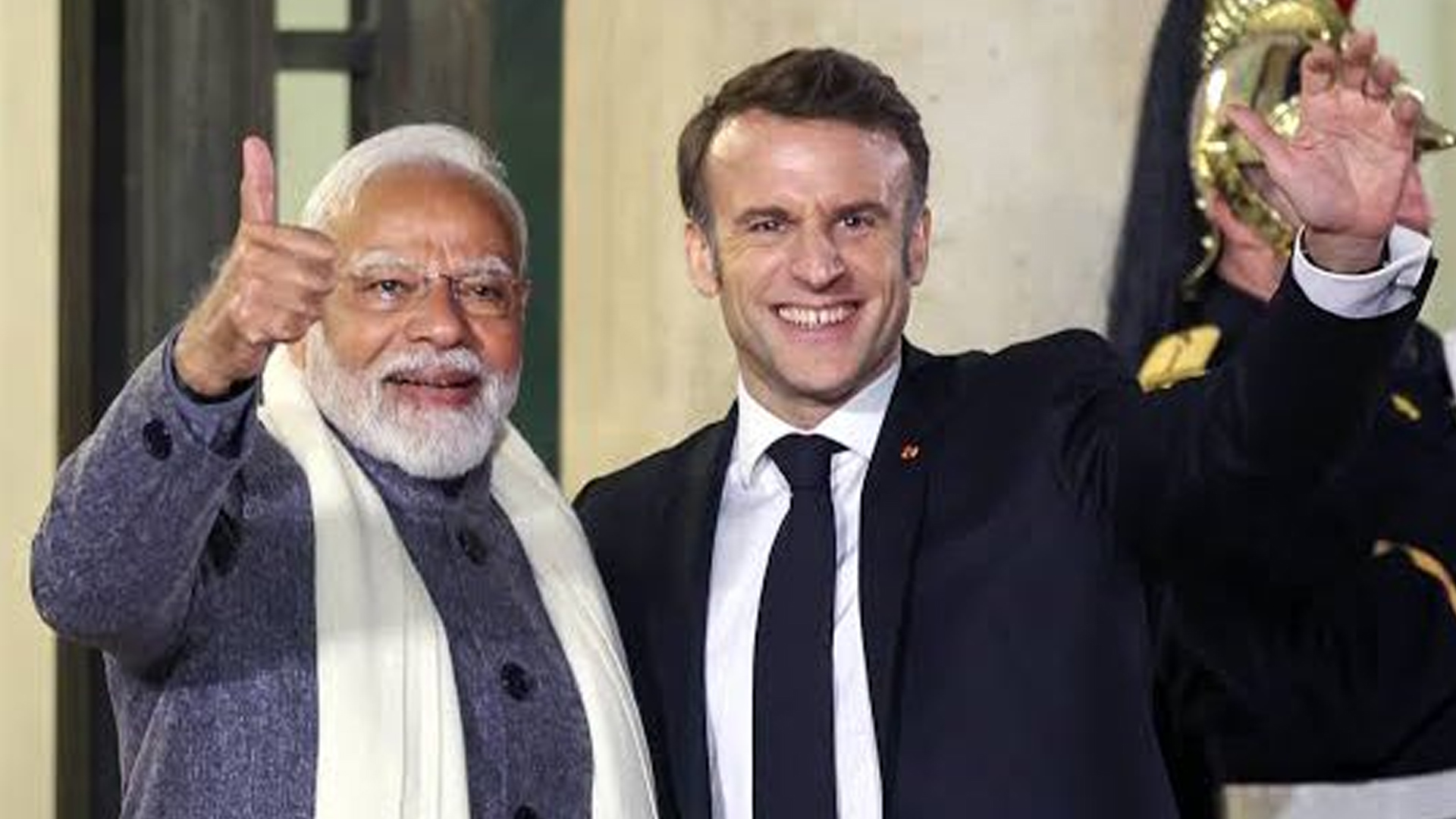
Later, at Mumbai’s Lok Bhavan, Macron met Prime Minister Narendra Modi for bilateral talks. The two leaders reviewed progress under the India‑France strategic partnership and the Horizon 2047 roadmap, focusing on defence collaboration, trade, clean energy, technology, and artificial intelligence. Both emphasised the importance of innovation and research in shaping the future of the partnership.

As part of the visit, they inaugurated the India‑France Year of Innovation 2026, a programme designed to connect entrepreneurs, start-ups, researchers, and business leaders from both nations, strengthening people-to-people ties and collaborative opportunities.

Defence cooperation was a key topic, with discussions on joint projects, including aircraft, helicopters, and precision systems. Trade and technology links were also on the agenda, alongside ethical AI development.

PM Modi described Macron as a “dear friend” and expressed hope that the visit would take India‑France relations to new heights. After Mumbai, Macron will travel to New Delhi for further meetings and to participate in the India AI Impact Summit 2026, concluding his visit on 19 February 2026.

Also Read: AI for all, PM Modi maps India’s plan