rotating globe
7 Apr 2026


Nita Ambani hosts Queen Rania with elegance

Mumbai event highlights culture, craftsmanship, and women’s leadership dialogue

In a warm and culturally rich reception, Queen Rania Al Abdullah of Jordan was welcomed in Mumbai by Nita Ambani and Mukesh Ambani with an elegant afternoon gathering that blended art, tradition, and dialogue on women’s leadership. The event, held at the Ambanis’ residence, was designed to showcase the depth of India’s cultural heritage while providing a platform for meaningful engagement between global and Indian leaders.

Nita Ambani, who is herself a trained classical dancer, opened the proceedings by highlighting the importance of dance in Indian culture. She introduced a specially choreographed performance, celebrating India’s artistic legacy and serving as a tribute to the visiting royal guest. The performance combined classical forms with storytelling, creating an immersive experience that reflected both tradition and contemporary interpretation.

In addition to the performance, the gathering showcased exquisite examples of Indian craftsmanship. Guests were presented with a hand-knotted Kashmir silk carpet, a hand-woven Jamavar Sozni shawl, and a hand-embroidered Zari‑Zardozi “Tree of Life” piece, highlighting the skill, dedication, and artistry of Indian artisans across generations. The display emphasized India’s enduring contribution to global arts and design.

The visit also featured a roundtable discussion at the Nita Mukesh Ambani Cultural Centre (NMACC), hosted by Isha Ambani, titled “Celebration of Women Leadership in India.” The dialogue brought together influential women from business, fashion, and entertainment, including Karisma Kapoor, Navya Naveli Nanda, and Masaba Gupta, to discuss empowerment, leadership, and social impact. Queen Rania, known for her global advocacy in education, women’s rights, and health, shared her experiences and insights, creating a vibrant exchange of ideas with Indian leaders.

Also Read: DHS shuts down during the funding dispute

Nokia’s win halts Acer, Asus sales

Patent fight over video compression tech highlights growing pressure on device makers to seal licensing deals in Germany

A major patent battle has forced Acer and Asus to suspend direct PC sales in Germany, after Nokia secured a court-ordered injunction over the use of its video-compression technology.

The Munich I Regional Court ruled that the companies infringed Nokia’s standard-essential patents linked to HEVC, a core format used for high-resolution video across laptops and desktops. The judges concluded that the PC brands were not willing licensees under fair and reasonable terms, paving the way for a sales ban through their official channels.

In response, Acer has taken its local e-store offline, while Asus has stopped listing affected products for German customers. Retailers and online marketplaces can still sell existing inventory, meaning the consumer impact will be gradual rather than immediate.

The dispute reflects Nokia’s wider push to monetise its patent portfolio, which spans critical connectivity and multimedia technologies used in millions of devices. Similar cases have been filed in multiple countries as the company seeks licensing agreements from hardware manufacturers.

For the PC industry, the ruling underlines the importance of securing rights to standard-essential technologies that sit at the heart of everyday computing experiences, from video playback to streaming. If negotiations fail, supply constraints in the German market could intensify in the coming months.

A settlement or a successful appeal remains the only clear path for Acer and Asus to fully resume direct sales. Until then, Germany becomes the latest flashpoint in the global fight over tech patent royalties.

Also Read: AI for all, PM Modi maps India’s plan

DHS shuts down during the funding dispute

Lawmakers clash over immigration reforms, halting key DHS operations

The United States Department of Homeland Security (DHS) entered a partial shutdown over the weekend after funding expired, marking the third such lapse during President Donald Trump’s second term. The deadlock comes as Congress remains in recess until February 23, with Republicans and Democrats unable to agree on the department’s budget and immigration policies.

The impasse stems from Democratic demands for stricter oversight of immigration enforcement, following the deaths of two US citizens in Minneapolis during federal ICE and Border Patrol operations in January. Democrats, led by House Minority Leader Hakeem Jeffries, proposed measures including judicial warrants for property entries, verification of citizenship before detention, and restrictions on masked officers. They also want enforcement actions prohibited near courts, schools, medical facilities, polling places, and houses of worship, along with visible identification and clear uniforms for officers.

Republicans and ICE leadership, including former border chief Tom Homan, labeled these demands as “unreasonable,” arguing they would hamper law enforcement operations. Senator Markwayne Mullin described the Democratic stance as “political theatre.”

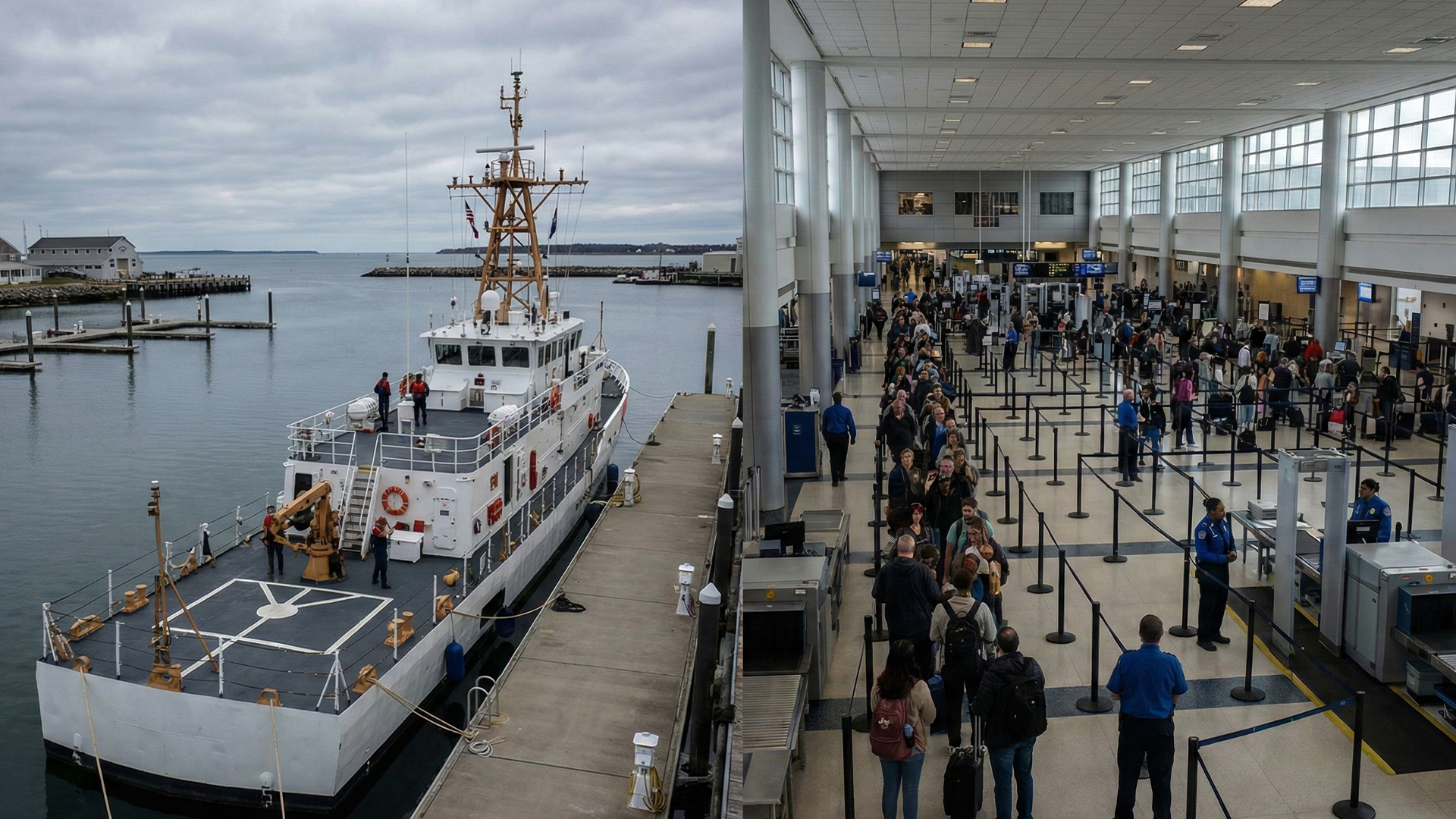
While the shutdown affects most DHS operations, essential services continue. Border security and immigration enforcement remain active, but agencies including the Transportation Security Administration (TSA), Federal Emergency Management Agency (FEMA), and Coast Guard face furloughs. At airports, 2,933 TSA employees are furloughed, while the rest continue working without pay.

Also Read: Trump signals backchannel role in Iran nuclear talks

AI for all, PM Modi maps India’s plan

Day 2 of India AI Impact Summit sees AI casebooks launch, mega expo walkthrough and sectoral showcases

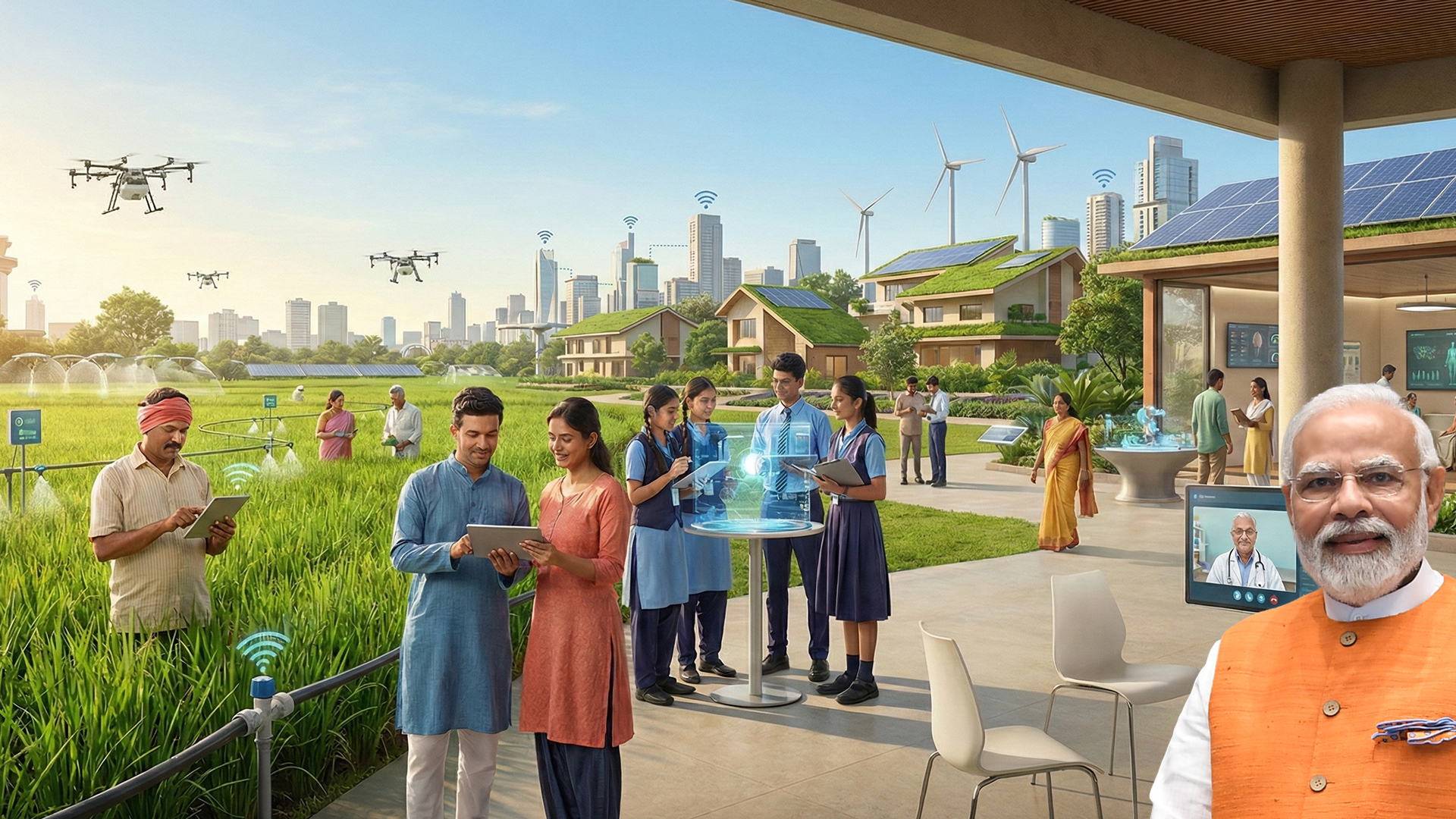
Prime Minister Narendra Modi on Tuesday urged the global community to ensure that artificial intelligence is developed and deployed for the larger public good, as India hosted the India AI Impact Summit 2026 in the national capital.

Addressing delegates on the second day of the summit at Bharat Mandapam, the Prime Minister said AI must remain human-centric, inclusive and accessible, and should be used to solve real-world challenges in governance, healthcare, education and agriculture. He underlined that technology should empower people rather than deepen inequalities.

The five-day summit has brought together heads of state, policymakers, global technology companies, startups, researchers and industry leaders from more than 100 countries. It is the first time that a Global South nation is hosting a gathering of this scale focused exclusively on AI governance, innovation and collaboration.

Estonian President Alar Karis arrived in New Delhi to participate in the discussions, signalling stronger digital cooperation between India and Estonia. His visit highlights the growing importance of international partnerships in building secure and transparent digital ecosystems.

Union IT Minister Ashwini Vaishnaw said India is preparing to launch a “Create in India” initiative to develop future-ready talent and accelerate domestic innovation in emerging technologies. He emphasised that the country’s digital public infrastructure can serve as a model for scalable and affordable AI solutions for developing economies.

The summit features multiple sessions, country pavilions and live demonstrations showcasing AI-driven applications such as smart mobility systems, disaster-response technologies, language tools and next-generation robotics. Industry leaders have also called for building AI models tailored to India’s diverse linguistic and socio-economic landscape.

Also Read: Bill Gates meets Andhra Pradesh leaders

Trump signals backchannel role in Iran nuclear talks

Indirect Geneva dialogue, mediated by Oman, aims to test chances of a sanctions-for-limits deal amid military tensions

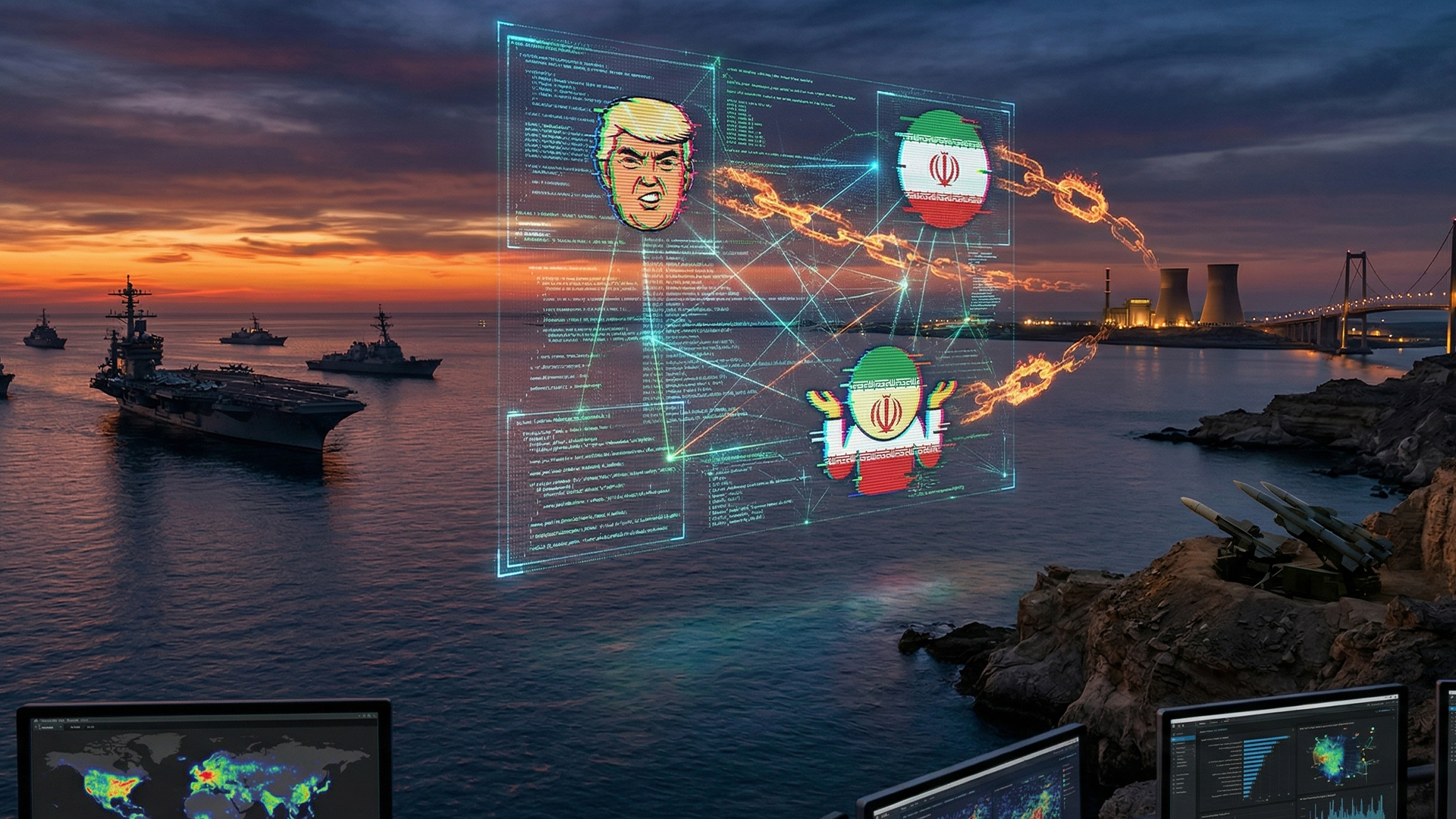
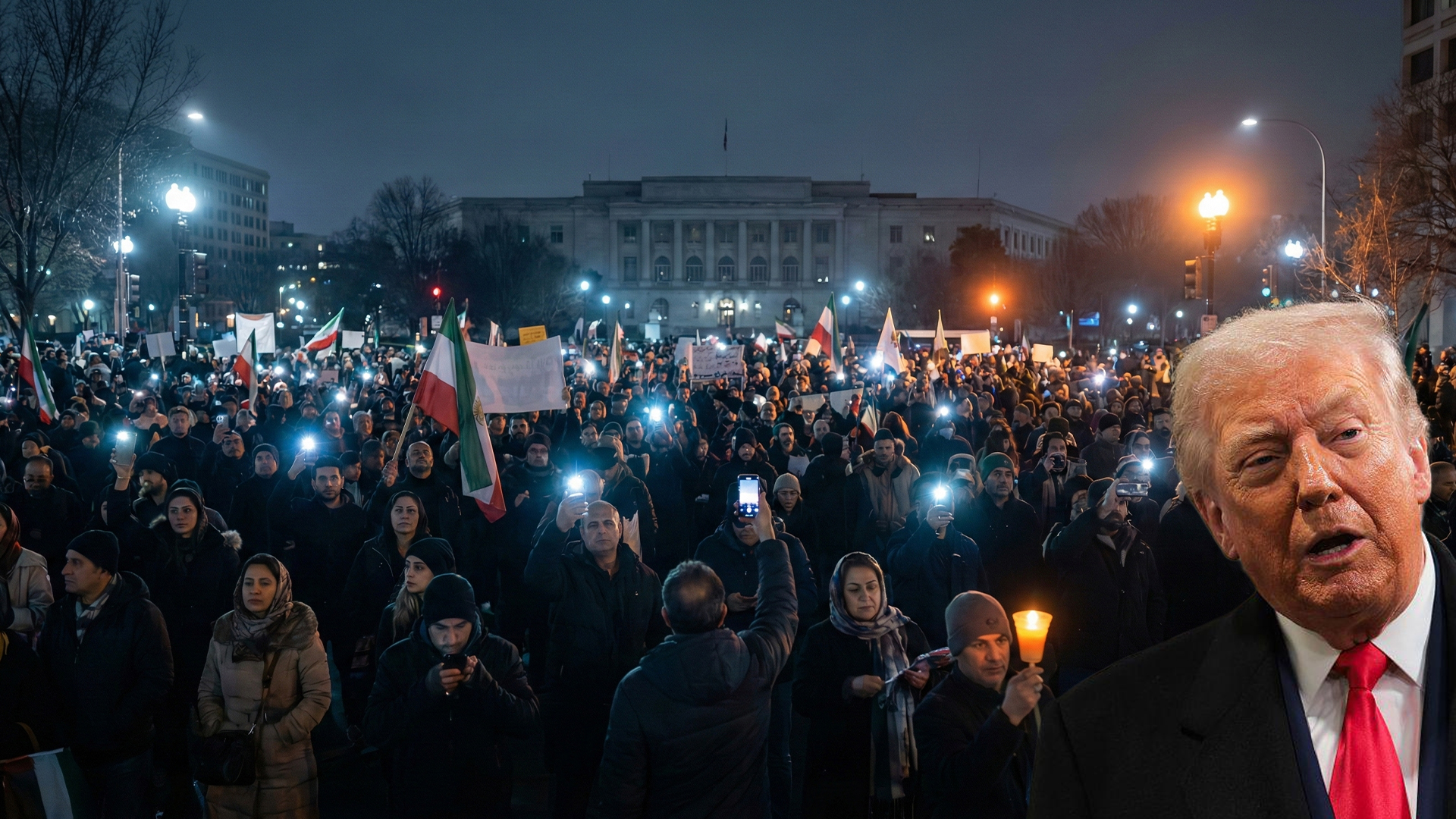
US President Donald Trump has said he will be involved “indirectly” in the latest round of nuclear negotiations between the United States and Iran, as officials from both sides prepare for high-stakes discussions in Geneva that could influence the security landscape of the Middle East.

The talks are not being held face to face. Instead, messages will be exchanged through mediators, with Oman once again acting as the key channel between Washington and Tehran. The indirect format reflects the deep mistrust that has defined relations for decades, especially after the collapse of the earlier nuclear agreement and the reimposition of US sanctions.

Trump, speaking ahead of the meeting, described the diplomatic effort as “very important” and suggested that there may be a fresh opportunity to reach an understanding. While he will not sit at the negotiating table, his involvement is expected to shape the US position and the final decision on any potential deal.

At the heart of the negotiations is Washington’s demand that Iran significantly scale back its uranium enrichment programme, which the US and its allies fear could be used to develop nuclear weapons. Tehran has consistently maintained that its nuclear activities are for peaceful, civilian purposes and has insisted that enrichment is its sovereign right. In return for any curbs, Iran is seeking sweeping relief from economic sanctions that have put severe pressure on its economy.

The diplomatic outreach comes at a time of heightened military signalling. The US has increased its naval presence in West Asian waters, while Iran has conducted exercises near the strategically vital Strait of Hormuz, a route through which a significant share of the world’s oil supplies passes.

Officials on both sides have described the upcoming engagement as difficult but necessary. For Washington, the priority is to prevent further nuclear escalation without sliding into conflict. For Tehran, the talks offer a possible pathway to economic relief and international re-engagement.

Also Read: SC flags translation row in Sonam Wangchuk case


Sergio Gor highlights Indo-US defence ties

Indo-Pacific, trade and tech in focus during US ambassador visit. Dosa stop adds local flavour

The United States has reaffirmed that its strategic partnership with India is growing stronger, with a special focus on defence cooperation and a shared vision for a secure Indo-Pacific. US Ambassador to India Sergio Gor highlighted this during his visit to Bengaluru, where he met political leaders and discussed expanding collaboration in key sectors.

The envoy said the India-US relationship continues to deepen across defence, technology, innovation and trade. He noted that closer military cooperation and defence partnerships between the two countries are important not only for their own security but also for stability in the Indo-Pacific region. The remarks reflect Washington’s continued push to strengthen ties with New Delhi as both nations work together on strategic and economic priorities.

Discussions during the visit also touched on the growing business and technology links between the two countries. Bengaluru, often called India’s tech capital, plays a major role in this partnership. The city hosts hundreds of American companies and contributes significantly to India’s software exports, making it a key hub for joint innovation, startups and research collaborations.

The visit comes at a time when India and the US are working to expand trade and reduce tariff barriers under an interim agreement, signalling stronger economic engagement alongside defence cooperation. Leaders from both sides said the partnership has vast untapped potential and will continue to grow in the coming years.

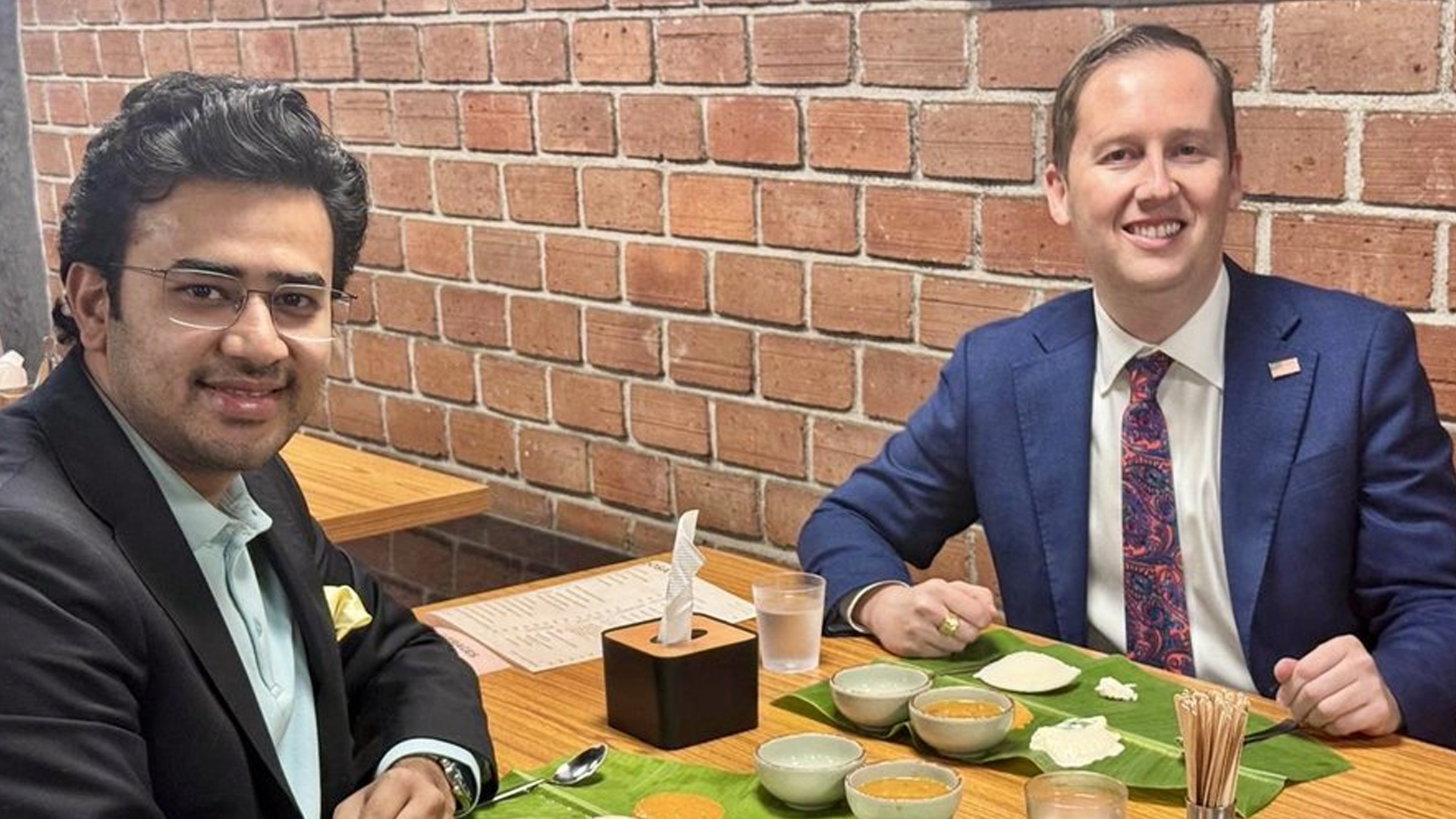
Apart from official meetings, the ambassador also spent time experiencing the local culture with Bengaluru South MP Tejasvi Surya. The two were seen interacting with people and discussing the city’s global reputation as a centre for technology and entrepreneurship.

In a lighter moment that drew attention on social media, Gor sampled masala dosa and filter coffee and even took a ride in a “Namma Auto”, calling Bengaluru’s energy, from its startups to its street food, unique. The informal outing added a personal touch to a visit otherwise focused on strategy, security and economic cooperation.

Also Read: AI for all, PM Modi maps India’s plan