rotating globe
9 Apr 2026


2000-year-old tamil graffiti in Egypt reveals trade

Tamil traders may have walked the Valley of the Kings, leaving messages that bridge India and Egypt nearly two millennia ago

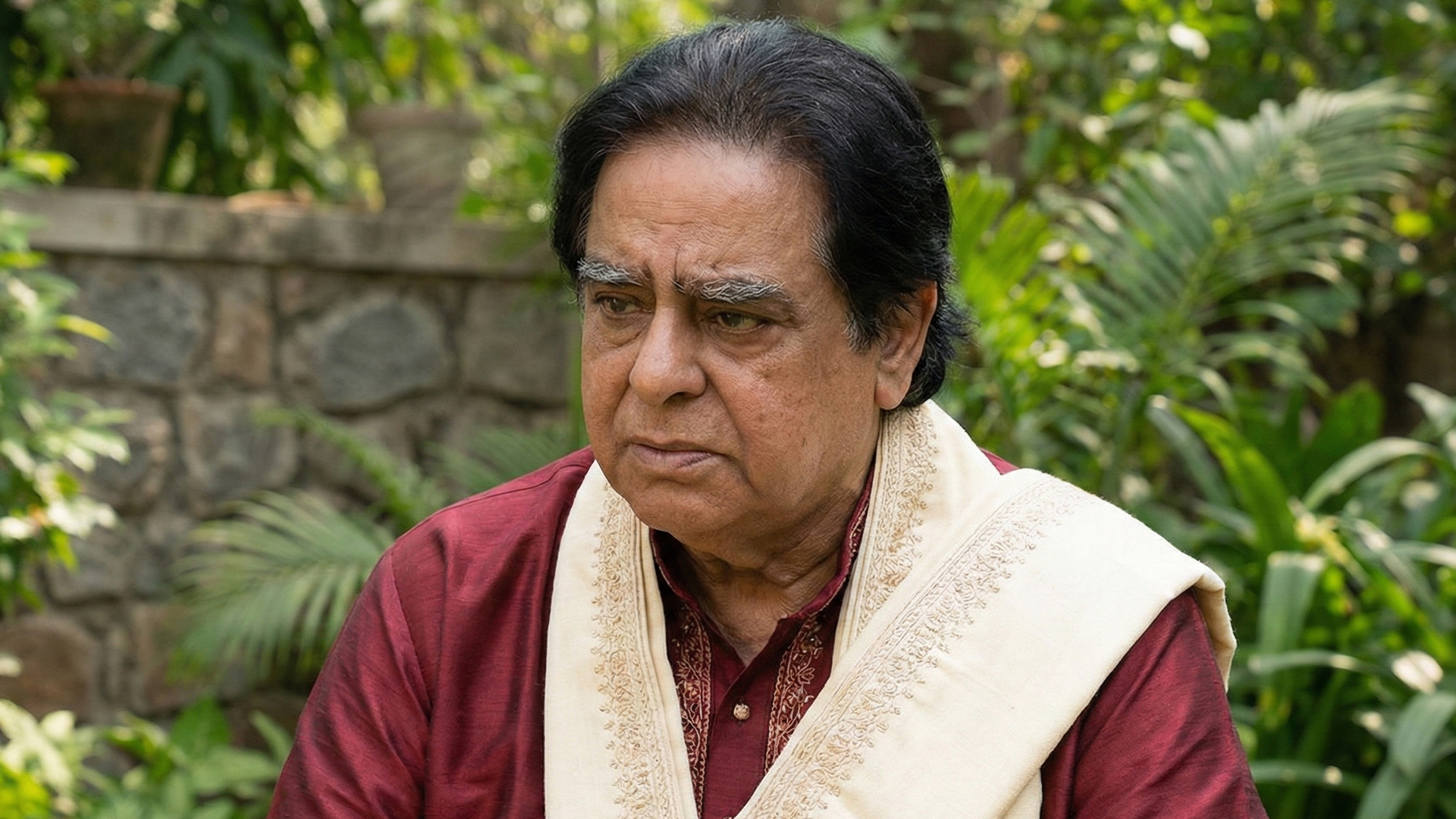
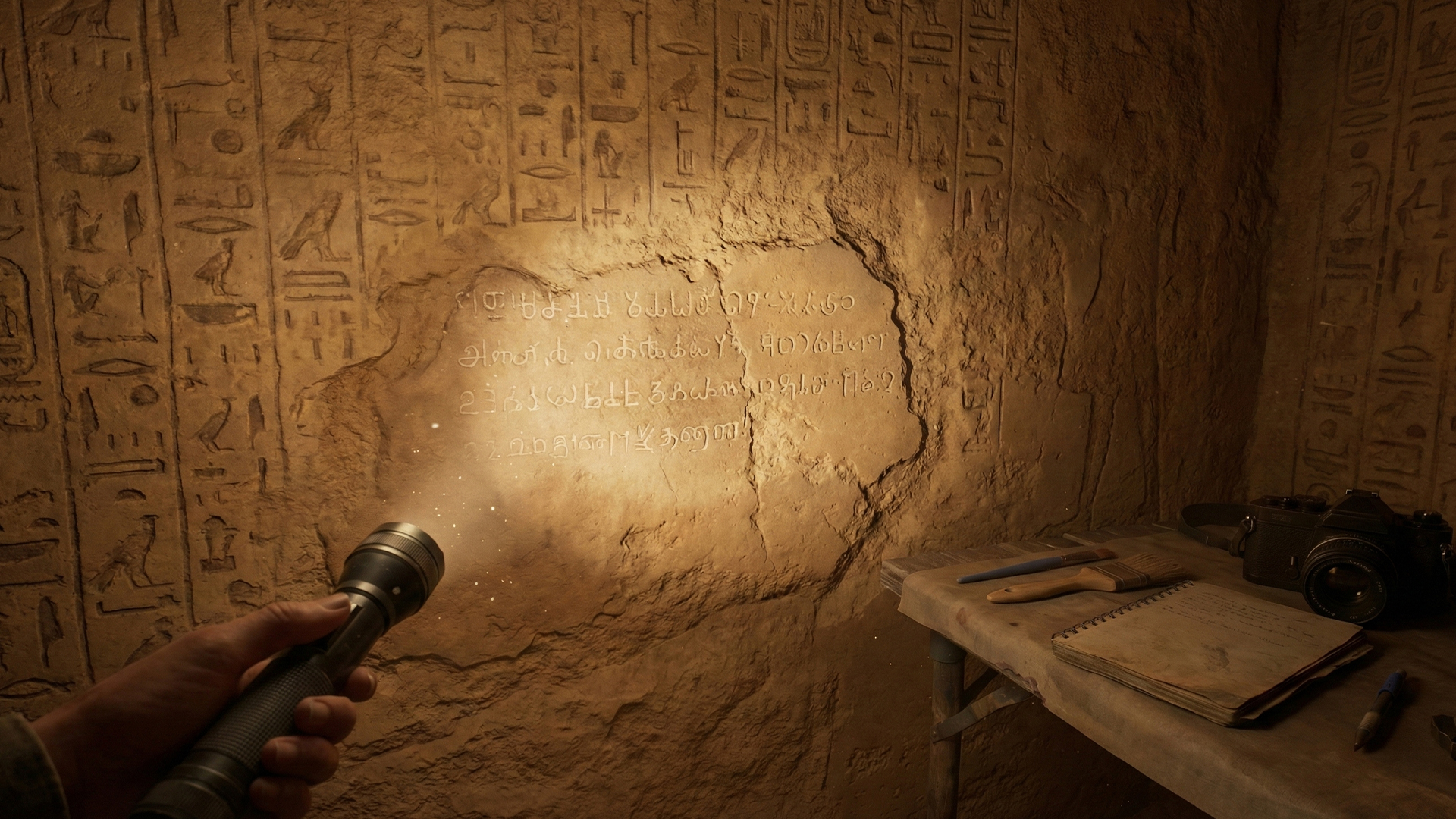
Step into the heart of Egypt’s Valley of the Kings, and you might imagine only hieroglyphs and Pharaohs’ stories etched into stone. But researchers have uncovered something completely unexpected—messages in ancient Tamil, left nearly 2,000 years ago by adventurous South Indian travelers.

Archaeologists discovered almost 30 inscriptions across six tombs near modern-day Luxor. Most are in Tamil-Brahmi, with a few in Sanskrit and Prakrit, showing that traders and travelers from India were exploring far beyond their shores. Among the carvings, one name, “Cikai Korran”, appears repeatedly with phrases like “Cikai Korran came and saw”, echoes of the universal human desire to leave a mark.

Until now, historians believed Indians mainly visited Egypt’s Red Sea ports such as Berenike. These new findings change that picture entirely. Tamil travelers didn’t just dock—they ventured inland, exploring tombs and leaving personal traces inside the heart of Egyptian civilization.

Dated to the 1st–3rd centuries CE, these inscriptions appear during a golden era of maritime trade linking the Indian Ocean with the Roman Empire. The variety of scripts and names suggests a diverse community of traders and travelers, highlighting just how interconnected the ancient world truly was.

The discovery was unveiled at the International Conference on Tamil Epigraphy in Chennai. The mystic story of curiosity, courage, and connection across continents shows the reach of human footprints, miles and mountains beyond their place of origin.

Also Read: SC grants interim bail to Vikram Bhatt’s wife



CIA sparks China tensions with PLA recruitment video

US agency targets disillusioned Chinese soldiers. Beijing vows countermeasures

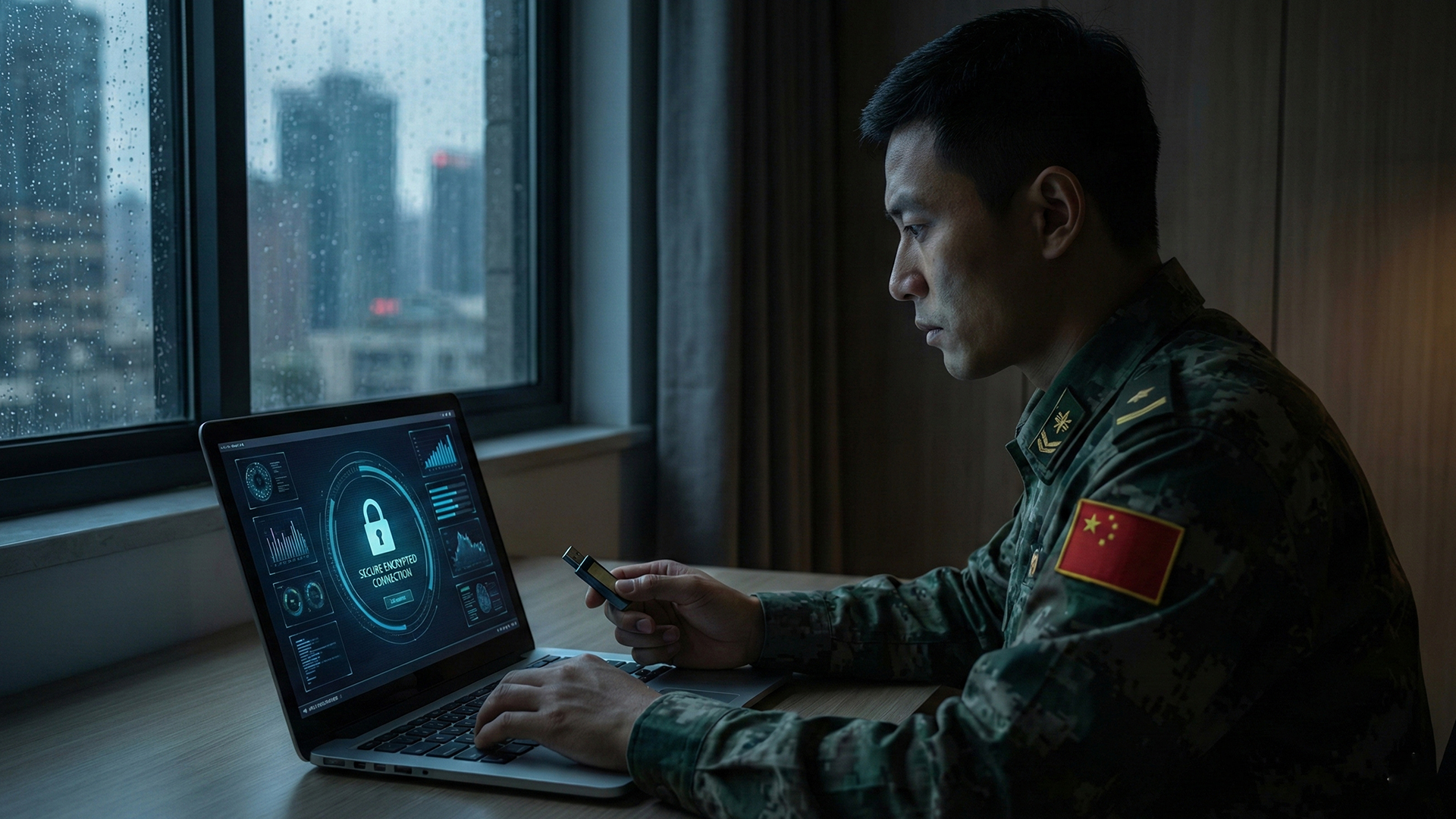
The Central Intelligence Agency (CIA) has released a Mandarin-language recruitment video aimed at officers in China’s People’s Liberation Army (PLA), heightening tensions between Washington and Beijing.

Published on February 12, 2026, the clip follows a mid-level PLA officer who grows frustrated with corruption and internal purges, ultimately contacting the CIA to protect his family and the country’s future.

The video instructs viewers on secure ways to reach the CIA, including encrypted channels and tools like the Tor Browser, despite China’s internet restrictions. This release continues the CIA’s ongoing effort to rebuild intelligence networks targeting China’s military.

China’s Foreign Ministry condemned the video as foreign interference and espionage. Spokesperson Lin Jian warned that Beijing would take “all necessary measures” to protect national security, accusing the US of attempting to infiltrate and sabotage the PLA.

The timing comes amid internal unrest in the PLA, with anti-corruption campaigns and investigations into senior officers creating unease. Analysts see the video as both a recruitment effort and a political signal in the growing US-China intelligence rivalry, underlining deepening mistrust between the two powers.

Also Read: 2000-year-old tamil graffiti in Egypt reveals trade


India up 10 spots in 2026 passport index

Rank rises to 75 in Henley & Partners index, but Iran and Bolivia drop off visa-free list

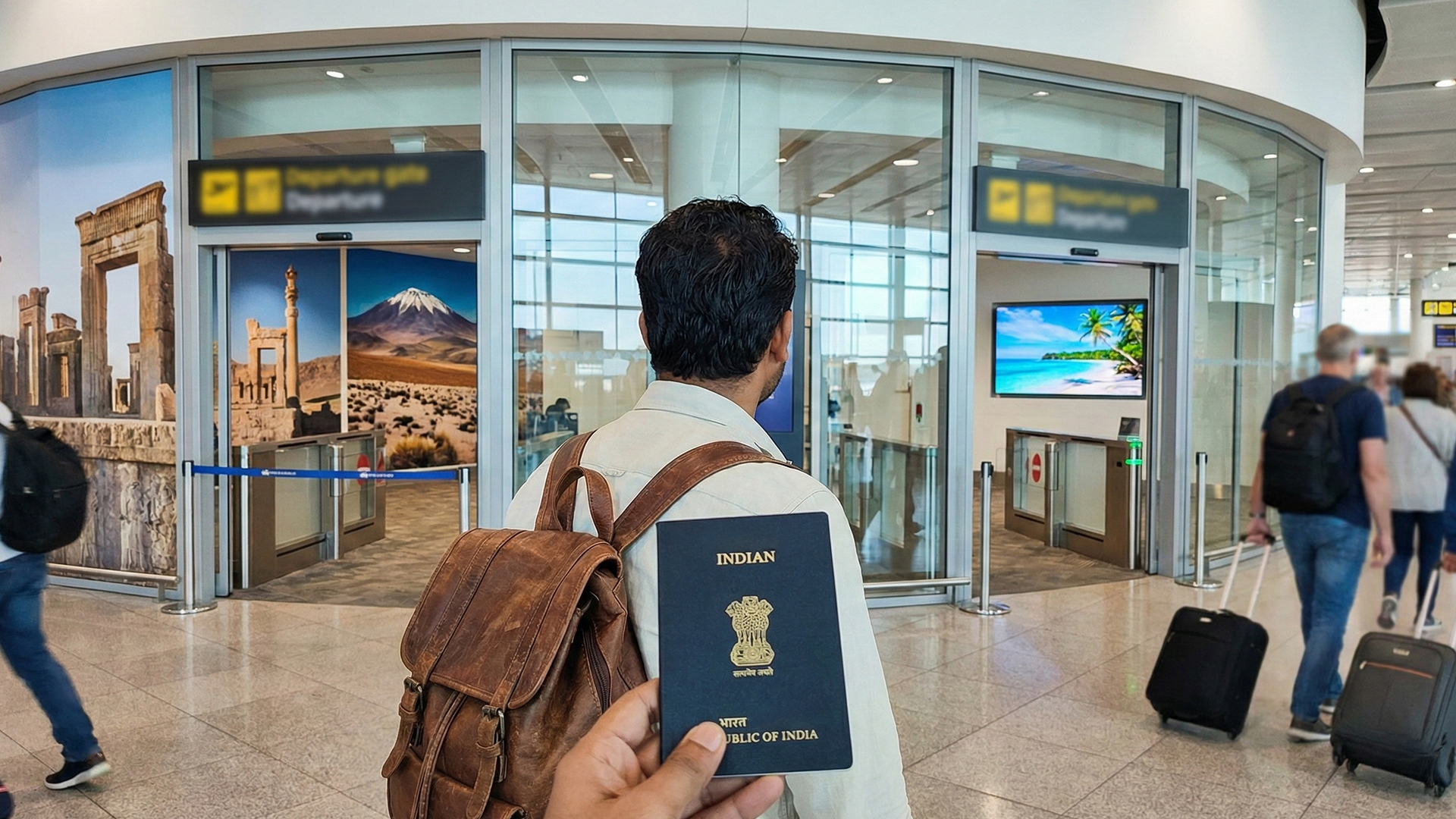
India’s passport has climbed 10 places to 75th position in the 2026 edition of the Henley & Partners Henley Passport Index, reflecting improved global mobility for Indian travellers.

The index, based on data from the International Air Transport Association (IATA), ranks passports according to the number of destinations their holders can enter without obtaining a visa in advance. This includes visa-free, visa-on-arrival and certain electronic travel authorisations.

In 2026, Indian passport holders have access to 56 destinations without prior visa approval. Although the ranking has improved significantly from last year’s 85th position, the total number of visa-free destinations has dropped slightly from 57 in 2025 to 56 this year.

The reduction is due to policy changes by two countries.

Iran withdrew its visa-free entry for ordinary Indian passport holders in late 2025. Indian travellers must now apply for a visa before departure, meaning the country no longer qualifies under the index’s visa-free criteria.

Similarly, Bolivia revised its travel rules for Indian citizens, replacing visa-on-arrival with a pre-approved e-visa requirement. Since travellers must secure authorisation before flying, Bolivia is no longer counted as a visa-free destination in the index.

Experts note that the Henley ranking is relative. India’s jump in position reflects shifts in other countries’ standings as well, not just changes in its own visa access.

Despite the improvement, India remains far from the top tier globally. Countries like Singapore continue to dominate the index, offering visa-free access to nearly 200 destinations worldwide.

Also Read: NASA picks ‘Vast’ for ISS mission


US used Anthropic’s Claude AI in Maduro capture

Commercial AI tool reportedly assisted US forces during mission linked to Nicolás Maduro’s capture

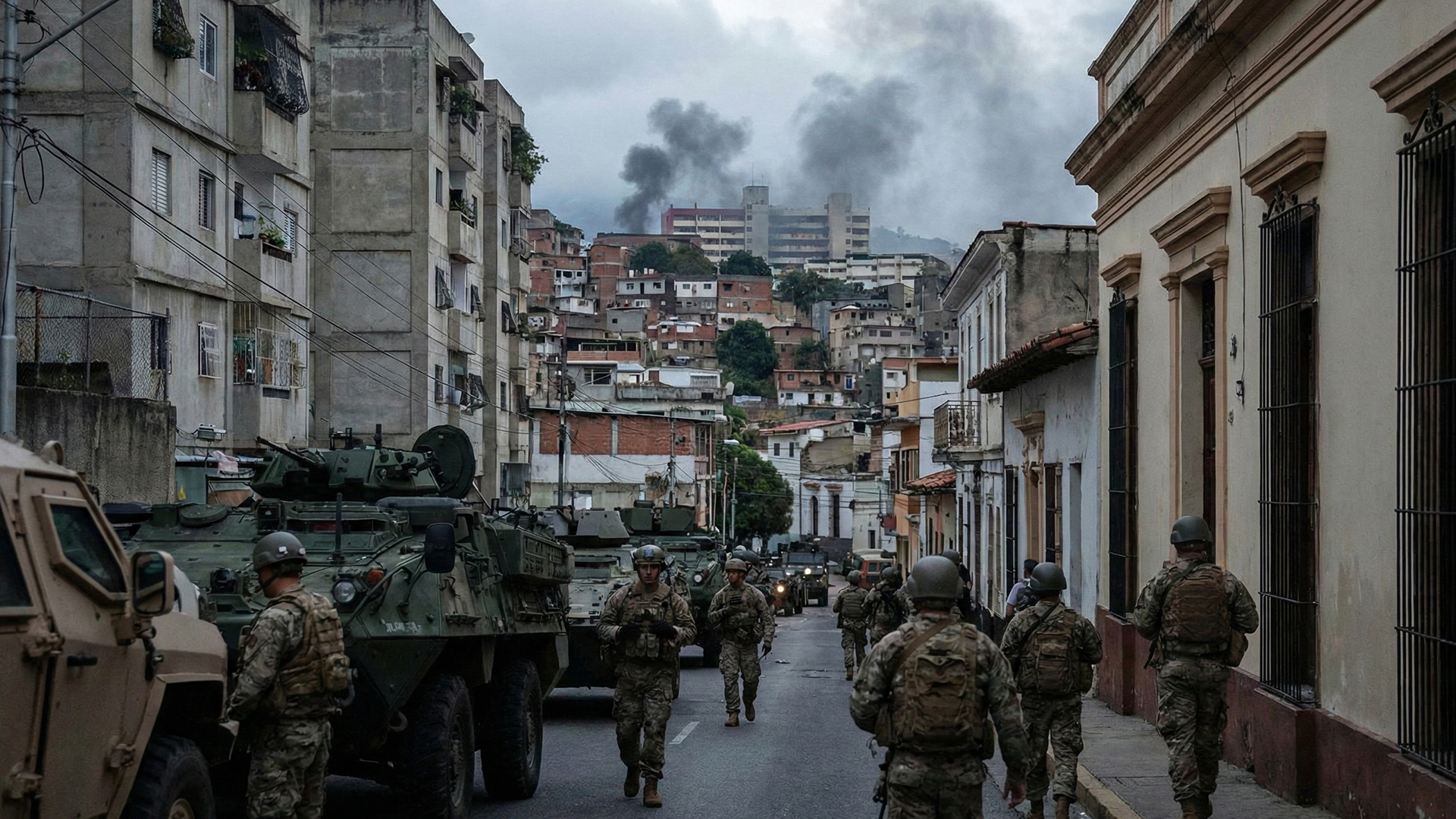
The United States military reportedly used an artificial intelligence system developed by Anthropic during a recent operation in Venezuela. According to reports by The Wall Street Journal and Reuters, the AI model, called Claude, was deployed as part of the mission connected to former Venezuelan President Nicolás Maduro.

Claude was reportedly accessed through systems linked to Palantir Technologies, a company that works closely with the United States Department of Defense. This integration allowed the AI tool to be used within secure defense networks.

While officials have not disclosed the exact role the AI played, it is believed that Claude may have been used to process intelligence data, analyse information quickly, or support operational planning. There is no indication that the AI directly made battlefield decisions, but it may have assisted human personnel with data interpretation and strategic inputs.

The report has drawn attention because Anthropic’s public safety policies state that its AI systems should not be used to support violent activities or military combat. The company has not commented on the specific operation but has said that its tools are expected to follow strict usage guidelines.

The development highlights the increasing role of commercial artificial intelligence in national security and defense activities. It also raises broader questions about how AI technologies should be regulated when used in sensitive military missions.

Also Read: SC grants interim bail to Vikram Bhatt’s wife

SC grants interim bail to Vikram Bhatt’s wife
Bench questions use of criminal law in what appears to be a business dispute

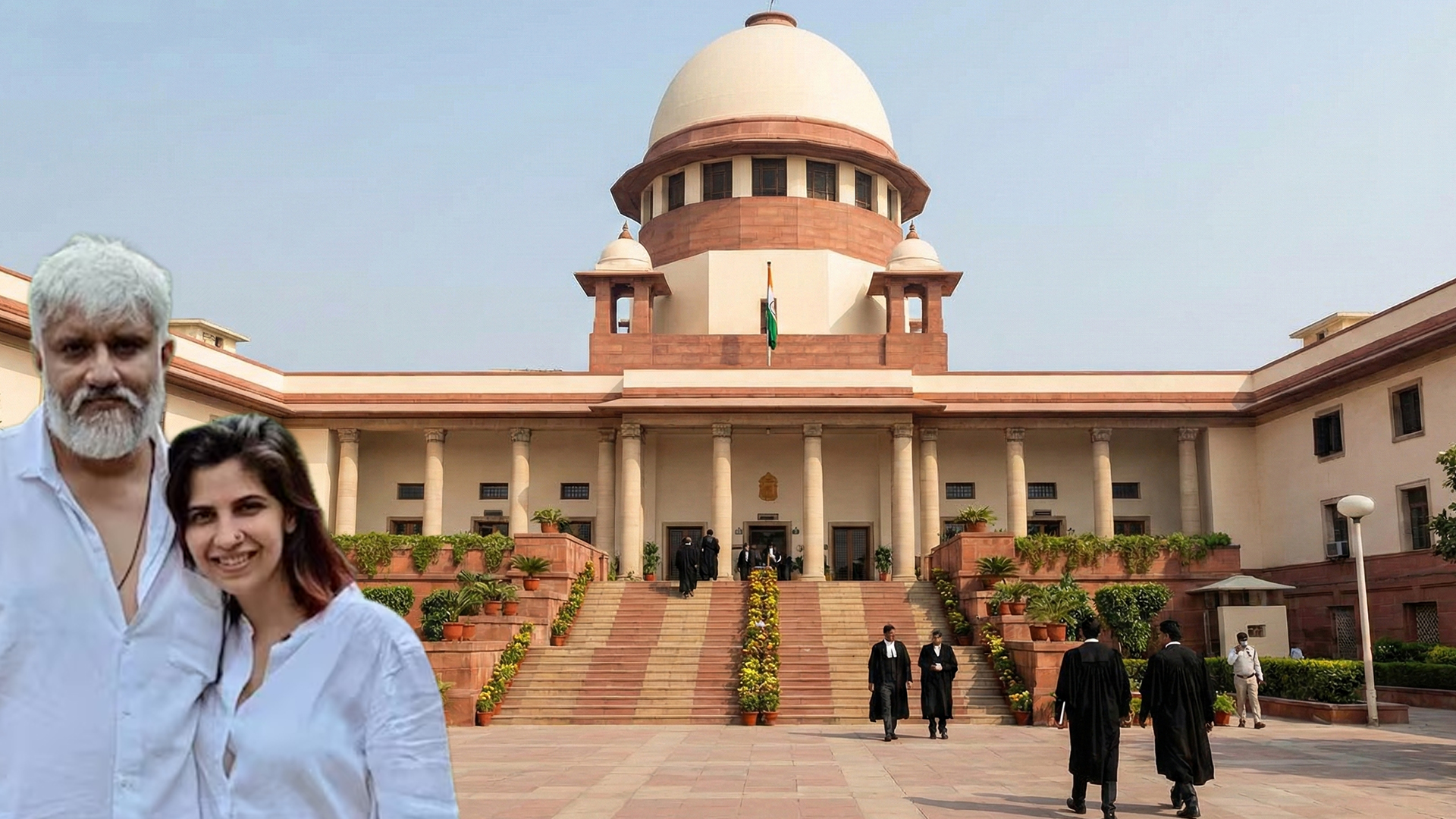
The Supreme Court of India has granted interim bail to Shwetambari Bhatt, wife of filmmaker Vikram Bhatt, in a cheating and fraud case involving alleged financial irregularities linked to film investments.

A bench comprising Justice Surya Kant and Justice Joymalya Bagchi passed the order while hearing a plea challenging the Rajasthan High Court’s earlier refusal to grant bail. The top court directed that Shwetambari Bhatt be released on interim bail upon furnishing the required bond and scheduled the matter for further hearing later this month. Notices were also issued to the Rajasthan government and the complainant.

The case arises from a complaint filed by Dr Ajay Murdia, founder of Indira IVF, who alleged that he was induced to invest around ₹30 crore in film projects that were either delayed or not completed as agreed. The complaint claims that funds meant for film production were diverted through fabricated invoices and improper transactions.

Vikram Bhatt and Shwetambari Bhatt were arrested in December 2025 and had been in judicial custody since then. Their earlier bail pleas were rejected by the Rajasthan High Court, which observed that the allegations were serious in nature.

During the hearing in the Supreme Court, senior advocate Mukul Rohatgi, appearing for the accused, argued that the matter stemmed from a commercial agreement that did not work out as expected. He submitted that criminal proceedings were being used to recover money arising from a business dispute. The bench also noted concerns about invoking criminal law in cases that appear to involve contractual disagreements.

While interim relief has been granted to Shwetambari Bhatt, the court is expected to take up related pleas, including that of Vikram Bhatt, in the coming hearings.

Also Read: India up 10 spots in 2026 passport index


Seven dead in Hoskote highway crash

SUV collides with motorcycle and truck on Satellite Town Ring Road; six students among the dead

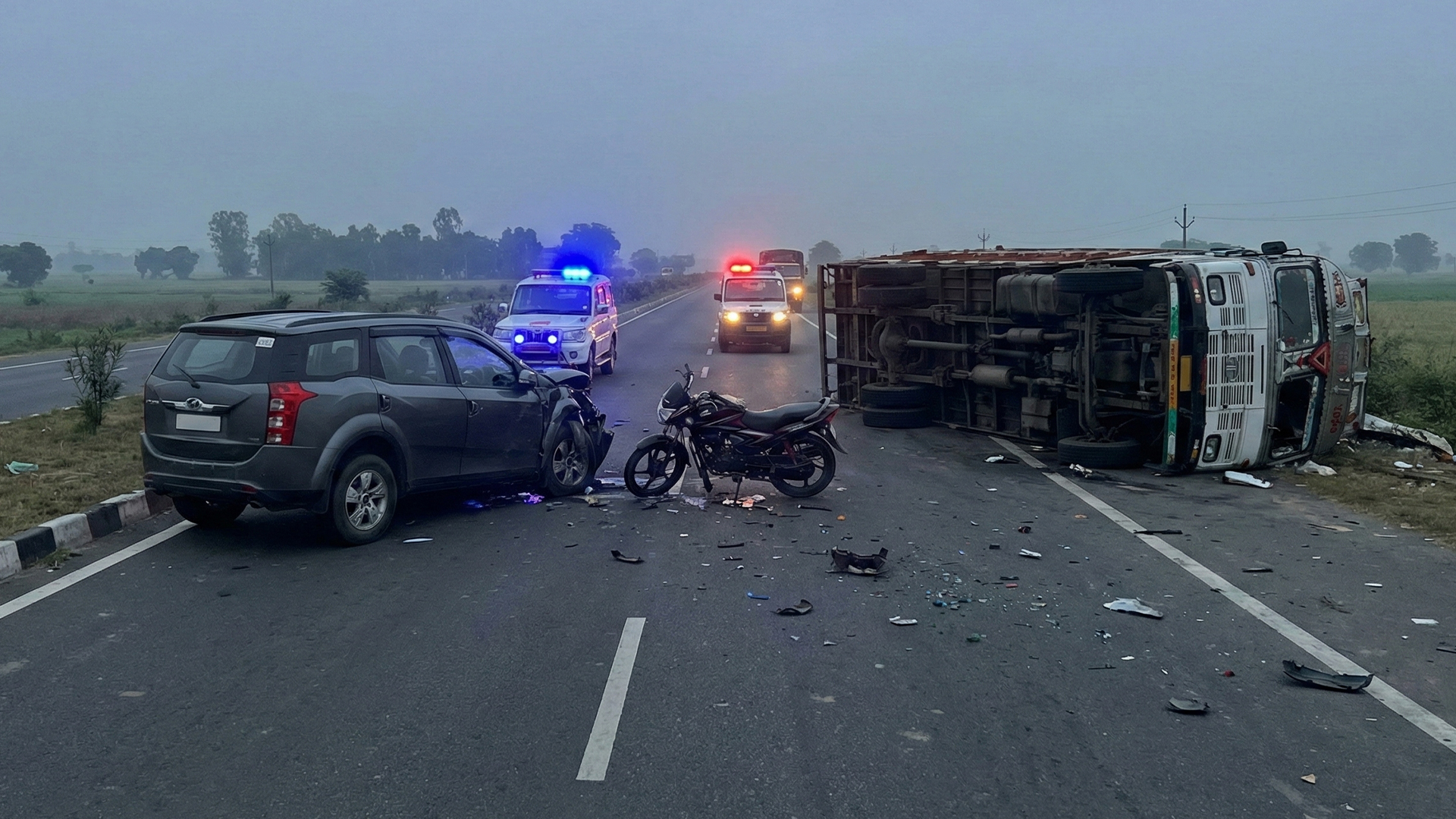
Seven people were killed in a tragic multi-vehicle accident near Hoskote on the outskirts of Bengaluru yesterday. The accident took place near M Satyavara village on the Hoskote–Dabaspete stretch of the Satellite Town Ring Road in Bengaluru Rural district.

According to police, a speeding SUV first hit a motorcycle and then lost control, crashing into a canter truck. The impact led to a chain collision involving multiple vehicles.

All seven victims died on the spot due to the severity of the crash. Among those killed were six young passengers travelling in the SUV. Most of them were reportedly students. The seventh victim was the motorcyclist who was struck in the initial collision.

Police said the SUV was travelling at high speed when the accident occurred. Preliminary investigations suggest overspeeding may have been a major cause of the crash. Authorities are also examining other possible factors, including road and visibility conditions at the time of the accident.

The bodies were shifted to Hoskote Government Hospital for post-mortem examination. Police have registered a case and further investigation is underway to determine the exact sequence of events and fix responsibility.

Also Read: AI offers big gains for jobs, governance


AI offers big gains for jobs, governance

MeitY Secretary S. Krishnan highlights skills, innovation, and public service gains

Artificial Intelligence (AI) presents major opportunities for both employment and governance in India, according to S. Krishnan, Secretary of the Ministry of Electronics and Information Technology.

Speaking about the future of AI in India, Krishnan said that while there are concerns about job losses, the country is well positioned to benefit from the technology. He acknowledged that AI can automate certain tasks, especially routine office work and data-based roles. Unlike earlier technological changes that mainly affected factory or manual jobs, AI can now perform thinking and analytical tasks, raising concerns about white-collar employment.

However, he explained that India faces lower risk compared to many developed nations because a smaller percentage of its workforce is employed in traditional white-collar jobs. At the same time, India has a strong base of science, technology, engineering, and mathematics (STEM) professionals. This gives the country an advantage in adapting to AI-driven changes.

Krishnan stressed that the solution is not to resist AI but to prepare for it. He called for large-scale upskilling and reskilling initiatives so workers can move into new roles created by AI. According to him, AI is likely to generate new jobs in areas such as software development, data analysis, AI system management, cybersecurity, and digital services.

He also highlighted AI’s role in improving governance. AI tools can help governments deliver public services more efficiently, reduce delays, and make better policy decisions through data analysis. From welfare schemes to urban planning, AI can support faster and more accurate decision-making.

Krishnan emphasized collaboration between government, industry, and educational institutions to ensure that India’s workforce is prepared for the AI era. Investment in training, innovation, and responsible AI practices will be essential to maximise benefits.

He concluded that AI should be seen as an opportunity for growth and transformation rather than a threat, provided the country focuses on building the right skills and systems.


Kerala infant donor saves 4 lives

Parents donate infant’s organs after brain death, offering hope to critically ill children in Kerala

In a heart-rending yet inspiring story from Kerala, a 10-month-old baby has become the youngest organ donor in the State, helping save four lives through organ donation.

Aalin Sherin Abraham, from Mallappally in Pathanamthitta district, sustained critical head injuries in a recent road accident. She was rushed to Amrita Hospital in Kochi, where doctors provided intensive care. However, despite all efforts, she was declared brain-dead.

Faced with immense personal loss, her parents chose to donate her organs so that other children could live. The process was coordinated by the Kerala State Organ and Tissue Transplant Organisation (K-SOTTO), which manages organ allocation and transplantation in the State.

Doctors retrieved Aalin’s liver, two kidneys, heart valve and corneas. Her liver was transplanted into a six-month-old baby in Thiruvananthapuram. The kidneys were donated to another child undergoing treatment at a government medical college hospital. Her heart valve was sent to the Sree Chitra Tirunal Institute for Medical Sciences and Technology for use in a life-saving procedure, while her corneas were handed over to an eye bank to help restore vision.

Medical teams and police officials worked together to ensure quick transport of the organs to various hospitals, as timely transplantation is critical for success.

Kerala Health Minister Veena George commended the parents for their courage and generosity during a moment of profound grief. Doctors said the case underlines the importance of organ donation awareness and the powerful difference one decision can make.

Also Read: NASA picks ‘Vast’ for ISS mission