rotating globe
6 Apr 2026


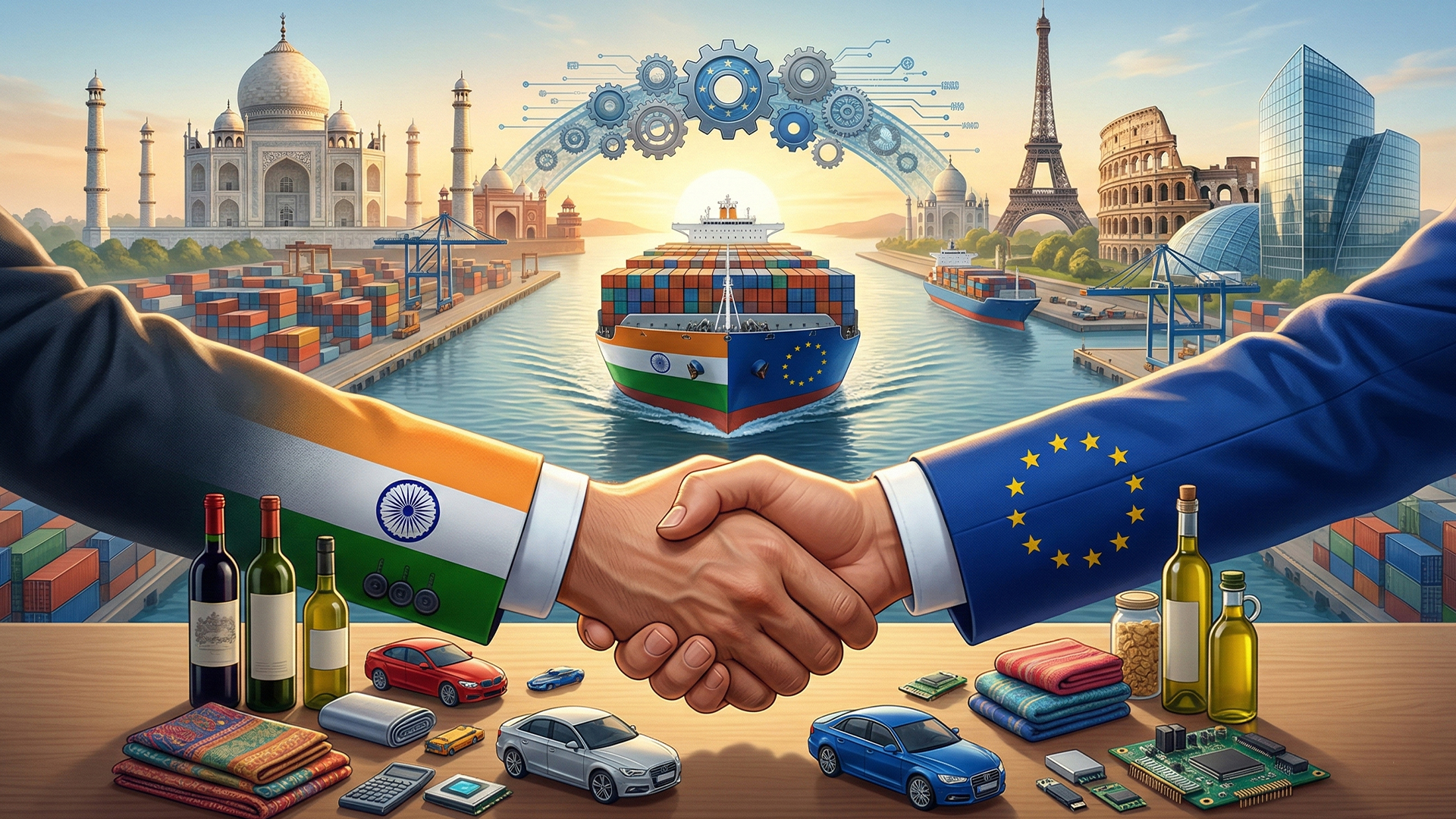
India, EU seal 5 yr MFN deal

Trade agreement promises lower tariffs, easier business rules

India and the European Union have agreed to grant each other Most Favoured Nation (MFN) status for five years under their newly finalised free trade agreement, marking a significant step in strengthening economic ties between the two sides.

MFN status means that neither partner can offer better trade terms to another country without extending the same benefits to the other. In simple terms, India and the EU have promised to treat each other as preferred trading partners during the five-year period once the agreement takes effect.

The broader Free Trade Agreement (FTA), concluded after years of negotiations, aims to reduce or remove tariffs on the majority of goods traded between the two economies. Officials say nearly all goods by value will see lower duties, making products more competitive in each other’s markets. However, certain sensitive agricultural items such as dairy and sugar will remain protected.

Beyond tariff cuts, the agreement focuses on making trade smoother. Both sides have pledged to simplify customs procedures, improve transparency and align regulations where possible. This could help businesses move goods faster and with fewer bureaucratic hurdles.

The deal also includes commitments in emerging areas such as digital trade. India and the EU plan to support secure online transactions, encourage paperless documentation and cooperate on regulatory standards, while maintaining their respective data protection frameworks.

Together, India and the EU represent a vast consumer base and a significant share of global economic output. Supporters of the agreement say it could boost exports, attract investment and create new opportunities for companies on both sides.

Before the pact becomes operational, it must be ratified by India’s Parliament and the European Parliament. If approved, the five-year MFN arrangement is expected to deepen commercial engagement and provide greater predictability for businesses navigating an increasingly uncertain global trade environment.

Also Read: Astronaut’s health scare ends ISS mission early

Astronaut’s health scare ends ISS mission early

Veteran spaceflyer Mike Fincke says he is recovering well after early mission end

A routine mission aboard the International Space Station took an unexpected turn when a medical issue forced NASA to bring an astronaut home early for the first time due to health concerns in orbit.

Veteran astronaut Mike Fincke has now confirmed that he was the crew member who needed urgent medical attention during the Crew-11 mission in January. The problem emerged while the team was preparing for a spacewalk. Fellow astronauts quickly assisted him as flight surgeons on the ground monitored his condition.

Although NASA has not disclosed specific details about the illness, doctors determined that Fincke required advanced tests and care that could not be carried out in space. As a precaution, the agency decided to cut short the mission and bring the crew back to Earth.

Fincke and his teammates, including NASA astronaut Zena Cardman, Japan’s Kimiya Yui and Russian cosmonaut Oleg Platonov, returned aboard a SpaceX Crew Dragon capsule, splashing down safely in the Pacific Ocean earlier than planned. The mission had been scheduled to last longer, but safety considerations took priority.

Speaking after his return, Fincke said he is “doing very well” and expressed gratitude to his crewmates and medical teams. He is currently undergoing routine recovery and evaluation at NASA’s Johnson Space Center in Houston.

The incident marked a milestone for NASA, highlighting both the challenges of long-duration spaceflight and the limits of medical care in orbit. While astronauts receive extensive medical training and the space station is equipped for many emergencies, certain diagnostics and treatments remain possible only on Earth.

Also Read: Trump orders halt to Anthropic AI in federal agencies

Kolkata shaken by Bangladesh earthquake

5.4–5.5 magnitude tremor triggers panic but no damage reported

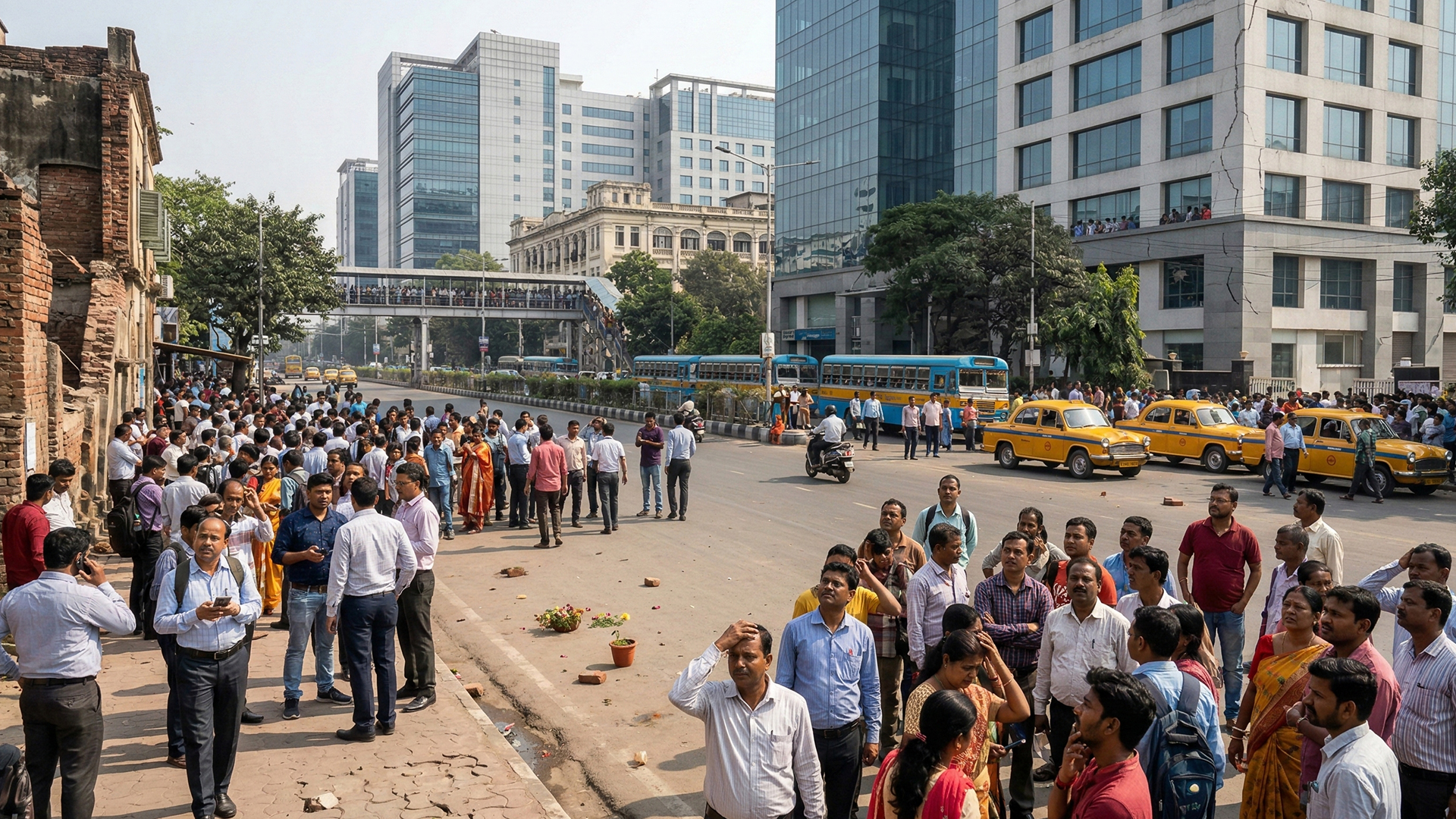
A moderate earthquake measuring between 5.4 and 5.5 on the Richter scale struck parts of Bangladesh on Friday afternoon, with tremors strongly felt in Kolkata and nearby areas of West Bengal.

According to preliminary seismic reports, the quake occurred at around 1:22 pm IST at a shallow depth of nearly 10 kilometres. The epicentre was located in southwestern Bangladesh, close to the Khulna region, roughly 100 kilometres from Kolkata. Because of its shallow depth, the tremors were clearly felt across high-rise buildings and residential neighbourhoods in the city.

Residents reported furniture shaking, ceiling fans swaying and windows rattling for several seconds. Many people in offices, apartments and commercial establishments rushed out into open spaces as a precaution. Visuals shared online showed office-goers and residents gathering on streets shortly after the tremors.

Though the shaking caused brief panic, there were no immediate reports of casualties or structural damage in Kolkata or surrounding districts. Authorities said the situation was being monitored, and disaster management teams remained alert in case of aftershocks.

The tremor also disrupted normal activity briefly in parts of the city, with some educational institutions and workplaces pausing operations as occupants evacuated buildings. The shaking was more noticeable in taller structures, where several residents described the impact as “strong but short”.

Eastern India, including West Bengal, often feels tremors originating from neighbouring Bangladesh and other seismically active zones in the region. Friday’s quake once again highlighted the area’s vulnerability to moderate seismic activity.

Also Read: CBI moves HC against Kejriwal’s clearing

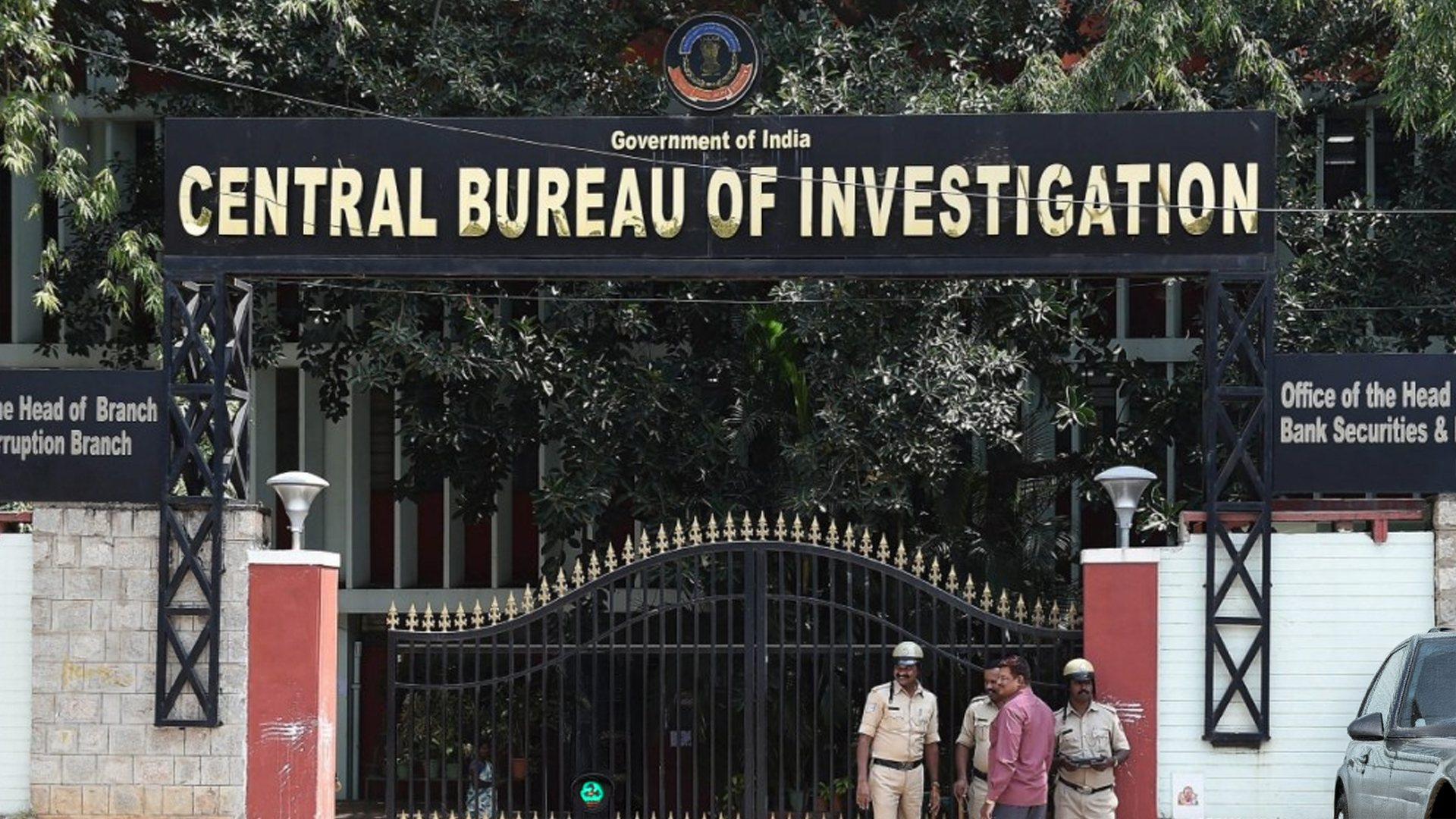
CBI moves HC against Kejriwal’s clearing

Agency challenges trial court order clearing Kejriwal, Sisodia and 21 others in Delhi excise policy case

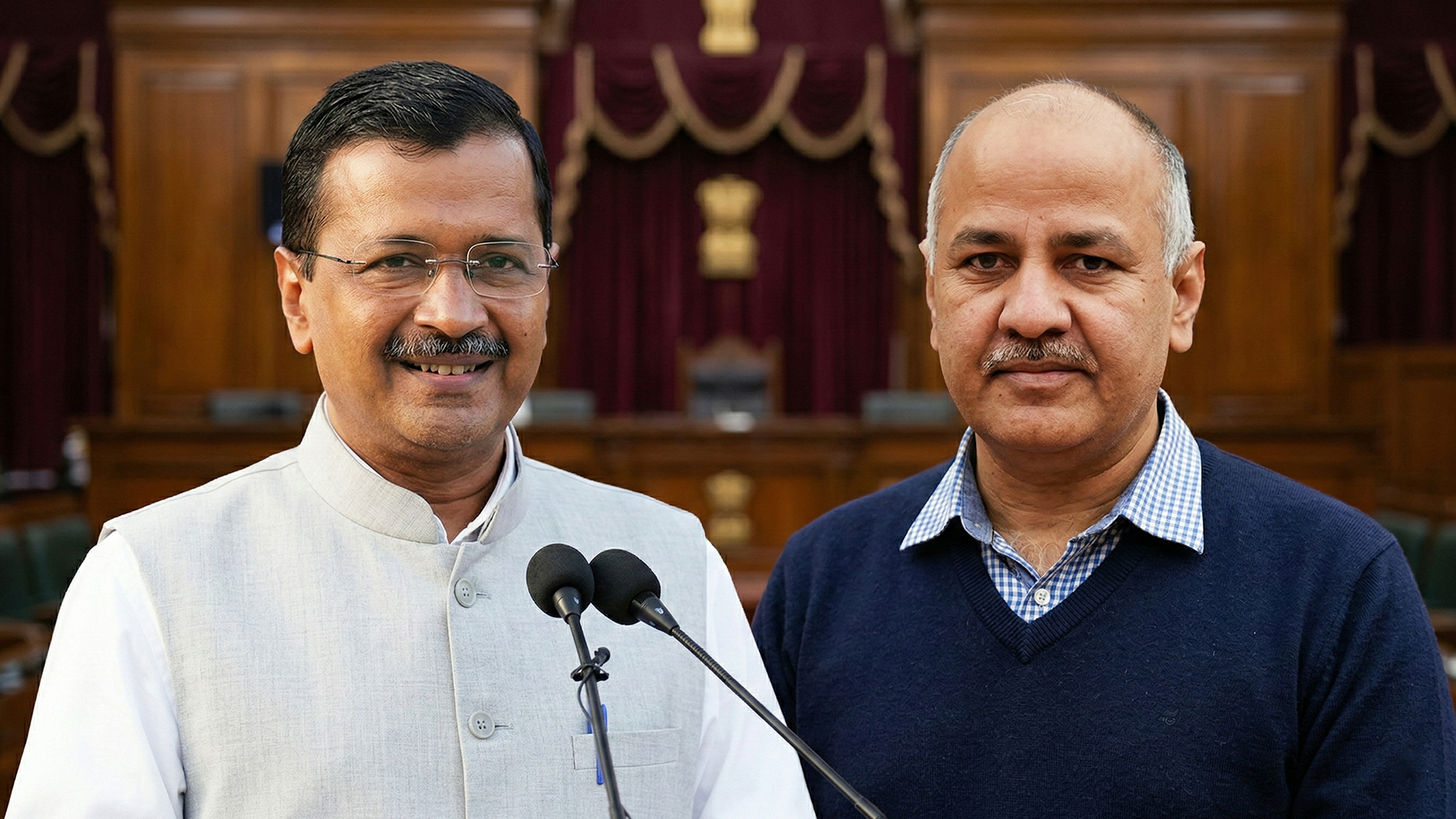
The Central Bureau of Investigation (CBI) has approached the Delhi High Court challenging a trial court order that cleared former Delhi Chief Minister Arvind Kejriwal, former Deputy Chief Minister Manish Sisodia and 21 others in the alleged Delhi excise policy scam.


Instagram expands teen safety tools

New safety feature rolls out amid rising scrutiny over social media and youth mental health

Instagram has introduced a new feature aimed at helping parents spot potential emotional distress in teenagers by alerting them when their child conducts repeated searches for terms linked to suicide or self-harm on the platform. The move reflects growing concern about the intersection of young people’s mental health and social media use.

Under the new system, parents who have enabled Instagram’s parental supervision tools will receive notifications if their teen enters multiple search queries that include keywords associated with self-injury or suicidal thoughts over a short period. The alerts are designed to highlight patterns of worrying behaviour rather than single, isolated searches; Instagram says it will only flag activity that meets a threshold indicating possible risk.

Once an alert is issued, parents will see contextual information and links to third-party mental health resources intended to help them talk to their child about what they’re experiencing. Notifications can be delivered via Instagram itself or through other methods such as email or text, depending on the parent’s preferences.

This addition builds on existing protections: Instagram already blocks content that appears to promote self-harm and directs users who make certain searches to support resources. The new alert function goes a step further by notifying caregivers outside the platform if concerning patterns emerge.

Initially, the update is launching in several countries, with wider availability slated throughout the year. Meta says it is also exploring future expansions that could include alerts based on interactions with AI tools around similar topics.

Child safety advocates have offered mixed feedback. Some welcome the greater transparency and early intervention potential. Others are wary, suggesting that giving parents notification responsibility may not be sufficient without broader changes to how social media platforms handle sensitive content.

The rollout occurs against a backdrop of increased scrutiny of social media’s mental health impact on young users. Meta continues to face pressure from parents, lawmakers and mental health groups to introduce stronger safeguards, even as it maintains that the relationship between social media and teen wellbeing is multifaceted and not fully understood.

Also Read: Trump orders halt to Anthropic AI in federal agencies

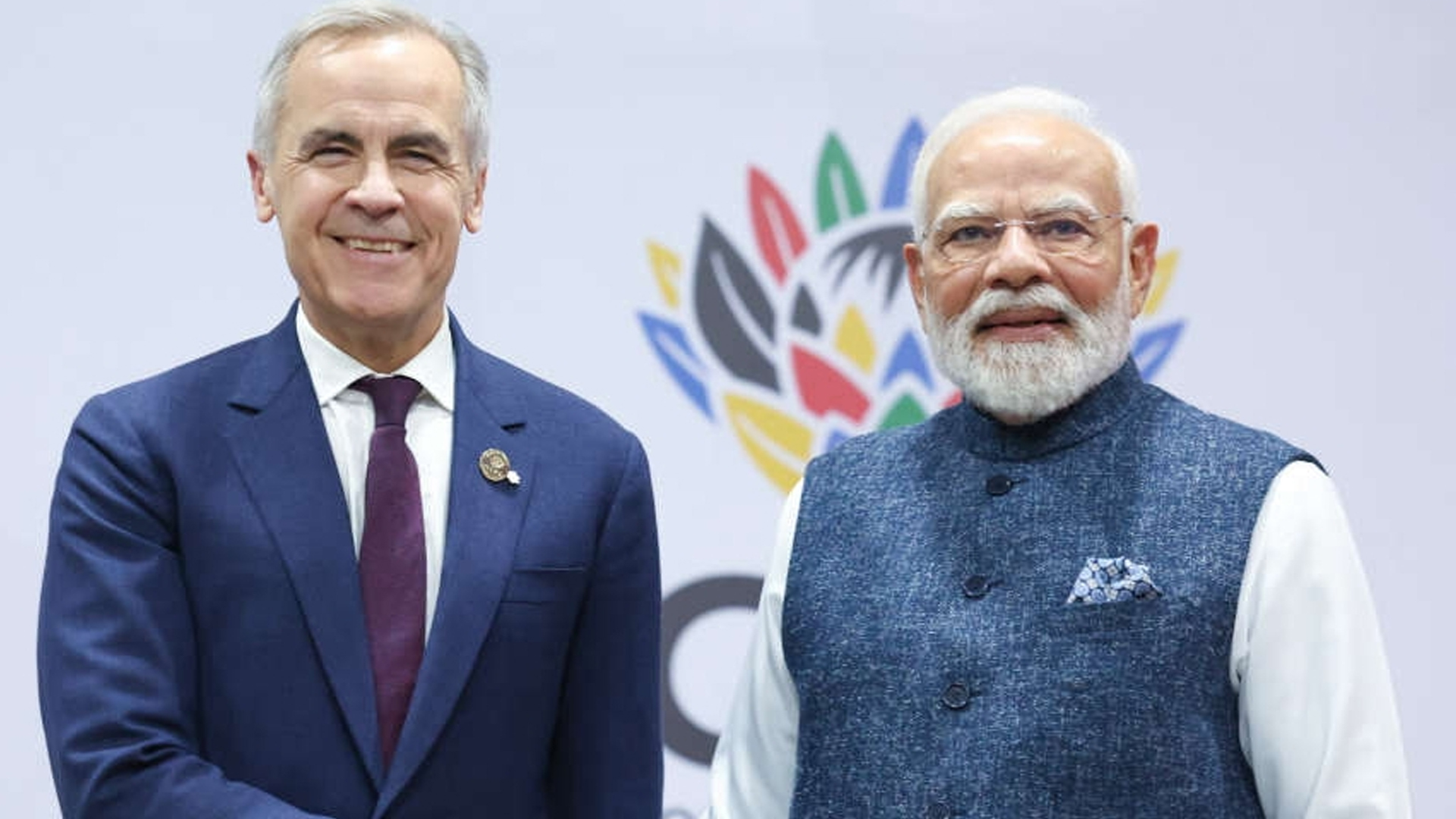
Canadian PM Mark Carney begins India visit

Mark Carney

Canadian Prime Minister Mark Carney has arrived in India for a four-day official visit aimed at strengthening business ties and giving fresh momentum to trade negotiations between the two countries.

Mr. Carney began his visit in Mumbai, India’s financial capital, where he is meeting leading industrialists, investors and representatives from key sectors. The focus of these discussions is to expand bilateral trade, encourage greater investment flows and build partnerships in emerging areas such as clean energy, artificial intelligence, critical minerals, education and advanced manufacturing.

The Canadian Prime Minister will travel to New Delhi for delegation-level talks with Prime Minister Narendra Modi. The two leaders are expected to review the overall bilateral relationship and explore ways to strengthen economic cooperation under the India-Canada Strategic Partnership. A major item on the agenda is reviving and advancing negotiations for a Comprehensive Economic Partnership Agreement (CEPA), which aims to significantly boost two-way trade.

India and Canada share strong complementarities. Canada is rich in natural resources, including critical minerals and energy supplies, while India represents one of the world’s fastest-growing large markets with expanding demand for energy, technology and infrastructure investment. Officials from both sides have indicated that there is considerable scope to scale up cooperation in clean energy, agri-food trade, technology collaboration and supply chain resilience.

Bilateral trade between the two countries currently stands at around USD 30 billion, and both governments are looking at substantially increasing this figure over the coming years. Greater engagement between businesses and industry bodies is seen as key to achieving this goal.

The visit comes at a time when both nations are seeking to stabilise ties and move towards a more forward-looking, economically driven partnership. For Canada, it is also part of a broader effort to diversify trade partnerships in the Indo-Pacific region, while for India, it aligns with its push to attract investment and strengthen global economic linkages.

Also Read: I& B minister seeks fair pay, safer internet


Arvind Kejriwal cleared in liquor policy case

A Delhi court acquits Arvind Kejriwal and Manish Sisodia. CBI says it will challenge the verdict

After months of court hearings, political attacks and time spent in jail, former Delhi Chief Minister Arvind Kejriwal broke down in tears on Friday as a city court cleared him in the Delhi excise policy case. Standing outside the courtroom, visibly emotional, he said the verdict proved that “truth has prevailed.”

The judgment was delivered by the Rouse Avenue Court, which acquitted Kejriwal, former Deputy Chief Minister Manish Sisodia, and other accused in the case. The court said the prosecution had failed to establish evidence of criminal conspiracy or corruption in the now-scrapped 2021-22 liquor policy.

The case had triggered a major political storm. Allegations surfaced that the excise policy unfairly benefited certain liquor traders, prompting an investigation by the Central Bureau of Investigation. Separate probes under money-laundering laws were also launched. Both Kejriwal and Sisodia were arrested at different stages, turning the case into one of the most high-profile political investigations in recent years.

For supporters of the Aam Aadmi Party (AAP), Friday’s verdict was a moment of relief. Party workers gathered outside the court, celebrating and hugging each other as the news spread. Many described the decision as vindication after what they called a long and difficult period.

However, the legal chapter may not be fully closed. The CBI has announced it will challenge the acquittal in a higher court, arguing that there are grounds to contest the decision.

The excise policy case had dominated headlines and shaped political debate in Delhi, affecting governance and election narratives. With the court clearing the former leaders, attention now shifts to the possibility of an appeal and its wider political consequences.

For Kejriwal and Sisodia, the ruling marks a significant personal and political turning point after a prolonged legal battle that deeply impacted their careers and public image.

Also Read: Piyush Goyal meets US Commerce Secretary

Minister seeks fair pay, safer internet

Ashwini Vaishnaw asks tech firms to share revenue and ensure responsible content practices

In a message that resonated with journalists, creators and everyday internet users alike, Union Minister Ashwini Vaishnaw has urged digital platforms to act more responsibly and treat content creators fairly.

Speaking at an industry gathering, Vaishnaw said social media and large tech platforms are no longer just neutral technology companies. For millions of Indians, they are the main source of news, entertainment and public debate. With that influence, he said, comes responsibility.

At the heart of his message was a simple concern: the people who create content,  reporters, video makers, writers, artists and independent publishers, often do not receive a fair share of the revenue their work generates. Advertising and user engagement bring significant earnings to platforms, but many creators struggle to sustain themselves. Vaishnaw said this imbalance needs to change to ensure quality journalism and creative work can survive in the digital age.

He also raised concerns about the growing use of artificial intelligence to create synthetic or “deepfake” content. Referring to videos or audio clips that imitate real people, he said such material must not be created or shared without consent. For victims of deepfakes, the damage can be personal and lasting, affecting reputations, careers and mental well-being.

The minister stressed that protecting children and vulnerable users should be a priority. Online spaces, he said, must be safer and more accountable. If platforms do not voluntarily adopt fair revenue models and stronger content safeguards, the government may consider regulatory measures, as seen in other countries.

For many creators and users listening, the message felt personal. Behind every post, article or video is a human being whose effort deserves recognition and fairness.

Also Read: L&T workers’ protest at Hazira turns violent