rotating globe
9 Apr 2026


NASA picks ‘Vast’ for ISS mission

Four private astronauts to fly to the International Space Station by summer 2027 under NASA’s sixth commercial crew mission

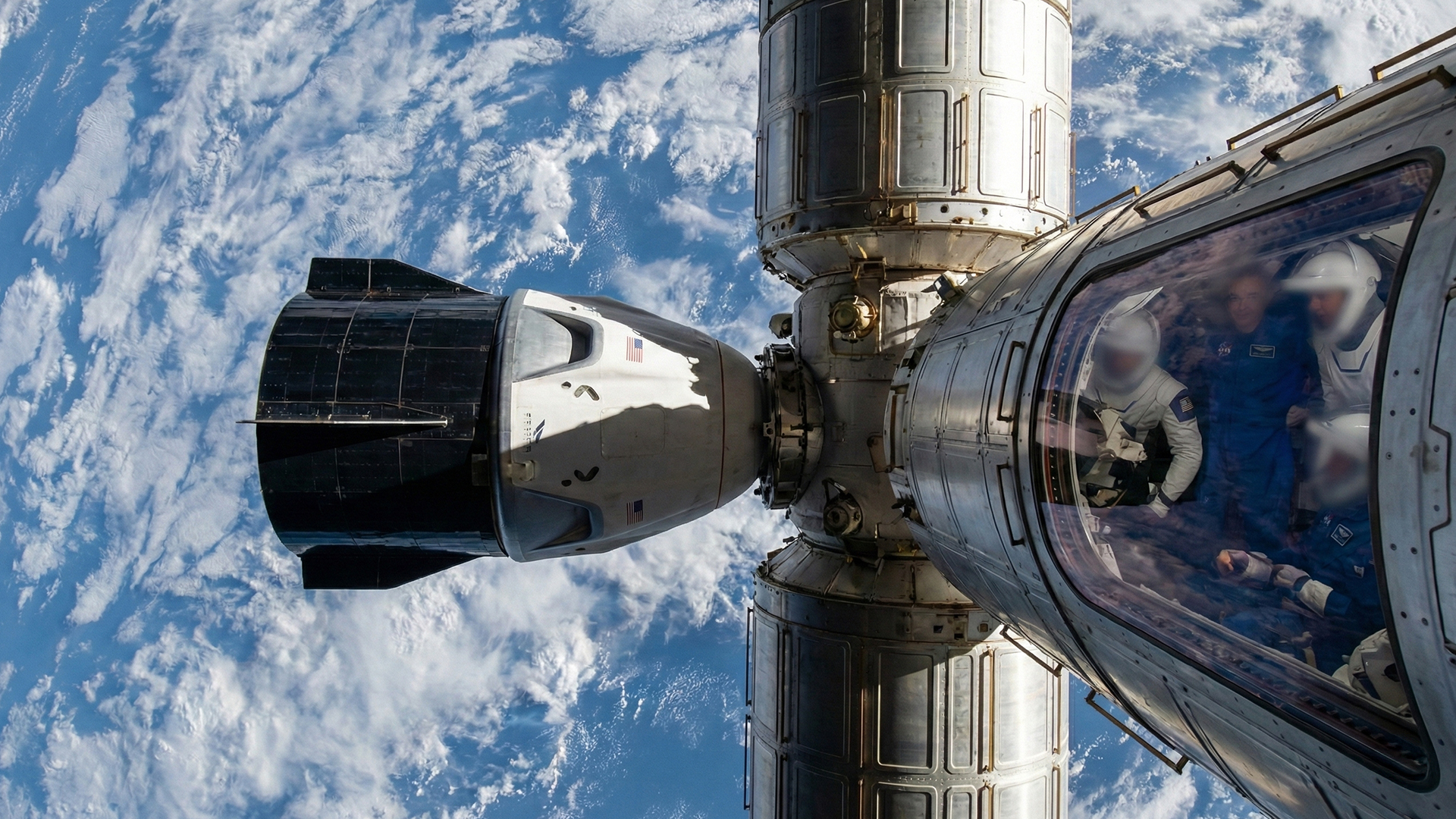
NASA has signed an agreement with US-based space company Vast for its sixth private astronaut mission to the International Space Station (ISS). The mission is targeted for launch no earlier than summer 2027.

Under the deal, Vast will arrange a four-member private astronaut crew. The proposed crew will be subject to NASA and its international partners’ approval. Once selected, the astronauts will undergo extensive training with NASA and launch partner SpaceX.

The mission is expected to launch aboard a Falcon 9 rocket using SpaceX’s Crew Dragon spacecraft from Florida. After reaching the ISS, the private astronauts will spend up to 14 days in orbit. During their stay, they will conduct scientific experiments, technology demonstrations, and commercial research, besides participating in outreach activities.

NASA will provide key support services for the mission, including crew supplies, in-orbit resources, cargo handling, and access to station systems. In exchange, the agency will receive the capability to return scientific research samples, including those requiring cold storage, back to Earth.

The agreement is part of NASA’s broader strategy to open low Earth orbit to commercial players. As the ISS is expected to retire around 2030, NASA aims to transition from operating the station to becoming a customer of privately developed space stations.

Vast is also developing its own commercial space station, called Haven-1, which it plans to launch later this decade. The upcoming private astronaut mission will provide the company with valuable operational experience in human spaceflight.

Also Read: US talks Venezuela oil post Maduro’s ouster
 

NVIDIA and Amazon collaborate for ease

Stream PC games at 1080p60 on Fire TV devices, no console needed

NVIDIA has launched GeForce NOW on Amazon Fire TV Stick, letting users play PC games on their TVs without a console or gaming PC. The service streams games from NVIDIA’s cloud servers, so all processing happens remotely, while the gameplay is sent over the internet.

Supported Fire TV devices include Fire TV Stick 4K Plus (2nd Gen) and Fire TV Stick 4K Max (1st & 2nd Gen). Players need a compatible controller and a stable internet connection to enjoy smooth gameplay. The games stream at 1080p resolution and 60 frames per second, giving TV viewers clear and responsive performance.

Gamers can access titles from popular PC stores like Steam, Epic Games Store, and Battle.net. NVIDIA also added eight new games to the service, including Kingdom Come: Deliverance, Mega Man 11, and the Street Fighter 30th Anniversary Collection.

This launch brings cloud gaming into living rooms, letting people enjoy console-like experiences without extra hardware. Currently, Fire TV streaming is limited to 1080p and does not support HDR or 4K, but it offers an entry-level way to experience PC gaming on a TV.

By expanding to Fire TV, NVIDIA can compete with other cloud gaming platforms like Amazon Luna and Xbox Cloud Gaming, which also focus on TV streaming. The service is rolling out globally, but it is not yet available in India, with plans to expand regionally in the future.

With just a Fire TV Stick, a controller, and an internet connection, players can access hundreds of PC games from the comfort of their living rooms. NVIDIA’s move makes cloud gaming more accessible and affordable, signaling a growing trend in TV-based gaming for casual and dedicated gamers alike.

Also Read: Chinnaswamy stadium cleared for IPL 2026

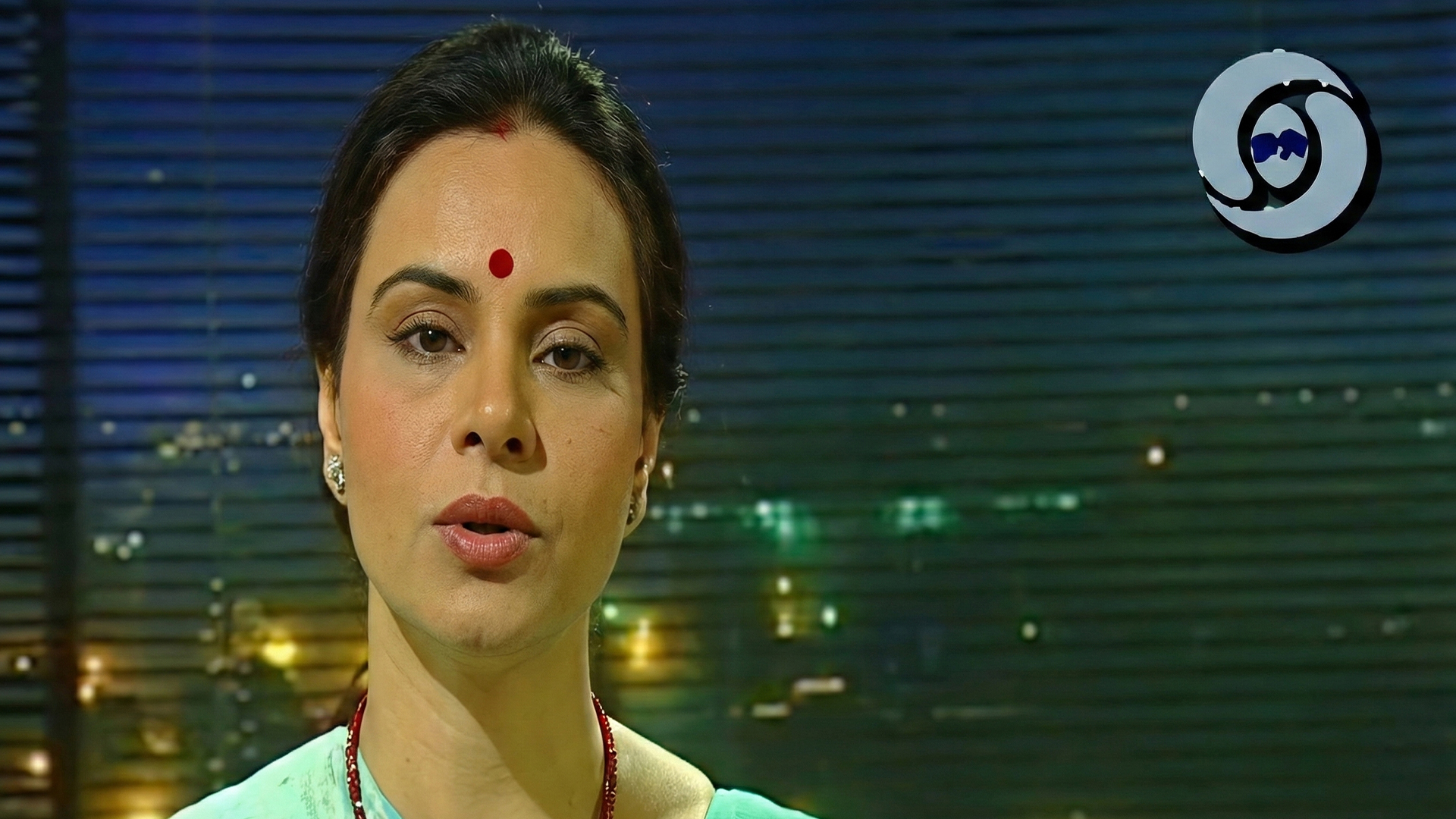
Veteran Doordarshan anchor Sarla Maheshwari dies at 71

Celebrated TV newsreader remembered for her calm delivery and trusted presence

Veteran news anchor Sarla Maheshwari, one of the most recognised faces of Doordarshan, passed away in New Delhi at the age of 71. Her death has prompted an outpouring of tributes from colleagues, viewers and the wider media fraternity.

Maheshwari began her journey with Doordarshan in 1976 as an announcer while pursuing her doctoral studies. At a time when television news in India was still evolving, she quickly became a familiar presence in households across the country. Her calm voice, flawless diction and composed on-screen manner earned her deep respect and credibility among viewers.

For nearly three decades, she was a regular face on Hindi news bulletins, especially during the 1980s and 1990s when Doordarshan was the primary source of televised news in India. In an era before the rise of private news channels, her presence symbolised reliability and dignity in journalism.

Doordarshan paid tribute to her, remembering her as a graceful and dependable broadcaster who carved a special place in the history of Indian television news. Former colleague Shammi Narang and several other media professionals expressed sorrow, recalling her warmth, professionalism and command over language.

Her last rites were held in Delhi. Many viewers described her passing as the end of a golden chapter in public broadcasting, remembering her not just as a newsreader, but as a voice that guided the nation through decades of change.

Also Read: India, US advance interim trade pact

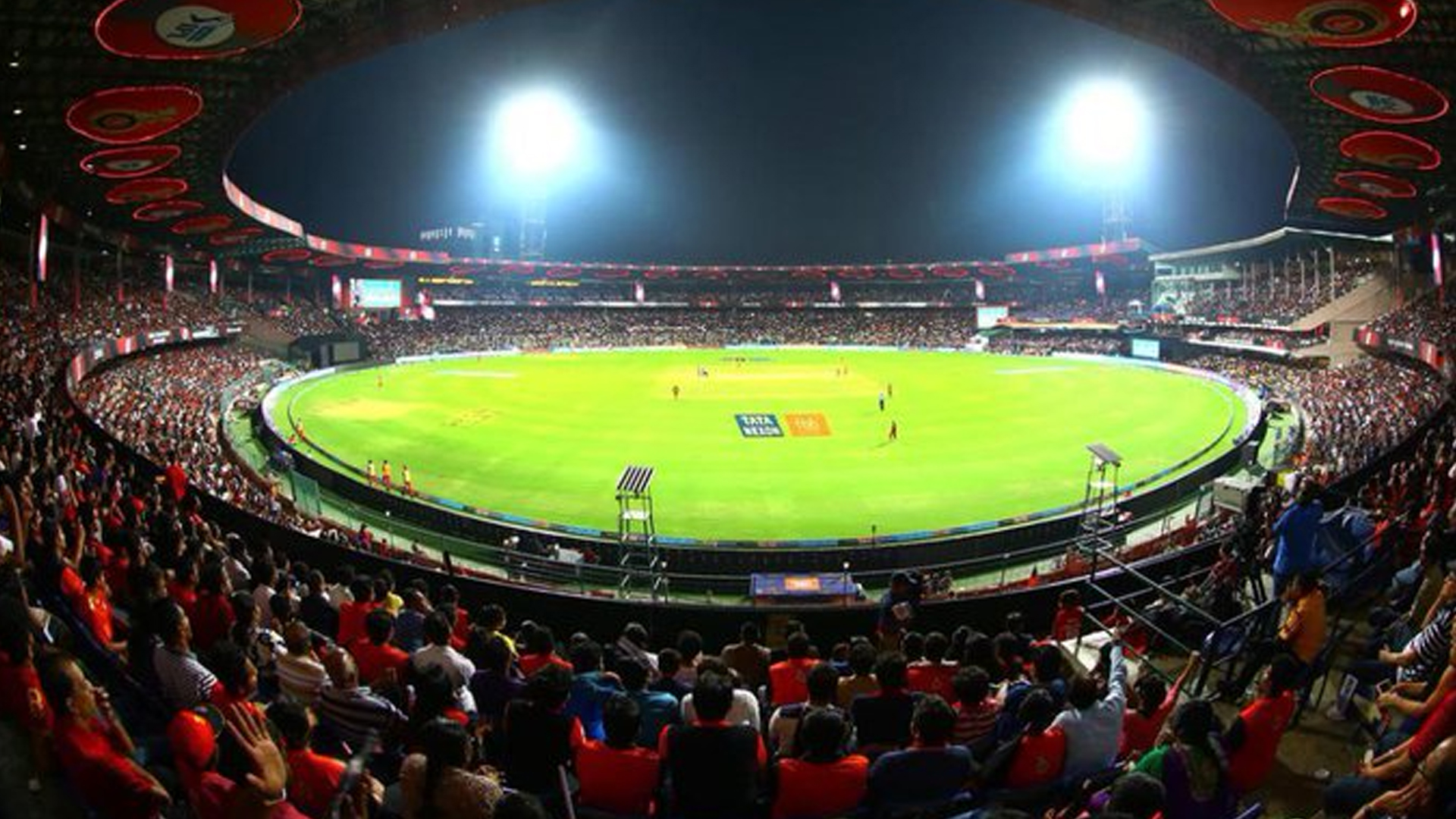
Chinnaswamy stadium cleared for IPL 2026

Karnataka allows RCB’s home ground to reopen with strict safety measures after 2025 stampede

The M. Chinnaswamy Stadium is set to host matches of the Indian Premier League in the 2026 season after receiving formal approval from the Karnataka Cabinet. The decision comes eight months after the venue was barred from hosting major events following a tragic stampede in June 2025 that claimed 11 lives during celebrations linked to the Royal Challengers Bengaluru.

The state government had suspended large gatherings at the stadium while an inquiry examined what went wrong. A probe led by the Justice John Michael D’Cunha Commission reviewed the circumstances surrounding the incident and recommended stronger crowd control systems, better coordination between agencies, and structural upgrades.

After reviewing these findings, the cabinet granted conditional clearance for IPL matches beginning in March 2026. Authorities have stressed that the approval is subject to strict compliance with new safety norms. These include improved entry and exit management, clearer evacuation plans, upgraded surveillance systems, and higher deployment of police and emergency services during matches.

State Home Minister G. Parameshwara said the government’s priority is ensuring that such a tragedy is never repeated. He clarified that while cricket can return, public celebrations and large non-match gatherings at the stadium will be assessed separately.

In the months following the incident, several fixtures that were originally scheduled in Bengaluru were shifted to other cities. The reopening of the stadium is being seen as a major relief for fans and local businesses that depend on match-day crowds. However, officials have made it clear that safety will remain central to every event plan.

Also Read: Seattle to pay ₹262 cr in Jaahnavi death case

Seattle to pay ₹262 cr in Jaahnavi death case

Family settles lawsuit nearly three years later. Father passed away few days earlier

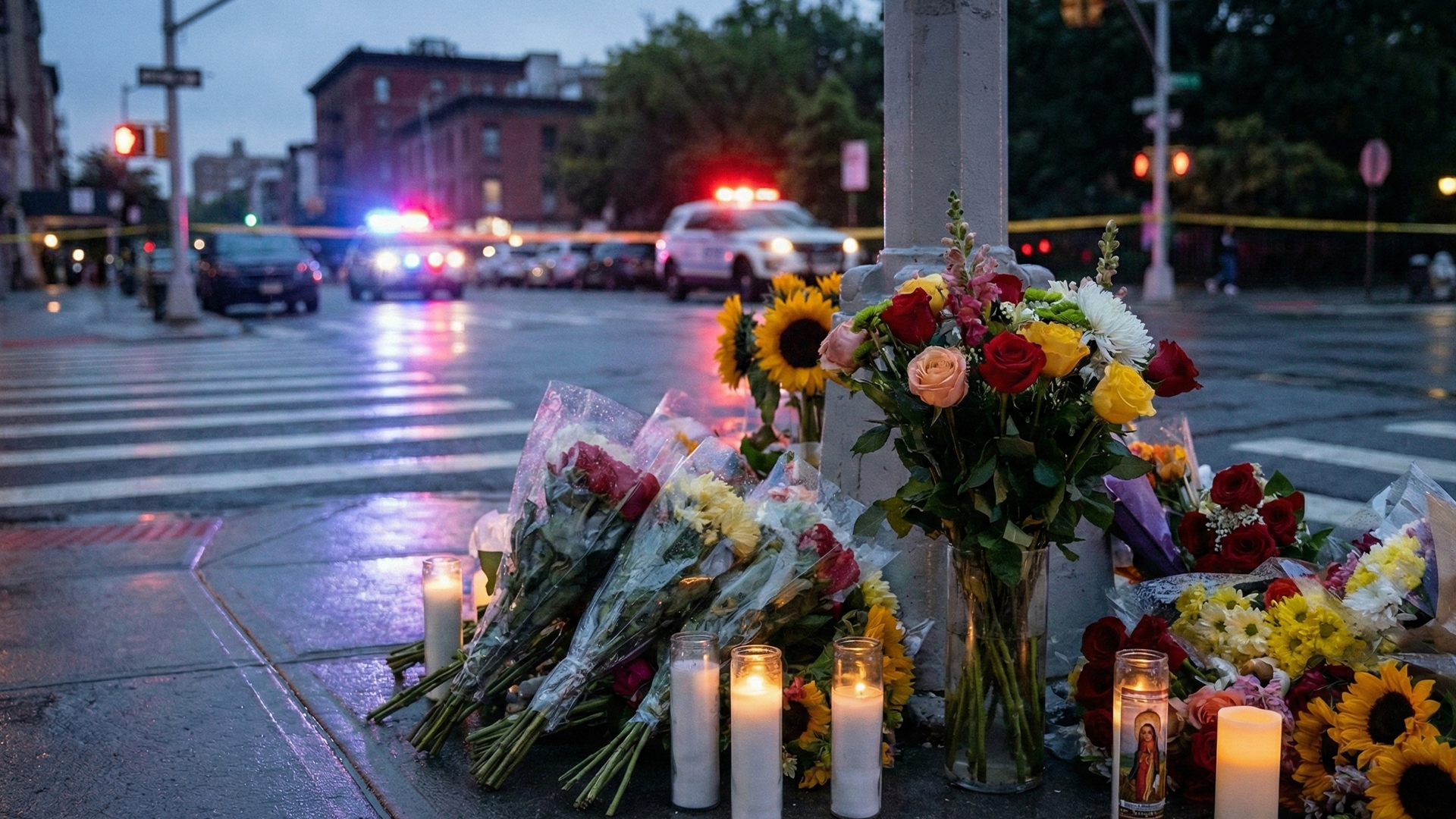
The family of 23-year-old Indian student Jaahnavi Kandula has been awarded a $29 million (around ₹262 crore) settlement by the city of Seattle, nearly three years after she was killed in a crash involving a police vehicle.

Jaahnavi, a student from Andhra Pradesh, was pursuing her master’s degree at the Seattle campus of Northeastern University when the incident took place on January 23, 2023. She was crossing the road when a police patrol car, responding to an emergency call, hit her at high speed. Reports said the vehicle was travelling far above the speed limit. She died at the scene.

The case sparked outrage both in India and the United States after body camera footage surfaced showing a police officer making insensitive remarks and laughing about the incident. The comments triggered widespread criticism and renewed debate over police conduct and accountability.

In 2024, Jaahnavi’s family filed a wrongful death lawsuit against the city, initially seeking $110 million in damages. After negotiations, the city agreed to settle for $29 million. A large portion of the amount is expected to be covered by insurance.

In a tragic development, Jaahnavi’s father, Kandula Srikanth, died of a heart attack just two days before news of the settlement became public. Family members said he had been under immense emotional stress since his daughter’s death and had been closely following the legal proceedings.

Jaahnavi is survived by her mother and younger sister. While the financial settlement brings a legal end to the case, it cannot undo the loss.

Also Read: India to get zero-duty textile access in US

Trump scraps US climate rule, ends car emission norms

EPA withdraws key greenhouse gas finding; legal battle likely

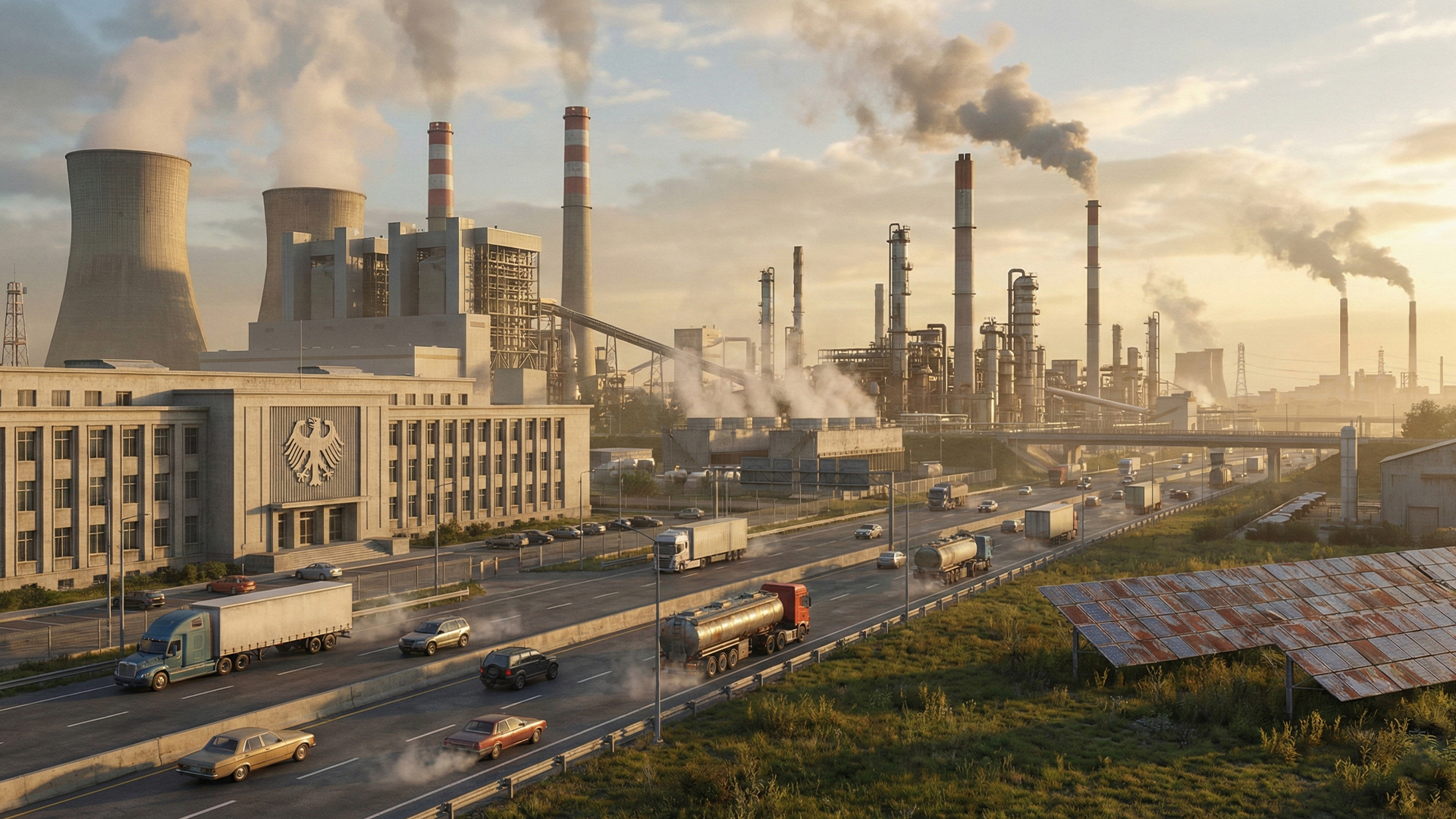
In a sweeping policy shift, the administration of Donald Trump has revoked the legal foundation that allowed the United States government to regulate greenhouse gas emissions. The move also ends federal vehicle emission standards aimed at cutting pollution from cars and light trucks.

At the centre of the decision is the 2009 “endangerment finding,” issued by the Environmental Protection Agency (EPA). That finding concluded that greenhouse gases such as carbon dioxide and methane pose a threat to public health and welfare. It gave the EPA authority under the Clean Air Act to regulate emissions linked to climate change.

The Trump administration described the rollback as one of the largest deregulatory actions in U.S. history. Officials said removing these rules would reduce regulatory burdens on industries and lower costs for consumers and automakers. The EPA estimates significant financial savings from ending compliance requirements tied to monitoring and limiting emissions.

The decision also cancels federal vehicle emission standards covering model years from 2012 onward. These rules had pushed carmakers to improve fuel efficiency and invest in cleaner technologies, including electric vehicles.

However, environmental groups and climate scientists have strongly criticised the move. They argue that scrapping the endangerment finding weakens decades of environmental protections and could lead to higher pollution levels, worsening respiratory illnesses and slowing efforts to combat global warming.

Legal experts say the decision is likely to face court challenges. The U.S. Supreme Court had earlier upheld the EPA’s authority to regulate greenhouse gases, making this rollback legally sensitive and potentially contentious.

Also Read: India, US advance interim trade pact

US and Taiwan trade pact cuts tariffs

Agreement cuts barriers, boosts chip investments and narrows trade gap

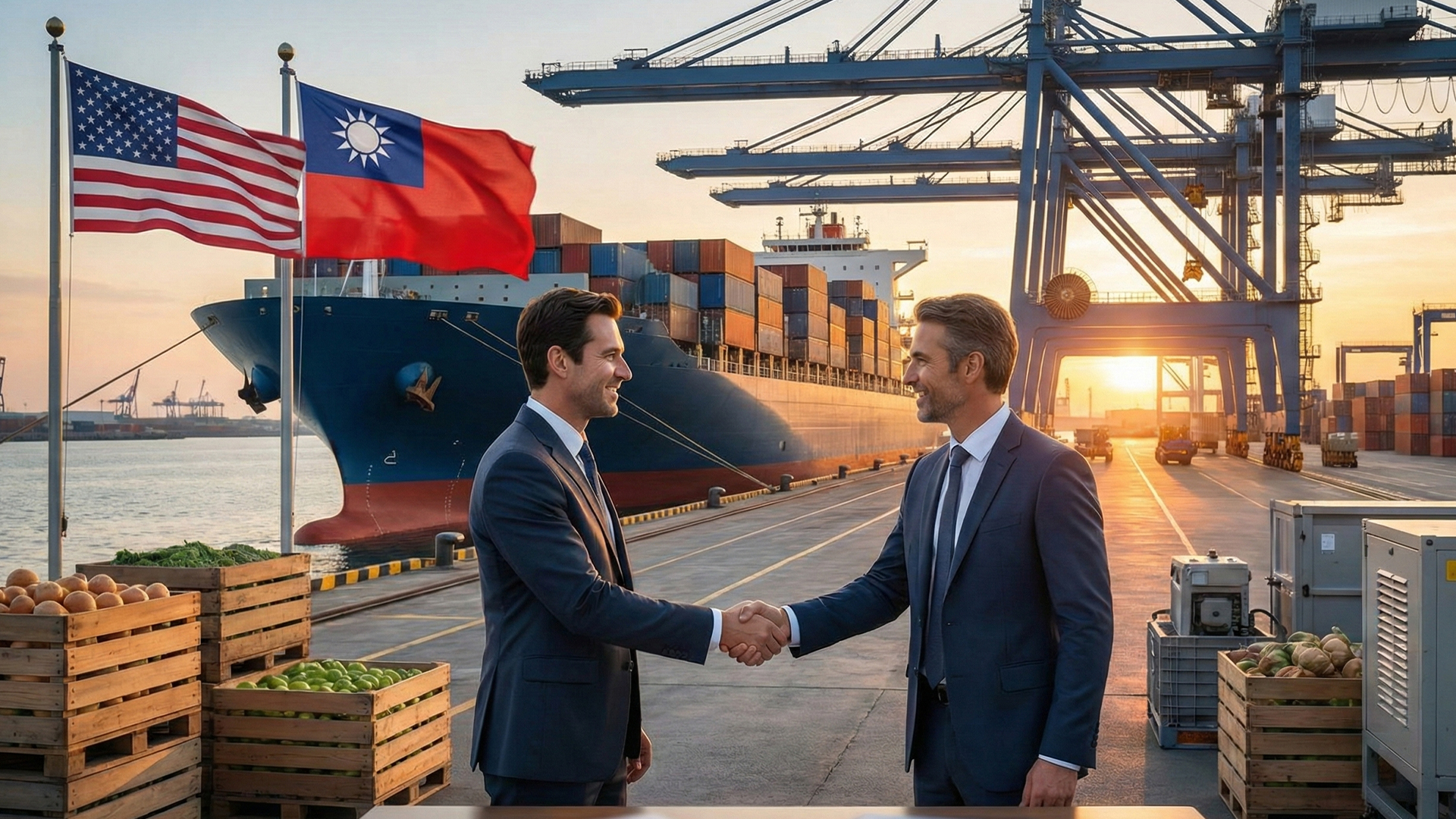
The administration of Donald Trump has reached a significant trade agreement with Taiwan, aimed at lowering tariffs, expanding market access, and strengthening supply chains in critical sectors such as semiconductors and artificial intelligence.

Under the agreement, Taiwan will remove or sharply reduce nearly 99% of its tariff barriers on American goods. In return, the United States will apply a 15% tariff rate on most Taiwanese exports, bringing it in line with rates offered to key US partners in the Asia-Pacific region. The move marks a shift from earlier proposals that had suggested significantly higher tariff levels.

Officials said the deal is designed to address the large trade imbalance between the two economies. In the first eleven months of 2025, the US recorded a trade deficit of nearly $127 billion with Taiwan, largely driven by imports of advanced semiconductor chips and electronic components.

A central pillar of the agreement is Taiwan’s commitment to invest at least $250 billion in US industries, particularly in semiconductor manufacturing, AI infrastructure, and energy. An additional $250 billion in credit guarantees is expected to support smaller Taiwanese firms expanding into the American market.

Semiconductor giant TSMC is expected to play a leading role in these investments. The company has already pledged around $165 billion toward chip fabrication plants and research facilities in the United States, reinforcing Washington’s push to strengthen domestic chip production.

The agreement also eases regulatory and market barriers in Taiwan for American agricultural goods, automobiles, pharmaceuticals, and medical devices. US officials say this will create new export opportunities for American farmers and manufacturers while making supply chains more resilient.

The deal comes ahead of President Trump’s planned visit to China in April and is widely viewed as a strategic step to deepen economic cooperation with Taiwan amid shifting geopolitical dynamics in the Indo-Pacific region.

Also Read: Trump scraps US climate rule, ends car emission norms

PM Modi opens new PMO at Seva Teerth

Prime Minister’s Office shifts from historic South Block to modern Central Vista complex in New Delhi

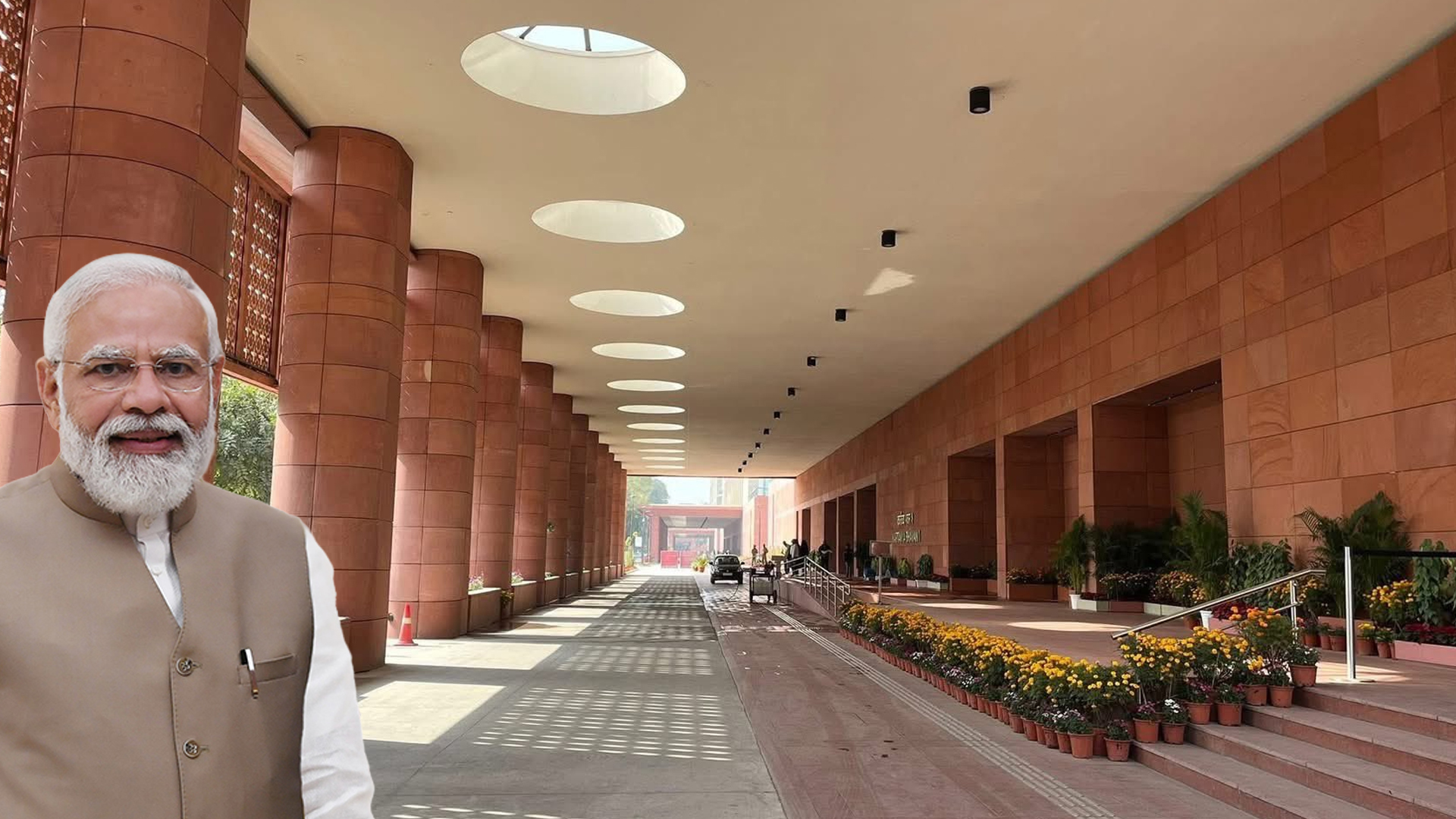
Prime Minister Narendra Modi on Thursday inaugurated the new Prime Minister’s Office at Seva Teerth, marking a major administrative shift in the capital.

For the first time since Independence, the PMO has moved out of the historic South Block, where it functioned for 78 years. The new complex is located near Raisina Hill as part of the revamped Central Vista project.

Along with Seva Teerth, the Prime Minister also inaugurated Kartavya Bhavan buildings. These offices will house several important ministries, bringing different departments closer together to improve coordination and efficiency.

Officials said the new PMO complex is designed with modern facilities, improved digital systems, better security arrangements and energy-efficient features. The aim is to create a more streamlined and citizen-focused administrative system.

With this shift, the iconic North Block and South Block buildings will no longer serve as the main centres of government operations. The government plans to convert them into the Yuge Yugeen Bharat Museum, which will showcase India’s history and heritage.

Also Read: India to verify Trump’s Modi remark

India to get zero-duty textile access in US

Piyush Goyal says garments made with US cotton will enter America duty-free under interim trade pact

India is set to receive zero-tariff access for certain textile exports to the United States under the upcoming interim trade agreement, Union Commerce and Industry Minister Piyush Goyal has said.

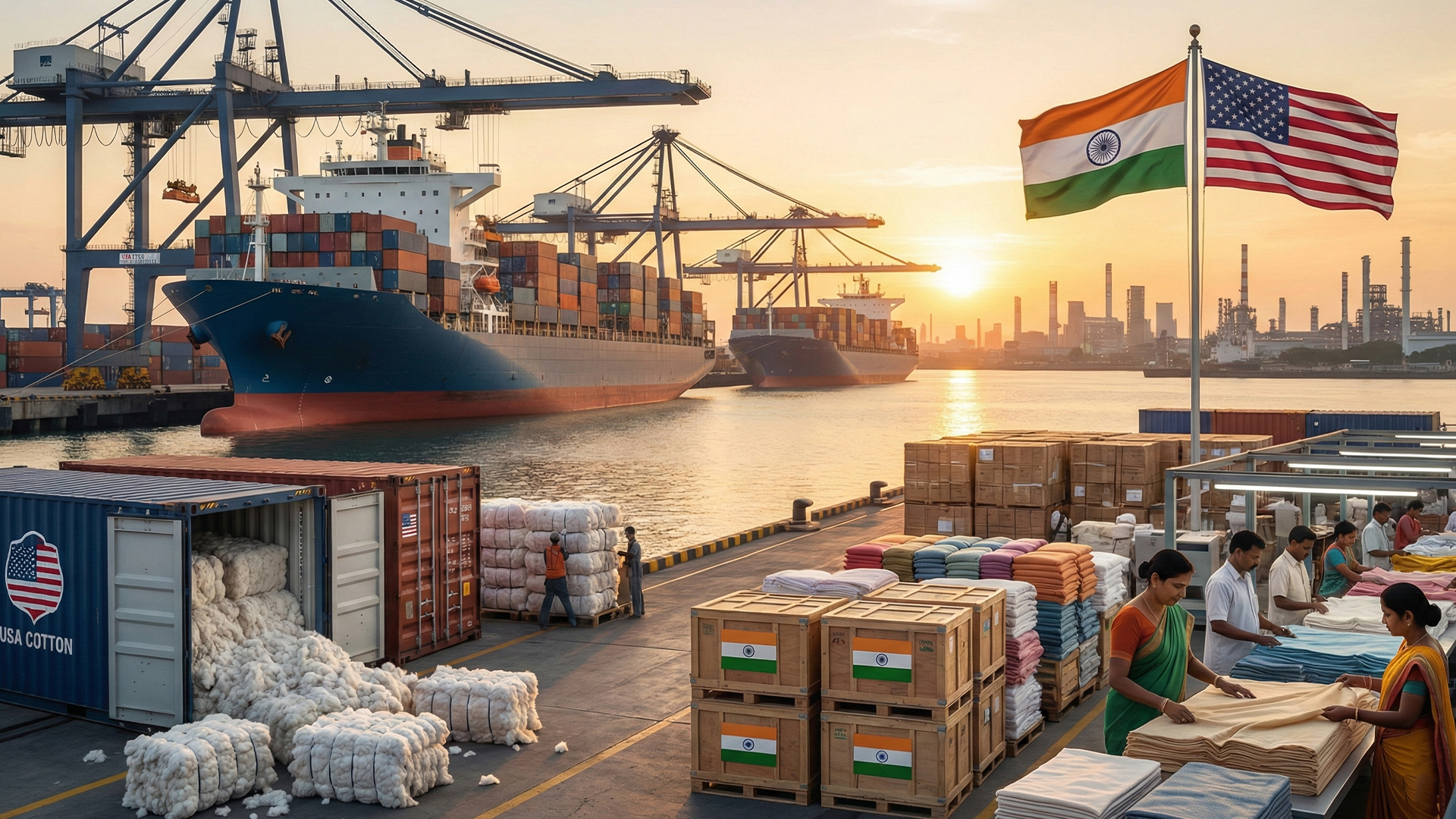
Speaking about the proposed deal with the United States, Mr. Goyal clarified that Indian garment exporters will get duty-free access for products manufactured using cotton or yarn imported from the US. This arrangement is similar to the benefits recently extended to Bangladesh, which allows its garments made from American raw materials to enter the US market without import duty.

The minister dismissed opposition criticism that Bangladesh had secured better terms. He said India would receive comparable benefits once the agreement is formally concluded. According to him, even if some clauses are not explicitly mentioned in initial fact sheets or statements, the final trade framework will ensure equal treatment for Indian exporters.

The interim trade deal follows recent discussions between Prime Minister Narendra Modi and US President Donald Trump, aimed at strengthening economic ties between the two countries. The agreement is expected to reduce reciprocal tariffs on a range of Indian exports, including textiles, leather goods, gems, jewellery, and pharmaceuticals.

However, the zero-tariff benefit for garments will apply only if exporters meet specific sourcing conditions. This typically means following a “cotton-forward” rule, where the raw cotton or yarn must originate from the US to qualify for duty-free entry.

Also Read: US and Taiwan trade pact cuts tariffs