rotating globe
11 Apr 2026


India to verify Trump’s Modi remark

Government says it has not seen the viral video yet; action will depend on authenticity of comments attributed to the US President

The government has said it will verify a viral video in which United States President Donald Trump is heard making remarks about Prime Minister Narendra Modi and his political career.

The Ministry of External Affairs (MEA) clarified that it has not yet examined the video and will respond only after confirming whether it is genuine. MEA spokesperson Randhir Jaiswal said during a regular press briefing that if such a video exists, the government will verify its authenticity and then take “appropriate action.”

The clip, which has been circulating widely on social media, is reportedly from a press interaction held in October last year at the White House. In the video, Trump is seen praising PM Modi, describing him as “a great man.” He also remarked that Modi “loves Trump,” before adding in a lighter tone that he did not want anyone to misinterpret the comment or “destroy his political career.”

The specific line has triggered debate online, with some users questioning the context in which it was made. However, Indian officials have chosen a cautious approach, stating clearly that they will not react until the facts are verified.

The development comes at a time when India and the United States are working closely on strategic and economic fronts, including trade and defence cooperation. Diplomatic ties between New Delhi and Washington have strengthened over the years, and both sides have emphasized stable and constructive engagement.

Also Read: CM Stalin credits ₹5,000 to 1.31 cr TN women
CM Stalin credits ₹5,000 to 1.31 cr TN women

CM M. K. Stalin credits advance welfare support ahead of Assembly polls

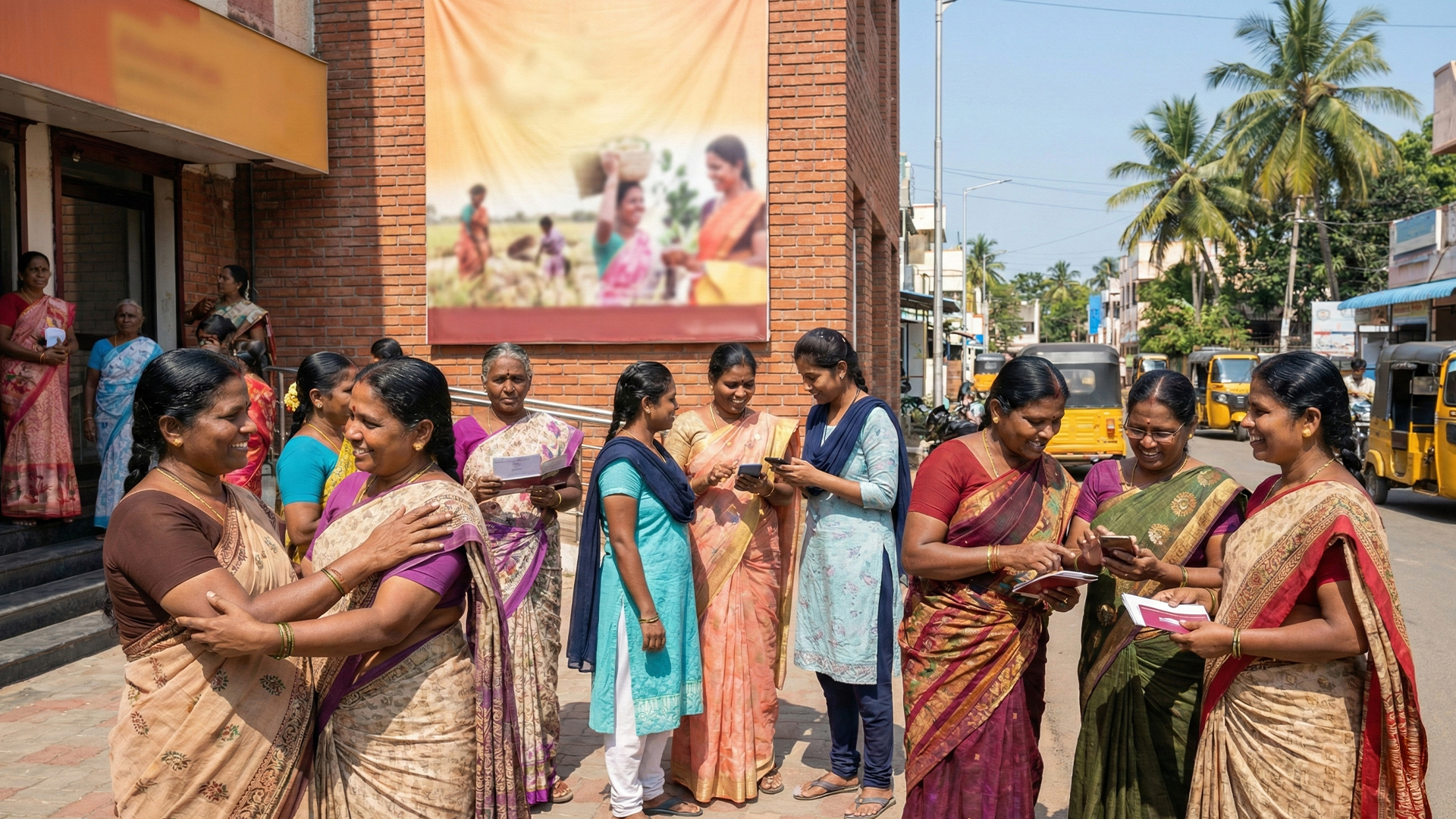
n a move that brought relief and smiles to millions of homes, Tamil Nadu Chief Minister M. K. Stalin on Friday ensured that ₹5,000 was credited directly into the bank accounts of 1.31 crore women across the State.

The amount has been transferred under the government’s flagship Kalaignar Magalir Urimai Thogai scheme, which provides financial assistance to women heads of families.

Of the ₹5,000 credited, ₹3,000 covers advance payments of ₹1,000 each for February, March and April. The remaining ₹2,000 has been given as a special summer support amount to help families manage rising seasonal expenses.

The Chief Minister said the advance transfer was meant to ensure women continue receiving financial support without disruption during the election period. He described the scheme not as a favour, but as a rightful entitlement for women who shoulder family responsibilities every day.

Launched in September 2023, the scheme has grown steadily and now supports 1.31 crore beneficiaries across Tamil Nadu. The direct bank transfer model has made the process faster and more transparent, with funds reaching women without middlemen.

With Assembly elections due in April–May, the announcement is also seen as a major outreach effort to women voters. Stalin has further promised that if re-elected, the monthly assistance will be increased from ₹1,000 to ₹2,000.

Also Read: Veteran Doordarshan anchor Sarla Maheshwari dies at 71

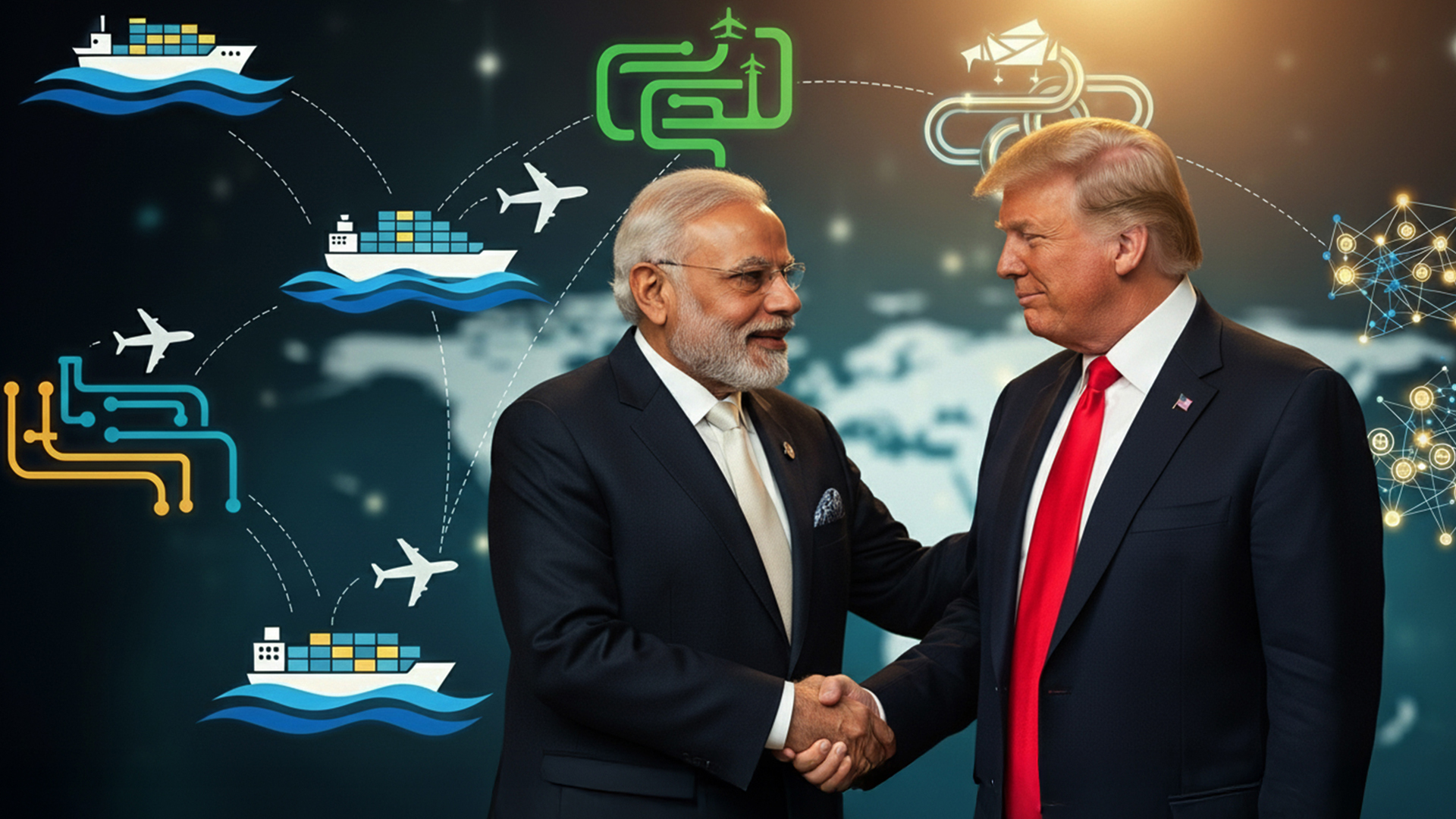
India, US advance interim trade pact

Revised US factsheet reflects shared understanding as both sides aim to seal deal by March-end 2026

India and the United States have moved a step closer to formalising their proposed interim trade agreement, even as clarifications from both sides sought to calm concerns over specific provisions in the deal.

The development comes after the White House issued a factsheet outlining elements of the interim framework. Following discussions between officials, parts of the document were revised, the India’s Ministry of External Affairs (MEA) described it as reflecting a “mutual understanding” between the two countries.

Addressing the issue, the MEA said the joint statement issued earlier this month remains the basis of the agreement. The ministry clarified that the revised language in the US factsheet does not create new obligations but aligns with what was agreed upon by both governments.

India’s Ambassador to the United States, Vinay Kwatra, described the emerging trade arrangement as a “new economic pillar” in India-US relations. He said the interim deal is designed to fast-track cooperation while negotiations continue toward a broader bilateral trade agreement.

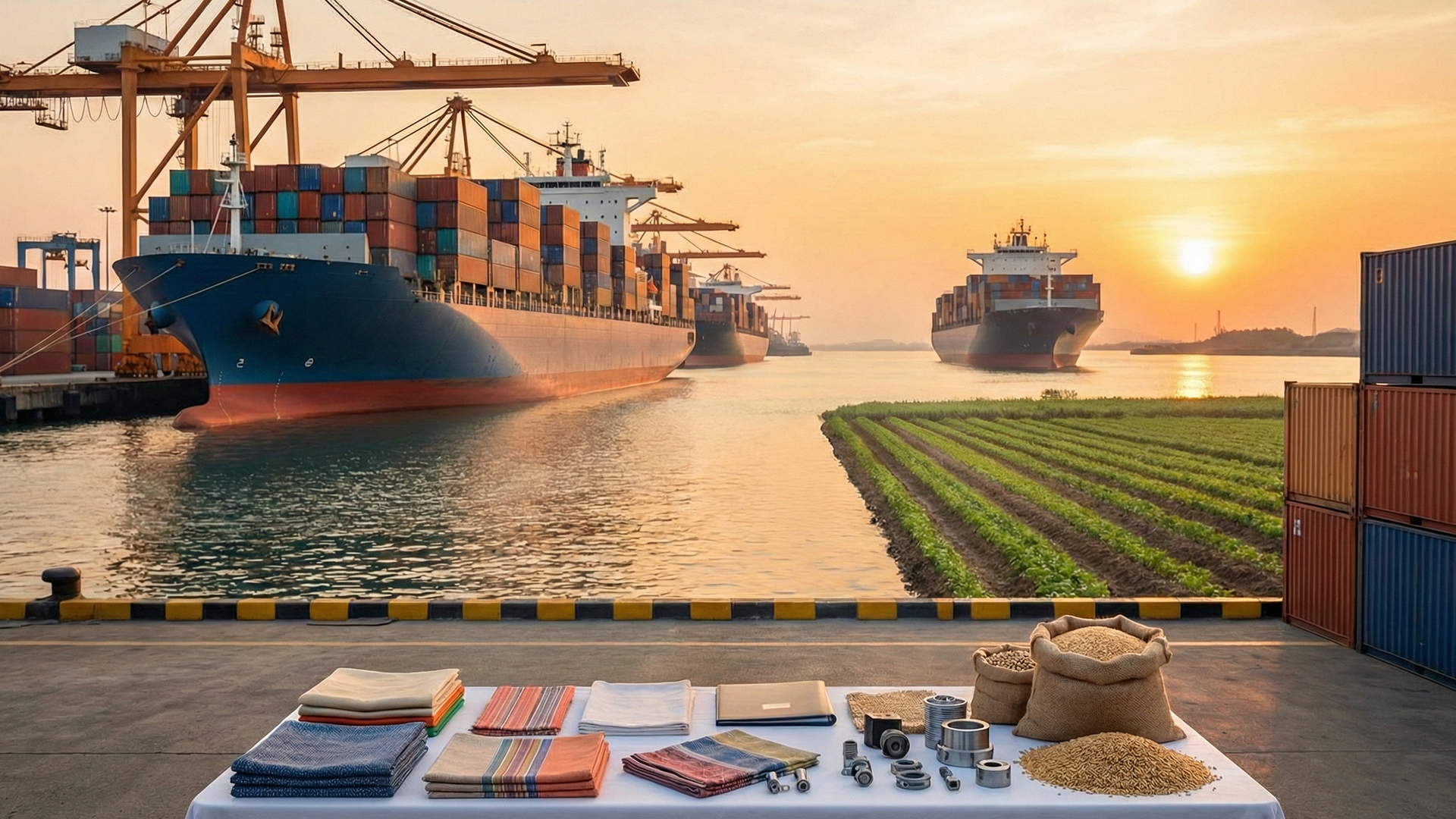
Under the framework, both countries aim to reduce tariffs on selected goods and expand market access in priority sectors. Discussions have included greater access for Indian textiles and manufacturing exports to the US market, alongside reduced duties in India on certain American industrial and agricultural products. Earlier concerns over the inclusion of pulses in tariff discussions were addressed after revisions to the US document.

Officials from both sides are working toward signing the legal text of the interim pact by the end of March 2026. Once formalised, the agreement is expected to pave the way for smoother trade flows and lay the groundwork for a comprehensive bilateral trade deal.

However, the proposed agreement has also drawn criticism from sections of farmer groups and labour unions in India, who have expressed concerns about potential impacts on domestic agriculture and small producers.

Also Read: BNP wins big in Bangladesh after 20 years

BNP wins big in Bangladesh after 20 years

Tarique Rahman’s party secures clear majority as voters back change in landmark national election

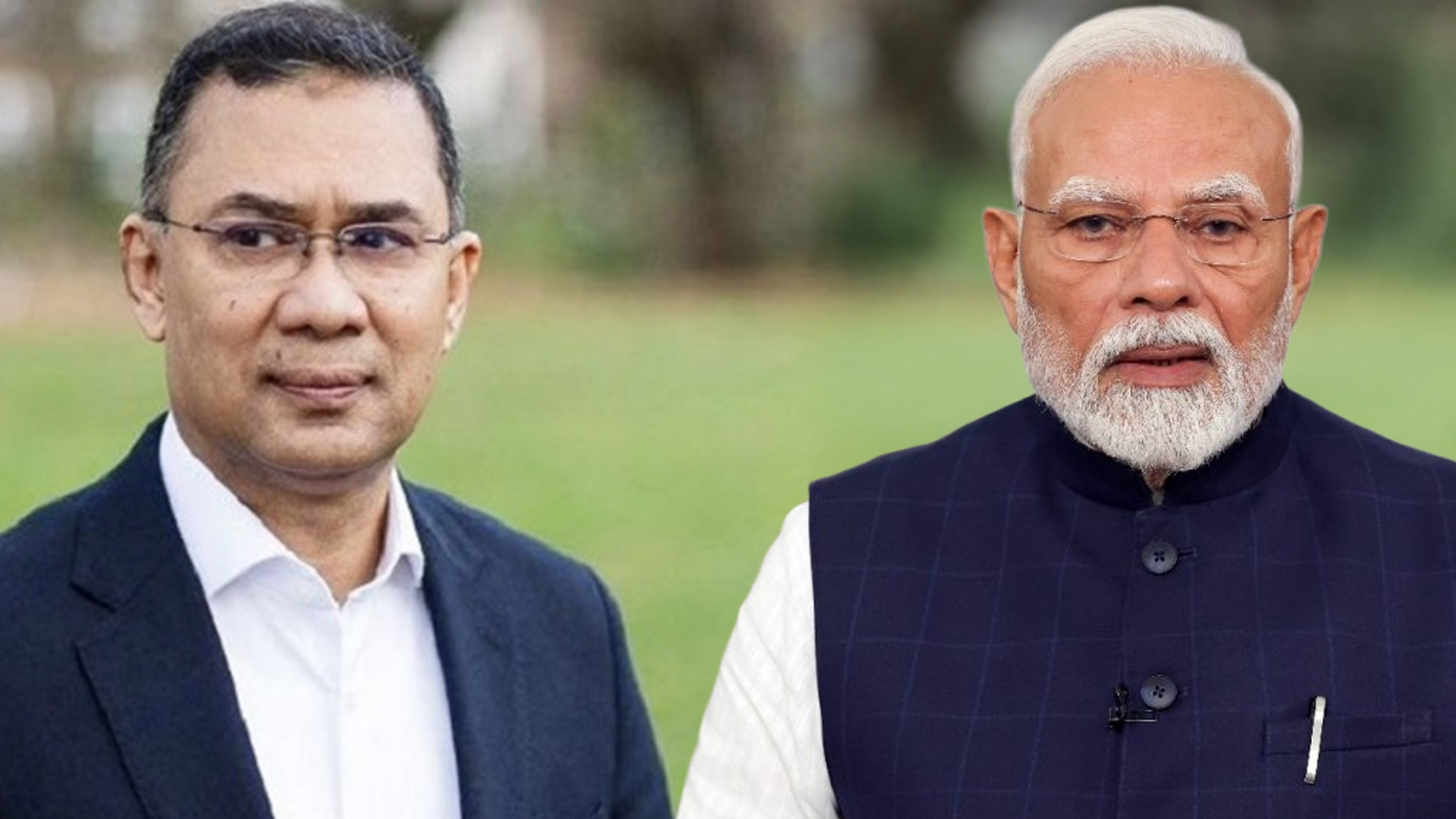
The Bangladesh Nationalist Party (BNP) has won a sweeping victory in Bangladesh’s general election, marking its return to power after nearly two decades in opposition. The party is led by Tarique Rahman, who is now set to become Prime Minister.

According to early results, the BNP and its allies have secured well over the simple majority needed to form the government in the Jatiya Sangsad, the country’s national parliament. The strong mandate reflects widespread public support and a clear desire for political change.

This was the first national election since the 2024 student-led protests that led to the exit of former Prime Minister Sheikh Hasina. The polls were closely watched both within Bangladesh and internationally, as they were seen as a crucial step toward restoring political stability.

Voter turnout was reported to be significantly higher than in recent elections, indicating renewed public interest in the democratic process. Many voters said they were looking for economic reforms, better governance, and fresh leadership after years of political tensions.

Tarique Rahman, son of former Prime Minister Khaleda Zia, returned to active politics after years abroad. His campaign focused on rebuilding democratic institutions, strengthening the economy, and ensuring greater accountability in governance. Following the results, he thanked voters for placing their trust in the BNP and promised inclusive leadership.

The Islamist party Jamaat-e-Islami also won several seats but fell far behind the BNP’s tally. Other smaller parties managed to secure limited representation in parliament.

Leaders from neighbouring countries and global powers congratulated Rahman on the victory, expressing hope for stable relations and continued cooperation.

As the BNP prepares to form the new government, expectations are high. The coming months will test whether the party can deliver on its promises and guide Bangladesh into a more stable and reform-driven phase of governance.

Bharat Bandh disrupts banks, transport, services

Trade unions and farmer groups protest labour reforms. Services hit in several states, essentials continue

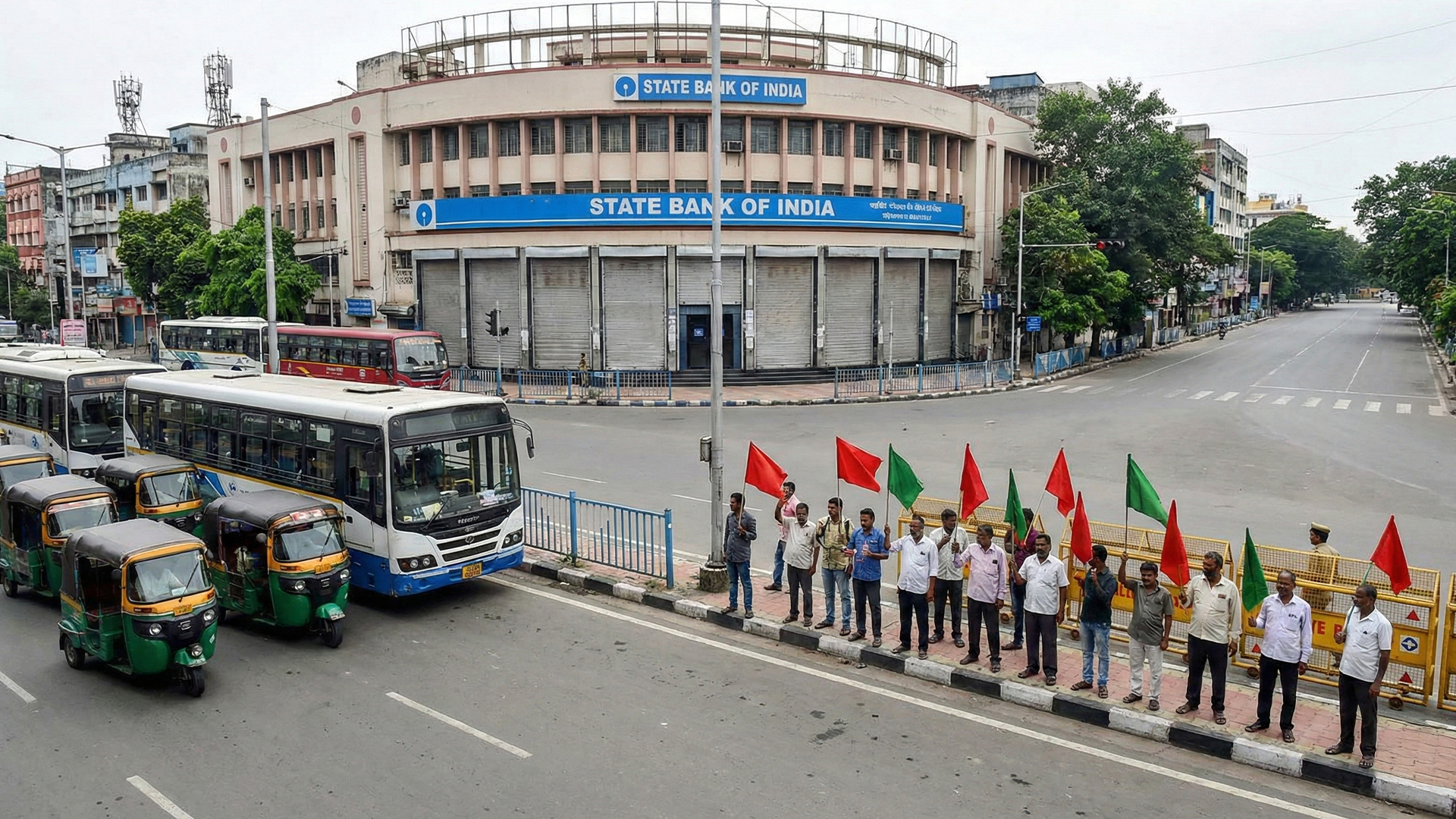
A nationwide Bharat Bandh called by over ten central trade unions, with support from farmer organisations, led to disruptions in banking, transport and commercial activities across several states on Thursday. The strike was organised to protest against new labour codes, rising unemployment, inflation and privatisation of public sector units.

Major trade unions including INTUC, AITUC, CITU, HMS, SEWA, TUCC and others participated in the bandh. The Samyukt Kisan Morcha and allied farmer groups also backed the protest, stating that recent policy changes could weaken worker protections and hurt farmers’ interests.

Banking operations were affected in many regions as employees of public sector banks joined the strike. Though no official holiday was declared by the Reserve Bank of India, several branches functioned with limited staff, leading to delays in counter services and cheque clearances. However, online banking platforms, ATMs and digital transactions continued without disruption.

Public transport services were partially hit in states where workers participated in protests. State-run buses reported disruptions in places such as Kerala and parts of Karnataka. In some cities, road blockades caused traffic congestion. Metro services, railways and flight operations largely remained normal, though minor delays were reported in isolated areas.

Educational institutions functioned differently across states. There was no nationwide closure order. Karnataka authorities stated that schools and colleges would remain open, but attendance was low in some areas due to transport issues. In a few protest-affected districts, private institutions chose to suspend classes as a precaution.

Markets and small businesses in several cities remained shut, particularly in areas witnessing strong participation in the strike. Government offices operated in most regions but reported reduced attendance where employees joined the bandh. Private offices largely remained open.

Essential services, including hospitals, ambulance services, pharmacies, airports, power and water supply, continued to function normally. Security was tightened in several districts to maintain law and order.

Also Read: Bangladesh holds first election after 2024 uprising

Vande Mataram must precede National Anthem

All the six stanzas to be played before national anthem in schools, official functions

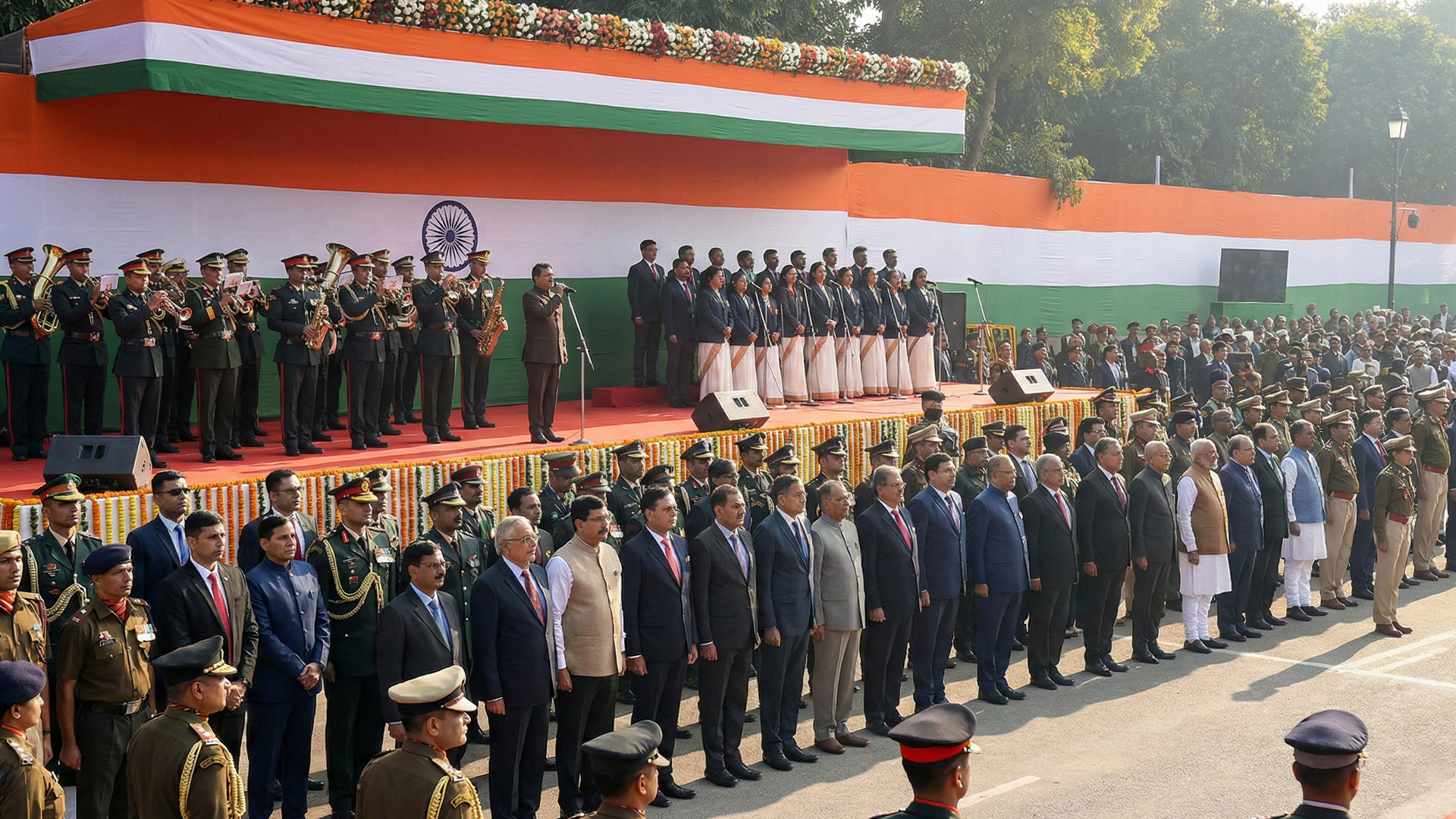
The Central Government has issued new guidelines requiring the full six-stanza version of Vande Mataram to be performed at official events and school assemblies, and it must be played before the national anthem whenever both are included.

The Home Ministry has clarified that the complete composition by Bankim Chandra Chattopadhyay is now the “official version.” In the past, only the first few stanzas were used during official occasions. The full rendition is expected to take around three minutes.

According to the guidelines, attendees at government functions and school events are required to stand respectfully while the song is played. However, the standing protocol does not apply when Vande Mataram is part of films, newsreels, or other recordings.

The new rules also make clear that Vande Mataram should always be performed before the national anthem. This applies to occasions such as flag hoisting ceremonies, civilian award functions like the Padma Awards, and events where the President, Governors, or Lieutenant Governors are present. Schools are encouraged to begin assemblies with the song, promoting a sense of respect and unity among students.

The move coincides with the 150th anniversary of Vande Mataram, underscoring its historical and cultural significance in India’s freedom struggle and national identity. Supporters of the guideline see it as a way to strengthen respect for national symbols, while some have raised discussions about cultural inclusivity and expression.

With this directive, the government seeks to ensure a uniform protocol for the performance of Vande Mataram and the national anthem across all official functions, schools, and public gatherings, emphasizing unity, tradition, and respect for India’s national heritage.

Also Read: Om Birla allows correction of removal notice

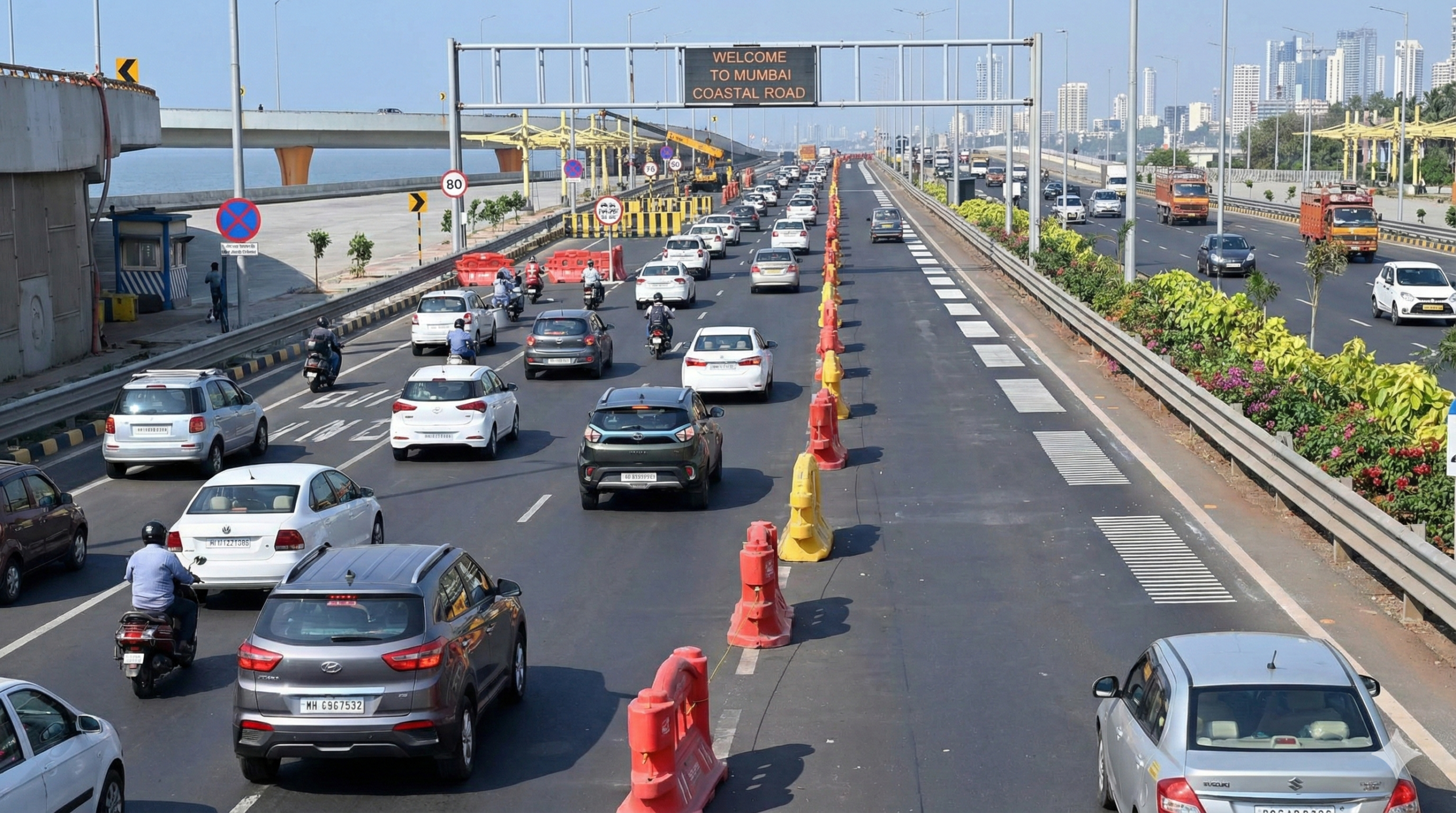
India’s 1st musical road plays ‘Jai Ho’

A 500‑metre stretch on the Coastal Road in Mumbai turns tyre vibrations into music, making commutes fun and safe.

Mumbai has rolled out a unique experience for drivers, India’s first musical road. A 500‑metre section of the city’s Coastal Road now plays the iconic tune “Jai Ho” from Slumdog Millionaire as vehicles drive over specially designed grooves at 70–80 km/h. The grooves convert tyre vibrations into the melody, which is audible inside the vehicle, giving commuters a fun and memorable journey.

The musical stretch was inaugurated on February 11, 2026, by Maharashtra Chief Minister Devendra Fadnavis. It forms part of the larger Dharamveer Swarajyarakshak Chhatrapati Sambhaji Maharaj Coastal Road, a 29.2‑kilometre corridor aimed at reducing travel time and easing traffic across South Mumbai. The musical segment is located between Nariman Point and Worli, just after the tunnel exit on the northbound carriageway.

To make the experience safe, the Brihanmumbai Municipal Corporation (BMC) has installed warning signs at 500 m, 100 m, and 60 m before the musical section. These alerts give drivers ample time to adjust their speed and enjoy the melody safely.

Musical roads are rare worldwide, with existing examples in Japan, South Korea, Hungary, and the UAE. Mumbai’s road is reportedly the fifth of its kind globally and the first in India, blending technology, culture, and creativity. Choosing “Jai Ho”, composed by A.R. Rahman with lyrics by Gulzar, adds a cultural touch, making the road not only functional but also celebratory.

 While the grooves produce music, they also encourage drivers to maintain the recommended speed, subtly promoting road safety. Mumbai’s musical road is a symbol of innovation, culture, and the city’s spirit, proving that even everyday journeys can hold moments of delight.

Also Read: Teen Aditya Pandya becomes India’s youngest analog astronaut

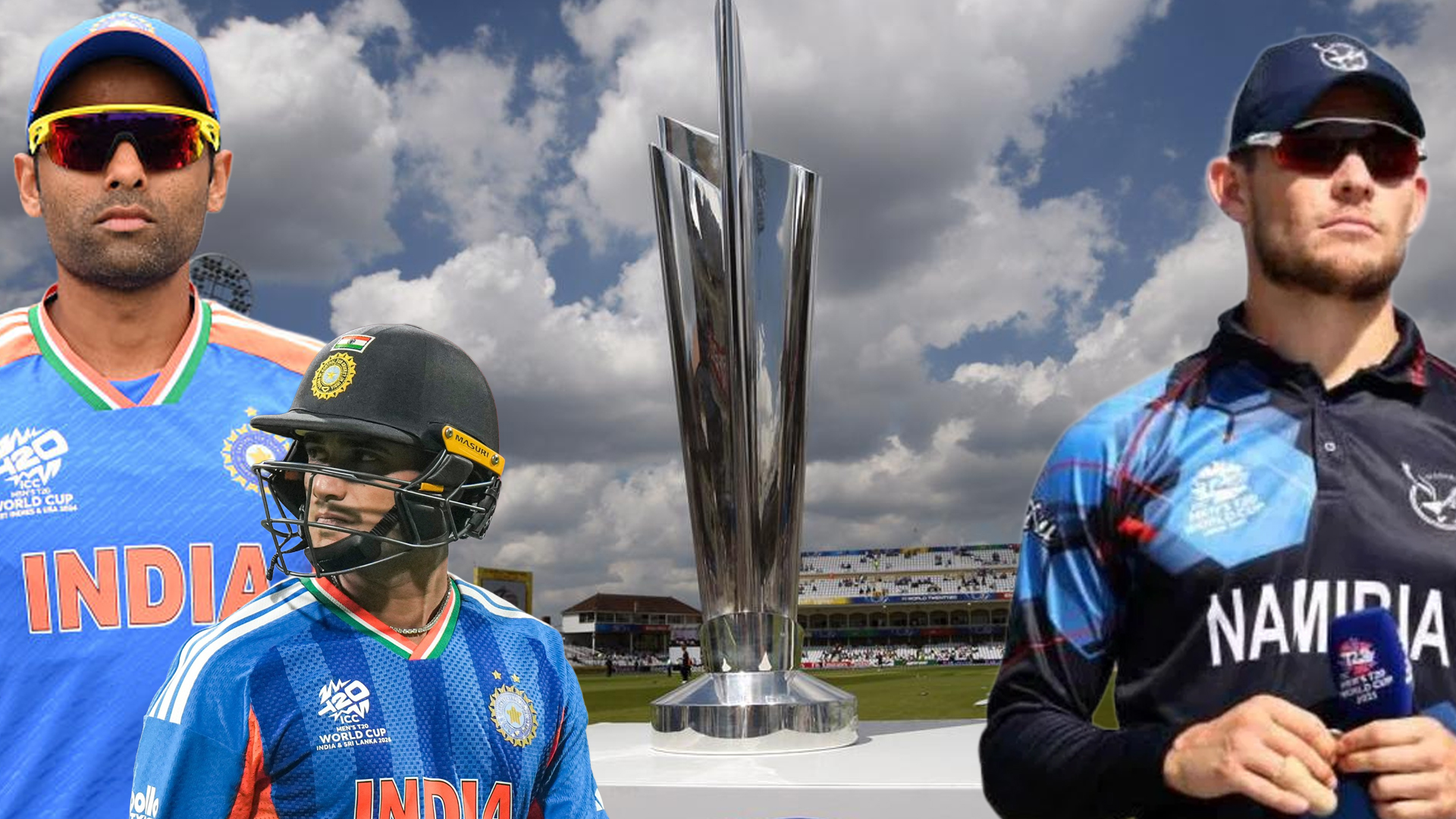
Abishek Sharma doubtful for India vs Namibia T20 match

Opener hospitalised after stomach infection, participation in Group A clash today uncertain

India’s T20 World Cup 2026 campaign faces an early setback as opener Abhishek Sharma battles a sudden health issue ahead of the crucial Group A match against Namibia. The left-handed batter was hospitalised in New Delhi after developing a severe stomach infection, reportedly triggered by something he ate in Mumbai during pre-tournament preparations. The illness caused dehydration and noticeable weight loss, forcing the team to prioritise his recovery over immediate match commitments.

Sharma had briefly attempted to play in India’s opening fixture but had to leave the field early. His short innings underscored the seriousness of the situation, with team doctors advising rest and treatment to ensure he regains full strength. After a period of hospital care, Sharma has now been discharged but remains under close observation, and his participation in the match against Namibia is still uncertain.

Assistant coach Ryan ten Doeschate confirmed that Sharma is still experiencing stomach issues. Meanwhile, India’s management has called his personal trainer to Delhi to assist with rehabilitation and fitness recovery. This cautious approach reflects the team’s focus on player health while balancing the demands of the tournament.

Sharma’s absence would be a significant blow to India’s top-order batting, as he has been instrumental in providing quick starts and building momentum. Team management plans to assess his condition on matchday before finalising the playing XI. Fitness updates on other key players, including Jasprit Bumrah, are also being closely monitored ahead of the Namibia clash.

The match against Namibia at Arun Jaitley Stadium in Delhi is vital for India’s group-stage ambitions. While fans and analysts await clarity on Sharma’s availability, the team is prepared to adjust strategies to cope with his potential absence.

Also Read: Vande Mataram must precede National Anthem

Priyanka Chopra opens up about marriage gossip

Actor says rumors about her life with Nick Jonas no longer bother her

Priyanka Chopra Jonas has finally addressed the constant gossip surrounding her marriage to singer-actor Nick Jonas. Married since 2018, the couple has often been under the spotlight, with speculation about their age difference, the speed at which they married, and their intercultural backgrounds dominating headlines.

In a candid interview with Variety, Priyanka said the rumors used to hurt her. “I think it did bother me in the beginning, but now it’s just water off a duck’s back,” she said. The actress explained that she no longer lets outside opinions dictate her feelings or affect her family life.

She added that people often seem to be waiting for her marriage to “implode,” but she and Nick focus on each other instead. Priyanka praised Nick’s steadiness and sincerity, which she says have been crucial in keeping their relationship strong amid public scrutiny.

The couple welcomed their daughter, Malti Marie, in January 2022, and Priyanka has been balancing motherhood with her professional commitments. Despite the noise around her personal life, she continues to work on diverse projects in both Hollywood and Bollywood, maintaining her presence as one of the most versatile and hardworking actors in the industry.

Among her upcoming projects, Priyanka is excited about her new film Varanasi, which she describes as a story close to her heart. Fans are eagerly waiting to see her portrayal, and she says focusing on her craft and meaningful roles helps her tune out unnecessary speculation about her personal life.

Also Read: Vande Mataram must precede National Anthem

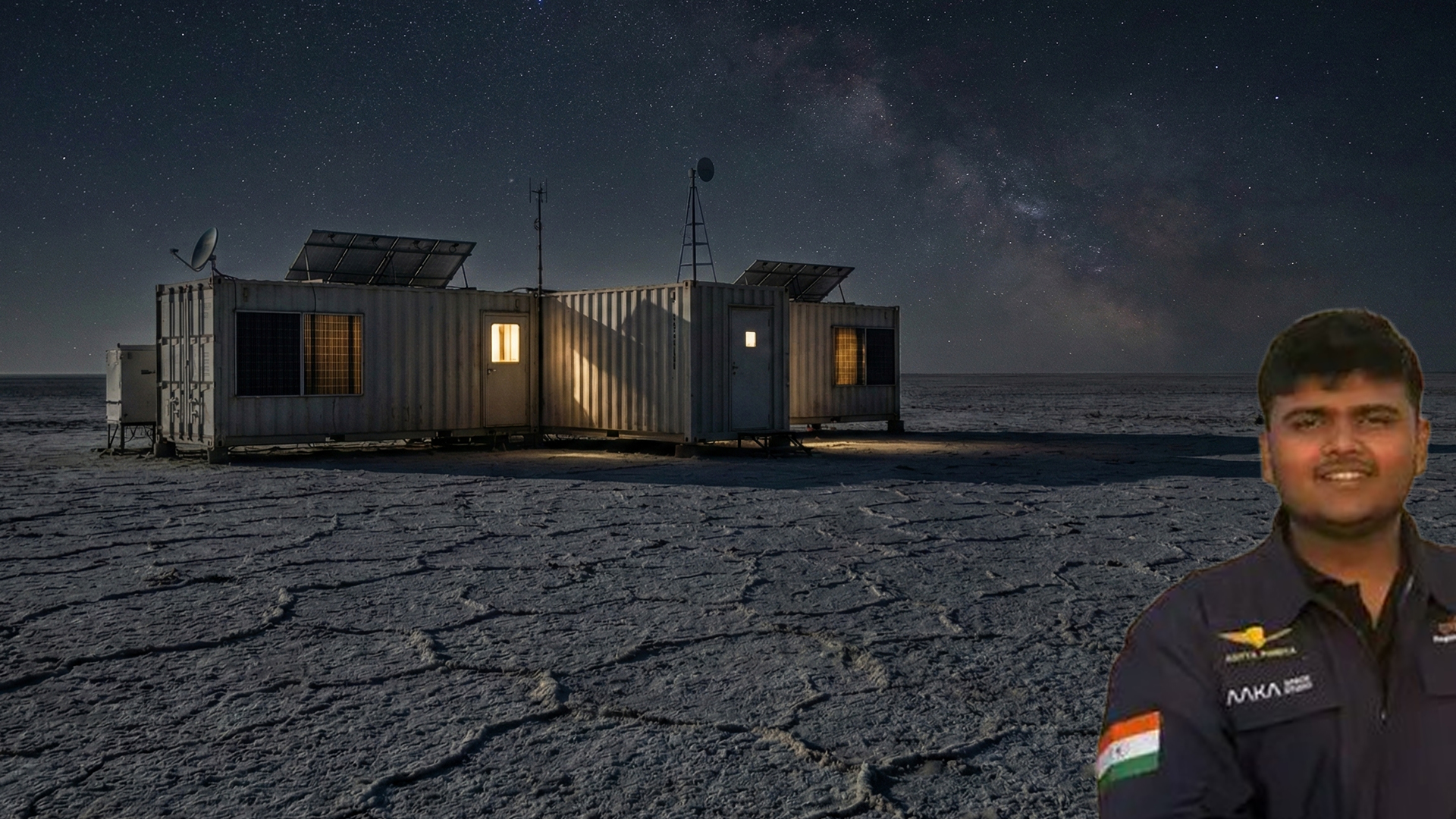
Teen Aditya Pandya becomes India’s youngest analog astronaut

17-year-old lives and tests self-built Moon habitat in 8-day simulation mission

Seventeen-year-old Aditya Pandya has set a new record as India’s youngest analog astronaut after completing an eight-day Moon simulation in Dholavira, Kutch, Gujarat. The mission, organised by AAKA Space Studio, a space research initiative affiliated with ISRO, aimed to replicate the conditions astronauts would face on the Moon.

The crew lived in a container-style habitat designed to simulate isolation, limited resources, controlled air, and communication delays, creating a realistic lunar experience. Aditya stood out because he not only lived inside the habitat but also designed and developed many of its systems. Over six months, he worked on air-quality sensors, biometric monitoring, environmental sensors, and digital communication systems, often using 3D printing and rapid prototyping to create essential components.

During the mission, the team followed strict isolation protocols, relying entirely on onboard systems for daily life. They conducted experiments on crew autonomy, psychological endurance, human-machine interaction, and system reliability, all critical for planning future space missions.

Aditya’s academic journey includes intermediate studies in science, mathematics, and AI, certification courses from MIT, and ongoing Computer Engineering studies at the Institute of Advanced Research, Gandhinagar.

AAKA Space Studio said the mission’s goal was to advance India’s analog space research by combining engineering, simulation, and astronaut training. Aditya’s achievement highlights how young innovators are contributing to India’s space ambitions and showcases the potential for future human exploration of the Moon.

This mission not only demonstrates technical skill and endurance but also the growing role of student-led innovation in space research, proving that age is no barrier to pioneering achievements in science and exploration.

Also Read: India speeds up online content removal