rotating globe
11 Apr 2026


US Bill may end H‑1B visas, shaking global tech workforce

EXILE Act could cut foreign work visas, affecting tech and healthcare sectors

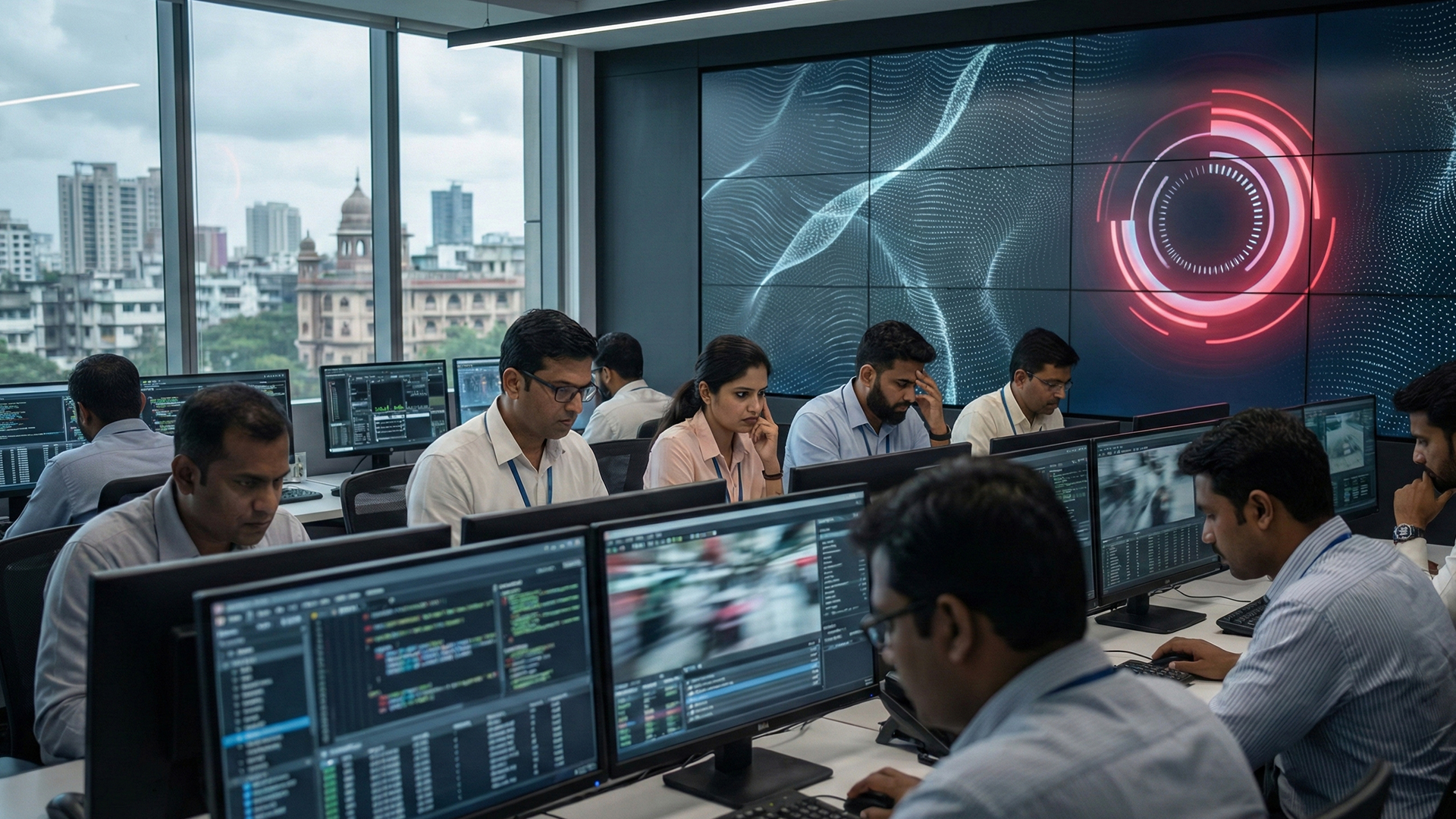
A new bill in the United States Congress could bring major changes for skilled foreign workers, especially in technology and healthcare. Republican Congressman Greg Steube has introduced the Ending Exploitative Imported Labour Exemptions (EXILE) Act, which proposes gradually phasing out H‑1B visas starting 2027. If passed, US companies would no longer be able to hire highly skilled professionals from abroad through this programme.

The H‑1B visa has long been a lifeline for international talent. Each year, thousands of engineers, researchers, and healthcare specialists—mostly from India—come to the US on these visas to fill critical roles. Over 70% of H‑1B visas in recent years have gone to Indian nationals, making the visa a crucial pathway for careers in global tech and research.

Rep. Steube and supporters argue the programme has been misused, with foreign labour sometimes replacing American workers. “Prioritising foreign labour over US citizens undermines our values and national interests,” Steube said, highlighting concerns about job opportunities and wage growth for Americans.

However, experts and business leaders warn that ending the H‑1B visa could disrupt industries reliant on global talent. US tech companies, universities, and healthcare institutions often depend on these skilled professionals to drive innovation and research. Without this workforce, some fear talent shortages and slower growth for critical sectors.

The EXILE Act is still at the introduction stage in the House of Representatives. For it to become law, it must pass both chambers of Congress and be signed by the President—a process that could face intense debate from lawmakers, business groups, and immigrant advocates.

Also Read: House votes to overturn Canada tariffs

House votes to overturn Canada tariffs

Six Republicans join Democrats in a rare challenge to Trump’s trade policy, sending a symbolic measure to the Senate

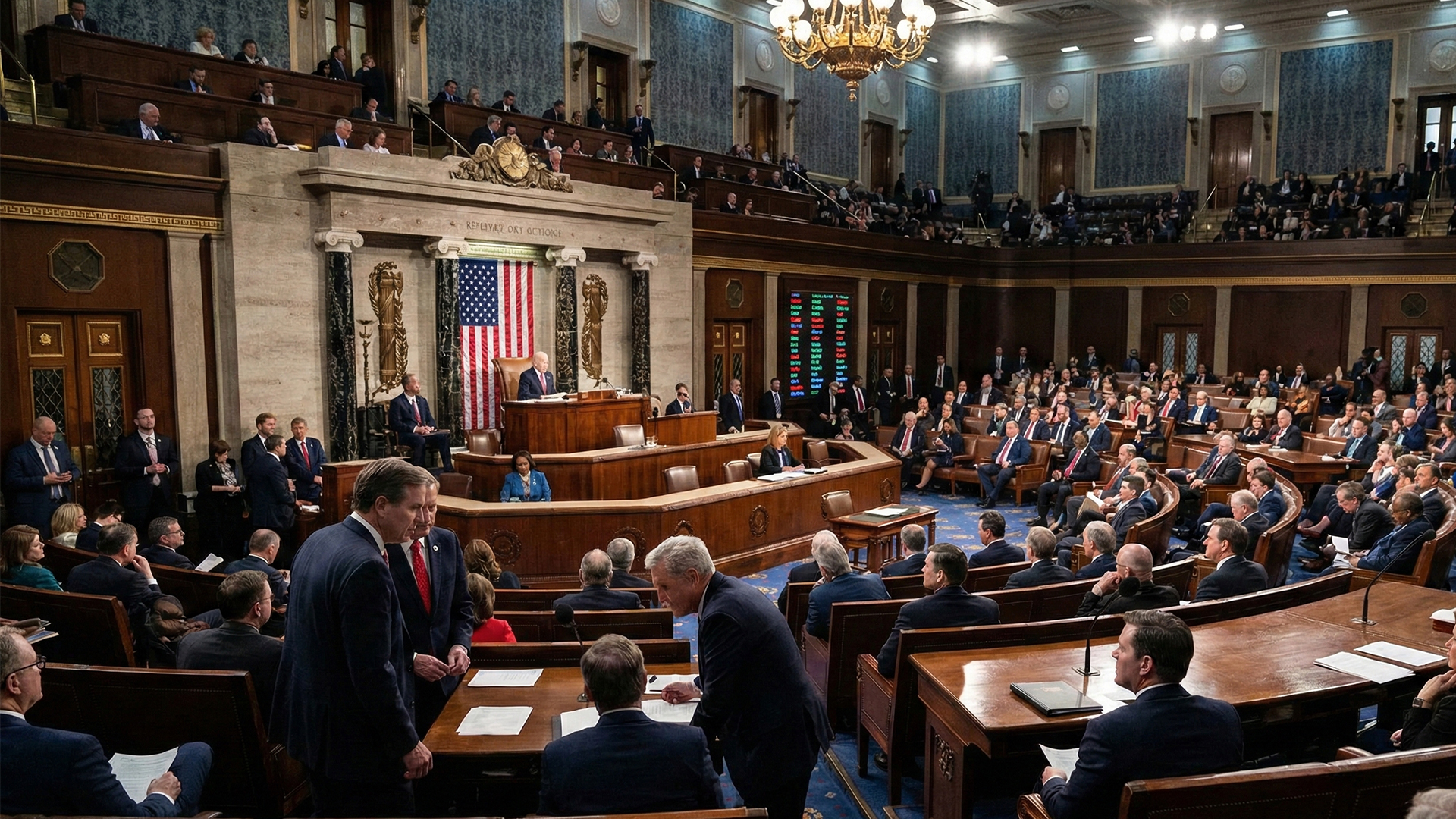
The House of Representatives voted 219‑211 to overturn tariffs on Canadian imports, in a rare bipartisan move against President Donald Trump. Six Republicans joined almost all Democrats to challenge the national emergency Trump cited to impose the tariffs, which critics say increased costs for Americans and disrupted supply chains.

The tariffs, introduced in 2025 for national security reasons, strained relations with Canada. Rep. Gregory Meeks (D‑NY) called the vote a choice “to lower costs for American families or keep prices high out of loyalty to one person.”

Republicans who broke ranks included Reps. Don Bacon, Brian Fitzpatrick, Jeff Hurd, Kevin Kiley, Thomas Massie and Dan Newhouse, signaling growing dissent within the party ahead of midterm elections. Trump warned opponents of possible electoral consequences.

The resolution is largely symbolic. It must pass the Senate and be signed by the president to take effect. With a likely Trump veto and Republican control of both chambers, its legal impact remains uncertain. Canadian officials welcomed the vote as a step toward restoring trade ties.

Separately, a BBC analysis found AI tools like ChatGPT, Microsoft Copilot and Google Gemini often produce inaccurate news summaries, highlighting concerns about reliability in digital reporting.

Also Read: Teen Aditya Pandya becomes India’s youngest analog astronaut

Tech titans head for India AI Impact Summit

Sundar Pichai, Sam Altman and Dario Amodei to attend the Summit in New Delhi, highlighting business growth and responsible AI

India is set to host one of its biggest technology events yet,  the India AI Impact Summit 2026,  in New Delhi from February 16 to 20. The summit is attracting some of the most powerful names in the global artificial intelligence industry, highlighting India’s growing importance in the AI world.

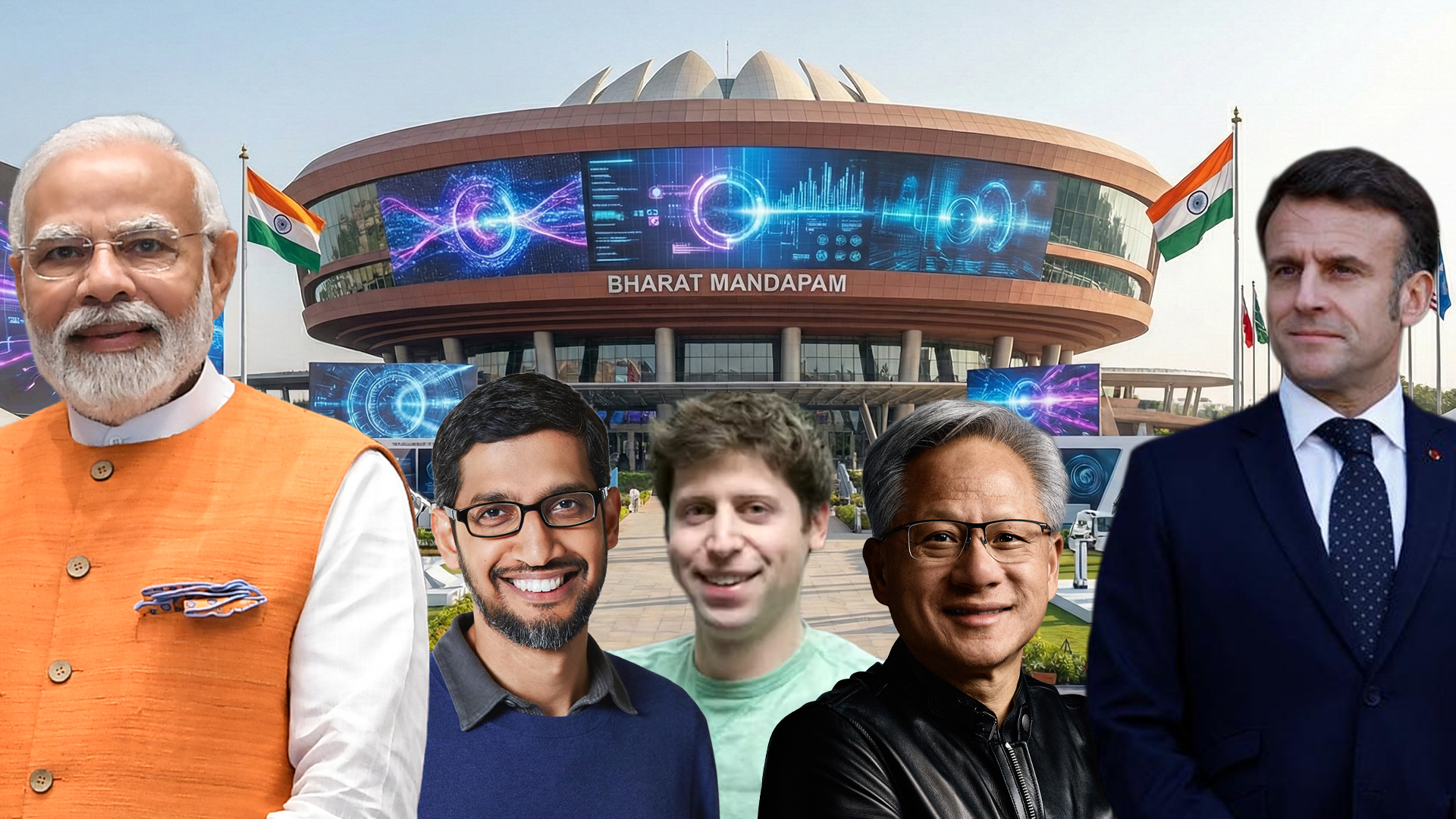
Top leaders expected to attend include Google CEO Sundar Pichai, OpenAI CEO Sam Altman, Anthropic CEO Dario Amodei, Nvidia CEO Jensen Huang, DeepMind’s Demis Hassabis, and senior executives from Microsoft and Meta. French President Emmanuel Macron is also likely to be present. Prime Minister Narendra Modi will deliver a keynote address during the event.

The summit will take place at Bharat Mandapam and is being described as one of the largest AI gatherings hosted in the Global South. The event will bring together policymakers, industry leaders, researchers, startups and students to discuss how AI can be used responsibly and effectively.

The focus of the summit is not just technology, but also business and real-world impact. India is seen as a major growth market for AI. It produces a huge amount of global data and has one of the world’s largest pools of skilled tech talent. For global companies, this represents strong business potential.

The event will include panel discussions, exhibitions, and AI competitions. Organisers have planned special programs to encourage youth and women innovators, with prize money for winning ideas. Topics will cover AI safety, economic growth, sustainability, healthcare, agriculture and education.

India wants to position itself as a key player in shaping global AI policies and innovation. By hosting such a large summit, the country aims to show that it is ready to lead conversations around responsible AI development while also creating business opportunities.

Also Read: Deliberate fuel cut in AI-171 crash

Deliberate fuel cut in AI-171 crash

Italian investigation sources suggest engines were shut off intentionally. India yet to confirm findings

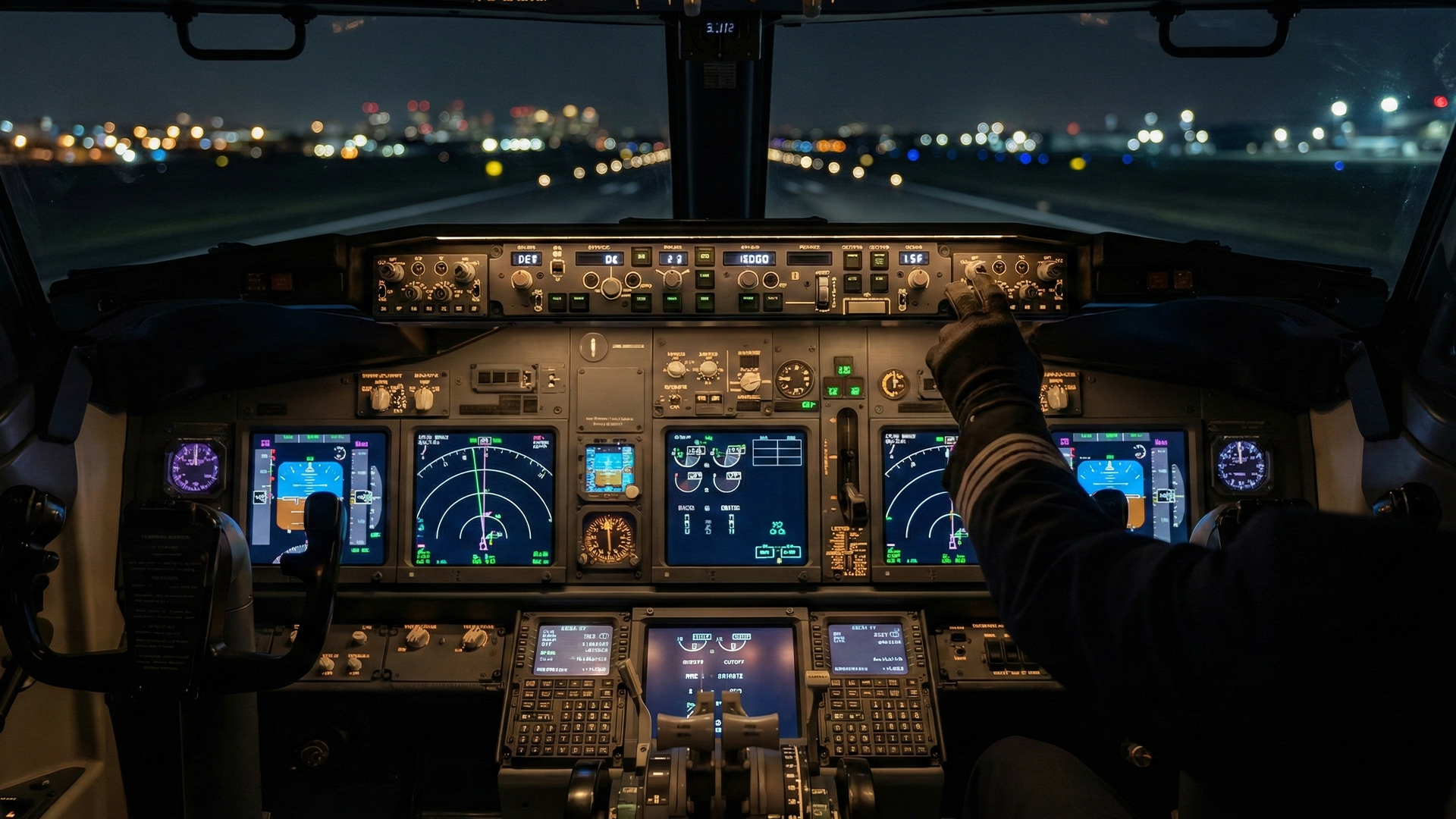
The investigation into the crash of Air India Flight AI-171 in Ahmedabad may conclude that the engines were shut down deliberately, according to an Italian newspaper citing sources linked to the probe.

The Boeing 787-8 Dreamliner crashed on June 12, 2025, shortly after taking off from Ahmedabad for London. The accident killed 260 people, 241 passengers and crew members on board and 19 people on the ground. Only one passenger survived.

Earlier findings from India’s Aircraft Accident Investigation Bureau (AAIB) revealed that both engine fuel control switches were moved from the “RUN” position to “CUTOFF” just seconds after take-off. This stopped fuel supply to the engines and caused a sudden loss of power.

Cockpit voice recordings reportedly captured one pilot asking the other why the engines were shut down. The other pilot responded that he had not done so.

Now, Italian daily Corriere della Sera has claimed that investigators believe the action was “almost certainly intentional” rather than a technical failure. The report says clearer cockpit audio helped investigators determine which pilot operated the switches.

The focus is reportedly on the captain, who was seated on the left side of the cockpit. Data suggests that the left engine fuel supply was cut first, followed by the right. However, officials in India have not officially confirmed these claims.

The captain’s family has strongly denied any suggestion of intentional wrongdoing. Pilot associations have also urged caution, saying conclusions should only be drawn after the final report is released.

The final investigation report is expected soon. It may also include recommendations related to pilot mental health checks and cockpit safety procedures.

Also Read: Bharat Bandh disrupts banks, transport across India

Bangladesh holds first election after 2024 uprising

Yunus-led transition faces public expectations as voters seek stability, jobs and democratic reset

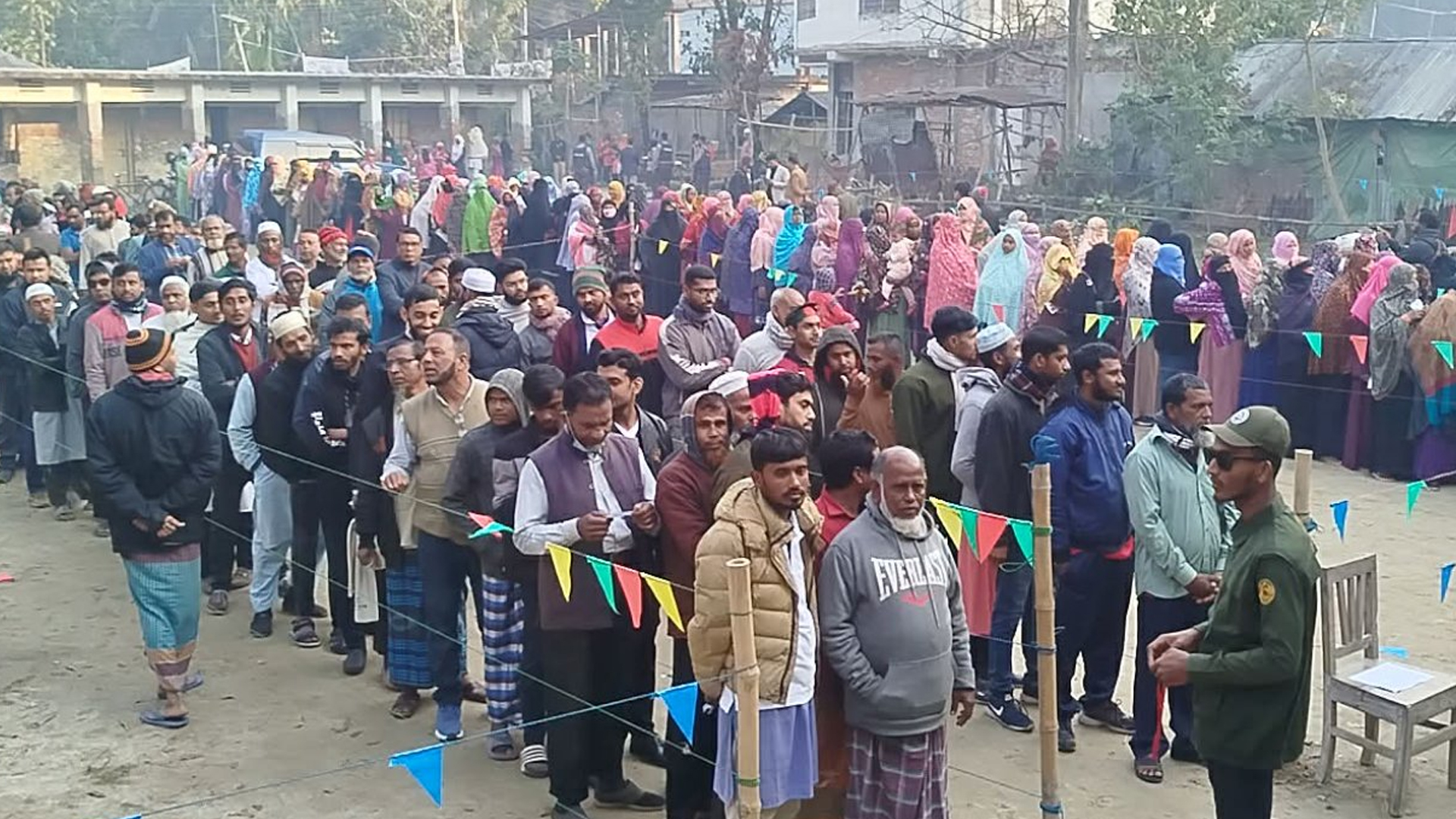
Bangladesh voted on February 12, 2026, in its first general election since the dramatic 2024 student-led uprising that removed Sheikh Hasina from power. For many citizens, this is a moment of reckoning and renewal.

Across Dhaka and small towns alike, voters stood patiently in long queues, some saying they felt they were “voting for the future” rather than a party. Young people, who were at the forefront of the protests two years ago, turned out in significant numbers. Many said they want accountable leadership, employment opportunities and an end to political violence.

The election is being overseen by an interim government led by Nobel laureate Muhammad Yunus, who stepped in after the uprising to guide the country through transition. Yunus has positioned himself as a neutral caretaker focused on restoring democratic processes. While he is not contesting the election, his credibility is central to public trust in the fairness of the polls.

Security has been tight nationwide, with a strong presence of law enforcement to prevent unrest. Though there have been isolated reports of minor clashes and slow voting in some areas, authorities say the process has largely been peaceful.

Politically, the landscape has shifted dramatically. The Awami League, once dominant under Sheikh Hasina, is absent from the ballot. This has reshaped the contest into a battle primarily between the Bangladesh Nationalist Party (BNP), led by Tarique Rahman, and an alliance that includes Jamaat-e-Islami.

Public opinion appears divided. Some voters see the BNP as a chance for change and institutional reform. Others worry about the growing influence of Islamist forces in mainstream politics. There is also a section of citizens who remain cautious, questioning whether real systemic reform will follow the vote.

Alongside electing lawmakers, voters are also deciding on constitutional reforms aimed at limiting prime ministerial powers and strengthening democratic checks and balances — a direct response to concerns about concentrated authority in the past.

Also Read: Russia backs India’s BRICS security agenda

Cisco launches One G300 AI networking chip

New Silicon One G300 chip aims to speed up AI data‑centre operations, taking on Nvidia and Broadcom

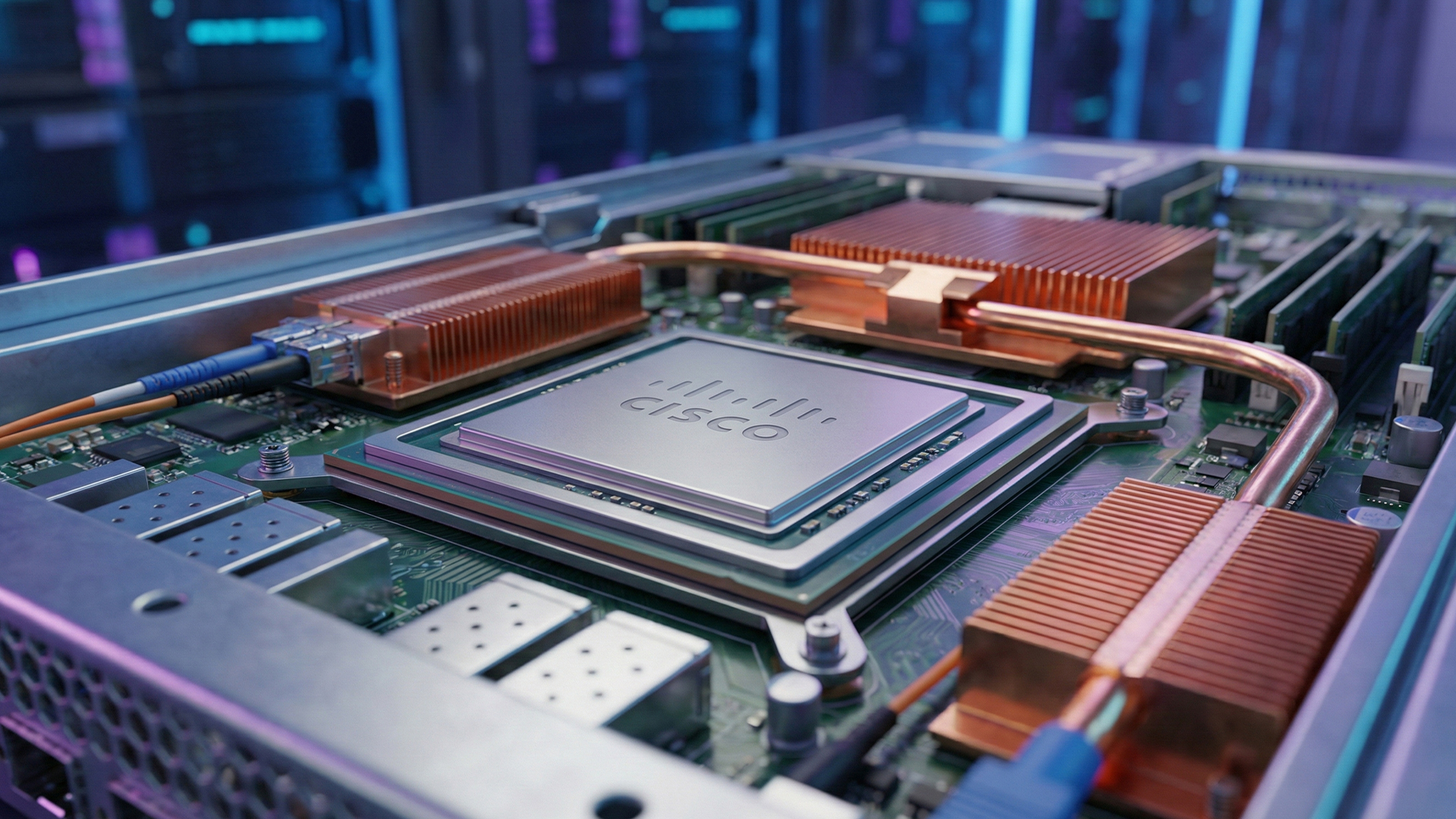
Cisco Systems has launched a powerful new networking chip and router system designed specifically for artificial intelligence workloads, marking a major push into the AI infrastructure market. The move puts Cisco in direct competition with industry leaders Nvidia and Broadcom.

The chip, called Silicon One G300, is built to handle massive amounts of data traffic within AI data centres, where thousands of processors must work together at extremely high speeds. Efficient data flow is critical in these environments to ensure AI models train and run smoothly.

Cisco says the G300 will be made using 3‑nanometer technology by TSMC and is expected to hit the market in the second half of 2026. One of its standout features is its ability to automatically reroute data during sudden traffic spikes, which Cisco calls a “shock absorber” function. This innovation can boost performance for certain AI tasks by nearly 30%, according to the company.

This launch highlights how networking technology is becoming just as important as GPUs or AI processors themselves. In large AI clusters, even a small slowdown in data movement can affect overall performance. By focusing on high-speed, intelligent networking, Cisco hopes to give enterprises and cloud providers a way to optimize their AI systems.

The G300 directly competes with Broadcom’s Tomahawk line and Nvidia’s AI networking solutions, aiming to win over both hyperscale cloud providers and enterprises building their own AI clusters.

As AI continues to drive growth in computing infrastructure, faster and more efficient networking solutions are becoming essential. Cisco’s new chip signals its ambition to be a key player in the $600 billion AI infrastructure market, showing that smart network design is now a critical part of the AI revolution.

Also Read: 10 killed in Canada school shooting