rotating globe
11 Apr 2026


Iran stands tall on uranium enrichment

Tehran rejects US pressure, vows to keep nuclear programme

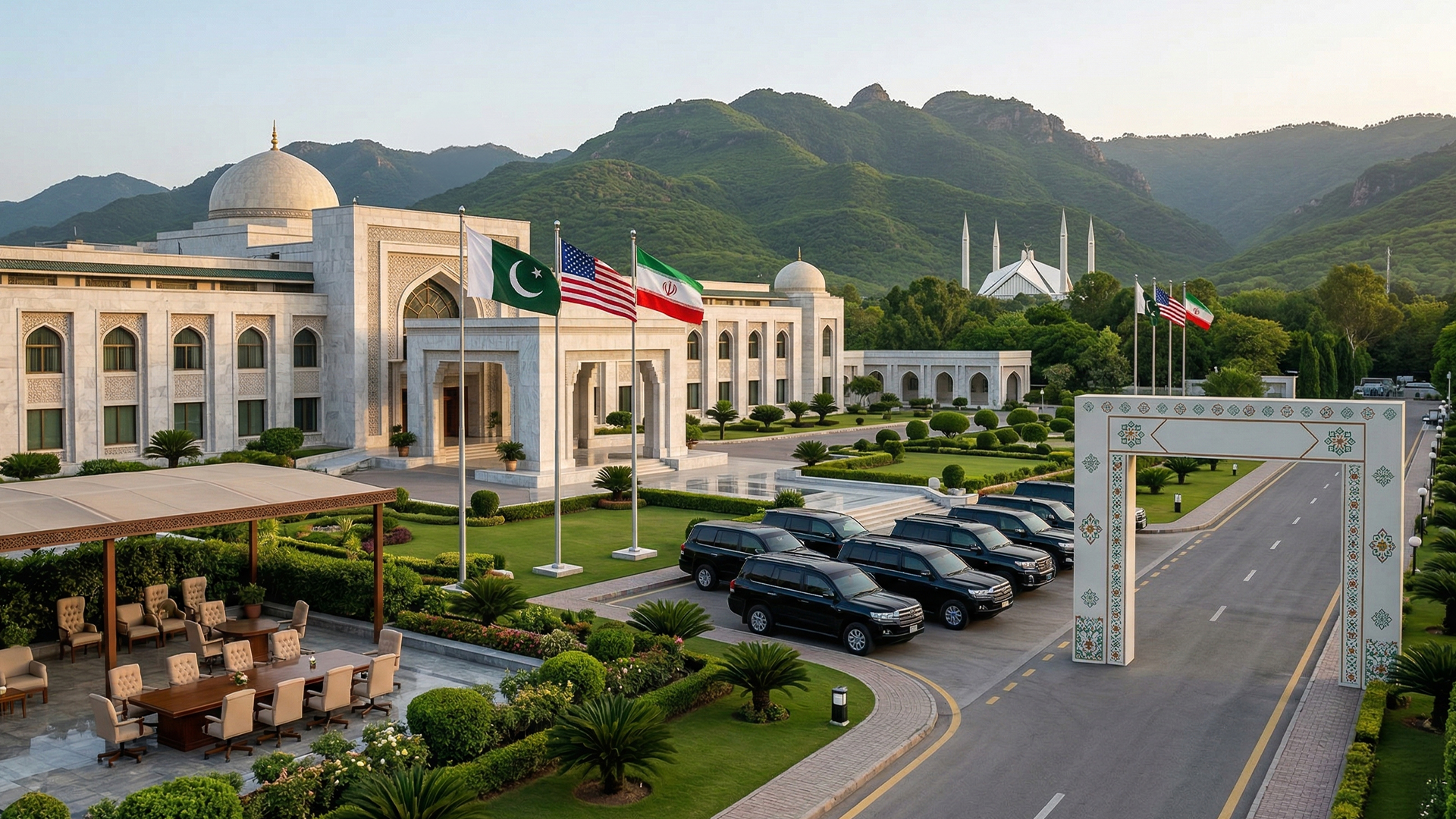
Iran has made it clear that it will not give up its uranium enrichment programme, calling it a core part of its national sovereignty. Speaking in Tehran, Foreign Minister Abbas Araghchi said no country has the right to dictate Iran’s actions, even as the US applies diplomatic and military pressure in the region.

Araghchi stressed that Iran views enrichment as a matter of independence and national dignity. He dismissed concerns over US military presence, including the aircraft carrier USS Abraham Lincoln, saying such moves will not influence Iran’s decisions.

The comments came as indirect nuclear talks between Iran and the US resumed in Oman, the first high-level engagement in months. While both sides appear willing to continue dialogue, major differences remain, particularly over how much Iran’s nuclear programme should be limited.

Iran is seeking relief from US economic sanctions, linking any progress to recognition of its right to enrich uranium and reduced regional military tensions. The US, however, continues to demand strict limits on Iran’s nuclear activities, which Tehran rejects.

Washington and its allies remain concerned that Iran’s nuclear programme could bring it closer to weapons-grade material, even though Tehran insists its work is peaceful and within international rules.

Diplomatically, a senior adviser to Iran’s Supreme Leader is scheduled to visit Oman to discuss the situation with officials, showing Muscat’s ongoing role as a mediator.

Also Read: Bollywood stars attend RSS 100-year celebration

Sanae Takaichi secures historic mandate in Japan

Election result gives prime minister Takaichi, decisive parliamentary control

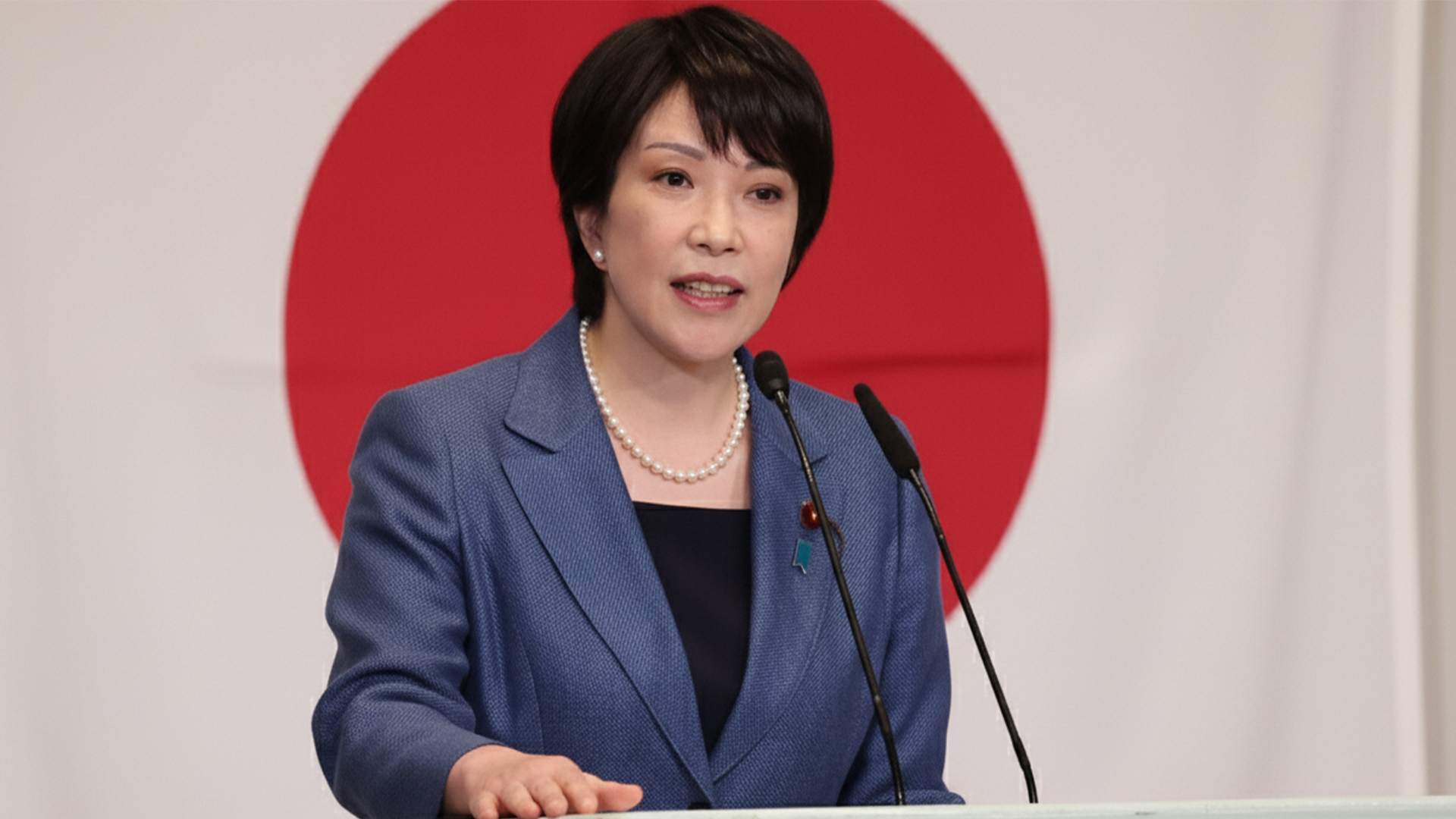
Japan has given Prime Minister Sanae Takaichi an emphatic vote of confidence, delivering her ruling Liberal Democratic Party (LDP) a historic landslide in the House of Representatives election. The result marks one of the strongest mandates any Japanese leader has secured in decades and firmly cements Takaichi’s authority at home and abroad.

According to official projections, the LDP won well over the two-thirds majority needed to control the lower house on its own. When combined with seats won by allied parties, the ruling bloc’s dominance becomes even more decisive. The scale of the victory allows Takaichi to push through legislation without dependence on opposition support, giving her government rare political stability in a country often marked by short-lived administrations.

For many voters, the election was less about ideology and more about reassurance. Japan is navigating high living costs, demographic pressures, and growing security concerns in the region. Takaichi’s campaign focused on economic relief, including promises of tax cuts on essential goods, stronger domestic industries, and a firmer national security posture. Her message of continuity and decisiveness appears to have resonated widely.

Despite cold weather and scattered snow in parts of the country, voter turnout remained steady, suggesting strong public engagement in what was seen as a defining election. In contrast, opposition parties suffered major setbacks, with several senior leaders acknowledging defeat and signalling internal reviews after disappointing results.

Speaking after the victory, Takaichi described the outcome as a “responsibility as much as a mandate,” pledging to deliver tangible economic benefits while ensuring Japan remains secure and globally engaged. She is expected to be formally re-elected as prime minister in a special parliamentary session later this week.

The international response was swift. World leaders sent congratulatory messages, highlighting Japan’s importance as a key economic and strategic partner. Financial markets also reacted positively, with Japanese stocks rising on expectations of policy continuity and decisive governance.

Also Read: India trades with confidence, says Piyush Goyal

Delhi CM rolls out 500 e-buses

City targets 14,000 electric buses by 2028 to strengthen clean and affordable public transport

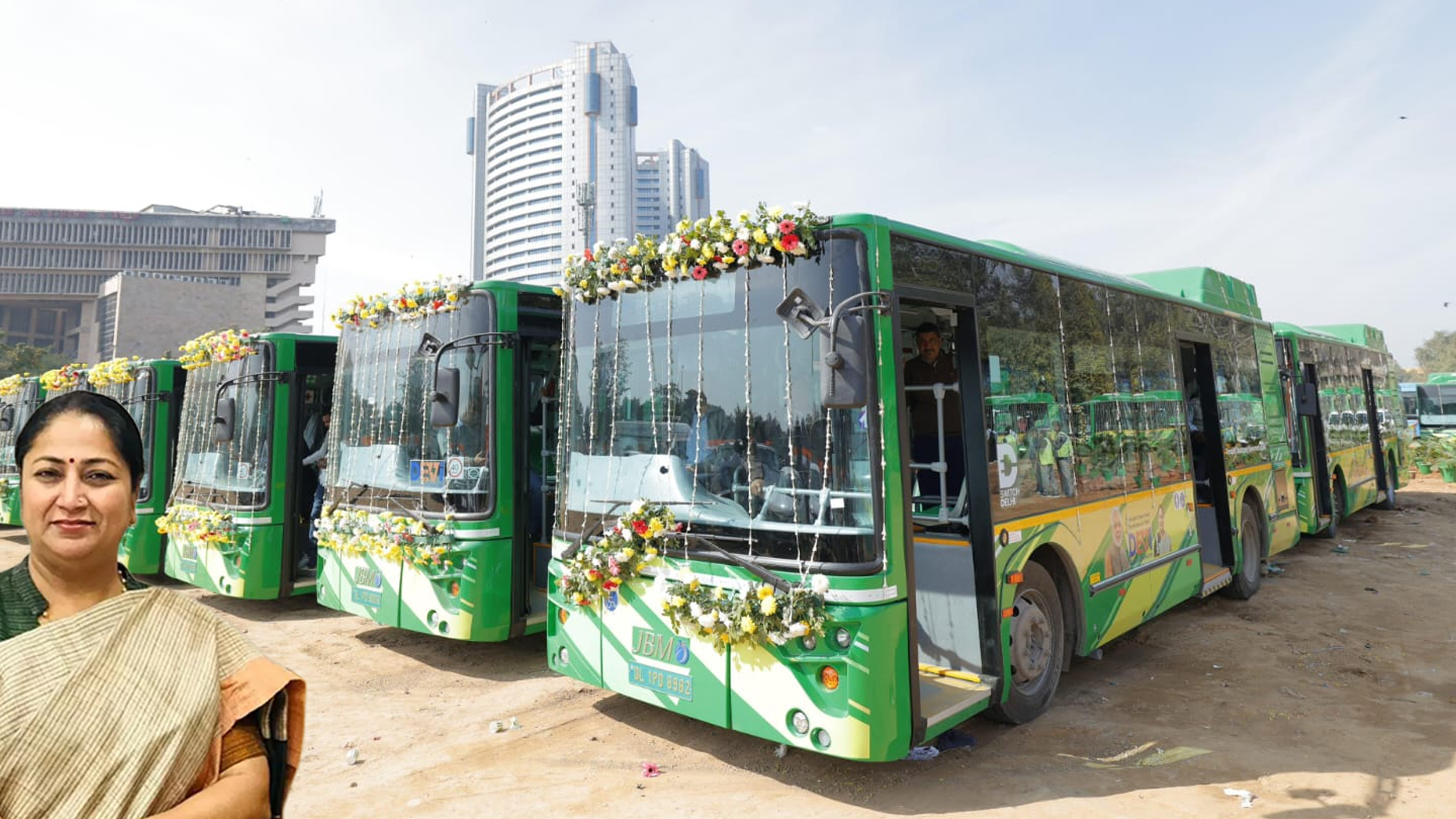
Delhi took another major step towards cleaner public transport as Chief Minister Rekha Gupta flagged off 500 new electric buses, pushing the Delhi Transport Corporation’s (DTC) electric bus fleet beyond the 4,000 mark. With this expansion, Delhi now has the largest electric bus fleet operated by any state or city in India.

The flag-off ceremony marked one year of the BJP-led government in the national capital. Senior leaders and officials attended the event, highlighting the government’s focus on improving public transport while reducing pollution levels in the city. The newly inducted buses will be deployed across several routes to improve frequency, reduce overcrowding, and make daily commuting more comfortable for passengers.

The electric buses are equipped with modern features such as air conditioning, low-floor access for senior citizens and persons with disabilities, CCTV cameras, panic buttons, and real-time tracking systems. Officials said these features aim to enhance passenger safety and convenience, especially for women and daily commuters.

Alongside the city fleet expansion, the government also launched an electric intercity bus service connecting Delhi with Panipat. This service is expected to provide a cleaner and cost-effective travel option for people commuting between the capital and neighbouring regions, while also helping cut down vehicular emissions on busy highways.

Speaking at the event, Chief Minister Rekha Gupta said the induction of 500 electric buses at one time was a significant milestone for Delhi’s transport system. She added that the government is committed to transforming public transport and making it more reliable, affordable, and environmentally friendly.

According to officials, the Delhi government plans to increase the number of electric buses to around 7,500 by 2026 and further expand the fleet to 14,000 by 2028. This ambitious target is part of a broader strategy to phase out older, polluting vehicles and shift towards sustainable mobility solutions.

Also Read: PM Modi strengthens ties with Malaysia and Seychelles

Bollywood stars attend RSS 100-year celebration

Salman Khan, Ranbir, Akshay, Vicky, Karan Johar among celebs at two‑day event

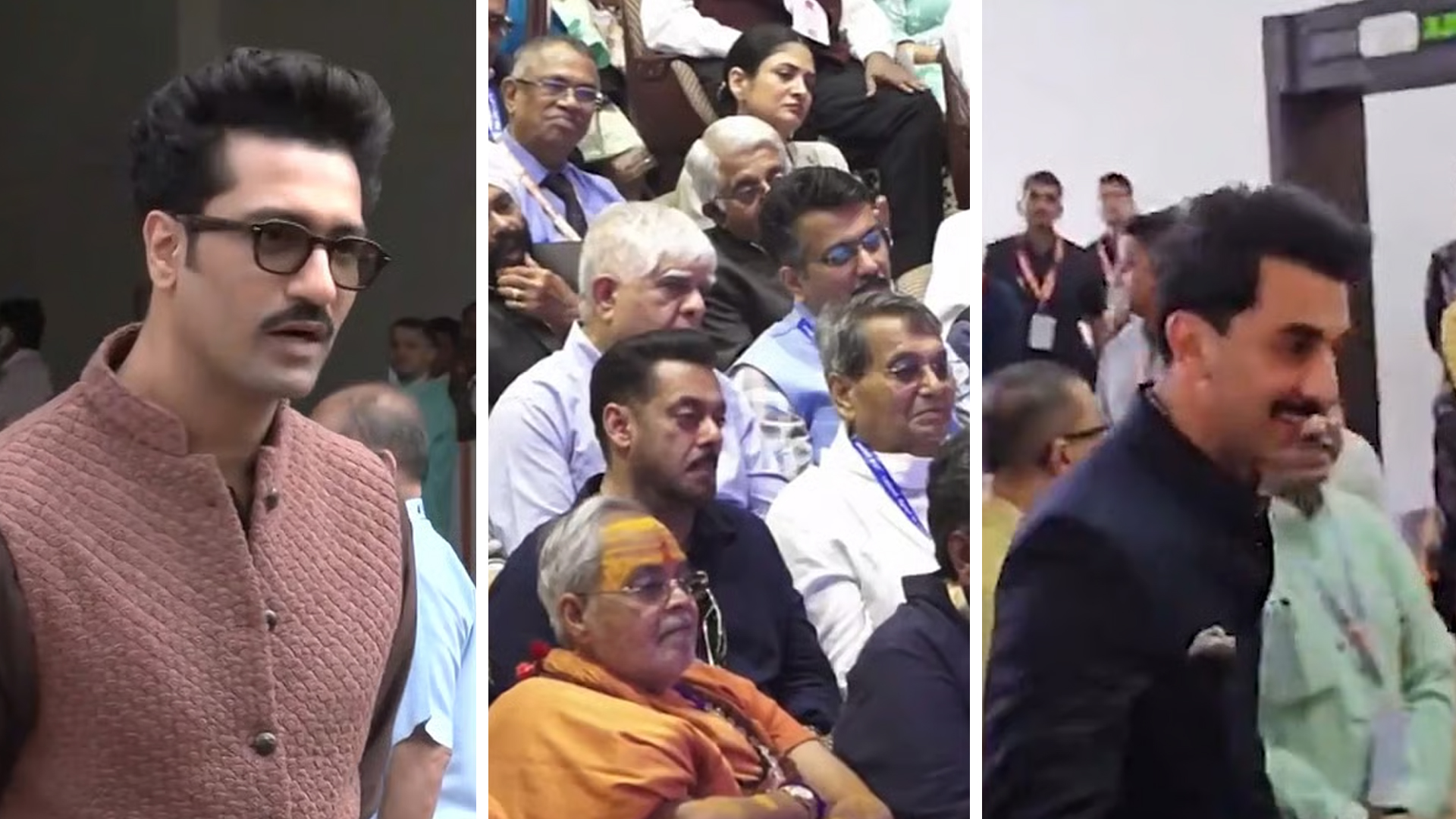
Mumbai witnessed a rare convergence of Bollywood glamour and cultural celebration over the weekend as the Rashtriya Swayamsevak Sangh (RSS) marked its 100th anniversary. The two-day centenary event, held at the Nehru Centre Auditorium, drew a mix of senior RSS leaders, speakers, and some of the country’s most popular film stars.

On the first day, February 7, audiences were thrilled to see Salman Khan and Ranbir Kapoor in attendance. Salman, known for his massive fan following, was praised by RSS chief Mohan Bhagwat, who joked that many students emulate the superstar’s style and choices. Ranbir, accompanied by his director Nitesh Tiwari, was seen engaging warmly with attendees, highlighting his growing interest in cultural and socially significant events.

The second day brought another wave of Bollywood personalities. Akshay Kumar, Vicky Kaushal, Karan Johar, and Ananya Panday joined the celebrations, sharing their impressions of the event. Johar called the discussions insightful, while Kaushal described being part of the centenary as an honor. Veteran actors like Shilpa Shetty, Raveena Tandon, and Jackie Shroff were also present, reflecting the broad appeal of the occasion across generations.

The programme itself combined speeches, discussions, and cultural reflections, focusing on the RSS’s century-long journey and its vision for the future. While the event’s core was socio-cultural and educational, the presence of film stars brought a sense of warmth and relatability, connecting the audience to contemporary popular culture.

Social media was abuzz with photos and videos of the celebrities mingling with leaders, sparking conversations about Bollywood’s engagement in national and cultural milestones. Observers noted that two decades ago, such a visible celebrity presence at an RSS event would have been considered unusual, making this centenary a landmark moment for both the organization and the film fraternity.

The two-day celebration ended on a high note, leaving audiences impressed by the seamless blend of tradition, reflection, and star-studded charm, proving that cultural milestones can resonate with both leaders and popular icons alike.

Also Read: Delhi CM rolls out 500 e-buses

Naxalism nears end, claims Amit Shah

Home Minister reviews anti‑Naxal efforts in Chhattisgarh, urges inter‑state coordination and local development

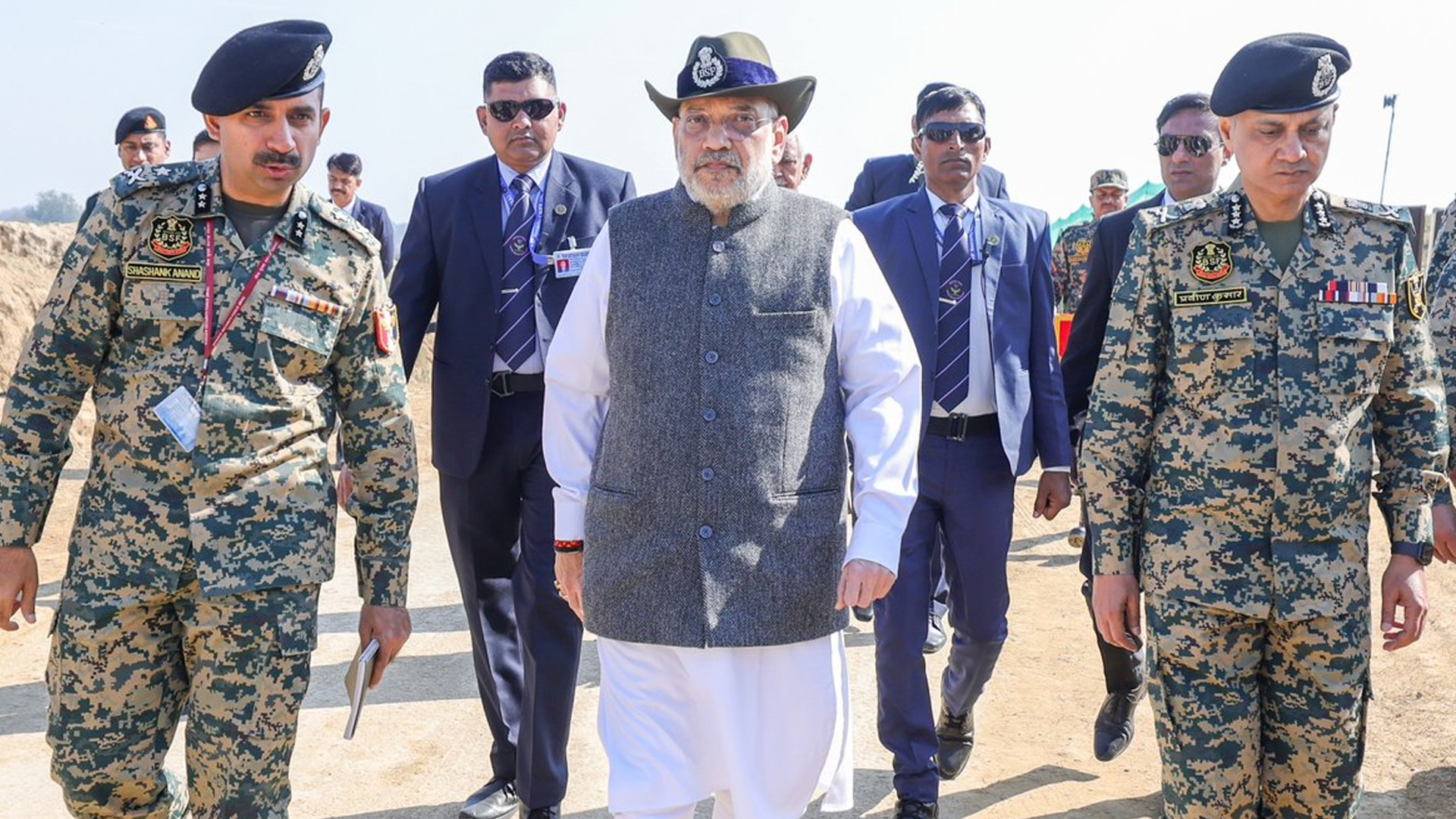
Union Home and Cooperation Minister Amit Shah on 8 February 2026 visited Raipur, Chhattisgarh, to review the government’s fight against Naxalism. Speaking at a high‑level security meeting with state and central officials, Shah said the Left‑Wing Extremist (LWE) threat in the country is “close to its end” and the government aims to completely eliminate it by 31 March 2026.

During the meeting, attended by Chhattisgarh Chief Minister Vishnu Deo Sai and Deputy CM Vijay Sharma, Shah highlighted the progress made in curbing Maoist activity through security operations, improved infrastructure, development initiatives, and surrender policies for extremist cadres. He said these measures have restored normalcy in previously conflict‑prone areas and helped communities regain confidence.

Shah emphasised that both development and security are key to eradicating Naxalism. Improved roads, better connectivity, and civic projects in affected regions have weakened Maoist influence, allowing people to live safely and pursue livelihoods without fear. He urged states to maintain tight coordination, especially along borders, so the remaining extremist groups cannot regroup or shift to neighbouring regions.

He also stressed that tackling the ideological roots of extremism is as important as operational success. Security forces were asked to continue pressuring residual Naxal elements while ensuring that local populations benefit from development and peace.

The visit is part of a three-day trip, which included attending cultural events like the closing ceremony of the Bastar Pandum Festival in Jagdalpur. Shah’s presence symbolises both a security push and the return of normal civic life in areas once dominated by Naxal activity.

Officials described the Raipur meeting as a “final strategic push” to dismantle remaining Maoist networks and move closer to a Naxal-free India, reflecting the central government’s focus on internal security and development in affected states.

Also Read: India, Canada reset ties after Ajit Doval’s Ottawa visit

PM Modi strengthens ties with Malaysia and Seychelles

India signs $175 million package, boosts trade, security, fights terrorism

Prime Minister Narendra Modi recently undertook significant diplomatic engagements with Malaysia and Seychelles, focusing on strengthening regional partnerships, boosting trade and investment, and reinforcing India’s zero-tolerance stance on terrorism.

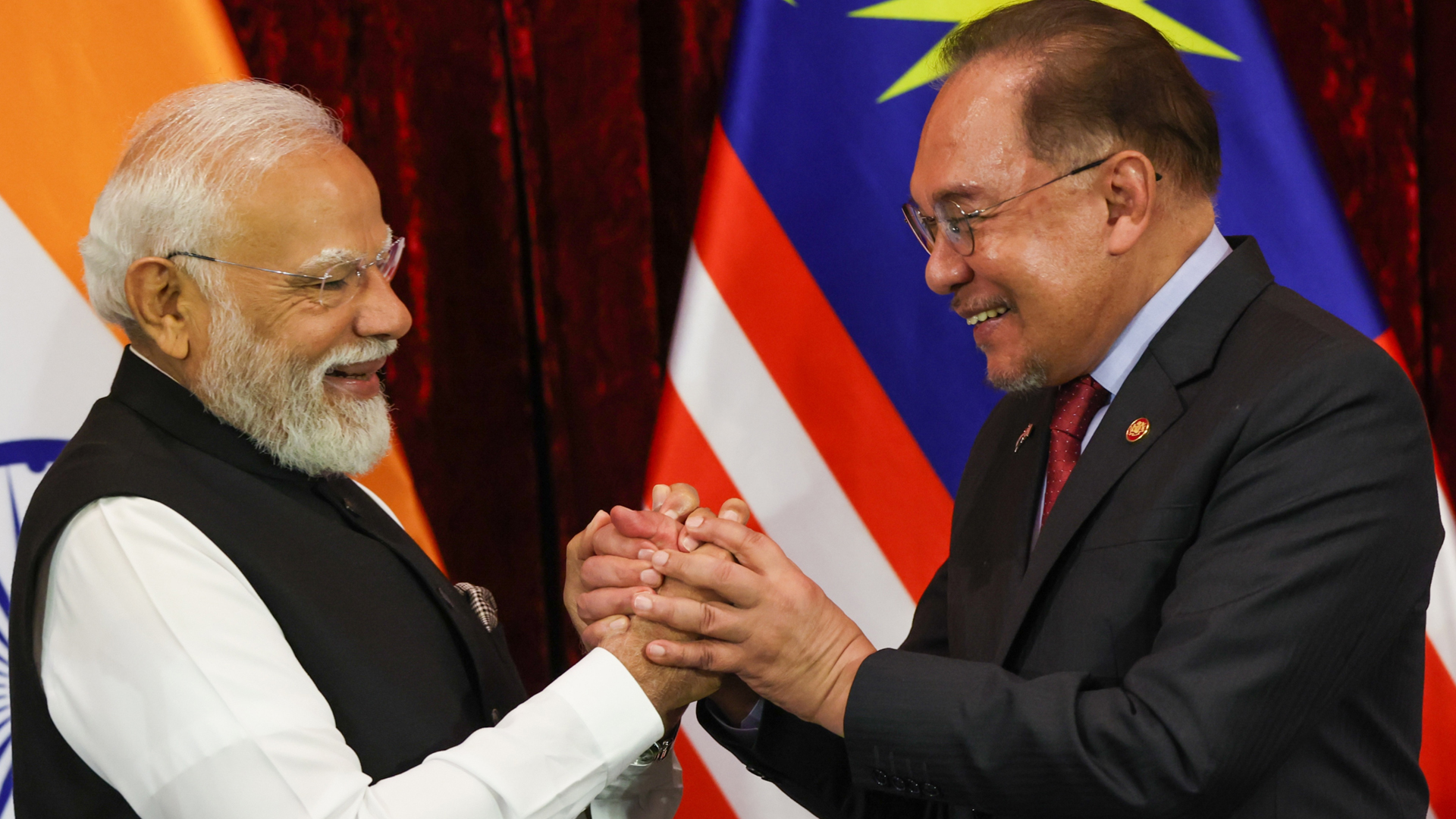
In Malaysia, PM Modi met Prime Minister Anwar Ibrahim in Kuala Lumpur to further the Comprehensive Strategic Partnership between the two countries. During the visit, India and Malaysia signed 11 agreements spanning trade, investment, defence cooperation, energy, semiconductor and advanced manufacturing, and technology collaboration. The leaders discussed enhancing cooperation in emerging areas like artificial intelligence, digital technology, and food security. Both countries also agreed to promote trade settlements in local currencies and support each other in global forums, including backing India’s bid for a permanent seat on the UN Security Council.

A key highlight of the talks was the discussion on terrorism. Modi stressed that India will not tolerate terrorism in any form and called for “no compromise and no double standards” in addressing the issue. Both countries agreed to expand intelligence sharing, maritime security collaboration, and counter-terrorism efforts, reflecting shared security concerns in the region.

Meanwhile, in New Delhi, Mr. Modi welcomed Seychelles President Patrick Herminie on his first official visit since taking office in October 2025. The visit coincides with the 50th anniversary of India‑Seychelles diplomatic relations. President Herminie paid homage to Mahatma Gandhi at Rajghat before holding discussions at Hyderabad House with top Indian officials. The talks focused on maritime security, regional cooperation, and economic development.

During the visit, India and Seychelles signed a $175 million economic package aimed at improving housing, transport, maritime security, and capacity building, including training programs for Seychellois civil servants in India. The agreement underscores India’s commitment to supporting Seychelles as a strategic partner in the Indian Ocean.

These diplomatic engagements highlight India’s broader strategy to strengthen ties across Southeast Asia and the Indian Ocean region.

Also Read: India, Canada reset ties after Ajit Doval’s Ottawa visit