rotating globe
11 Apr 2026


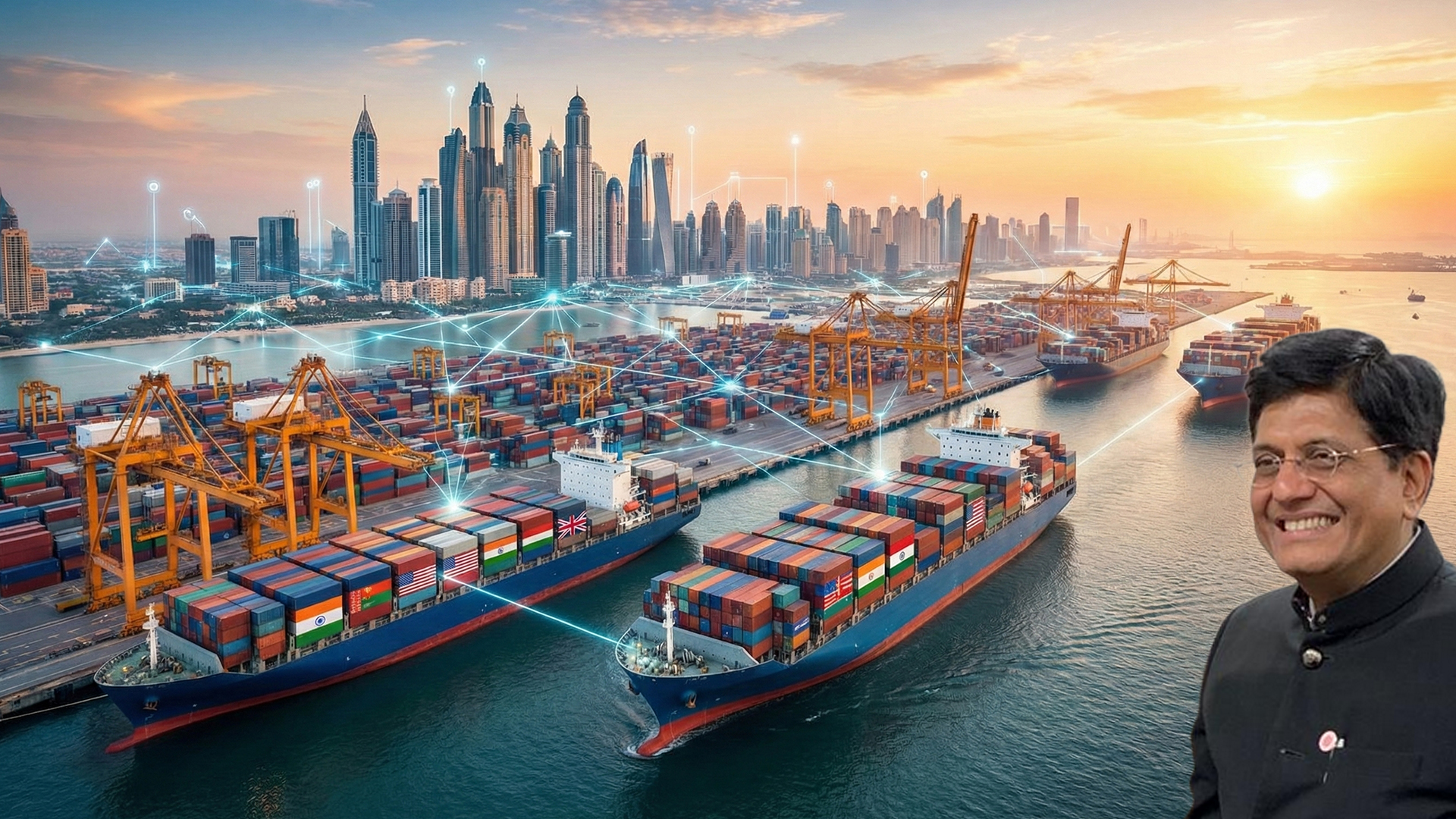
India trades with credence, says Piyush Goyal

Union Commerce and Industry Minister affirms that strong economy gives India edge in global trade talks

India is negotiating international trade agreements from a position of strength, backed by its growing economy and long-term market potential, Union Commerce and Industry Minister Piyush Goyal has said. He stressed that India is no longer a weak participant in global trade discussions but a confident economy that partners want to engage with.

Goyal pointed out that India has already emerged as a nearly $4 trillion economy and is expected to grow into a $30–35 trillion economy by 2047. This future growth, he said, gives India strong leverage in trade negotiations, as countries are keen to access India’s expanding consumer market.

Speaking about ongoing discussions with major economies, including the United States, Goyal said India is careful to balance opportunity with national interest. Trade agreements, he noted, are being shaped to support Indian industry, exporters, and jobs while ensuring that sensitive sectors such as agriculture are protected.

On the India-US trade framework, the minister said Indian exporters stand to gain due to lower tariff barriers, which could make Indian goods more competitive in the American market compared to products from other countries. This advantage could benefit sectors like manufacturing, engineering goods, textiles, and services.

India is also actively negotiating trade deals with the European Union, the United Kingdom, and other partners, reflecting its wider strategy to deepen global economic engagement. According to Goyal, India’s growing economic strength allows it to negotiate on equal terms, ensuring trade agreements contribute to sustainable and inclusive growth.

Goyal underlined that India’s approach to trade is no longer defensive. Instead, the country is offering long-term market access while insisting on fair and balanced terms. He added that interim trade arrangements are only a step towards broader and more comprehensive agreements.

Also Read: Bomb threat emails evacuate Delhi schools

Bomb threat emails evacuate Delhi schools
Over 10 schools evacuated after threat mails. Police, bomb squads conduct searches, no explosives found so far

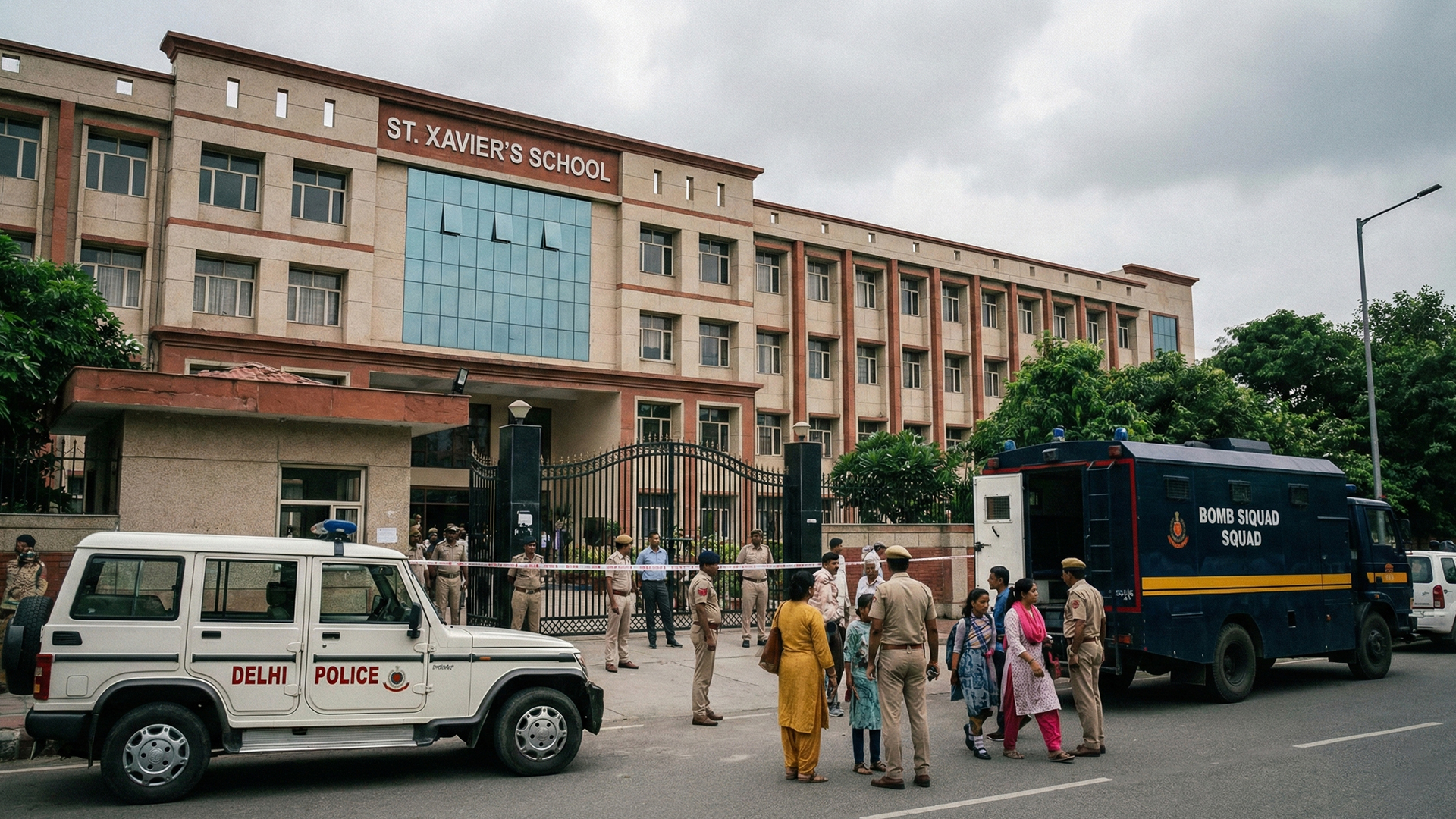
At least ten schools across Delhi were put on high alert on Monday, February 9, 2026, after they received bomb threat emails, forcing authorities to evacuate students and staff and launch extensive security operations. The incident caused panic among parents and disrupted normal school activities across several parts of the city.

According to officials, the threatening emails were received during the morning hours and warned of explosions at school premises. Some of the messages reportedly carried provocative content, including references such as “Delhi will become Khalistan”, raising concerns about the intent behind the threats. As a precautionary measure, school administrations immediately informed the police.

Teams from the Delhi Police, bomb disposal squads, dog squads and Delhi Fire Services rushed to the affected schools. Students were calmly escorted out of classrooms and moved to safe locations, while entry into the buildings was restricted. Security personnel conducted thorough searches of classrooms, corridors, playgrounds and surrounding areas to rule out the presence of any explosive material.

Police officials said the checks were carried out systematically to ensure complete safety before allowing anyone to return to the premises. As of the latest updates, no explosives or suspicious objects have been found at any of the schools, though searches continued for several hours as a precaution.

Authorities have also activated cybercrime teams to trace the origin of the emails and identify those responsible. Investigators are examining email headers, servers and digital footprints to determine whether the threats were sent from within the country or routed through foreign networks.

This is not the first time Delhi schools have faced such scares. In recent months, several educational institutions and public buildings have received similar bomb threats, many of which later turned out to be hoaxes. However, officials said every threat is treated seriously to avoid any risk to life.

Parents and the public are being advised to remain calm and avoid spreading rumours. They assured that strict action will be taken against those found behind the emails. Normal school activities are expected to resume only after security agencies give full clearance, officials added.

President Droupadi Murmu inaugurates Bastar Pandum

This 3-day tribal festival in Jagdalpur showcases culture, arts, and a new era of peace

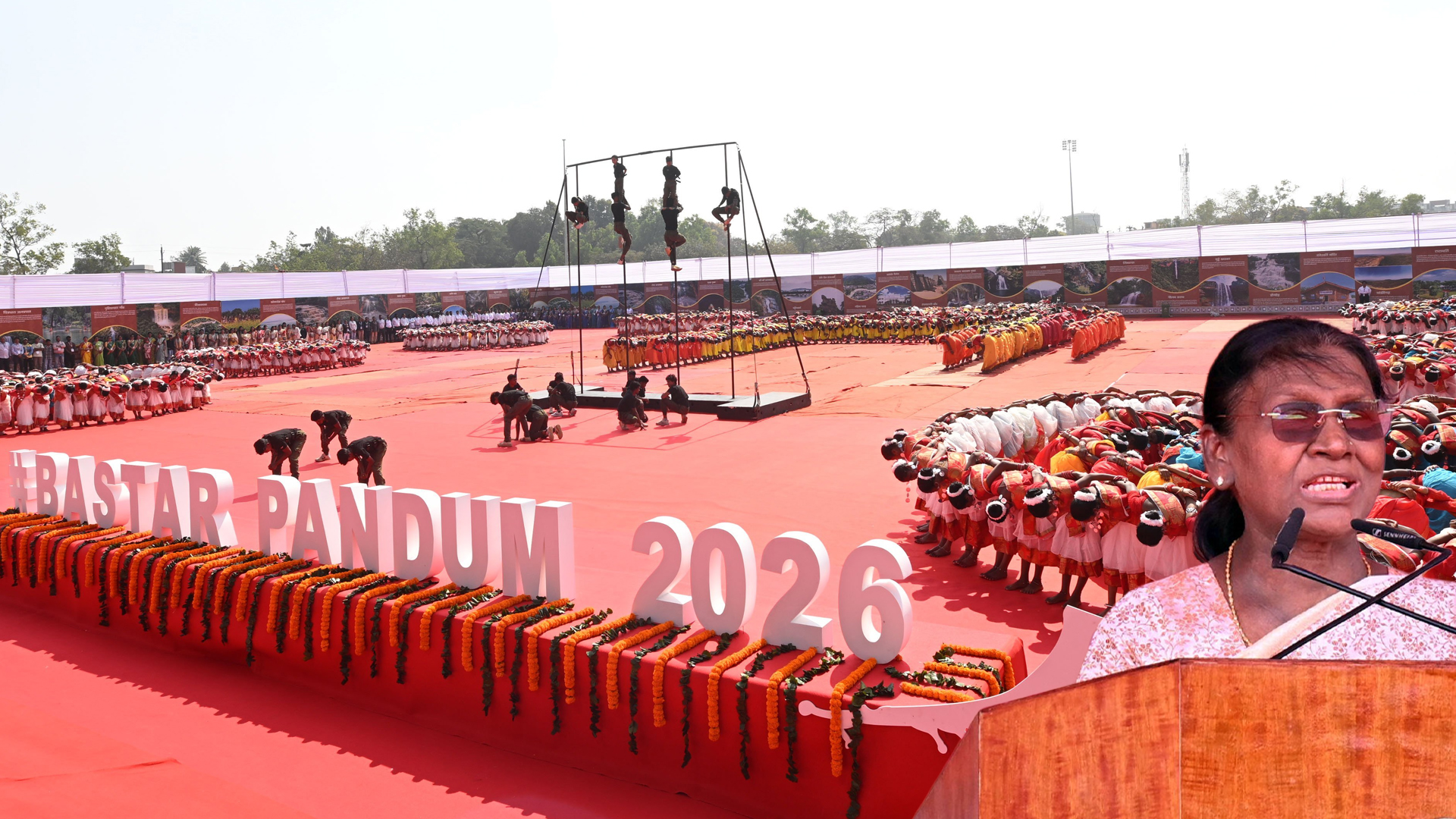
President Droupadi Murmu today inaugurated Bastar Pandum 2026, the grand tribal festival of Jagdalpur, Chhattisgarh, bringing alive the vibrant traditions, art forms, and stories of the indigenous communities of Bastar. The three-day festival runs from 7–9 February and is a celebration not only of culture but also of the resilience and spirit of the region’s people.

Unlike other festivals, Bastar Pandum is deeply rooted in the life of the tribal communities. It is a living expression of their identity, where dance, music, crafts, folklore, and cuisine come together to narrate centuries-old traditions. Over 700 artists from 84 teams are participating, performing in 12 cultural disciplines, offering visitors a rare glimpse into Bastar’s unique tribal art forms and rituals.

Speaking at the event, President Murmu highlighted Bastar’s extraordinary natural beauty and cultural wealth, describing the festival as a bridge connecting tribal youth with their ancestral roots. She praised the peaceful transformation of Bastar following years of challenges from insurgency, emphasizing the importance of trust in democratic processes and community development.

Chhattisgarh Governor Ramen Deka, Chief Minister Vishnu Deo Sai, and Union Minister Tokhan Sahu attended the inauguration, reflecting the festival’s importance as both a cultural celebration and a marker of development.

The festival also showcases Bastar’s tourism potential, with traditional crafts, indigenous instruments, and local cuisine creating an immersive cultural experience. It provides a platform for artisans to gain national recognition, while fostering pride among the youth and community members.

Bastar Pandum is  a living testament to the creativity, resilience, and heritage of Bastar’s tribal communities, reminding the world that culture and tradition continue to thrive in the heart of India.

Also Read: Trump deletes racist Obama video, refuses to apologise

India’s exports get US duty-free boost

Key Indian exports like gems, medicines, and mangoes to enter US duty-free, while sensitive sectors remain protected

India and the United States have reached an interim trade deal to improve economic ties and reduce long-standing tariff disputes. This temporary framework is seen as a step toward a broader trade agreement expected later this year.

Under the deal, the US will remove or lower tariffs on a number of Indian products. Some goods that faced high duties in the past will now enjoy zero or reduced tariffs, making it easier for Indian exporters to compete in the US market.

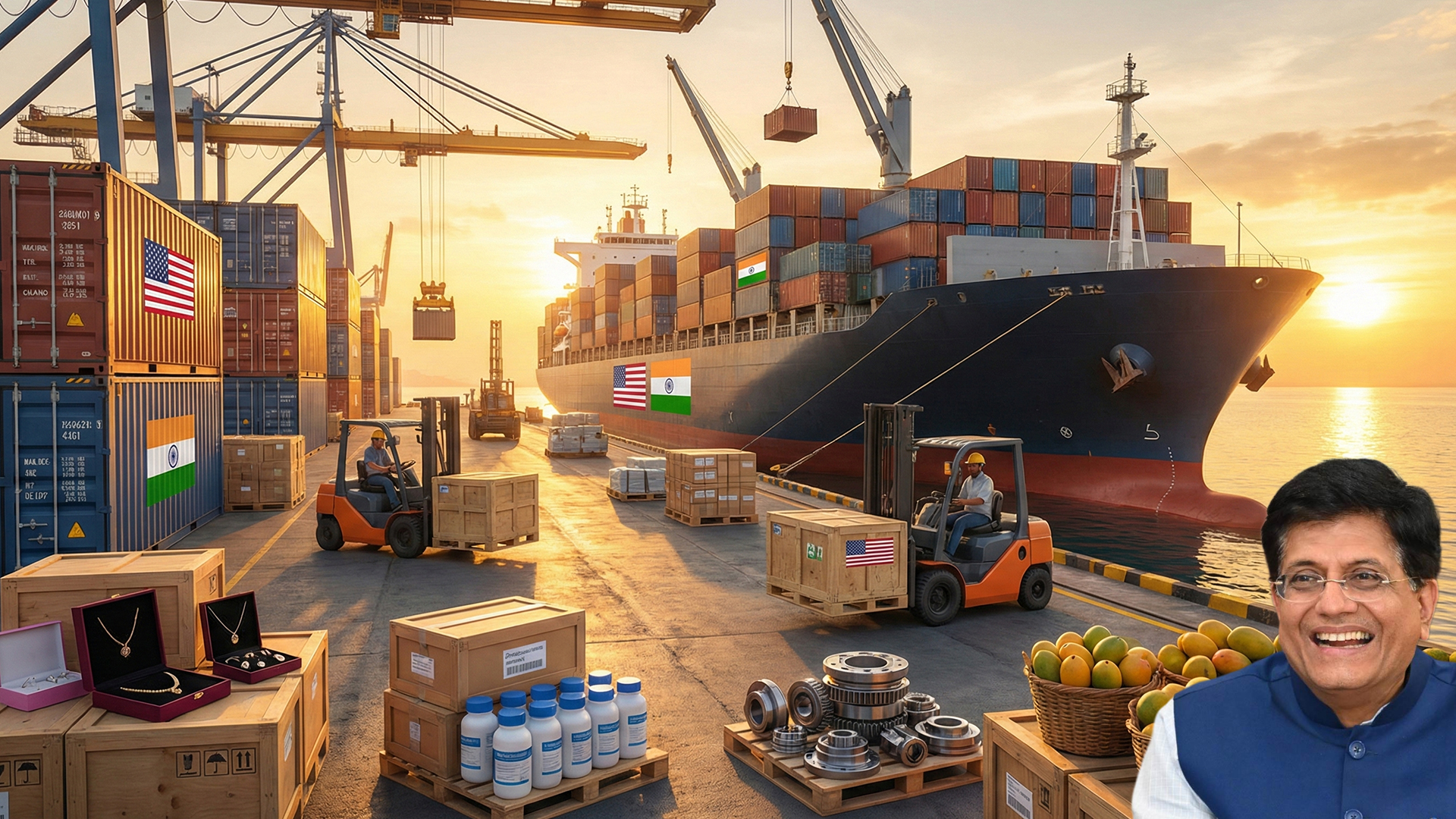
Commerce Minister Piyush Goyal listed several products that will enter the US without extra taxes, including gems and diamonds, generic medicines, smartphones, aircraft parts, and auto components. Several agricultural products will also benefit, such as tea, coffee, spices, coconut and coconut oil, cashews, areca nuts, and fruits like mangoes, bananas, and avocados.

The deal will particularly help high-end motorcycles, including Harley-Davidson, which will now be cheaper to export. However, electric vehicles and some other items are still subject to tariffs.

The Indian government stressed that sensitive sectors are protected. Products like dairy, sugar, cereals, and genetically modified items will not see reduced tariffs when entering India. Officials also said the agreement will not harm farmers, small businesses, or traditional crafts.

While the deal has been welcomed by exporters, some critics are concerned. Farmer groups and opposition leaders fear that zero tariffs on imported goods may hurt local farmers and small producers by exposing them to competition from abroad.

Also Read: Young India clinch U-19 World Cup

ICC Men’s T20 World Cup 2026 gets underway today

India, Sri Lanka to host 20-team tournament from February 7 to March 8

The ICC Men’s T20 World Cup 2026 begins today, February 7, marking the start of a month-long global cricket tournament co-hosted by India and Sri Lanka. The tournament will run until March 8 and will see 20 teams compete across 55 matches at venues in both countries.

The opening day schedule features three group-stage matches, setting the tone for the competition. The tournament opener has Pakistan taking on the Netherlands at the Sinhalese Sports Club in Colombo in a Group A clash. This match officially kicks off the 2026 edition of the T20 World Cup.

Later in the day, West Indies face Bangladesh at Eden Gardens, Kolkata, in a Group C encounter. Both sides will be looking to make a strong start in a group that also includes England, Scotland and Nepal.

The spotlight then shifts to Mumbai in the evening, where defending champions India begin their title defence against the United States at the Wankhede Stadium. The match is expected to draw significant attention, with India playing their opening fixture in front of a home crowd.

The tournament follows a structured format, with teams divided into four groups of five in the first round. Each team plays four matches, and the top two from each group advance to the Super 8 stage, followed by the semi-finals and the final on March 8.

Matches will be played across eight venues, including Ahmedabad, Mumbai, Kolkata, Delhi and Chennai in India, and Colombo and Kandy in Sri Lanka. The final venue will be confirmed closer to the closing stages.

With packed stadiums, major rivalries and an expanded field, the ICC says the 2026 T20 World Cup reflects the growing global reach of the format. Today’s opening fixtures mark the beginning of a high-intensity tournament that promises fast-paced cricket and fierce competition over the coming weeks.

Also Read: Young India clinch U-19 World Cup

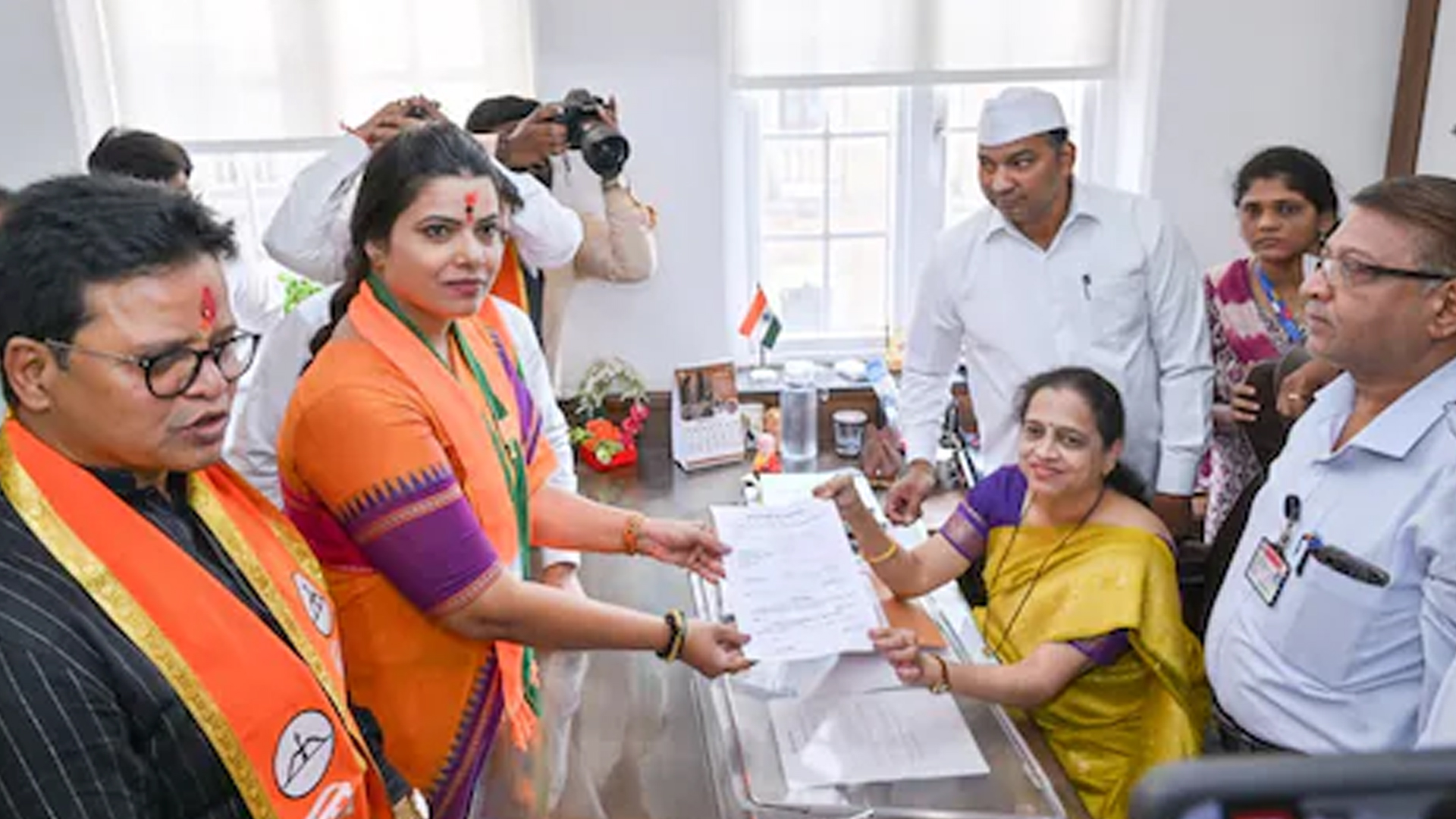
BJP’s Ritu Tawde chosen as Mumbai mayor

BJP picks Tawde, Shiv Sena fields Sanjay Ghadi as deputy mayor for BMC polls


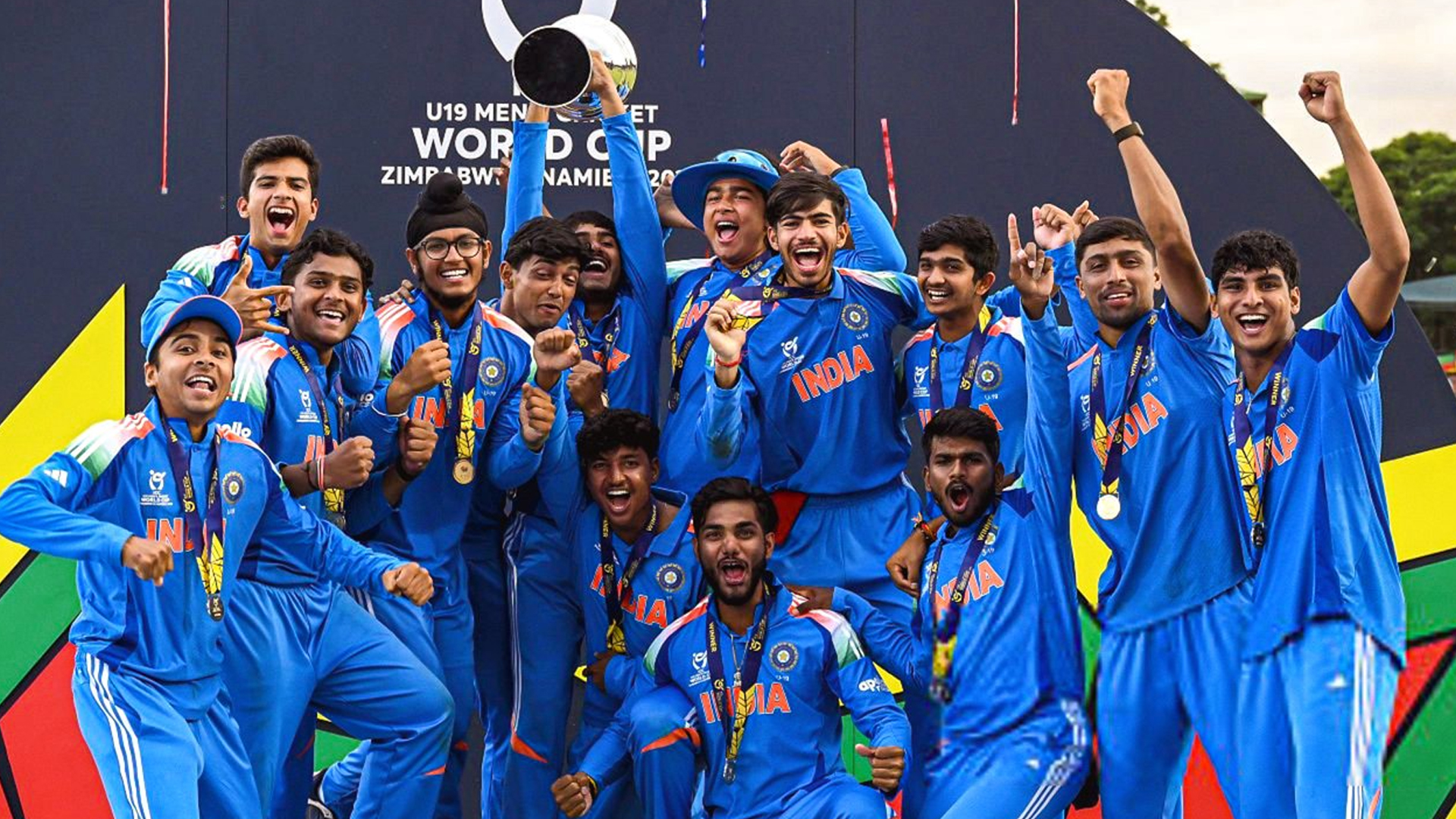
Young India clinch U-19 World Cup

PM Modi applauds young team as India’s 100-run victory brings the title for the 6th time

India’s Under-19 cricket team delivered a performance to remember, lifting the ICC Under-19 Men’s Cricket World Cup for a record sixth time with a resounding 100-run win over England in the final at Harare, Zimbabwe. The victory was not just about numbers on the scoreboard, but about composure, confidence and belief shown by a young side on the biggest stage.

Asked to bat first, India’s teenagers played with maturity beyond their years. The top order set the tone with positive intent, while the middle order ensured the momentum never dipped. Boundaries flowed freely as India built a towering total, leaving England with a daunting task in the chase. The innings reflected careful planning, fearless stroke play and an understanding of the occasion.

When England came out to bat, India’s bowlers rose to the challenge. They struck at regular intervals, refusing to allow partnerships to settle. Even as a few English batters tried to fight back, the pressure created by tight bowling and alert fielding proved too much. Wickets fell steadily, and England were eventually bowled out well short of the target, sealing a comprehensive win for India.

The triumph added another proud chapter to India’s rich Under-19 legacy, with previous titles coming in 2000, 2008, 2012, 2018 and 2022. Once again, the tournament highlighted the strength of India’s youth system and the steady supply of players ready to step into bigger roles.

Prime Minister Narendra Modi congratulated the team, saying the country was proud of the young champions. He praised their determination and teamwork, noting that their success would inspire countless children who dream of wearing the India jersey one day.

Also Read: PM Modi bats for skills at Pariksha Pe Charcha

AI stethoscopes help bridge screening gaps

Studies find smart stethoscopes can improve early diagnosis and expand access to care

Artificial intelligence-enabled digital stethoscopes could significantly improve health screenings, especially in areas with limited access to specialists, according to recent studies. Researchers say these devices can detect subtle heart and lung abnormalities that are often missed during routine check-ups with conventional stethoscopes.

Unlike traditional instruments, AI-powered stethoscopes record high-quality sound signals from the chest and analyse them using machine-learning algorithms. These systems are trained on thousands of clinical samples, allowing them to identify patterns linked to conditions such as heart valve disease, chronic lung disorders and infections like tuberculosis.

Health experts note that screening gaps remain a major challenge, particularly in low- and middle-income countries where advanced diagnostic tools like X-rays and echocardiograms are not easily available. AI-based stethoscopes offer a portable, low-cost alternative that can be used by frontline health workers during routine visits.

Studies show that AI-assisted auscultation can more than double the detection rate of moderate to severe heart valve disease compared to traditional listening methods alone. In lung health, the technology can pick up abnormal breath sounds and cough patterns that may signal infections at an early stage.

The devices can also store and share data digitally, supporting telemedicine and remote consultations. This allows specialists to review recordings from distant locations and guide treatment decisions without patients having to travel long distances.

Researchers caution that while results are promising, large-scale validation across diverse populations is still needed. Proper training for healthcare workers and safeguards against data bias are also essential.

If adopted widely, AI-enabled stethoscopes could strengthen primary healthcare, enable earlier diagnosis, and improve outcomes by ensuring more patients receive timely care.

Also Read: BJP’s Ritu Tawde chosen as Mumbai mayor

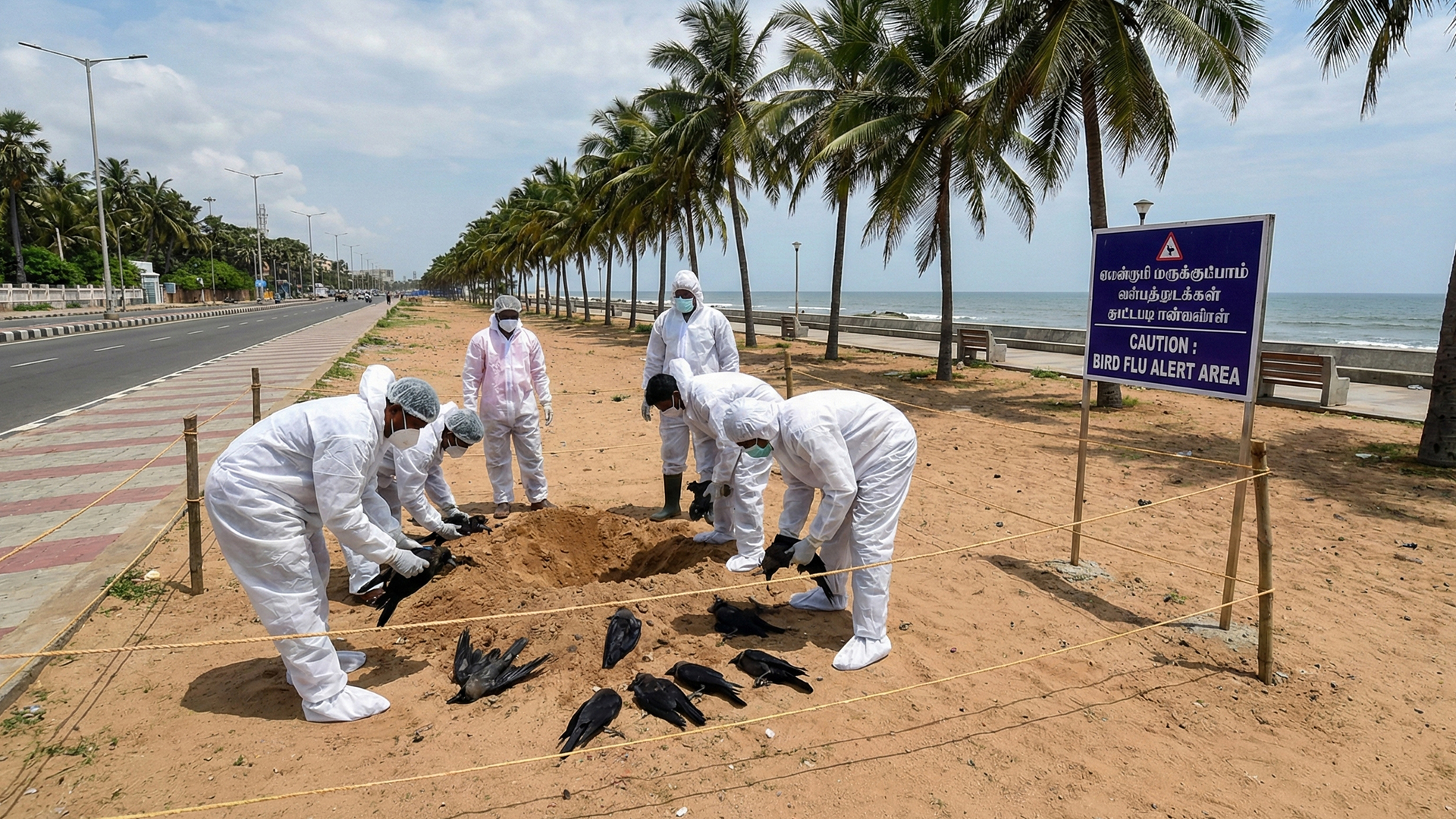
Bird flu alert in Tamil Nadu after mass crow deaths

Over 1,000 crows die in Chennai. Authorities step up surveillance and safety measures

Tamil Nadu has issued a bird flu alert following the sudden deaths of more than 1,000 crows in Chennai and nearby areas, including Adyar, Pallikaranai, Velachery, Thiruvanmiyur, East Coast Road, and Old Mahabalipuram Road. Laboratory tests confirmed the presence of the H5N1 virus, a highly pathogenic strain of avian influenza, prompting intensified monitoring and preventive measures across the state.

State and Union authorities have stepped up surveillance of wild birds, domestic poultry, farms, and wet markets to prevent further spread. Officials emphasized that there are currently no reported human cases and that transmission from birds to humans remains rare, though caution is advised. Residents are urged to avoid handling dead or sick birds, report unusual bird deaths promptly, and ensure that carcasses are safely incinerated or buried to prevent environmental contamination. Anyone exposed to birds who develops flu-like symptoms such as fever, cough, sore throat, or difficulty breathing is advised to seek medical attention immediately.

Authorities stress that sudden crow deaths often serve as an early warning of avian influenza activity, allowing timely intervention to protect both wildlife and poultry. Past outbreaks in other states and commercial poultry farms in India highlight the importance of rapid containment measures and public awareness.

The Tamil Nadu government continues to coordinate efforts across health, veterinary, and municipal departments, closely monitoring the situation while implementing biosecurity measures. Poultry workers, slaughterhouse staff, and others in close contact with birds are being urged to remain particularly vigilant.

Also Read: India’s exports get US duty-free boost

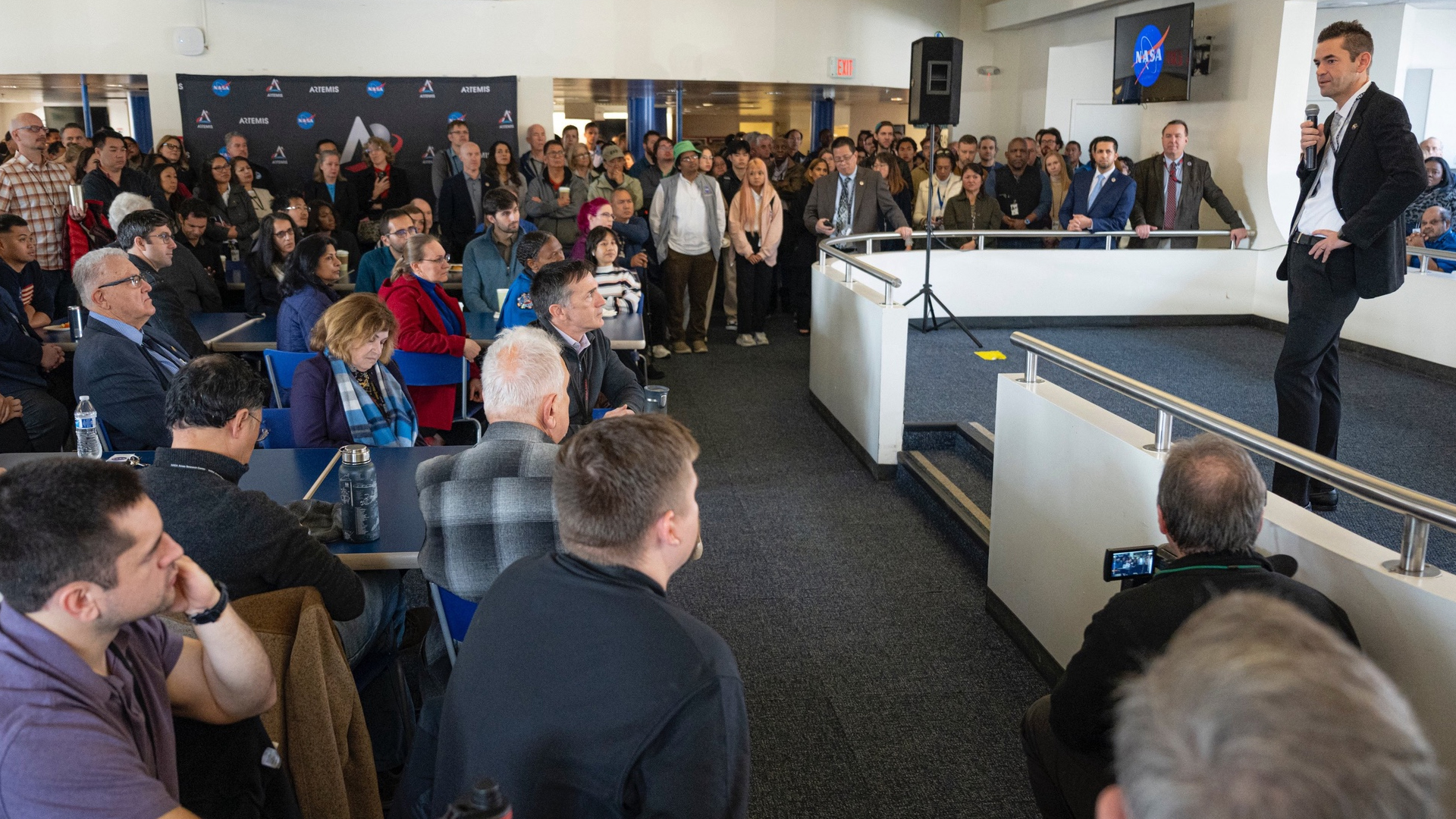
NASA rebuilds workforce, cuts contractor reliance

Agency boosts in-house hiring to strengthen technical expertise and reduce costs amid recent staff departures

NASA is taking steps to rebuild its internal workforce and reduce dependence on outside contractors, a move officials say is essential for long-term mission success. Over the past year, the agency has lost roughly 20% of its civil servant staff, largely through voluntary departures and buyouts, leaving critical roles in engineering, technical operations, and mission support under pressure.

Administrator Jared Isaacman announced a new workforce strategy designed to restore technical capacity within the agency. “We need to ensure NASA has the in‑house expertise to manage complex projects and respond rapidly to challenges,” he said. The plan prioritizes hiring civil servants for mission-critical functions while continuing to use contractors for specialized or short-term needs.

NASA officials explained that heavy reliance on contractors over the years has increased costs, slowed project timelines, and weakened the agency’s ability to handle technical problems directly. By bringing more work in-house, NASA aims to safeguard core capabilities, maintain technical knowledge, and improve oversight of its programs.

The new strategy includes several key steps: conducting assessments to identify tasks currently outsourced that could be handled internally, boosting recruitment for critical engineering and technical roles, and streamlining onboarding and training processes for new hires. These measures are expected to help NASA rebuild its expertise in areas such as spacecraft engineering, mission operations, and research support.

The announcement comes as the agency faces broader workforce challenges. Thousands of employees have left under voluntary separation programs, part of a trend affecting federal agencies nationwide. While NASA continues to rely on contractors for certain functions, officials emphasize that the agency must retain sufficient in-house talent to manage its ambitious portfolio, from lunar exploration projects to Earth science missions.

Leadership believes the shift will improve mission readiness, reduce long-term costs, and position NASA to meet upcoming challenges without over-relying on external contractors. Officials also highlighted plans to expand training programs and enhance career development opportunities for civil servants, ensuring that the agency remains technically robust and capable of leading future space missions.

Also Read: Trump deletes racist Obama video, refuses to apologise