rotating globe
11 Apr 2026


Trump deletes racist Obama video, refuses to apologise

Trump removes controversial Obama video but says he saw nothing offensive and refuses to apologise

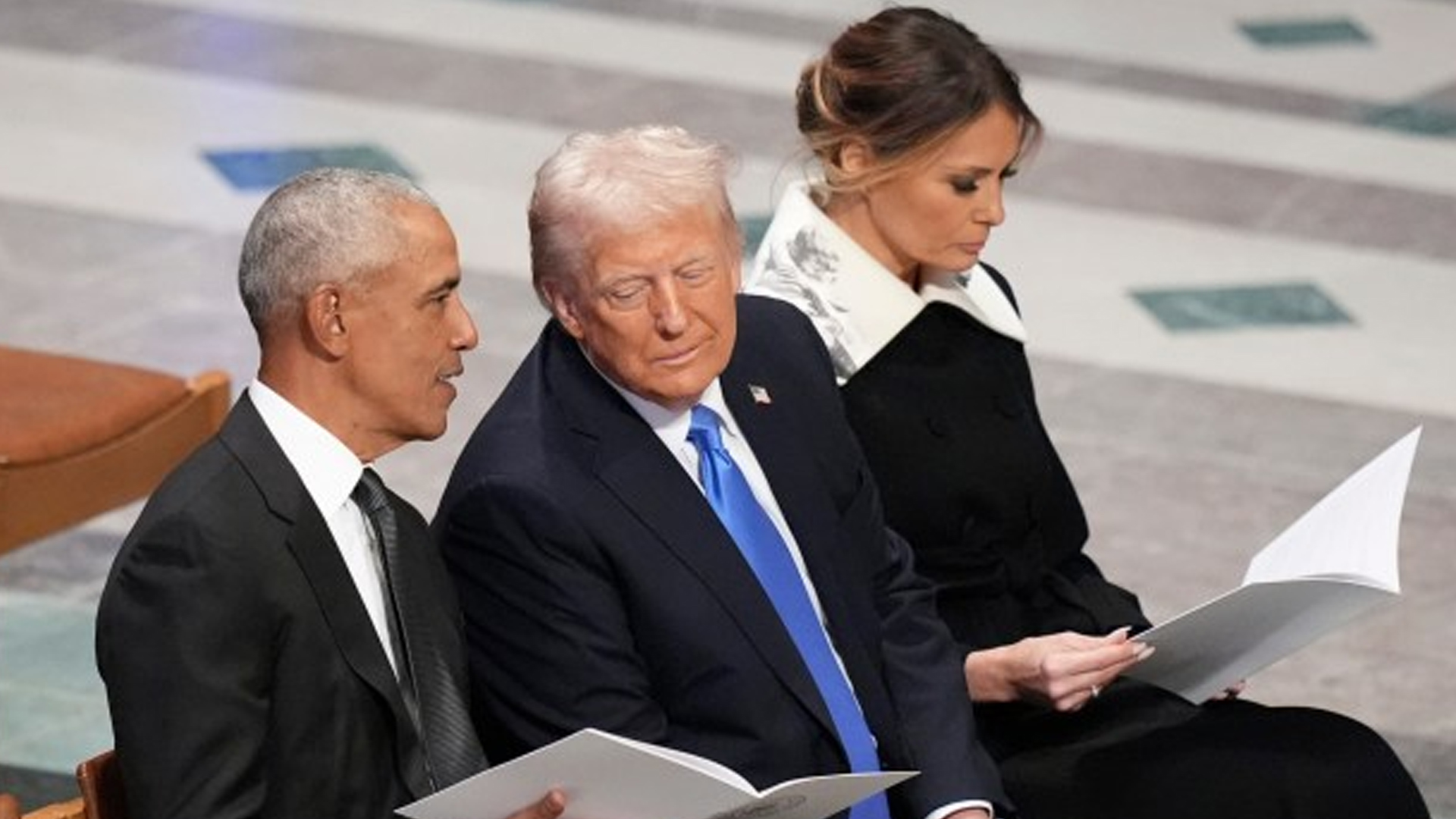
Donald Trump shared a controversial video on his social media platform Truth Social that briefly depicted Barack and Michelle Obama as apes, a racist trope historically used to demean Black people. The video, about one minute long, mainly focused on false claims about the 2020 election but ended,  for about a second, with images of the Obamas’ faces superimposed on primates, set to the song “The Lion Sleeps Tonight.”

The post sparked immediate outrage from lawmakers across party lines. Republican Senator Tim Scott and Democratic leaders condemned the video, calling it offensive, unacceptable, and harmful. Many critics also pointed out the timing, noting it was shared during Black History Month, which made the imagery even more insensitive.

Initially, the White House press secretary described the content as an internet meme “depicting President Trump as the King of the Jungle” and dismissed criticism as “fake outrage.” However, after growing backlash — including criticism from some Republican officials — the video was deleted, with aides claiming it was posted by a staffer in error.

When asked whether he would apologise, Trump said he did not believe he had made a mistake, asserting that he only saw the beginning of the video and therefore would not apologise. Critics called this response inadequate, saying leaders must take responsibility for the content they share on social media, especially when it spreads harmful stereotypes.

The incident has reignited debates over race, accountability, and the conduct of public figures online. Many commentators warned that using racist imagery, even briefly, can deepen divisions and harm communities, regardless of intent.

This episode adds to ongoing discussions about the responsibility of social media platforms, staff oversight, and public figures’ influence, showing how quickly offensive content can spread and spark national debate.

The Obamas have not made a public statement about the video or the controversy surrounding it.

Also Read: Trump ends 25% tariff on Indian exports

Army renames 246 sites to honour Indian heroes

Roads, colonies and buildings shed colonial names, celebrating India’s military legacy

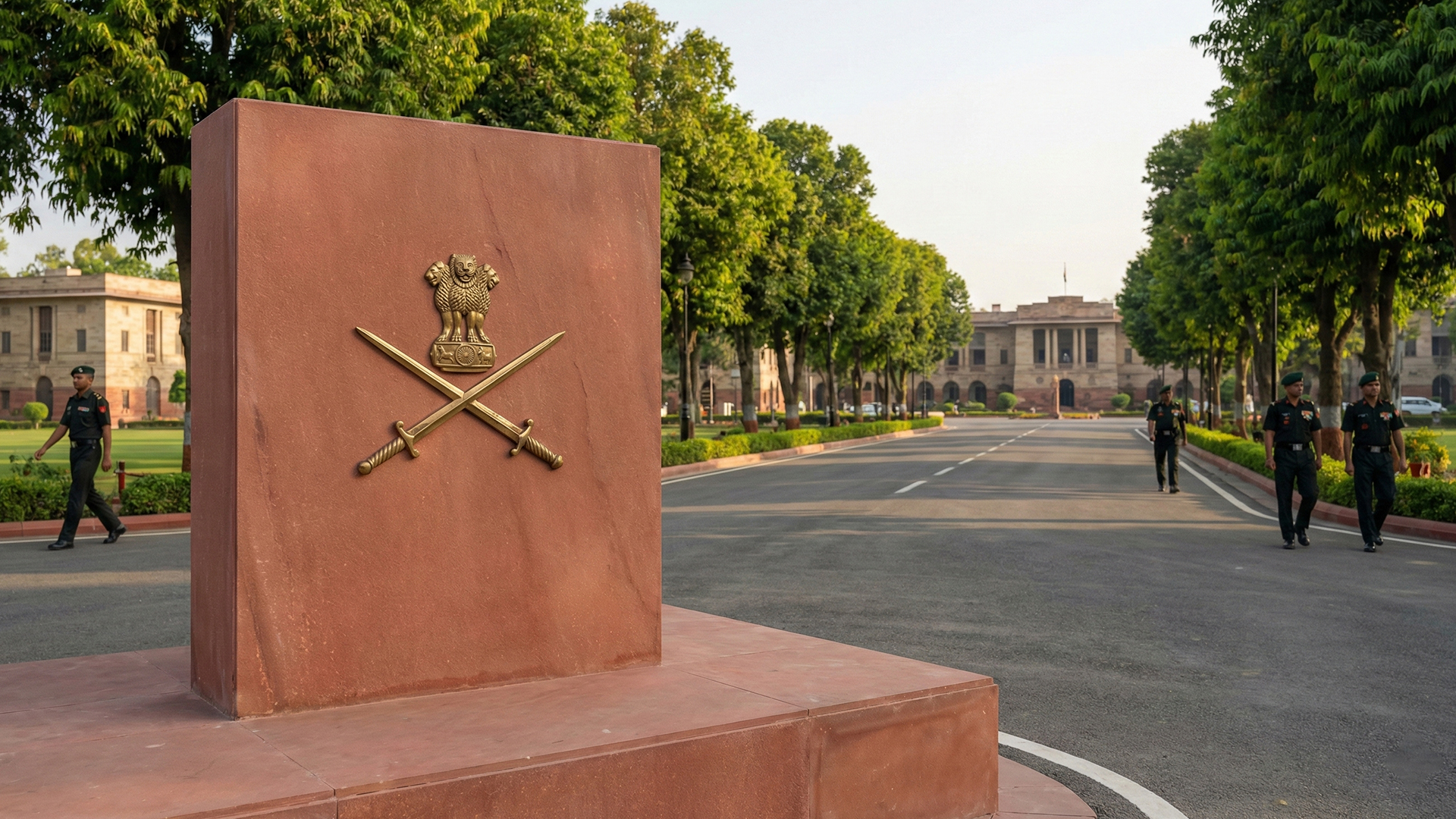
The Indian Army has renamed 246 roads, residential colonies, buildings and other facilities across cantonments and military stations, replacing colonial-era names with those of Indian military heroes. The change is part of a broader effort to strengthen national pride, shed colonial remnants, and connect everyday army life with India’s own history of courage and sacrifice.

The renaming exercise covers 124 roads, 77 residential colonies, 27 buildings and facilities, and 18 other structures, including parks, sports areas, gates, and training grounds. In Delhi Cantonment, for instance, Mall Road is now Arun Khetarpal Marg, after the Param Vir Chakra recipient of the 1971 Indo-Pak War, while Kirby Place has become Kenuguruse Vihar, honoring Kargil hero Captain Neikezhakuo Kenguruse.

In Ambala Cantonment, Patterson Road Quarters has been renamed Dhan Singh Thapa Enclave, commemorating the 1962 Sino-Indian War hero, while in Mathura Cantonment, New Horn Line is now Abdul Hamid Lines, after the 1965 Indo-Pak War hero.

Bareilly Cantonment’s New Birdwood Line is now Thimayya Colony, honoring former Army Chief General K.S. Thimayya. At the Indian Military Academy in Dehradun, blocks previously named after British officers have been rechristened Nubra Block and Kargil Block, reflecting historic military campaigns.

Other changes include the Rangapahar Military Station sports complex, now Laishram Jyotin Singh Sports Complex, and Spear Lake Marg at Zakhama Military Station, renamed Hangpan Dada Marg, both commemorating Ashok Chakra awardees.

Even iconic establishments like Fort William in Kolkata, the Eastern Command headquarters, have been renamed Vijay Durg.

The initiative aligns with Prime Minister Narendra Modi’s call to shed colonial customs and embrace India’s own traditions and heroes, further indigenising the armed forces as the nation approaches its centenary of independence.

Army officials say these changes will serve as a daily reminder of India’s bravery and sacrifices, inspiring personnel and their families.

Also Read: PM Modi bats for skills at Pariksha Pe Charcha

India test-fires Agni-3 missile successfully

Strategic Forces Command validates missile’s operational readiness in Odisha coastal test

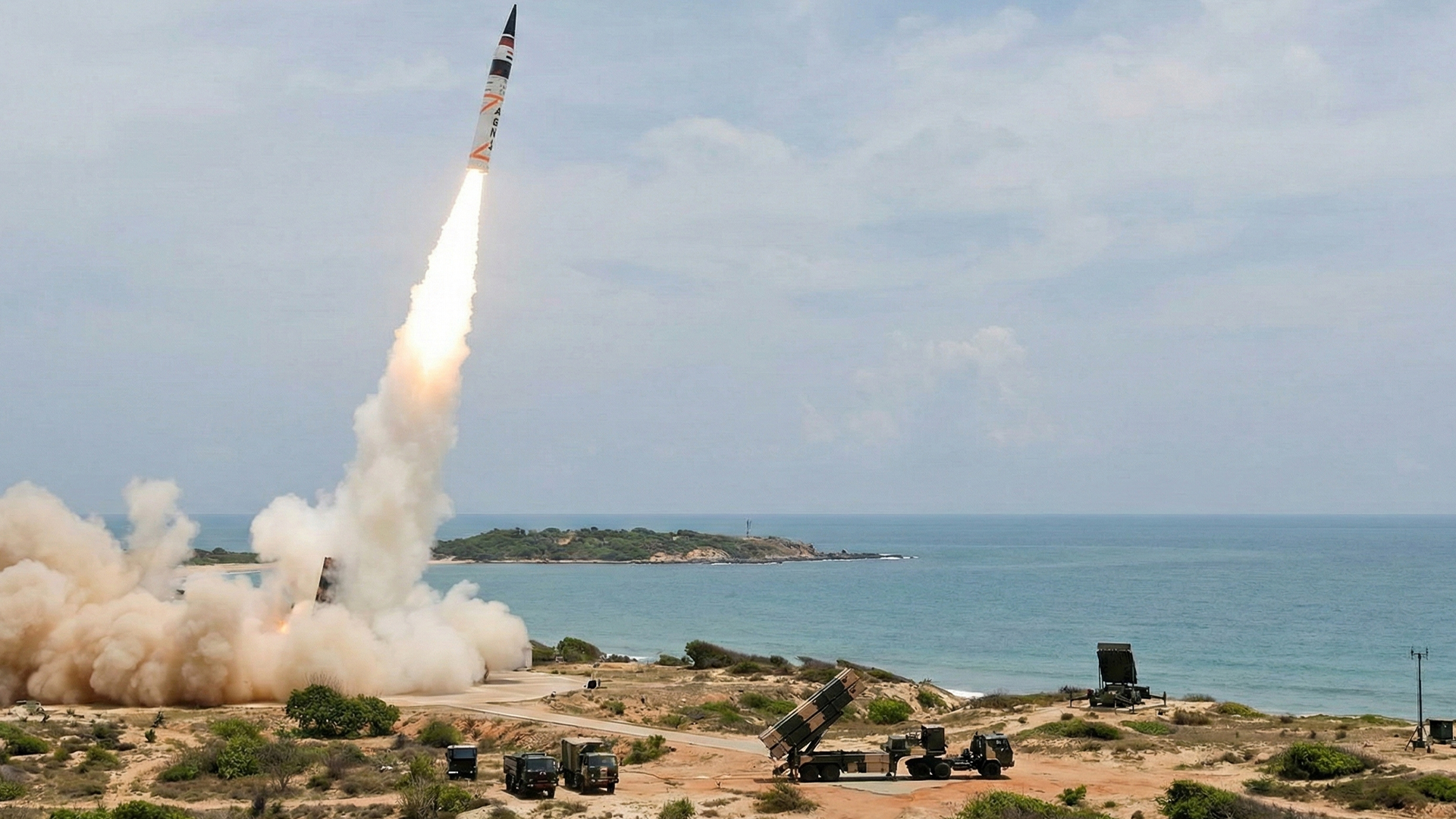
India successfully test-fired the Agni-3 ballistic missile, capable of carrying nuclear warheads, from Chandipur, Odisha, on Friday, February 6, 2026, officials confirmed. The launch was part of a routine exercise by the Strategic Forces Command (SFC) to ensure the missile’s readiness and reliability.

The missile took off from a mobile launcher and followed its pre-planned trajectory into the Bay of Bengal, with its flight closely monitored by tracking radars, telemetry systems, and observation ships. Defence experts said the launch demonstrated the missile’s accuracy and operational capabilities, reaffirming India’s strategic deterrence.

The Agni-3, an intermediate-range ballistic missile, can strike targets over 3,000 km away. Designed to carry both conventional and nuclear warheads, it plays a key role in India’s defence strategy. The missile is about 17 metres long, weighs roughly 50 tonnes, and uses a two-stage solid propellant system with advanced navigation and guidance technologies to ensure precision.

Officials noted that the missile tested was randomly drawn from production stock, highlighting confidence in its performance and reliability. Regular exercises like this help the SFC maintain operational readiness and proficiency with India’s strategic missile arsenal.

Developed by the Defence Research and Development Organisation (DRDO), the Agni-3 is part of a wider family of missiles, including Agni-1, 2, 4, 5, and newer variants. Each launch is closely studied to improve capabilities and maintain a credible minimum deterrent in a challenging security environment.

With this successful test, India continues to strengthen its strategic defence posture, assuring both its own preparedness and regional stability.

Also Read: AI stethoscopes help bridge screening gaps

31 killed in Islamabad mosque suicide blast

IS claims responsibility and India rejects Pakistan’s claims of foreign link

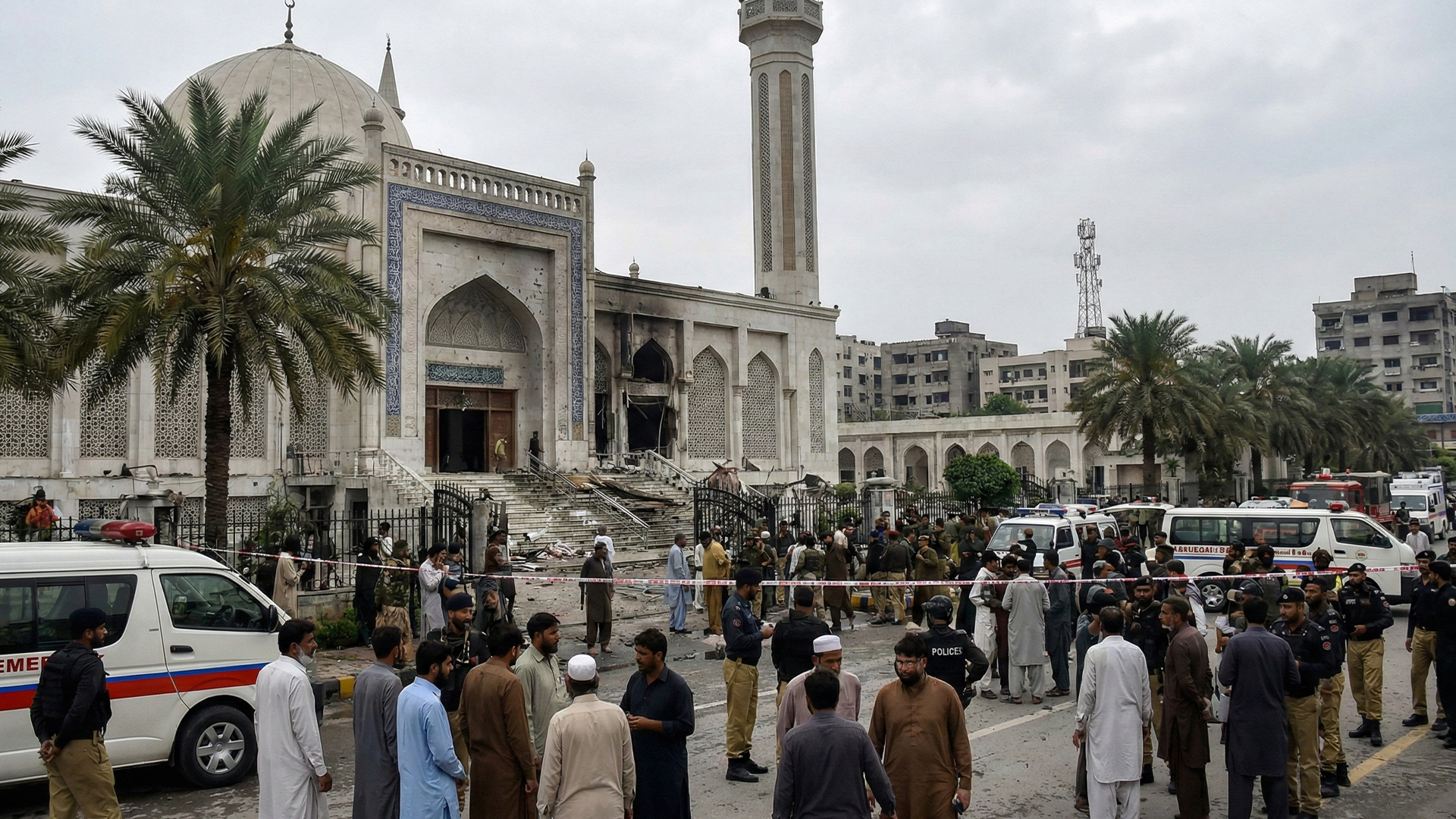
At least 31 people lost their lives and nearly 169 were injured after a suicide bomber targeted a mosque in Islamabad during Friday prayers, leaving families grieving and the city in shock. The attack took place inside a shrine within the mosque complex, where worshippers had gathered in large numbers for prayers.

Eyewitnesses said the explosion tore through the prayer area without warning. Panic spread as people tried to escape, while others rushed to help the injured. Emergency services reached the site quickly, and the wounded were taken to nearby hospitals. Doctors said several victims were in serious condition, and the death toll could rise.

The Islamic State (IS) group later claimed responsibility for the attack, saying the bomber struck while worshippers were inside the mosque. Pakistani leaders condemned the bombing in strong terms, calling it a heartless act of terrorism against innocent people at a place of worship. Security was tightened across Islamabad, especially around mosques and other sensitive locations, as investigations began.

The attack also led to political tensions. Pakistani officials hinted at possible foreign involvement in the bombing. India strongly denied any role, calling the allegations “baseless and pointless.” New Delhi condemned the attack, expressed condolences to the victims’ families, and said Pakistan should focus on dealing with terrorism within its own borders.

The bombing has drawn widespread condemnation from across the region and beyond, with many leaders stressing that violence against civilians and religious spaces cannot be justified.

As families wait outside hospitals and prepare for funerals, the tragedy has once again highlighted the human cost of extremism and the urgent need for stronger steps to protect people gathered in prayer and public spaces.

PM Modi bats for skills at Pariksha Pe Charcha

PM stresses confidence, balanced tech use and self-reliance ahead of board exams

Prime Minister Narendra Modi on Thursday interacted with students, parents and teachers during the ninth edition of ‘Pariksha Pe Charcha 2026, urging students to move beyond exam fear and focus on skills, confidence and holistic learning. The annual interaction, held ahead of the board examination season, aims to help students handle stress and approach studies with clarity and calm.

This year’s programme saw record participation, with more than 4.5 crore people registering across the country. Students joined the interaction through live broadcasts and special sessions organised at schools and institutions nationwide, making it one of the largest student outreach initiatives in India.

Addressing students’ concerns about exams and performance pressure, PM Modi said exams should be seen as a part of life, not life itself. He advised students not to compare themselves with others, stressing that every learner has a unique strength and learning style. “Understand yourself and trust your preparation,” he said, adding that self-belief plays a key role in success.

The Prime Minister highlighted the importance of skills alongside formal education, stating that marks alone do not define a person’s future. He encouraged students to develop practical abilities, creativity and problem-solving skills, which are essential in a rapidly changing world. Emphasising self-reliance, he said learning should prepare students to adapt and innovate, not just memorise.

On technology and Artificial Intelligence, PM Modi cautioned students against overdependence. He advised using digital tools and AI as support systems for learning, not shortcuts that replace effort or thinking. Responsible and disciplined use of technology, he said, can enhance understanding and productivity.

Responding to questions on hobbies and distractions, including gaming, the Prime Minister spoke about balance. He noted that interests outside academics can help refresh the mind, provided students manage their time well and stay focused on priorities.

PM Modi also urged parents and teachers to avoid putting unnecessary pressure on children, calling for a supportive and positive environment at home and in classrooms. Stress, he said, can be reduced when students feel trusted and encouraged rather than constantly judged.

Also Read: 31 killed in Islamabad mosque suicide blast

Trump ends 25% tariff on Indian exports
Decision comes after India pledges to halt Russian oil imports and expand trade with the US

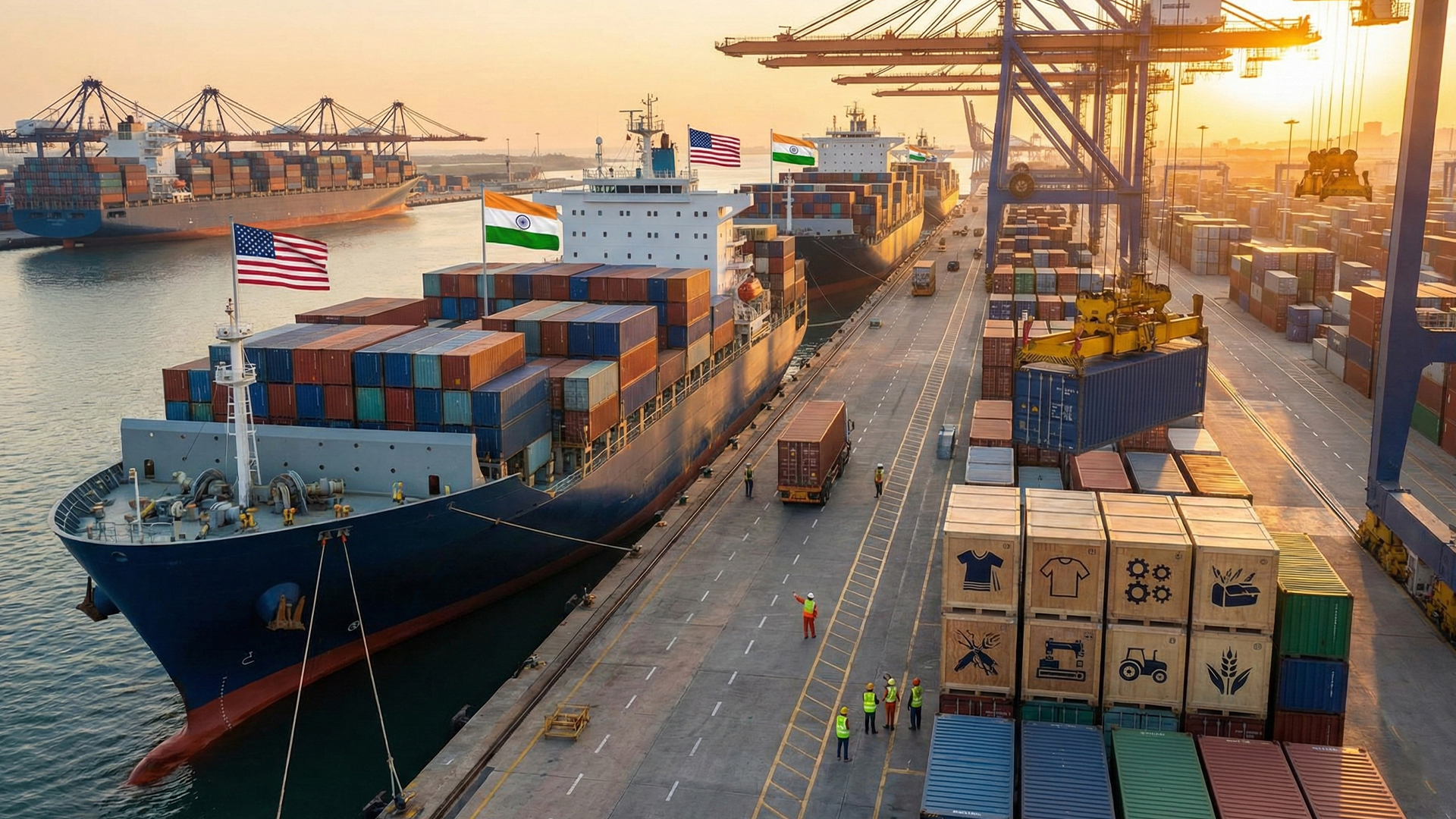
In a significant shift in US-India trade relations, President Donald Trump has lifted the 25% additional tariff on Indian goods that had been imposed last year due to India’s continued purchase of Russian oil. The rollback, effective February 7, 2026, is expected to provide major relief to Indian exporters and signal a thaw in economic tensions between the two nations.

The US had originally imposed the punitive tariff to discourage India from importing discounted Russian crude, which Washington viewed as undermining global sanctions. Under the new arrangement, India has committed to stop both direct and indirect purchases of Russian oil, addressing a longstanding US concern.

Industry observers say the move will benefit key sectors such as textiles, pharmaceuticals, jewellery, chemicals, and machinery, which faced higher costs and reduced competitiveness under the extra levy. Exporters anticipate a smoother access to the US market, which remains one of India’s largest trading partners.

The tariff removal is part of a new interim trade framework agreed upon by both countries. Under this framework, the US will reduce general tariffs on Indian goods to around 18%, while India will increase imports of US products — including energy, aircraft components, and technology — valued at up to $500 billion over five years.

The framework also covers defence cooperation, supply chain collaboration, and removal of non-tariff trade barriers, particularly in technology and medical sectors. Analysts say this understanding not only enhances bilateral commerce but also lays the groundwork for a comprehensive Bilateral Trade Agreement in the near future.

Indian government officials and industry leaders have welcomed the development, describing it as a significant boost for exporters and a step toward closer economic and strategic ties. The agreement is expected to strengthen cooperation between the two nations amid shifting global trade dynamics and provide long-term stability for businesses on both sides.

With the rollback of the extra tariff and the launch of the trade framework, US-India economic relations enter a new phase, offering opportunities for growth, increased market access, and a stronger strategic partnership.

Also Read: Bangladesh’s ‘secret’ US trade deal sparks election concerns

Apple CEO addresses retirement rumours

Tim Cook talks leadership changes and succession planning at Apple

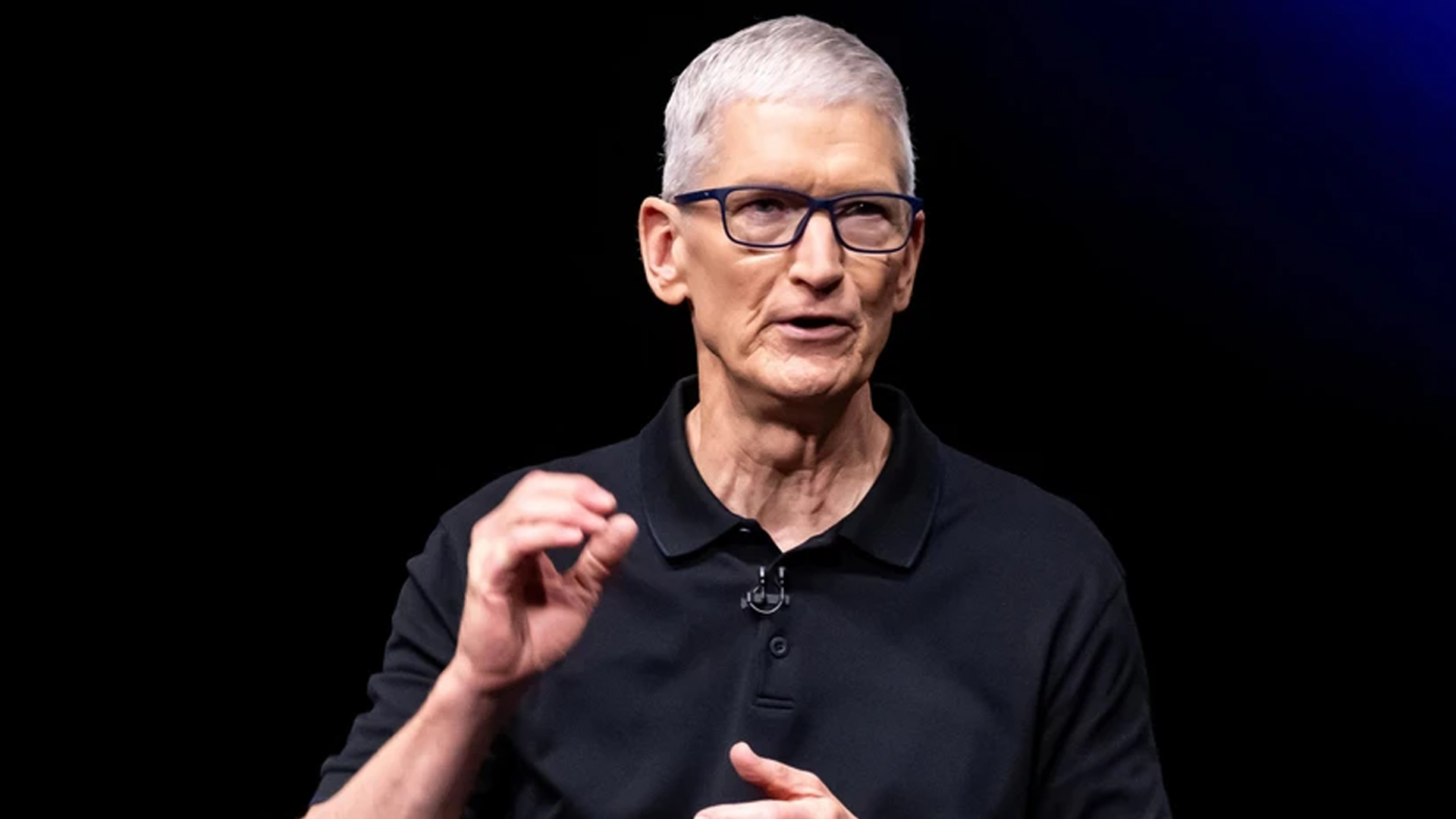
Apple CEO Tim Cook has addressed retirement speculation and leadership changes during a company-wide all-hands, confirming that succession planning is ongoing but he has no intention of leaving soon.

Cook, who has led Apple since 2011 and turned 65 last year, noted that future leadership planning is critical for the company’s long-term success. He said it’s important to think about who will lead Apple in the next decade, but reassured staff that his focus remains on current operations.

The CEO also discussed recent executive exits, including senior figures like Lisa Jackson, Jeff Williams, and Katherine Adams. He framed these moves as natural transitions within a large organization, emphasizing that Apple’s leadership bench remains strong and ready for future growth.

Tech insiders view John Ternus, Apple’s senior VP of hardware engineering, as a potential future CEO, given his expanded responsibilities and rising profile within the company.

Cook’s statements come amid speculation that he could step down in the near term, prompted by his age and recent leadership reshuffles. Despite this, he conveyed a message of stability, focusing on Apple’s long-term planning rather than any abrupt changes at the top.

Additionally, the meeting touched on Apple’s 50th anniversary, with Cook reflecting on the company’s achievements and upcoming celebrations. The milestone provides an opportunity to highlight Apple’s legacy while preparing for future leadership.

Also Read: US shuts down 200 ‘illegal’ India-linked online pharmacies

Bangladesh’s ‘secret’ US trade deal sparks election concerns

Interim government pushes pact days before polls, raising transparency and economic fears

Bangladesh is rushing to finalise a secret trade agreement with the United States just days before its national elections on February 12. The deal, led by the interim government of Muhammad Yunus, is set to be signed on February 9, but its terms remain undisclosed, drawing criticism from politicians, economists, and exporters.

The urgency is linked to India’s recent US trade pact, which cut tariffs for Indian exports. Bangladesh fears losing its competitive edge, especially in the ready-made garment (RMG) sector, which makes up around 90% of exports to the US and generates billions of dollars for the economy.

Currently, Bangladeshi goods face US tariffs around 20%, down from a previous 37%. The new secret deal could reduce tariffs further, but exact details remain unknown.

Critics warn that signing a major trade deal under an interim government, just before elections, raises questions on transparency and accountability. Business groups like the Bangladesh Garment Manufacturers and Exporters Association (BGMEA) fear the lack of clarity may affect jobs and competitiveness if the terms are not properly evaluated.

Observers also caution that the agreement could limit the incoming government’s economic policy options, tying its hands on trade decisions. Analysts suggest the move reflects broader geopolitical strategies, with the US seeking to expand market influence in the region.

Also Read: Trump launches TrumpRx for cheaper medicines