rotating globe
6 Apr 2026


President flies ‘Prachand’ near border

President Droupadi Murmu takes 25-minute sortie in indigenous combat helicopter in Jaisalmer

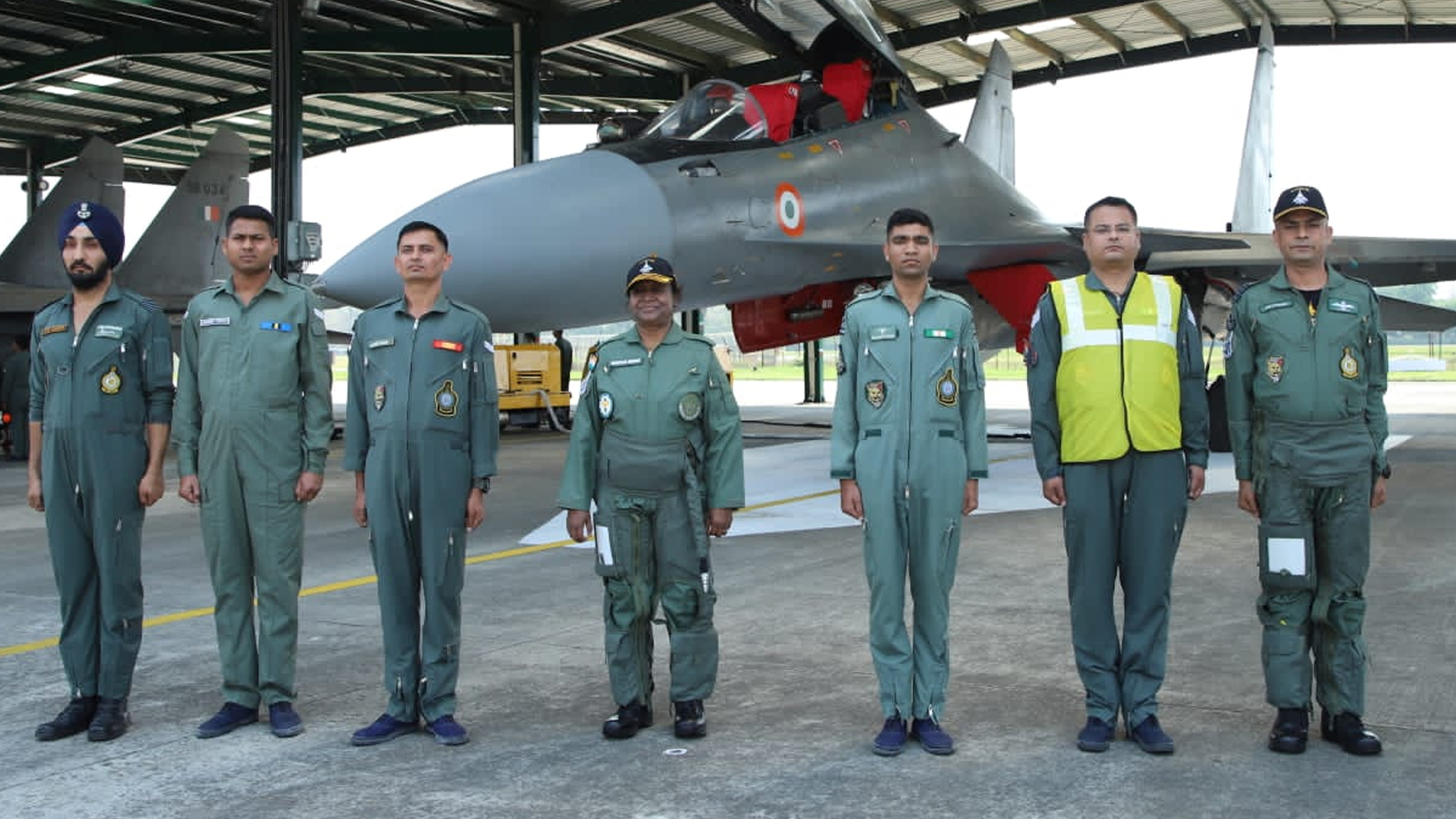
In a strong show of confidence in India’s homegrown defence capabilities, President Droupadi Murmu on Friday flew in the indigenous Light Combat Helicopter (LCH) ‘Prachand’ near the India-Pakistan border in Rajasthan’s Jaisalmer. The 25-minute sortie made her one of the few Presidents to fly in a frontline combat platform and underscored her role as Supreme Commander of the Armed Forces.

Clad in an olive-green flying suit and helmet, the President boarded the combat helicopter at the Air Force Station in Jaisalmer after receiving a detailed operational briefing from Indian Air Force officials. The helicopter flew over the desert terrain close to the western border, an area of key strategic importance.

During the flight, President Murmu described the helicopter as a proud symbol of India’s growing self-reliance in defence manufacturing. She praised the courage and commitment of the armed forces and conveyed her good wishes to personnel safeguarding the nation under challenging conditions.

The LCH ‘Prachand’, developed by Hindustan Aeronautics Limited, is India’s first indigenously designed and built attack helicopter. Designed to operate in extreme environments, from high-altitude regions to deserts, it is equipped with advanced avionics and modern weapon systems, significantly boosting the Indian Air Force’s combat strength.

The President’s sortie came ahead of the Indian Air Force’s major firepower exercise at the Pokhran Field Firing Range, where she was scheduled to witness operational demonstrations showcasing aerial strike capabilities and combat preparedness.

President Murmu has earlier flown in fighter aircraft as well, reflecting her continued engagement with the armed forces.

Also Read: Yogi Adityanath invites Japanese investment in UP
Rajamouli launches India’s top Motion Capture lab

Annapurna Studios’ new facility brings Hollywood‑level VFX to Indian films

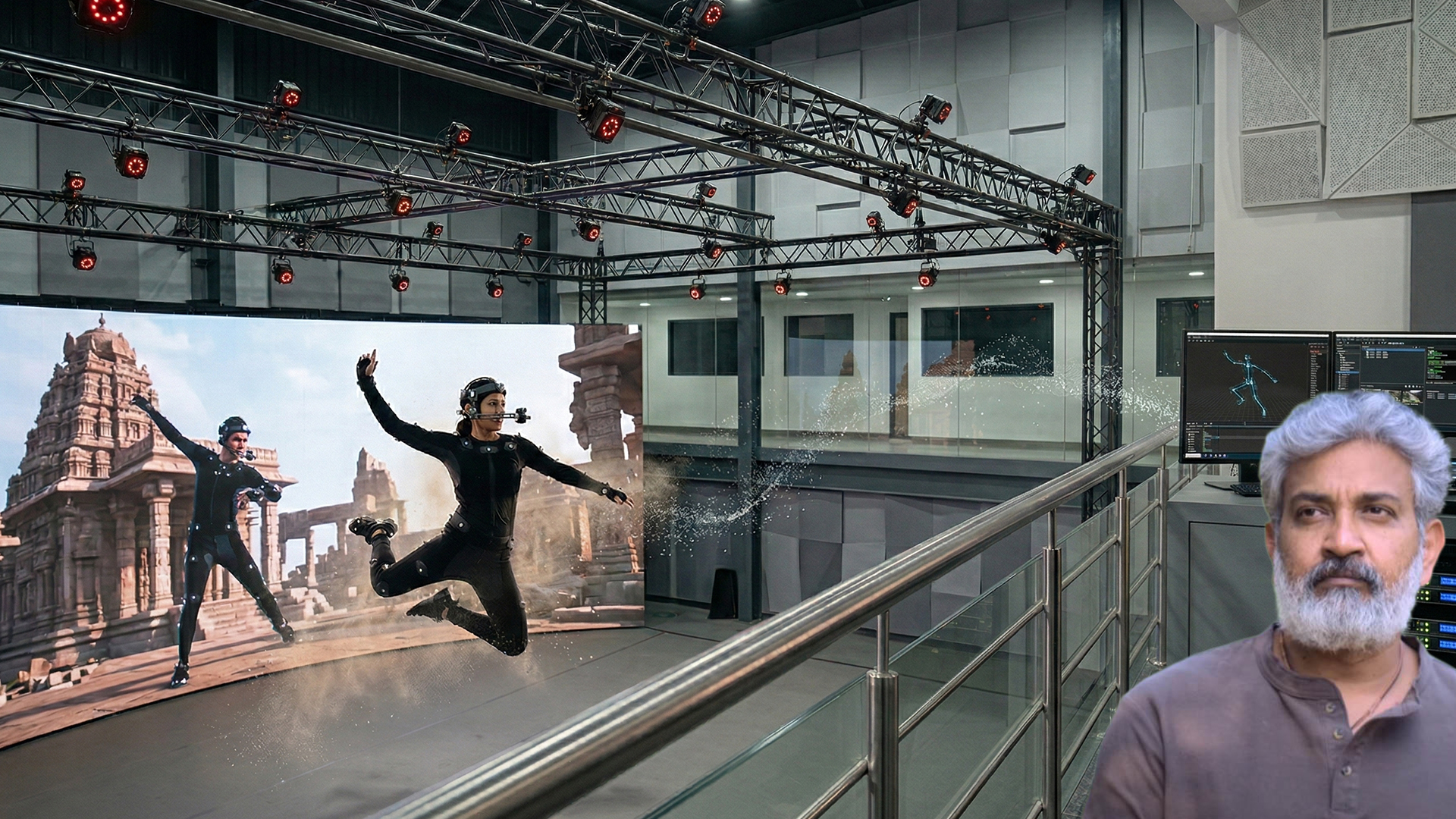
Filmmaker S. S. Rajamouli has opened what is being called India’s most advanced motion capture studio at Annapurna Studios. Named the A&M MoCap Lab, the facility is designed to help Indian filmmakers create high-quality visual effects for movies, animation, and games.

The project is a collaboration between Annapurna Studios, producer Akkineni Nagarjuna, Shobu Yarlagadda’s Mihira Visual Labs, and Hollywood partner Animatrik Film Design. Rajamouli revealed that important scenes from his upcoming film Varanasi, starring Mahesh Babu and Priyanka Chopra Jonas, were already shot using this technology, which he called “simply fantastic.”

Motion capture (MoCap) records actors’ movements and facial expressions and converts them into digital characters or special effects. Until now, Indian filmmakers often had to send footage abroad for this work, which increased costs and delays. The new lab allows high-end visual effects to be created directly in India.

The A&M MoCap Lab includes a large capture space, advanced cameras, and real-time data systems. Directors can test camera angles, actor movements, and digital effects in a virtual environment before filming, saving both time and money.

Nagarjuna described the lab as a “milestone for Indian cinema,” saying it will help storytellers make ambitious films that can compete with international standards. Yarlagadda added that the facility will support not just films, but also animation, games, and international projects seeking cutting-edge production technology in India.

The lab’s opening coincides with Annapurna Studios’ 50th anniversary. It will be available for Indian and international filmmakers, offering a world-class platform to create films with advanced visual effects without leaving the country.

With this lab, Rajamouli and Annapurna Studios aim to bring Hollywood-level technology to India, making it easier for filmmakers to produce visually spectacular stories and boosting the country’s capabilities in filmmaking and digital storytelling.

Also Read: Geneva talks end without breakthrough

US F-22 Raptors reach Israel in a rare move

Deployment of advanced stealth jets comes amid rising tensions with Iran and ongoing nuclear negotiations

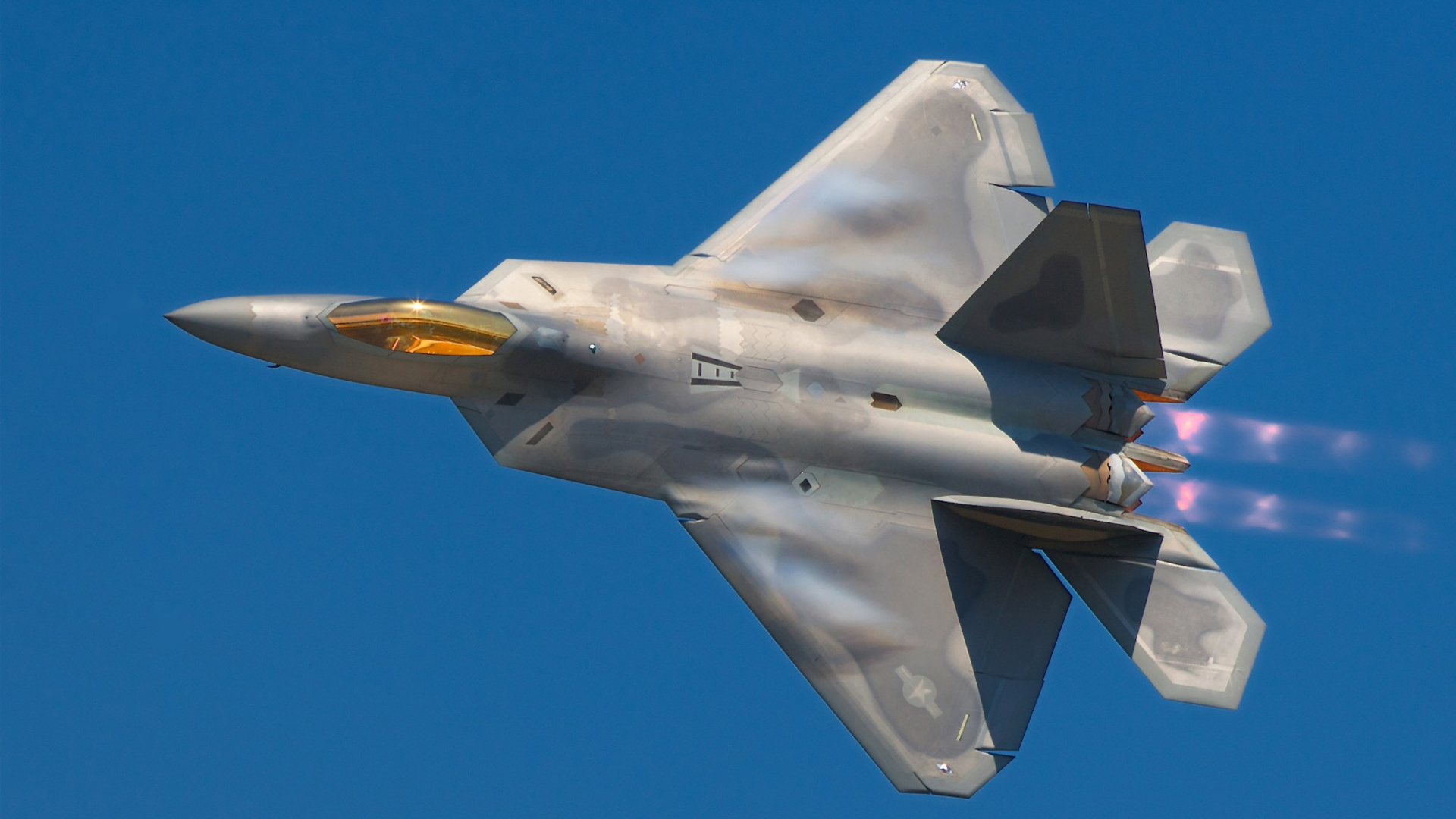
In a strong show of military support, the United States has deployed advanced F-22 Raptor stealth fighter jets to Israel for the first time. The move comes at a sensitive moment, as tensions with Iran remain high and diplomatic talks over Tehran’s nuclear programme continue.

The F-22 Raptor is one of the most sophisticated combat aircraft in the world. Operated by the United States Air Force, the jet is known for its stealth technology, high speed and ability to dominate enemy airspace. Because of its advanced capabilities, the F-22 is rarely deployed abroad, making its arrival in Israel particularly significant.

It is said that several jets flew from RAF Lakenheath in the United Kingdom before heading to Israel. Satellite images and aviation tracking data indicated their presence at Israeli air bases, including facilities in the southern part of the country. While US officials have not publicly shared operational details, defence analysts view the deployment as a clear message of deterrence.

The timing has drawn attention. The move comes as Washington and Tehran are engaged in discussions over Iran’s nuclear programme. While talks are ongoing, concerns remain over regional security and Iran’s military posture. By sending the F-22s, the US appears to be reinforcing its commitment to Israel’s security while keeping diplomatic channels open.

For Israel, the presence of the Raptors strengthens its air defence and overall military preparedness. For the US, the deployment signals readiness to protect its allies and maintain stability in the region.

Also Read: Arvind Kejriwal cleared in liquor policy case

Geneva talks end without breakthrough

US pushes diplomacy on Ukraine war and Iran nuclear issue, but key gaps remain

Fresh diplomatic efforts in Geneva to ease two major global crises, the Ukraine war and tensions over Iran’s nuclear programme, ended without major breakthroughs, though officials described the discussions as serious and constructive.

Talks between the United States and Ukraine focused on efforts to move towards a possible peace process to end the war with Russia. The meetings aimed at aligning positions before any broader negotiations that could include Moscow.

Ukrainian officials said the discussions were important in coordinating strategy with Washington. However, Russia signalled there is no urgency on its side, saying there are “no deadlines” to end the conflict. Moscow has maintained that it will continue pursuing its objectives, while Kyiv insists on restoring its territorial integrity. The sharp differences over land and security guarantees remain the biggest obstacles to a peace deal.

Officials indicated that further rounds of talks could take place in the coming weeks, but expectations remain cautious as fighting continues on the ground.

In parallel, another set of talks in Geneva brought together U.S. and Iranian officials to address concerns over Iran’s nuclear programme. Both sides described the negotiations as detailed and serious, with Iran claiming “good progress” had been made. Still, no agreement was announced.

The discussions reportedly centred on limits to Iran’s nuclear activities and the possible easing of U.S. sanctions. Long-standing disagreements over uranium enrichment levels and the scope of sanctions relief continue to complicate efforts to revive or reshape a nuclear understanding.

Technical-level discussions are expected to continue, but diplomats gave few details about how close the sides are to a deal.

Also Read: President flies ‘Prachand’ near border

L&T workers’ protest at Hazira turns violent

Around 2,000 contract labourers clash with police over wages and duty hours

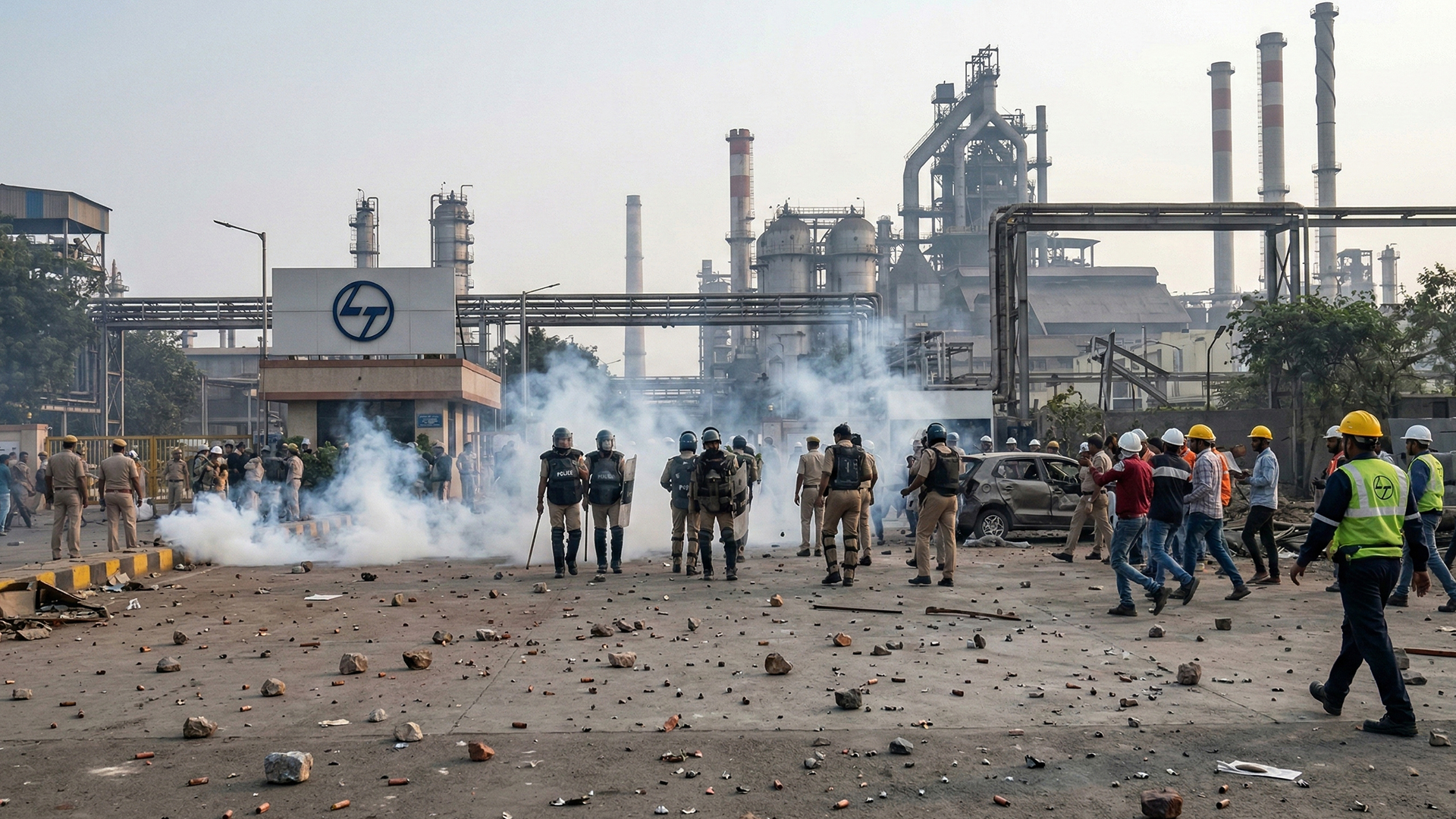
A protest by nearly 2,000 contract workers employed by Larsen & Toubro (L&T) at a steel plant site in Hazira turned violent, leading to clashes with police and the use of tear gas to control the situation.

The workers had gathered to demand higher wages, shorter duty hours and improved working conditions. According to reports, the labourers said they had been raising concerns about low pay and long shifts for some time but had not received a satisfactory response. As tensions rose, the protest escalated into a confrontation with law enforcement.

Police said they initially tried to disperse the crowd through announcements and persuasion. However, when sections of the gathering allegedly began stone-pelting and blocking access roads near the plant, officers fired tear gas shells to bring the situation under control.

During the violence, several vehicles were set on fire and damaged. Police vehicles were also targeted. Thick smoke was seen near the plant site as chaos spread across parts of the industrial area. Both workers and police personnel sustained minor injuries in the clashes, and some were taken to nearby hospitals for treatment.

Authorities later deployed additional forces in and around the plant to prevent further unrest. Police officials said they would identify and take action against those involved in arson and vandalism.

Hazira, located near Surat, is a major industrial hub with large infrastructure and manufacturing projects underway. The incident has once again highlighted concerns around contract labour conditions in heavy industry projects, particularly regarding pay scales and work hours.

Also Read: Yogi Adityanath invites Japanese investment in UP
Pakistan-Afghanistan border clashes escalate

Airstrikes, border gunfire and rising casualties deepen tensions between Islamabad and the Taliban government

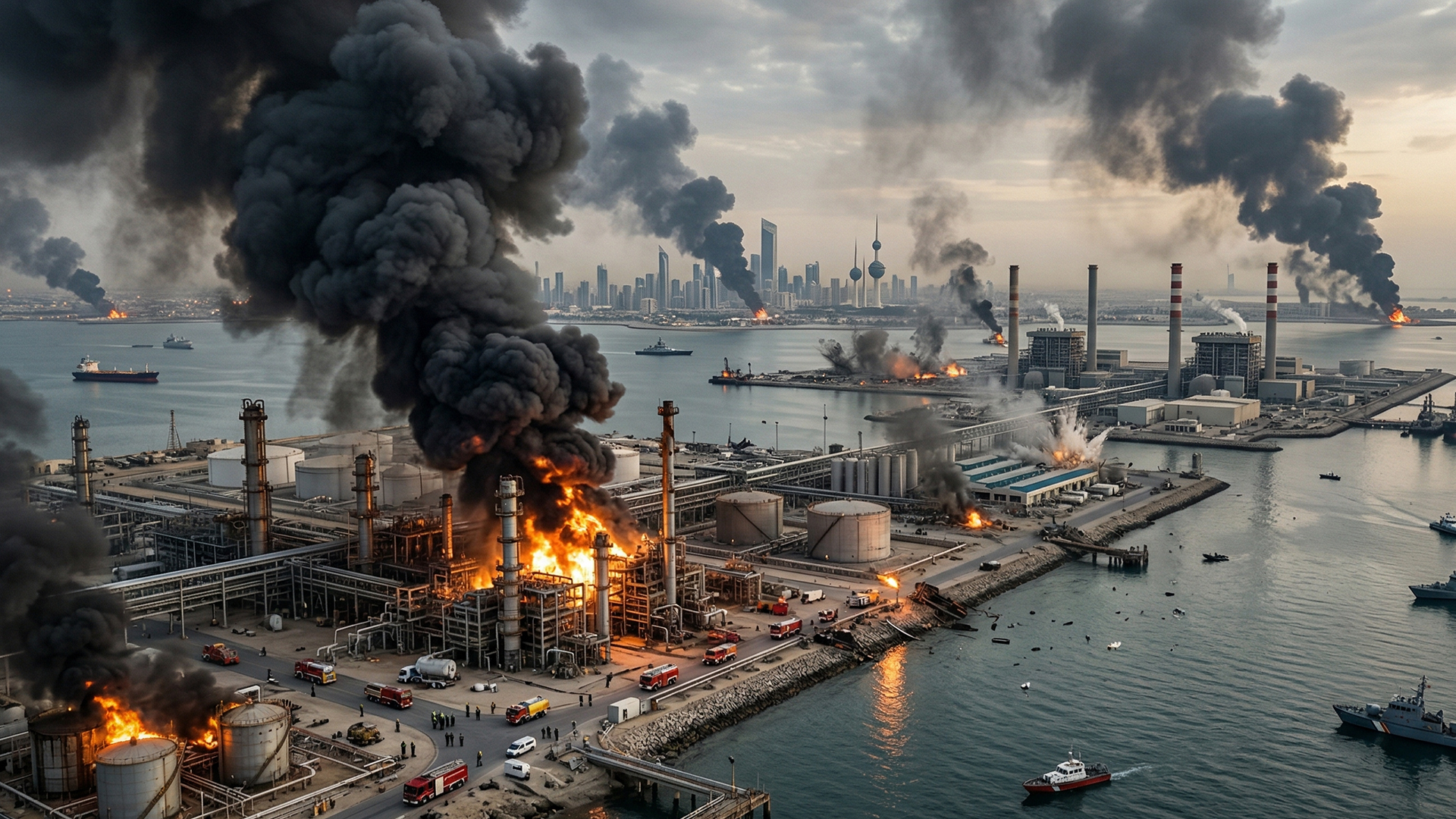
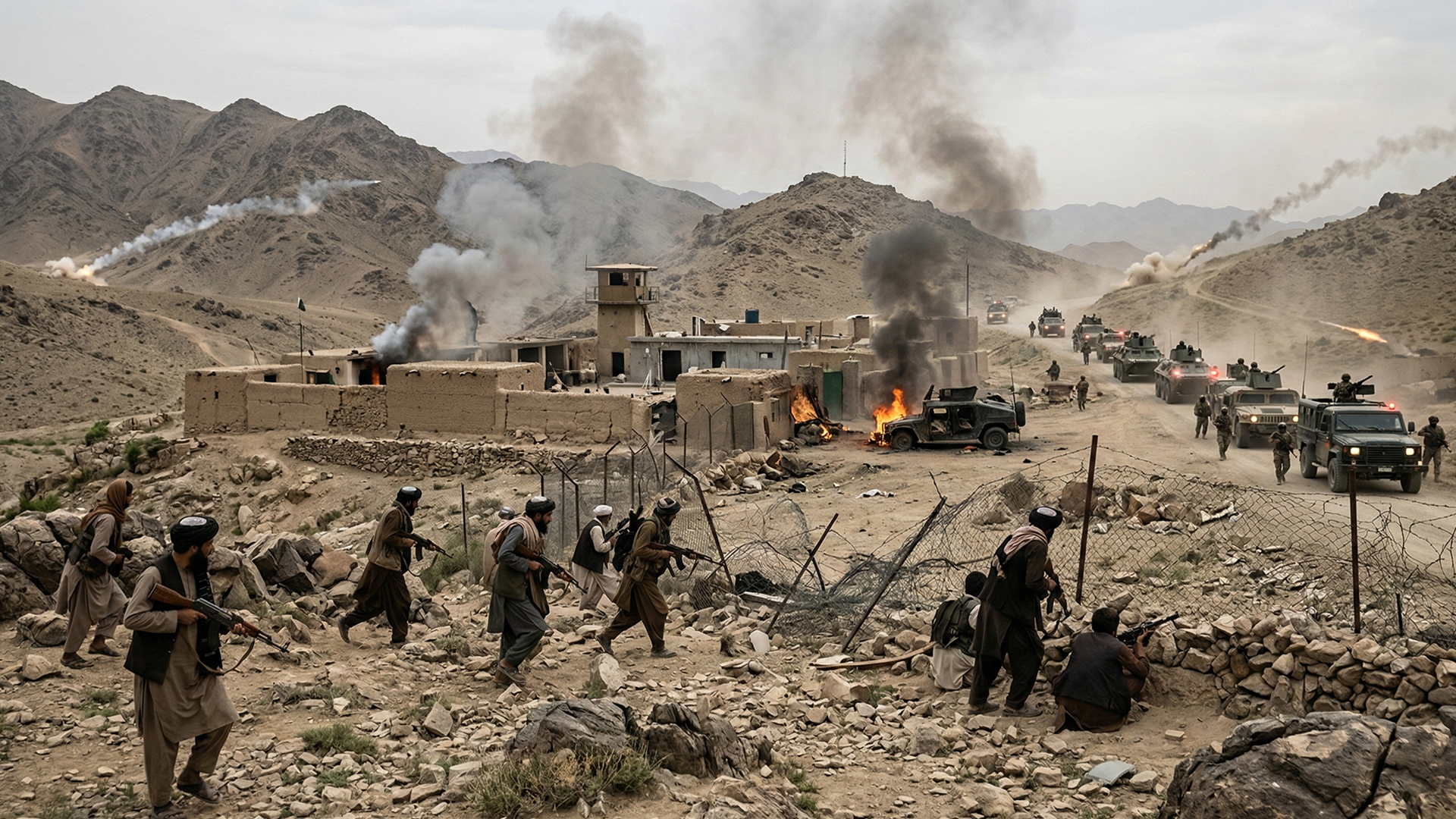
Fear and uncertainty have gripped communities along the Pakistan-Afghanistan border after fresh fighting erupted between the two neighbours, leaving soldiers and civilians caught in the middle. What began as border tensions has now escalated into airstrikes, heavy shelling and sharp warnings from both sides.

According to reports, Pakistan carried out air and missile strikes inside Afghanistan, including areas near Kabul and eastern provinces, saying it was targeting militant hideouts. Islamabad has long accused the Taliban-led Afghan government of allowing fighters from the Tehrik-i-Taliban Pakistan (TTP) to operate from Afghan soil and launch attacks across the border. Kabul has repeatedly denied these claims.

Afghan officials said the strikes hit military positions and nearby areas, causing casualties among security personnel and civilians. Images shared locally showed damaged buildings and frightened residents fleeing to safer locations. In response, Taliban forces reportedly fired artillery at Pakistani border posts, claiming they inflicted losses on Pakistani troops.

Both sides have issued strong statements, each blaming the other for starting the confrontation. Casualty figures shared by Islamabad and Kabul differ sharply, and independent verification remains difficult. Border crossings such as Torkham have faced disruptions, affecting trade and daily travel for thousands who rely on cross-border movement.

For families living along the disputed Durand Line, the violence is a painful reminder of years of instability. Many residents described nights filled with explosions and uncertainty, unsure whether the clashes would spread further.

The escalation comes at a sensitive time for the region, already dealing with economic strain and political challenges. Analysts say the situation risks spiralling if diplomatic channels are not activated quickly.

Also Read: US sends F-22 Raptors to Israel in rare military move

East India Company in London shuts again

Luxury brand built on a historic name shuts its doors in London after financial struggles

A brand once associated with global power and trade has shut down again. The modern version of the East India Company has closed its stores after facing serious financial difficulties.

The original company played a major role in British colonial trade before collapsing in the 1800s. In recent years, the name was brought back as a luxury lifestyle business, offering gourmet foods, teas and premium goods through stylish outlets in London and other locations.

The idea was ambitious: turn a controversial but globally recognised name into a symbol of heritage luxury. Customers were drawn to the storytelling, elegant packaging and historical references.

However, behind the polished storefronts, the business faced growing pressure. Retail costs increased, consumer spending slowed, and competition in the luxury segment intensified. Shoppers became more selective, and brand loyalty shifted toward well-established international labels.

Despite restructuring efforts, the company could not maintain steady profits. Stores gradually closed, and operations have now fully stopped. Staff members have been let go, marking the end of the revival attempt.

No matter what be the legacy, even a famous name cannot replace solid business fundamentals. In today’s fast-changing retail world, survival depends on financial discipline, market relevance and consistent demand.

Also Read: Piyush Goyal meets US Commerce Secretary

Yogi Adityanath invites Japanese investment in UP

During Tokyo visit, UP Chief Minister promotes manufacturing, green energy and technology partnerships

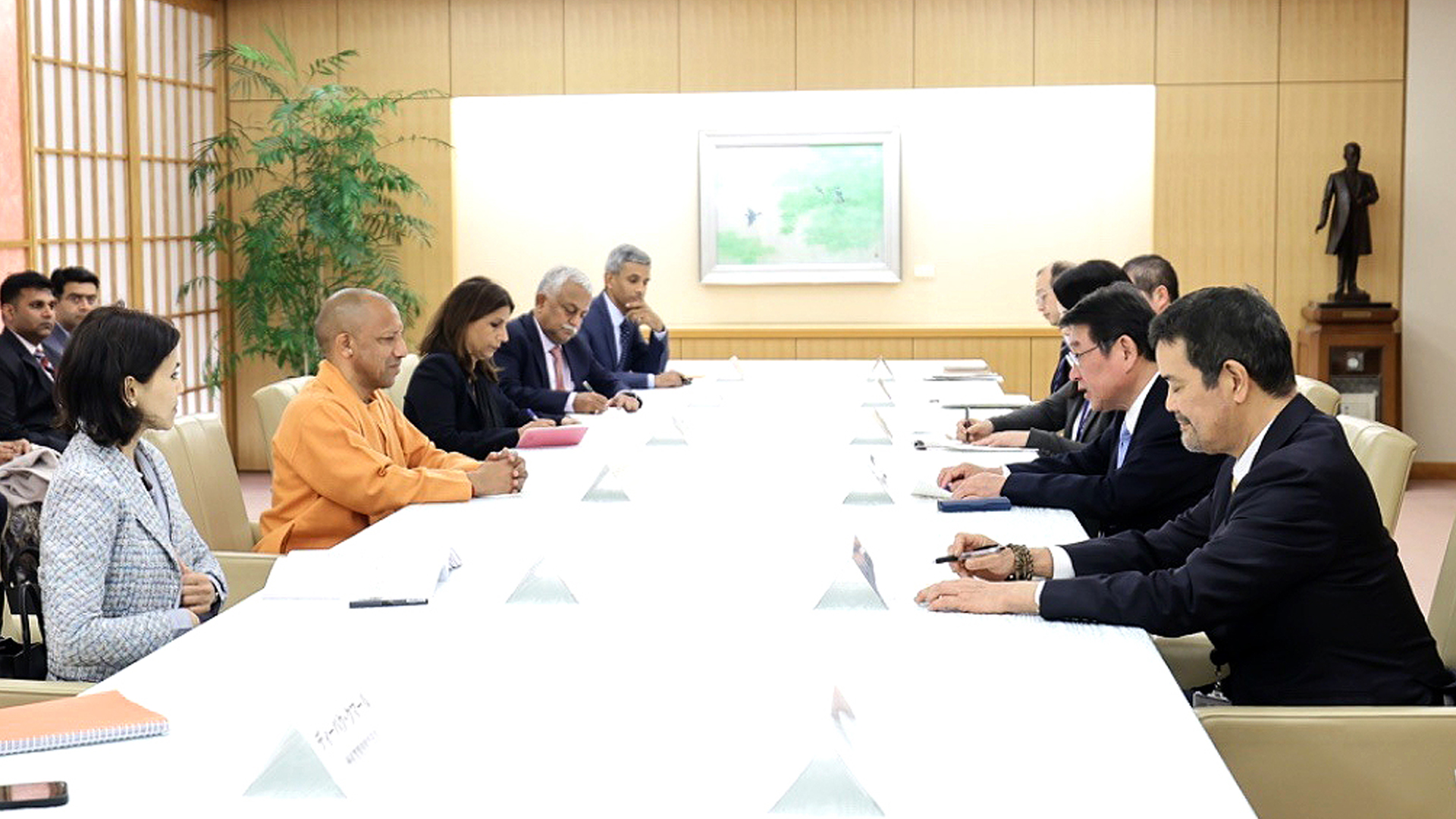
Uttar Pradesh Chief Minister Yogi Adityanath has invited Japanese companies to invest in Uttar Pradesh, highlighting the state’s rapid economic growth and strong industrial potential.

During his visit to Tokyo, Adityanath met business leaders and entrepreneurs, encouraging them to explore opportunities in sectors such as manufacturing, renewable energy, logistics, data centres, semiconductors and green hydrogen. He said Uttar Pradesh offers a large market, a young workforce and improving infrastructure, making it an attractive destination for global investors.

The Chief Minister stressed that the state government has worked to improve law and order and simplify business procedures over the past several years. He said these steps have made it easier for companies to set up and operate businesses in the state.

As part of the visit, Uttar Pradesh signed agreements and received investment proposals worth thousands of crores of rupees. Officials said memoranda of understanding (MoUs) were signed with several companies, which are expected to create jobs and boost industrial development.

One key agreement was signed with Yamanashi Prefecture for cooperation in green hydrogen technology and skill development. Under this partnership, students and technical workers from Uttar Pradesh may receive training in Japan, helping strengthen knowledge exchange between the two regions.

Adityanath said India and Japan share strong economic and strategic ties, and Uttar Pradesh aims to play a bigger role in that partnership. He invited Japanese investors to take advantage of the state’s growing infrastructure, including expressways, airports and industrial corridors.

Also Read: Arvind Kejriwal cleared in liquor policy case