rotating globe
11 Apr 2026


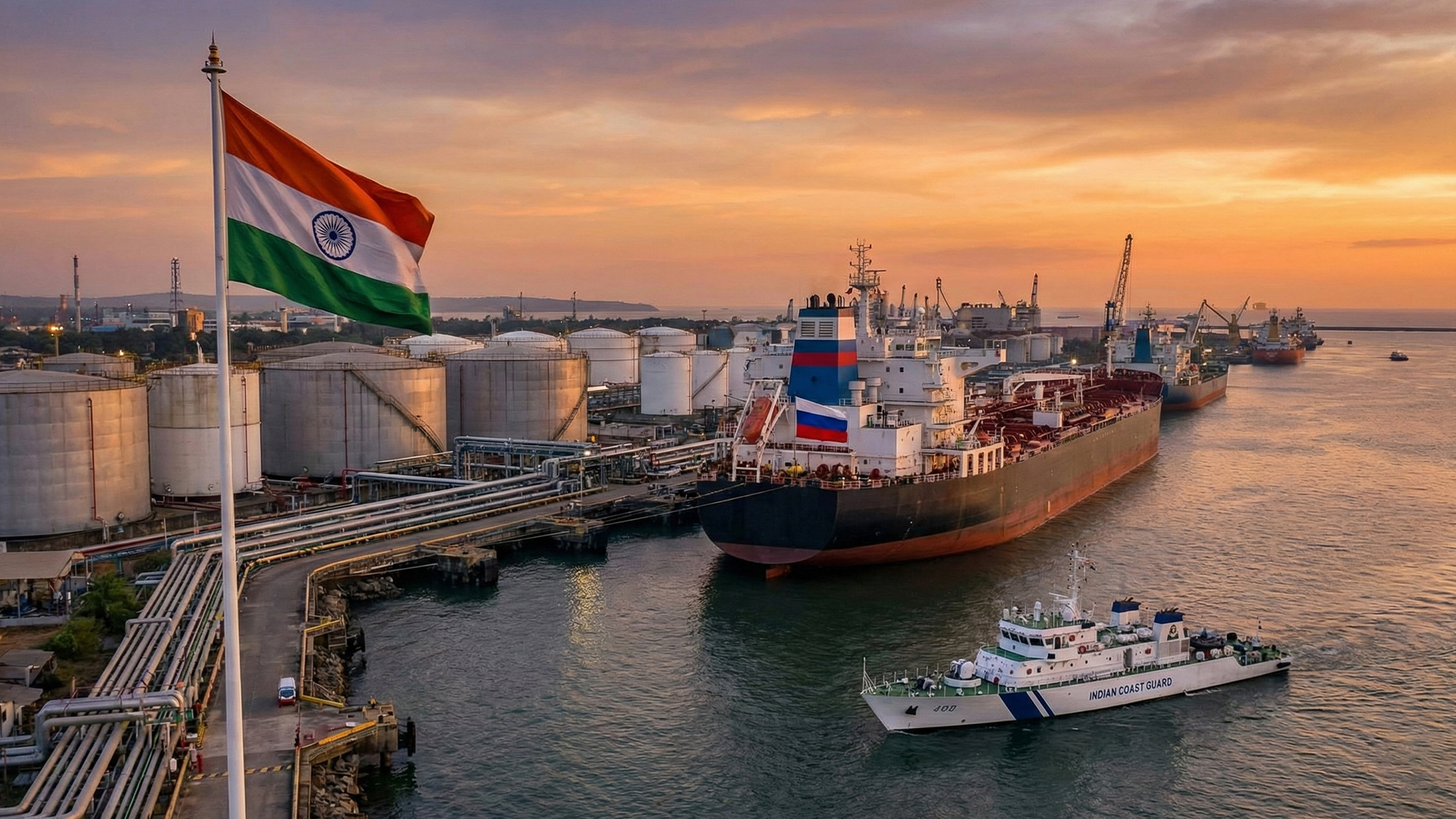
India denies halting Russian oil

Government says energy security guides imports, not US pressure

India has dismissed claims that it will stop importing Russian crude oil, emphasizing that its energy decisions are based on national interests and the need to ensure reliable supplies for its 1.4 billion people.

The clarification came after US President Donald Trump suggested that Prime Minister Modi had agreed to halt Russian oil purchases as part of ongoing India–US trade discussions. Trump indicated India might instead source oil from the US or Venezuela.

A spokesperson for the Ministry of External Affairs, Randhir Jaiswal, rejected this interpretation, stressing that India’s energy policy is guided by market realities and long-term security, not external pressure. “India’s stand is clear: we will prioritize reliable energy supplies while exploring all commercially viable options,” he said.

Officials also noted that India’s energy diversification does not mean cutting ties with Russia, a longstanding supplier. The Kremlin echoed this, underscoring the strength of energy ties with New Delhi.

The statement comes amid final-stage India–US trade talks aiming to lower tariffs on Indian goods. Commerce Minister Piyush Goyal clarified that while trade deals are progressing, energy policies are independent of these negotiations.

India’s position reflects a careful balance: deepening economic engagement with the US while maintaining commercially driven and secure energy sourcing, including continued purchases from Russia.

Also Read: RBI lifts FY27 inflation view to 4.2%

US shuts down 200 ‘illegal’ India-linked online pharmacies

Operation targets counterfeit drug networks tied to overdose deaths

The United States has shut down over 200 illegal online pharmacies connected to an India-based criminal network, in a major operation aimed at curbing the sale of counterfeit and unregulated drugs. Dubbed Operation Meltdown, the crackdown was led by the US Drug Enforcement Administration (DEA) in coordination with the US Attorney’s Office for the Eastern District of New York and authorities in India.

The illegal pharmacies were found to be distributing prescription drugs without valid prescriptions, often misleading customers by claiming to be legitimate, FDA-approved US-based businesses. Investigators said the operation targeted websites that processed hundreds of thousands of orders, many of which contained dangerous substances like fentanyl and methamphetamine, posing serious health risks.

Since 2022, the DEA has been investigating these networks, which are believed to be linked to six overdose deaths and four non-fatal cases in the US. During the recent crackdown, authorities seized the domain names of more than 200 websites and arrested four individuals associated with the scheme. In addition, officials issued five Immediate Suspension Orders and one Order to Show Cause to prevent further unlawful drug sales.

The DEA has also contacted over 20,000 customers who purchased from these websites to gather information and raise awareness about the dangers of illicit online pharmacies. Federal officials warned that such networks exploit the anonymity of the internet to evade regulation and endanger public health.

“This operation highlights the serious threat posed by illegal online pharmacies and our commitment to protecting Americans from unsafe drugs,” the DEA said in a statement. Authorities urged consumers to verify online pharmacies through licensed and regulated channels before buying prescription medicines.

Also Read: At least 11 killed in Islamabad Shia hall blast

Punjab farmers protest India‑US trade deal

Activists stage sit‑ins across Punjab, demanding compensation and policy action

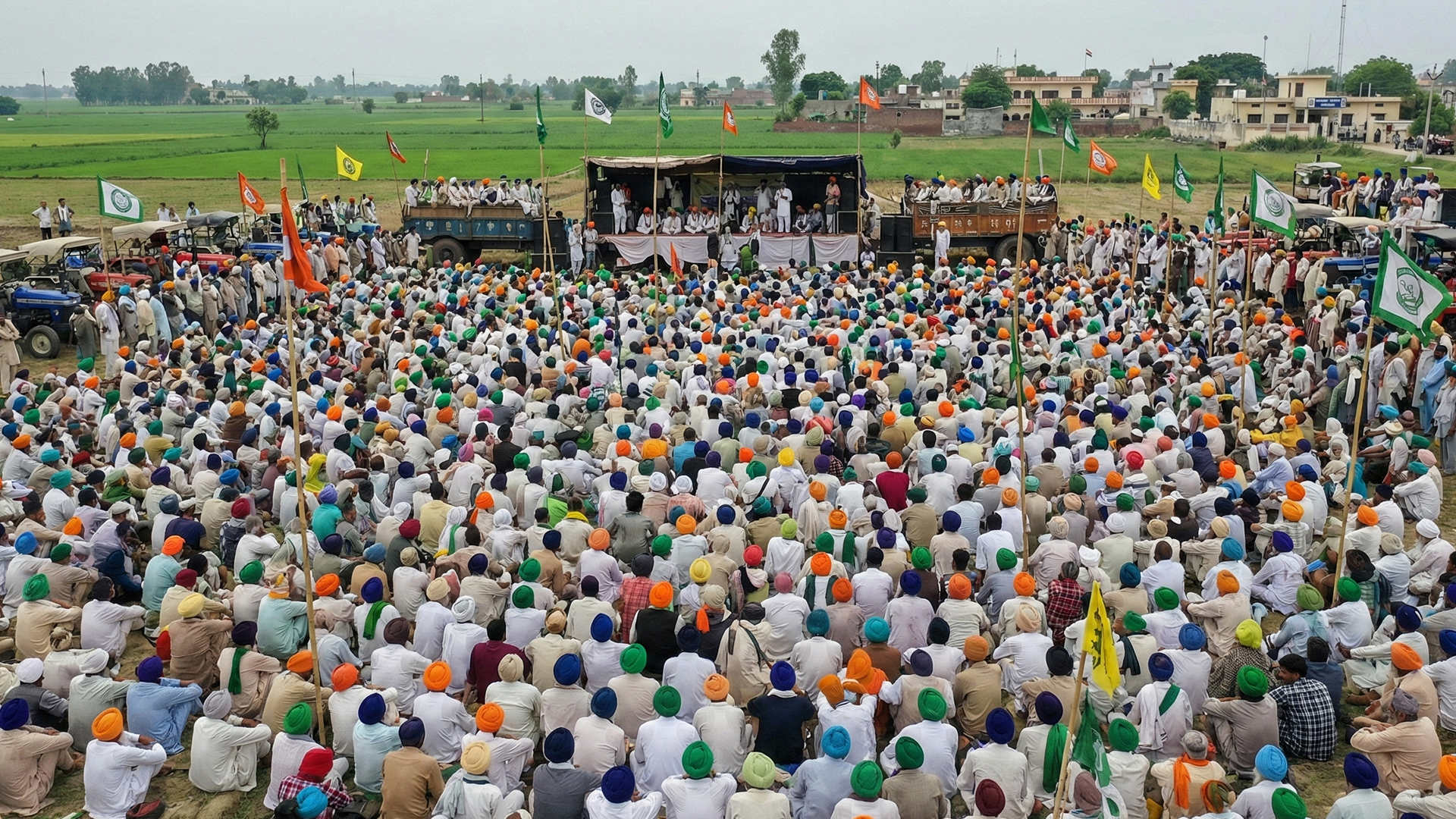
Punjab witnessed widespread farmer protests on Thursday, February 5, 2026, as groups staged sit‑ins and demonstrations outside the homes and offices of ministers and MLAs. The protests, led by the Kisan Mazdoor Morcha (KMM), highlighted farmers’ growing anxiety over the India‑US trade deal and unresolved state-level grievances.

Activists gathered at more than 28 locations across 18 districts, pressing for compensation for losses suffered during previous demonstrations at the Shambhu and Khanauri border sites, where farmers had camped for months demanding better policies. They also sought loan waivers, relief for damaged crops and homes, and support for injured farmers.

KMM leaders accused the state government of ignoring promises, dismantling protest sites, and arresting leaders, describing the administration as having shown an “anti-farmer face.” The trade deal with the US, they said, could flood local markets with cheap imports, putting Punjab farmers at risk despite government assurances that agriculture would be protected.

Political voices have also joined the debate. The Punjab Congress warned that zero-tariff US imports could hurt the state’s farmers, while the Aam Aadmi Party criticized the central government for a lack of transparency on the deal.

Besides trade concerns, protesters urged the assembly to reconsider several bills affecting agriculture, electricity, seeds, and fertilizers, which they say threaten rural livelihoods.

The KMM announced that their campaign would continue, with plans to observe the death anniversary of protester Shubhkaran Singh on February 21 as part of ongoing efforts to keep pressure on the authorities until their demands are met.

Also Read: India denies halting Russian oil

Ukraine, Russia agree on prisoner swap after talks

314 prisoners freed as diplomatic discussions continue in Abu Dhabi

Ukraine and Russia have reached an agreement to exchange prisoners of war following a round of talks held in Abu Dhabi, United Arab Emirates, mediated by the United States. A total of 314 prisoners were released, with 157 from each side. The swap included both military personnel and civilians who had been held since earlier in the conflict, marking the first major prisoner exchange in several months.

Ukrainian President Volodymyr Zelenskyy described the negotiations as “not easy but constructive,” highlighting that while progress has been made on humanitarian issues, broader political and security discussions remain challenging. US special envoy Steve Witkoff called the talks “detailed and productive” on the point of prisoner releases, but emphasized that significant work remains on reaching a lasting peace agreement.

Despite this humanitarian success, the talks did not result in a ceasefire or a roadmap to end the war. Central issues such as territorial control, security guarantees, and future military arrangements remain unresolved. Both sides agreed to resume high-level military-to-military dialogue, which has been largely paused since 2021, in an effort to maintain open channels of communication and reduce the risk of accidental escalation.

The prisoner swap is seen as a symbolic step forward in the ongoing diplomatic process, signaling that dialogue remains possible even amid continued hostilities. On the ground, however, fighting continues, with missile strikes and drone attacks reported across Ukrainian cities and infrastructure, underlining the fragility of the situation and the ongoing human cost of the conflict.

Observers say that while the exchange is an encouraging sign of cooperation, substantial negotiations are still needed to address the root causes of the conflict and achieve a sustainable resolution. Analysts also note that continued international mediation, particularly by the United States, will be critical in keeping talks alive and exploring avenues for a broader ceasefire in the future.

Also Read: Om Birla urged PM Modi to skip Lok Sabha

Kuki-Zo groups boycott MLAs in Manipur

Community bodies accuse MLAs of betrayal after they join state government

The political situation in Manipur has become tense again after major Kuki-Zo organisations openly opposed tribal MLAs who joined the newly formed state government. The move has triggered strong protests, especially in the hill district of Churachandpur.

After President’s Rule was lifted, the BJP-led Manipur government was sworn in earlier this week. Kuki-Zo MLA Nemcha Kipgen took oath as Deputy Chief Minister, while two other MLAs from the community also supported the government’s formation. This decision angered influential Kuki-Zo civil society groups, who say the MLAs acted against the community’s collective stand.

The Kuki-Zo Council (KZC), an apex tribal body, announced a social boycott of all Kuki-Zo MLAs who joined or supported the government. The council accused them of “betraying” the community at a time when the ethnic conflict in Manipur remains unresolved. According to the KZC, the MLAs violated a resolution passed in January, which stated that Kuki-Zo legislators should not join the state government unless there was a clear political commitment from the Centre toward a long-term solution for the community.

The council appealed to the public not to associate with the MLAs socially or politically until they align themselves with the community’s demands. Several other tribal groups supported the call and announced shutdowns and protest marches in Kuki-Zo-dominated areas.

On Thursday, the Manipur Legislative Assembly met for the first time in more than a year. None of the Kuki-Zo MLAs were physically present in the House due to security concerns. The state government, however, passed the floor test through a voice vote, confirming it has the required majority.

Meanwhile, protests in Churachandpur turned violent. Demonstrators blocked roads, burned tyres, and clashed with security forces. Police used crowd-control measures to bring the situation under control. No official confirmation of casualties has been reported, but tensions remain high in the district.

Also Read: 18 dead in Meghalaya coal mine explosion

AAP leader killed in Jalandhar shooting

Lucky Oberoi killed outside gurdwara in morning attack

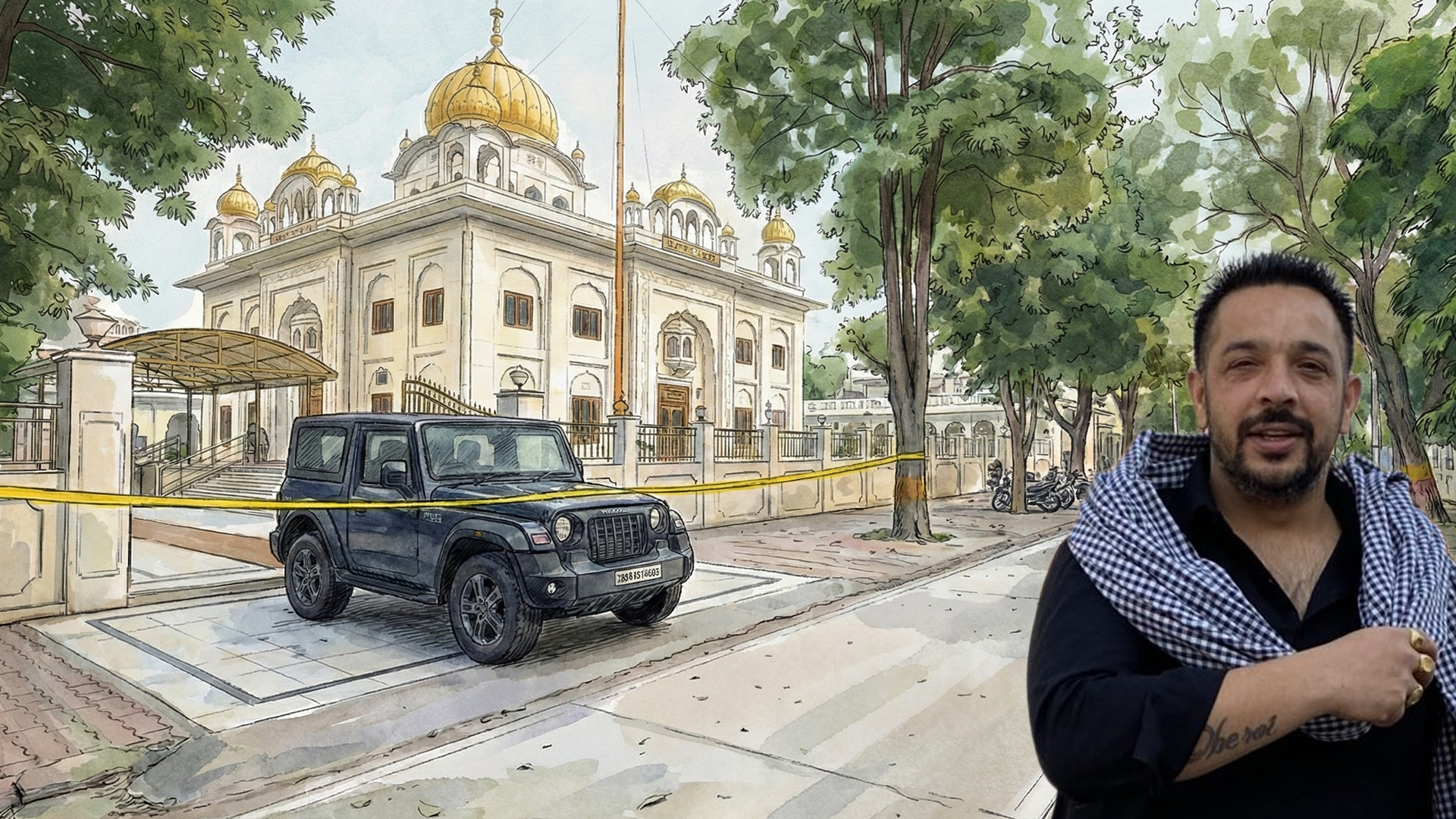
Jalandhar woke up to shock and fear on Thursday morning after Aam Aadmi Party (AAP) leader Lucky Oberoi was shot dead in a brazen attack outside a gurdwara in the city’s Model Town area.

The shooting took place around 7.50 am, a time when the area was beginning to get busy. Oberoi had just finished offering prayers at the gurdwara and was seated in his car parked outside the premises. According to police, two unidentified men on a motorcycle approached the vehicle and opened fire at close range, firing several rounds before speeding away.

Eyewitnesses said the attack happened within seconds, leaving people stunned and scrambling for safety. Oberoi suffered multiple gunshot wounds and collapsed inside his vehicle. He was rushed to a nearby private hospital, but doctors declared him dead on arrival due to the severity of his injuries.

Police officials said the attack appeared well-planned, given the timing and the number of shots fired. The area was immediately sealed off, and forensic teams were called in to collect evidence. CCTV footage from nearby shops, homes, and traffic cameras is being examined to trace the attackers’ route and identify the suspects.

The killing has caused panic and anger among local residents, who said they never expected such violence near a place of worship in a residential neighbourhood. Many questioned how gunmen could strike so openly and escape.

Lucky Oberoi was a known local leader of the Aam Aadmi Party and was active in party work in Jalandhar. His wife, Simarjot Kaur, had earlier contested civic elections on an AAP ticket. Party workers described Oberoi as accessible and closely connected to the community.

Political reactions poured in soon after the incident. Opposition leaders criticised the law and order situation in Punjab, while AAP leaders demanded swift arrests and strict punishment for those responsible.

Also Read: RBI lifts FY27 inflation view to 4.2%
RBI lifts FY27 inflation view to 4.2%

Governor Sanjay Malhotra says steady prices give RBI space to support economic momentum

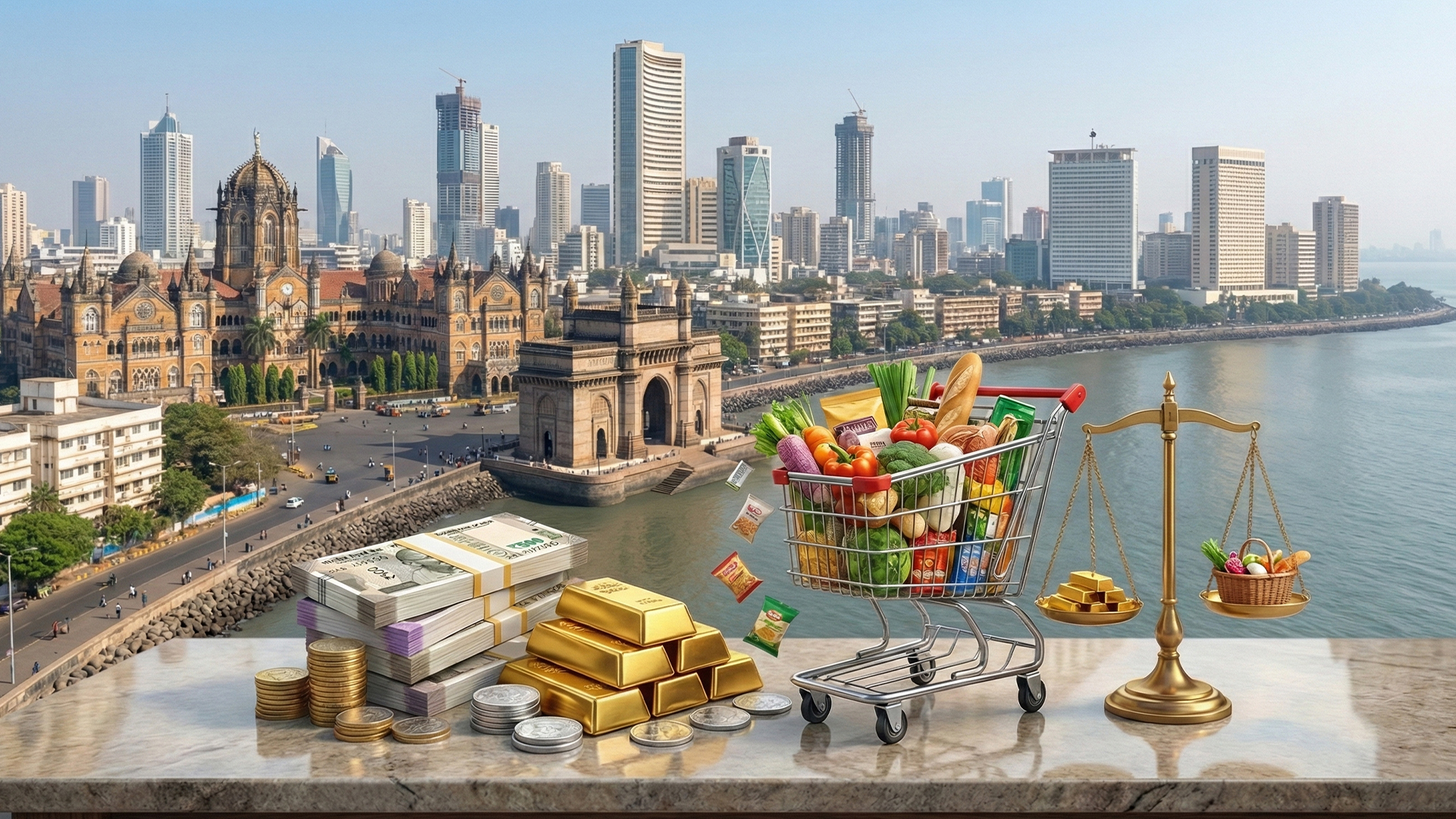
India is moving out of a phase of unusually low inflation, but without slipping into a high-price environment, the Reserve Bank of India (RBI) said in its latest policy assessment. The central bank expects inflation to gradually return to levels that are considered healthy for a growing economy, settling close to 4% in FY2026–27.

RBI Governor Sanjay Malhotra said the upward shift in inflation projections reflects stronger economic activity and improving demand rather than structural price stress. For the current financial year, inflation is expected to average around 2.1%, rising modestly to about 3.2% toward the year’s end as consumption picks up.

According to RBI estimates, inflation in the first half of the next financial year is likely to hover near the central bank’s target level, at about 4.0% in the April–June quarter and 4.2% in the July–September quarter. The RBI noted that food prices, global commodity movements, and domestic demand trends are key factors behind this gradual increase.

With inflation projected to remain well within the policy comfort zone of 2% to 6%, the Monetary Policy Committee decided to keep the repo rate unchanged at 5.25% and maintain a neutral policy stance. The RBI said this approach allows it to nurture growth while staying prepared to respond if price pressures rise unexpectedly.

For households, the RBI’s outlook suggests that the cost of living is likely to rise at a measured pace, making household budgets easier to manage. For businesses, stable inflation and steady interest rates offer a predictable environment for investment decisions, expansion plans, and job creation.

The central bank also underlined that it is closely tracking global risks, including oil prices, precious metals, and geopolitical developments, which could influence inflation trends in the months ahead.

Also Read: PM Modi speaks during Rajya Sabha walkout

PM Modi speaks during Rajya Sabha walkout

Opposition MPs protest over speaking rights, disrupting proceedings in both Houses

Thursday’s Parliament session saw a dramatic escalation of tensions as Opposition MPs staged loud protests, culminating in a walkout from the Rajya Sabha while Prime Minister Narendra Modi addressed the House. The unrest follows chaotic proceedings in the Lok Sabha on Wednesday, where repeated disruptions prevented Modi from replying to the Motion of Thanks to the President’s address.

In the Lok Sabha, Opposition members, led by Congress, demanded time for Leader of the Opposition Rahul Gandhi to speak. Continuous sloganeering forced repeated adjournments. Speaker Om Birla later cited safety concerns after some MPs approached the Prime Minister’s chair. Ultimately, the Motion of Thanks was passed without Modi delivering his speech.

The focus then shifted to the Rajya Sabha, where PM Modi proceeded with his address despite the raucous environment. At one point, he wryly remarked that senior Opposition leaders, including 83-year-old Mallikarjun Kharge, could “sit and shout slogans” instead of standing, sparking reactions across the House.

Modi used the opportunity to highlight government achievements, stressing India’s development progress and asserting that his administration has worked to “clean up the mess” inherited from previous governments.

Tensions boiled over when Opposition MPs, chanting “Let LoP speak,” staged a coordinated walkout in protest, accusing the government of curbing parliamentary rights. BJP leaders, including party chief JP Nadda, criticized the Opposition for stalling Parliament, accusing them of refusing to engage constructively. Congress leaders, including Priyanka Gandhi, rejected allegations of threatening behavior in the Lok Sabha and accused the government of undermining parliamentary traditions.

Also Read: Lok Sabha adjourned due to opposition protests

AI triggers SaaSapocalypse in IT markets

Anthropic’s new AI agents spark global software sell‑off, hitting Indian IT firms hard

US AI startup Anthropic has launched Claude Cowork, a suite of AI agents capable of performing complex business tasks end-to-end. These agents can handle everything from legal document review and data analysis to sales, marketing, and administrative workflows using smart plugins. By automating tasks that once required human expertise and specialised software, Claude Cowork represents a significant leap in AI capabilities.

The launch has triggered widespread investor concern over the future of traditional Software-as-a-Service (SaaS) and IT services, a phenomenon quickly dubbed the “SaaSapocalypse.” Analysts warn that companies might increasingly rely on AI agents to replace both software subscriptions and human-driven services, potentially disrupting the revenue streams of major IT firms.

Global software stocks reacted sharply, with shares of leading firms dropping after the announcement. In India, the impact was immediate: IT giants including TCS, Infosys, Wipro, HCLTech, and LTIMindtree saw steep declines in their stock prices. The NIFTY IT index fell by 6–7%, marking one of its most significant losses in recent years.

Industry watchers believe Indian IT companies will need to pivot quickly to high-value, specialised services,  such as strategic advisory, system integration, and complex consulting,  areas where AI is less likely to replace human expertise in the near term. Rapid internal adoption of AI tools may also be crucial for these companies to maintain competitiveness in a rapidly evolving landscape.

Experts suggest that the fear is well-founded. As AI agents increasingly handle tasks previously done by humans, demand for labour-intensive IT services could shrink. Traditional SaaS pricing models, which rely on recurring subscriptions and human headcount, may face pressure or risk obsolescence. The disruption is not only technological but also financial, with investors adjusting their outlooks for global and Indian software markets.

Also Read: BTS together in Dubai, fans thrilled