rotating globe
11 Apr 2026


Ajit Doval drew red line in US trade talks

National Security Adviser told US leaders that India would not accept pressure and was prepared to wait rather than sign an unfair deal

India adopted a firm and patient stance during challenging trade negotiations with the United States under President Donald Trump, clearly signalling that it would not accept pressure to sign an unfavourable agreement. According to media reports, National Security Adviser Ajit Doval personally conveyed this message to senior US leaders, including Senator Marco Rubio, during back-channel discussions.

Doval reportedly told the US side that India “would not be bullied” on trade issues and that the Narendra Modi government was prepared to wait out President Trump’s term instead of compromising on core national interests. These talks took place when bilateral relations were tense due to sharp tariff hikes imposed by the Trump administration on Indian exports.

The US decision to raise tariffs on several Indian goods caused concern in New Delhi, but India chose restraint over retaliation. Officials believed that yielding under pressure would weaken India’s negotiating position and harm sensitive sectors such as agriculture, dairy, and small-scale industries. The government focused on protecting long-term economic and strategic interests rather than seeking quick relief.

During the discussions, Doval also flagged that public criticism of India by US leaders was hurting the atmosphere for negotiations. He urged Washington to lower the public rhetoric to allow talks to move forward more constructively. Soon after, the tone between the two countries appeared to improve, with President Trump publicly praising Prime Minister Narendra Modi and engaging in multiple phone conversations with him.

Months of negotiations and quiet diplomacy eventually led to a trade agreement between India and the US. The deal reportedly reduced steep tariffs and aimed to strengthen bilateral trade while safeguarding India’s key interests. Indian officials described the outcome as balanced and said it reflected mutual respect rather than pressure.

The agreement also set ambitious targets for expanding India-US trade in the coming years.

Also Read: Lok Sabha adjourned due to opposition protests

Lok Sabha adjourned due to opposition protests

Opposition protests halt Lok Sabha, PM Modi likely to speak later in Rajya Sabha instead

The Lok Sabha was adjourned for the day on Wednesday after noisy protests by opposition members disrupted proceedings, forcing the cancellation of Prime Minister Narendra Modi’s scheduled speech during the ongoing Budget Session of Parliament.

The House had reconvened in the evening for the Prime Minister’s reply to the Motion of Thanks on the President’s Address. However, within less than a minute, opposition MPs, mainly from the Congress, began shouting slogans and moved into the well of the House. Some members raised placards and protested against the suspension of Congress MPs earlier in the session, leading to complete disorder.

As the uproar intensified, the Speaker repeatedly appealed for calm and asked members to return to their seats. When the protests did not stop, the Speaker adjourned the House for the day, making it impossible for the Prime Minister to deliver his address.

The disruption followed days of tension between the ruling BJP and the opposition. Congress leaders have accused the government of silencing dissent in Parliament, while the BJP has blamed the opposition for deliberately stalling proceedings during an important budget session.

Reacting to the adjournment, senior Congress leaders said the Prime Minister avoided speaking in the Lok Sabha. Rahul Gandhi alleged that the government was unwilling to face questions in Parliament, while Priyanka Gandhi Vadra criticised the handling of opposition protests. The BJP strongly rejected these claims, saying the Prime Minister was ready to speak but was prevented from doing so due to continued disruptions.

The Budget Session has seen frequent adjournments in recent days, with heated arguments over national security issues, parliamentary remarks, and disciplinary action against MPs. Several key discussions, including those related to the Union Budget 2026–27, have been delayed as a result.

Despite the disruption in the Lok Sabha, Prime Minister Modi is expected to address the Rajya Sabha, where debate on the Motion of Thanks is continuing. Parliamentary affairs are likely to remain tense as both sides prepare for further confrontations in the remaining days of the session.

Pakistan defence minister admits army struggles in Balochistan

Khawaja Asif says militants, tough terrain leave forces overstretched; civilians bear the cost

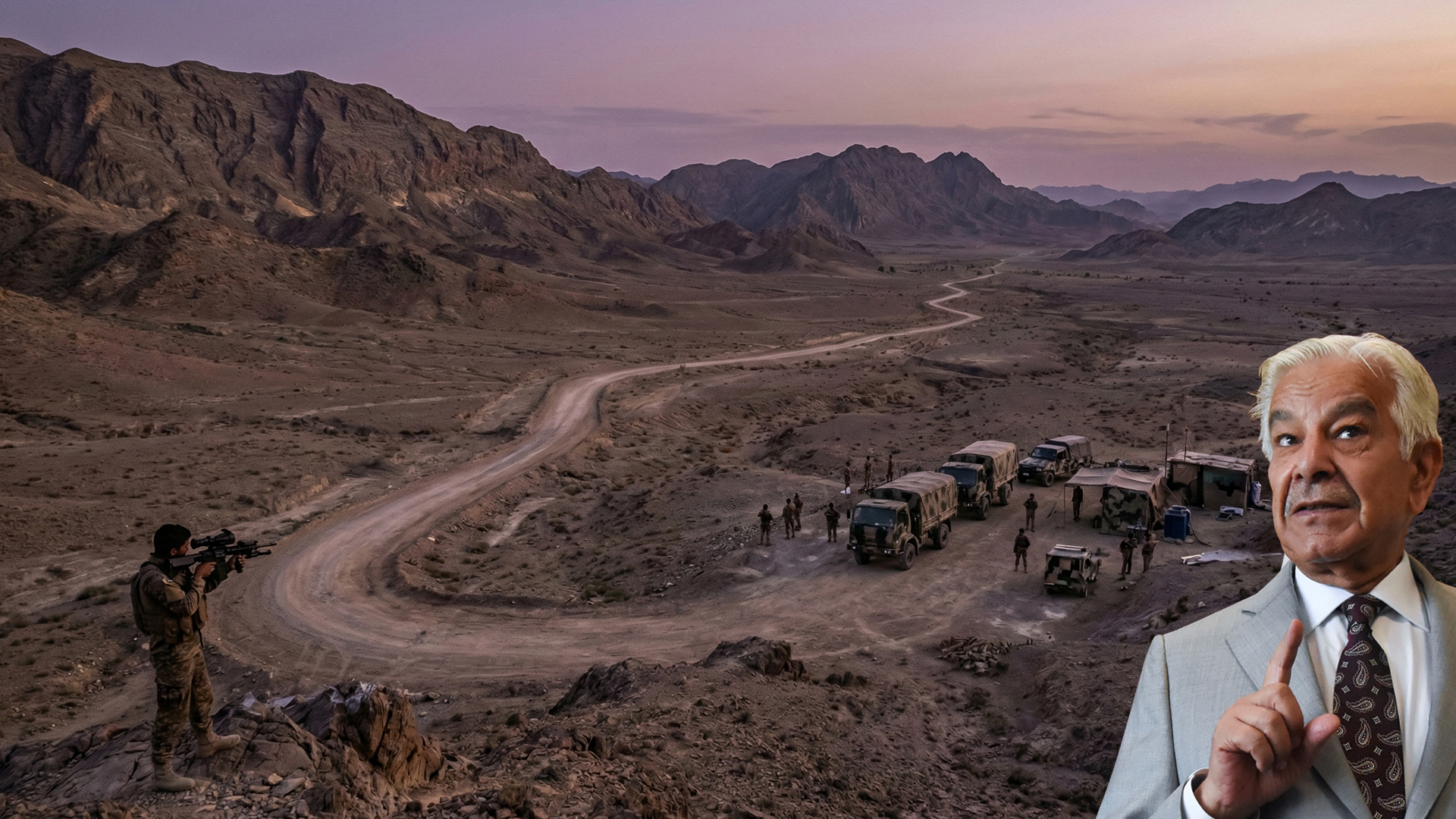
Pakistan’s Defence Minister Khawaja Asif has admitted that the country’s security forces are facing enormous challenges in Balochistan, where separatist violence has intensified in recent weeks. Speaking in parliament, Asif described the army as “physically handicapped” in dealing with attacks by the Baloch Liberation Army (BLA), citing the province’s huge size, difficult terrain, and sparse population as key obstacles.

Balochistan, Pakistan’s largest province, covers more than 40% of the country’s land, but its rough mountains and remote areas make it extremely difficult for troops to patrol and secure communities. These conditions, combined with militants’ access to advanced weapons, have left soldiers struggling to protect civilians and government installations.

The warning comes after a deadly spate of attacks by the BLA, who targeted military posts, government offices, and public areas. These assaults killed dozens, including both security personnel and innocent civilians, sending fear through local communities. In response, Pakistani forces have intensified operations, claiming to have killed around 177 insurgents in counter-attacks so far.

Asif stressed that despite ongoing military efforts, the army cannot fully control the province, and warned that no dialogue would be held with groups that target women, children, and civilians. He also accused some criminal networks of supplying weapons to insurgents, giving them an edge in the ongoing conflict.

Also Read: Saif al‑Islam Gaddafi killed at home in Libya

Fitbit brings Luffu App for family health

New platform uses AI to help families track health, share updates, and get proactive alerts, all in one easy-to-use app

Fitbit co-founders James Park and Eric Friedman are back with a new mission of helping families take care of each other’s health more easily. Their startup, Luffu, is an AI-powered platform that centralizes health information for the entire household, including pets.

Instead of each family member tracking health separately, Luffu creates a shared health timeline. Users can track medications, appointments, lab results, vitals, and more, all in one app. The AI quietly works in the background to spot changes and send gentle alerts, so families know when something needs attention without being overwhelmed by notifications.

A standout feature is the app’s natural-language support. Families can ask questions like, “Has Mom’s sleep pattern changed this week?” or “Did the dog get its medicine today?” and get straightforward answers. The AI interprets all the shared data to provide helpful insights, making it feel like having a personal health assistant for the whole family.

Privacy remains a priority. Every family member chooses what information to share, keeping personal data secure and under control.

Luffu is currently in a limited beta release as a mobile app, with plans to expand to connected devices later. The founders hope it will ease the daily burden on caregivers, millions of whom manage family health with scattered notes, portals, and apps.

Also Read: Actor Rajpal Yadav to surrender over ₹9 cr dues

Actor Rajpal Yadav to surrender over ₹9 cr dues

Court revokes earlier leniency. Actor must appear before jail authorities by 4 pm on February 4, 2026

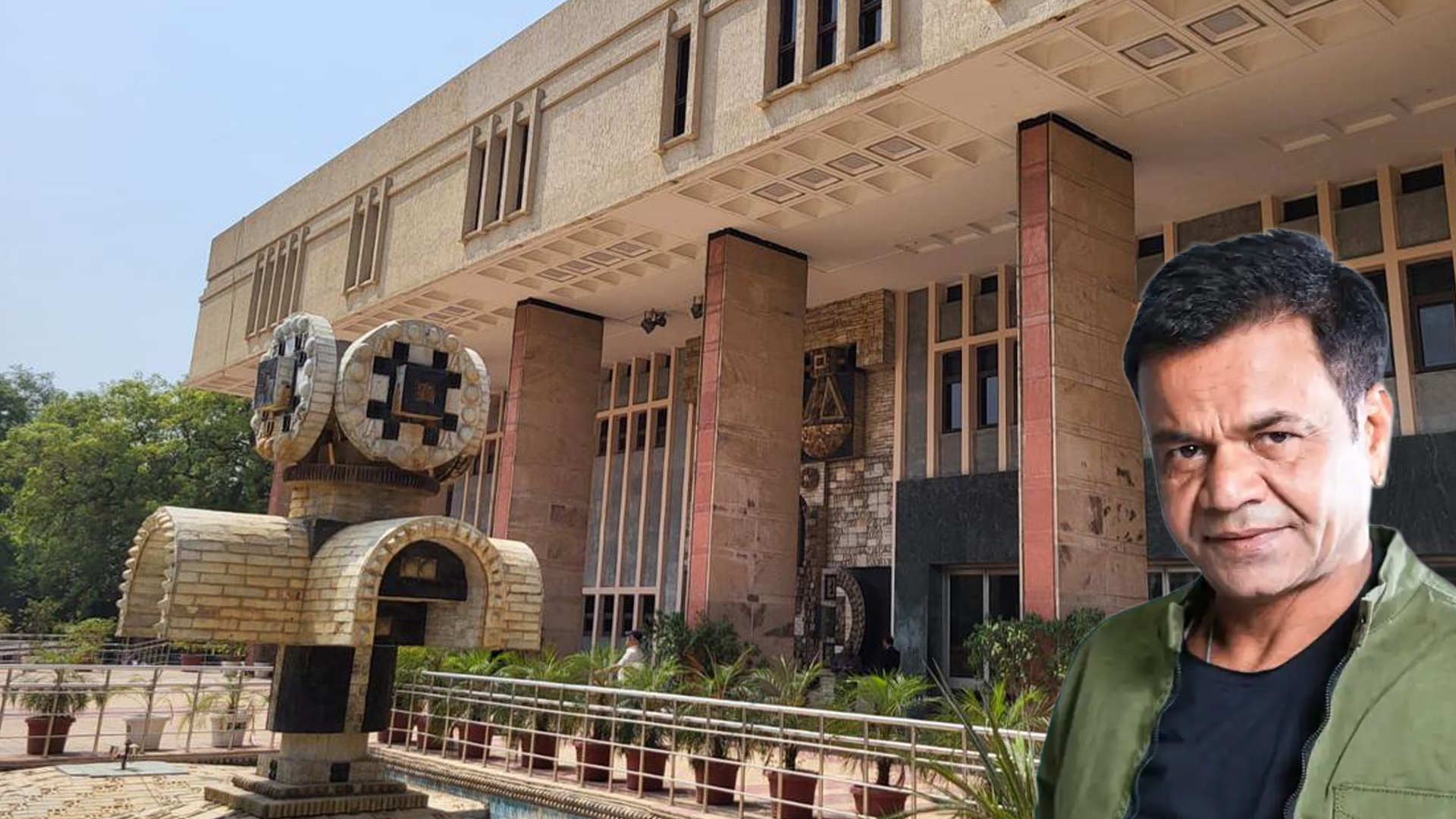
The Delhi High Court has ordered Bollywood actor Rajpal Yadav to surrender to jail authorities by 4 pm on February 4, 2026, after he failed to pay approximately ₹9 crore owed in multiple cheque bounce cases.

The cases, dating back over 16 years, involve several dishonoured cheques, for which a trial court had sentenced Yadav to six months’ imprisonment under the Negotiable Instruments Act. Earlier, the High Court had suspended the sentence, giving him time to pay the dues and avoid jail.

Yadav had promised the court to settle the amount, but failed to comply. In October 2025, he deposited only ₹75 lakh, leaving the majority unpaid. The court criticised him for repeatedly breaking commitments and ruled that no further extensions would be granted.

The High Court’s decision emphasises that legal obligations must be honoured, and failure to do so will result in immediate consequences.

Also Read: Trump signs $1.2 trillion bill, ends partial US government shutdown

Saif al‑Islam Gaddafi killed at home in Libya

Son of former Libyan leader Muammar Gaddafi shot dead by armed men; investigation underway

Saif al‑Islam Gaddafi, 53, son of ex-Libyan ruler Muammar Gaddafi, was shot dead at his home in Zintan, western Libya, on 3 February 2026. Four armed men attacked his residence, disabling security cameras before fleeing. He died from gunshot wounds, and authorities have launched an investigation to identify those responsible.

Saif was once considered the heir-apparent to his father and played a key role in Libya’s diplomatic efforts. Educated in the West, including at the London School of Economics, he negotiated Libya’s renouncement of weapons of mass destruction and engaged in compensation talks for victims of the Lockerbie bombing. Domestically, he promoted modernization and economic reforms, projecting a more progressive image for the Gaddafi regime.

During the 2011 uprising, he supported his father’s crackdown on anti-government protests, which led to his capture in Zintan after Tripoli fell. In 2015, a Libyan court sentenced him to death in absentia for crimes linked to the crackdown, and he was also wanted by the International Criminal Court for alleged crimes against humanity.

After being released under a general amnesty in 2017, Saif returned to Zintan and remained politically active, even attempting a 2021 presidential bid, which was blocked amid political disputes. He also backed economic initiatives and tribal alliances in western Libya, maintaining influence in local politics despite his controversial past.

Saif’s assassination marks a violent end to a figure whose life mirrored Libya’s struggles with authoritarian legacy, political instability, and post-revolution divisions. His death could further complicate efforts to stabilise Libya and advance stalled political processes, highlighting the fragility of peace in the region.

Also Read: Jaishankar meets Rubio, backs new trade deal

Trump signs $1.2 trillion bill, ends partial US government shutdown

Most federal agencies funded, but short-term DHS funding fuels fresh congressional clash

President Donald Trump on Tuesday signed a $1.2 trillion spending bill, ending a four-day partial government shutdown that began last Saturday after Congress failed to agree on federal spending measures. The legislation restores funding for most federal departments and programs through September 30, 2026, the end of the fiscal year.

The House of Representatives approved the bill 217‑214, reflecting deep divisions along party lines. Trump called the measure “a great victory for the American people,” emphasizing the need to prevent extended disruptions in government services.

The bill provides full-year funding for 11 of 12 annual budget bills, including Defense, Health and Human Services, Education, and Transportation, ensuring continued operations for the majority of federal agencies.

However, the Department of Homeland Security (DHS) received only temporary funding through February 13, due to partisan disagreements over immigration enforcement policies. Democrats insisted on reforms, including increased oversight of federal agents and body-worn cameras, following incidents of civilian deaths during federal enforcement operations. Republicans opposed some of these provisions, creating a narrow funding window that could trigger another shutdown if no agreement is reached.

The close House vote highlighted tensions within both parties. Some Republicans opposed the package because it excluded certain conservative priorities, while some Democrats supported it to avoid broader disruption of government functions.

The four-day shutdown was short-lived compared with the record 43-day shutdown in late 2025, but it underscored persistent political fractures over budget priorities and immigration policy.

Lawmakers now have a 10-day window to negotiate DHS funding and immigration policies. Failure to reach an agreement could result in another partial shutdown affecting immigration agencies such as U.S. Immigration and Customs Enforcement (ICE).

While the immediate crisis has passed, the debate over homeland security and immigration funding is expected to intensify, keeping both parties on edge in a narrowly divided Congress. The new law ensures stability for most federal programs but leaves key immigration issues unresolved.

Also Read: Saif al‑Islam Gaddafi killed at home in Libya

Centre stops 3 Kashmir rail projects for apple farms

Decision comes after political intervention and sustained protests by orchardists fearing loss of livelihood

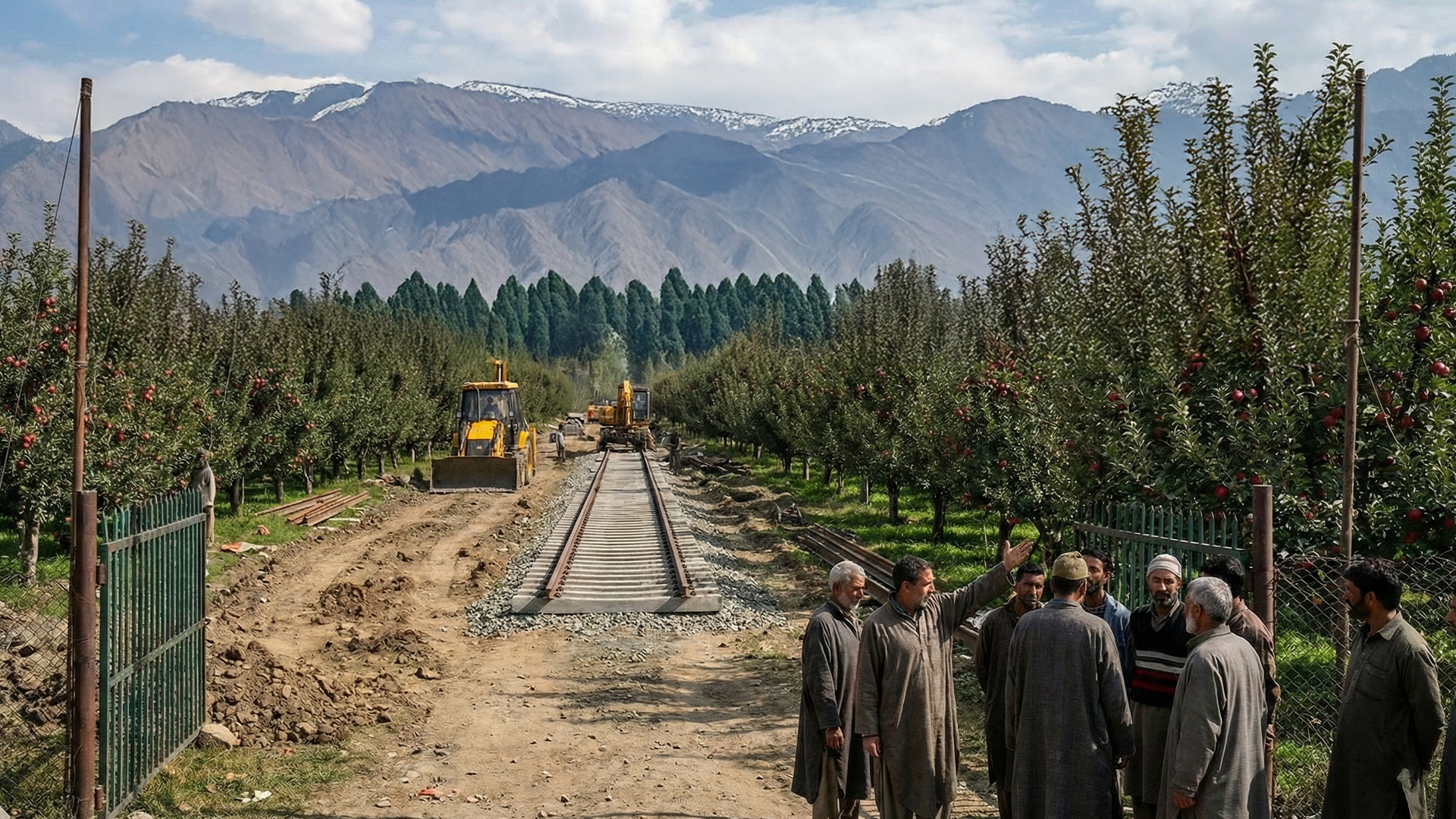
The Union government has halted three proposed railway projects in the Kashmir Valley after concerns were raised that the new rail lines would damage apple orchards and affect the livelihoods of thousands of farmers.

Union Railway Minister Ashwini Vaishnaw said the decision was taken after listening to objections from the Jammu and Kashmir government, Members of Parliament and local communities. While there is demand to expand railway connectivity in the Valley, the Centre decided not to go ahead with these projects because of the possible harm to fertile agricultural land, especially apple orchards.

The railway projects that have been put on hold included proposed routes in south Kashmir, passing through districts such as Shopian, Pulwama and Anantnag. These areas are known for high-quality apple production and form the backbone of the region’s rural economy. Surveys and land marking had already begun in some places, which triggered protests by orchard owners and farmers.

Apple growers feared that construction would lead to the cutting down of thousands of apple trees, loss of income and long-term damage to farmland. For many families, apple cultivation is the main source of livelihood, and farmers said compensation could not replace years of effort spent nurturing orchards.

Political leaders welcomed the Centre’s decision. National Conference leader Tanvir Sadiq said the halt came after strong intervention by Chief Minister Omar Abdullah, who raised the issue with the Centre and stressed the need to protect farmers. He said the move would prevent heavy losses to orchard owners in south Kashmir.

Former Chief Minister Mehbooba Mufti also welcomed the decision, calling it a relief for farmers. She said development projects should not come at the cost of people’s livelihoods and should involve proper consultation with local communities.

The Centre has clarified that while these three projects are stopped for now, rail connectivity in Kashmir remains a priority. Officials said alternative routes or solutions may be explored in the future that do not harm agricultural land.

Also Read: Air India, IndiGo planes’ wingtips touch at Mumbai