rotating globe
12 Apr 2026


WhatsApp must respect privacy or exit India

CJI Surya Kant questions Meta over privacy and data use

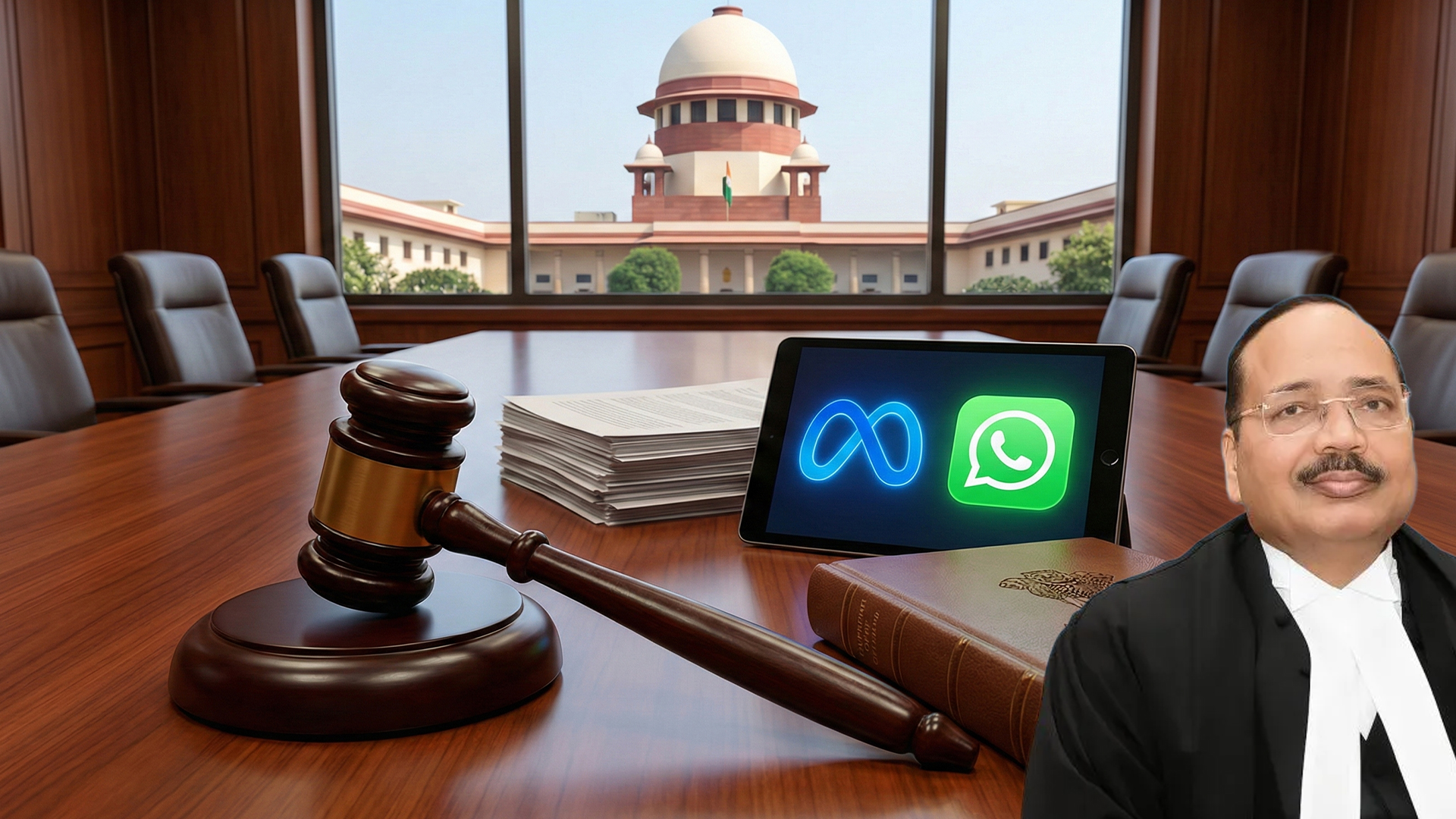
The Supreme Court of India has issued a strong warning to WhatsApp and its parent company Meta, saying they must follow Indian laws—or consider leaving the country. Chief Justice Surya Kant told the company bluntly: “If you can’t follow our Constitution, then leave India.”

The case revolves around WhatsApp’s 2021 privacy policy update, which required users to share personal data with Meta. The Competition Commission of India (CCI) had previously fined WhatsApp ₹213 crore, ruling that the policy abused the company’s dominant position in the market. The National Company Law Appellate Tribunal (NCLAT) upheld most of this penalty. Meta has now approached the Supreme Court challenging these orders.

The court raised concerns over whether millions of users, especially in rural areas, can truly understand such complex privacy terms. It emphasised that user data cannot be exploited for commercial purposes, such as targeted advertising, without informed consent.

As an interim step, WhatsApp has been ordered not to share user data with Meta until the case is resolved. The government, through the Ministry of Electronics and IT, has been made a party to ensure compliance with India’s Digital Personal Data Protection Act.

The Supreme Court underlined that privacy is a fundamental right, and protecting it cannot take a back seat to business interests. The matter will continue to be heard, with the bench stressing that foreign tech companies operating in India must obey the law or face consequences.

Also Read: India and US reach new trade agreement

Gaza-Egypt border reopens after two years

A few wounded Palestinians leave Gaza as limited movement offers a glimpse of relief

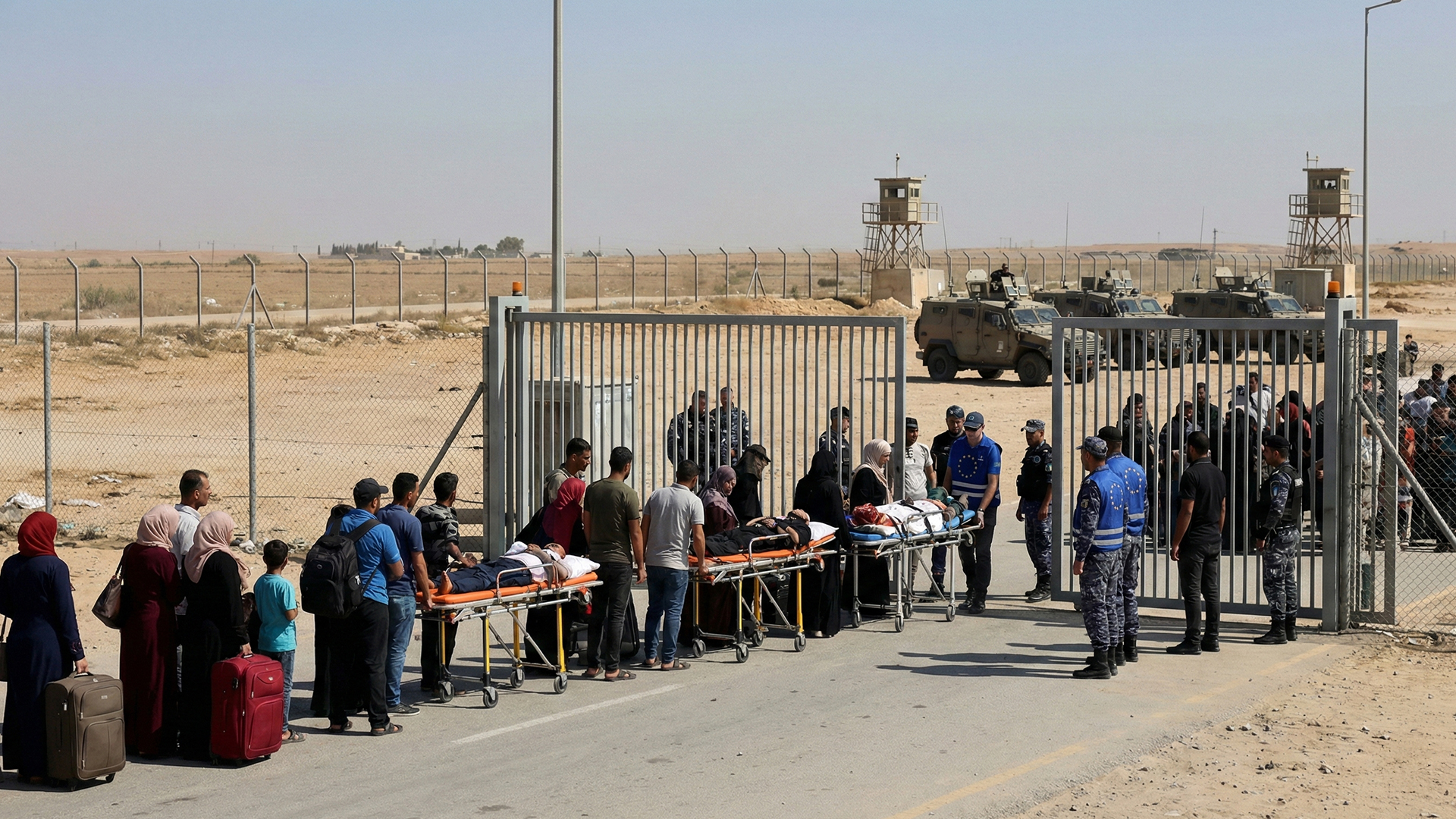
After nearly two years of closure, the Rafah border crossing between Gaza and Egypt reopened on 2 February 2026, allowing a small number of Palestinians to cross for the first time since May 2024, when Israel shut the border during its conflict with Hamas. The crossing, Gaza’s only exit to a neighboring country besides Israel, had been a crucial route for medical evacuations and humanitarian aid.

The reopening was coordinated by Egypt and monitored by the European Union Border Assistance Mission as part of the first phase of a ceasefire and peace plan. On the first day, only five seriously ill or wounded Palestinians, each accompanied by relatives, were allowed to leave Gaza for medical treatment in Egypt. A few others re-entered the enclave.

While authorities had planned for up to 50 crossings per day, strict Israeli security screenings, paperwork requirements, and limited quotas have kept actual movement very low. Humanitarian groups stress that thousands of patients in Gaza still urgently need permission to travel for care.

Currently, the crossing is restricted to pedestrians only, and commercial goods or large-scale aid are not yet allowed. Security checks and approvals by both Israeli and Egyptian authorities remain mandatory, keeping the movement tightly controlled.

The reopening, though limited, is a symbolic step toward easing Gaza’s isolation and addressing some urgent humanitarian needs. Residents of Gaza, which houses more than two million people, continue to face shortages of essential medical supplies, restricted movement, and the ongoing psychological strain of conflict.

Also Read: Sunetra Pawar consoles late security officer’s family

Gunshots at Rohit Shetty’s Mumbai home, 4 held

Bollywood director unharmed as police investigate possible Bishnoi gang link

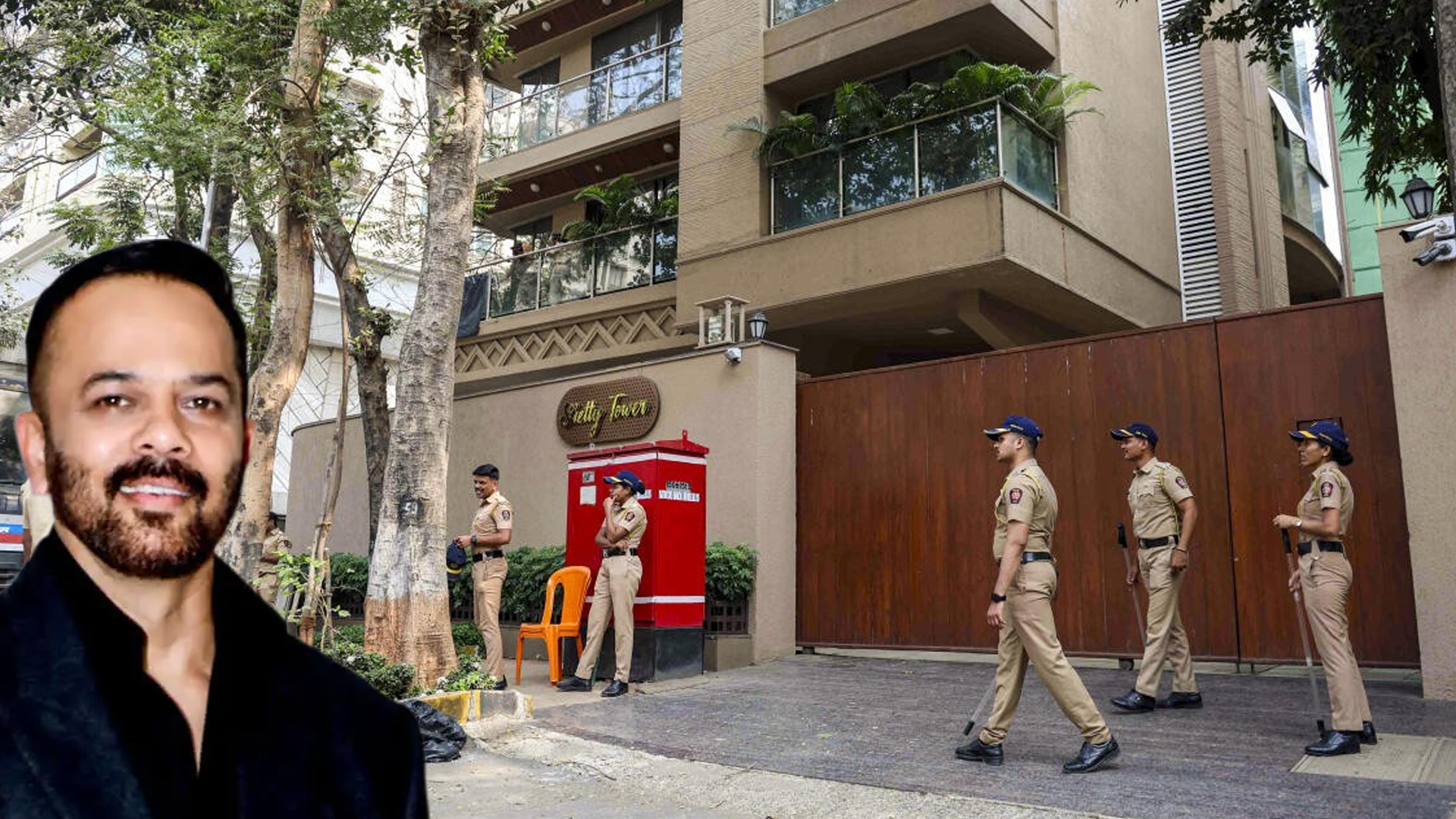
Mumbai woke up to shocking news when gunshots rang out outside the home of filmmaker Rohit Shetty in Juhu late Saturday night. The sudden firing, around 12:30 am, left neighbours terrified, though thankfully, Shetty and his family were unharmed. Bullet marks were later seen on the balcony glass and walls of the building.

Residents described the night as “frightening” and said the sound of gunfire shattered the quiet streets of Juhu, sending people running for cover. Authorities quickly arrived at the scene, cordoning off the area and reviewing CCTV footage to trace the attackers. An FIR was registered under relevant sections of the law, including the Arms Act.

Within hours, the Mumbai Crime Branch arrested four young men connected to the attack. They have been identified as Aditya Gyaneshwar Gayaki (19), Siddharth Deepak Yenpure (20), Samarth Shivsharan Pomaji (18), and Swapnil Bandu Sakat (23). Police said the group allegedly helped plan the attack and provided the two-wheeler used to flee the scene.

Investigators are also exploring a possible link to the Lawrence Bishnoi gang, following a social media post claiming responsibility. The message warned of further violence if demands were not met, though police are working to verify its authenticity.

Shetty’s team has tightened security around the residence, and neighbours are still shaken, describing a night they will not forget. Authorities continue combing through footage and evidence to understand the motive and ensure safety for the filmmaker and his family.

Also Read: WhatsApp told to respect privacy or exit India

Sunetra Pawar meets security officer’s family

Deputy CM offers personal support to widow, calls family part of her own

Maharashtra Deputy Chief Minister Sunetra Pawar on Monday visited the family of Vidip Jadhav, the personal security officer who lost his life in the tragic plane crash that also claimed the life of her husband, senior NCP leader Ajit Pawar. The visit was marked by emotion, solidarity and a strong message of continued support for the bereaved family.

Sunetra Pawar travelled to Taradgaon village in Satara district, where Jadhav’s family resides, to personally console his widow, children and relatives. Speaking to Jadhav’s wife, she said, “We are from the same family now,” underlining a bond that goes beyond official duty. She assured the family that she would stand by them in every possible way and that they would not be left alone in their time of grief.

Vidip Jadhav, a Mumbai Police constable who joined the force in 2009, was serving as Ajit Pawar’s personal security officer at the time of the accident. He was among five people killed when the aircraft carrying Ajit Pawar crashed near Baramati during a landing attempt. The crash also claimed the lives of two pilots and a cabin crew member.

Jadhav is survived by his wife, a teenage daughter and a young son. Locals and colleagues remember him as a disciplined and dedicated officer who took pride in his service. His sudden death has deeply affected both his family and the police fraternity.

During her visit, Sunetra Pawar spent time with the family, listened to their concerns and reassured them of help related to their children’s education and future welfare. Her visit sent a strong signal that the sacrifice of security personnel does not go unnoticed or unsupported.

Earlier in the day, the Deputy Chief Minister also paid tribute at the memorial of Yashwantrao Chavan in Karad, reflecting on the legacy of leadership and public service that shaped Maharashtra’s politics.

Also Read: Mamata Banerjee takes poll fight to Delhi

Mamata Banerjee takes poll fight to Delhi

West Bengal CM accuses Election Commission of bias and threatens to bring “lakhs” of people to the capital

West Bengal Chief Minister Mamata Banerjee took her protest against the voter list revision in her state all the way to Delhi on Monday, targeting the Election Commission of India (ECI) for what she called an unfair exercise.

Banerjee met top election officials, including Chief Election Commissioner Gyanesh Kumar, to raise concerns about the ongoing Special Intensive Revision (SIR) of voter lists in West Bengal. She claimed that many genuine voters were wrongly removed or flagged in the process, denying them their democratic rights.

After the meeting, Banerjee spoke strongly against the poll body, calling it “arrogant” and accused it of favouring the BJP, the ruling party at the Centre. She questioned why similar voter list revisions are not happening in BJP‑ruled states like Assam.

Warning of stronger action, Banerjee said she could mobilise “lakhs of people” to Delhi if the issue is not resolved. She framed her visit as a fight to protect voters, not just political posturing, and brought along people affected by the voter list changes as a symbol of protest.

The Election Commission, on the other hand, stressed the importance of following rules and procedures. Officials also raised concerns about abusive language and threats directed at their staff in West Bengal, as well as vandalism at some election offices.

BJP leaders dismissed Banerjee’s Delhi visit as political theatre, claiming it was an attempt to undermine the SIR process for electoral gain.

As West Bengal heads into elections, the SIR issue has become a heated political flashpoint. Both sides are trading accusations over voter rights and electoral integrity, highlighting the tension and high stakes in the state’s political scene.

Also Read: Sarah Ferguson, former Duchess of York, faces Epstein fallout

India and US reach new trade agreement
Proposed deal offers zero-duty access for US goods, 18% tariff on Indian exports to America

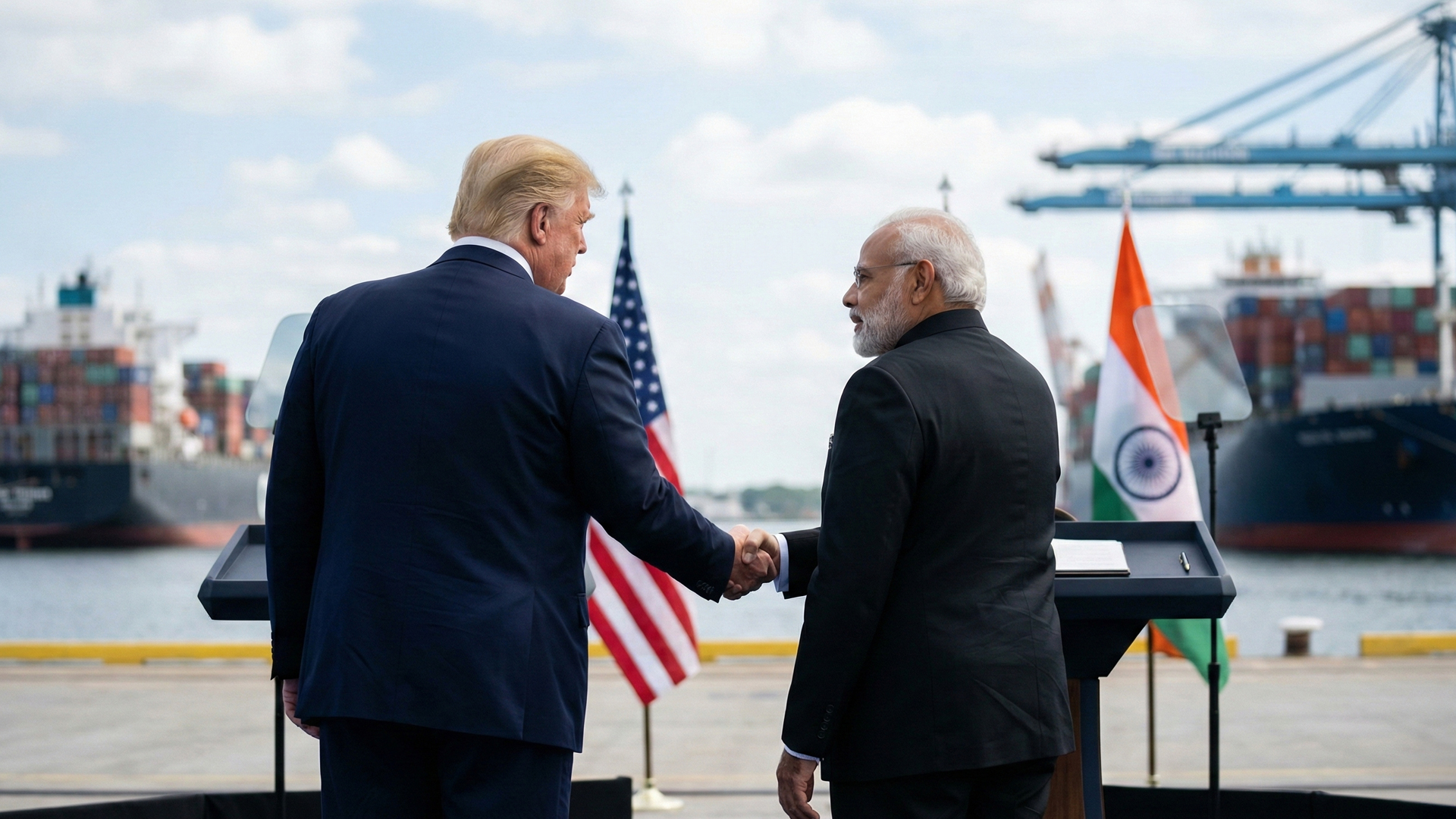
India and the United States have taken a significant step toward reshaping bilateral trade, following discussions between Prime Minister Narendra Modi and US President Donald Trump. The proposed agreement allows American goods to enter India without tariffs, while Indian exports to the US would face a duty of about 18%.

Trump described the deal as a move to balance trade and ensure fair access for American businesses, saying that US manufacturers, farmers, and technology firms would benefit from duty-free entry into India. At the same time, the 18% tariff on Indian goods aims to protect American industries while keeping trade channels open.

Speaking at an NDA Parliamentary Party meeting in New Delhi, Prime Minister Modi said the results reflect India’s strategic patience and careful diplomacy. “People were criticising tariffs, but our patience yielded results,” he said, stressing that global trade negotiations require long-term thinking and a measured approach rather than reacting to criticism or pressure.

Modi urged party leaders to communicate the benefits of the agreement to the public, highlighting that strategic patience has allowed India to secure a deal that safeguards domestic industries while boosting global trade engagement. He also pointed out that the agreement is part of India’s broader economic vision, promoting growth, manufacturing, and stronger international partnerships.

While the announcement has been welcomed by businesses seeking clearer trade rules, some opposition voices have raised concerns about the impact of higher tariffs on Indian exports, particularly in sectors like textiles, engineering goods, and pharmaceuticals. Analysts say the full effects will depend on the final structure of the deal and its implementation across various industries.

India and the US already maintain strong trade ties across IT services, defence, energy, and manufacturing sectors. The new agreement signals a willingness by both countries to resolve tariff disputes and deepen economic engagement.

Also Read: Pakistan to skip India clash at T20 World Cup

Rahul Gandhi’s memoir quote disrupts Lok Sabha

Government objects after Rahul Gandhi quotes from former Army chief M.M. Naravane’s unpublished book during Lok Sabha debate

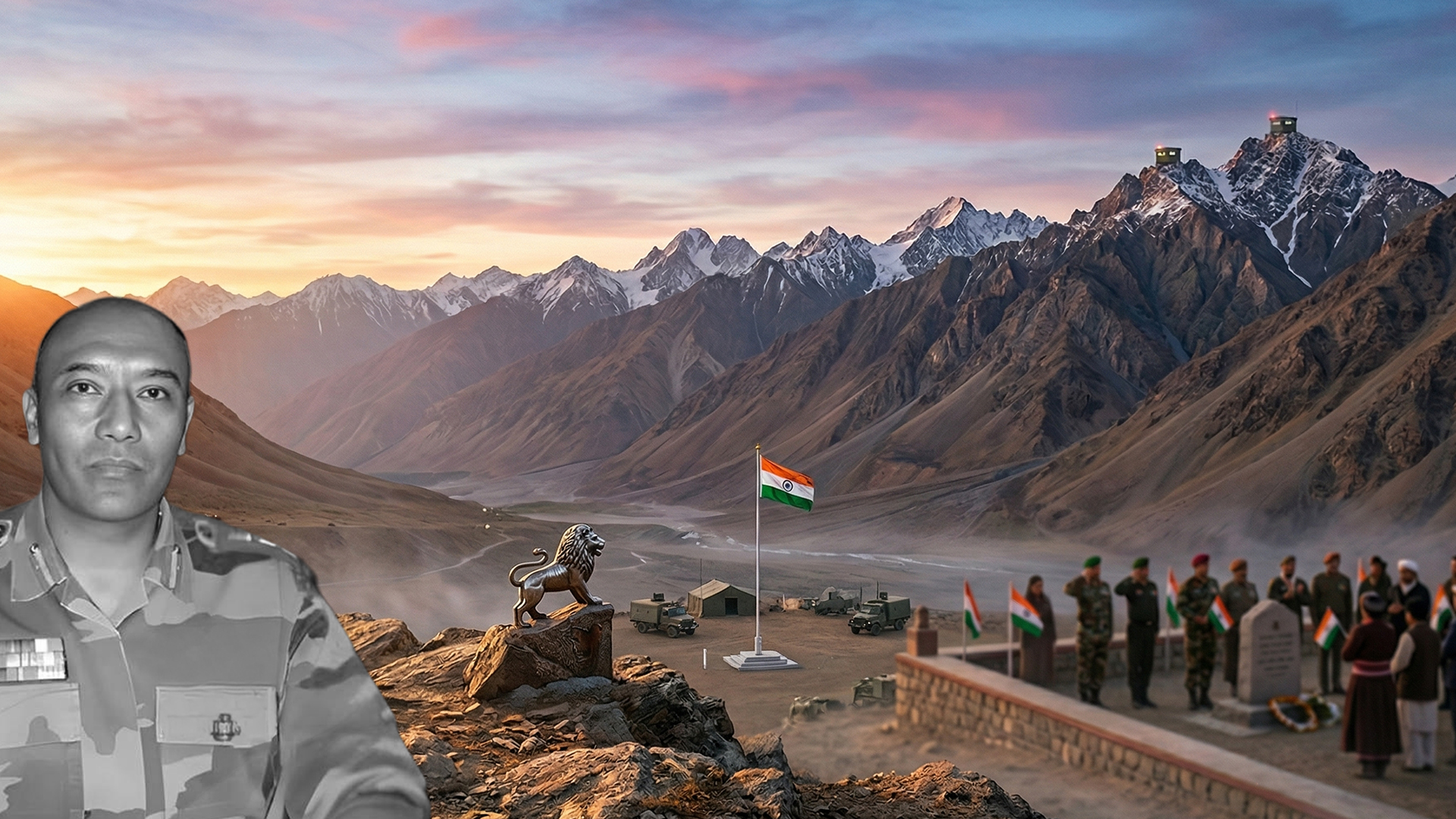
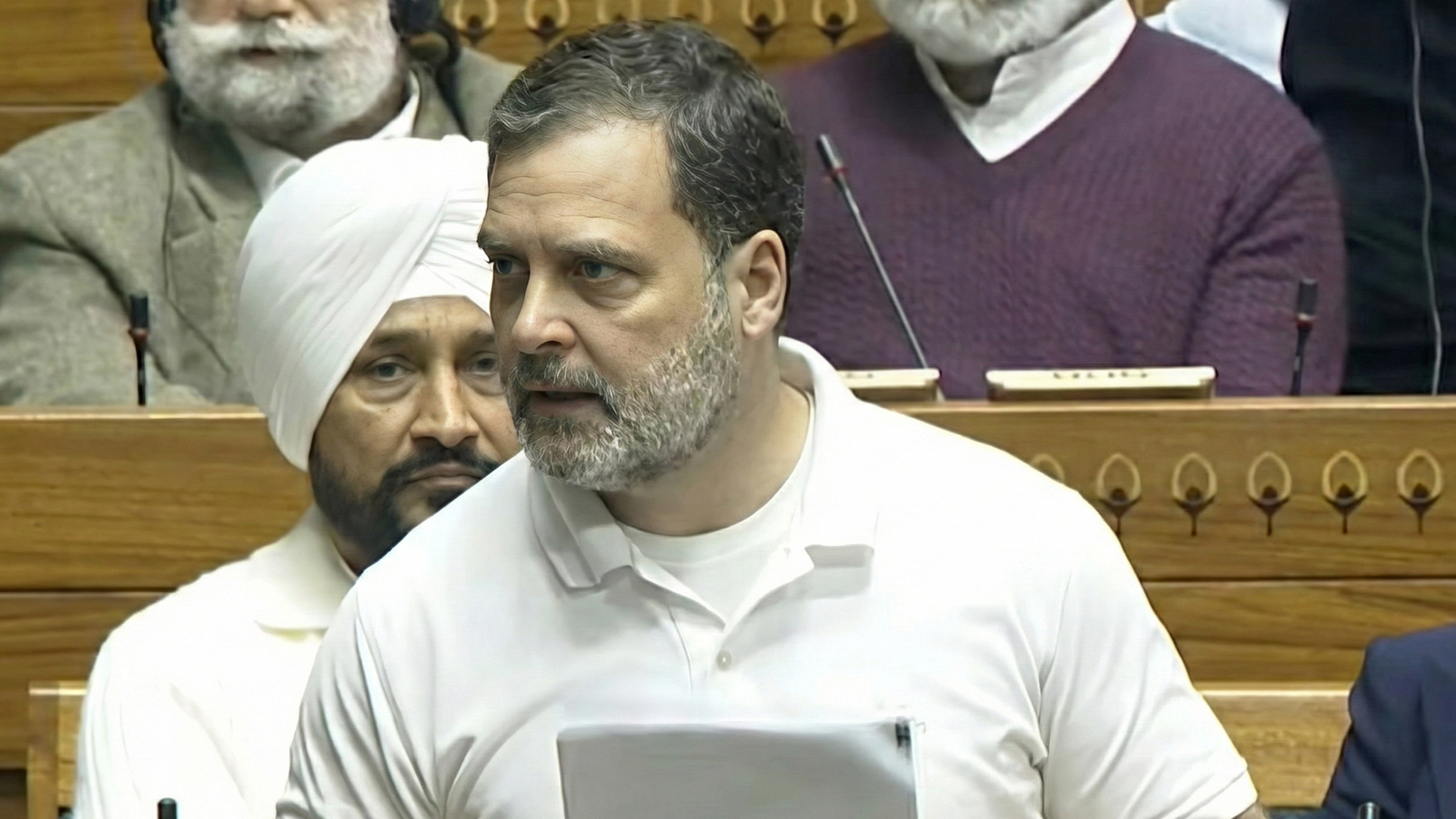
The Lok Sabha was thrown into disorder on Monday after Leader of the Opposition Rahul Gandhi quoted passages from an unpublished memoir of former Army Chief General M.M. Naravane while speaking during the debate on the President’s address.

Rahul Gandhi read out what he said were excerpts from the book, which reportedly mention India’s border situation with China. He also displayed printed pages in the House. This immediately led to strong objections from the government.

Defence Minister Rajnath Singh and Home Minister Amit Shah said the book has not been officially released, and therefore its contents cannot be quoted in Parliament. They argued that referring to unpublished material violates parliamentary rules.

Lok Sabha Speaker Om Birla agreed with the government and ruled that members are not allowed to quote unverified or unpublished sources in the House. However, Rahul Gandhi insisted that the excerpts were genuine and had already appeared in a magazine report.

The disagreement triggered loud protests and repeated interruptions from both ruling and opposition members. Some opposition leaders backed Rahul Gandhi, saying issues related to national security must be discussed openly.

As the uproar continued and order could not be restored, the Lok Sabha was adjourned for the day, bringing the proceedings to a halt.

Also Read: Former UK minister leaves Labour party over Epstein links

Pakistan to skip India clash at T20 World Cup

Pakistan Crocket Board says team will follow government directive on high-profile group match

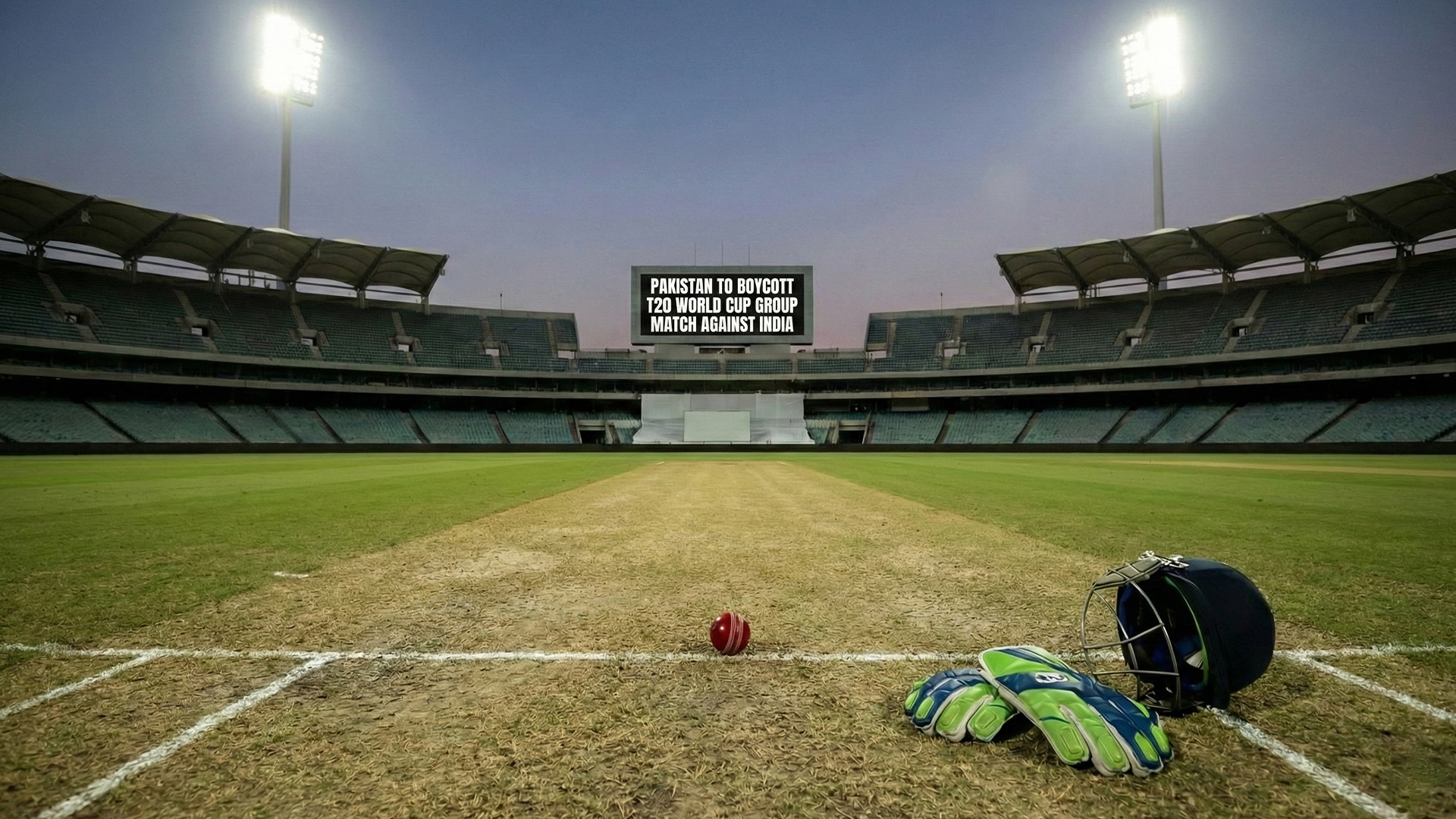
Cricket fans across the world will miss one of the sport’s most intense rivalries after Pakistan confirmed it will not play its T20 World Cup 2026 group match against India, following a directive from the country’s government. The Pakistan Cricket Board (PCB) said the team will respect the decision, even though it has been cleared to compete in the rest of the tournament.

The match, scheduled for February 15 in Colombo, was expected to be one of the highlights of the World Cup. India–Pakistan games are more than just fixtures—they are moments that bring stadiums to life, stop cities, and unite millions of viewers across borders. This time, however, politics has stepped in where cricket usually takes centre stage.

The PCB made it clear that the decision was not taken by the board or the players. Pakistan’s cricketers, including captain Salman Ali Agha, have said they had little choice but to follow official instructions. For players on both sides, the absence of the contest is a disappointment, as many see World Cup matches between India and Pakistan as career-defining occasions.

Under ICC rules, Pakistan is expected to forfeit the match, handing India a walkover and valuable group points. For Pakistan, this could prove costly in a tight group stage, where every point matters and momentum can define a campaign.

The International Cricket Council (ICC) has expressed concern, warning that skipping scheduled matches affects the spirit of the competition. Officials are in talks with the PCB to manage the situation within tournament regulations. India’s cricket board has supported the ICC’s stance, while reiterating that the decision lies outside the players’ control.

Also Read: Dalai Lama wins first Grammy at 90