rotating globe
12 Apr 2026


GIFT City tax holiday extended 20 years

Budget 2026 boosts incentives to attract global financial firms

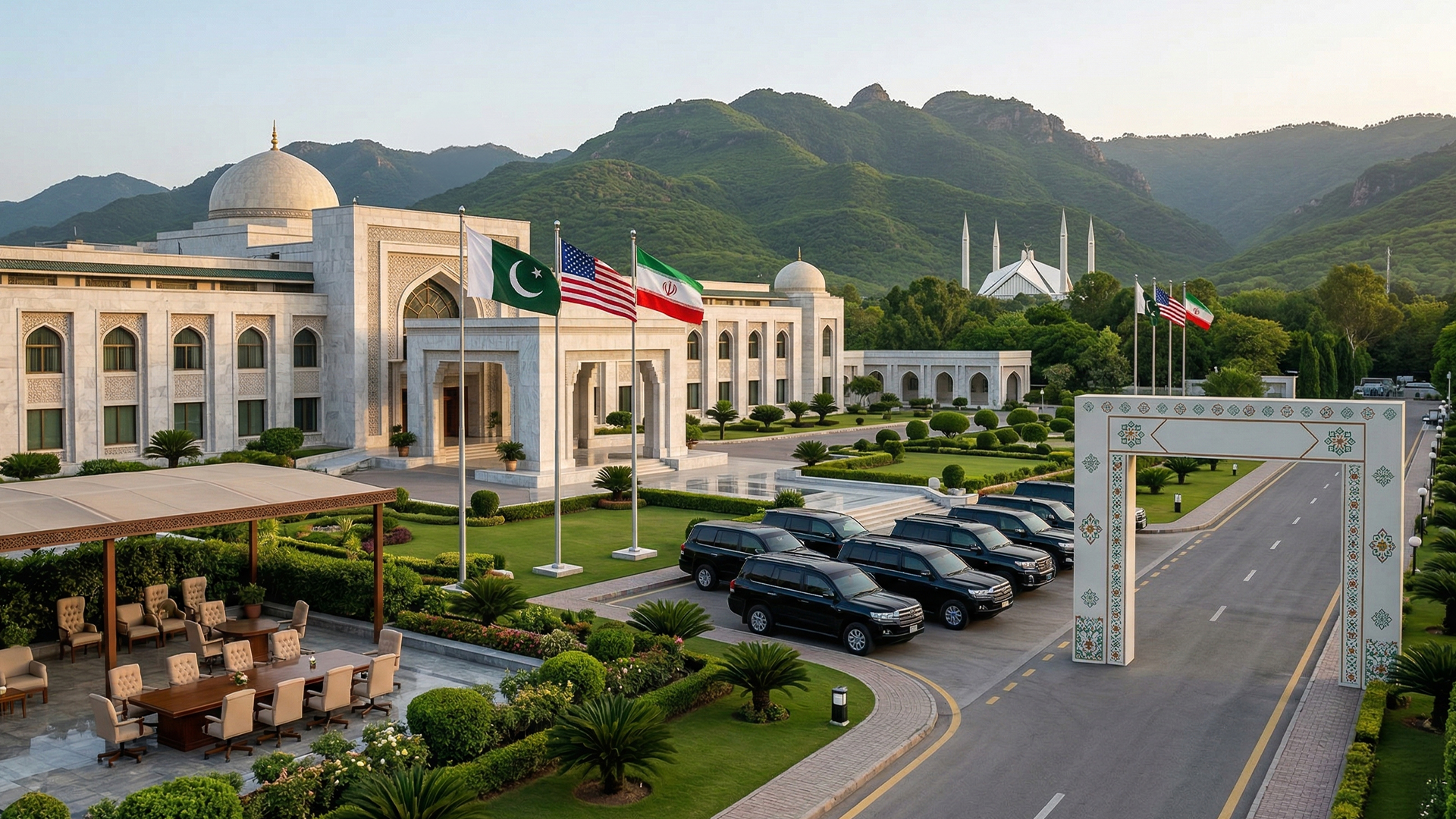
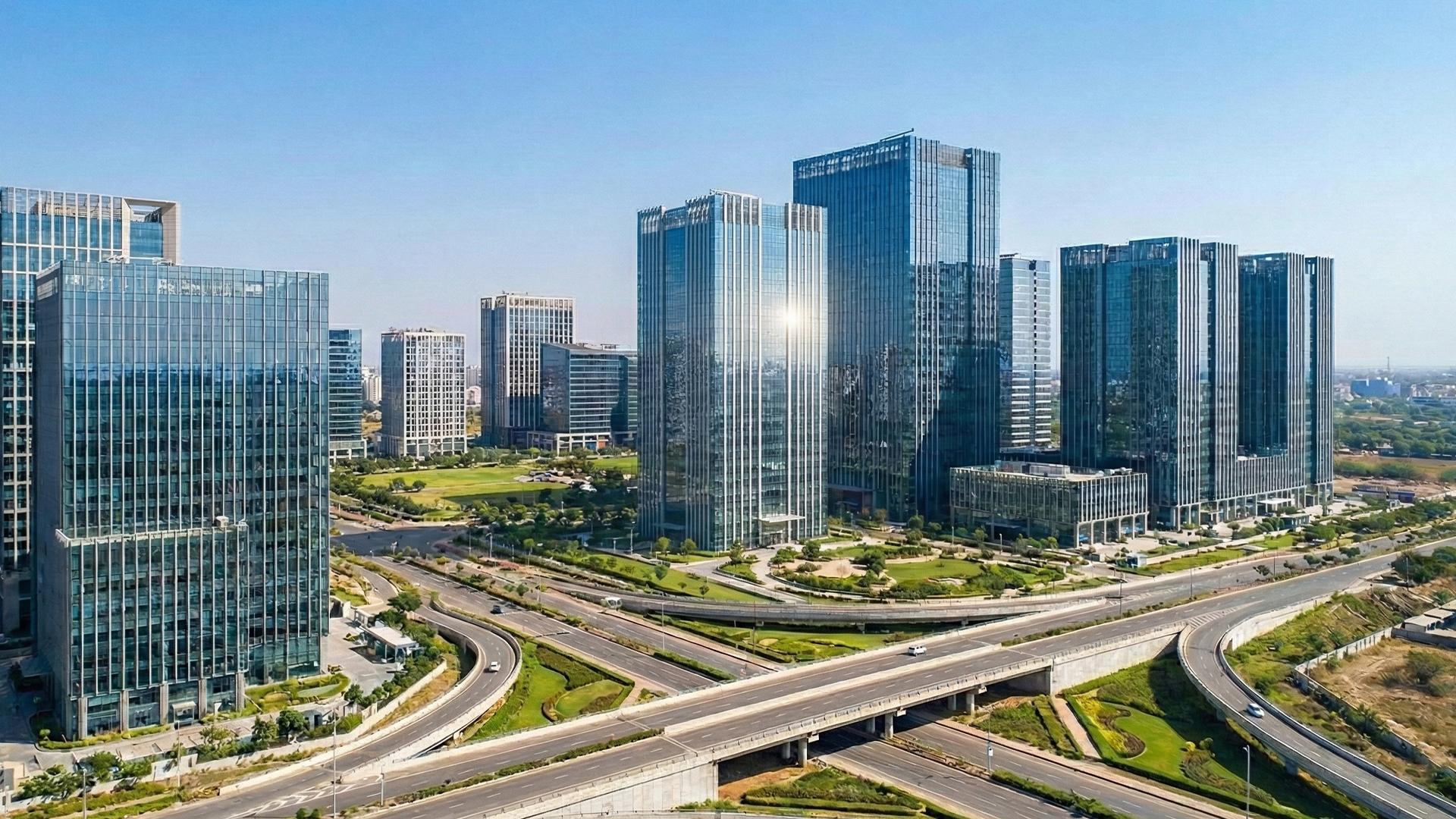
In the Union Budget 2026‑27, the Indian government announced a major extension of tax benefits for businesses operating in the Gujarat International Finance Tec‑City (GIFT City) International Financial Services Centre (IFSC). The tax holiday, which previously lasted 10 years, will now be extended to 20 years to make the financial hub more appealing to both domestic and international firms.

Under this new rule, new companies in the GIFT City IFSC will get a 100% tax exemption on their income for 20 years out of a 25-year period. After this period, these companies will pay a reduced tax rate of 15%, which is much lower than the normal corporate tax rates in India, which range from 25% to 38%.

This change is especially important for banks and financial firms whose initial 10-year tax breaks were about to end. Big banks, including the State Bank of India and Bank of Baroda, had asked for clarity on future tax rules. Extending the tax holiday gives companies long-term certainty, encouraging them to continue and expand operations in GIFT City.

Industry leaders welcomed the move, saying it will strengthen India’s position as a global financial hub. The extended tax break is expected to attract more banks, asset managers, reinsurers, and investment firms to set up offices or grow their business in the IFSC. GIFT City has already been growing steadily, with more companies registering in banking, investment, and fund management sectors.

The new tax incentives will apply starting April 1, 2026, covering the 2026‑27 financial year and beyond.

Also Read: India plans 7 high‑speed rail lines

Female suicide attackers shake Balochistan conflict

Asifa Mengal and Hawa Baloch take centre stage in deadly BLA strikes

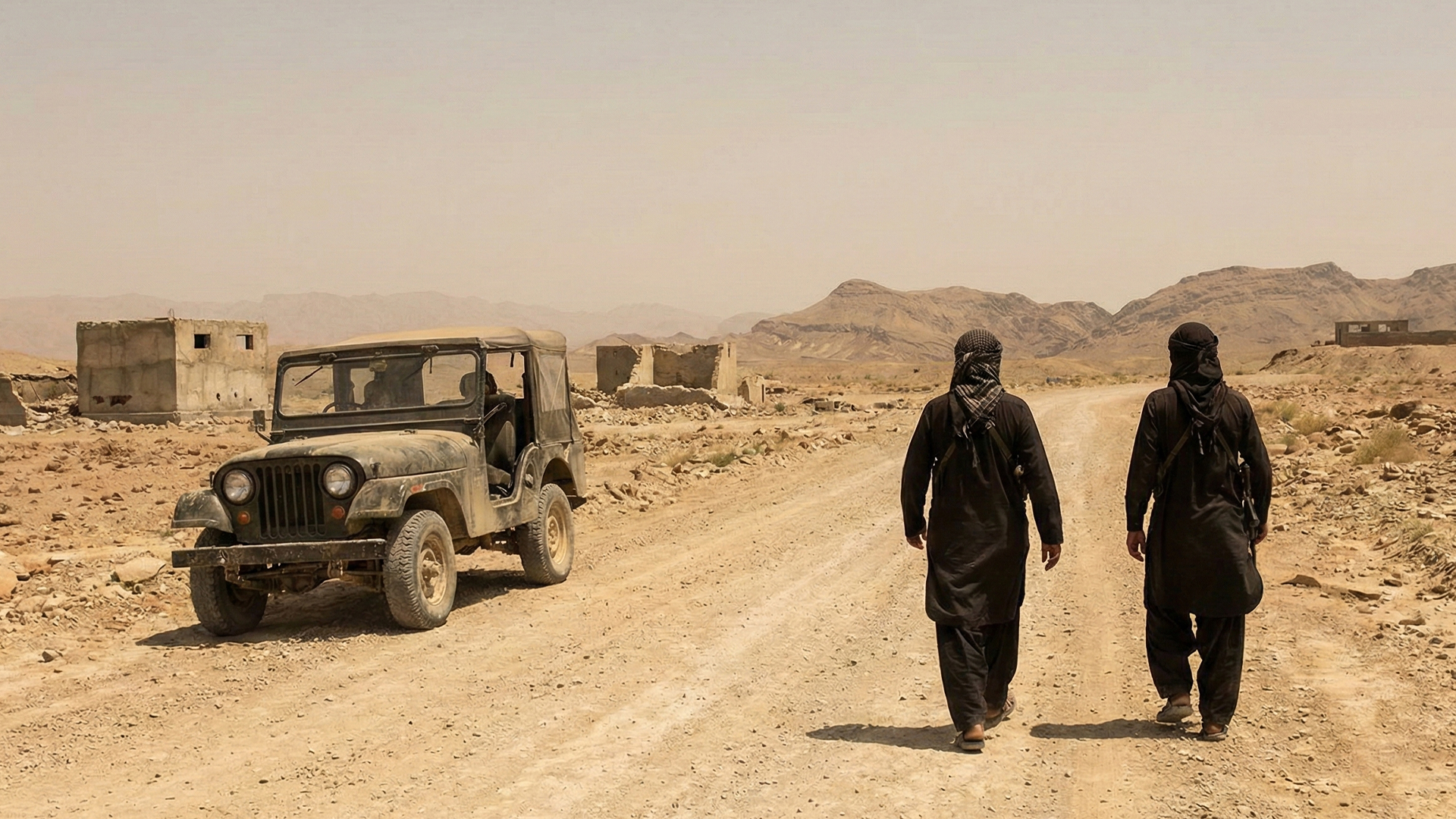
The restive southwestern province of Balochistan has seen one of its deadliest insurgent campaigns in recent years, as the outlawed Balochistan Liberation Army (BLA) carried out a series of coordinated attacks targeting security forces and civilians. The violence has left scores dead and triggered an intensified crackdown by Pakistani authorities.

In an unusual move, the BLA publicly released images and videos of two female “fidayeen” suicide attackers, signalling a shift in its operational tactics. The women, 24-year-old Asifa Mengal from Nushki district and Hawa Baloch, known by her nom de guerre Droshum, have become symbolic figures of the insurgent group’s latest offensive.

According to the BLA, Asifa Mengal joined its elite Majeed Brigade after turning 21 and later carried out a vehicle-borne improvised explosive device (VBIED) attack on an ISI facility in Nushki. Hawa Baloch, featured in combat footage from the Gwadar front, recorded a final message just hours before dying in clashes with Pakistani forces. Before joining the insurgency, she was reportedly a writer from a family with Baloch armed movement ties.

Authorities confirmed that at least two recent attacks involved female perpetrators, a rare development in Balochistan’s long-running separatist insurgency. The BLA claims that over a 40-hour period, its operations inflicted heavy casualties on Pakistan Army, police, and Frontier Corps personnel, though these figures have not been independently verified. The group also said it temporarily detained and later released local civil officials, calling it a “humanitarian gesture.”

Pakistani security forces responded with a sustained counter-offensive, killing dozens of militants and attempting to regain control over contested areas. Analysts say the escalation underscores Balochistan’s fragile security environment, where longstanding grievances over political autonomy, resource distribution, and development persist.

The prominence of Asifa Mengal and Hawa Baloch in such high-profile attacks challenges traditional gender roles in the conflict and serves as a stark reminder of the evolving tactics of the BLA.

Also Read: Former UK minister leaves Labour party over Epstein links

Apple buys Israeli AI start‑up

Tech giant invests in “silent” AI technology to boost wearables and on‑device intelligence

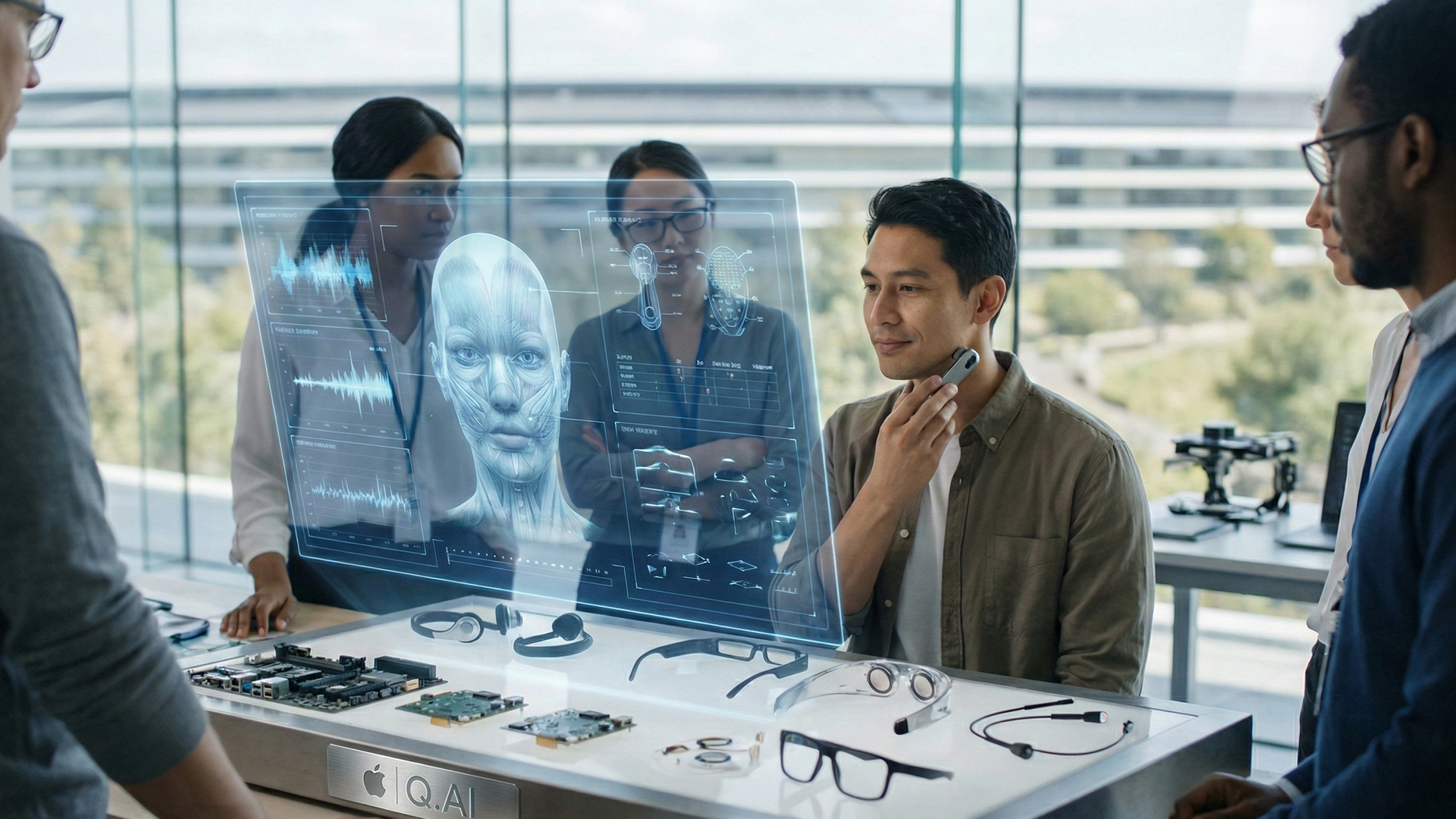
Apple Inc. has acquired Israeli artificial intelligence start‑up Q.AI for nearly $2 billion, marking one of its largest acquisitions in recent years. Founded in 2022, Q.AI develops advanced AI systems capable of interpreting facial micro‑movements and silent speech, enabling devices to understand users’ intentions without spoken commands.

The acquisition will see Q.AI’s roughly 100 employees join Apple, bringing expertise in machine learning, computer vision, and wearable-focused AI. Industry observers expect the technology to be integrated into future Apple products such as AirPods, smart glasses, or the Vision Pro headset, offering more intuitive and private ways for users to interact with devices.

This move reflects Apple’s ambition to catch up with competitors like Meta, Google, and OpenAI in the AI space, particularly in voice assistants and mixed-reality devices. Analysts note that Apple has historically prioritized privacy-focused, on-device AI, and Q.AI’s technology aligns with that philosophy.

The acquisition is Apple’s second-largest since it bought Beats in 2014, underlining the company’s commitment to investing heavily in AI and wearable innovation. Experts see the deal as part of a broader trend.

Also Read: PM Modi renames Adampur airport, visits Dera Ballan

Former UK minister leaves Labour party over Epstein links

Lord Peter Mandelson steps down following revelations of financial links to late financier Jeffrey Epstein

Lord Peter Mandelson, a veteran figure in British politics and former senior minister, has resigned from the ruling Labour Party, saying he does not want to cause further embarrassment amid renewed attention on his past connections to the late convicted financier Jeffrey Epstein.

In a letter to the party’s general secretary, Mandelson said the recent disclosures linking him to Epstein had “re-emerged this weekend,” and he wanted to step aside to avoid being a distraction. He expressed regret and emphasised that the voices of Epstein’s victims should be heard and respected.

The controversy comes after the release of millions of pages of US court documents, known as the “Epstein files,” detailing Epstein’s wide-ranging network and financial dealings. According to the documents, Epstein allegedly made several payments, totaling around $75,000 (£55,000), to accounts connected to Mandelson in the early 2000s, when he was a Member of Parliament.

Mandelson has denied any recollection of receiving such payments and questioned the accuracy of the records. He also reiterated his apology to the women affected by Epstein’s crimes, acknowledging the profound pain caused and expressing hope for accountability.

This is not Mandelson’s first political controversy. He had previously stepped down from ministerial roles during earlier scandals and was dismissed last year as Britain’s ambassador to the United States by Prime Minister Keir Starmer over previous links to Epstein.

His resignation has sparked debate across the UK, with opposition parties calling for independent investigations and questions being raised about the Labour Party’s decision-making.

Also Read: Budget boosts Biopharma, cuts cancer drug costs

Budget boosts Biopharma, cuts cancer drug costs

Government launches ₹10,000 crore biopharma plan, eases import duties, and promotes medical tourism

The Union Budget 2026‑27, presented by Finance Minister Nirmala Sitharaman, focuses on strengthening India’s healthcare and pharmaceutical sectors while lowering the cost of treatment for patients.

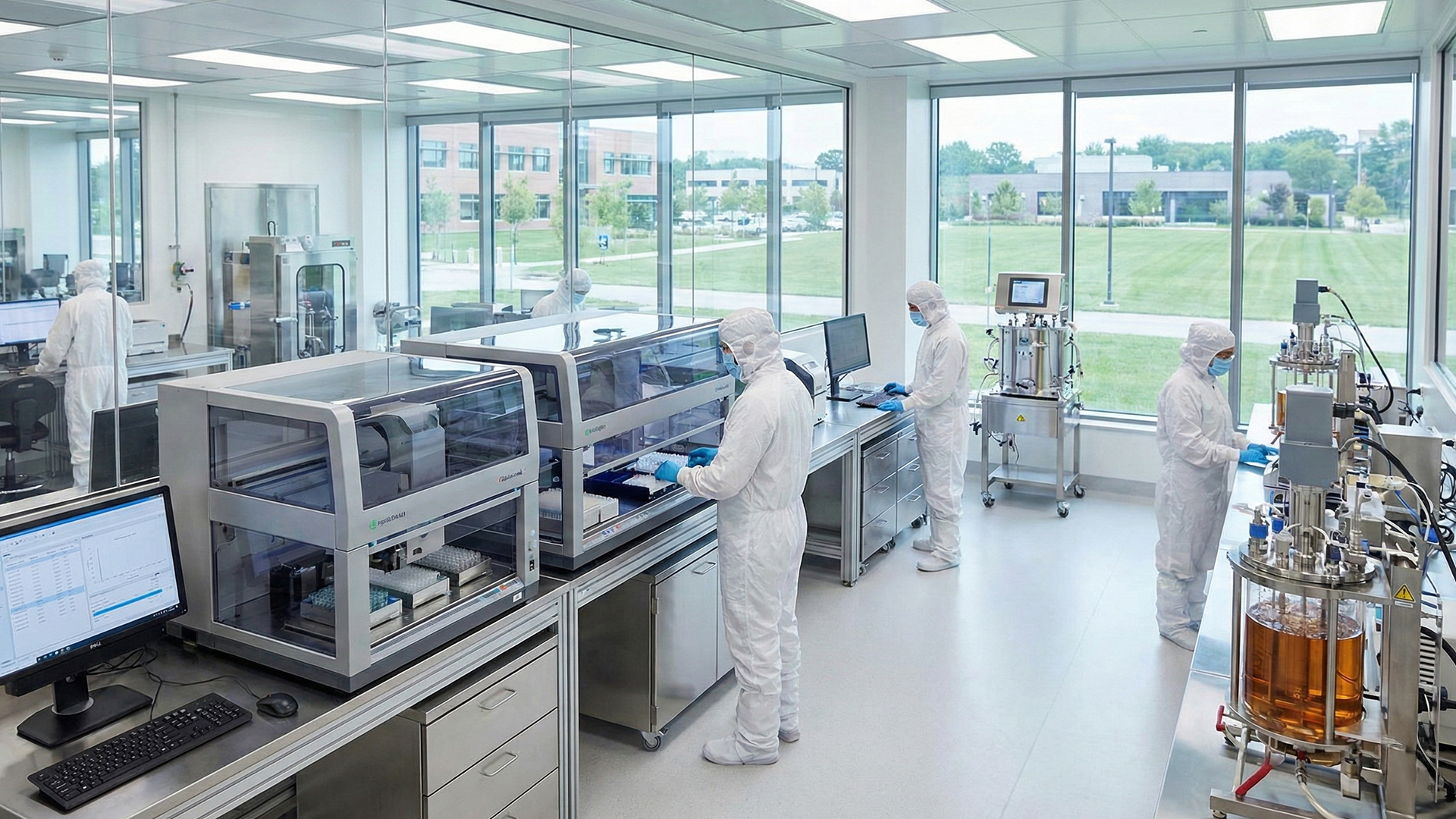
A major highlight is the BioPharma Shakti initiative,  a ₹10,000 crore plan over the next five years to boost domestic production of complex medicines, including biologics and biosimilars. These medicines are used to treat cancer, diabetes, and autoimmune diseases. The aim is to reduce dependence on imports, encourage research and innovation, and make India a hub for biopharma manufacturing.

To support research and skill development, the government will set up three new National Institutes of Pharmaceutical Education and Research (NIPERs) and upgrade seven existing ones. A network of 1,000 accredited clinical trial sites will also be created across the country to accelerate drug development and attract global clinical research.

For patients, the Budget provides relief by waiving customs duty on 17 critical cancer drugs, many of which are imported and expensive. Additionally, medicines for seven rare diseases can now be imported duty-free for personal use. These moves are expected to make life-saving treatments more affordable.

The government is also investing in healthcare workforce development. New training institutes will be established, and existing ones upgraded, with a target to train around one lakh allied health professionals over five years. This will help fill gaps in areas like radiology, optometry, anesthesia, and mental health care.

Other healthcare measures include supporting regional medical hubs, promoting medical tourism, and strengthening traditional medicine (AYUSH) through new institutes and upgraded labs. Mental health is also a priority, with plans to expand facilities at NIMHANS and increase support for mental health services.

Also Read: GIFT City tax holiday extended 20 years

India plans 7 high‑speed rail lines

Budget 2026 outlines major rail projects linking key cities

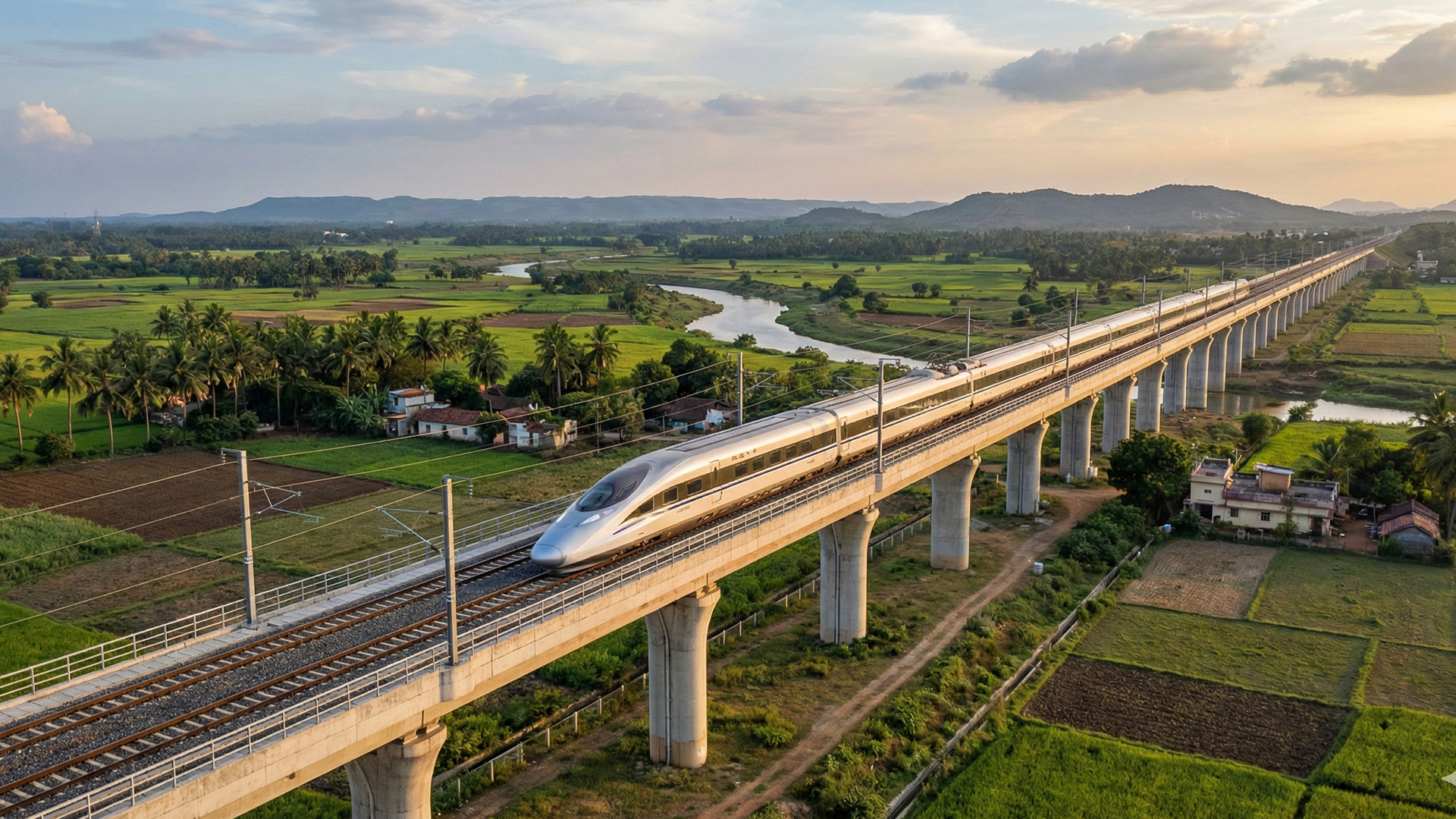
Finance Minister Nirmala Sitharaman announced in the Union Budget 2026–27 the development of seven high‑speed rail corridors connecting major Indian cities. The initiative aims to drastically cut travel times and enhance regional economic growth through modern, fast, and sustainable transport networks.

The planned corridors will connect key urban hubs, including Mumbai–Pune, Pune–Hyderabad, Hyderabad–Bengaluru, Hyderabad–Chennai, Chennai–Bengaluru, Delhi–Varanasi, and Varanasi–Siliguri. Together, these lines will cover approximately 4,000 kilometres, serving millions of passengers annually and improving accessibility across the country.

The estimated investment for these projects is around ₹16 lakh crore, reflecting the scale of the government’s commitment to rail modernization. Once operational, travel times will be significantly reduced — for instance, the Mumbai–Pune journey could take less than an hour, while Delhi to Varanasi could be completed in under four hours.

The high‑speed rail corridors are part of a broader modernization strategy, with Indian Railways receiving ₹2.93 lakh crore for the year. Of this, ₹1.20 lakh crore will be spent on safety upgrades, including advanced train protection systems, electrification, and maintenance improvements.

In addition to passenger services, the government also announced a new East–West Dedicated Freight Corridor linking Dankuni in West Bengal to Surat in Gujarat, designed to streamline cargo movement and decongest existing passenger lines.

Also Read: Defence budget at ₹7.85 lakh crore

Defence budget at ₹7.85 lakh crore

Allocation nears 2% of GDP, boosts modernisation and local buys

India has sent a strong signal on national security in the Union Budget 2026-27 by significantly raising defence expenditure. Finance Minister Nirmala Sitharaman allocated ₹7.85 lakh crore to the Ministry of Defence, representing a year-on-year increase of about 15 per cent and taking defence spending close to the key 2 per cent of GDP benchmark.

The enhanced allocation comes at a time when India faces complex security challenges along its borders and increasing instability in the global geopolitical environment. Defence remains the largest component of government spending, underlining its priority in the national policy agenda.

A substantial share of the budget has been directed towards modernisation of the armed forces. Capital expenditure has seen a strong jump, with over ₹2.19 lakh crore set aside for new equipment and platforms. These funds will support acquisitions such as fighter jets, warships, artillery, drones and advanced surveillance systems.

The budget also strengthens the push for self-reliance in defence manufacturing. About 75 per cent of modernisation funds will be spent on purchases from Indian companies, creating opportunities for domestic defence firms and startups. The move aligns with the government’s goal of building a robust defence industrial base and expanding exports.

Investment in research and development has been reinforced with a higher allocation for DRDO, supporting innovation in areas such as missiles, electronic warfare, space-based systems and artificial intelligence for defence applications.

Alongside equipment upgrades, the budget provides for revenue expenditure, covering personnel costs, pensions, logistics and maintenance, ensuring that operational readiness is not compromised.

Experts say the higher defence spending reflects a strategic effort to modernise forces, reduce import dependence and prepare for future security challenges, while supporting India’s ambition to emerge as a major global defence manufacturing hub.

Also Read: India halves Bangladesh aid in Union budget

PM Modi renames Adampur airport, visits Dera Ballan

Halwara terminal inaugurated on Sant Ravidas Jayanti

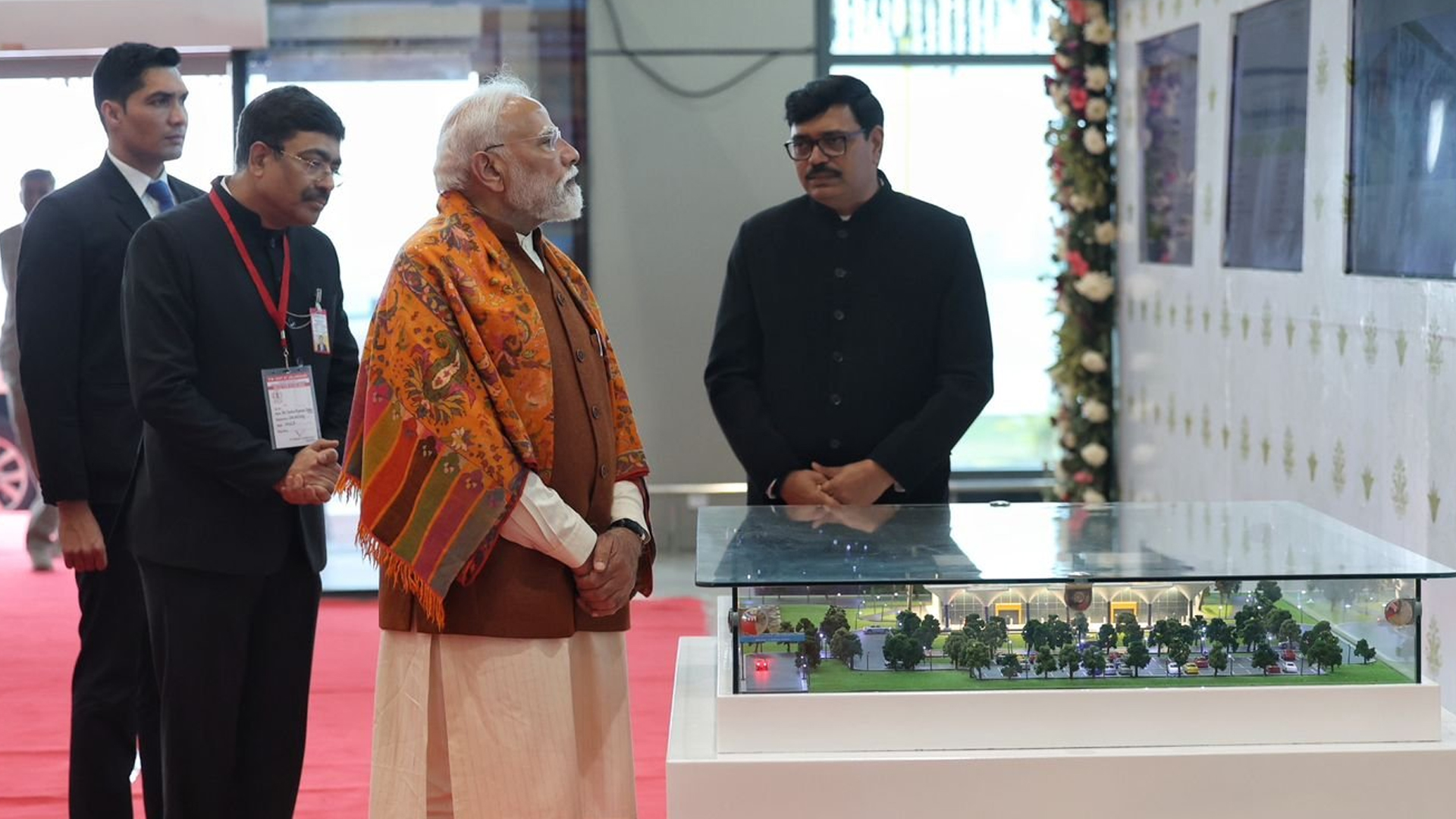
Prime Minister Narendra Modi visited Punjab on February 1, 2026, to mark Sant Ravidas Jayanti and inaugurate key aviation projects in the state. During the visit, he renamed Adampur Airport in Jalandhar as Shri Guru Ravidass Maharaj Ji Airport, honoring the 15th-century Bhakti saint known for his teachings on equality, compassion, and social justice. The renaming fulfills long-standing demands from community leaders and political groups and coincides with the saint’s 649th birth anniversary.

Modi also inaugurated the civil terminal at Halwara Airport in Ludhiana, which is part of an Indian Air Force base. The new terminal is designed to handle larger aircraft and boost regional connectivity, facilitating easier travel for passengers and supporting economic growth in northern India. Officials highlighted that this terminal will enhance both domestic and potential international air links for the region.

After the airport ceremonies, the Prime Minister visited Dera Sachkhand Ballan in Jalandhar, the headquarters of the Ravidassia community. At the dera, he paid respects to the saint and spoke about the government’s efforts to uphold Sant Ravidas’s ideals, including social inclusion, equality, and empowerment of marginalized communities. He linked these principles to broader development goals, emphasizing his administration’s focus on a “Viksit Bharat” or developed India.

The visit drew mixed reactions. While many praised it as a symbolic recognition of the Ravidassia community and an effort to improve state infrastructure, some opposition leaders described it as largely ceremonial, noting that concrete measures addressing Punjab’s economic and agricultural challenges were limited.

Also Read: Mamata moves SC over Bengal voter list