rotating globe
12 Apr 2026


Mamata moves SC over Bengal voter list

CM challenges Election Commission, citing errors and bias in voter roll update ahead of polls

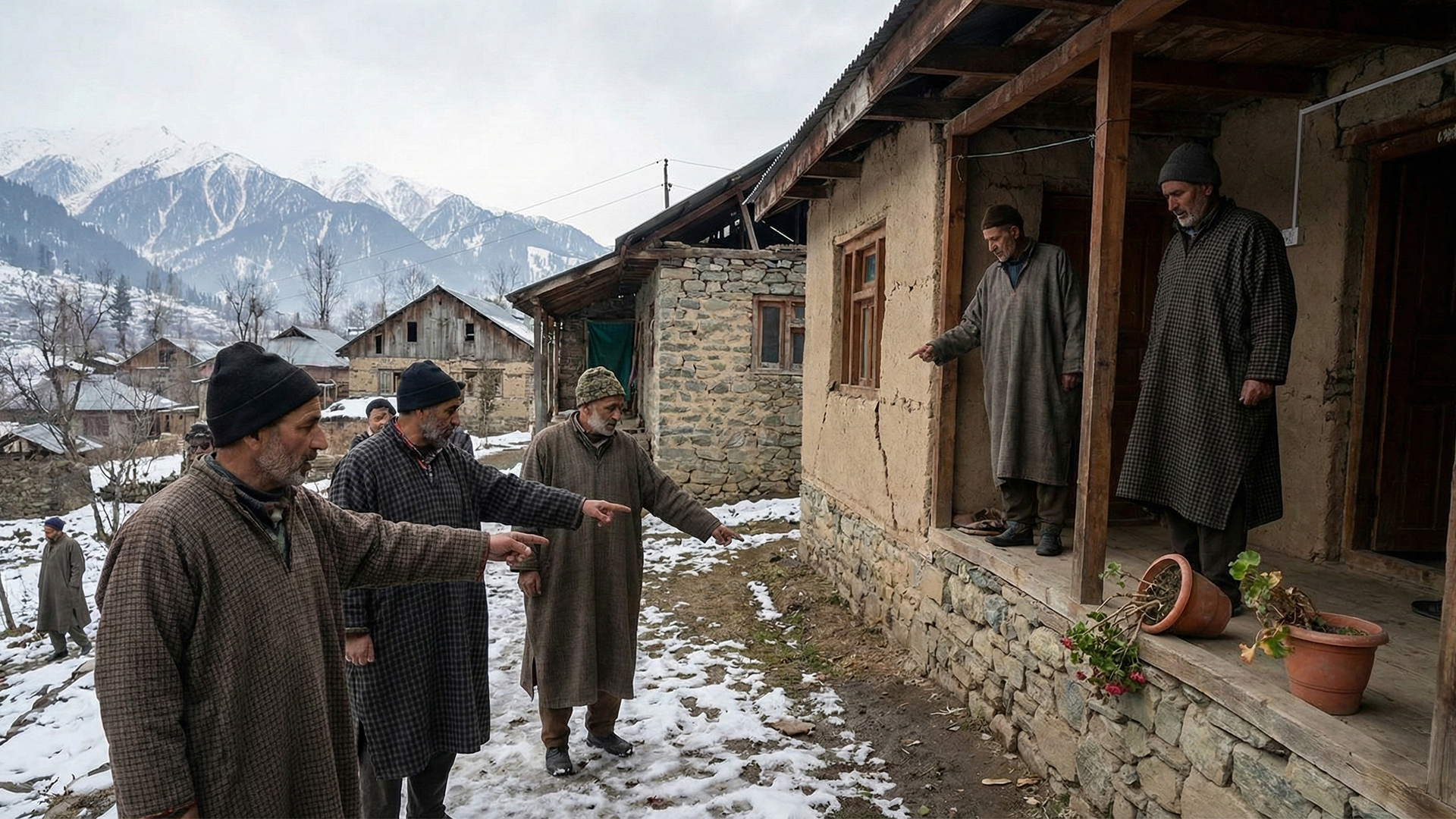
West Bengal Chief Minister Mamata Banerjee has approached the Supreme Court against the Election Commission of India (ECI) over the ongoing Special Intensive Revision (SIR) of voter lists in the state. This move comes just weeks before the final voter lists are due on February 14, ahead of the upcoming state assembly elections.

In her petition, Banerjee named the Election Commission and the West Bengal Chief Electoral Officer as respondents. She claimed that the SIR process was unfair, unlawful, and biased, violating election laws. The CM expressed concern that genuine voters could be wrongly left out, affecting the upcoming elections.

Banerjee described the voter list update as a “backdoor” attempt similar to the National Register of Citizens (NRC). She highlighted the difficulties faced by certain groups, including the elderly, women who changed surnames after marriage, people with disabilities, and marginalized communities.

She also raised issues with the way the revision was carried out. Banerjee pointed out errors in digitizing old voter data, strict procedures for hearings, and the use of WhatsApp instructions for officials, which she said caused confusion and hardship. She added that around 8,100 micro-observers were appointed without proper authority, undermining the work of election officers.

The CM also mentioned that more than 140 deaths had occurred due to stress and complications linked to the revision process. She urged the Supreme Court to pause the SIR exercise to prevent further difficulties for voters.

The Election Commission, however, defended the process, saying the revision was legal and necessary. It argued that SIR helps remove duplicate and fake entries from voter lists, ensuring accurate and credible rolls ahead of elections. The commission denied any bias or irregularities.

Also Read: Defence budget at ₹7.85 lakh crore

India halves Bangladesh aid in Union budget

Funding cut reflects strain over minority safety and shifting ties

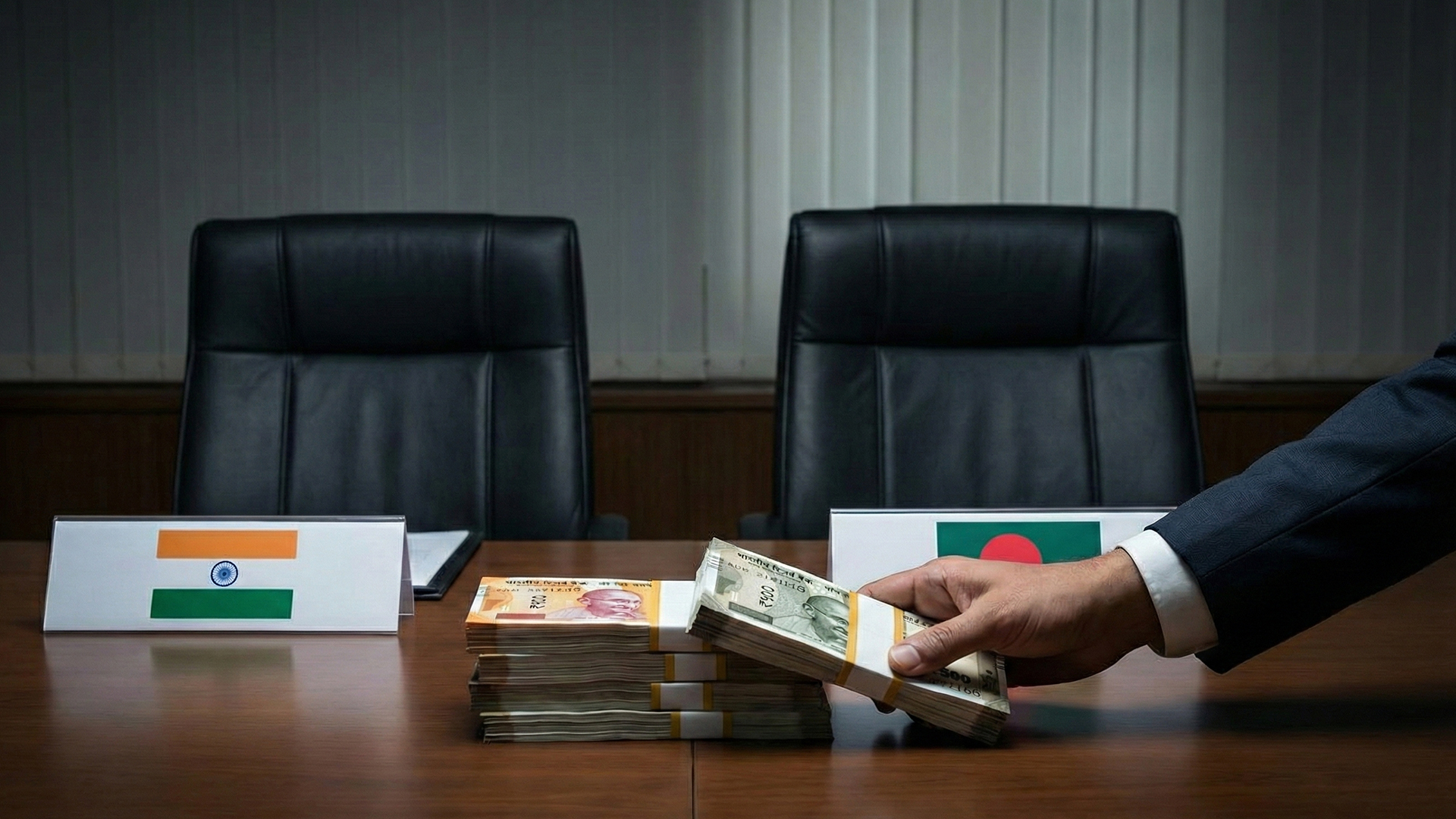
India’s Union Budget 2026–27 has quietly sent a strong diplomatic message to its eastern neighbour. The government has cut financial assistance to Bangladesh by half, reducing the allocation to ₹60 crore from ₹120 crore last year, amid growing unease in bilateral relations.

While budget documents list the cut as a routine fiscal decision, officials and analysts see it as a reflection of New Delhi’s discomfort with recent developments in Bangladesh, particularly reports of violence against minorities. India has repeatedly raised concerns about attacks on Hindu homes, businesses and places of worship, stressing that the safety of minorities is a key pillar of its neighbourhood policy.

These concerns have reached the highest political levels. Prime Minister Narendra Modi had flagged the issue during his interaction with Bangladesh’s Chief Adviser Muhammad Yunus last year. However, Indian officials have indicated that responses from Dhaka have not been reassuring enough, adding to diplomatic strain between the two countries that otherwise share deep cultural, economic and historical ties.

Beyond minority issues, the aid cut also mirrors changing geopolitical equations. Since political transitions in Bangladesh in 2024, New Delhi has been closely watching Dhaka’s evolving foreign policy choices, including outreach to countries that India views with caution. For policymakers in New Delhi, development assistance is not just financial support but also a signal of trust and strategic alignment.

The reduction to Bangladesh stands out because India’s overall foreign assistance budget has seen a modest increase this year. Neighbours such as Bhutan and Nepal continue to receive strong support, underlining that India’s regional focus remains intact, though more selective.

Officials familiar with the matter describe the decision as a measured signal rather than a breakdown in relations. India has not withdrawn aid entirely, keeping channels open for cooperation if concerns are addressed and confidence rebuilt. Diplomatic engagement, they say, will continue alongside close monitoring of developments on the ground.

Also Read: Dalai Lama wins first Grammy at 90

Dalai Lama wins first Grammy at 90

Spiritual leader honored for his meditation audiobook blending wisdom and music

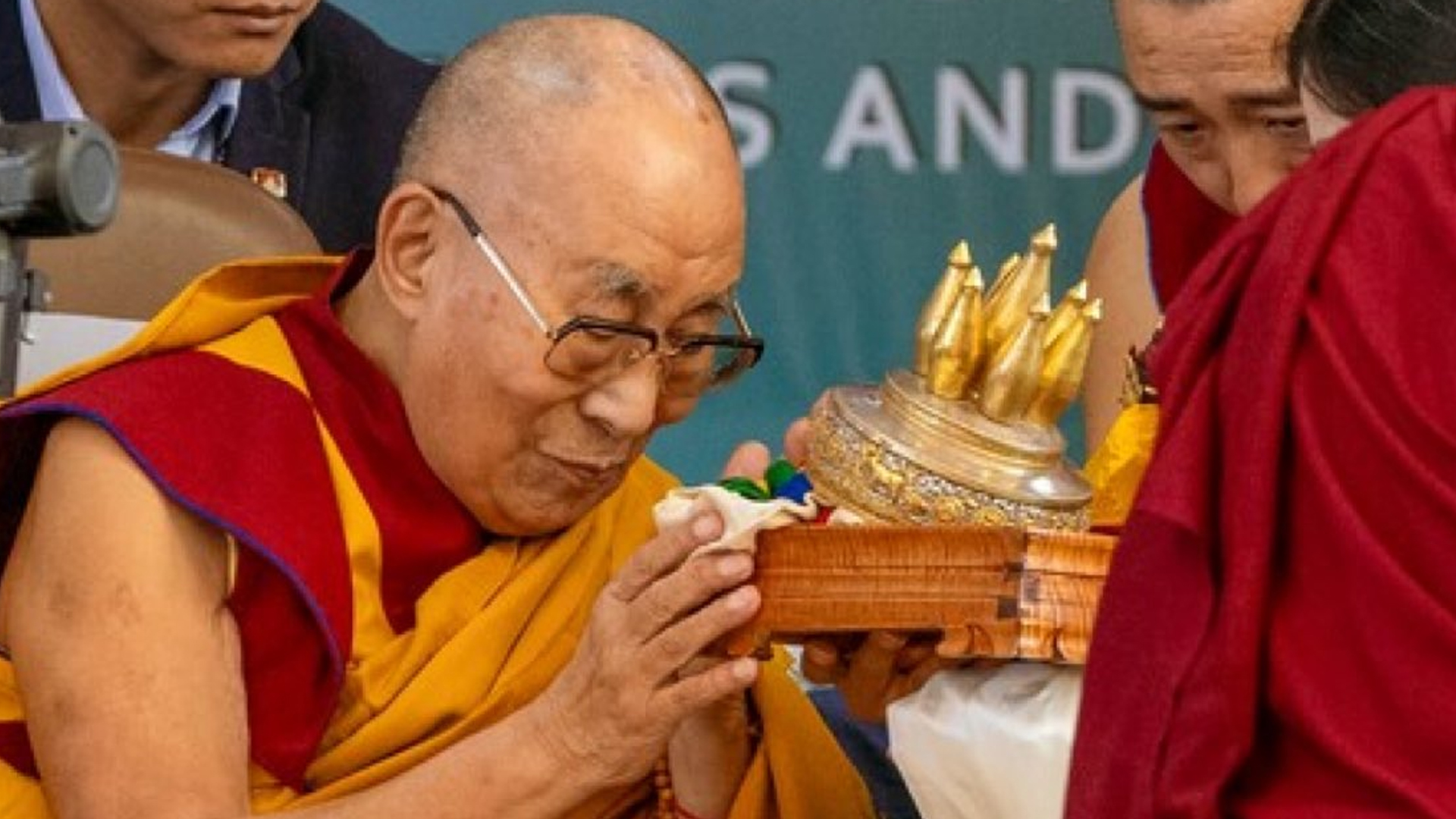
In a historic moment at the 68th Annual Grammy Awards, the 14th Dalai Lama won his first Grammy, making headlines worldwide. At 90 years old, the Tibetan spiritual leader became one of the most talked-about winners of the night, receiving the award for Best Audiobook, Narration and Storytelling Recording for his album Meditations: The Reflections of His Holiness the Dalai Lama.

The album presents the Dalai Lama’s spoken reflections on compassion, peace, mindfulness, and human unity, paired with serene musical arrangements. He collaborated with celebrated Indian musicians, including sarod maestro Amjad Ali Khan and his sons Amaan Ali Bangash and Ayaan Ali Bangash, giving the project a unique blend of spiritual insight and classical Indian music.

The Grammy recognition highlights the Dalai Lama’s message of shared human responsibility and compassion. During the ceremony, singer-songwriter Rufus Wainwright accepted the award on behalf of the Dalai Lama, calling the project “a remarkable bridge between spirituality and art.”

In his response, the Dalai Lama expressed gratitude and humility, emphasizing that the award is a recognition of values that benefit all of humanity, rather than a personal accolade. He stressed the importance of caring for each other, protecting the environment, and promoting a sense of global unity.

The album competed with nominees from various fields, including US Supreme Court Justice Ketanji Brown Jackson, entertainer Trevor Noah, and actress Kathy Garver, making the win particularly significant.

The Dalai Lama’s Grammy is part of a night filled with historic firsts. Alongside other breakthroughs, like K-pop’s first Grammy and filmmaker Steven Spielberg completing his EGOT (Emmy, Grammy, Oscar, Tony), the Tibetan leader’s recognition reflects the growing openness of the Grammys to projects that transcend traditional music genres.

Also Read: New Income Tax law to take effect April 1, 2026

New Income Tax law to take effect April 1, 2026

The Income Tax Act, 2025 aims to simplify compliance while keeping rates unchanged

India’s Income Tax Act, 2025, a major rewrite of the country’s six-decade-old tax law, will come into force on April 1, 2026, Finance Minister Nirmala Sitharaman announced in the Union Budget 2026–27. This new legislation replaces the Income Tax Act, 1961, marking one of the most significant updates to India’s direct tax system in decades.

The focus of the new law is simplification and clarity, rather than changes to tax rates. Individuals and businesses will continue under the same tax slabs and rates as before. The government says the overhaul will reduce complexity, minimize litigation, and make tax compliance more intuitive for all taxpayers. The Act uses clearer language, fewer provisions, and simpler processes to cut through ambiguities that often confuse taxpayers.

As part of the reforms, the government will introduce updated tax forms and clear instructions well ahead of the law’s implementation to help taxpayers transition smoothly. One key administrative change is the extension of deadlines for filing or revising Income Tax Returns (ITRs). Taxpayers will now have until March 31 to revise their returns, up from the previous December 31 deadline, though a nominal fee may apply. Additionally, different categories of returns will have staggered deadlines to ease compliance pressures.

The new law also brings taxpayer-friendly adjustments, such as reduced Tax Collected at Source (TCS) rates for overseas education and tour packages, and simplified Tax Deducted at Source (TDS) procedures, particularly for smaller taxpayers and non-resident property transactions. These measures are expected to reduce procedural hurdles and make the system more accessible.

While tax slabs remain unchanged, the overhaul signals a shift toward a more transparent, predictable, and user-friendly tax system.

Also Read: Union budget aims for growth, defence & health

Union budget aims for growth, defence & health

Finance Minister Sitharaman unveils development-focused Budget with record infrastructure spending and tax relief

Finance Minister Nirmala Sitharaman on 1 February 2026 presented the Union Budget 2026–27 in Parliament, unveiling a plan that aims to fuel growth, create jobs, and make India healthier and more self-reliant. With a sharp focus on infrastructure, healthcare, defence, and technology, the Budget seeks to strengthen the economy while directly improving citizens’ lives, from farmers and small businesses to students and start-ups.

At the macro level, the government has set the fiscal deficit at 4.3% of GDP, maintaining a careful balance between fiscal discipline and growth. Total expenditure has been raised, with a record ₹12.2 lakh crore allocated for capital spending, highlighting the government’s focus on infrastructure as a driver of economic expansion.

A major thrust of the Budget is infrastructure development. Seven new high-speed rail corridors will connect major urban and industrial hubs, while a dedicated freight corridor between Dankuni and Surat is expected to make cargo transport faster and more cost-efficient. Twenty new National Waterways and expanded coastal shipping plans aim to reduce logistics costs and environmental impact. Urban metro projects, improved road networks, and multimodal transport hubs are also set to improve daily travel and connectivity, generating jobs and strengthening supply chains across the country.

The Budget strongly supports manufacturing and technology sectors. The India Semiconductor Mission 2.0 will expand domestic chip production, research, and design, while Rare Earth Corridors in mineral-rich states will reduce import dependence and bolster clean energy, electronics, and defence industries. The ₹10,000 crore Biopharma Shakti programme aims to position India as a global hub for vaccines, biologics, and critical medicines. Additional incentives for textiles, container manufacturing, industrial parks, and startups are expected to create employment opportunities and boost exports.

Healthcare and social development feature prominently. Expansion of cancer care facilities, early detection programmes, and strengthened mental health services are planned. The Budget also proposes the establishment of three new All India Institutes of Ayurveda to enhance research, education, and global AYUSH outreach. Additional support for public hospitals, life-saving medicines, and emergency care reflects a comprehensive approach to health and wellbeing.

Defence and national security remain priorities, with higher allocations to domestic manufacturing, research, and exports under the ‘Make in India’ initiative. Development of defence corridors and public-private partnerships will further reduce import dependence and strengthen strategic self-reliance.

Farmers, rural communities, and MSMEs will benefit from initiatives to improve productivity, support high-value crops, strengthen fisheries, expand irrigation, and connect farmers to markets through digital platforms. A ₹10,000 crore Growth Fund is expected to make credit more accessible to small businesses and startups while simplifying compliance requirements.

On taxation, the Budget introduces relief and simplification. A new Income Tax Act will take effect from April 2026 with simpler forms and filing processes. Deadlines for revised returns have been extended, minor penalties eased, TCS rates on overseas education and medical treatment reduced to 2%, and the Minimum Alternate Tax lowered to 14%. Incentives for foreign cloud service providers aim to attract investment in India’s growing digital economy.

The Union Budget 2026–27 presents a vision of a stronger, healthier, and more self-reliant India, combining investment-led growth, job creation, technological advancement, and social development while keeping fiscal stability at the forefront.