rotating globe
6 Apr 2026


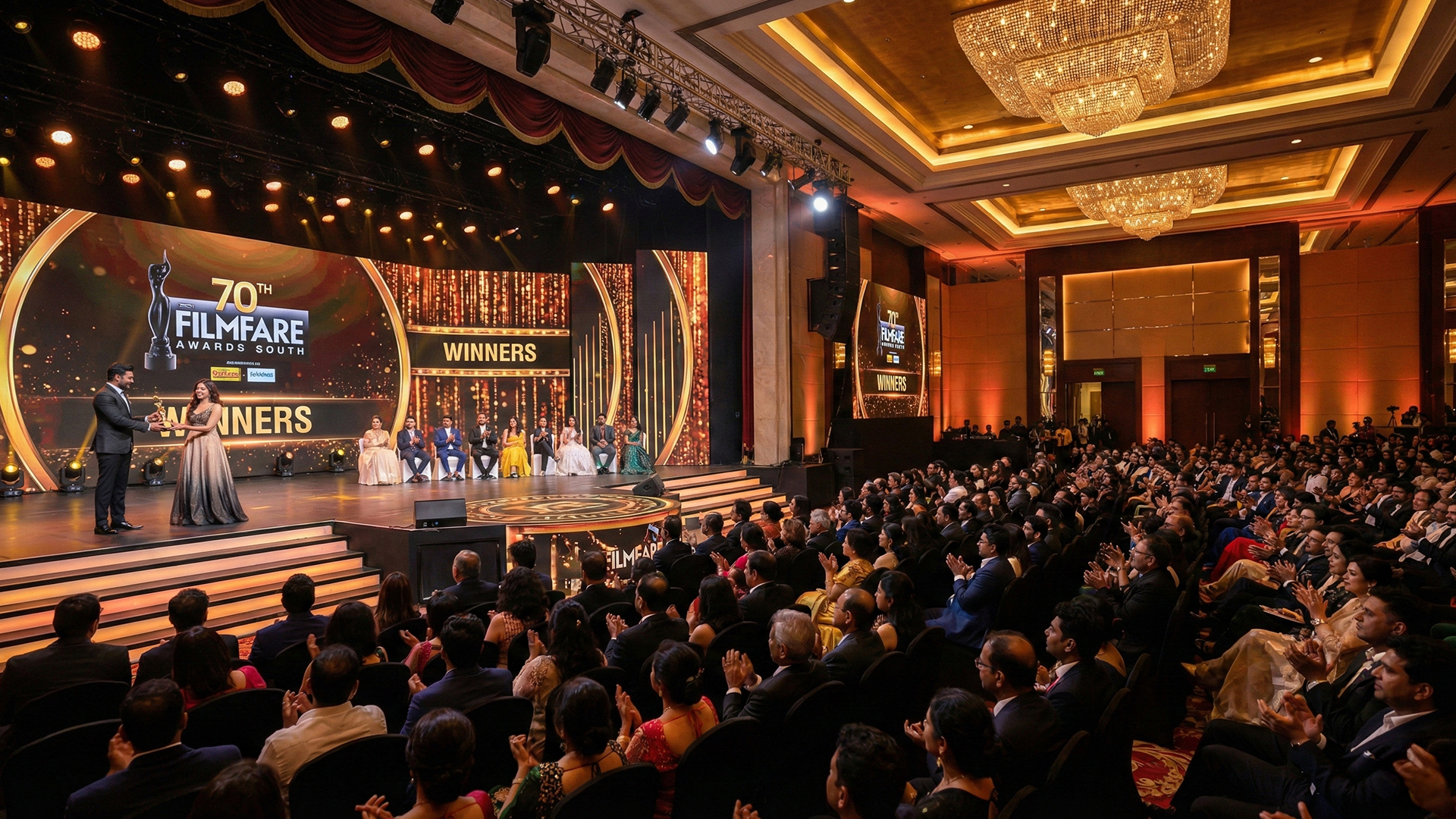
South cinema’s big wins at 70th Filmfare Awards

Top stars and films across four industries honoured at the 70th edition in Kochi

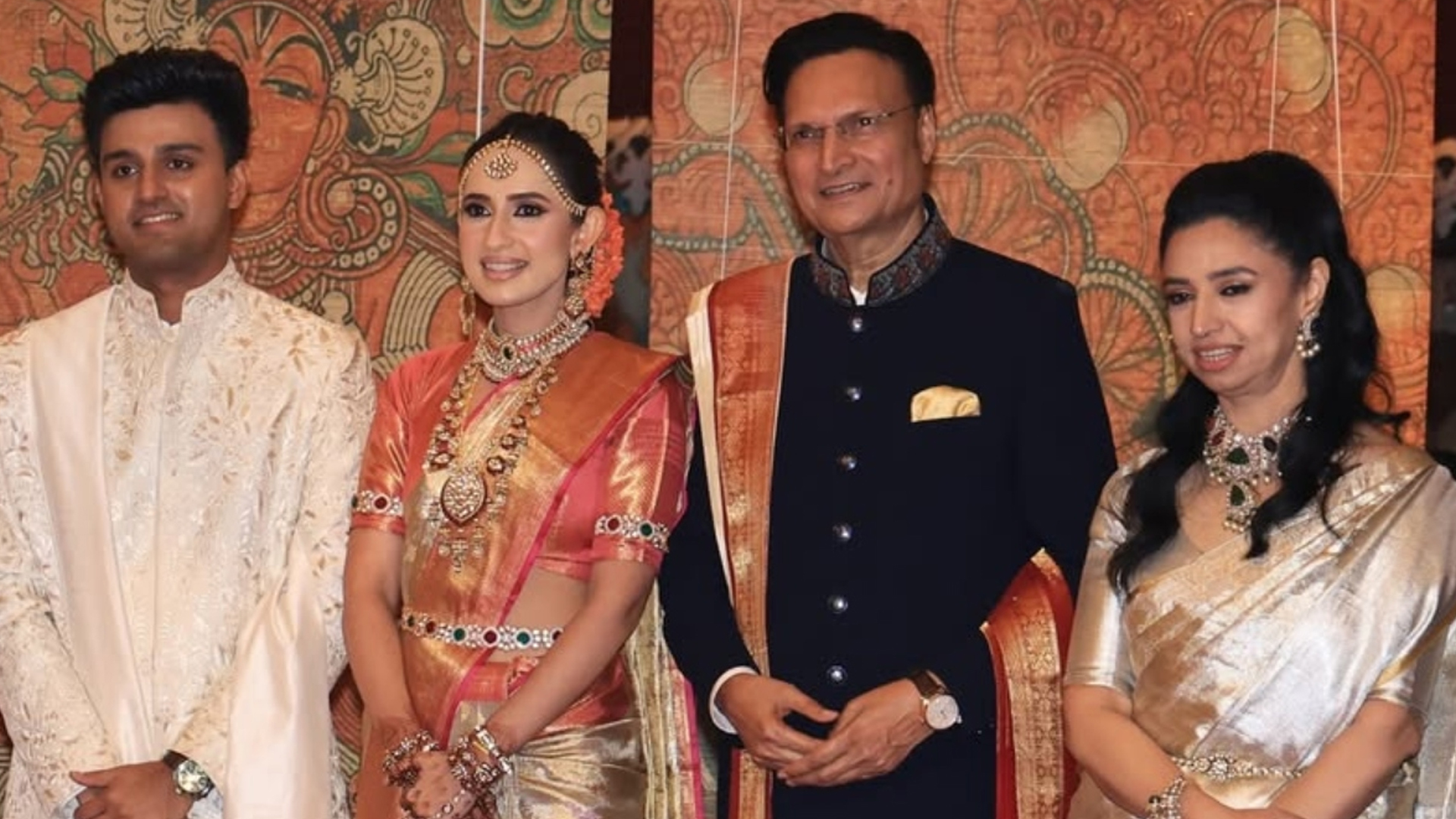
South Indian cinema’s biggest names came together for a glittering night at the 70th Filmfare Awards South, where powerful performances and blockbuster films were honoured across Tamil, Telugu, Malayalam and Kannada industries. Held in Kochi, the event blended emotional moments, energetic performances and long-standing talent being recognised on one stage.

Malayalam survival drama Aadujeevitham emerged as one of the biggest winners of the night, taking home the Best Film award, while Prithviraj Sukumaran won Best Actor for his intense and transformative performance. Tamil cinema also had a strong showing, with Amaran being named Best Film. Sivakarthikeyan bagged the Best Actor trophy for his role in the film, and Sai Pallavi was awarded Best Actress for her performance that struck a chord with audiences and critics alike.

In Telugu, the blockbuster Pushpa 2: The Rule dominated the major categories. Allu Arjun continued his winning streak by securing the Best Actor award, while Rashmika Mandanna was honoured as Best Actress. The film’s massive popularity and cultural impact were reflected in its multiple wins.

Kannada cinema was led by Sapta Sagaradaache Ello – Side B, which won Best Film. Rakshit Shetty received the Best Actor award for his performance, and Rukmini Vasanth was named Best Actress, marking a significant moment for the industry.

Beyond the awards, the evening was a celebration of South Indian cinema’s growing national and global influence. The ceremony saw heartfelt acceptance speeches, tributes to technicians and artists behind the scenes, and loud cheers from fans as their favourite stars walked the red carpet.

Also Read: SC rejects Swamy’s plea on Tirupati laddu case

SC examines NEET-PG cut-off reduction

Court to assess impact on medical education standards

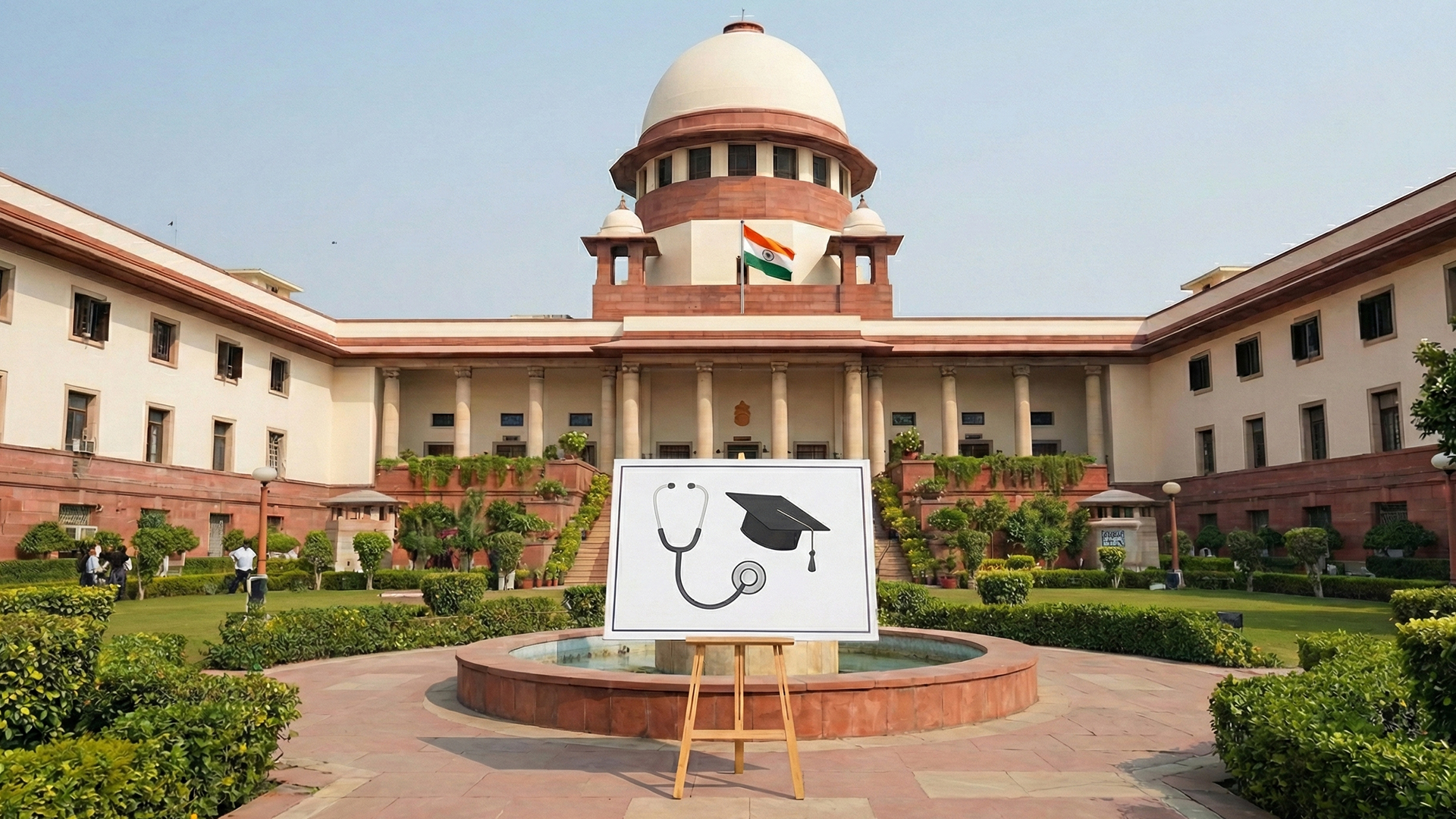
The Supreme Court of India has decided to examine whether the recent sharp reduction in the qualifying cut-off for NEET-PG 2025 could impact the quality of postgraduate medical education in the country.

The issue came up after the cut-off percentile for the NEET-PG was drastically lowered for the final round of counselling. The decision was taken after a large number of postgraduate medical seats remained vacant across colleges. Following the reduction, many more candidates became eligible to participate in counselling.

A bench of the top court observed that while NEET-PG is not a basic eligibility test like undergraduate medical entrance exams — since candidates are already qualified doctors, the court must still consider whether bringing down the qualifying marks significantly could dilute academic standards. The judges said maintaining the quality of medical education is a matter of public importance.

Petitions challenging the move argue that lowering the cut-off so sharply may undermine merit and could affect the overall standard of specialist medical training. The petitioners have also raised concerns that such a decision, taken after the admission process had begun, may be unfair to candidates who had earlier qualified under higher benchmarks.

On the other hand, the Centre and concerned authorities have defended the decision. They told the court that the reduction was a practical step to fill vacant seats, especially in government medical colleges. According to them, candidates appearing for NEET-PG have already completed their MBBS degrees and mandatory internships, which ensures basic competence.

The government has also maintained that NEET-PG primarily serves as a ranking system for allocating limited postgraduate seats and is not meant to certify a doctor’s clinical ability.

The Supreme Court is expected to hear the matter in detail next month.

Also Read: 7 killed in air ambulance crash in Jharkhand

India tells citizens to leave Iran as US tensions rise

Fresh advisory urges Indians in Iran to depart immediately and stay in touch with the embassy

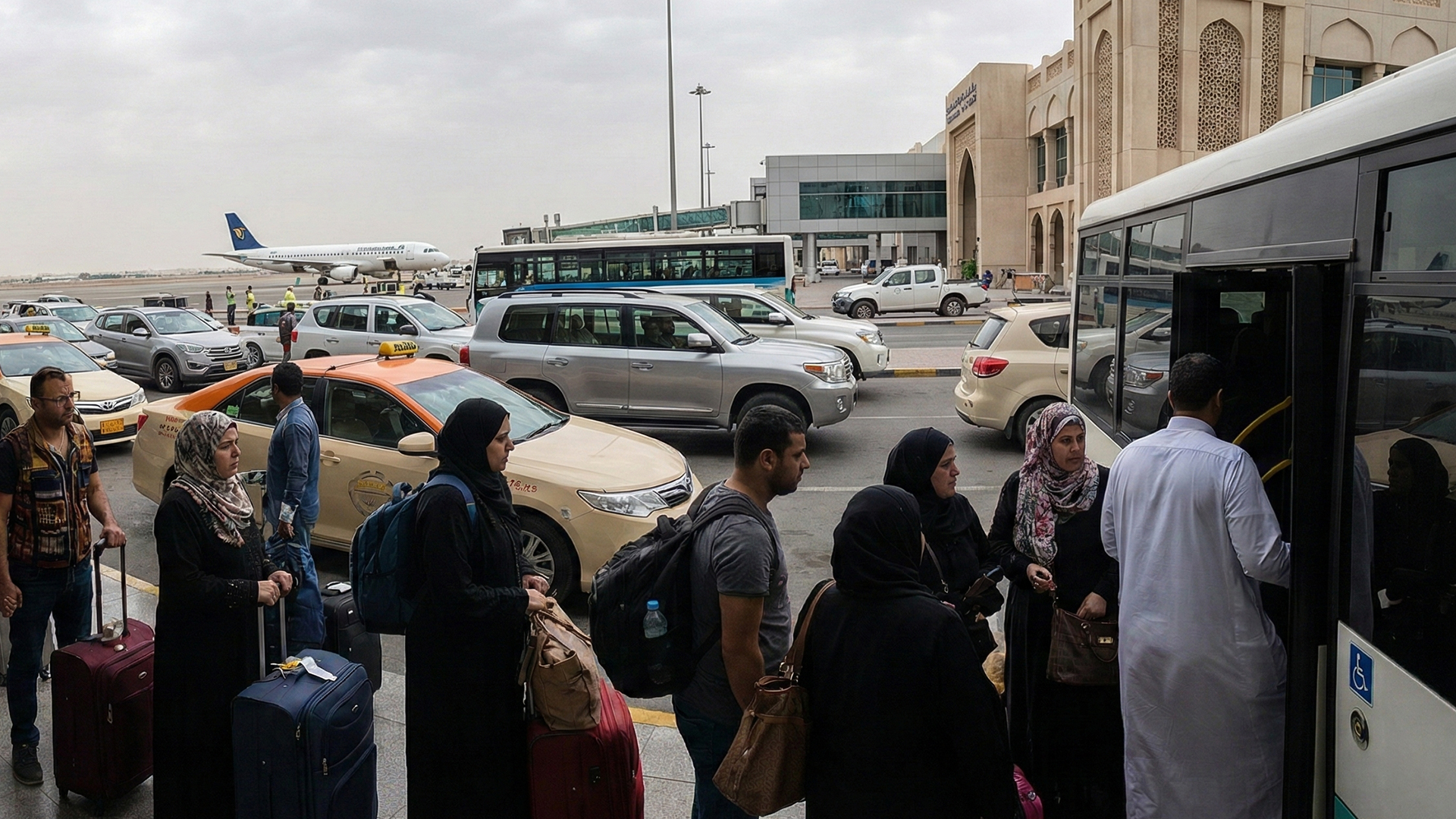
India has asked its citizens living in or travelling to Iran to leave the country without delay as tensions between Tehran and the United States continue to escalate.

In a fresh advisory, the Ministry of External Affairs said all Indian nationals in Iran should use “available means of transport” to exit the country as soon as possible. The advisory comes amid concerns over the rapidly changing security situation in the region.

The Indian Embassy in Tehran has also urged citizens to remain alert, avoid unnecessary travel, and stay away from areas where protests or public gatherings are taking place. Indians who cannot leave immediately have been advised to exercise caution, monitor local news, and remain in regular contact with the embassy.

According to reports by NDTV and Deccan Herald, the advisory applies to students, businesspersons, pilgrims and other Indian nationals currently in Iran. The embassy has shared emergency contact numbers and asked people who have not yet registered with Indian authorities to do so at the earliest. This, officials say, will help ensure quicker assistance if the situation worsens.

The move follows rising tensions between Iran and the United States, which have led to fears of possible instability. While there has been no formal evacuation announcement so far, the government’s message is clear, Indians should prioritise their safety and plan their departure without waiting for further escalation.

India has taken similar precautionary measures in the past during periods of geopolitical uncertainty. Officials emphasised that the advisory is a safety step and urged citizens not to panic but to act responsibly and promptly.

Also Read: Rahul Gandhi meets ‘Mohammad Deepak’, offers support

India launches first anti-terror policy ‘PRAHAAR’

New doctrine promises zero tolerance for terror, stronger intelligence sharing and focus on cyber and drone threats

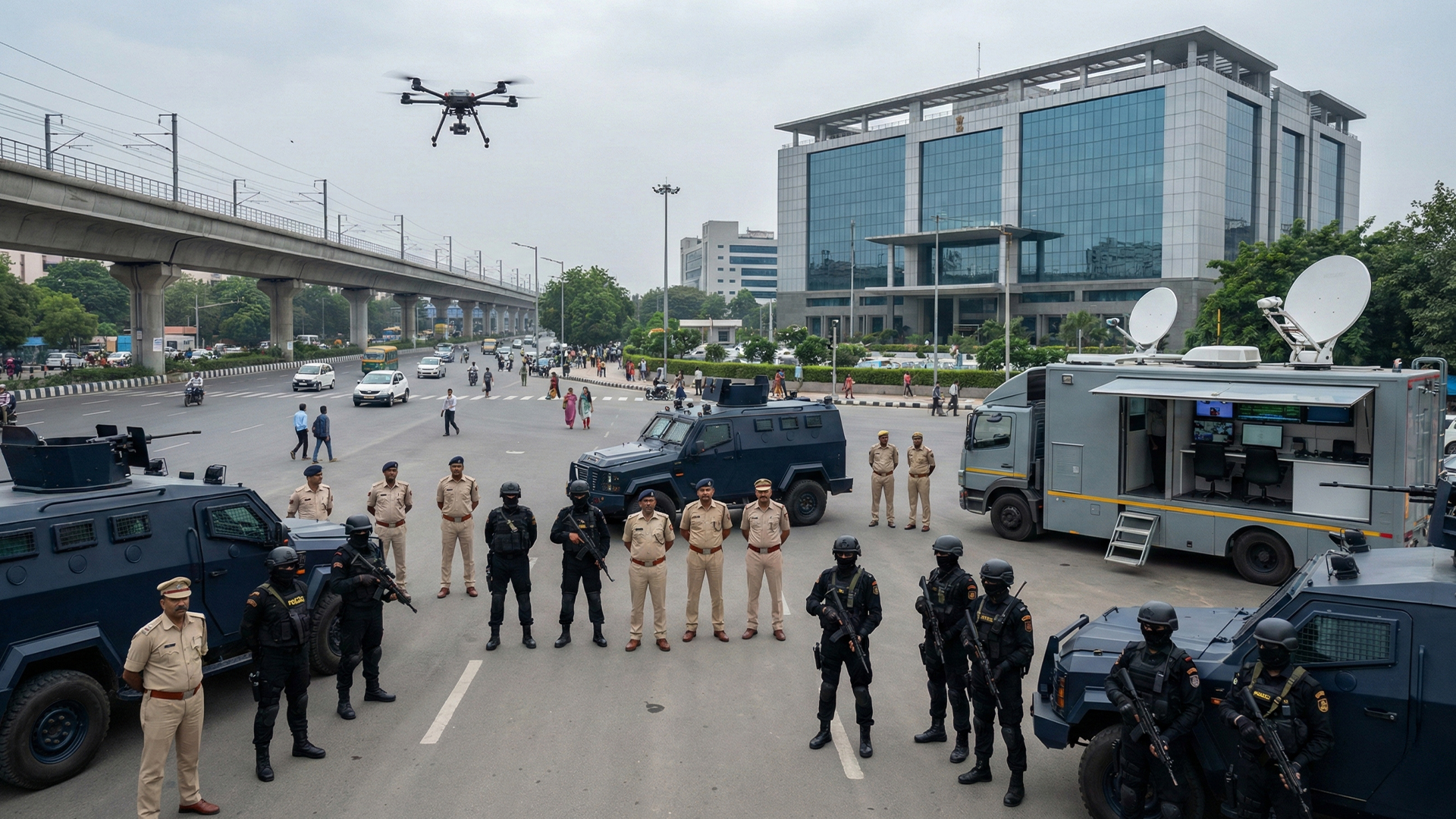
In a major step to overhaul its internal security framework, India has unveiled its first comprehensive national counter-terrorism policy, PRAHAAR, creating a single, coordinated strategy to detect, prevent and respond to terror threats in a faster and more organised manner.

Announced by the Ministry of Home Affairs, the policy shifts the focus from reacting after an attack to stopping threats at an early stage through better intelligence and coordination between the Centre, states and specialised forces. It formalises India’s “zero-tolerance” approach and calls for faster information sharing and clearer roles for each agency during a crisis.

The document identifies cross-border terrorism as a major concern and also warns about newer dangers such as the use of drones to drop weapons, online radicalisation, cyber-attacks and terror funding through cryptocurrencies and the dark web. It says terror groups are increasingly using modern technology, making it necessary for security forces to upgrade their tools and training.

PRAHAAR puts strong emphasis on choking the flow of money to terror networks, strengthening investigations and ensuring that those involved are prosecuted quickly. Local police are expected to act as the first line of response, while national agencies will step in for larger or more complex operations.

The policy also highlights the need to work with communities to prevent radicalisation, especially among young people, through awareness programmes and development initiatives. At the same time, it stresses that all counter-terror actions will follow the law and respect human rights.

Another important feature is a recovery plan for after an attack. This includes quick restoration of normal life in affected areas and better support for victims and their families so that communities can return to normal faster.

Also Read: Rajagopalachari bust replaces Lutyens at Rashtrapati Bhavan

Rahul Gandhi meets ‘Mohammad Deepak’

LoP promises to join Kotdwar gym after trainer’s stand for communal harmony

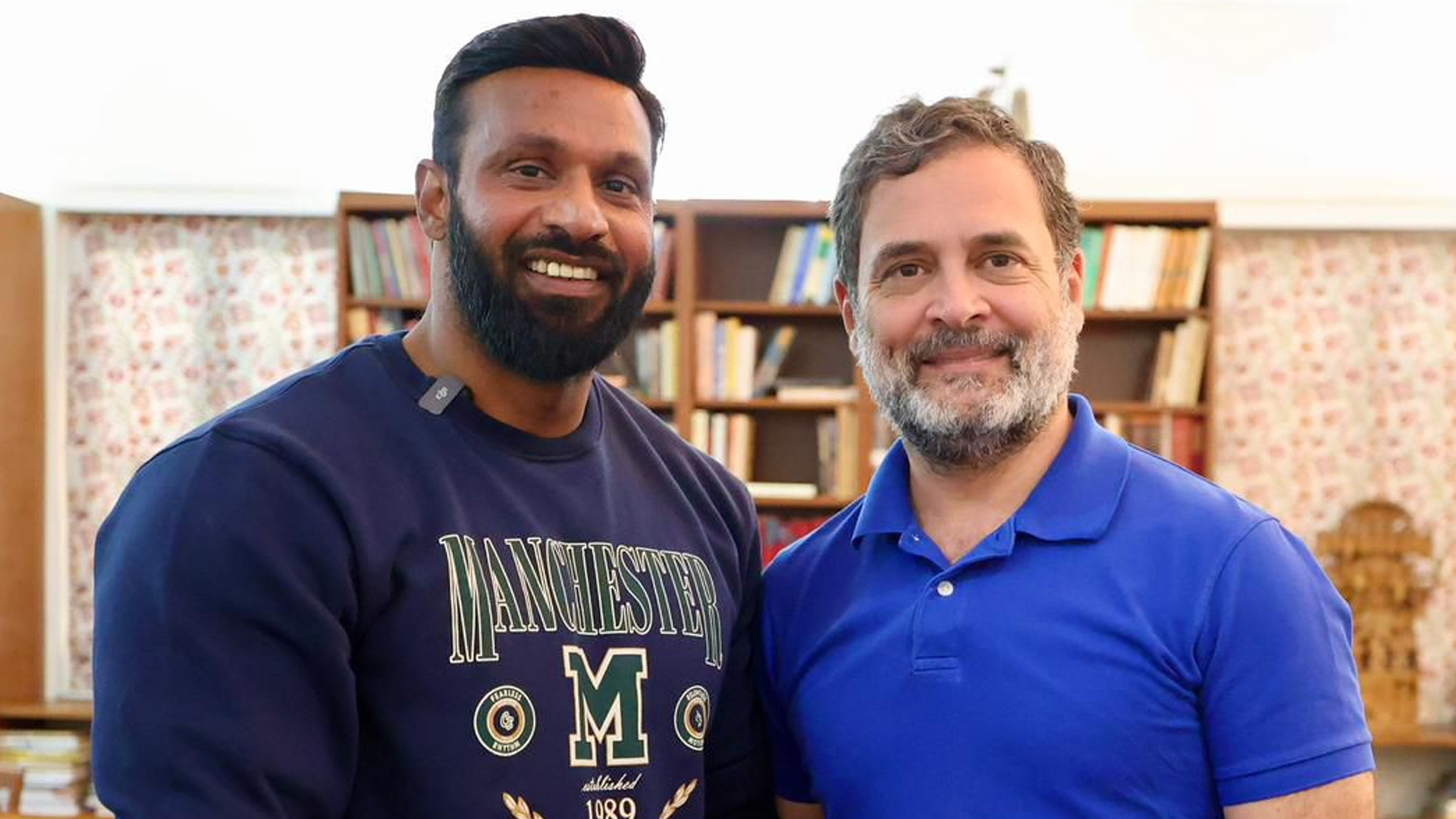
Congress leader and Leader of the Opposition in the Lok Sabha Rahul Gandhi met Uttarakhand gym trainer Deepak Kumar, widely known as “Mohammad Deepak”, in New Delhi and extended his support to him after the recent Kotdwar controversy.

The meeting took place on February 23 at the residence of senior Congress leader Sonia Gandhi. Deepak had come into the national spotlight after a viral video showed him stepping in to defend an elderly Muslim shopkeeper who was allegedly being pressured by right-wing activists to change the name of his shop. During the confrontation, Deepak identified himself as “Mohammad Deepak” in a gesture of solidarity, which drew widespread attention on social media.

After the interaction, Deepak said Rahul Gandhi praised his actions and reassured his family, which had been under stress following the incident. The Congress leader also told him that he would visit Kotdwar and take membership at his gym as a mark of support.

The Congress shared pictures of the meeting and described Deepak’s act as a symbol of unity and courage. Rahul Gandhi has repeatedly spoken about equality and communal harmony, and the party linked the meeting to its broader message of promoting social unity.

Deepak runs the Hulk Gym in Kotdwar and said his business suffered after the controversy, with a sharp fall in membership and security concerns for his family. He thanked Rahul Gandhi for reaching out and said the gesture had given him confidence during a difficult time.

The Kotdwar incident, which began on Republic Day, had led to protests, police cases and a wider political debate in Uttarakhand. The meeting has now added a fresh political dimension, with the Congress projecting it as support for constitutional values and social harmony.

Also Read: South cinema celebrates big wins at 70th Filmfare Awards

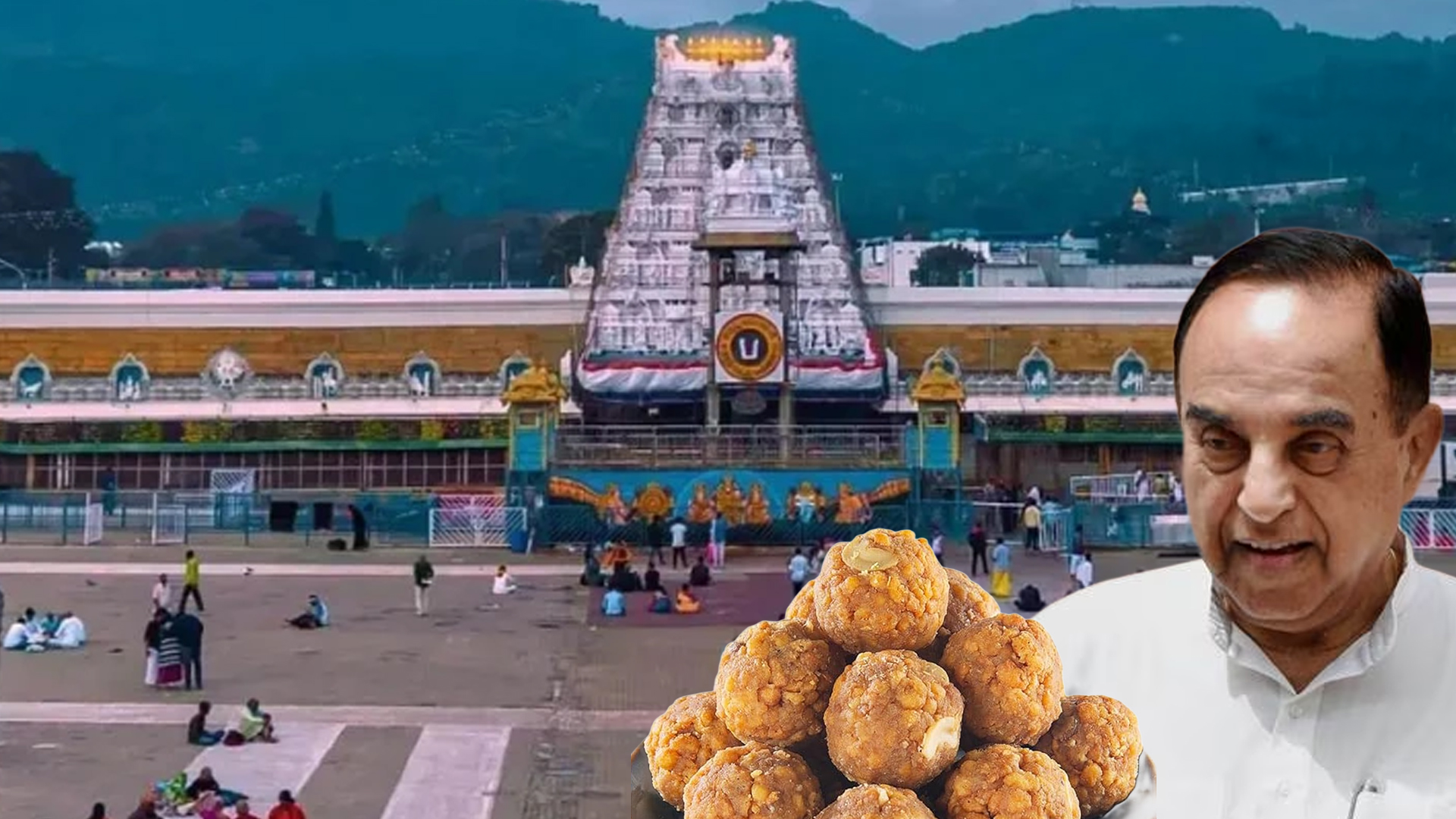
SC rejects Swamy’s plea on Tirupati laddu case

Apex court permits Andhra Pradesh government’s one-member panel to continue inquiry

The Supreme Court of India has dismissed a petition filed by BJP leader Subramanian Swamy challenging the Andhra Pradesh government’s decision to appoint a one-member commission to investigate the Tirupati laddu controversy.

Swamy had questioned the legality and fairness of the probe panel, arguing that the state government did not have the authority to order such an inquiry into matters related to the famed Tirumala temple. He sought the court’s intervention to set aside the commission, claiming that the issue involved the administration of the temple and the preparation of the laddu prasadam, which falls under a specific religious and statutory framework.

However, the apex court refused to interfere with the state government’s order. The bench observed that there was no valid ground at this stage to halt the functioning of the inquiry panel. It allowed the commission to continue its investigation into the allegations surrounding the preparation and quality of the Tirupati laddu.

The Andhra Pradesh government had earlier constituted the one-member commission to examine complaints and concerns linked to the laddu prasadam prepared by the Tirumala Tirupati Devasthanams (TTD), which manages the affairs of the Tirumala temple. The move came amid a political and public debate over the issue, prompting the government to order a detailed probe.

During the hearing, the court made it clear that the inquiry was only a fact-finding exercise and that there was no immediate reason to stop it. It also indicated that any objections regarding jurisdiction or authority could be raised at an appropriate stage if necessary.

With the Supreme Court declining to stay the commission, the probe into the laddu row will proceed as planned. The decision is seen as a significant development in the ongoing controversy, as it gives a green signal to the state-appointed panel to continue its examination of the matter.

Also Read: Banks cautioned against mis-selling under BNS

Rajagopalachari bust replaces Lutyens at Rashtrapati Bhavan

Decolonisation move sparks political reactions and debate over history and legacy

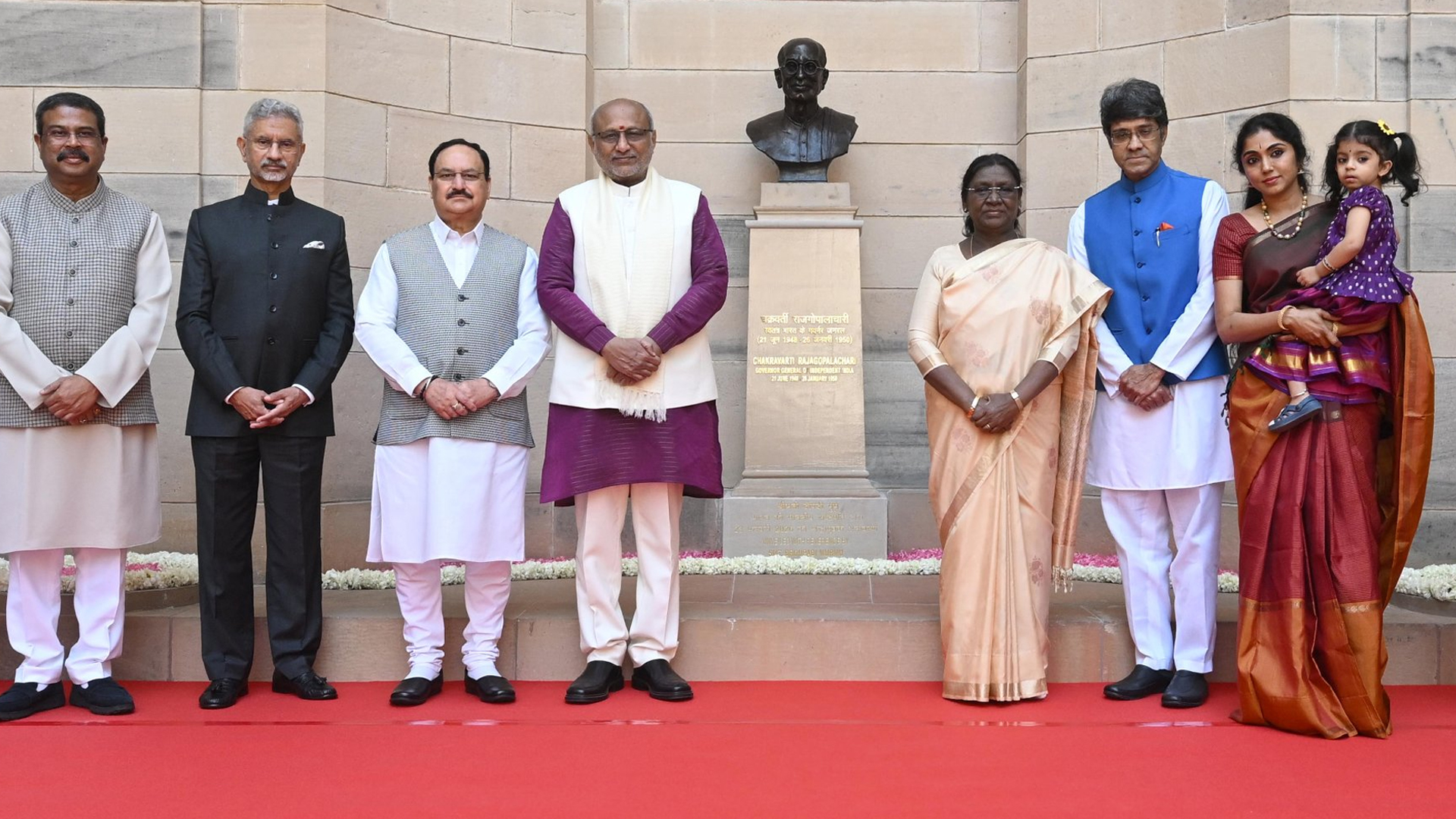
In a symbolic change at the heart of India’s presidential estate, a bust of C. Rajagopalachari has been installed at Rashtrapati Bhavan, replacing that of British architect Edwin Lutyens. The change is being seen as part of the government’s wider effort to highlight Indian icons in places that were once dominated by colonial-era figures.

Rajagopalachari, fondly known as Rajaji, was a key figure in the freedom movement and independent India’s last Governor-General. By placing his bust in the presidential complex, officials say the intention is to give greater prominence to Indian leaders who shaped the nation’s political and intellectual journey.

The change has drawn mixed but largely strong reactions. Congress leader Shashi Tharoor welcomed the decision, saying it was fitting to honour a national figure of Rajaji’s stature at the country’s most important constitutional residence. Many have echoed this view, calling the move a meaningful step in reclaiming national spaces.

At the same time, the development has also started a conversation among historians and heritage experts. Some point out that while replacing colonial symbols is understandable, Lutyens’ role in designing New Delhi, including Rashtrapati Bhavan, remains an important part of India’s architectural history and should not be forgotten.

The decision also drew a response from a descendant of Lutyens, who expressed disappointment but acknowledged that India has the right to reinterpret its public spaces and historical narrative.

Rajagopalachari’s long public life included roles as a close associate of Mahatma Gandhi, Premier of the Madras Presidency, Union minister and founder of the Swatantra Party. His installation at Rashtrapati Bhavan is therefore being seen not just as a change of a statue, but as a shift in the story India chooses to tell about itself.

Also Read: India launches first anti-terror policy ‘PRAHAAR’

Antigravity access blocked for OpenClaw-linked users

Paid Google Gemini users report sudden 403 errors after Google blocks third‑party tool connections

Google has temporarily suspended access to its Antigravity model for a number of users after detecting a spike in what it described as “malicious usage” tied to third‑party agent tools such as OpenClaw. The enforcement affected both regular paid subscribers and higher‑tier customers who had linked their Google AI accounts to external agent frameworks.

Affected users began encountering ‘403 PERMISSION_DENIED” errors and a message stating Antigravity access was disabled for violating Google’s Terms of Service. Reports of abrupt lockouts surfaced on Reddit and Google support forums in mid‑February, with many users saying they received no advance warning and little guidance on how to appeal.

Google said the move was necessary to stop abusive activity that was degrading service quality for legitimate customers. The company targeted accounts that appeared to be using Antigravity in ways it did not intend and said some users might regain access after review. Google did not immediately provide a public timeline for restoring service to affected accounts.

Third‑party developers reacted quickly. The creator of OpenClaw called Google’s action strict and announced plans to remove Antigravity support from the tool to protect users from further disruptions. Other developers and community members recommended switching from OAuth account linking to API keys or moving to alternative model providers to reduce the risk of sudden lockouts.

Community troubleshooting threads advised users who see the “disabled for violation” notice to check whether they had exposed Antigravity OAuth tokens through agent frameworks and to stop using those integrations until the issue is resolved. Users who believe they were blocked in error are encouraged to contact Google support and provide details about how they used the service.

Also Read: Boong wins BAFTA for Best Children’s Film

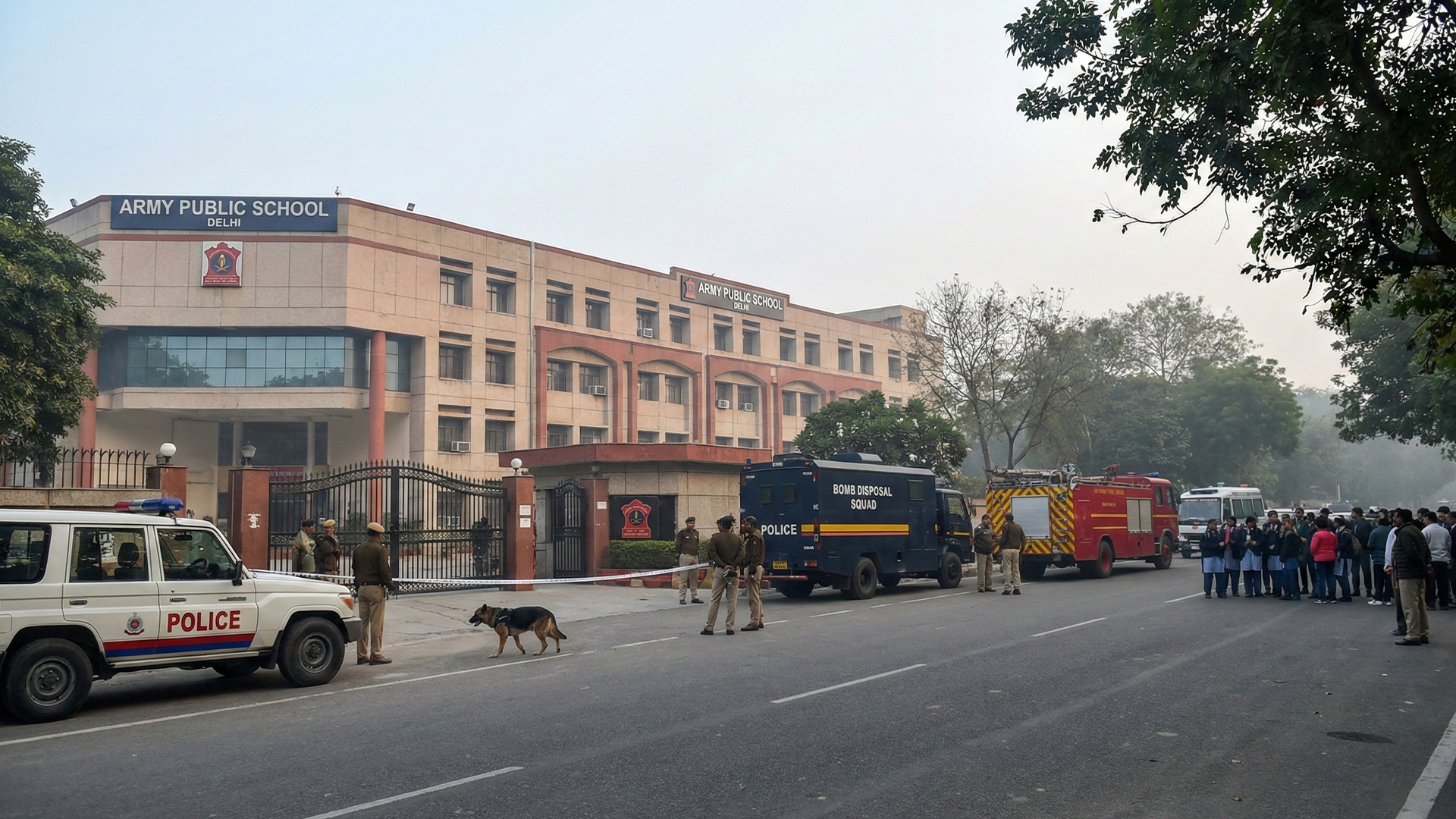
Bomb threat emails force evacuation of two Delhi schools

Army Public School, Dhaula Kuan; Air Force Bal Bharti, Lodhi Road, police, bomb-disposal, canine and fire teams searched both campuses

Two Delhi schools namely Army Public School, Dhaula Kuan, and Air Force Bal Bharti, Lodhi Road, were evacuated after bomb-threat emails. Police, bomb-disposal, canine and fire teams searched campuses. No explosives found. Investigations continue and classes were temporarily suspended.