rotating globe
3 Apr 2026


Lebanon asks Iran envoy to leave

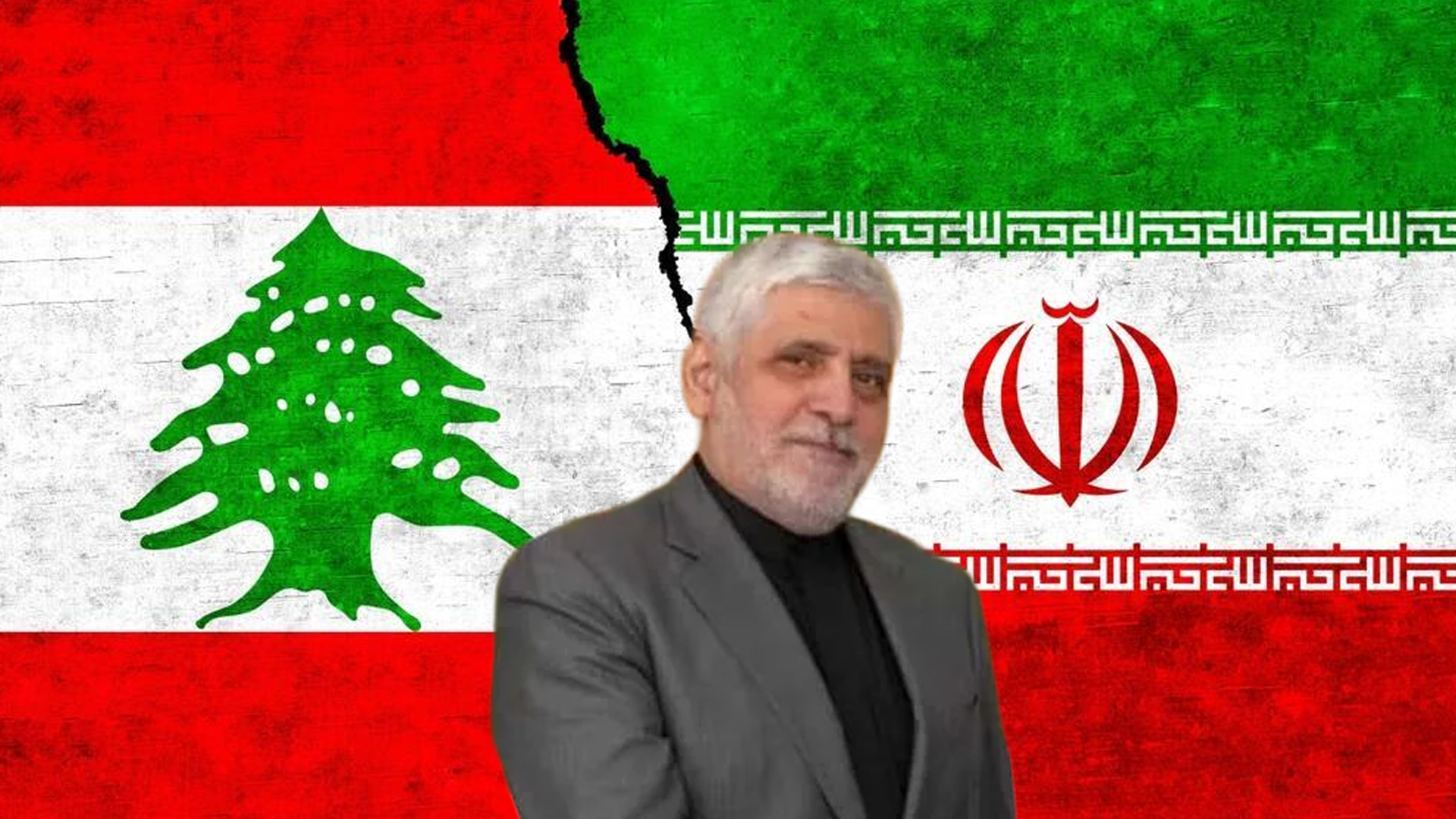
Decision comes after claims of Mojtaba Amani's interference in internal matters

Lebanon has asked Iran’s ambassador to leave the country after cancelling his official status. This step shows rising tension between Lebanon and Iran.

The ambassador, Mojtaba Amani, has been declared “persona non grata,” which means he is no longer welcome and must leave the country within a given time.

Officials in Lebanon said the decision was taken because of concerns that Iran was interfering in its internal matters. They also raised concerns about Iran’s support for Hezbollah, a powerful armed group based in Lebanon.

Hezbollah has been involved in tensions and clashes with Israel, which has increased pressure on the Lebanese government. Authorities want to ensure that decisions about security and conflict are controlled by the state, not outside forces.

As part of the move, Lebanon also called back its own ambassador from Iran for discussions. This is usually done when relations between two countries become strained.

The situation comes at a time when the Middle East is facing rising tensions involving Israel, Hezbollah, and Iran. There are concerns that conflicts in the region could grow further and affect more countries.

Even though this is a strong step, Lebanon has not completely cut off ties with Iran. This decision clearly shows that relations between the two countries are under serious strain.
Also Read: Claude AI now controls computers independently

Iran favors VP Vance in US talks

Tehran sidelines other Trump aides, sees Vance as key for diplomacy

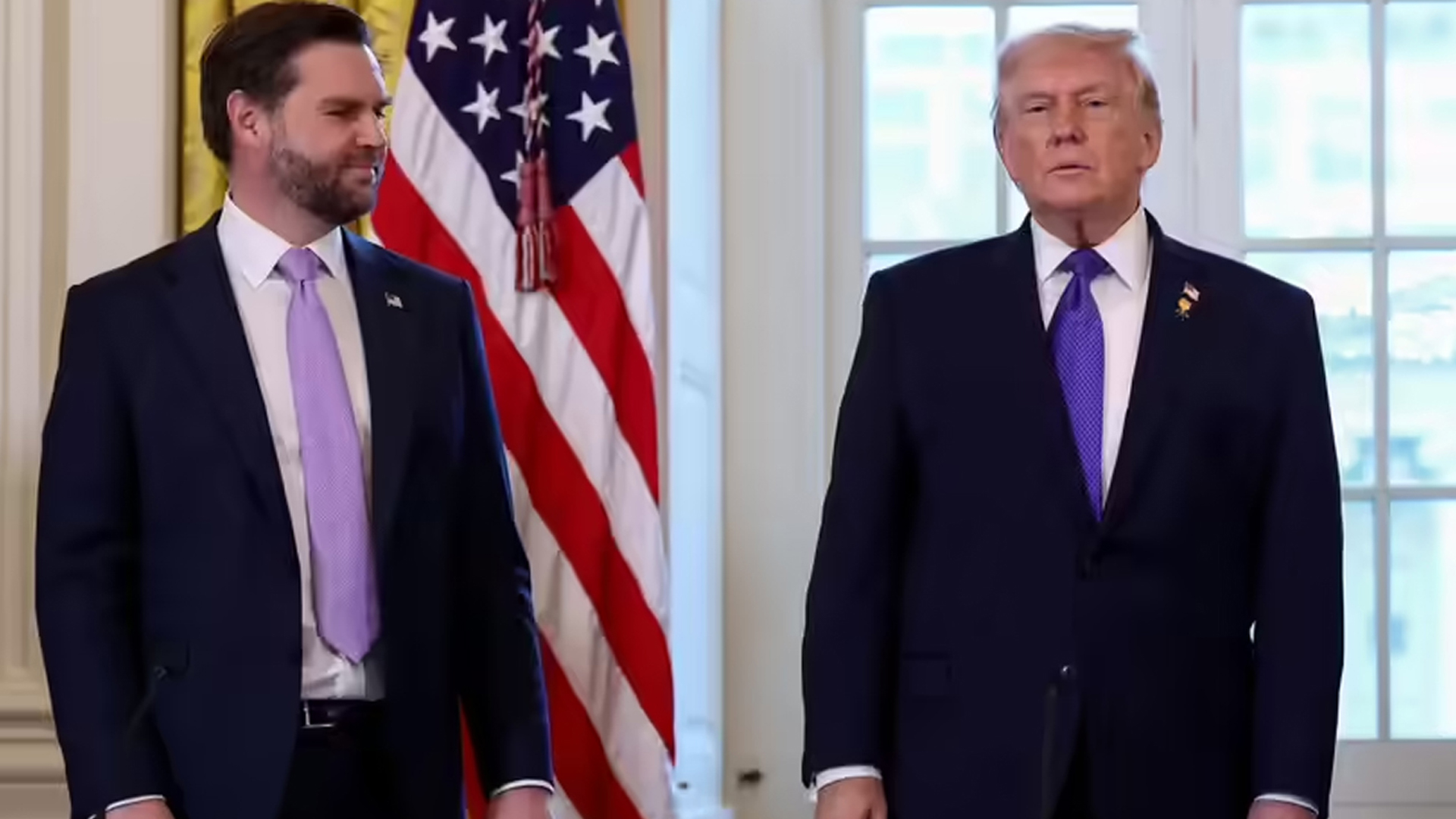
Amid rising US-Iran tensions, President Donald Trump has listed top aides involved in talks with Tehran, including Vice President JD Vance, Jared Kushner, and Steve Witkoff. Trump described the discussions as “productive,” hinting at a possible deal to end hostilities.

Iran, however, has denied that formal negotiations are underway, with officials calling media reports “fake news.” Despite this, Tehran reportedly prefers Vance as the main US interlocutor, distrusting other envoys linked to a harder-line approach. Vance’s cautious stance on military action appears to have earned Iran’s trust.

Washington maintains that its team is chosen solely by the President, though temporary immunity has been granted to some Iranian officials involved in backchannel talks, signaling a limited opening for diplomacy. The coming weeks will reveal whether these cautious moves can lead to de-escalation or if tensions will continue to dominate.

Also Read: Iran allows safe passage for non‑hostile ships

Pakistan offers to host US–Iran talks

Sharif proposes Islamabad as venue; Trump’s repost fuels mediation speculation

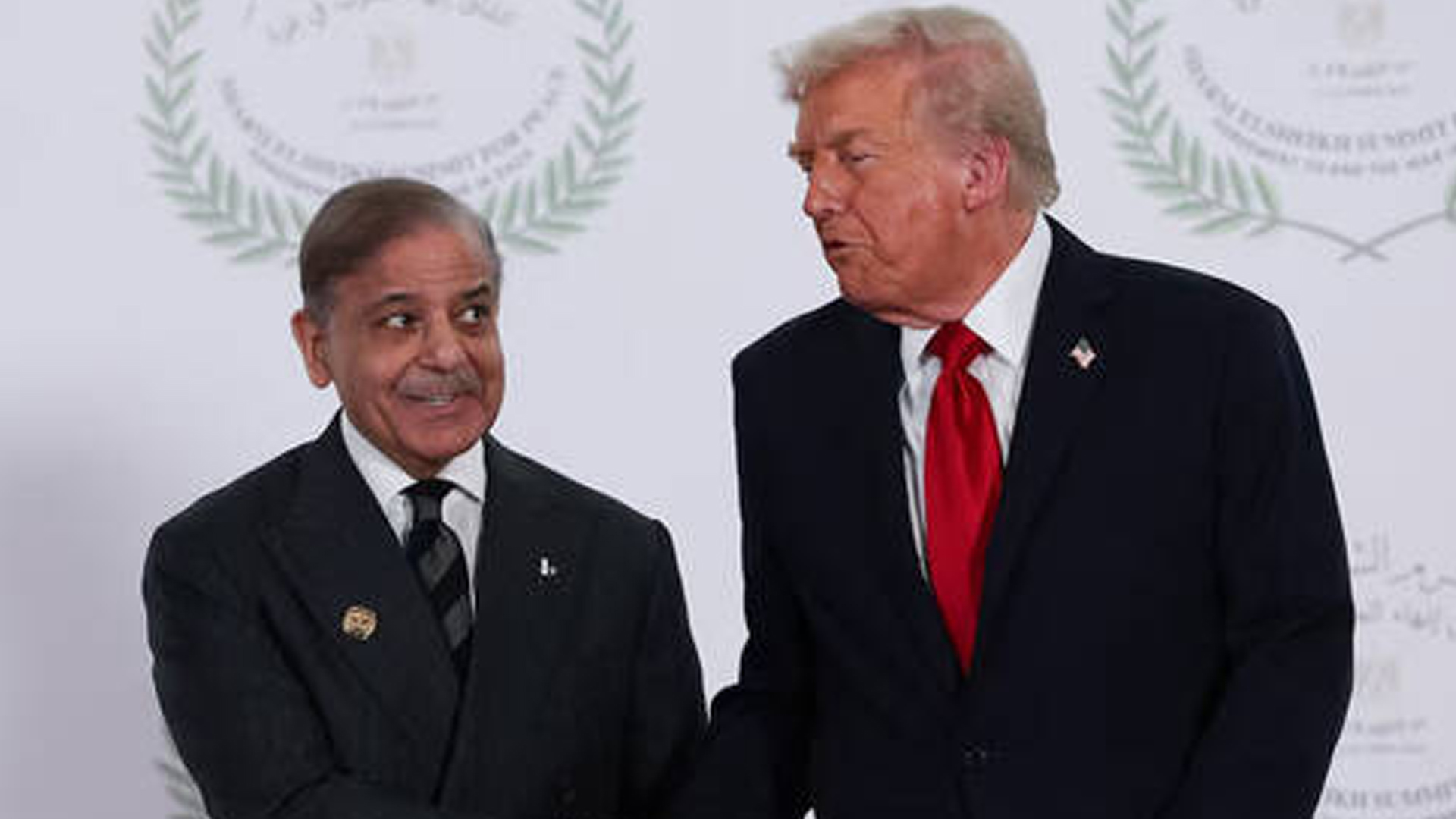
Pakistan has offered to help ease rising tensions between the United States and Iran by hosting peace talks in Islamabad. Prime Minister Shehbaz Sharif tweeted that Pakistan is ready to facilitate meaningful dialogue between the two nations, emphasizing the importance of de-escalation and diplomacy.

The offer caught extra attention when US President Donald Trump reshared Sharif’s post, sparking speculation that Washington might be open to Pakistan’s mediation. While no official confirmation has come from the US, the move signals a possible shift toward exploring regional partners in the effort to calm the crisis.

The proposal comes amid growing conflict in the Middle East, which has drawn international concern. Other countries, including Turkey, are also being considered as potential hosts for talks. However, Iran has so far denied that formal negotiations with the US are underway.

Despite the uncertainty, Pakistan’s outreach highlights its unique position, maintaining ties with both Washington and Tehran. By offering a neutral venue and acting as a mediator, Islamabad aims to create space for dialogue, potentially paving the way for a reduction in hostilities.

Whether the US and Iran will take up the offer remains unclear, but the attention it has received underlines the urgent need for diplomacy in the region and the role smaller powers can play in preventing further escalation.

Also Read: Iran favors VP Vance in US talks

Iran allows safe passage for non‑hostile ships

Ships can transit Strait of Hormuz with Tehran’s coordination amid conflict

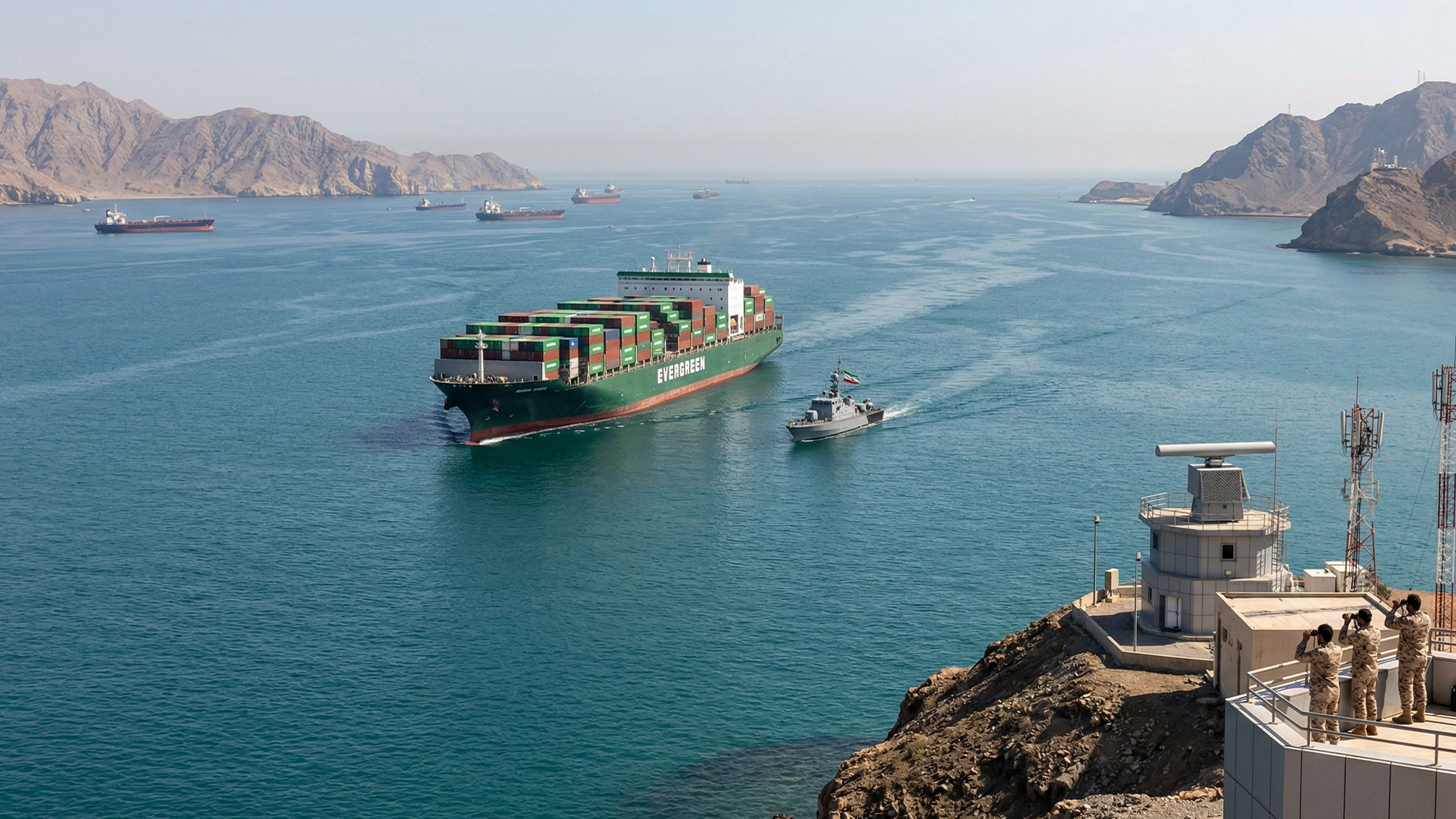
Iran has announced that it will allow “non‑hostile” ships to pass through the Strait of Hormuz, one of the world’s most important shipping lanes, provided they follow certain rules and coordinate with Iranian authorities. This comes amid ongoing tensions in the region that have disrupted maritime traffic and global energy flows.

In a letter sent to the International Maritime Organization and member countries, Iran clarified that vessels not involved in hostile actions against the country will be permitted to navigate the strait. However, ships connected to nations Iran considers adversaries, including the United States and Israel, will not be treated as “non‑hostile” and may face restrictions.

The Strait of Hormuz is a key chokepoint linking the Persian Gulf to the Arabian Sea and the Indian Ocean. Around one‑fifth of the world’s daily oil exports normally pass through this narrow passage, making it crucial for global energy supplies. Recent conflicts in the region had led to a near halt in commercial shipping, raising concerns among governments and markets worldwide.

While Iran’s announcement signals a partial reopening of the strait, access will remain tightly controlled. Ships wishing to transit must notify Iranian authorities in advance and adhere to safety guidelines. The move is aimed at ensuring security in the waterway and preventing it from being used against Iran’s interests.

Also Read: Critics’ Choice Awards 2026 celebrate top talent

After 13 years in coma, Harish Rana dies

India’s first passive euthanasia case ends. Highlights right to die with dignity in India

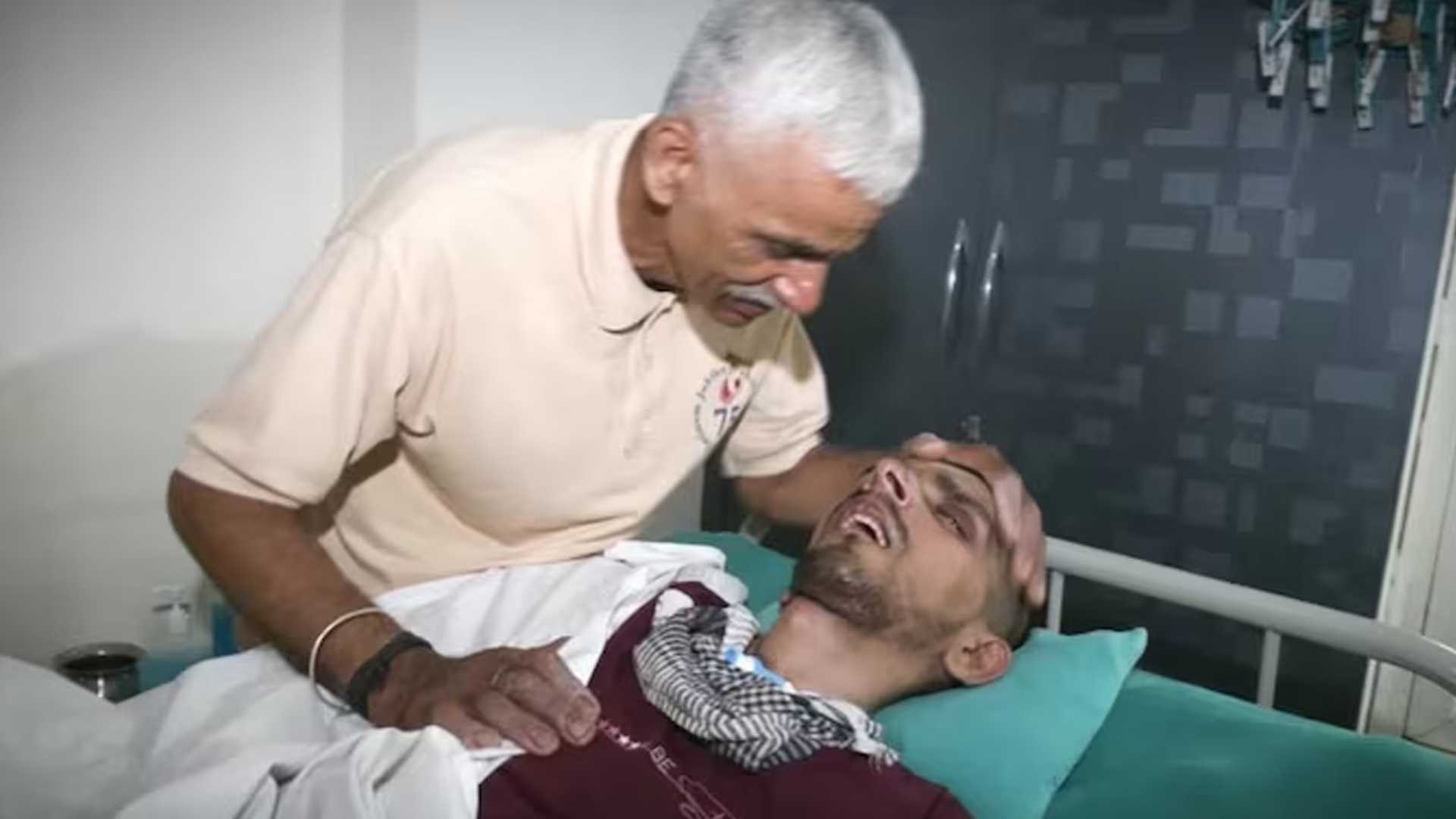
Harish Rana, the first person in India to be allowed passive euthanasia, has passed away after spending more than 13 years in a coma. His death brings a deeply emotional and long legal journey to a close.

Rana had been in a vegetative state since 2013 after suffering a severe head injury in an accident while he was a student. From that moment on, he never regained consciousness and remained completely dependent on medical care. Over the years, his condition showed no signs of improvement, leaving his family to cope with both emotional pain and the burden of long-term treatment.

Earlier this year, the Supreme Court of India allowed passive euthanasia in his case. This meant doctors could withdraw life-support treatment and focus only on keeping him comfortable, instead of trying to prolong his life artificially. The decision came after medical experts confirmed that there was no hope of recovery.

Rana’s case was significant because it was the first time such permission had been granted for an individual in India. It brought national attention to difficult questions about life, death, and the right to die with dignity. The court had noted that in certain situations, allowing a natural death can be more humane than continuing prolonged suffering.

In his final days, doctors ensured that Harish Rana was kept comfortable and free from pain. After his passing, his family chose to donate his organs, helping others even in his death, a gesture many have called both brave and compassionate.

His story has touched many across the country. It has also sparked conversations about how society and the healthcare system should support families dealing with similar situations.

Also Read: Delhi court sentences Asiya Andrabi to life

Delhi court sentences Asiya Andrabi to life

Kashmiri separatist leader convicted under anti-terror law UAPA

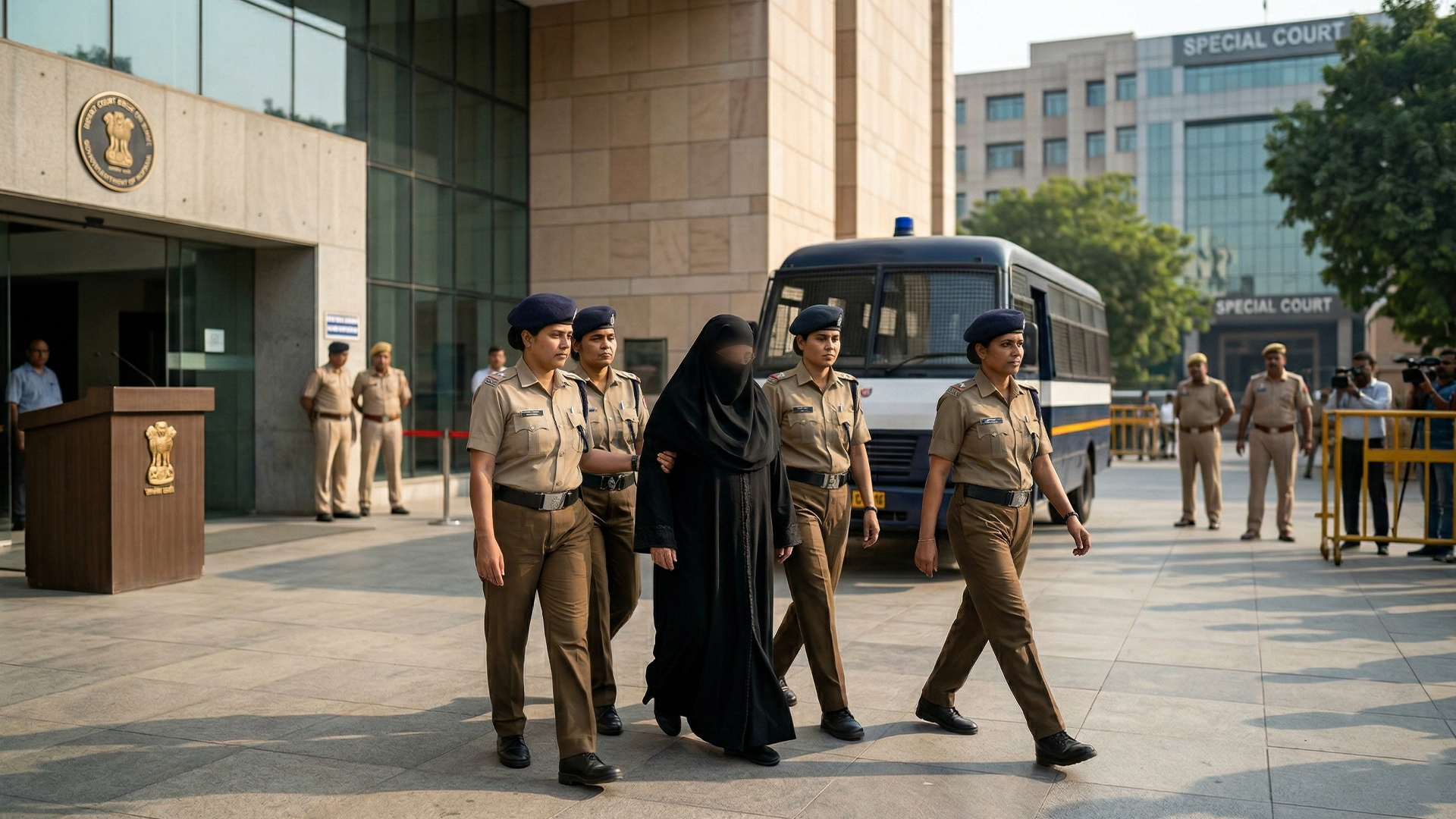
A Delhi court has sentenced Kashmiri separatist leader Asiya Andrabi to life imprisonment in a case under the Unlawful Activities (Prevention) Act (UAPA). The judgment follows a long investigation into activities linked to separatism in Jammu and Kashmir.

Asiya Andrabi is the head of Dukhtaran-e-Millat, a banned group. The court held her guilty of charges such as conspiracy, promoting separatist ideas, and actions considered harmful to India’s unity and sovereignty.

The case was investigated by the National Investigation Agency (NIA). According to the agency, Andrabi used speeches, public appearances, and her organisation to spread messages against the Indian state and encourage unrest in the region.

Two of her associates, Sofi Fehmeeda and Nahida Nasreen, were also found guilty in the case. The court sentenced both of them to 30 years in prison for their involvement.

The court observed that the actions of the accused were part of a larger effort to separate Jammu and Kashmir from India. It stated that such activities posed a serious threat to the country’s integrity and could not be taken lightly.

Asiya Andrabi was arrested in 2018 and has been in custody since then. The case has been closely watched as part of broader efforts to deal with separatist movements in the region.

The Unlawful Activities (Prevention) Act is a strict law used to handle cases related to terrorism, unlawful activities, and threats to national security. Authorities often use it in cases involving separatist groups.

Also Read: Lebanon asks Iran envoy to leave

Centre rules out fuel shortage

No shortage of petrol, diesel. LPG supply given priority

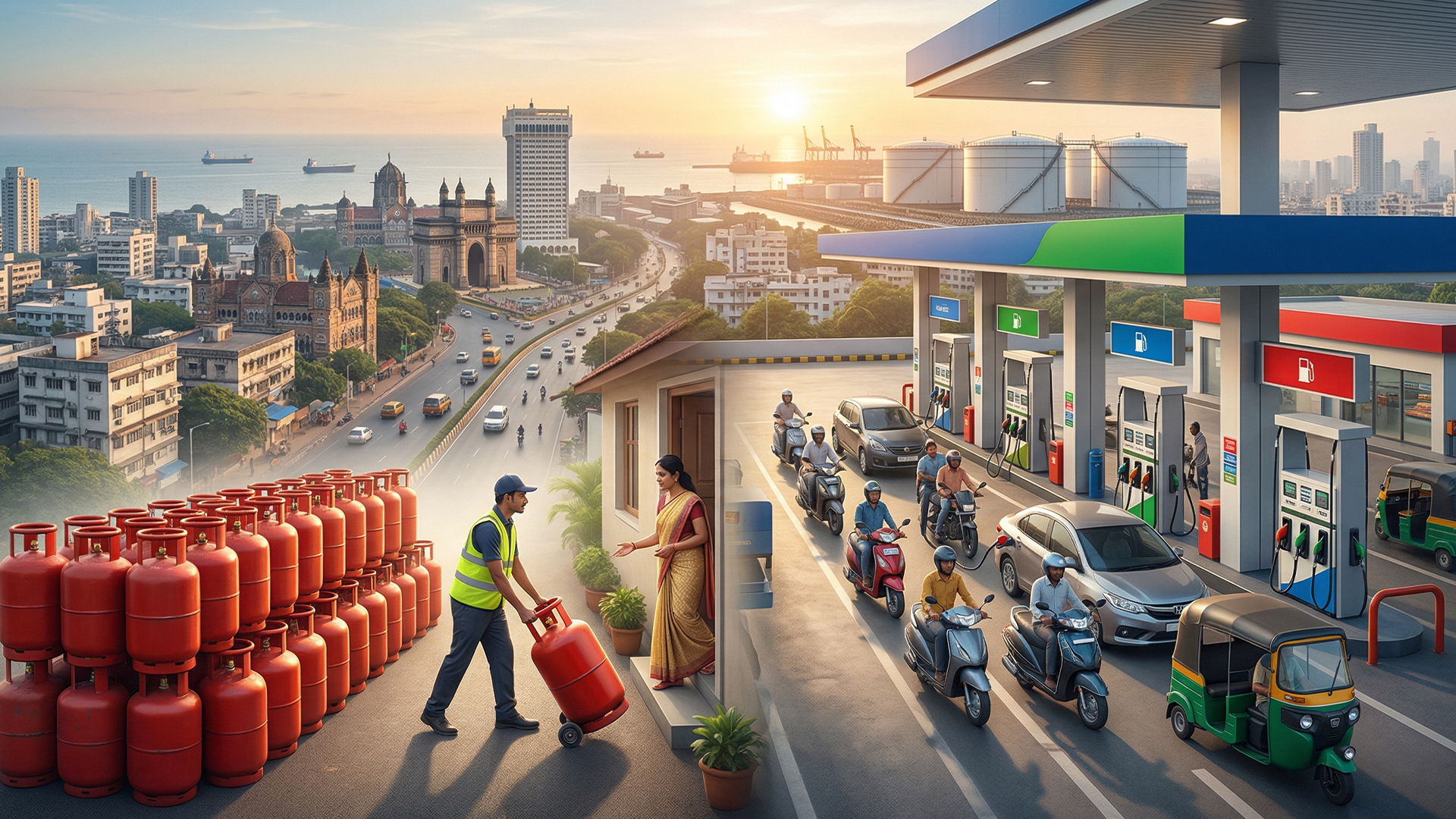
The Centre has assured that fuel supplies remain stable across the country, dismissing concerns of any shortage amid global uncertainties linked to the West Asia situation.

Officials said there are sufficient stocks of petrol and diesel, and refineries are functioning at full capacity to meet demand. The government stressed that supply chains are operating smoothly and urged citizens not to engage in panic buying.

Special focus has been placed on ensuring uninterrupted availability of LPG for households. Authorities said domestic cooking gas supply is being prioritised, with steps taken to maintain steady production and timely distribution of cylinders.

The government is also closely monitoring logistics, including transportation and delivery networks, to avoid any disruptions. Measures are in place to prevent hoarding and black marketing, particularly of LPG cylinders, through strict enforcement.

Meanwhile, state-run oil company Bharat Petroleum Corporation Limited (BPCL) has reiterated that there is no shortage of fuel. The company urged the public to remain calm and avoid rushing to fuel stations based on rumours.

BPCL officials said fuel supply systems are functioning normally and stocks are being replenished regularly, even in areas witnessing higher demand. They warned that panic buying could create unnecessary pressure and disrupt otherwise stable supply conditions.

The Centre has advised people to rely on official communication and avoid reacting to unverified claims. With adequate reserves and systems in place, the government said it is well prepared to ensure uninterrupted fuel availability.

The reassurance comes as concerns grew due to global geopolitical tensions affecting energy markets. Officials noted that misinformation has contributed to anxiety, leading to a surge in demand at some fuel outlets.

Also Read: Kamal Haasan’s MNM opts out, supports DMK

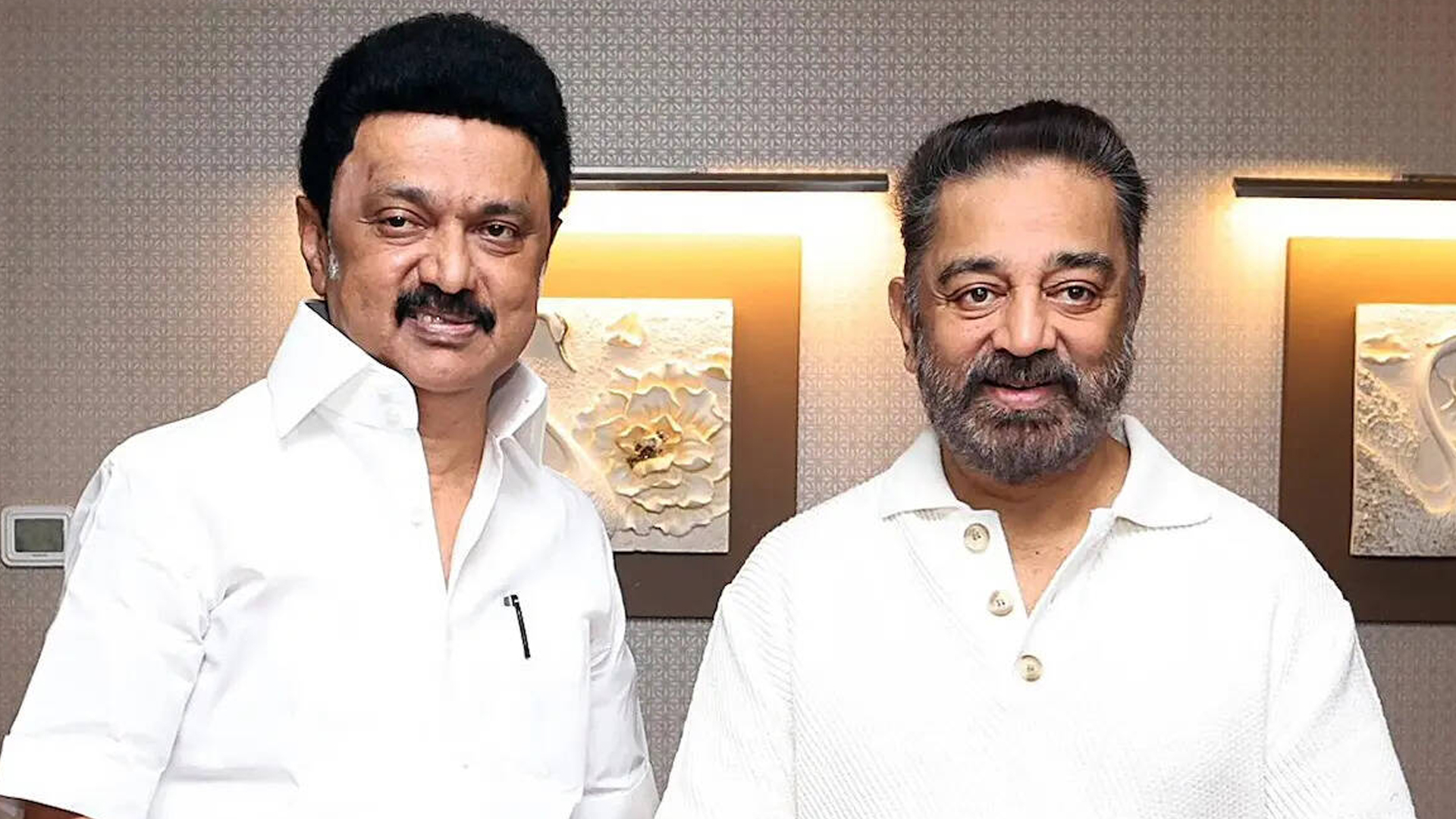
Kamal Haasan’s MNM opts out, supports DMK

Actor-politician Kamal Haasan’s party, Makkal Needhi Maiam (MNM), has decided to stay out of the 2026 Tamil Nadu Assembly elections and instead extend support to the DMK-led alliance.

Actor-politician Kamal Haasan’s party, Makkal Needhi Maiam (MNM), has decided to stay out of the 2026 Tamil Nadu Assembly elections and instead extend support to the DMK-led alliance.

The decision follows unsuccessful seat-sharing discussions between MNM and the DMK. Sources indicate that the party was offered limited seats and asked to contest under the DMK’s symbol, which MNM did not agree to, leading to its withdrawal from the electoral contest.

Announcing the move, Haasan said MNM would offer full support to the DMK-led front, stressing that political engagement goes beyond contesting elections. He highlighted the importance of working collectively for governance, public welfare and strengthening democratic principles.

He also indicated that MNM leaders and cadre would actively campaign for alliance candidates during the election, signalling continued political involvement despite not being in the fray.

This is not the first time MNM has taken such a stance. In previous elections, including the 2024 Lok Sabha polls, the party had chosen to back the DMK alliance instead of contesting independently, reflecting a growing alignment between the two sides.

The ruling DMK has welcomed MNM’s decision, viewing it as a positive step that could strengthen the alliance’s position ahead of the polls. With key parties finalising their strategies, the development adds a new dimension to Tamil Nadu’s electoral landscape.

Tamil Nadu is scheduled to go to polls in April 2026, with major alliances gearing up for a competitive contest. MNM’s decision to step aside is expected to help consolidate votes within the DMK-led front.

As the election approaches, the focus now shifts to campaigning and alliance coordination, with MNM set to play a supporting role rather than directly contesting seats.

Also Read: Congress told to vacate Delhi offices