rotating globe
3 Apr 2026


Apple’s WWDC 2026 aims at AI upgrades

The annual developer conference in June promises iOS 27, AI upgrades, and a major leap for Siri

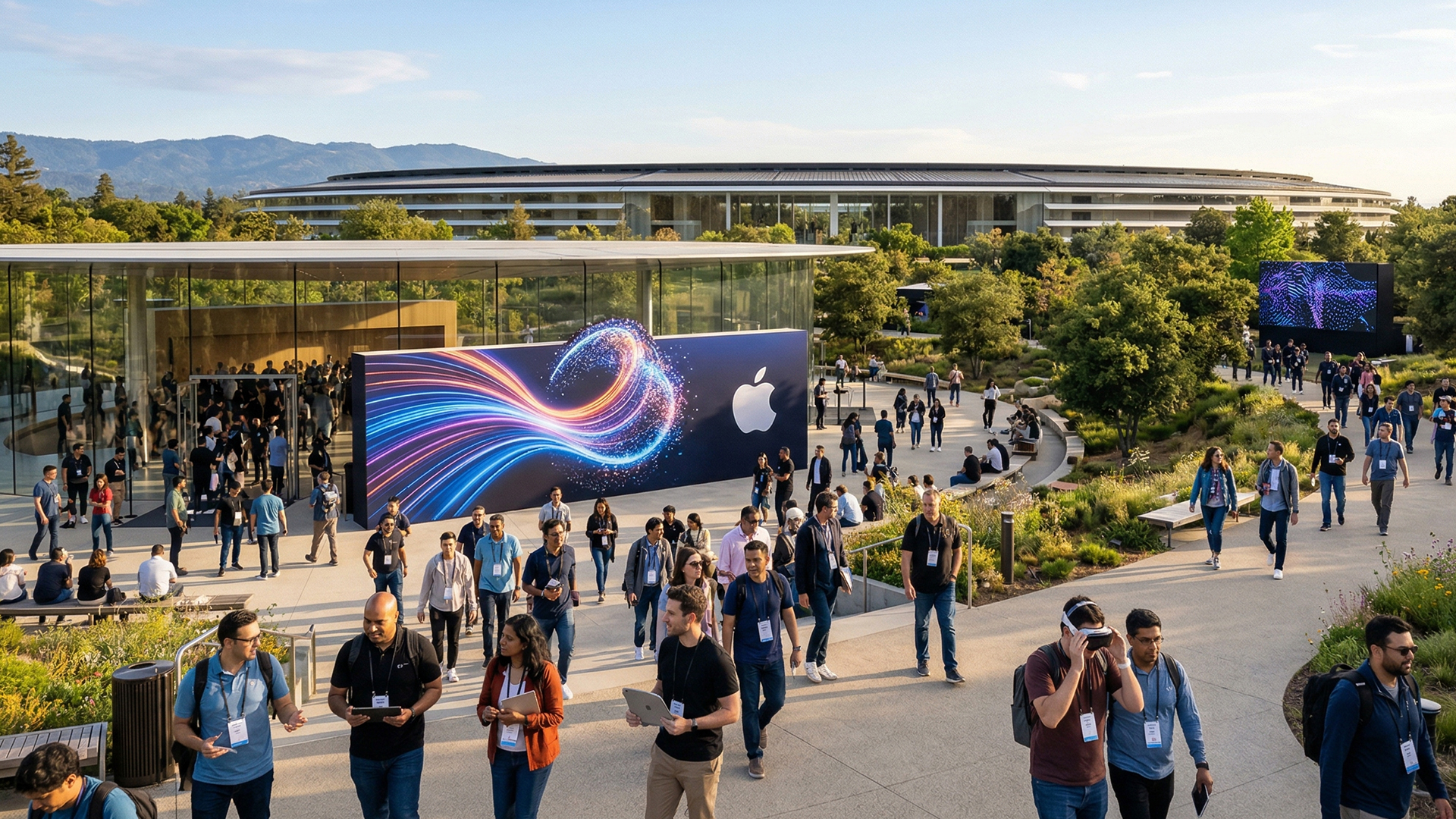
Apple has officially announced that its Worldwide Developers Conference (WWDC) 2026 will take place from June 8 to June 12, with the opening keynote at Apple Park in California and live-streamed for viewers worldwide.

WWDC is Apple’s biggest event for developers, showcasing updates for iOS, macOS, iPadOS, watchOS, and tvOS, along with new tools, frameworks, and services. This year, the focus is expected to be artificial intelligence and a much-improved Siri.

The upcoming iOS 27 is likely to bring AI-driven features designed to make Apple devices smarter and more intuitive. The most anticipated highlight is a major upgrade to Siri, which has lagged behind other AI assistants in recent years. The new Siri is expected to understand context better, hold more natural conversations, and feel significantly more “intelligent,” signaling Apple’s push to modernize its AI capabilities.

In addition to software updates, developers can expect enhancements to macOS and other Apple platforms, along with refreshed tools for app creation. While hardware announcements are possible, the spotlight will largely remain on software and AI features.

Apple will continue its hybrid model, offering both in-person sessions and online access through the Apple Developer app and website, making it accessible to developers and enthusiasts worldwide.

Also Read: Apple WWDC 2026 set for June 8

Rupee near 93.71 due to global tensions

Weak sentiment, foreign outflows keep pressure despite slight oil relief

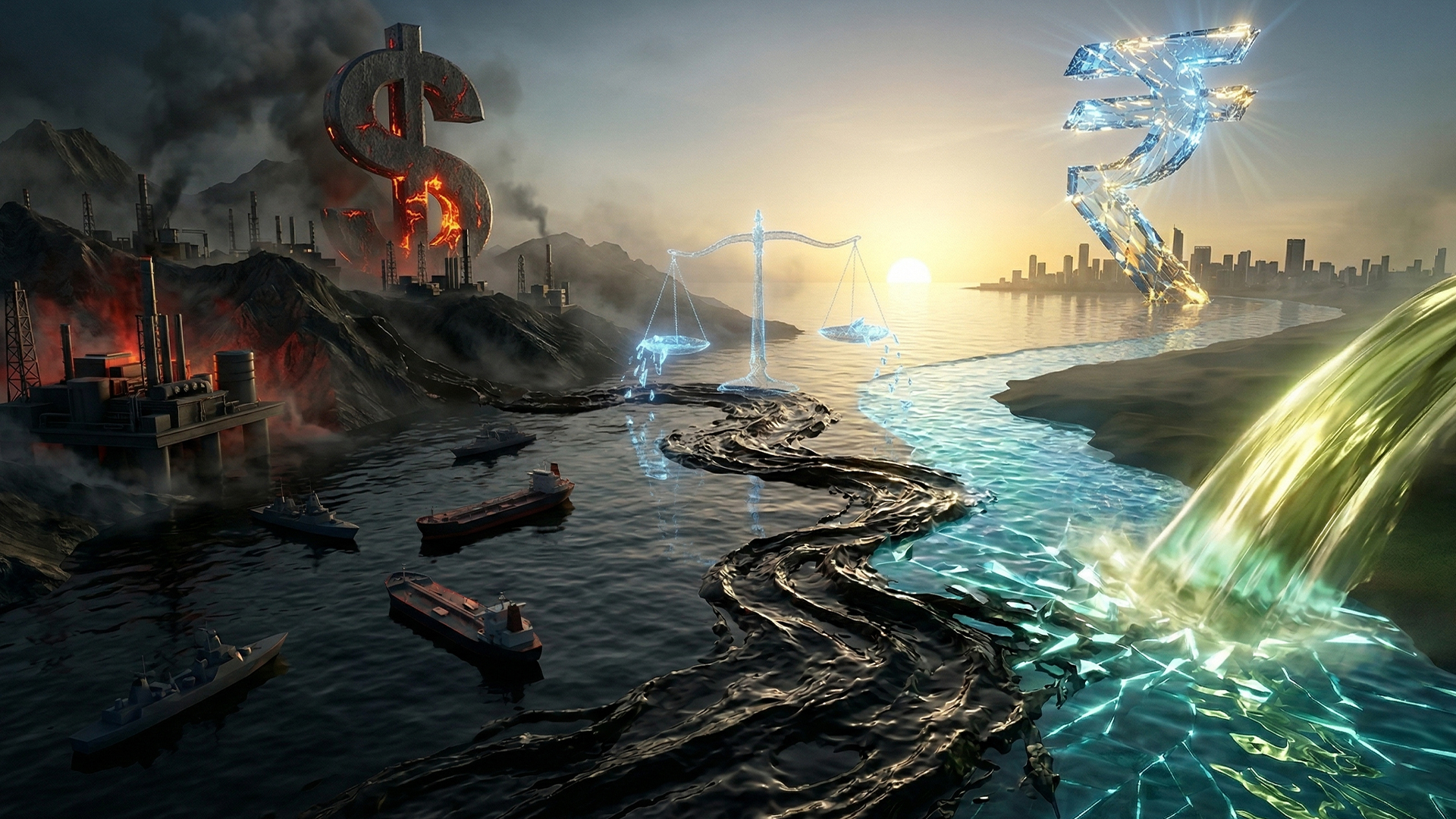
Rupee continued to trade under pressure, opening 18 paise lower at 93.71 against the US dollar, after briefly slipping past the 94 mark earlier in the week. The currency’s movement reflects ongoing instability in global markets, driven largely by geopolitical tensions and cautious investor sentiment.

Pressure on the rupee has been building due to uncertainty surrounding the Middle East situation. During such periods, global investors tend to move towards safer currencies like the US dollar, strengthening it while weakening emerging market currencies such as the rupee.

A key concern for the Indian currency has been the fluctuation in crude oil prices. As a major oil importer, India is directly affected by rising prices, which increase the demand for dollars and widen the trade deficit. This has been one of the main reasons behind the rupee’s recent weakness.

However, there was a brief pause in the downward trend as oil prices eased slightly. This followed indications of possible diplomatic talks involving the United States and Iran. Softer oil prices usually support the rupee by reducing import costs and easing inflation pressures. Yet, uncertainty persists after Iran rejected the possibility of negotiations, limiting any strong recovery in the currency.

Adding to the pressure are continued foreign fund outflows from Indian markets. Investors have been pulling money out amid global volatility, which increases demand for the dollar and weakens the rupee further. At the same time, the US dollar remains firm, supported by global risk aversion and relatively higher returns.

Market participants are also watching domestic indicators, though global cues remain the dominant driver. Analysts expect the rupee to remain volatile in the near term, reacting quickly to changes in oil prices and geopolitical developments.

Also Read: Iran threatens Hormuz closure after Trump’s ultimatum

Madras HC orders Gautham Menon to refund ₹4.25 cr

Filmmaker must repay financier in long-running dispute over unmade Tamil film

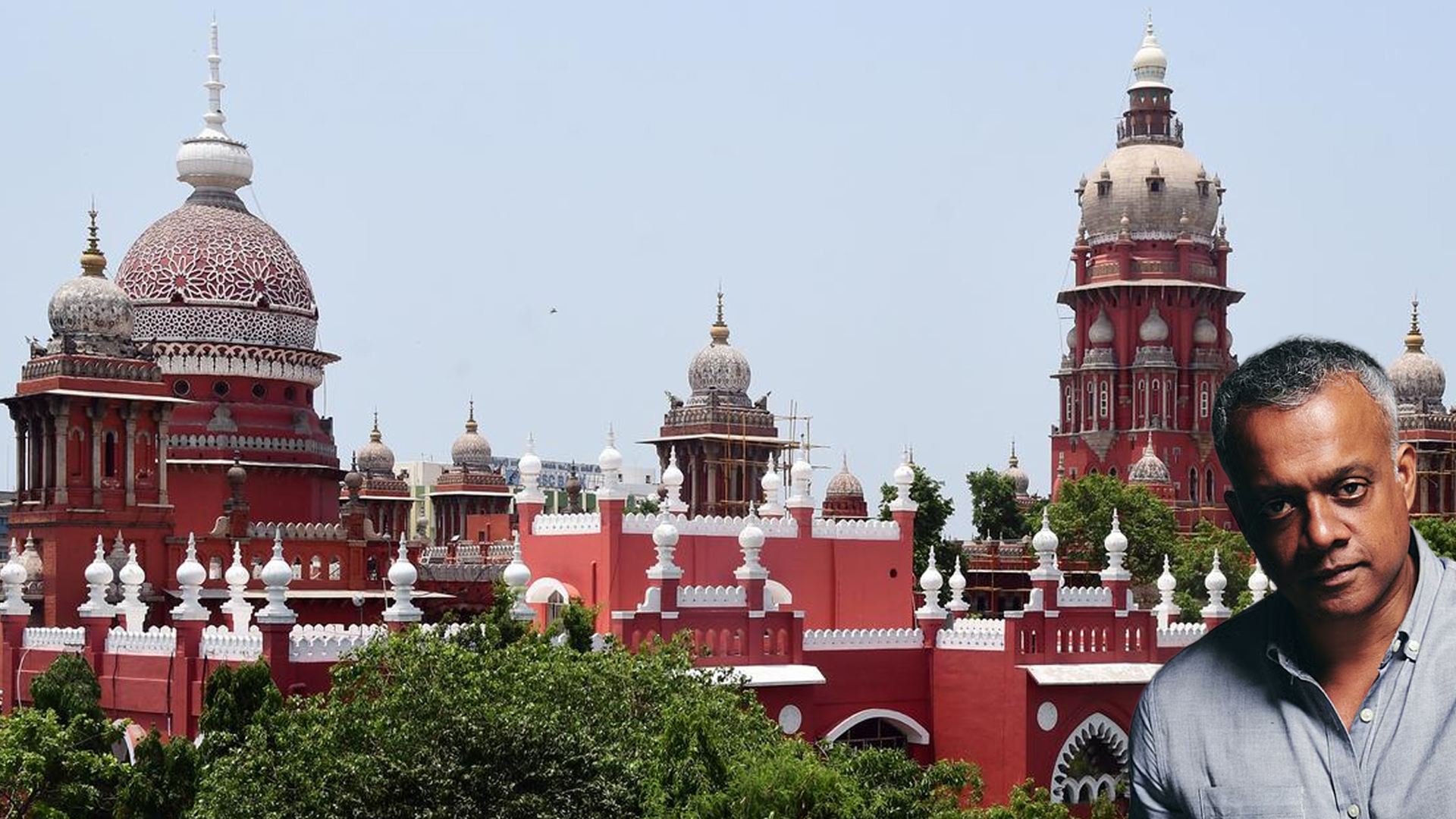
The Madras High Court has directed filmmaker Gautham Vasudev Menon and his production company, Photon Factory, to refund ₹4.25 crore with 12% annual interest to RS Infotainment, closing a legal battle over an unmade Tamil film that has lasted more than a decade.

A Division Bench of Justices P. Velmurugan and K. Govindarajan Thilakavadi dismissed Menon’s appeal against a 2022 single‑judge ruling, upholding the earlier judgment that favored RS Infotainment. The court concluded there was no reason to interfere with the previous order.

The dispute dates back to 2008, when RS Infotainment agreed to finance a film, referred to as “Production No.6.” The project was scheduled to begin in December 2008 and be completed by April 2009, with total funding of ₹13.5 crore. RS Infotainment advanced ₹4.25 crore to Menon’s company, but the film never went into production.

RS Infotainment later filed a civil suit claiming breach of contract, seeking repayment of the money it had advanced along with interest. They argued that despite providing significant funds, the production never began and no tangible progress was made.

Menon and Photon Factory countered that the project faced delays because RS Infotainment failed to make scheduled payments. They also stated that the funds already received had been used for production-related expenses, including payments to actors, technicians, and other costs.

However, both the single judge and the Division Bench ruled that the financier was entitled to recover the money since the agreed work had not started. The court ordered Menon and his company to refund the ₹4.25 crore along with interest until full repayment is made.

Also Read: Scientists unlock secrets of Moon’s titanium‑rich rocks

Actor Mohanlal moves court against deepfake misuse

Actor seeks legal protection over unauthorised use of his image, voice, and identity in AI-generated content

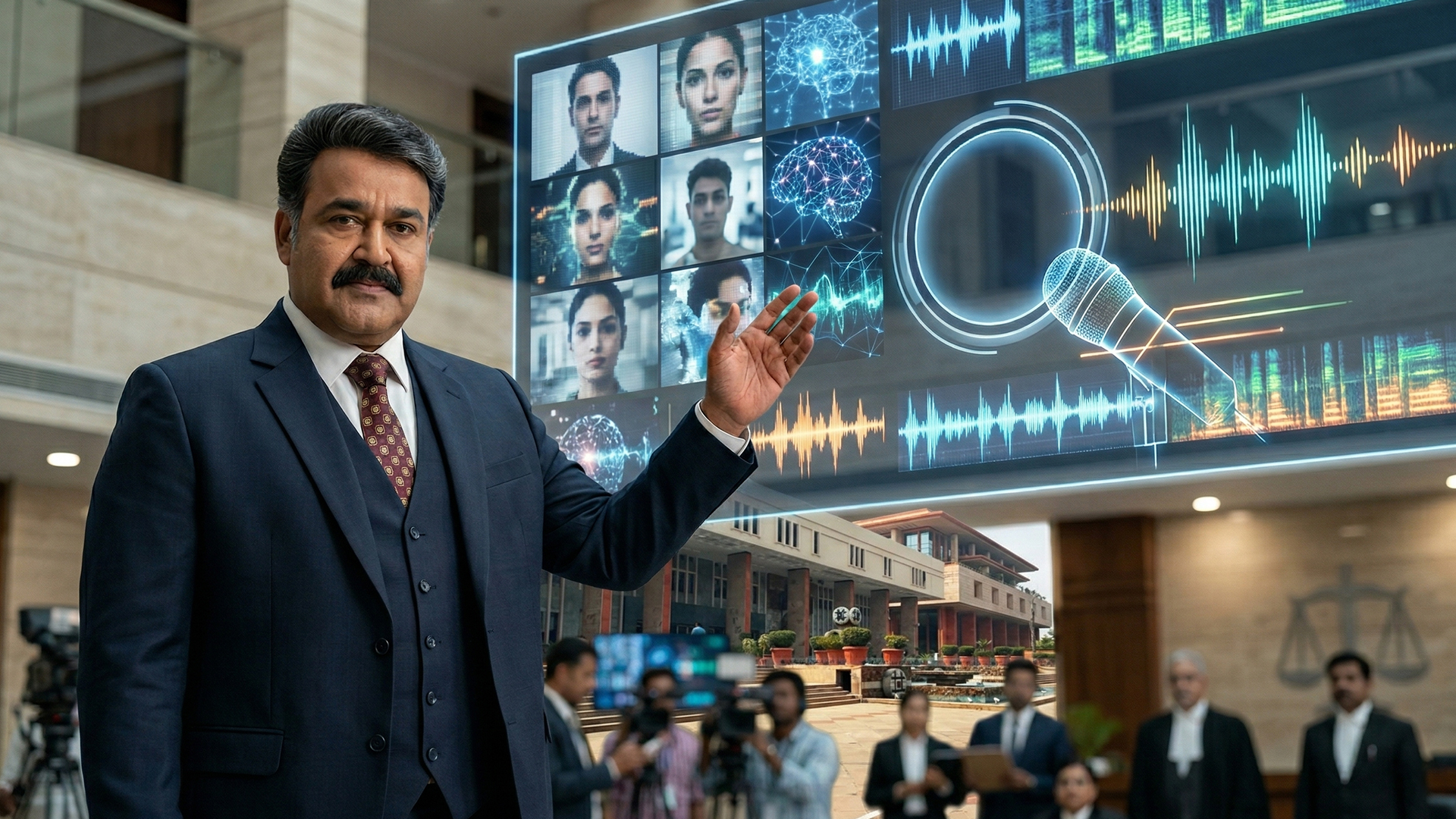
Malayalam superstar Mohanlal has approached the Delhi High Court to stop the unauthorised use of his name, image, and voice, raising concerns over AI-generated deepfake content.

In his petition, the actor asked the court to prevent individuals and companies from exploiting his identity without consent, particularly in online media, advertisements, and artificial intelligence content. Mohanlal pointed out that deepfake technology has increasingly been used to create misleading videos and advertisements featuring celebrities, often for financial gain.

The petition states that such misuse violates his personality rights, misleads the public, and can harm his reputation. He highlighted instances where his images and voice were used without permission in fake promotional material.

Mohanlal’s plea is expected to be heard by a bench led by Justice Jyoti Singh. He has requested clear legal safeguards to protect his identity online and to hold violators accountable under India’s information technology and intellectual property laws.

Mohanlal’s case reflects a growing trend of public figures in India seeking legal protection against the digital misuse of their identity. Several actors have filed similar petitions in recent years, highlighting the need for stricter regulations on AI-generated content and personality rights.

Also Read: Germany looks to India to fill critical workforce gaps

Scientists unlock secrets of Moon’s titanium‑rich rocks

Discovery could guide Chandrayaan‑4 mission to the most valuable lunar samples

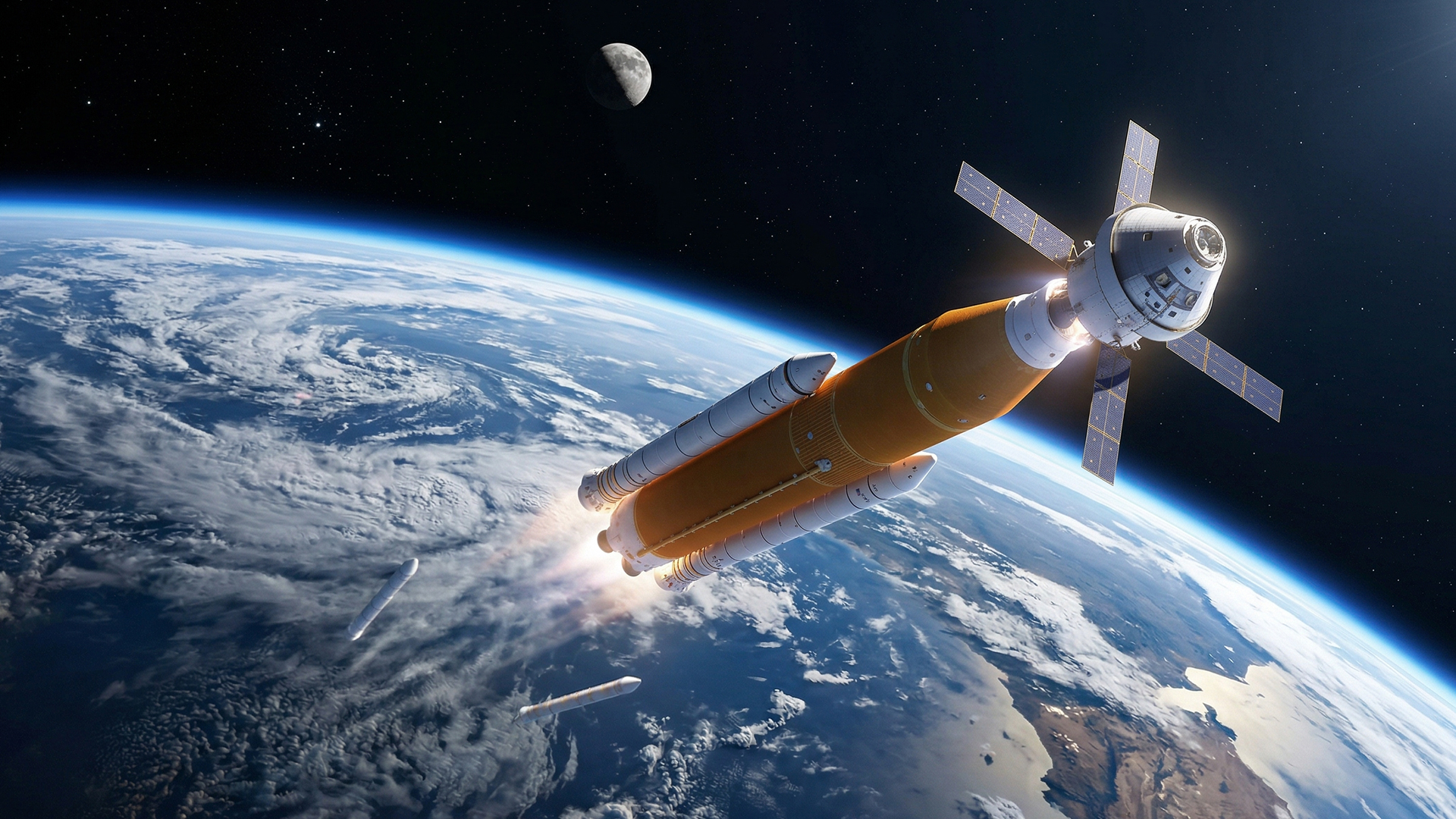
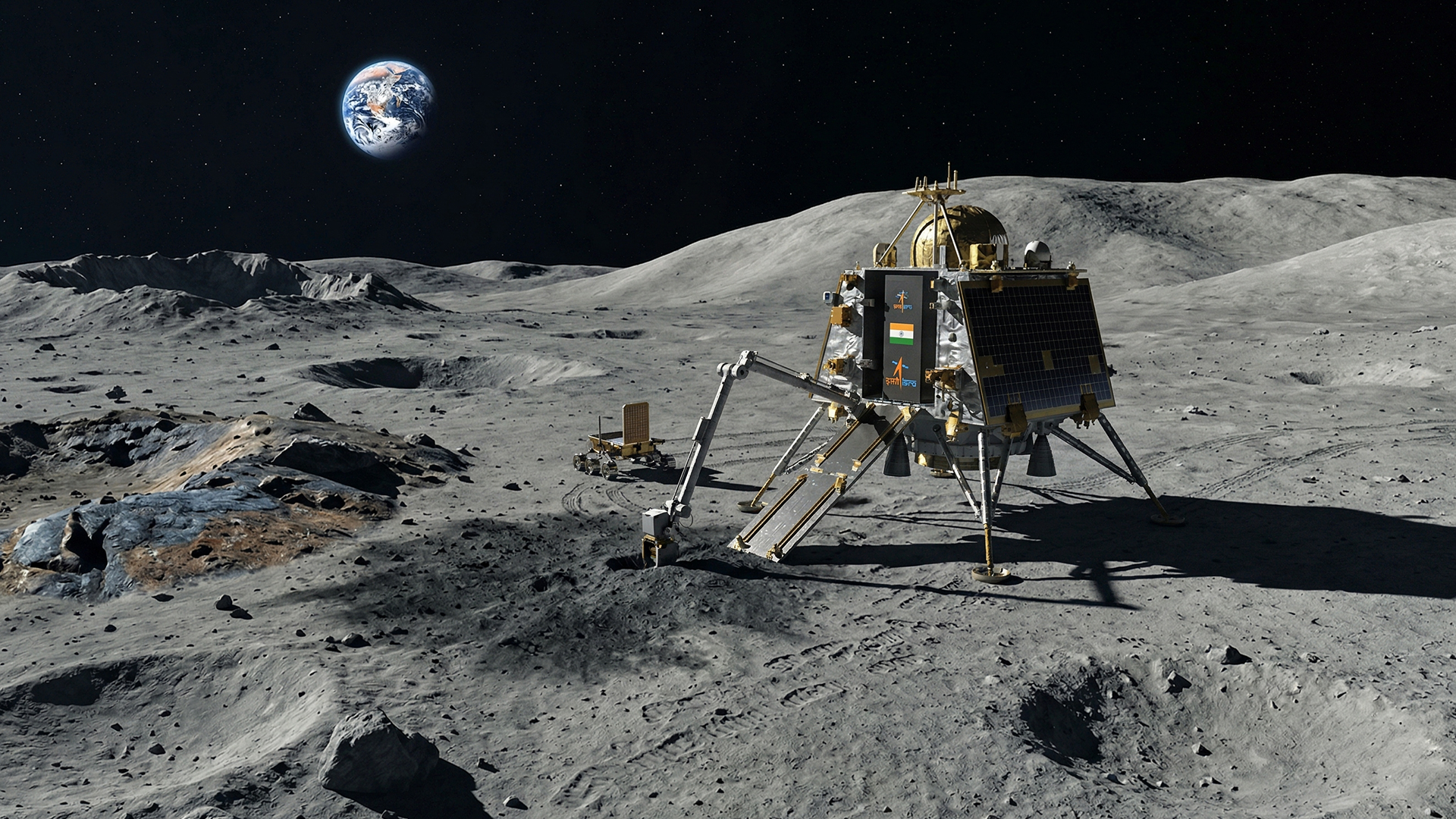
A team of Indian scientists has taken a giant leap in understanding the Moon’s ancient past, uncovering how some of its rarest rocks formed deep beneath the surface. Researchers from IIT Kharagpur and the Physical Research Laboratory (PRL) have studied titanium‑rich lunar rocks, a discovery that could shape India’s upcoming Chandrayaan‑4 mission.

These rocks, called ilmenite‑bearing cumulates (IBC), formed over 4.3 billion years ago, when the Moon was still molten and covered by a vast “magma ocean.” As the molten rock slowly cooled, heavier minerals sank while lighter materials floated upward, creating layers of different compositions. The titanium‑rich rocks found today are remnants of this ancient process.

To better understand how these rocks formed, the scientists recreated extreme lunar conditions in their lab, exposing samples to pressures over 3 gigapascals and temperatures above 1,500 °C. Their experiments showed how these ancient rocks partially melted and interacted with the surrounding lunar mantle, producing magmas that eventually reached the surface as titanium‑rich basalts.

One intriguing insight was that temperature played a key role. At higher temperatures, titanium‑rich magma could form directly, while at lower temperatures, it needed more time to evolve before reaching the surface. This explains why the Moon’s surface today shows such a diverse range of rock compositions.

The findings are more than just academic. They provide a roadmap for India’s Chandrayaan‑4, the country’s first sample‑return mission. Knowing where these valuable rocks are likely to be located helps mission planners choose landing sites, design instruments, and prioritize which samples to bring back to Earth.

Also Read: US eyes Iran’s Ghalibaf as possible negotiation partner

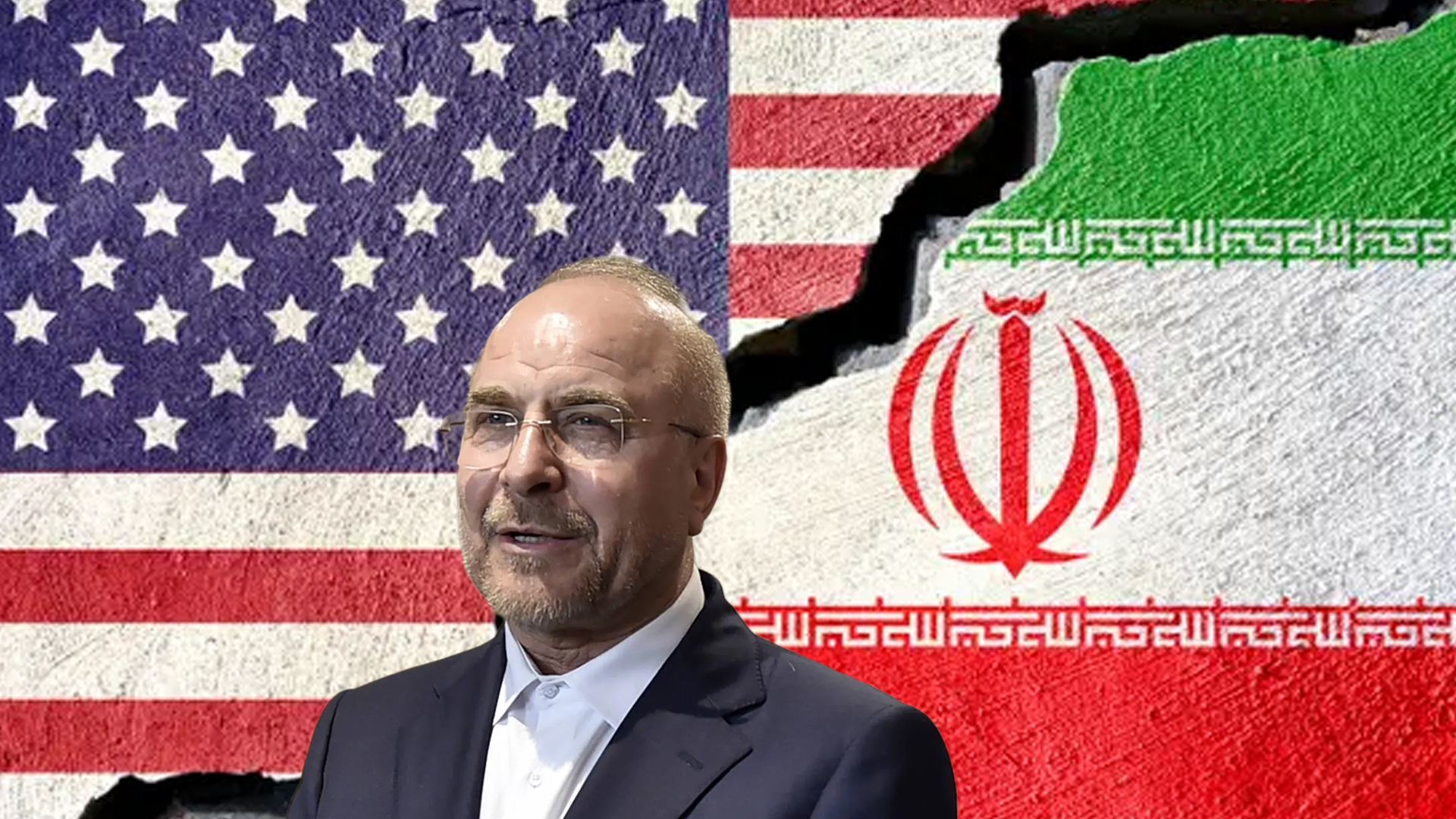
US eyes Iran’s Ghalibaf as negotiation partner

Parliament speaker seen as potential diplomatic interlocutor amid rising tensions

The Trump administration is reportedly considering Iran’s Parliament Speaker Mohammad Bagher Ghalibaf as a possible partner for negotiations, reflecting a search for diplomatic channels amid ongoing tensions between Washington and Tehran. US officials describe him as a “workable partner” who could engage with American representatives, though no formal talks have been confirmed.

Ghalibaf, 64, is a conservative politician with years of experience, including multiple presidential campaigns. He currently serves as speaker of Iran’s Islamic Consultative Assembly, giving him substantial influence over legislative decisions and policy direction. Analysts say his position could make him a key figure if diplomatic efforts with the US were to advance.

The reported interest comes as US–Iran relations remain tense, with military standoffs and sanctions dominating headlines. While Washington explores potential engagement, Tehran has not publicly acknowledged any negotiations, and senior Iranian officials have repeatedly denied formal talks with the United States.

Experts caution that Iran’s political system is complex, with multiple centers of power influencing policy. Any negotiations would require broad consensus among political and security leaders, making diplomatic progress challenging. Still, Ghalibaf’s perceived willingness to engage has attracted attention in US policy circles as a potential avenue for easing tensions.

Ghalibaf belongs to the conservative Principlist faction, which has historically taken a firm stance against the US. However, his pragmatism and political experience make him a figure Washington sees as capable of bridging communication gaps without undermining Tehran’s internal politics.

While details remain limited and unconfirmed by either government, the focus on Ghalibaf underscores a subtle shift in US strategy toward exploring dialogue, even as tensions and uncertainty persist in the region.

Also Read: Air Canada crashes at LaGuardia airport, New York

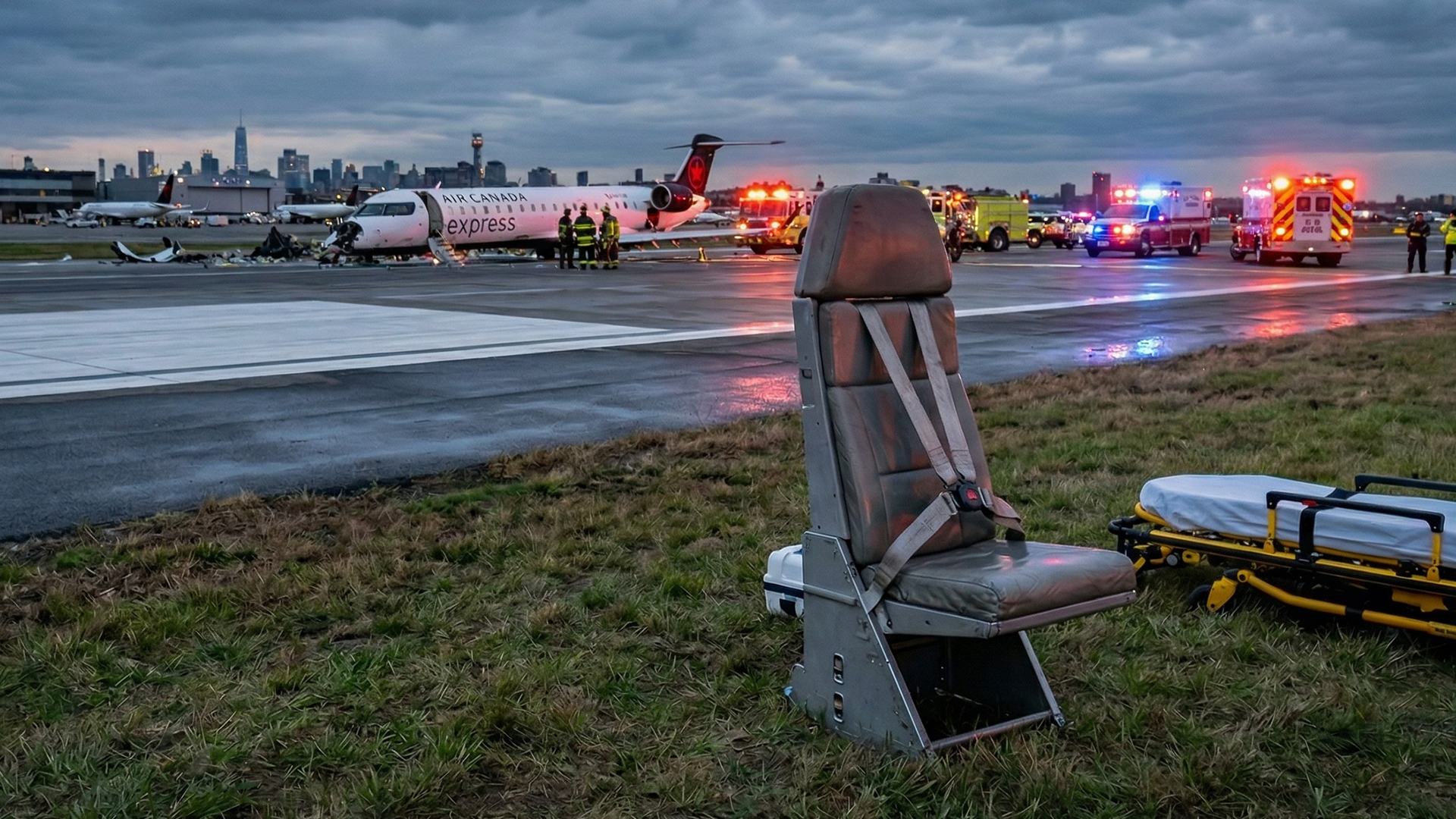
Air Canada crashes at LaGuardia airport, New York

Two pilots killed, dozens injured while flight attendant miraculously survives being thrown from plane

A deadly accident unfolded at New York’s LaGuardia Airport when an Air Canada Express Bombardier CRJ‑900 jet struck a fire truck while landing, killing both pilots and injuring dozens of passengers and crew. Remarkably, a lead flight attendant survived after being thrown over 300 feet from the aircraft while still strapped into her jump seat.

The flight, operating as Air Canada Express 8646 from Montréal, carried 72 passengers and four crew members. The collision occurred late on March 22 when a Port Authority fire truck crossed the active runway to respond to another emergency. The arriving jet hit the vehicle at high speed, destroying the cockpit and nose section.

The two pilots died instantly. At least 39 passengers and crew suffered injuries, with nine in serious condition, while two firefighters were also hurt. Emergency teams quickly evacuated everyone from the wreckage, and hospitals treated the injured.

Lead flight attendant Solange Tremblay endured a “miraculous” survival, being thrown from the plane yet remaining secured in her jump seat harness. She suffered multiple fractures, including a severe leg injury, but survived and was taken to hospital for surgery. Family members called her survival a “total miracle.”

The airport was temporarily closed for several hours as investigators from the U.S. National Transportation Safety Board (NTSB) and Canadian authorities examined the scene. Preliminary findings suggest miscommunication between air traffic control and ground personnel may have contributed to the runway incursion.

LaGuardia has since resumed operations, with airlines working to restore normal flight schedules. The crash has intensified focus on runway safety and coordination between aircraft and ground vehicles, especially at busy airports.

Authorities continue investigating the incident, and the outcome is expected to influence safety protocols for both air traffic control and emergency response on runways, aiming to prevent similar tragedies in the future.

Also Read: 800+ Lok Sabha seats aim at women’s quota

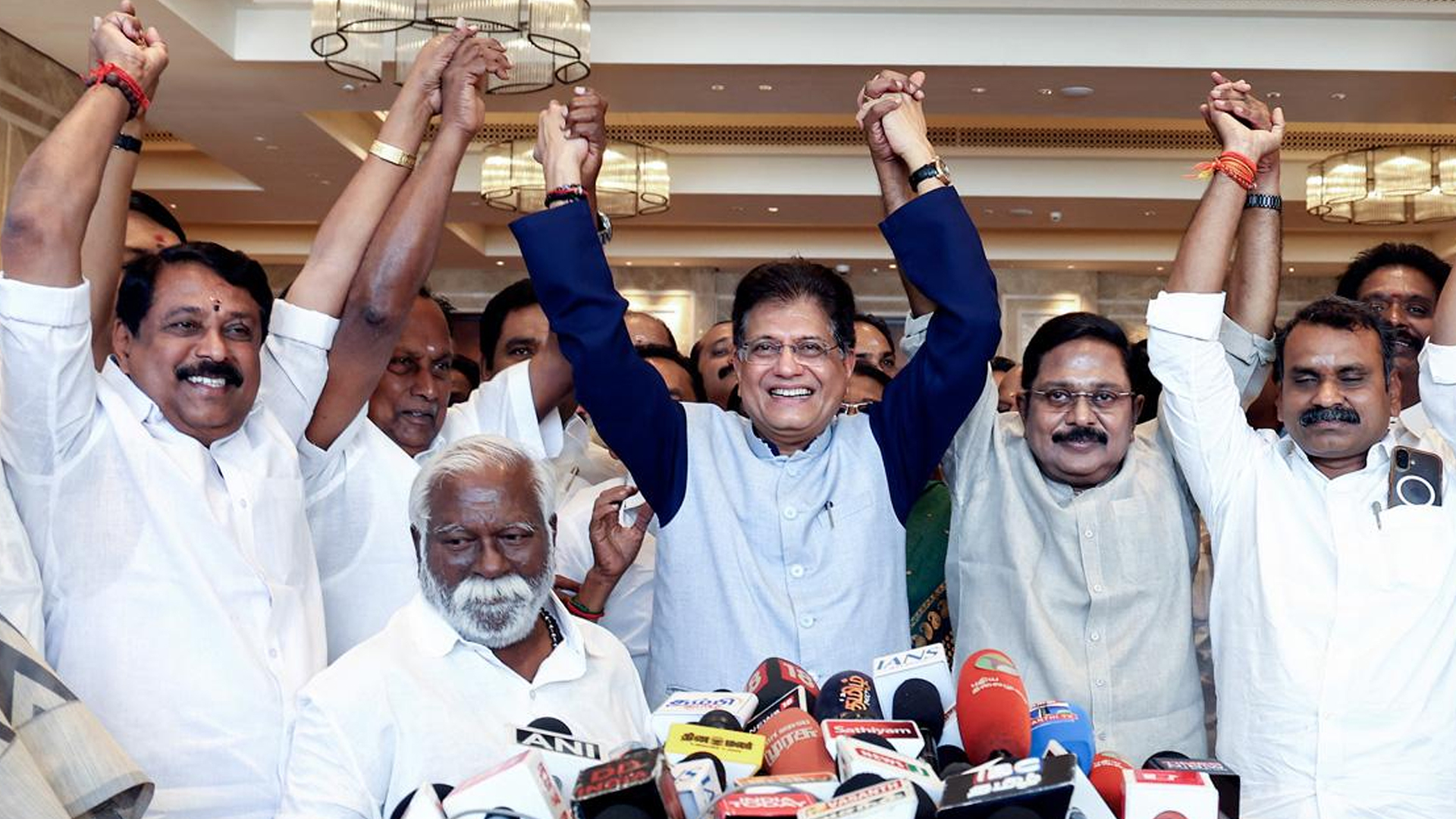
NDA seals Tamil Nadu seat pact

AIADMK gets 178 seats, BJP allies share rest for 2026 polls

The National Democratic Alliance (NDA) has finalised its seat-sharing agreement for the 2026 Tamil Nadu Assembly elections, ending prolonged discussions among its partners. The pact clearly defines how the 234 constituencies in the state will be divided within the alliance.

Under the agreement, the AIADMK will contest 178 seats, taking the largest share and leading the alliance’s campaign in the state. The BJP has been allotted 27 seats, while the PMK will field candidates in 18 constituencies. The AMMK has received 11 seats as part of the arrangement.

The deal was concluded after multiple rounds of negotiations between senior leaders, with a focus on maintaining unity and maximising electoral strength against the ruling DMK-led front. The allocation reflects AIADMK’s dominant role in the alliance, while also ensuring representation for smaller partners.

For the BJP, contesting 27 seats marks a strategic attempt to strengthen its presence in Tamil Nadu, where it has been working to expand its base. Meanwhile, the inclusion of PMK and AMMK is expected to help the alliance tap into key regional and community support across different parts of the state.

With the seat-sharing now settled, the NDA is expected to move quickly into the next phase of election preparation, including candidate selection and campaign planning. The alliance is aiming to present a united front as it gears up for a direct contest with the DMK coalition.

The Tamil Nadu Assembly elections are scheduled for April 2026, and both major alliances have now finalised their seat-sharing deals.

Also Read: 800+ Lok Sabha seats aim at women’s quota

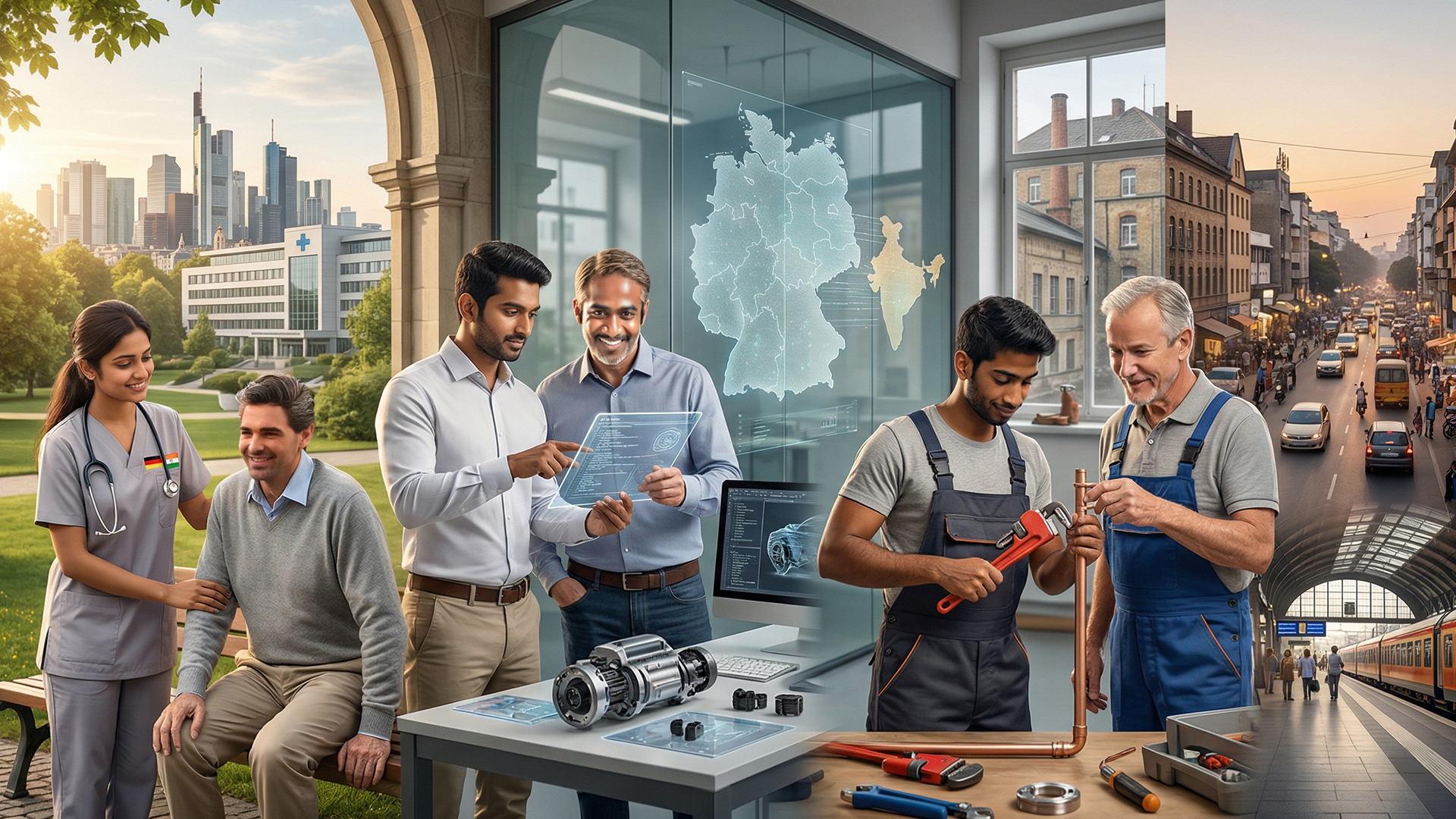
Germany looks to India to fill critical workforce gaps

Ageing population and labour shortages fuel demand for skilled Indians in healthcare, IT, engineering and manufacturing

Germany is facing a serious worker shortage, and it is now turning to India to help fill the gap. As more older employees retire and fewer young people join the workforce, companies across the country are struggling to find enough skilled workers.

This shortage is affecting many important sectors, including healthcare, IT, engineering and manufacturing. In some cases, businesses say they cannot run properly because they simply do not have enough staff. This has made hiring workers from other countries not just an option, but a necessity.

India has become a key partner for Germany in solving this problem. With a large number of young, educated professionals, India offers the kind of talent Germany urgently needs. Indian workers are especially valued for their technical skills and ability to adapt to new environments. Many also speak English, which makes it easier for them to work in international teams.

One of the biggest shortages is in healthcare. Germany needs thousands of nurses and caregivers, and many Indian professionals are stepping in to fill these roles. At the same time, there is strong demand for Indian talent in technology and engineering jobs as well.

To make it easier for Indians to work in Germany, the government has introduced several changes. Visa processes are being made faster, and there are efforts to recognise foreign qualifications more easily. Germany is also offering language training and support programmes to help workers settle into their new lives.

The number of Indians moving to Germany has been rising steadily in recent years, and this trend is expected to continue. Experts say Germany may need millions of workers in the future, making international talent more important than ever.

Also Read: Relief for India as LPG ships clear Hormuz

800+ Lok Sabha seats aim at women’s quota

Centre looks to fast-track reservation ahead of 2029 polls by easing Census-linked conditions

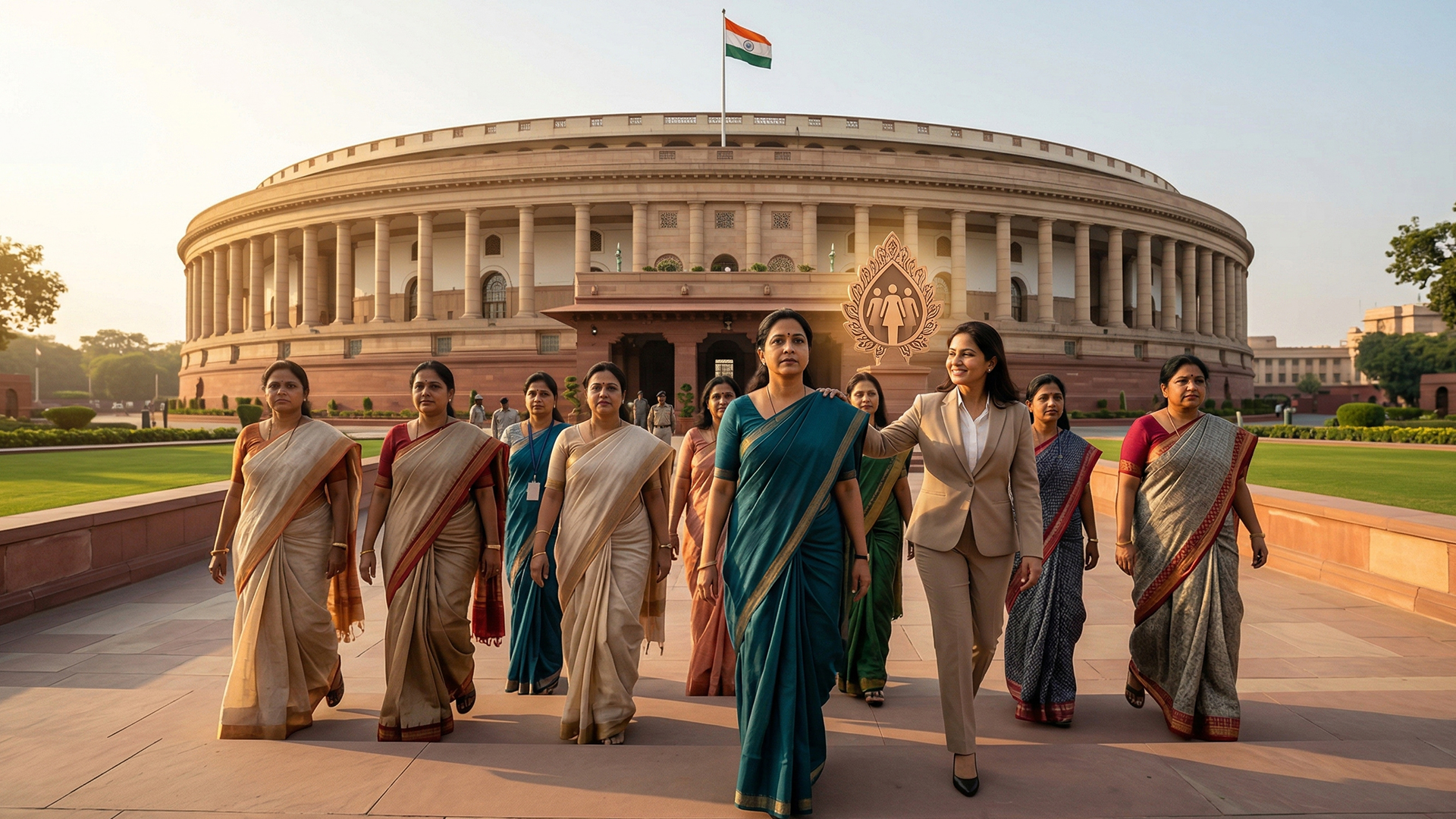
The Union government is exploring a significant overhaul of India’s parliamentary structure to implement 33% reservation for women in the Lok Sabha before the 2029 general elections. The proposal includes increasing the total number of Lok Sabha seats from the current 543 to over 800, with estimates suggesting the strength could go up to around 816.

The expansion is aimed at ensuring that one-third of seats can be reserved for women without affecting sitting Members of Parliament. If implemented, nearly 270 seats could be set aside for women, marking a major step toward improving gender representation in national politics.

The move follows the passage of the Women’s Reservation Act in 2023, which mandates 33% reservation for women in Parliament and state assemblies. However, the law’s implementation was originally linked to the completion of a fresh Census and a delimitation exercise to redraw constituency boundaries. Delays in conducting the Census have slowed progress on the rollout of the quota.

To address this, the Centre is considering delinking the reservation from these processes. One option under discussion is to use existing population data, such as the 2011 Census, to enable earlier implementation. This would allow the government to meet its target of enforcing the quota in time for the 2029 elections.

The plan may require new legislation, including a Delimitation Commission Bill and possible constitutional amendments. The government is expected to seek broader political consensus, as such changes would need support across parties. Consultations with stakeholders have reportedly been stepped up to build agreement on the proposal.

At the same time, the government is mindful of concerns from some states, particularly in the south, about losing representation if seats are redistributed purely based on population growth. Efforts are likely to focus on maintaining a balance in representation while expanding the total number of seats.

If carried out, this would be the first major increase in Lok Sabha strength in decades and could reshape India’s electoral landscape while significantly boosting women’s participation in politics.

Also Read: EC row over BJP seal in Kerala