rotating globe
3 Apr 2026


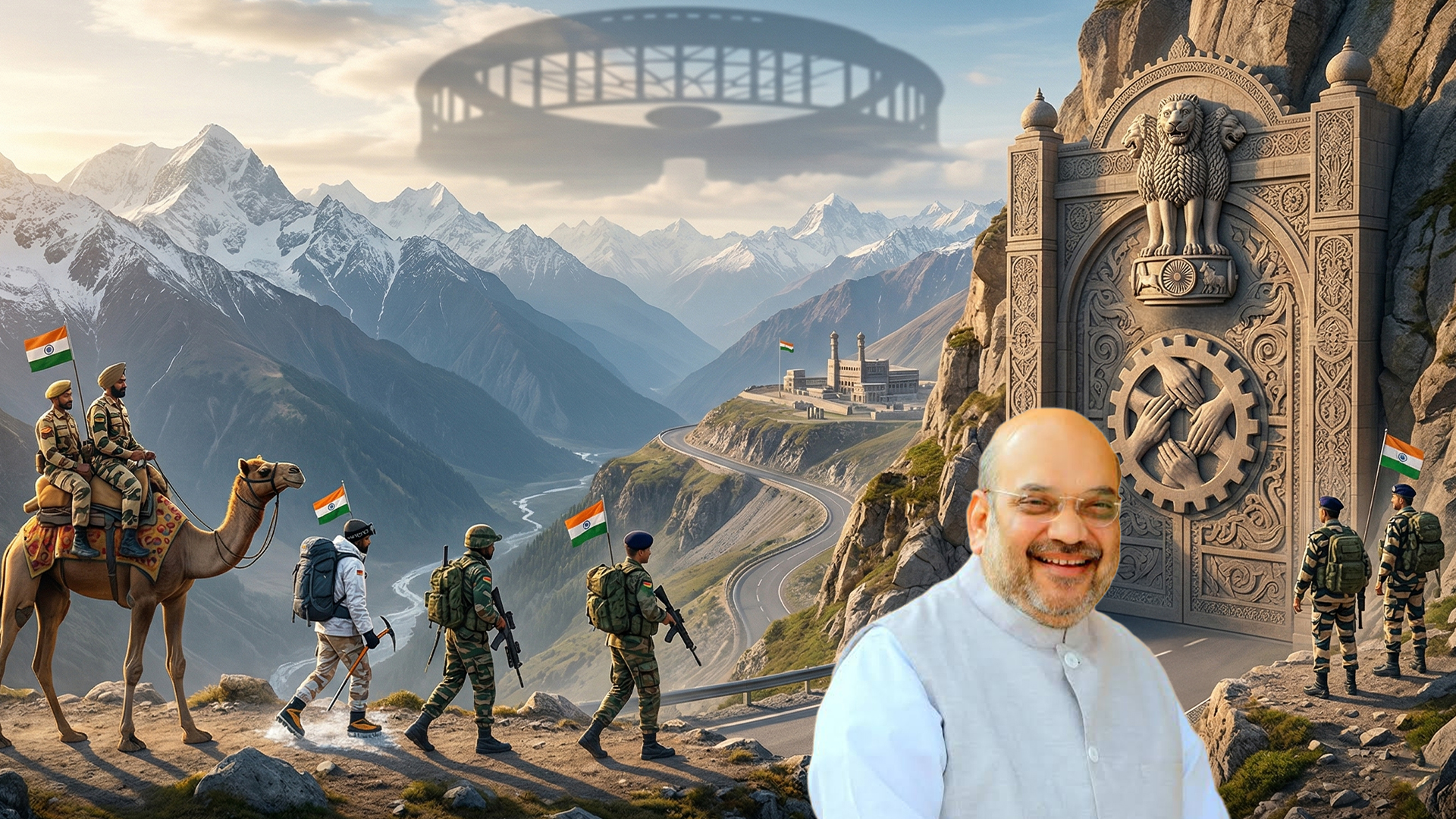
Amit Shah to table CAPF bill in Rajya Sabha

Government proposes common rules for paramilitary forces to improve fairness and efficiency

The Central government is preparing to introduce a new law aimed at overhauling how India’s paramilitary forces are administered. Union Home Minister Amit Shah is expected to present the CAPF (General Administration) Bill, 2026 in the Rajya Sabha, proposing a single framework for all Central Armed Police Forces (CAPFs).

Currently, forces such as the CRPF, BSF, CISF, ITBP, SSB, Assam Rifles, and NSG operate under separate service rules. This fragmented system has often led to inconsistencies in recruitment, promotions, and service benefits, with many personnel raising concerns about unequal career opportunities.

The proposed legislation aims to address these issues by introducing uniform policies across all CAPFs. Officials say this would simplify administration, ensure greater transparency, and create a more structured career path for officers and personnel.

A major point of discussion around the bill is the role of Indian Police Service (IPS) officers in these forces. At present, several senior-level posts in CAPFs are held by IPS officers on deputation. Many CAPF officers have argued that this limits their chances of rising to top positions within their own organisations.

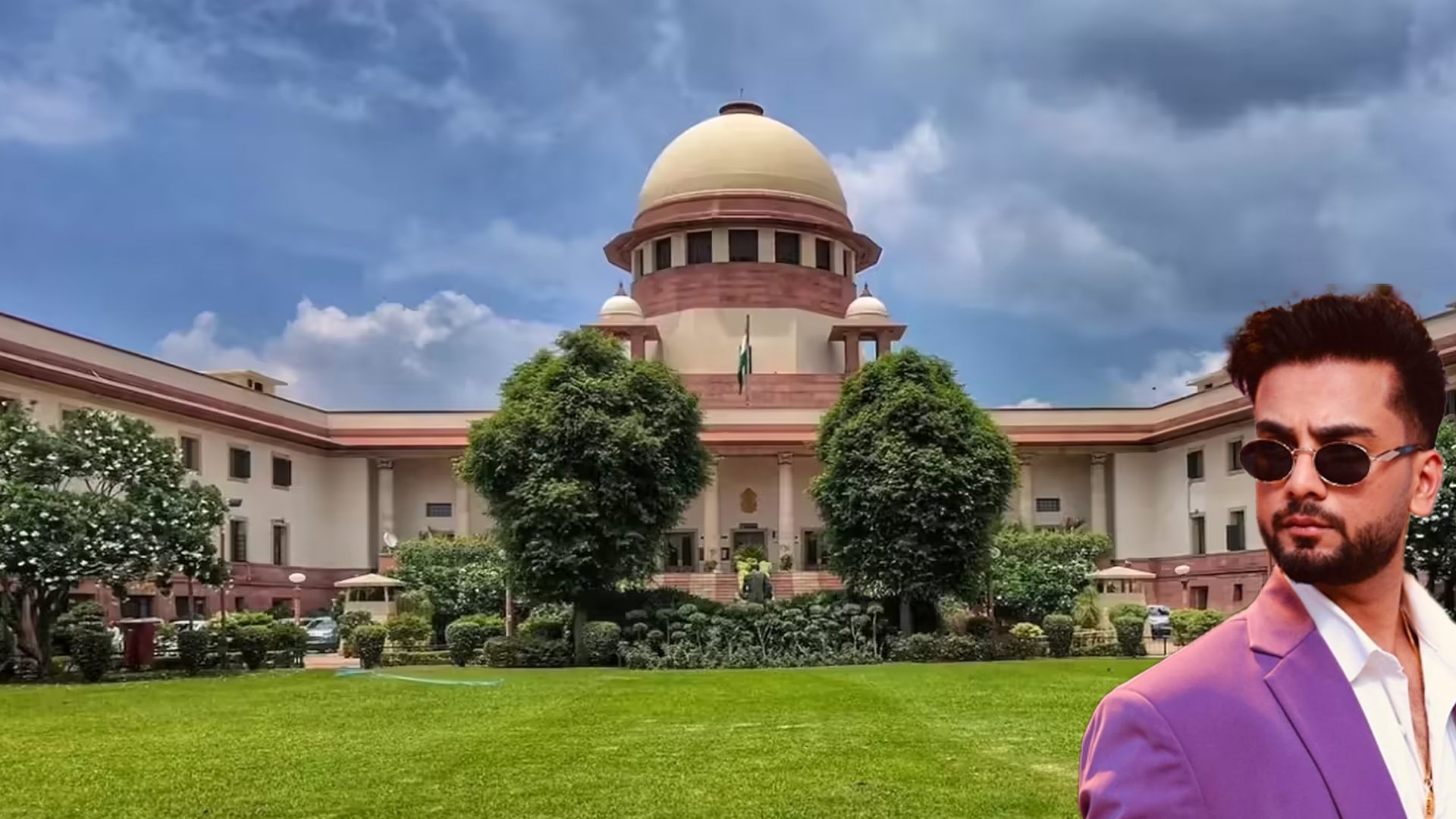
The issue gained prominence after a recent Supreme Court decision granted CAPF officers “Organised Group A Service” status, strengthening their case for better promotion prospects and a more independent cadre structure.

Through the new bill, the government is expected to balance these competing concerns—retaining experienced leadership where needed while also opening up more opportunities for CAPF officers.

The proposal has already received approval from the Union Cabinet, signalling the government’s intent to move ahead with the reform. If passed, the law could bring wide-ranging changes to the functioning of CAPFs, particularly in areas like leadership, service conditions, and internal administration.

Also Read: New tax rules raise HRA, boost perks

60% free seat rule may raise fares

Air India, IndiGo and SpiceJet oppose government mandate on seat selection

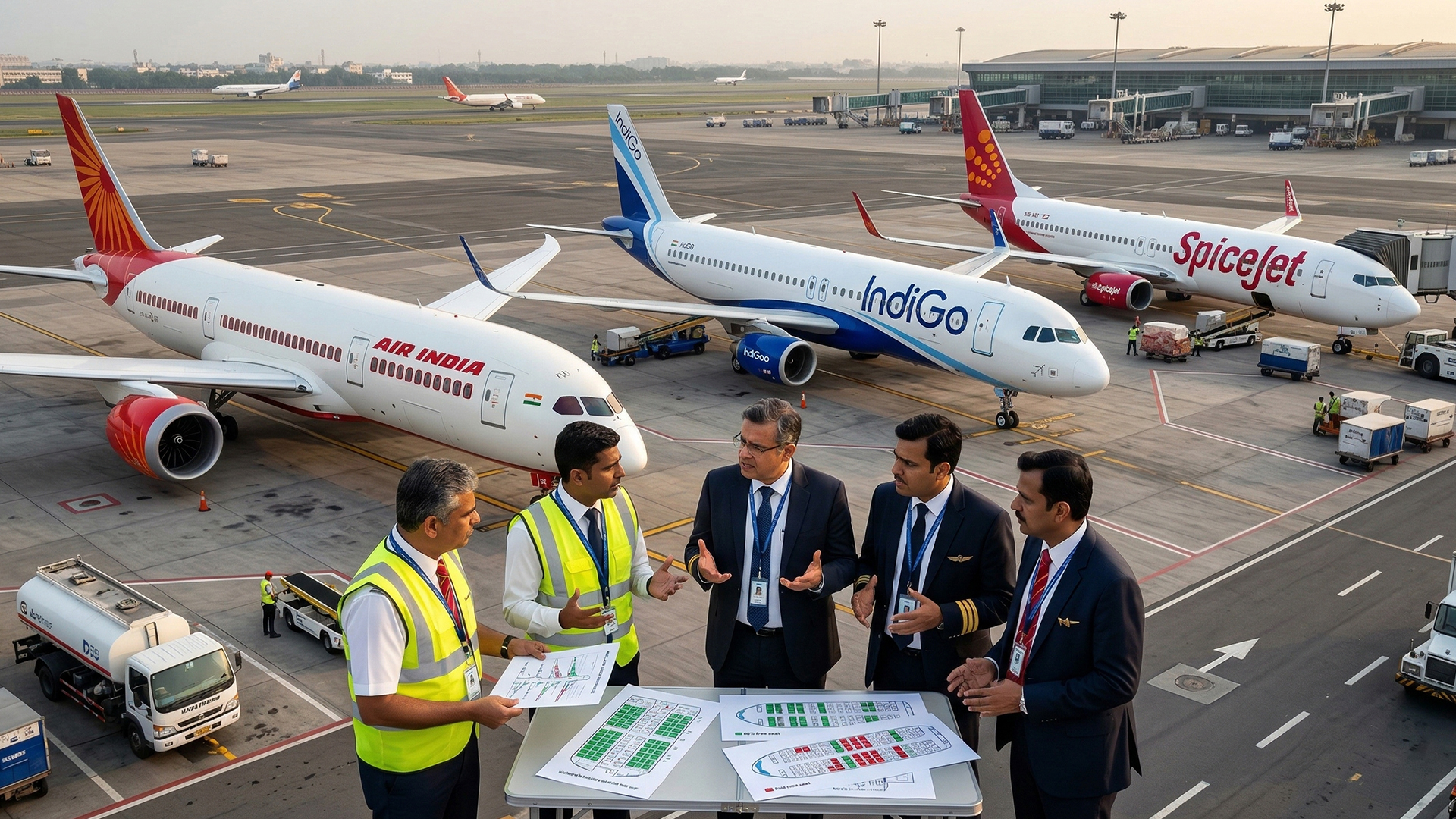
India’s major airlines, Air India, IndiGo, and SpiceJet, have opposed a new government rule requiring them to offer at least 60% of flight seats free of charge for passenger selection, warning it could lead to higher ticket prices.

The Ministry of Civil Aviation (MoCA), through the Directorate General of Civil Aviation (DGCA), issued the directive to make air travel more transparent and passenger-friendly. Under the rule, airlines must allow passengers to select at least 60% of available seats without paying extra fees. The remaining seats may still carry a charge for preferred locations such as window, aisle, or extra-legroom seats.

However, the Federation of Indian Airlines (FIA),  representing the three carriers, raised strong objections. They argued that seat selection fees are a vital revenue source for airlines, particularly in a highly competitive market where profit margins are thin. Eliminating or limiting these fees, the FIA said, could force airlines to increase base ticket prices to maintain financial viability.

Traditionally, airlines charge anywhere from ₹200 to ₹2,100 for choosing seats based on comfort or location. The new rule, by making the majority of seats free, would reduce this ancillary revenue, which helps offset rising operational costs like fuel, maintenance, and staff salaries.

Airline representatives also raised concerns about regulatory overreach, stating that commercial decisions on pricing and services should remain with the airlines. They warned that enforcing this mandate could affect how carriers structure fares and service tiers in the future.

Experts say the government’s intention is to protect passengers from hidden charges, but the policy may have the opposite effect. By reducing airlines’ flexibility to earn through ancillary services, base fares may rise, meaning passengers could end up paying more in total.

Also Read: Delhi sees coldest March day in 6 years

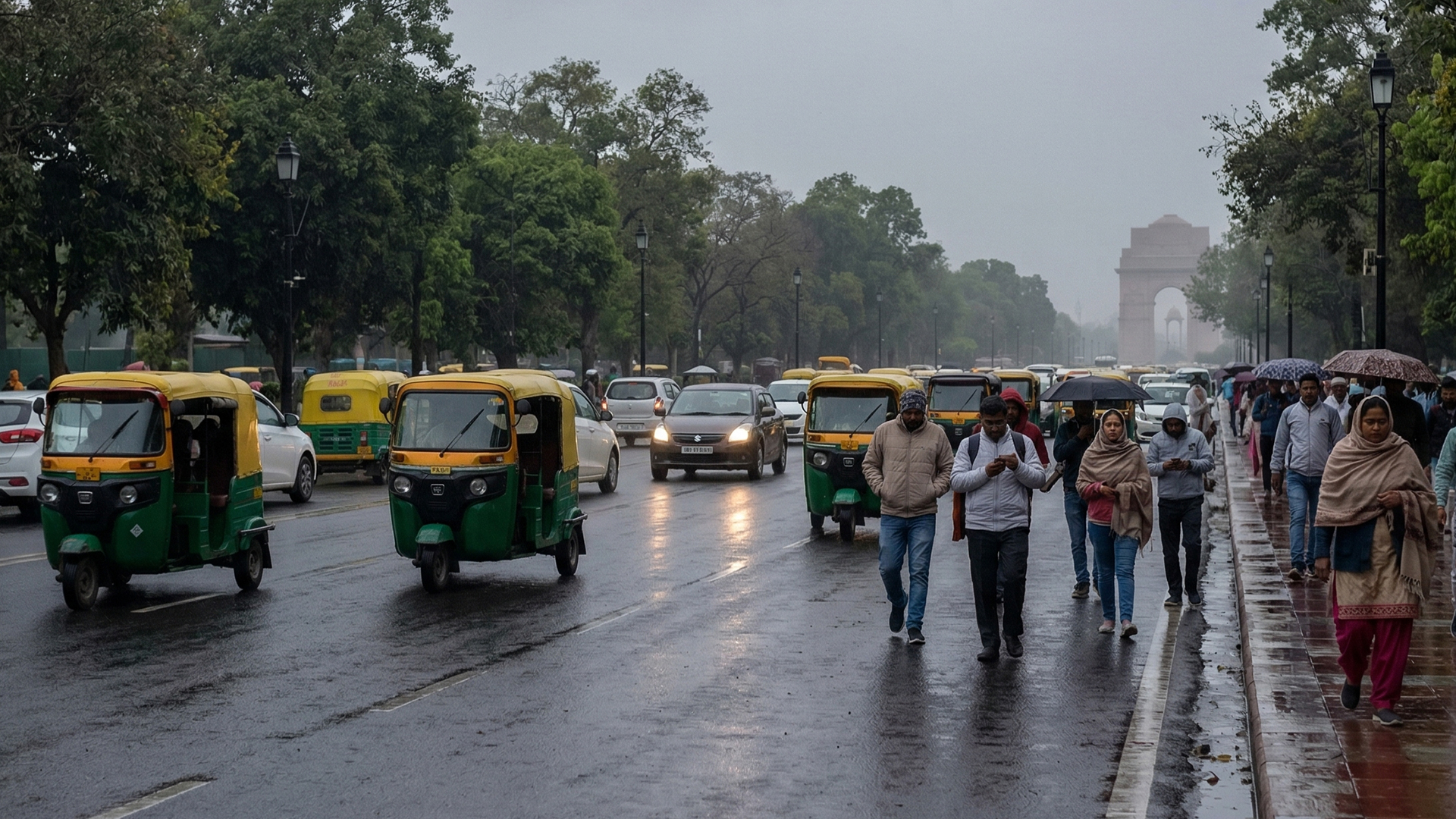
Delhi sees coldest March day in 6 years

Rain and winds bring winter-like chill and clear air, AQI improves to satisfactory levels at 93

Delhi recorded its coldest March day in six years on Friday, with the maximum temperature dropping to around 21.7 °C, nearly 10 degrees below normal for this time of year. The unusual weather came with rain, strong winds, and early morning fog, giving the city a winter-like feel even as March is typically warm.

Meteorologists said this sudden dip in temperature was caused by an active western disturbance moving across northwest India. The system brought moisture, rainfall, and gusty winds, which helped reduce heat and temporarily cleared pollutants from the air. Residents bundled up to deal with the chill, and visibility was reduced in parts of the city due to fog.

Along with cooler temperatures, Delhi also saw a significant improvement in air quality. The Central Pollution Control Board (CPCB) reported an AQI of 93, placing the city in the “satisfactory” category. This is the best air quality Delhi has had in around five months, marking the first day with such readings since October last year. Rain and strong winds helped wash out accumulated particulate matter, giving citizens a welcome break from prolonged pollution.

For context, an AQI of 51–100 is considered satisfactory, meaning air quality is generally acceptable, though sensitive individuals may still be affected slightly.

Experts say the cooler weather and improved air quality are likely temporary. Forecasts indicate that temperatures will gradually rise toward normal levels over the weekend as the influence of the western disturbance fades. Nevertheless, this sudden shift highlights how quickly weather patterns can change in the national capital.

Residents are advised to enjoy the cooler spell while it lasts and remain prepared for rising temperatures in the coming days.

Also Read: Nashik Godman held in rape, blackmail case


Rupee slumps below ₹93 as oil prices soar

Currency hit historic lows as rising crude prices and geopolitical tensions weigh on markets and investor confidence

Indian rupee fell below ₹93 per US dollar, marking an all-time low that has caught the attention of both investors and everyday Indians. Rising oil prices and a strong dollar are the main culprits behind the decline.

India relies heavily on imported oil, so when crude prices soar, the country’s demand for dollars increases. This drives the rupee down, making imported goods and fuel more expensive. Brent crude has been trading near $110 per barrel amid geopolitical tensions, putting extra strain on the economy.

Foreign institutional investors have also reduced their exposure to Indian markets, adding to the currency’s downward momentum. These outflows reflect broader concerns about global economic uncertainty.

The RBI has intervened in currency markets, selling dollars and using other tools to stabilize the rupee. Still, analysts warn that without easing global energy prices or stronger investor confidence, the rupee may remain under pressure.

For consumers, the falling rupee is more than just numbers on a screen. It can push up prices of imported goods, raise travel and fuel costs, and increase inflationary pressure. Companies that rely on imports may pass on costs to customers, affecting daily life.

As markets watch crude oil and the US dollar closely, India’s currency faces an uncertain path. The rupee’s historic slide is a reminder of how global events can ripple through local economies, touching the lives of millions.

Also Read: Oil tops $110 as Middle East tensions rise

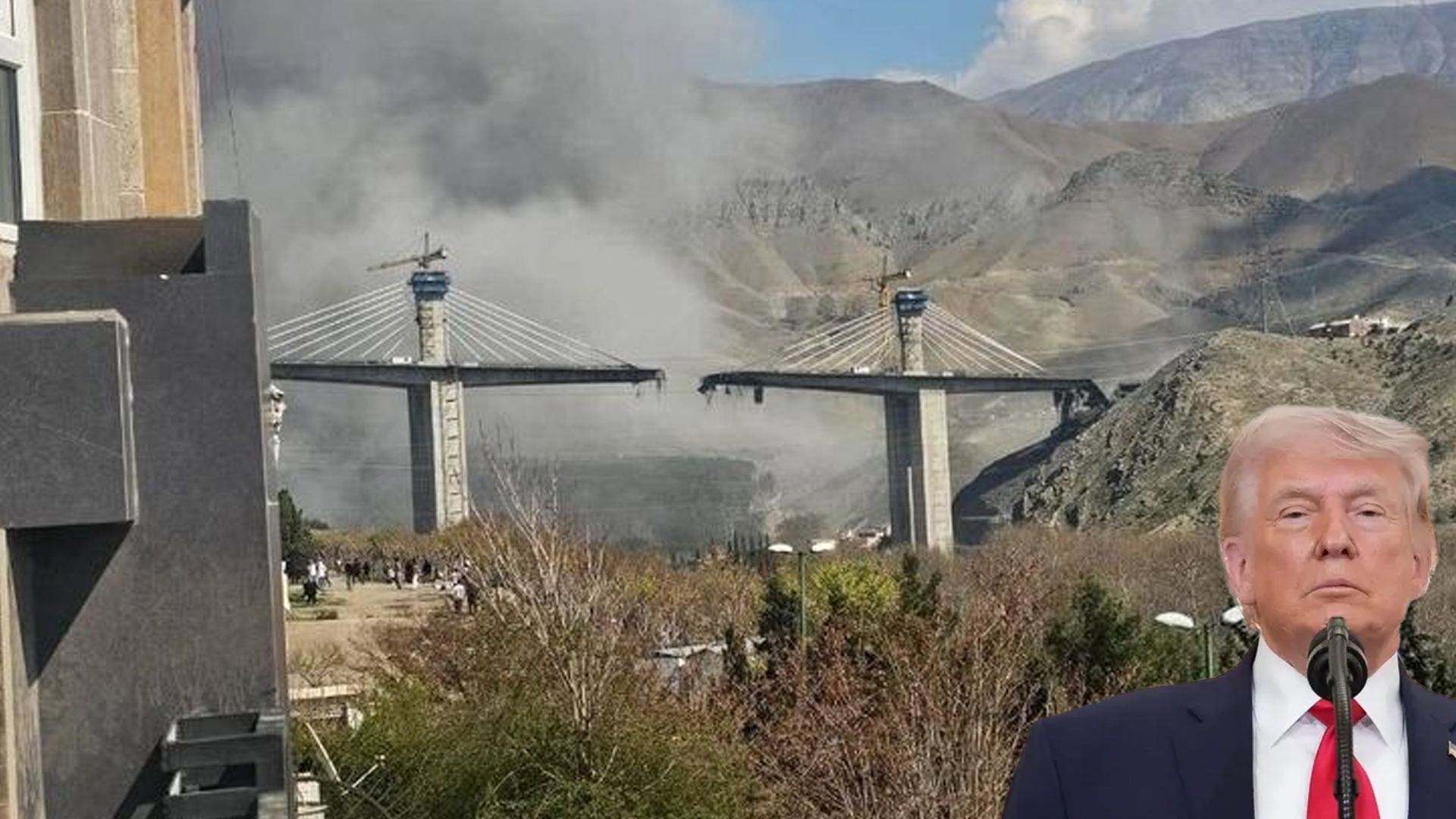
Trump rules out troop deployment, sparks Pearl Harbor controversy

US president meets Japan PM amid Iran conflict, draws criticism for remarks

US President Donald Trump reportedly told reporters during his meeting with Japanese Prime Minister Sanae Takaichi at the White House on March 19, 2026, that the United States would not be sending troops to the Middle East. He added that if he were to deploy forces, he would not disclose it publicly.

According to sources present at the meeting, Trump’s comments came amid ongoing operations in Iran following airstrikes in late February that targeted Iranian infrastructure and fighters. Pentagon officials had reportedly considered sending additional troops to the region, but Trump indicated that the administration intended to limit direct troop involvement despite escalating tensions.

The president also reportedly made a controversial remark while discussing surprise in military operations. He is said to have referenced the Japanese attack on Pearl Harbor in 1941, suggesting that Japan would know about surprise better than anyone and jokingly asked why he had not been informed about Pearl Harbor.

Observers noted that the Pearl Harbor attack was a surprise assault by Japan on a US naval base in Hawaii, which killed more than 2,400 Americans, destroyed ships and planes, and prompted the United States to enter World War II. Analysts said the joke was widely viewed as insensitive, particularly given the historical gravity of the event, and reportedly left Prime Minister Takaichi uncomfortable.

The meeting reportedly also covered energy security, economic cooperation, and broader US–Japan relations. Japanese officials reportedly emphasized that constitutional limits prevent their country from participating in overseas military operations and made no commitments to support US military action in Iran.

Also Read: Rupee slumps below ₹93 as oil prices soar

BJP releases second Kerala poll list

39 candidates named, mix of senior leaders and fresh faces

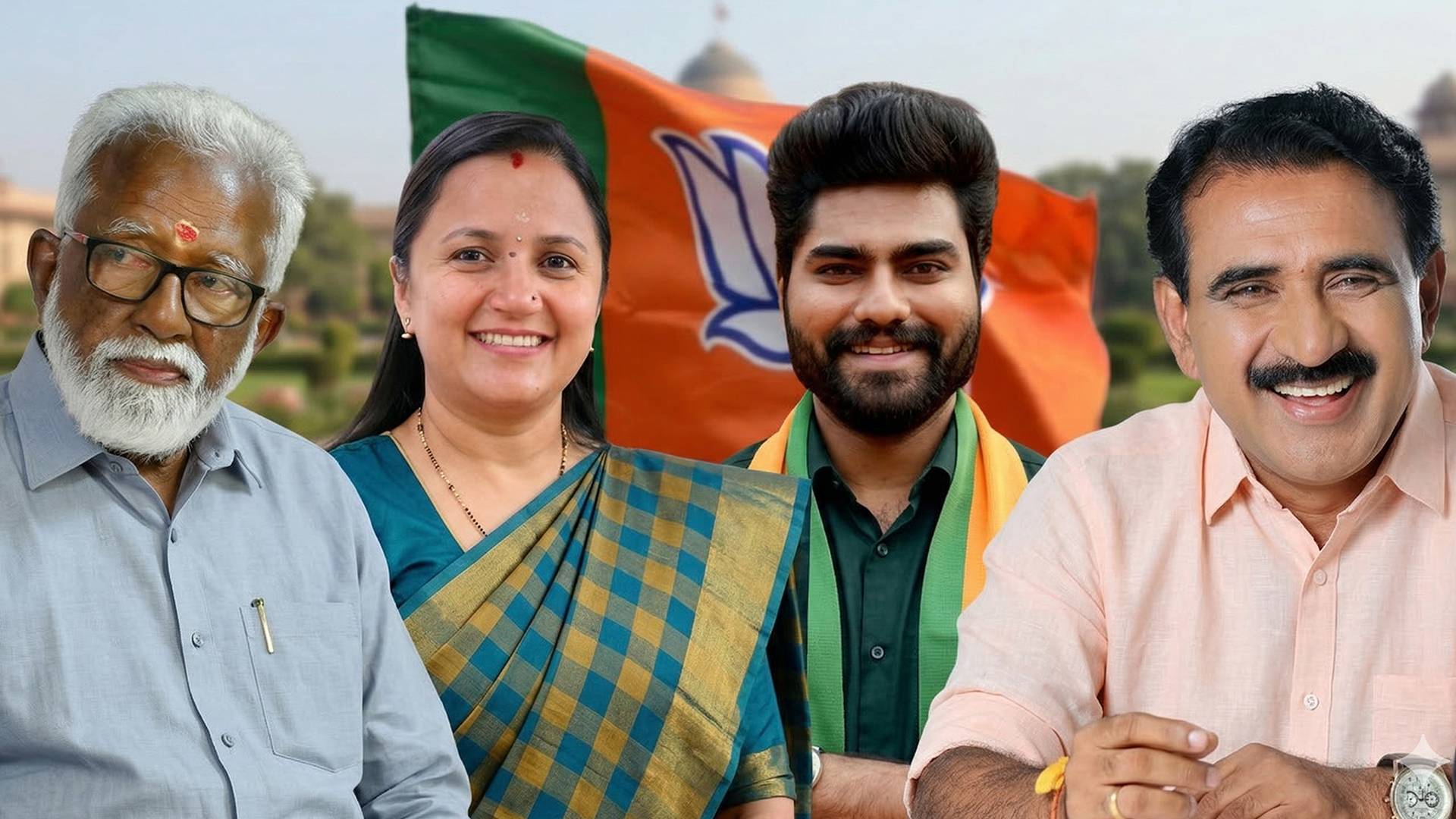
The Bharatiya Janata Party (BJP) has announced its second list of 39 candidates for the upcoming Kerala Assembly elections 2026, stepping up its campaign in the state.

The new list reflects a combination of experienced leaders, newcomers, and well-known personalities, as the party looks to strengthen its position in Kerala’s competitive political landscape.

Among the prominent names is Kummanam Rajasekharan, who will contest from Aranmula. A senior figure in the party and former governor of Mizoram, his entry is seen as a key move for the BJP in the region.

The party has also fielded Robin Radhakrishnan, a popular public figure, from Kundara. His candidature signals the BJP’s attempt to bring in fresh and recognisable faces to attract wider attention.

Another senior leader, B. Gopalakrishnan, has been nominated from Guruvayur. In Dharmadam, the BJP has fielded C. Ranjith, setting up a direct contest against Chief Minister Pinarayi Vijayan, making it one of the key battles to watch.

The list also includes leaders who have switched from other parties. For instance, former CPI MLA C. C. Mukundan has been given a ticket from Nattika, indicating the BJP’s effort to expand its support base by bringing in leaders from different political backgrounds.

With this announcement, the BJP has now declared candidates for a majority of the seats, following its earlier list. The party has also ensured representation for women candidates, aiming to present a balanced lineup.

Also Read: Netanyahu signals tough stance on Iran

BJP announces 88 candidates for Assam polls

Veterans dropped, Congress defectors included in first list

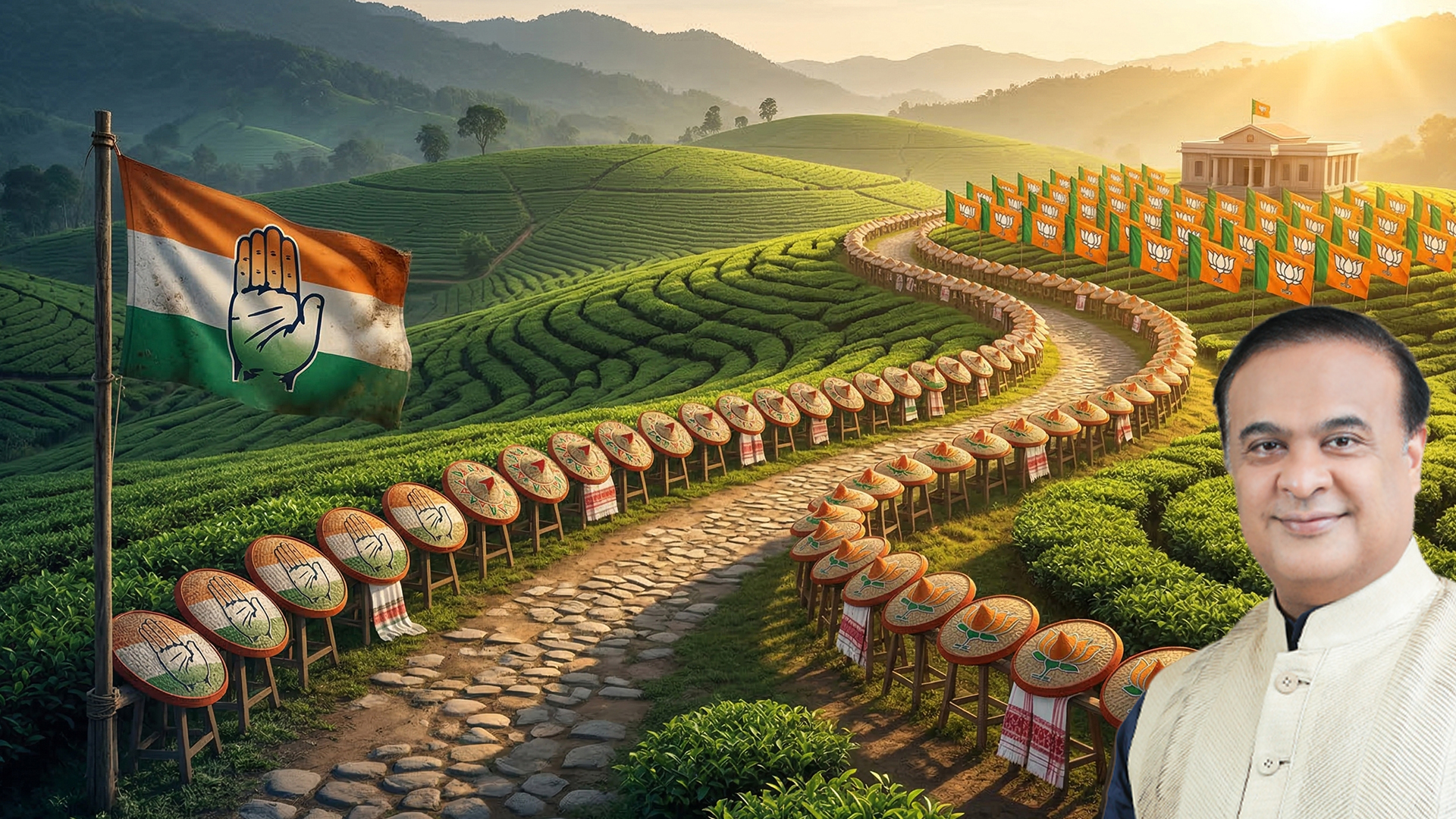
The Bharatiya Janata Party (BJP) on March 19, 2026, released its first list of 88 candidates for the upcoming Assam Legislative Assembly elections, marking a major reshuffle ahead of the polls. Chief Minister Himanta Biswa Sarma will contest again from Jalukbari, aiming for a sixth consecutive victory. Several experienced incumbents have retained their seats, but the party has also dropped 19 sitting MLAs, making way for fresh faces and new strategies in key constituencies.

A major highlight of the list is the inclusion of former Congress leaders who recently switched sides. Pradyut Bordoloi, a two-time Lok Sabha MP and former Congress veteran, joined the BJP just days before the list was announced and was immediately given the Dispur constituency ticket. Overall, 19 Congress defectors and more than 30 other leaders who switched parties have been included, signaling BJP’s focus on strengthening its position by absorbing influential rivals.

Political analysts note that the move is both strategic and symbolic. By dropping some senior leaders, the BJP aims to inject new energy and appeal to younger voters while still maintaining a strong core of experienced representatives. The inclusion of defectors also reflects the party’s effort to consolidate anti-Congress votes and expand its footprint in areas traditionally dominated by opposition parties.

Allied parties have also announced their candidates. The Asom Gana Parishad (AGP) has released 26 names, while the Indian National Congress has announced 22 candidates in its third list, as it tries to mount a challenge against the ruling National Democratic Alliance (NDA).

The Assam Assembly elections are scheduled for 2026, with a total of 126 seats at stake.

Also Read: Rupee slumps below ₹93 as oil prices soar