rotating globe
4 Apr 2026


Rupee weakens slightly to 92.43

Strong greenback and investor outflows limit gains for the domestic currency

The Indian rupee declined by 3 paise to 92.43 against the US dollar in early trading on Wednesday, reflecting pressure from a stronger dollar and continued foreign investor outflows.

At the interbank foreign exchange market, the rupee opened at 92.42 against the greenback before slipping further to 92.43 during the morning session.

Forex traders said the strengthening of the US dollar in international markets has affected emerging market currencies, including the rupee. Increased demand for the dollar from importers and investors has also contributed to the weakening of the domestic currency.

Foreign institutional investors have been withdrawing funds from Indian markets in recent sessions, which has added pressure on the rupee. When foreign investors sell assets in the domestic market, they typically convert rupees into dollars, increasing demand for the US currency.

However, the rupee’s losses were limited due to supportive trends in domestic markets. Indian stock markets opened higher, helping stabilise investor sentiment and preventing a sharper decline in the currency.

Lower global crude oil prices also helped cushion the rupee. As India relies heavily on imported crude oil, a fall in prices reduces pressure on the country’s trade balance and provides some support to the currency.

In the previous session, the rupee had closed at 92.40 after touching an intraday low of 92.47 against the US dollar. Analysts say the currency has been moving within a narrow band in recent days.

Also Read: Government makes 60% of flight seats free

BCCI considers fixing Jasprit Bumrah’s pay cut

Top pacer loses ₹2 crore after A+ grade removed; board may adjust contracts

The Board of Control for Cricket in India (BCCI) is reviewing its central contracts after star pacer Jasprit Bumrah saw his annual pay drop by ₹2 crore. This happened after the board removed the A+ grade, the top-tier retainership that previously rewarded all-format players like Bumrah with ₹7 crore.

With the A+ tier gone, Bumrah was moved to Grade A, which carries a ₹5 crore retainer. While players like Virat Kohli, Rohit Sharma, and Ravindra Jadeja are scaling back their formats or retiring, Bumrah remains a consistent performer across all formats, making the pay cut feel unfair to many within the cricketing community.

Sources say the BCCI is considering ways to compensate Bumrah, either by revising the contract structure or adding bonuses, to ensure top performers aren’t penalized for system changes.

The overhaul also affected other senior players, aligning retainerships with current workload rather than past achievements. But with fans and experts noticing Bumrah’s pay drop, the board is under pressure to act before the 2025‑26 cycle fully kicks in.

This move highlights the challenge of balancing fairness with workload-based pay in Indian cricket’s evolving contract system.

Also Read: SC allows maternity leave for all adoptive mothers

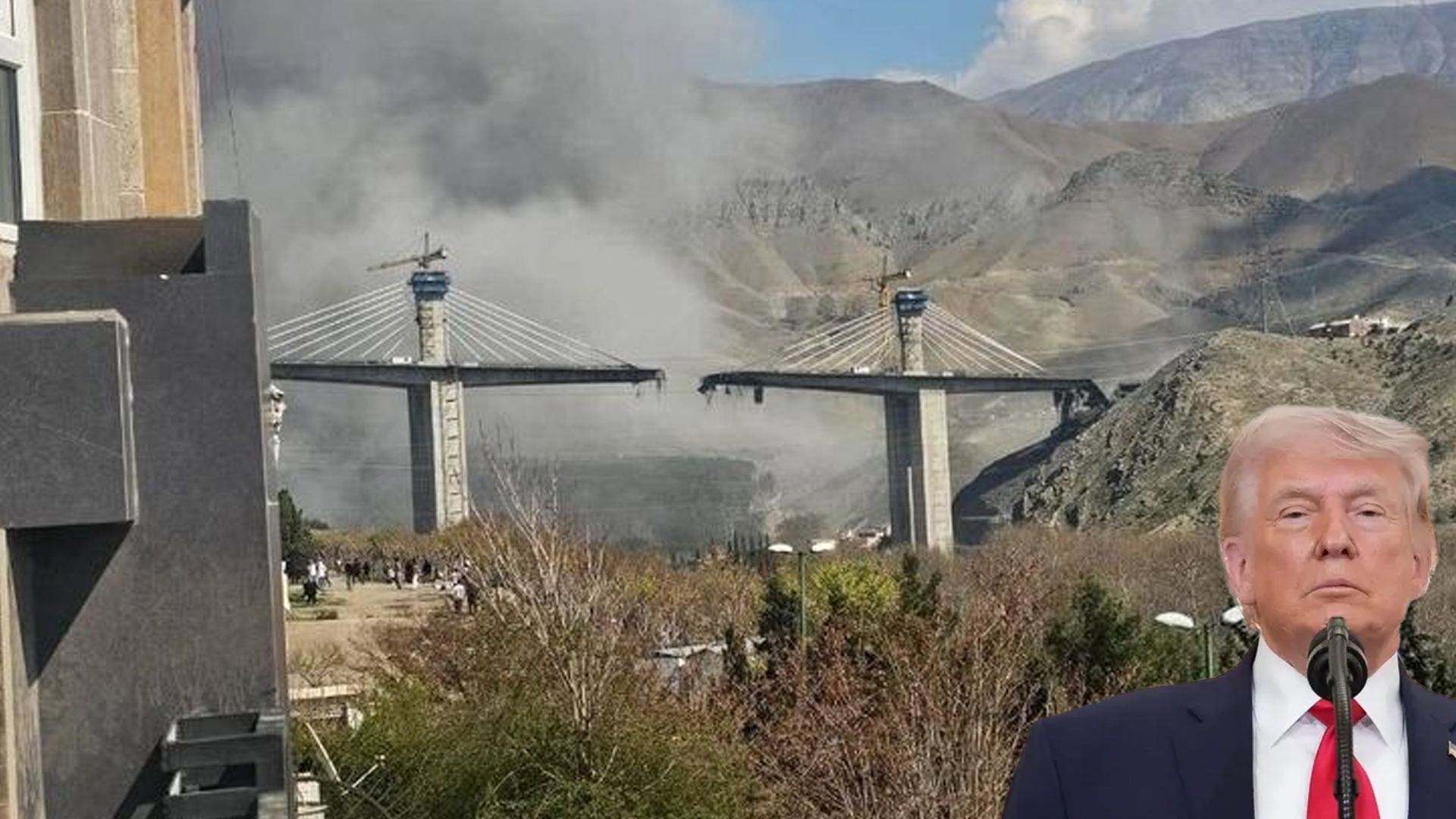
US counterterrorism resigns over Trump’s Iran war

Joe Kent quits after opposing Trump’s decision to launch military action against Iran

Joe Kent, director of the National Counterterrorism Center (NCTC), has resigned from his position in protest against President Donald Trump’s decision to wage war on Iran.

Kent stepped down on March 17, saying he could not support the ongoing military campaign. In a public statement explaining his decision, he said the war was unnecessary and that Iran did not pose an immediate threat to the United States.

The resignation marks one of the most prominent internal disagreements within the administration since the conflict began. Kent became the first senior national security official to quit over the war, highlighting growing divisions in Washington about the justification for the military action.

In his resignation message, Kent argued that the decision to go to war contradicted the “America First” approach that had previously focused on avoiding new overseas conflicts. He also suggested that pressure from allies and political interests played a role in pushing the United States into the confrontation.

However, the White House rejected his criticism. President Trump defended the military operation, stating that intelligence reports indicated Iran was preparing attacks against US interests. Administration officials said the decision to act was based on credible information about an imminent threat.

Kent has a long background in national security. Before entering government leadership, he served as a US Army Special Forces soldier and later worked as a paramilitary officer for the CIA. He was appointed head of the National Counterterrorism Center in 2025.

His departure comes as tensions in the Middle East continue to escalate. The conflict involving the United States, Iran and regional allies has raised concerns about the possibility of a wider regional war and its impact on global stability.

Also Read: Rupee weakens slightly to 92.43

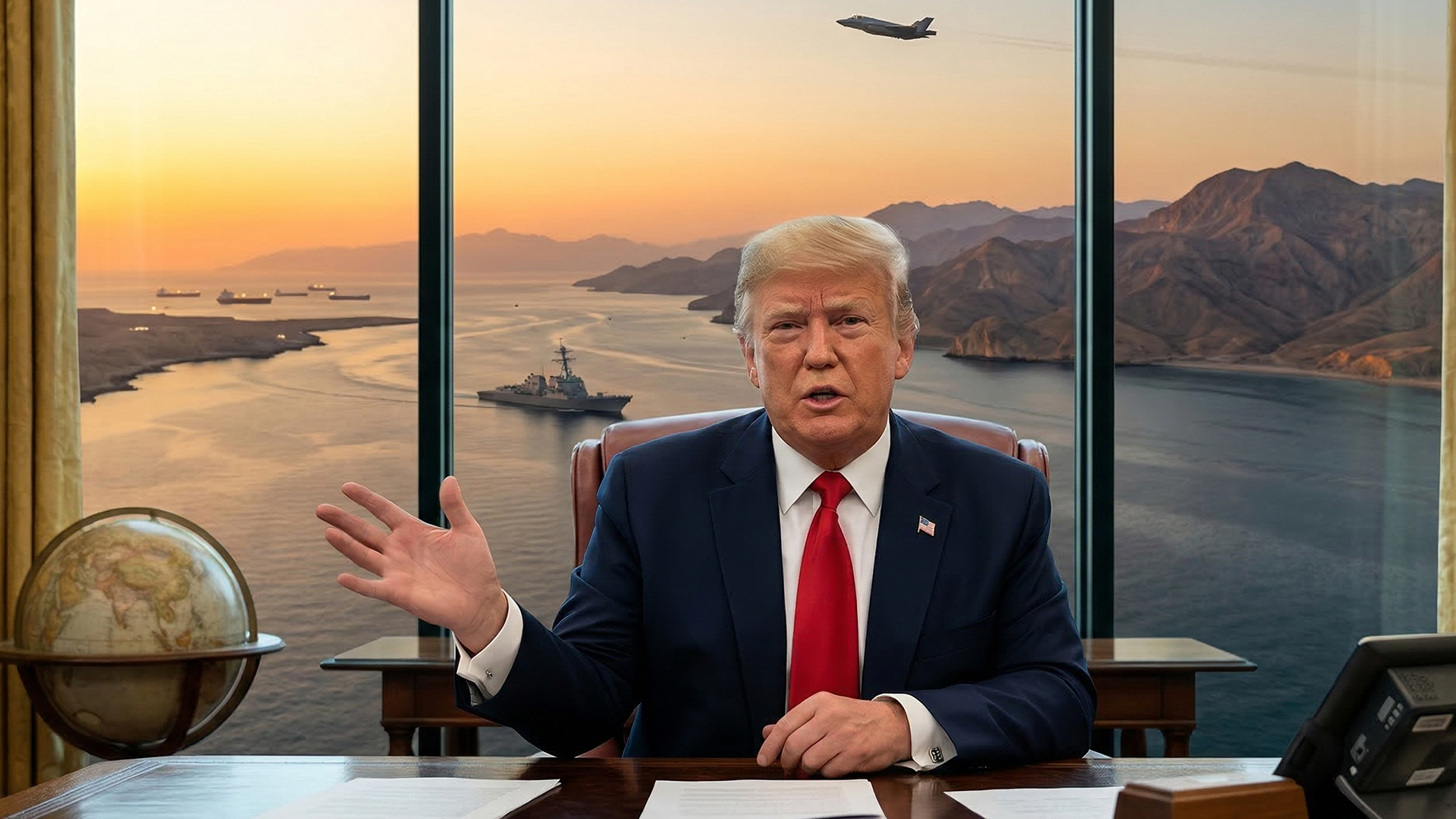
Trump criticizes allies over Hormuz blockade

President says U.S. can handle Iran disruption alone as NATO steps back

US President Donald Trump expressed frustration after NATO allies and partners declined to help secure the Strait of Hormuz, a key oil route blocked by Iran. He called their decision “foolish” and stressed that the US does not need outside assistance.

The strait handles about 20 % of the world’s oil and LNG exports. Iran has disrupted traffic using drones, missiles, and naval mines, prompting Trump to seek naval support from allies. Germany, Spain, Italy, the UK, and France all declined, citing concerns about being drawn into the conflict.

Trump criticized partners for being ungrateful despite US support and said the US can manage on its own, adding that help from countries like Japan, South Korea, and Australia is not needed.

The situation comes amid escalating tensions in the region. US and Israeli operations have prompted Iranian retaliatory strikes, including missile attacks on Tel Aviv, sending global oil prices higher.

NATO emphasized avoiding direct involvement to prevent escalation. For now, the US is preparing to secure the strait largely on its own while balancing diplomacy and regional stability.

Also Read: BCCI considers fixing Jasprit Bumrah’s pay cut

SC allows maternity leave for all adoptive mothers

Adoptive mothers entitled to 12 weeks leave regardless of child’s age, says court

The Supreme Court has struck down a rule that allowed maternity leave for adoptive mothers only if the adopted child was below three months of age. The court held that the restriction was unfair and unconstitutional.

A bench of Justices ruled that adoptive mothers should receive 12 weeks of maternity leave regardless of the age of the child at the time of adoption. The judges said such leave is important for bonding and caregiving, and it should not depend on how old the child is.

The court set aside a provision in the Code on Social Security, 2020, which imposed the three-month age limit. According to the judges, the rule treated adoptive mothers differently from biological mothers and denied them equal benefits.

The case was brought by an adoptive mother who argued that the law discriminated against women who adopt older children. The court agreed and said maternity benefits should support all mothers caring for newly adopted children.

The judgment also highlighted the need for policies that recognise adoptive families and promote equal parental support. The court further suggested that the government consider introducing paternity leave to encourage shared childcare responsibilities.

The ruling is expected to benefit many adoptive mothers across the country by ensuring they receive maternity leave irrespective of the child’s age at adoption.

Also Read: Diljit’s ‘Dil-Luminati’ tour becomes India’s biggest ever

Ujjain student dies after assault in Canada

Family seeks help as cost of bringing body home nears ₹50 lakh

A 23-year-old Indian student from Ujjain in Madhya Pradesh was killed in Canada after he was allegedly assaulted by a group of youths and later run over by a vehicle in Fort St. John, British Columbia.

The victim, Gurkirat Singh Manocha, had moved to Canada about 15 months ago to pursue higher studies. He was studying Business Management at Northern Lights College while working part-time to support his education and living expenses.

According to reports, the incident took place on the night of March 14 when Manocha was returning home after completing his work shift. His family said he was attacked by a group of around 10 to 12 people following a dispute. During the assault, he was severely beaten.

The family also alleged that while he was injured and lying on the road, a vehicle ran over him, leaving him critically wounded. He was rushed to a nearby hospital but later succumbed to his injuries.

Canadian authorities have launched an investigation into the incident. Reports said several suspects have been detained and the exact circumstances surrounding the attack are still being examined. Officials are also conducting a post-mortem to determine the exact cause of death.

Back in Ujjain, the news has left Manocha’s family in shock and grief. His parents said he had gone abroad with hopes of building a better future and supporting the family business after completing his studies.

Along with the emotional loss, the family is now facing a major financial burden to bring his body back to India. According to reports, the cost of legal procedures, documentation and transporting the body could reach nearly ₹50 lakh.

The family has appealed to the government for financial assistance to help bring their son’s mortal remains back home so that they can perform the final rites.

Also Read: US citizen, 6 Ukrainians nabbed in NIA probe

Air India to operate 50 West Asia flights

Scheduled and special services planned amid regional disruptions

Air India and Air India Express will operate around 50 flights between India and West Asia on March 18, including both scheduled and special services. The airlines are continuing limited operations to maintain connectivity as travel in the region faces disruptions.

The flights include services to destinations such as Jeddah in Saudi Arabia and Muscat in Oman, which are currently among the few routes operating normally. Air India and its low-cost subsidiary Air India Express said the flights will help passengers travelling between India and key cities in West Asia.

According to the airlines, a total of 14 flights will operate between India and Jeddah. Air India will run return flights from Delhi and Mumbai, while Air India Express will operate services from Bengaluru, Hyderabad, Mangaluru and Kozhikode.

In addition, Air India Express will operate 12 scheduled flights connecting Indian cities with Muscat. These flights will run between Muscat and cities including Delhi, Kannur, Kochi, Lucknow, Mumbai and Thiruvananthapuram.

Apart from regular services, the airlines will also operate about 24 additional non-scheduled flights to destinations in the United Arab Emirates and Saudi Arabia. These special flights will be operated depending on the availability of airport slots and approvals from authorities.

However, several flights to other West Asian destinations remain suspended due to operational challenges and the evolving situation in the region. Routes to cities such as Dubai, Bahrain, Doha and Kuwait have been temporarily affected.

Passengers whose flights have been impacted have been offered options to reschedule their travel at no extra cost or seek a full refund. The airlines said they are assisting affected passengers and providing updates on flight operations.

Air India stated that it is closely monitoring developments in the region and will consider adding more flights if the situation improves. The airline group also said it will continue informing passengers about any further changes to schedules.

Also Read: Indian charged for harassing flight attendant

Canada PM, Finland President discuss ‘Dhurandhar’

Mark Carney and Alexander Stubb’s conversation about the Ranveer Singh film, during a jog, goes viral online

A light-hearted conversation between Canada’s Prime Minister Mark Carney and Finland’s President Alexander Stubb during a morning jog has unexpectedly drawn attention to the Bollywood film Dhurandhar.

A video of the two leaders jogging together in Hyde Park recently surfaced on social media and quickly went viral. The clip shows the leaders running alongside their spouses while chatting casually about social media and movies.

During the jog, Carney asks Stubb about his sudden rise in Instagram followers. The Finnish president laughs and explains that his popularity in India spiked after he mentioned watching Dhurandhar.

“It really took off after I said I watched Dhurandhar,” Stubb says in the video, referring to the Hindi action-thriller starring Ranveer Singh. His remark amused Carney, and the two continued the conversation while jogging through the park.

The short clip quickly caught the attention of social media users, many of whom were surprised to hear world leaders casually discussing a Bollywood film during a morning run. The moment has since been widely shared online, with users joking that Indian cinema had found fans in unexpected places.

Dhurandhar, directed by Aditya Dhar, is a spy action film that follows an undercover Indian intelligence officer navigating a high-stakes mission involving national security. The film gained attention among audiences for its fast-paced storyline and action sequences.

Stubb had earlier mentioned the film during his visit to India, saying he watched it after his son recommended it to him. His comments about the movie had already drawn interest among Indian fans online.

The viral jogging video has only added to the buzz, highlighting how Indian films continue to reach audiences well beyond the country’s borders.

Also Read: US counterterrorism resigns over Trump’s Iran war