rotating globe
2 Apr 2026


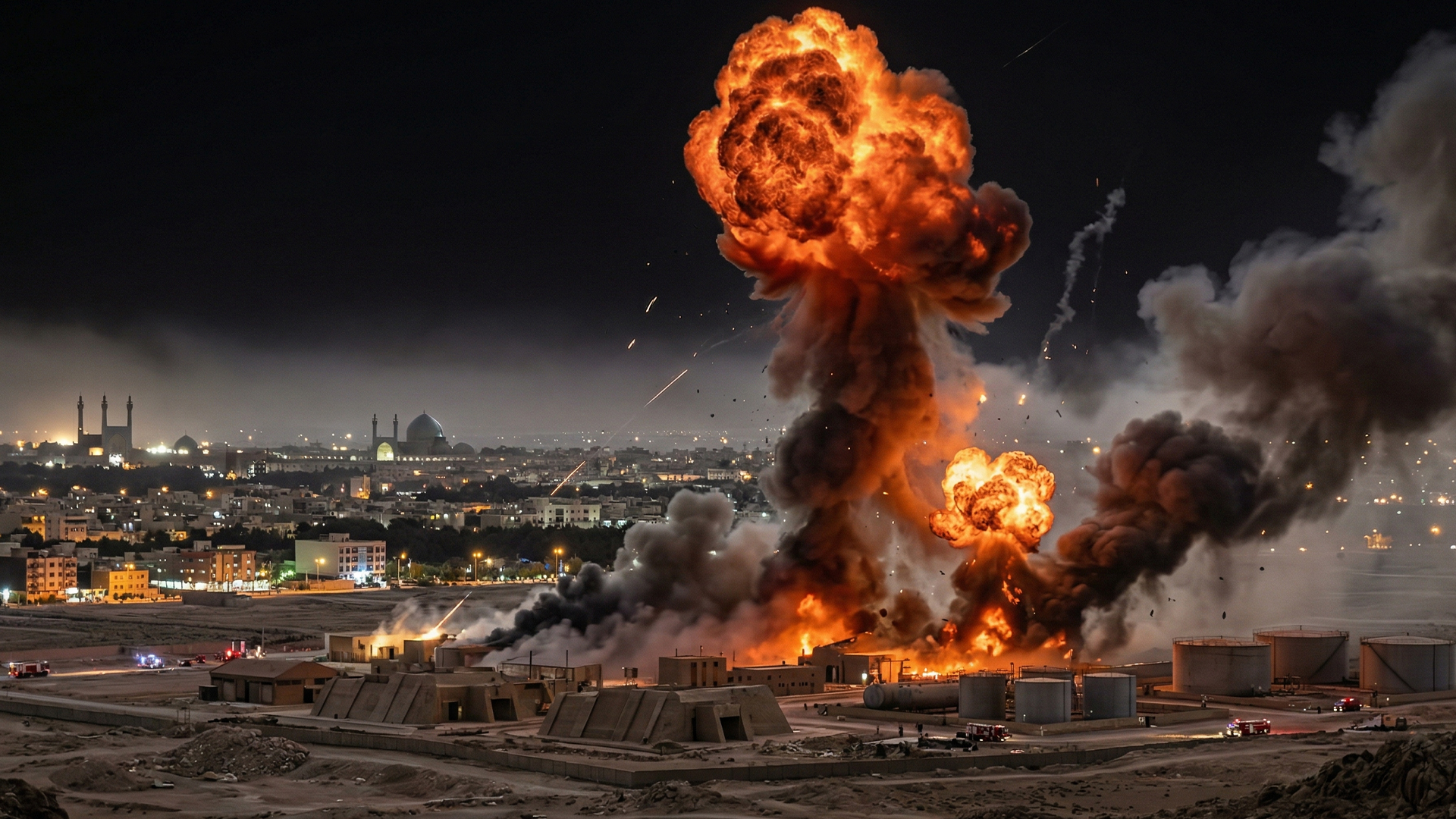
Massive blasts rock Iran’s Isfahan

Trump shares video as bunker-buster bombs reportedly used

Massive explosions shook the city of Isfahan in central Iran on Tuesday following reported airstrikes by the United States and Israel. US. President Donald Trump shared a video showing enormous fireballs and bright flashes lighting up the night sky, though he did not provide details about the footage.

Reports say the blasts targeted a large ammunition depot in Isfahan. The US reportedly used heavy bunker-buster bombs, weighing around 2,000 pounds (907 kg), designed to destroy fortified or underground storage facilities holding weapons and military supplies.

Isfahan is considered strategically important because it houses military bases, including the Badr Airbase and other defence sites. Previous strikes in the area have focused on reducing Iran’s missile and ammunition capabilities.

Trump’s video went viral quickly, but Iran has not confirmed whether the explosions were caused by the US or Israeli strikes. Independent verification of the video is also not available.

Bunker-buster bombs are specially designed to penetrate deep underground or hardened buildings before exploding, making them effective against protected military targets. The use of such bombs shows the strike aimed to hit heavily fortified sites rather than just surface-level facilities.

The blasts mark a major escalation in the ongoing conflict involving the US, Israel, and Iran. In recent weeks, airstrikes and military operations have intensified in the region, raising concerns about civilian safety and regional stability.

Also Read: Atleast 18 Indian ships stranded in Hormuz amid Iran war
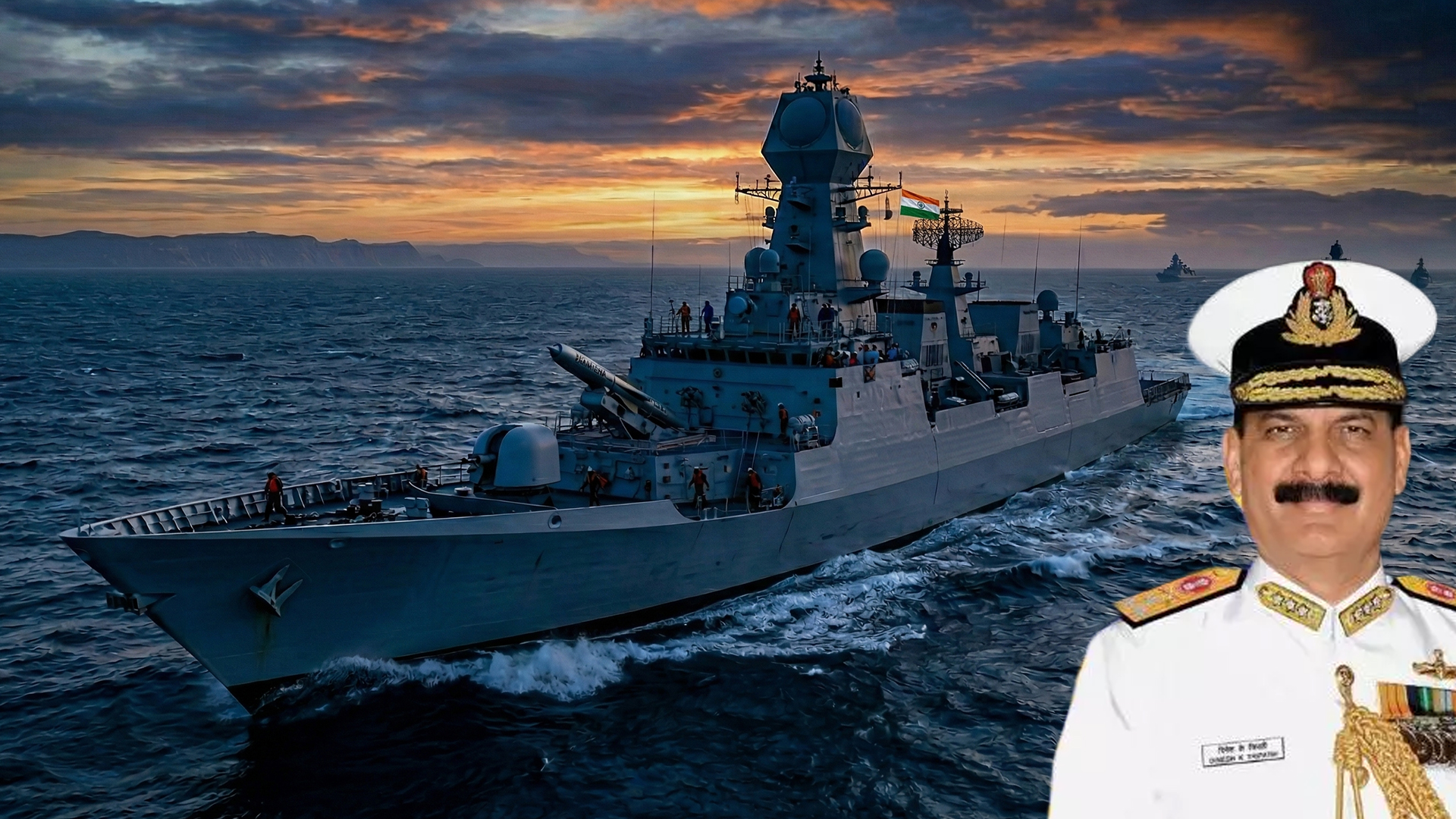
Atleast 18 Indian ships stranded in Hormuz amid Iran war

Crude oil and LPG vessels stuck as conflict disrupts key global route

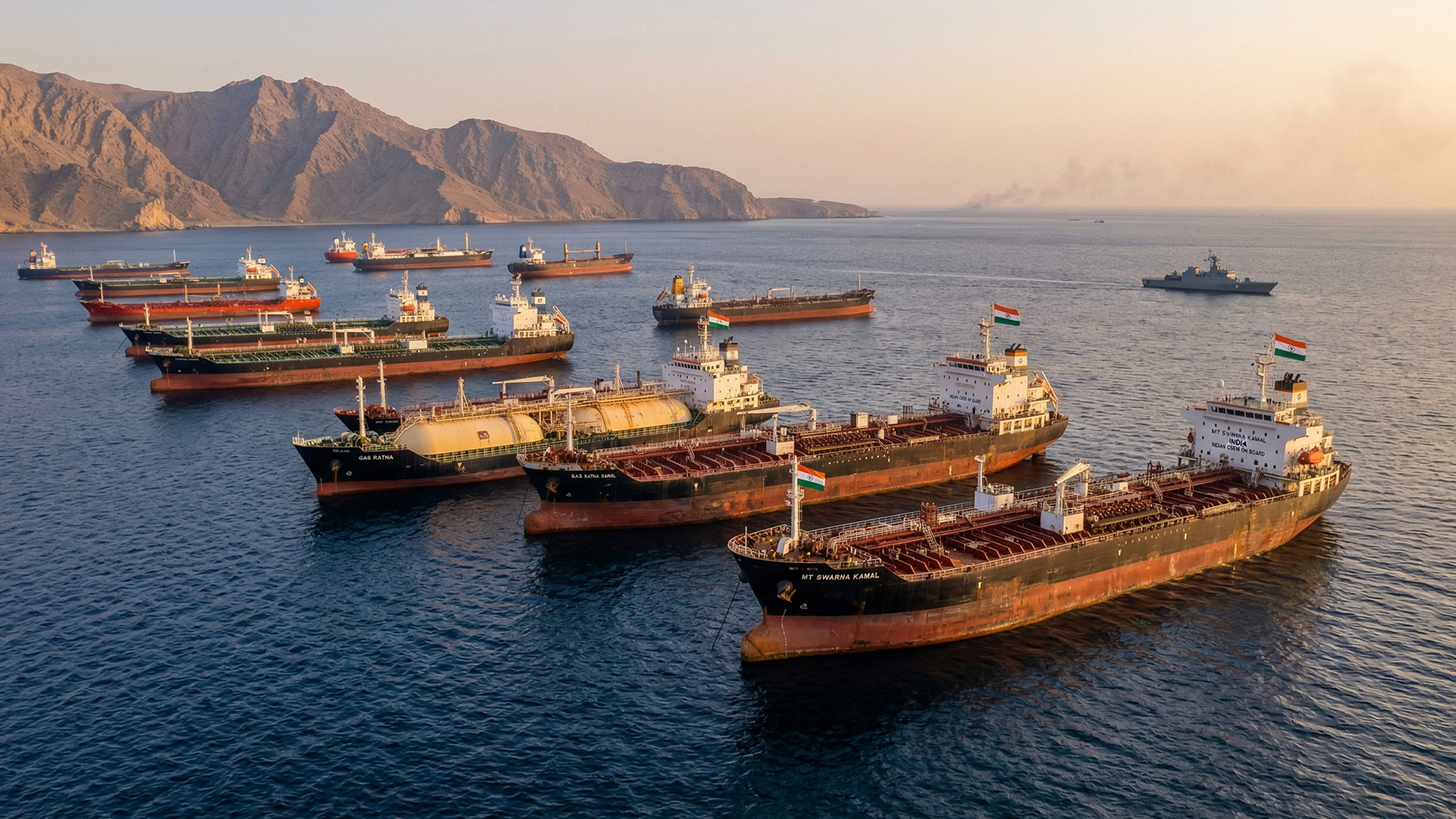
Around 18 Indian-flagged ships carrying crude oil and liquefied petroleum gas (LPG) are stranded near the Strait of Hormuz due to ongoing tensions linked to the Iran conflict. The situation has raised concerns over energy supply and maritime safety in one of the world’s busiest shipping lanes.

Officials said the affected vessels include oil tankers and gas carriers transporting essential fuel supplies to India. In addition to these, several foreign-flagged ships carrying cargo meant for India are also unable to move freely in the region due to security restrictions.

The Strait of Hormuz is a crucial global trade route, handling a significant share of the world’s oil and gas shipments. However, the ongoing conflict has disrupted normal vessel movement, with stricter controls and delays being reported. Ships are currently being allowed to pass only after coordination, leading to a backlog of vessels waiting to cross.

Despite the disruption, some ships have managed to move. Authorities confirmed that a few Indian vessels have successfully crossed the strait in recent days and are heading towards Indian ports. However, a large number of ships remain stranded, waiting for clearance.

The Indian government is closely monitoring the situation, with a focus on ensuring the safety of crew members. Hundreds of Indian seafarers are on board these vessels, and officials have stated that they are safe at present. There have been no reports of any direct attacks on Indian ships so far.

The conflict has also impacted overall shipping activity in the region. Many vessels are either waiting or taking alternative routes due to safety concerns and rising insurance costs. This has increased pressure on global energy supply chains, particularly for countries like India that rely heavily on imports from West Asia.

Also Read: April 1 ushers in sweeping financial changes

Jaish chief’s brother Tahir Anwar dies in Pakistan

Senior Jaish figure’s death remains unexplained

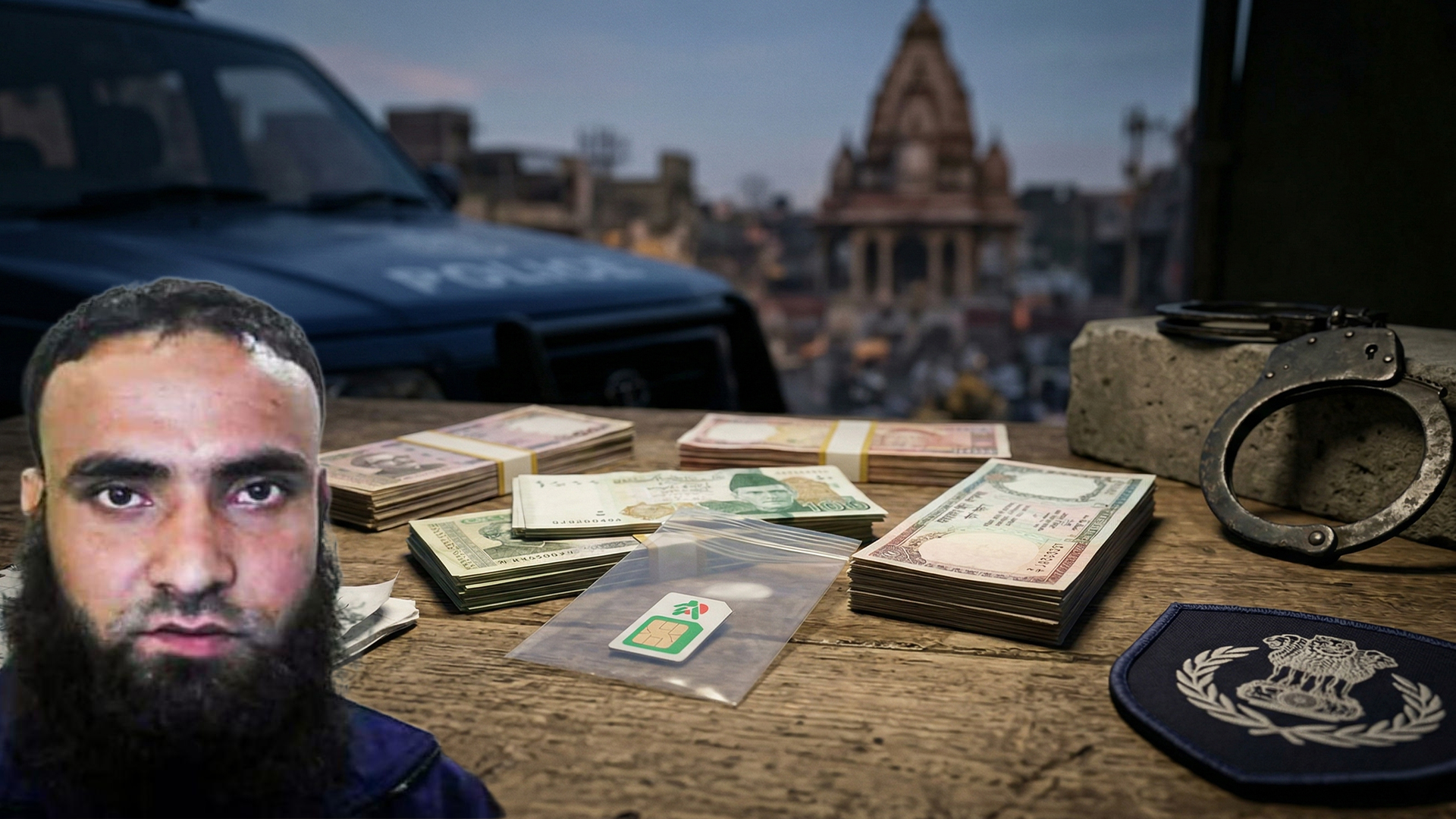
Mohammad Tahir Anwar, elder brother of Masood Azhar, has died in Pakistan, with no official confirmation on the cause of his death. The development has drawn attention due to his close links with the banned militant group Jaish-e-Mohammed.

According to reports, Tahir Anwar was considered a senior member of the organisation and had been associated with its activities for several years. His death was announced through messages circulated on channels linked to the group, which also shared details of his last rites.

His funeral was held in Bahawalpur, a city often reported as a stronghold of Jaish-e-Mohammed. A number of people were said to have attended the funeral prayers, though there has been no official statement from Pakistani authorities regarding the gathering or the circumstances surrounding his death.

The cause of death remains unclear, with no information provided about any illness or incident. The absence of details has led to speculation, but no verified explanation has emerged so far. Authorities in Pakistan have not publicly commented on the matter.

Tahir Anwar was believed to have played an important role within the group’s structure, contributing to its organisational and operational activities. His association with Jaish-e-Mohammed made him a known figure in discussions around militant networks operating in the region.

The group itself, led by Masood Azhar, has been linked to several major attacks in India over the years, including the 2001 Parliament attack, the 2016 Pathankot airbase attack and the 2019 Pulwama attack. These incidents have kept the organisation under international scrutiny.

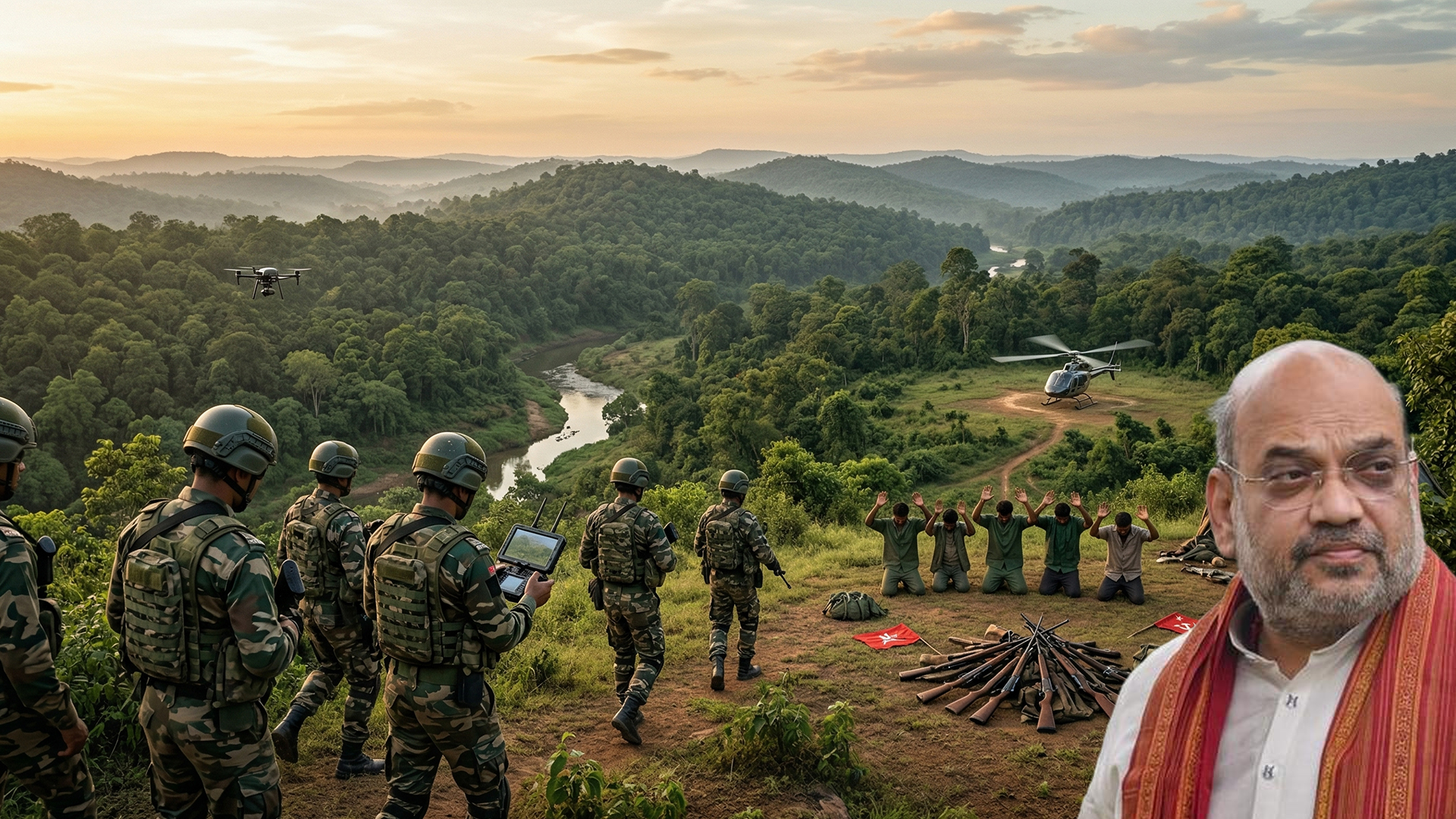
Also Read: Maoist leadership wiped out says Amit Shah

Iran alleges US struck India-bound aid plane

Tehran calls the attack a “war crime,” raising humanitarian concerns

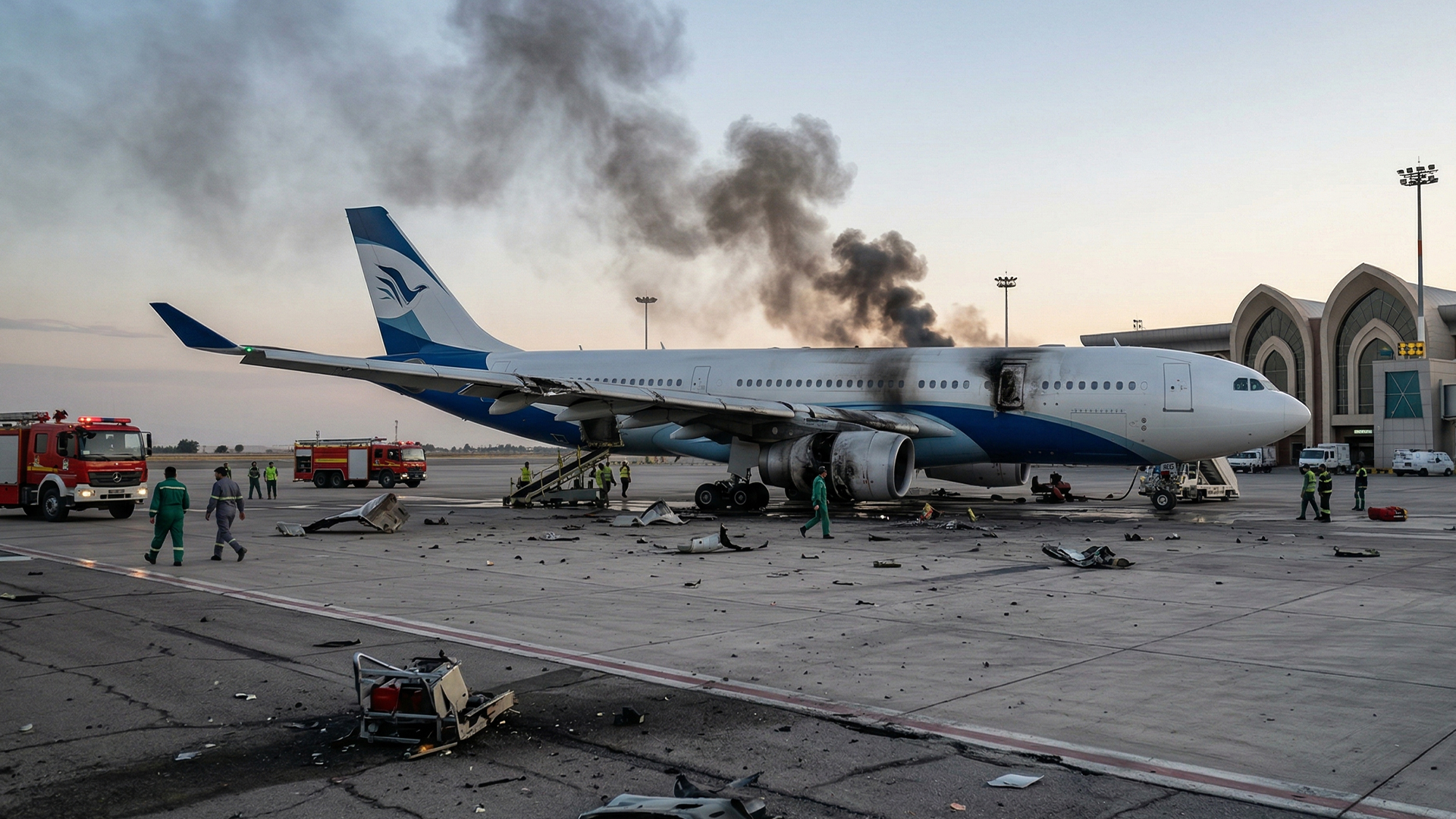
Iran has claimed that a United States airstrike at Mashhad International Airport targeted an aircraft scheduled to fly to Delhi carrying humanitarian aid, calling the incident a “war crime” and a breach of international law. The Iranian authorities said the attack has disrupted a planned medical aid mission between Tehran and New Delhi.

The plane, operated by Mahan Air, was stationed on the airport tarmac when it was reportedly hit. It was meant to transport medicines and medical supplies to India as part of ongoing humanitarian cooperation. Iranian officials described the strike as a deliberate act against a civilian aircraft engaged in aid delivery.

Iran’s Civil Aviation Organisation condemned the alleged attack, stating that targeting a civilian aircraft violates international aviation conventions, including the Chicago and Montreal treaties. Tehran said such actions endanger civilian lives and undermine humanitarian operations, urging global authorities to respond.

The extent of damage to the plane and whether there were any casualties has not been confirmed. The US has not immediately commented on the reports, leaving details of the incident unclear. Officials in Iran have shared information on social media and through diplomatic channels, emphasizing the seriousness of the strike and its potential international implications.

This incident comes amid escalating tensions in the Middle East, where conflicts involving the US, Iran, and allied forces have intensified. Civilian infrastructure, including airports and transport assets, has increasingly faced risks in the ongoing hostilities, raising concerns among international observers about the safety of non-combatants and humanitarian operations.

If verified, the strike could strain diplomatic relations and complicate future humanitarian missions, especially between India and Iran. The Indian government has so far not reported casualties or damage on its side, but officials are monitoring the situation closely to ensure the safety of humanitarian operations and prevent further disruption.

Also Read: Govt to regulate social media news

Govt to regulate social media news

New draft rules may bring social media creators under I&B oversight

The central government has proposed fresh amendments to digital media rules that could significantly expand regulation of online content. Under the draft, individuals posting news or current affairs content on social media may soon come under the supervision of the Ministry of Information and Broadcasting.

At present, such regulations mainly apply to registered digital news publishers and media organisations. However, the proposed changes aim to include user-generated content as well, removing the distinction between professional publishers and individual creators. This means influencers, YouTubers and even regular users sharing news-related posts could fall within the regulatory framework.

The move is intended to strengthen accountability in the digital space. Officials say the changes are aimed at curbing misinformation and ensuring that platforms and users follow established guidelines while sharing news content. The government believes stricter oversight will help maintain credibility and reduce the spread of misleading information online.

Another key feature of the proposal is the strengthening of enforcement mechanisms. The draft rules would enable authorities to issue takedown notices more effectively, requiring platforms to act quickly against flagged content. This could lead to faster removal of posts considered problematic under the law.

However, the proposal has triggered concerns among experts and free speech advocates. Critics argue that bringing individual users under such regulations may blur the line between journalism and personal expression. There are also fears that increased government control could result in censorship or discourage independent commentary on public issues.

The draft amendments are part of a broader effort to tighten oversight of digital platforms in India. Recent regulatory updates have already introduced stricter timelines for content removal and additional compliance requirements for online intermediaries.

If implemented, the new rules could have a wide impact on India’s growing community of digital creators who regularly share news, opinions and analysis across platforms. It may also change how users engage with current affairs content online.

Also Read: Atleast 18 Indian ships stranded in Hormuz amid Iran war
₹7,100 cr in for electronics components

29 projects approved under ECMS to boost production and jobs

The Indian government has approved 29 new electronics component projects under its Electronics Component Manufacturing Scheme (ECMS), totaling ₹7,104 crore in investment. The move is aimed at boosting domestic manufacturing, reducing reliance on imports, and creating jobs across the electronics sector.

According to the Ministry of Electronics and Information Technology (MeitY), these projects are expected to generate over 14,000 direct jobs, spanning factory operations, engineering, and technical roles. Officials also estimate that the combined output from these projects could reach around ₹84,500 crore over their lifetime, producing vital components like printed circuit boards, sub-assemblies, and connectors for everything from smartphones and IT hardware to industrial electronics.

This round marks the fourth tranche of approvals under the ECMS, bringing the total number of sanctioned projects to 75. The scheme encourages both domestic and global manufacturers to invest in India, offering financial incentives and policy support for setting up or expanding production facilities.

Government officials see the initiative as a key part of broader efforts such as “Make in India” and Atmanirbhar Bharat, aimed at building a self-reliant electronics ecosystem that can meet growing domestic and international demand. Industry experts say the focus on component manufacturing, rather than just assembly, is crucial for India to capture more value in the global electronics supply chain.

With these new projects, the government hopes to strengthen India’s electronics industry, generate employment, and ensure a steady supply of critical components for emerging technologies.

Also Read: Congress announces 284 West Bengal candidates

China’s DeepSeek AI crashes for 7 hours

Extended disruption highlights fragility in high‑demand AI services as millions of users feel the impact

China’s AI sensation DeepSeek faced a major disruption from late March 29 into the morning of March 30, 2026, marking the longest outage since the chatbot became widely popular in early 2025. According to the company’s status page, the service was unavailable for 7 hours and 13 minutes, with full functionality restored at 10:33 a.m. local time.

The outage affected both the web and app versions, leaving millions of users unable to access DeepSeek for tasks such as research, writing, coding, and general AI assistance. Many users reported error messages like “server busy” or connection failures. On Chinese social media, frustration spread quickly, with the hashtag “DeepSeek崩了” (“DeepSeek has crashed”) trending as users vented about losing progress on projects and daily work.

Despite constant updates on its status page, the company did not provide a reason for the downtime. Experts suggest that technical issues such as software bugs, server overload, or update failures could be responsible, though no official explanation has been offered.

Before this outage, DeepSeek’s web interface rarely experienced interruptions longer than two hours, while its API service occasionally faced multi-hour outages during peak usage in January 2025. This extended downtime highlights how dependent users have become on the chatbot’s capabilities, with disruptions affecting students, professionals, and content creators alike.

The incident comes amid growing anticipation for DeepSeek’s next-generation AI model, though no release date has been announced

Also Read: Pope Leo XIV urges peace, condemns war