rotating globe
4 Apr 2026


AIADMK faces tough 2026 poll test

Vijay’s TVK denies alliance rumours as Tamil Nadu political battle intensifies

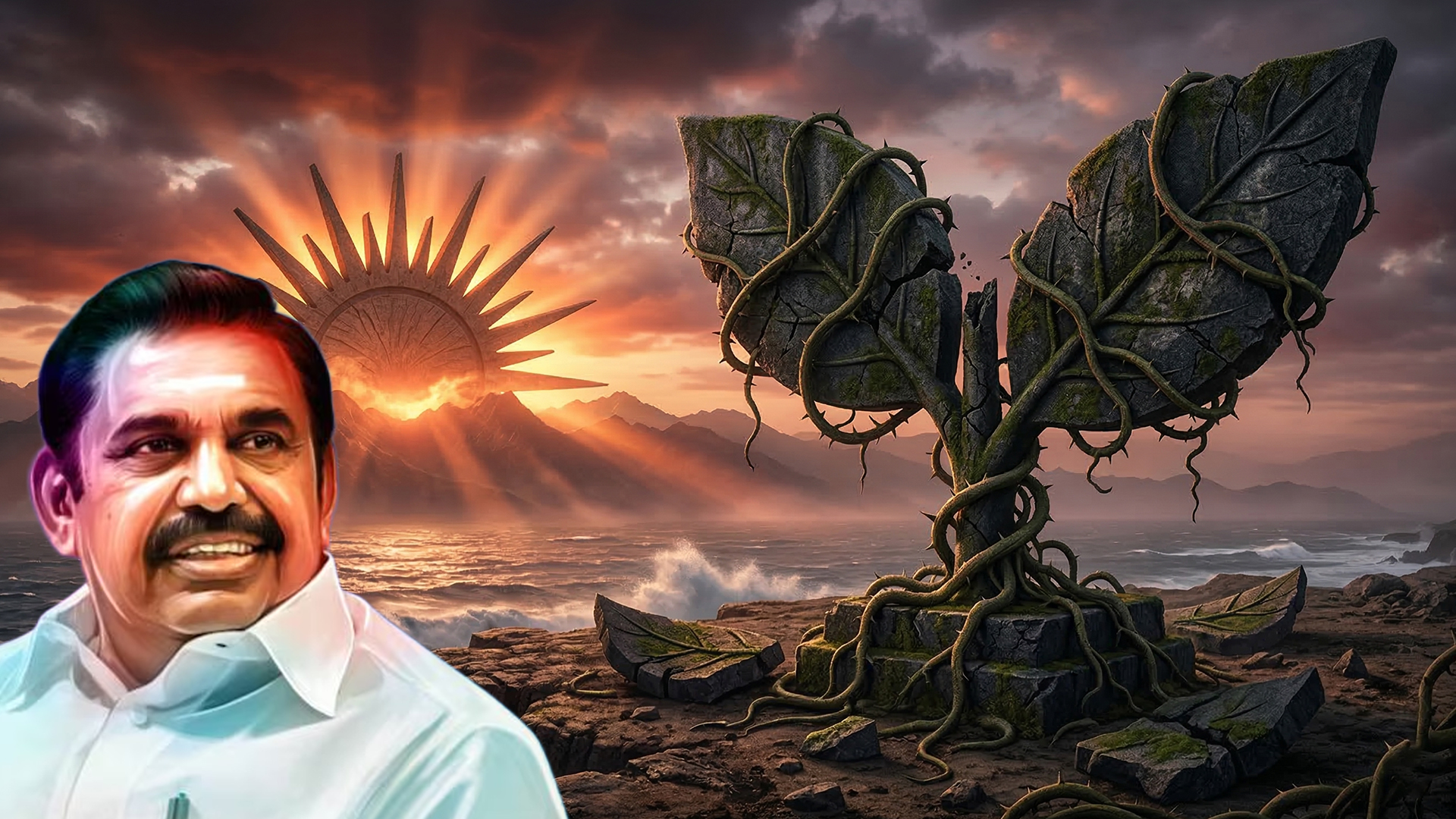
The 2026 Tamil Nadu Assembly election is shaping up to be a major challenge for the opposition All India Anna Dravida Munnetra Kazhagam (AIADMK), which is trying to rebuild its strength after years of political setbacks and internal rifts.

The party, led by Edappadi K. Palaniswami, is attempting to position itself as the main challenger to the ruling Dravida Munnetra Kazhagam (DMK) government headed by Chief Minister M. K. Stalin. However, political observers say the election could be crucial for AIADMK’s future, as it seeks to regain the influence it once enjoyed under former chief minister J. Jayalalithaa.

Since Jayalalithaa’s death in 2016, AIADMK has faced internal power struggles and multiple electoral defeats, which weakened its position in Tamil Nadu politics. The party is now trying to reorganise its structure and strengthen alliances to mount a stronger challenge in the upcoming polls.

The political landscape has become more competitive with the entry of actor Vijay into active politics through his party, Tamilaga Vettri Kazhagam (TVK). The new party has generated significant attention ahead of the election.

Recently, speculation surfaced that TVK might be considering alliances with parties such as the Bharatiya Janata Party (BJP), AIADMK, or leaders like V. K. Sasikala and S. Ramadoss.

However, TVK leaders have dismissed these reports, saying there are no ongoing talks with any political party. According to the party, claims about alliances are baseless, and TVK will decide its strategy independently as it prepares for the election.

At the same time, AIADMK is working to strengthen its own alliance network and organisational structure in preparation for the polls. Party leaders are focusing on coordination with partners and groundwork across constituencies.

Also Read: BJP releases first list for Kerala polls
Deve Gowda flags parliament disruptions

Writes to Sonia Gandhi urging restraint and restoration of House decorum

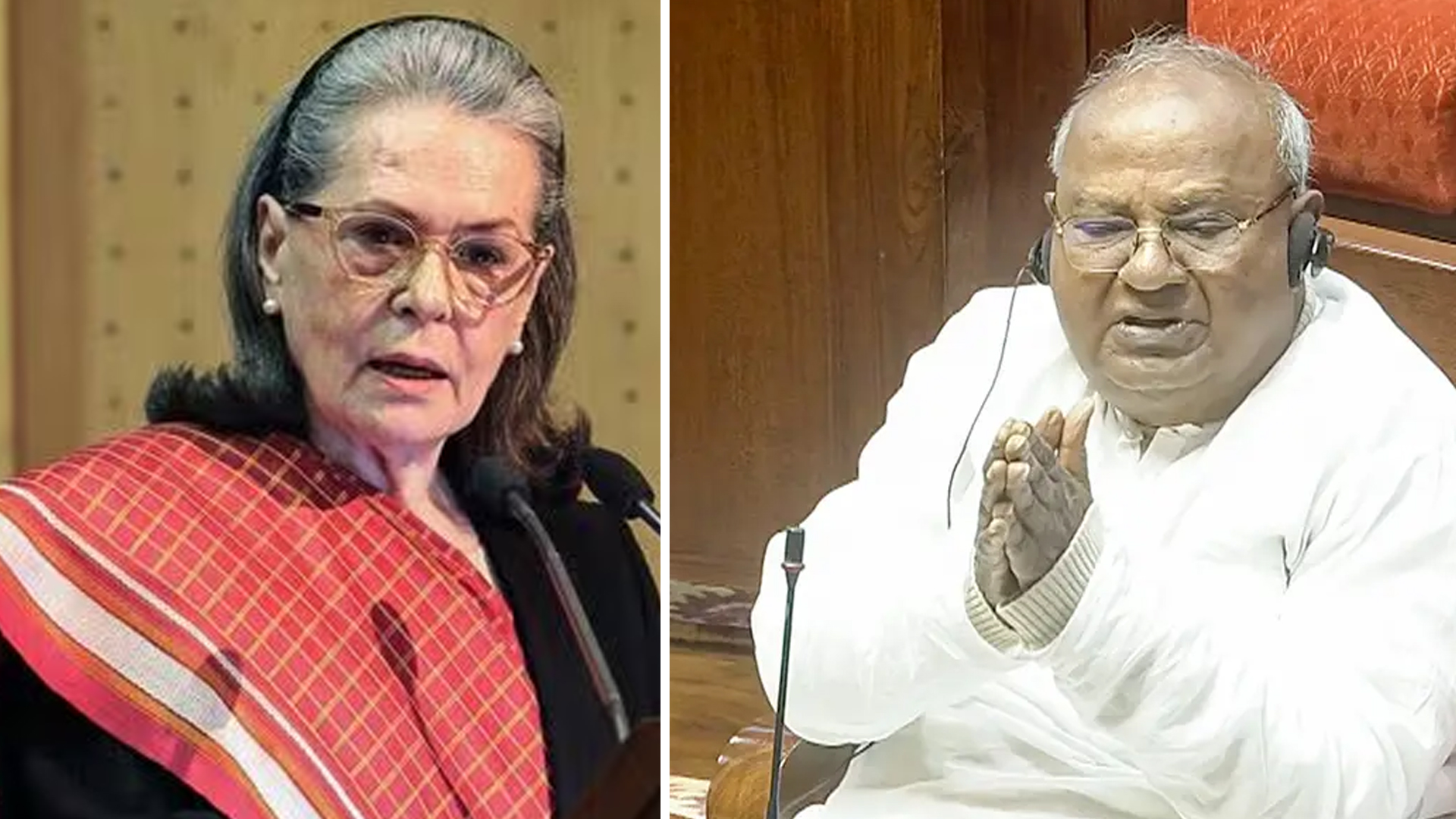
Former prime minister H. D. Deve Gowda has written to senior Congress leader Sonia Gandhi, expressing concern over repeated disruptions in Parliament and urging her to help restore decorum in the House.

In his letter, the Janata Dal (Secular) patriarch said he was deeply troubled by the frequent interruptions and protests that have disrupted proceedings during the current session. According to Gowda, the continuing disorder has prevented Parliament from functioning smoothly and has undermined the dignity of the institution.

The veteran leader pointed to slogan shouting, the display of placards and members entering the well of the House as examples of behaviour that has become increasingly common in recent sessions. He said such actions have contributed to a climate of confrontation rather than constructive debate.

Gowda also referred to demonstrations staged by opposition MPs outside Parliament, calling them unusual and worrying. He said the developments had shaken his long-standing faith in parliamentary traditions and raised concerns about the future functioning of democratic institutions.

Drawing from his decades-long political career, Gowda noted that he had spent many years in the opposition but had never felt the need to enter the well of the House to protest. He emphasised that lawmakers must maintain restraint and uphold parliamentary norms even while expressing dissent.

The former prime minister urged Gandhi to advise Congress members and other opposition leaders to avoid disruptive tactics and instead engage in meaningful debate inside the House. Responsible conduct, he said, was essential for safeguarding the credibility of Parliament and ensuring effective governance.

Gowda also cautioned that persistent disruptions could ultimately damage both parliamentary functioning and the political interests of those involved. He expressed hope that Gandhi would use her influence to encourage a more constructive approach among party members.

Also Read: India–US trade deal awaiting tariff clarity

India–US trade deal awaiting tariff clarity

Agreement ready, but signing will happen after the US finalises its new tariff framework

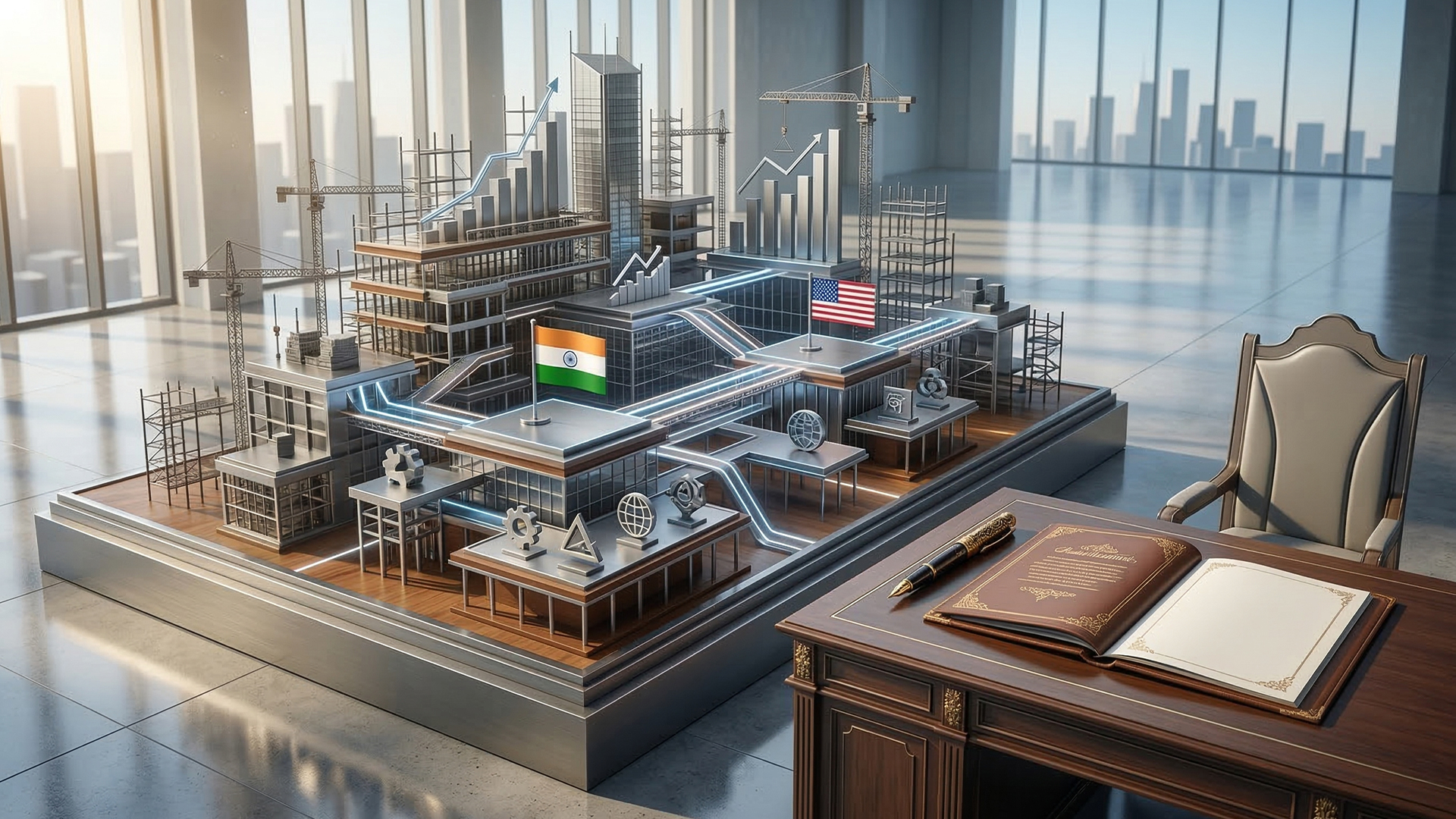
India and the United States are close to finalising an interim trade agreement, but the deal will only be formally signed after Washington completes work on a new global tariff framework.

According to senior officials in India’s commerce ministry, negotiations on the proposed agreement have largely been completed. However, the final signing is being held back until the US government decides on its new tariff architecture that will define duties on imports from different countries.

Commerce Secretary Rajesh Agrawal said the agreement itself is ready, but the timing of its signing will depend on when the United States finalises its tariff structure. This framework is expected to determine how the US imposes tariffs on its trading partners going forward.

India is closely watching these developments, as the tariff system could affect the competitiveness of Indian exports in the American market. Officials say New Delhi wants clarity on the US policy before moving ahead with the formal signing to ensure that Indian exporters are not put at a disadvantage.

The interim trade deal is part of broader efforts by both countries to strengthen economic ties and address trade issues that have surfaced in recent years. Discussions between the two sides have covered tariff reductions, easing of non-tariff barriers, and improved market access for certain goods.

While the agreement is intended to boost trade between the two countries, recent changes and policy discussions in the US have added some uncertainty. The US administration is currently reviewing how tariffs should be structured globally, which has led India to adopt a cautious approach.

Officials say waiting for the final tariff framework will provide better clarity on the long-term trade environment. Once the structure is announced, both countries are expected to move quickly to sign the agreement.

Despite the delay, India and the United States continue to remain engaged in discussions. The proposed trade pact is seen as an important step toward expanding bilateral trade and strengthening economic cooperation between the two countries.

Also Read: UP ATS arrests dental student for ISIS links

BJP releases first list for Kerala polls
Rajeev Chandrasekhar to contest from Nemom. Party fields senior leaders and new faces

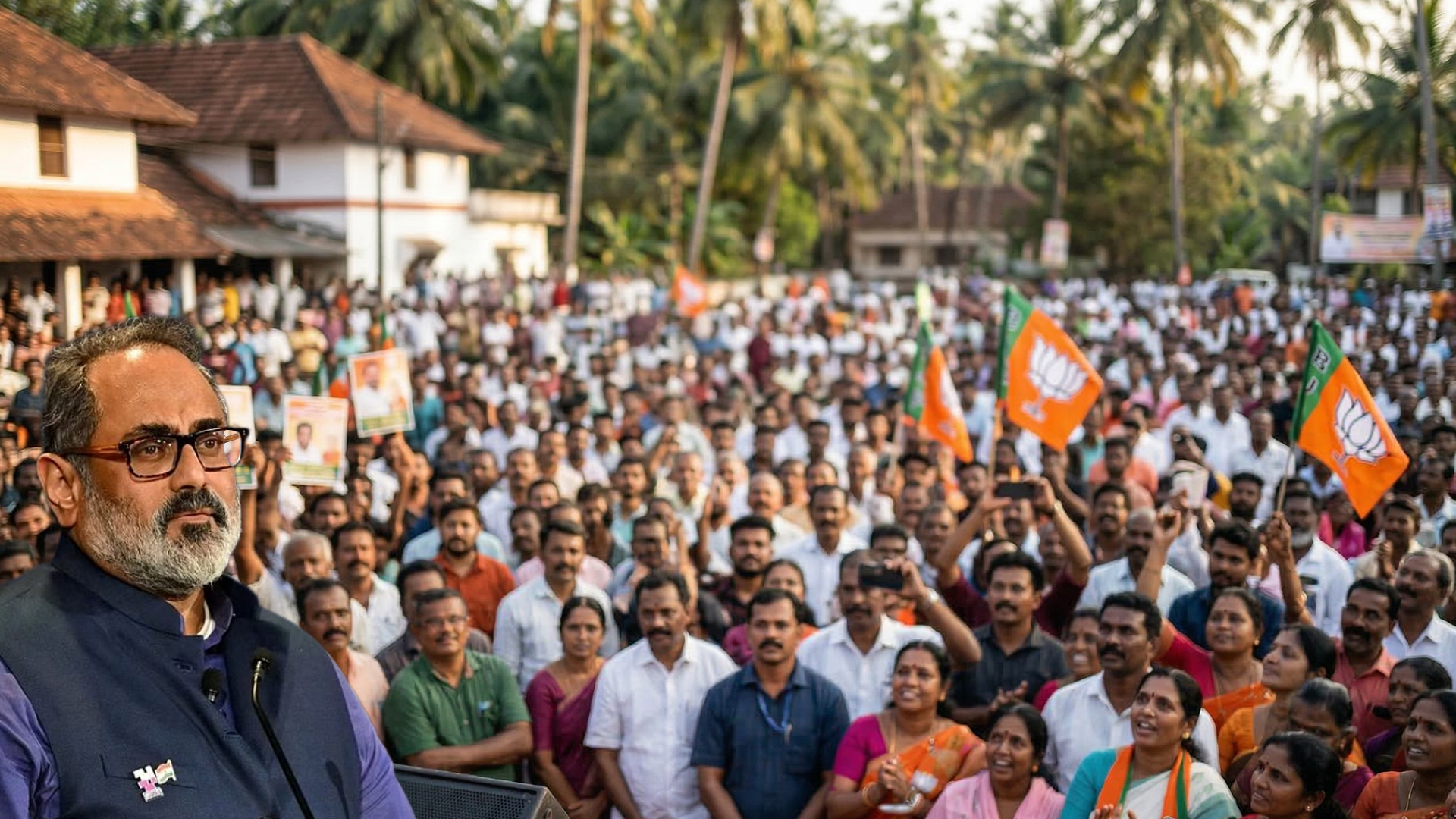
The Bharatiya Janata Party (BJP) has announced its first list of 47 candidates for the upcoming Kerala Assembly elections, signalling the start of its campaign in the state. The list includes several senior leaders, prominent faces and a few newcomers as the party looks to expand its presence in Kerala’s political landscape.

One of the most notable names in the list is Rajeev Chandrasekhar, who has been fielded from the Nemom constituency in Thiruvananthapuram district. Nemom is considered an important seat for the BJP, as it was the constituency from which O. Rajagopal became the party’s first MLA in the state during the 2016 Kerala Legislative Assembly election.

The party has also nominated Union minister George Kurian from Kanjirappally. Former Union minister V. Muraleedharan will contest from Kazhakkoottam, while former BJP Kerala president K. Surendran has been fielded again from Manjeswaram in Kasaragod district.

Among other candidates, senior BJP leader Sobha Surendran will contest from Palakkad, while C. Krishnakumar has been nominated from Malampuzha. In Thrissur, the party has fielded Padmaja Venugopal, who recently joined the BJP. Former IPS officer R. Sreelekha has been named as the candidate from Vattiyoorkavu.

Party leaders said the first list reflects an attempt to combine experienced politicians with fresh faces from different professional backgrounds. The candidates were finalised by the BJP’s central election committee after consultations with state leaders.

The Bharatiya Janata Party is aiming to strengthen its position in Kerala, where politics has traditionally been dominated by the Left Democratic Front and the United Democratic Front. By fielding well-known leaders and new entrants, the party hopes to broaden its support base ahead of the elections.

Kerala has a 140-member Assembly, and political activity in the state is expected to intensify in the coming weeks as parties release more candidate lists and step up their campaigns.

Also Read: Indian Navy escorts ships near Hormuz

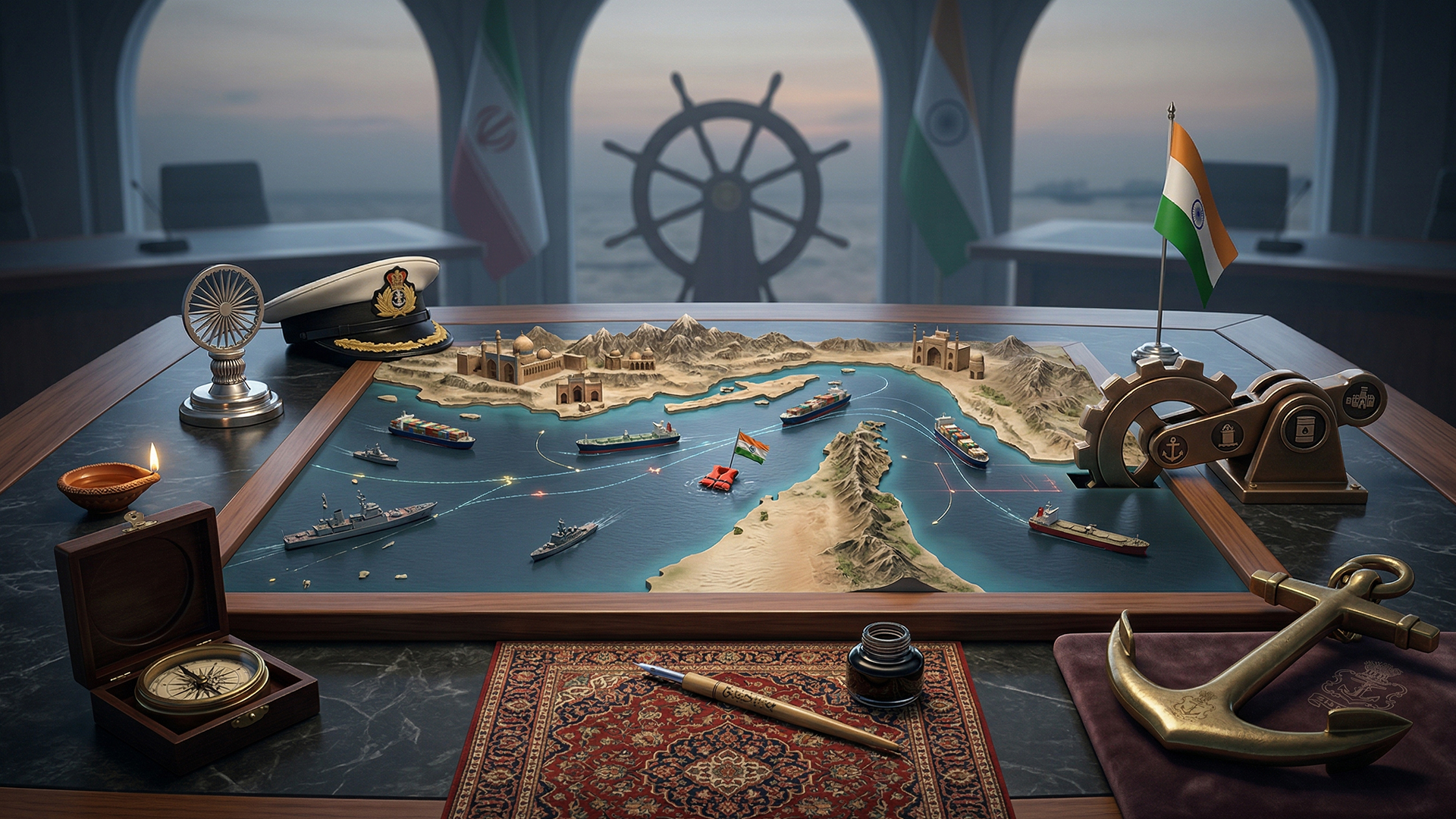
Indian Navy escorts ships near Hormuz

Warships guard India-bound oil and LPG vessels as tensions rise in the Gulf region

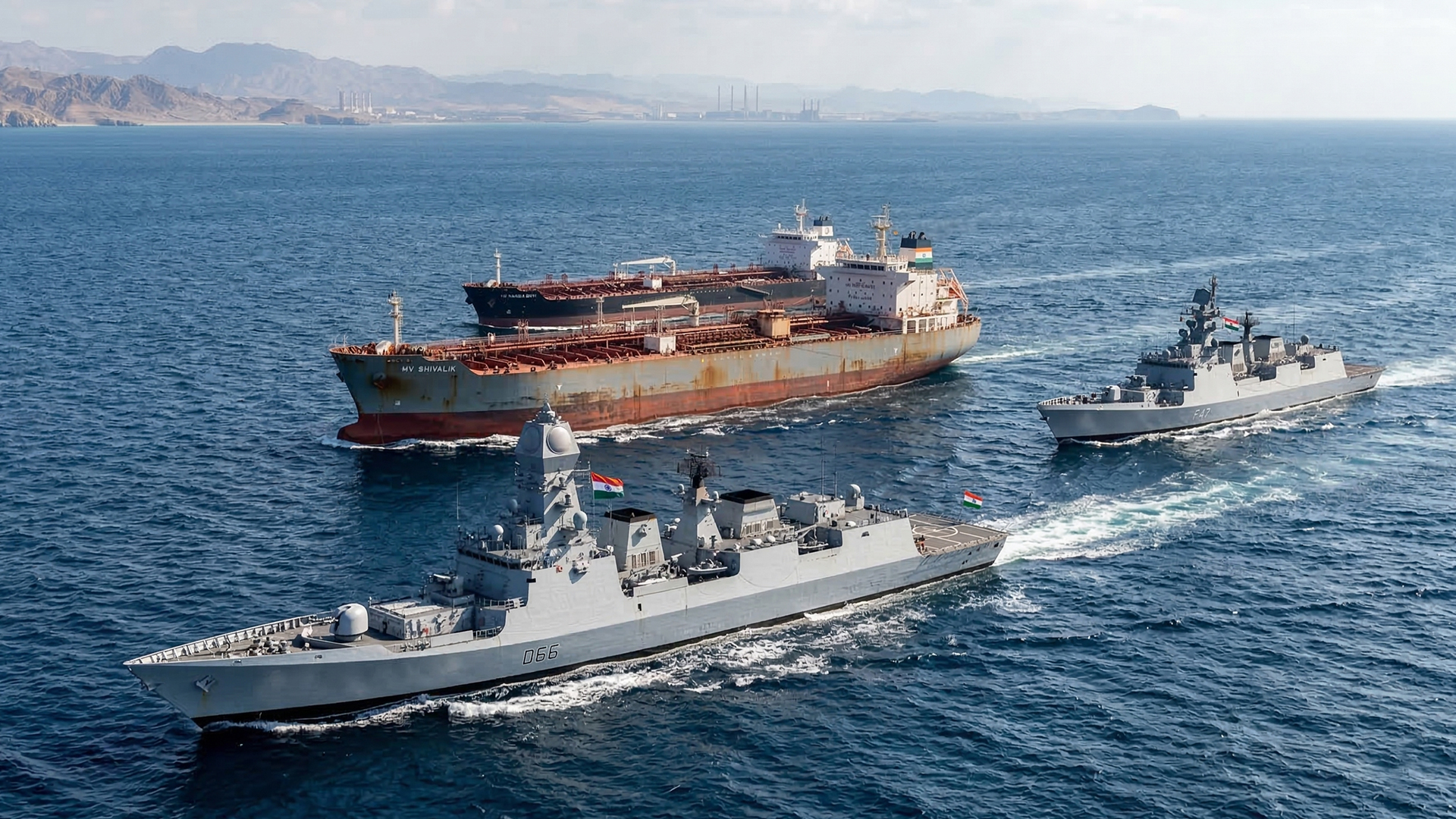
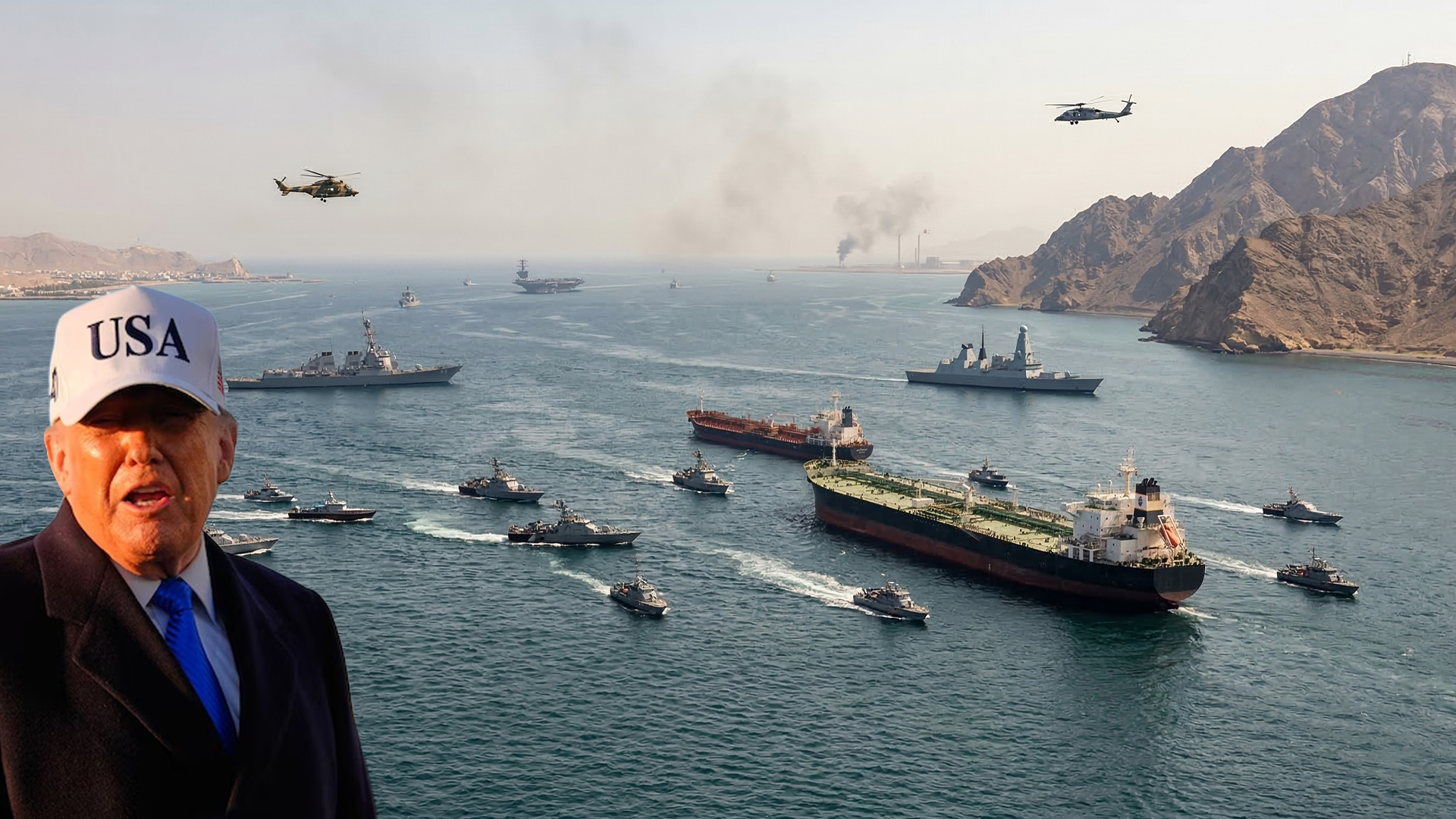
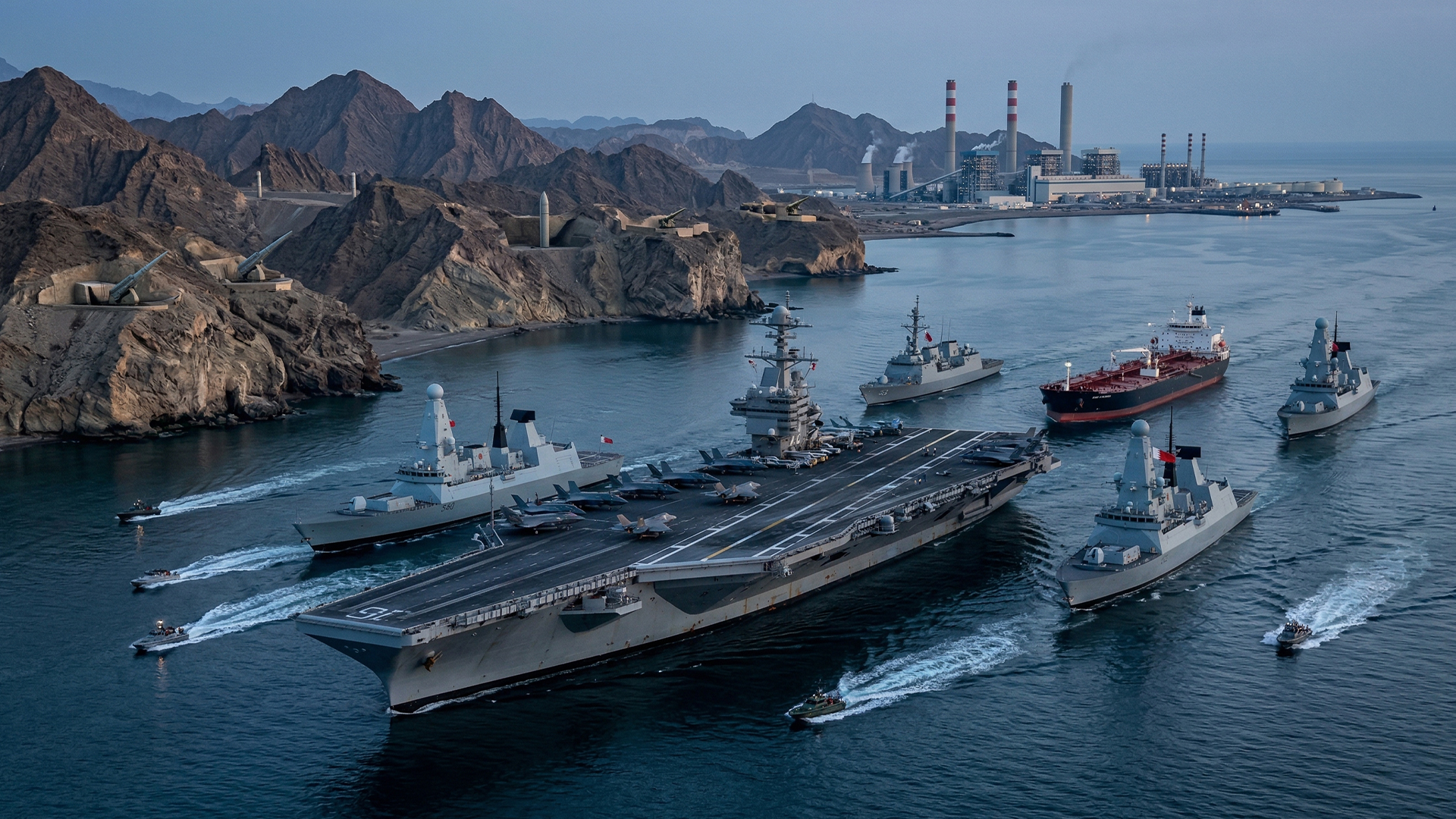
With tensions rising in West Asia and concerns growing over the safety of global shipping routes, the Indian Navy has stepped in to protect ships heading toward India through the sensitive waters near the Strait of Hormuz.

Three Indian naval warships are currently deployed in the Gulf of Oman to escort and monitor commercial vessels travelling toward India. The move is aimed at ensuring that crucial supplies such as crude oil and liquefied petroleum gas (LPG) reach the country safely despite instability in the region.

The Strait of Hormuz is one of the world’s most important maritime routes for energy supplies. A significant share of global oil shipments passes through this narrow channel connecting the Persian Gulf with the Arabian Sea. Any disruption in this area can quickly affect international energy markets and countries that rely heavily on oil imports, including India.

To address the situation, the Navy has increased surveillance and is providing security cover to merchant vessels sailing through the region. Officials said the deployment is part of the Navy’s ongoing maritime security mission to protect Indian shipping and seafarers operating in the Gulf waters.

Several India-bound vessels have already received support while passing through the tense zone. Two Indian LPG carriers recently moved through the Strait of Hormuz and continued their journey safely toward India under naval monitoring. In another case, an oil tanker carrying over 80,000 tonnes of crude oil departed from Fujairah in the United Arab Emirates and is travelling toward India with naval support in the region.

Authorities say the Navy is closely tracking the movement of ships carrying energy cargo to India and remains ready to assist if any threats arise. The presence of naval warships is expected to reassure shipping companies and crew members navigating through the volatile waters.

India imports a large portion of its crude oil and gas from Gulf countries, making uninterrupted maritime transport essential for the nation’s energy security. With many Indian sailors also working on vessels operating in the region, ensuring safe passage has become a top priority.

Also Read: Iran’s Supreme leader flown to Russia for surgery

Emirates flight returns after Dubai drone strike

EK523 returns to Trivandrum as Dubai airport temporarily shuts down

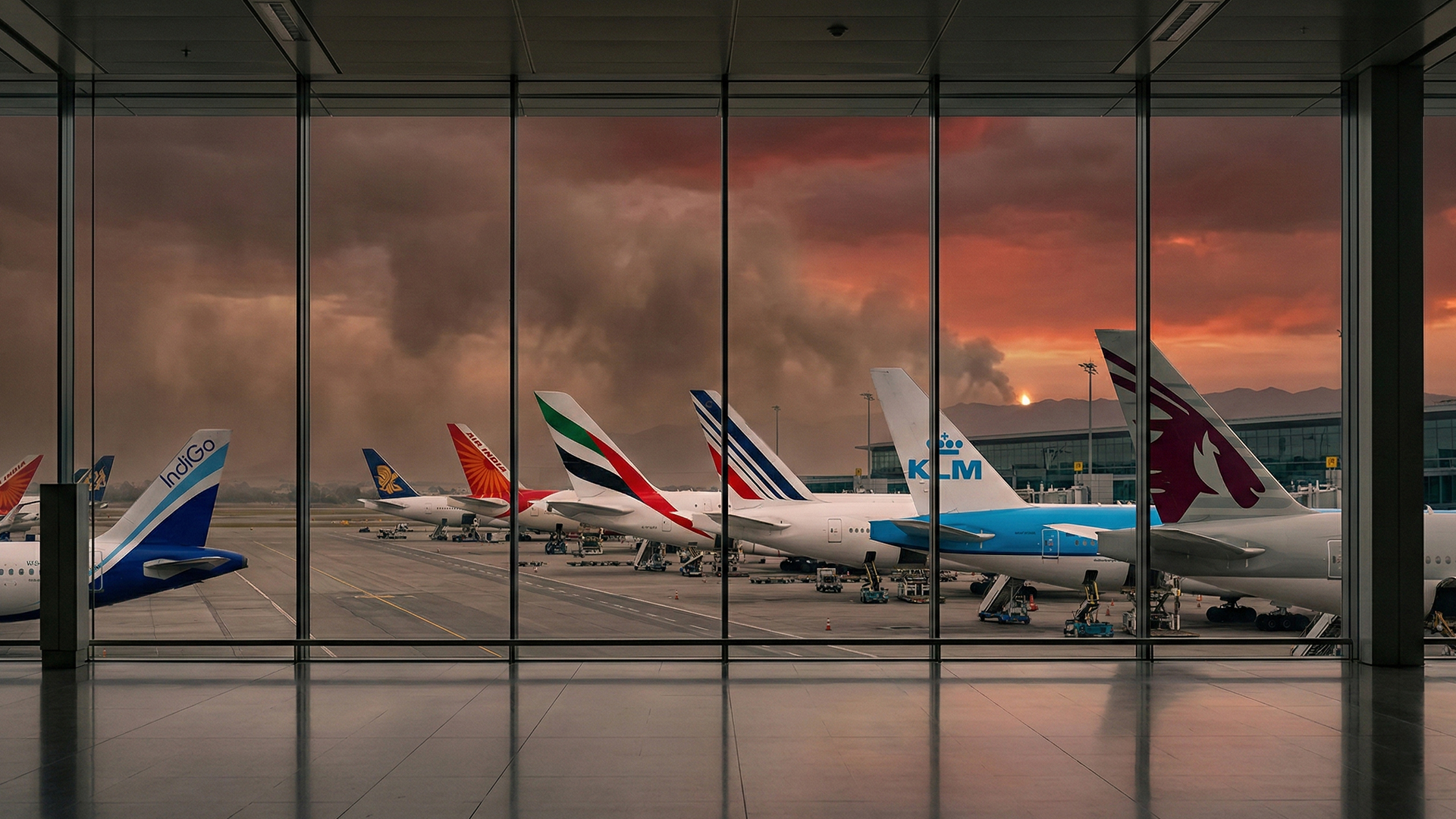
An Emirates flight from Thiruvananthapuram to Dubai had to return midway on Monday after Dubai International Airport temporarily closed due to a drone-related incident. Flight EK523, carrying over 350 passengers, was diverted back to its origin as a precautionary measure.

The drone reportedly struck near the airport perimeter, igniting a fire in a fuel tank area. Emergency teams quickly controlled the blaze, but authorities suspended all inbound and outbound flights to ensure safety. The pilots of EK523 decided to abort the Dubai landing and return to Thiruvananthapuram, where the aircraft safely touched down with no injuries reported.

The closure affected several other international flights, with some diverted to Al Maktoum International Airport or returned to their departure airports. Emirates and other airlines advised passengers to stay updated on revised flight schedules.

Dubai International Airport, one of the busiest in the world, has faced repeated disruptions in recent weeks due to drone and security threats. Aviation authorities confirmed that flights began resuming gradually once the area was secured.

This incident highlights ongoing regional security concerns in the Gulf, where drone strikes and aerial incidents have occasionally disrupted commercial aviation. Authorities emphasized passenger safety as the top priority and urged travelers to remain in contact with their airlines for further guidance.

Also Read: Japan, Australia decline Trump’s call on Strait of Hormuz

Instagram DMs will lose privacy lock

Messages will no longer be fully private from May

Meta Platforms is removing end-to-end encryption (E2EE) from Instagram direct messages, starting May 8, 2026. This means messages sent through Instagram DMs will no longer be fully private, and only the sender and recipient can no longer be guaranteed exclusive access.

The company says the feature, which was optional, saw “very few people” use it. Unlike WhatsApp—where encryption is standard—Instagram’s encryption never became widely adopted. Users who had turned it on are being urged to download their encrypted chats and media before the deadline, as these may not remain accessible once the feature is turned off.

Meta explained that removing encryption will allow it to better scan messages for harmful content, comply with safety regulations, and moderate content more effectively. While this may improve security in terms of detecting abuse or illegal activity, it also means Instagram will technically have access to messages it couldn’t see before.

The decision has sparked concern among privacy advocates. Many worry that without encryption, Instagram messages could be more vulnerable to hacking or unauthorized access, and users may feel less confident about the privacy of their conversations.

For those who value strong encryption, Meta recommends switching to WhatsApp, where end-to-end encryption remains standard for all messages. Users are advised to update their app and save any important conversations or media before May 8.

This move highlights the ongoing challenge for social media platforms: balancing privacy with the need to keep users safe and comply with regulations. Instagram’s shift may change how people think about messaging on the platform and how much trust they place in its privacy promises.

Also Read: Iran’s Supreme leader flown to Russia for surgery