rotating globe
4 Apr 2026


“One battle after another” wins at 2026 Oscars

Historic wins, breakout performances, and global films shine at Hollywood’s biggest ceremony

The 98th Academy Awards took place on March 15, 2026, at the Dolby Theatre in Los Angeles, with Conan O’Brien hosting a lively evening celebrating films from 2025. The ceremony mixed glittering red-carpet moments with heartfelt tributes to artists and filmmakers.

Paul Thomas Anderson’s politically charged drama “One Battle After Another” dominated the night, winning six Oscars, including Best Picture, Best Director, Best Adapted Screenplay, and the newly introduced Best Casting award. Sean Penn picked up Best Supporting Actor for the film, though he was absent from the ceremony.

“Sinners”, a supernatural period thriller, also made a mark with four wins. Michael B. Jordan earned Best Actor, Ryan Coogler won Best Original Screenplay, Ludwig Göransson took Best Original Score, and Autumn Durald Arkapaw became the first woman and person of color to win Best Cinematography.

In the acting categories, Jessie Buckley won Best Actress for her emotional performance in “Hamnet”, while Amy Madigan took Best Supporting Actress for Weapons, marking a celebrated return to the Oscars.

Animated and international films were also celebrated. “KPop Demon Hunters” earned Best Animated Feature and Best Original Song (“Golden”), while Norway’s “Sentimental Value” won Best International Feature Film. The documentary “Mr. Nobody Against Putin” took home Best Documentary Feature, and technical awards went to “F1” (Best Sound) and “Avatar: Fire and Ash” (Best Visual Effects). A rare tie occurred in Best Live Action Short Film.
Also Read: North Korea launches missile during joint drills

Iran’s Supreme leader flown to Russia for surgery

Reports claim Mojtaba Khamenei underwent treatment after war‑related injuries, amid official silence

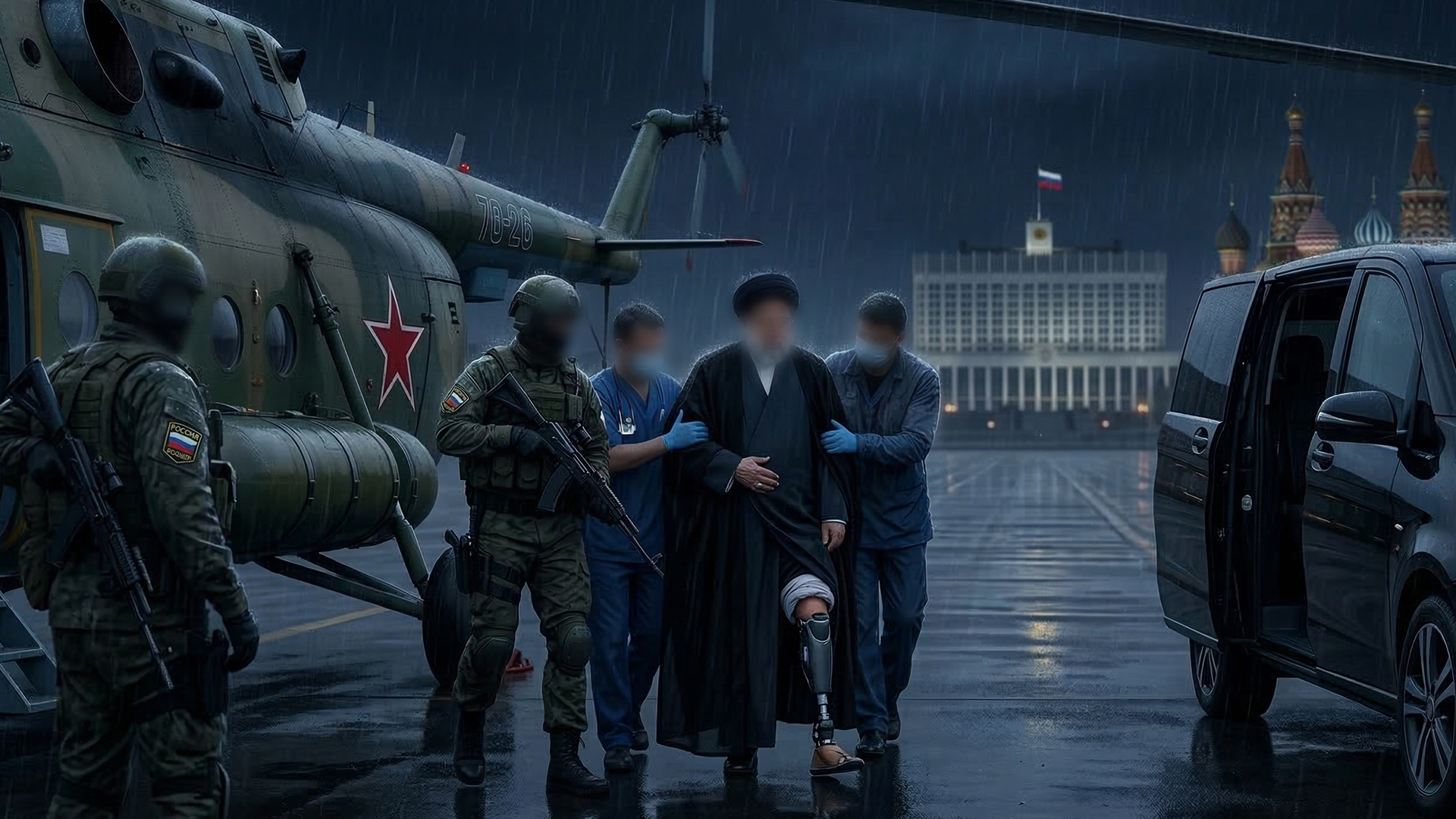
Iran’s newly appointed Supreme Leader, Mojtaba Khamenei, has reportedly been secretly flown to Russia for urgent medical treatment, according to international media reports. Sources say the move came after Khamenei suffered serious leg injuries during recent conflicts.

Multiple outlets, including Financial Express, claim he was transported to Moscow on a Russian military aircraft, where he underwent what is described as a “successful” surgery. Reports suggest Russian President Vladimir Putin personally arranged for the treatment, highlighting close ties between Tehran and Moscow.

Official Iranian sources, however, have not confirmed the reports. Tehran insists the Supreme Leader is carrying out his duties as normal, leaving many questions about his health unanswered. Conflicting accounts continue to circulate, with some sources claiming severe injuries and others suggesting minor wounds. Rumors have even surfaced online about more dramatic outcomes, though none are verified.

The speculation comes amid wider regional tensions. Khamenei was chosen as Supreme Leader on March 8, but has not been seen publicly since assuming the role. His absence, combined with reports of medical evacuation, has fueled uncertainty about the leadership and stability in Iran.

International observers, including former U.S. officials, have added to the confusion with unverified claims about his condition, but no independent confirmation exists. Meanwhile, Tehran remains largely silent, offering no clarity to citizens or the world about the Supreme Leader’s wellbeing.

Also Read: UAE arrests 19 Indians over misleading war posts

UAE arrests 19 Indians over misleading war posts

Officials say AI‑altered videos and false social media content risked causing panic amid Middle East conflict

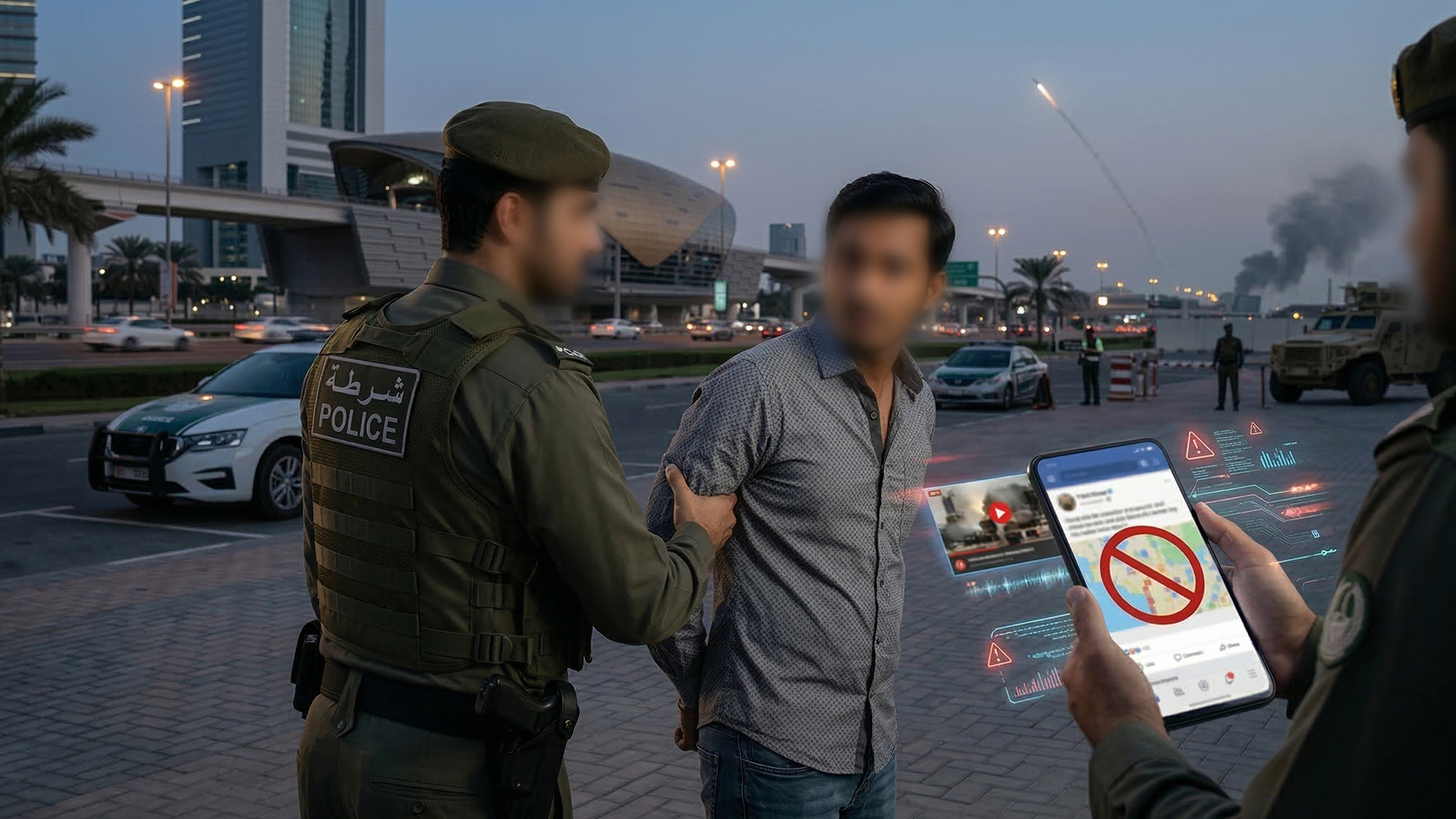
The United Arab Emirates (UAE) has taken strict action against 35 people, including 19 Indian nationals, for sharing misleading or fabricated content online about the ongoing Israel‑US‑Iran conflict. Officials say these posts, some created with artificial intelligence (AI), risked causing public alarm and spreading misinformation.

According to the UAE’s Attorney-General’s Office, the individuals shared videos and posts that falsely showed missile strikes, explosions, drone attacks, and other conflict-related events. Some clips were altered or given misleading captions, making them appear as though the incidents had occurred in the UAE. Authorities stressed that this kind of content goes beyond harmless reporting and can create unnecessary panic, mislead residents, and even reveal sensitive security details.

The UAE’s state news agency, WAM, said the suspects have been referred for fast-track trials under the country’s cybercrime laws. Those laws strictly prohibit creating or sharing false online content, with penalties including fines and imprisonment.

Officials categorized the online offenses into three main types namely – Genuine footage posted with false or alarming commentary, AI-generated or reused videos presented as real events in the UAE, Posts promoting or glorifying hostile foreign leaders or military actions.

While the Indian government has not commented officially, the arrests have sparked discussion online about the importance of respecting local laws when living abroad. Experts note that the UAE has been closely monitoring online content, particularly during tense periods, to maintain public order and national safety.

The UAE has urged residents to rely on verified official sources for news, especially regarding the conflict. Authorities warn that sharing unverified videos or posts can carry serious legal consequences and encourage social media users to think twice before spreading potentially harmful content.

Also Read: Emirates flight returns after Dubai drone strike

Iran confirms nuclear material buried, no recovery plans

Enriched uranium trapped under rubble after airstrike. Tehran has no immediate plan to retrieve it

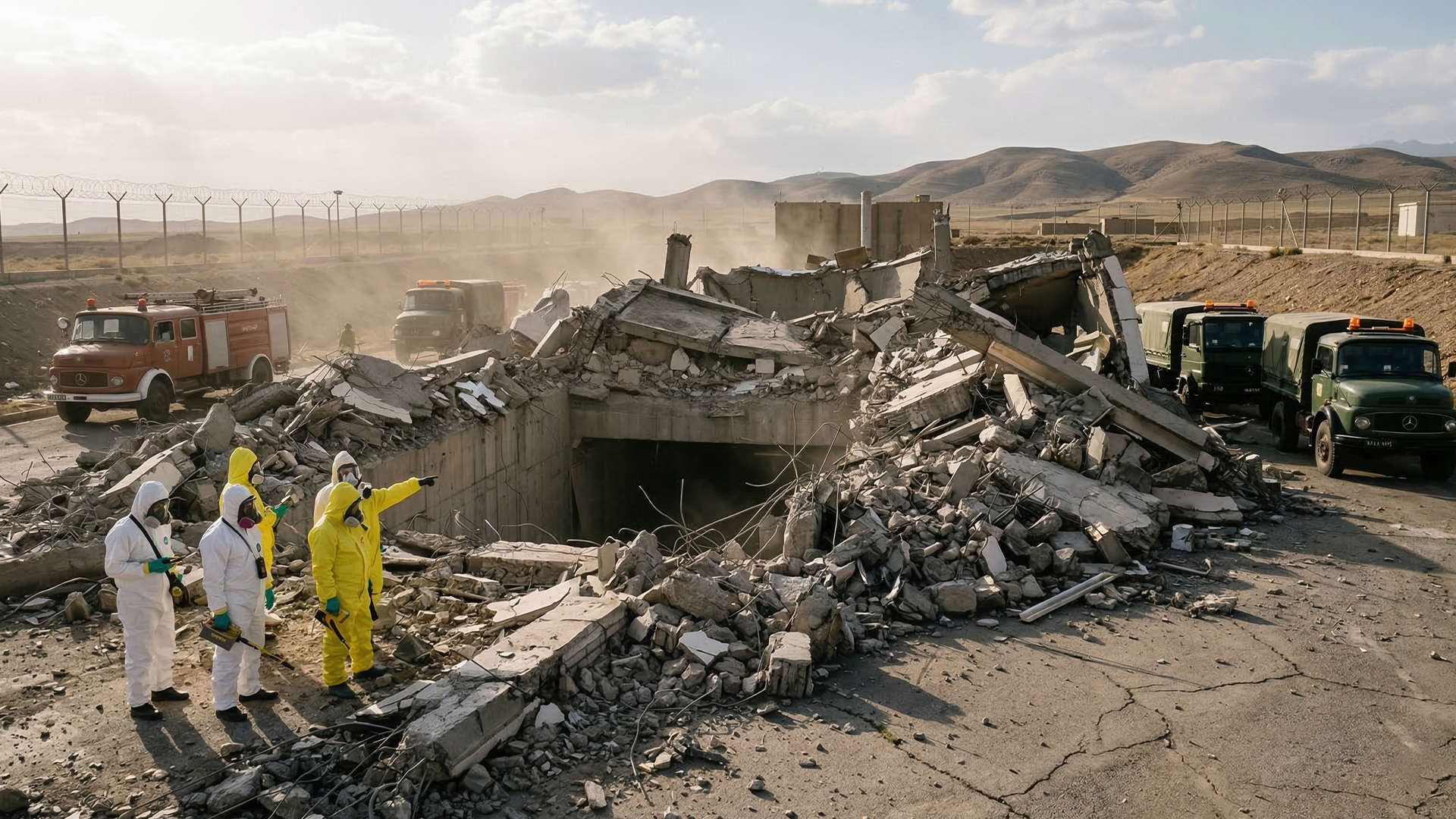
Iran’s Foreign Minister Abbas Araghchi has revealed that enriched nuclear material at the country’s nuclear sites is currently buried under debris following recent US and allied airstrikes. He clarified that Tehran has no immediate plans to recover the material, describing the affected sites as heavily damaged.

Araghchi explained that while the possibility of retrieving the material exists in the future, there is no active program or timeline for such an operation. He added that any eventual recovery would likely involve oversight by the International Atomic Energy Agency (IAEA) to ensure transparency.

The minister also highlighted that Iran had previously offered to dilute enriched uranium during diplomatic talks to show it had no intention of producing nuclear weapons. Those negotiations, however, fell apart amid rising hostilities.

The airstrikes, carried out in recent months, targeted Iran’s nuclear and military facilities, leaving stockpiles of enriched uranium trapped under rubble. The attacks caused extensive structural damage, complicating any potential recovery efforts.

Araghchi reiterated that Iran is not considering a ceasefire and is prepared to defend itself for as long as necessary. He emphasized that foreign inspectors will not be granted unrestricted access to the bombed sites until political conditions allow, making verification efforts challenging.

Also Read: Netanyahu shares video amid death rumours

Netanyahu shares video amid death rumours

Viral claims of the Israeli PM’s death are false; Netanyahu posts a light-hearted video proving he is alive

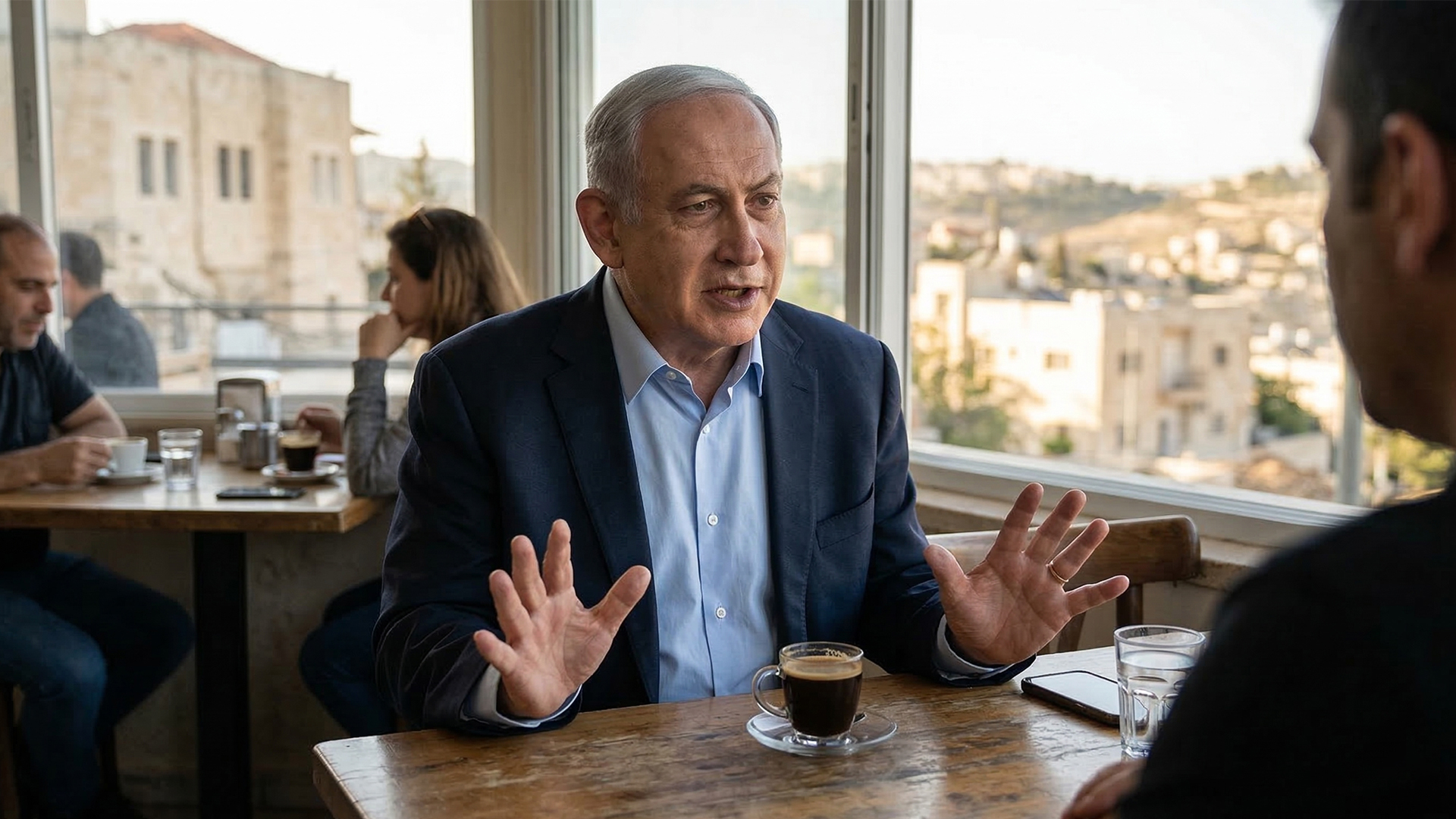
Amid rising tensions between Israel and Iran, Prime Minister Benjamin Netanyahu released a video on Sunday to dismiss false rumours that he had been killed or seriously injured in an Iranian attack. The video, shared on his official social media accounts, shows Netanyahu calmly sitting at a café near Jerusalem, drinking coffee and addressing the rumours with humour.

In the short clip, Netanyahu jokes about being “dead for coffee” and raises his hands to show five fingers each, poking fun at online claims that footage of him showed a mysterious “sixth finger,” which some said proved the video was fake. The gestures were meant to reassure the public that he is alive and the conspiracy theories circulating online are false.

The rumours had gone viral amid the ongoing conflict, which began in late February with joint US–Israeli strikes targeting Iranian positions. Pro-Iran media accounts and social media posts spread unverified claims about Netanyahu’s death or injury, creating confusion and panic among followers.

While some social media users questioned whether the video had been digitally altered, Netanyahu’s office confirmed its authenticity. Reuters verified that it was filmed at a real café in Jerusalem and posted on the Prime Minister’s official channels.

The video comes at a time when Israel faces wartime restrictions: schools are closed, public gatherings are banned, and citizens are advised to stay in shelters due to ongoing missile and drone attacks from Iran. Netanyahu’s office emphasized that he is safe and urged people not to believe the false claims circulating online.

Also Read: Gujarat launches first rocket at Dholera

Gujarat launches first rocket at Dholera

Startup-built rocket flies 3 km, carries weather experiment, marking a big step for Gujarat’s space research

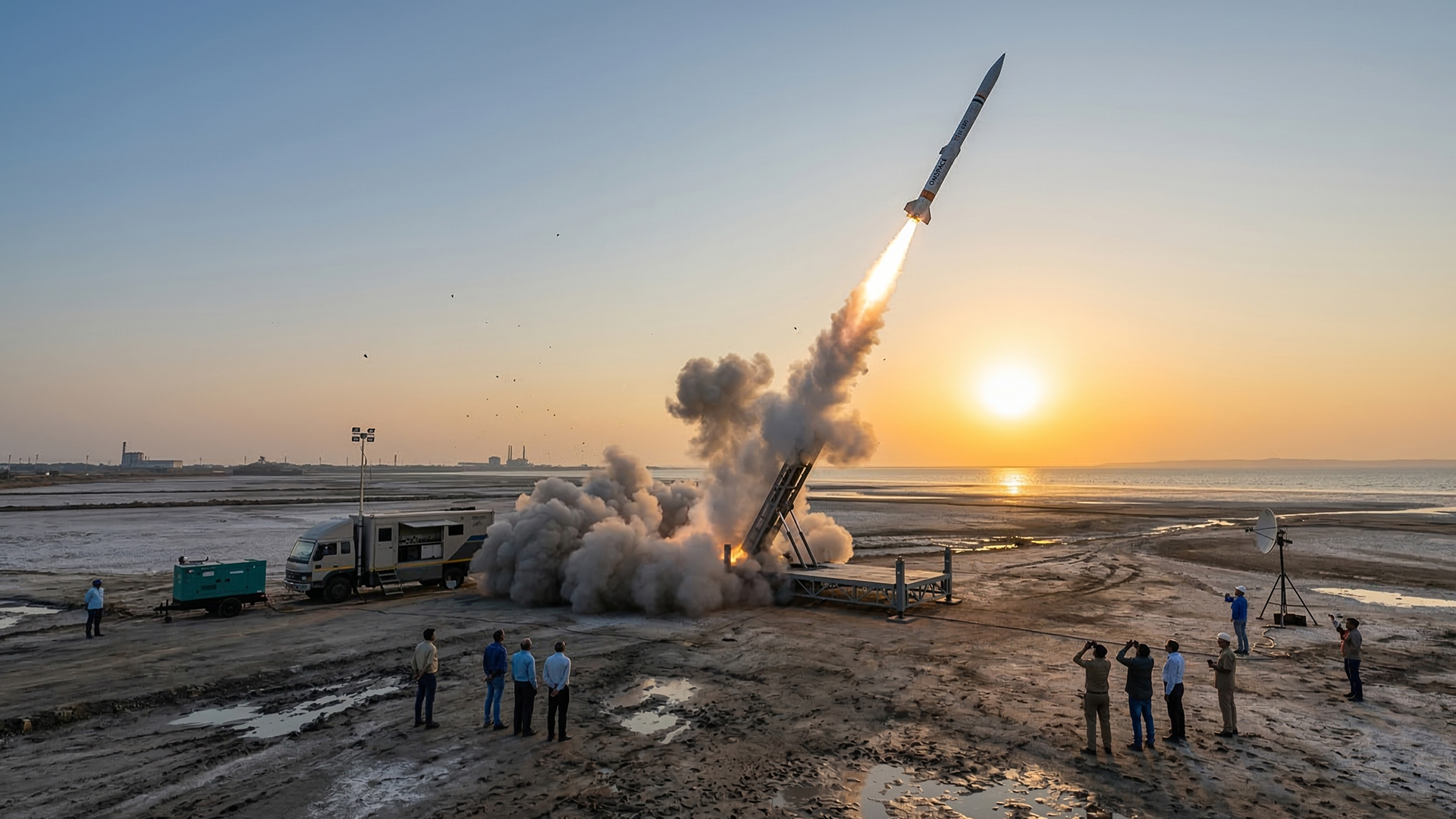
Gujarat made history by successfully launching its first sounding rocket near Dholera. The rocket was developed and launched by Ahmedabad-based startup Omspace Rocket and Exploration Private Limited (OSRE). This marks an important step for Gujarat as it begins to grow its space technology and private space research sector.

The rocket took off from a temporary launch site in Bavliyari around 1 p.m. It flew up to 3 kilometres in the sky and carried a small experiment to collect weather data. The launch tested important systems of the rocket, including its engine, electronics, and recovery system, all of which worked successfully.

The rocket’s body was made with carbon fibre and other strong materials at the startup’s facility in Ahmedabad. The launch had approval and support from authorities like the Indian National Space Promotion and Authorisation Centre (IN‑SPACe), the Airports Authority of India, the Coast Guard, and the Directorate General of Civil Aviation.

Science and Technology Minister Arjun Modhwadia attended the launch. He praised the young scientists and said this is a big step toward Gujarat developing its own space technology and encouraging private companies to work in this field.

Omspace’s team said that the success of this rocket will help them build more advanced rockets in the future, including a reusable launch vehicle called Infinity One. They hope this will allow India and Gujarat to do more experiments and research in space using locally made technology.

Also Read: FASTag annual pass fee hiked from April

FASTag annual pass fee hiked from April

NHAI implements a modest increase as part of routine annual adjustment for 2026‑27

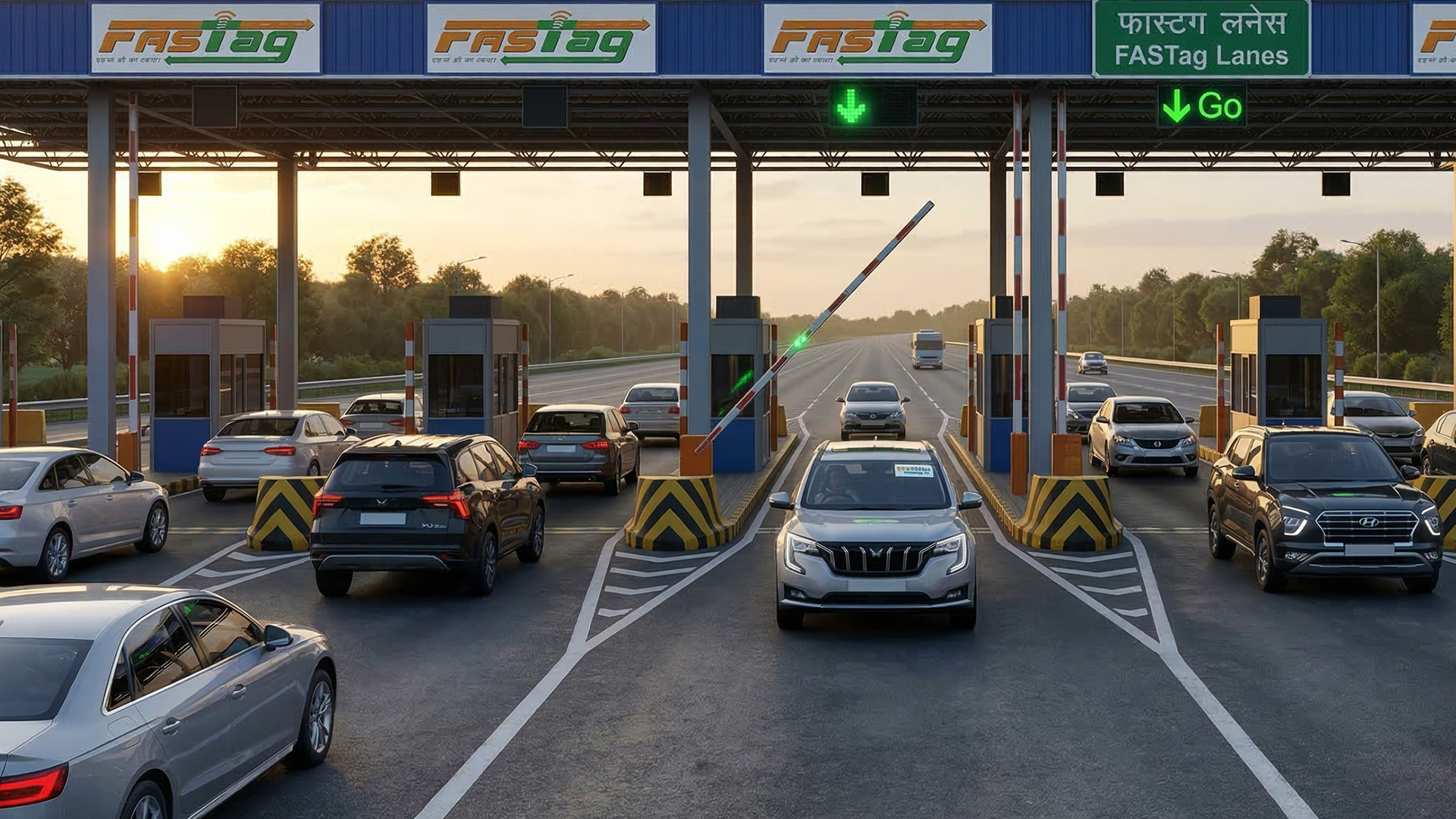
The National Highways Authority of India (NHAI) has increased the price of the FASTag Annual Pass for private vehicles. Starting April 1, 2026, the pass will cost ₹3,075, up from ₹3,000, reflecting a ₹75 increase for the financial year 2026‑27. The revised fee applies across more than 1,150 toll plazas on national highways and expressways nationwide.

The FASTag Annual Pass allows private vehicles to make up to 200 toll crossings or travel for 12 months, whichever comes first, without paying tolls each time. It is part of India’s electronic toll collection system that uses RFID technology to automatically deduct payments when vehicles pass through toll booths, enabling smoother and faster travel.

Vehicle owners can purchase or activate the annual pass through the NHAI website or the Rajmarg Yatra app, with activation usually completed within a few hours. The pass is valid only for non-commercial private vehicles such as cars, jeeps, and vans fitted with a valid FASTag.

Introduced in August 2025, the annual pass was aimed at reducing congestion at toll plazas, promoting cashless travel, and simplifying toll payments for frequent highway users. Since its launch, the pass has been popular among regular commuters and long-distance travelers, offering potential cost savings compared with paying tolls individually.

The NHAI said the price increase is part of its routine annual adjustment, taking into account inflation and the rising cost of maintaining highway infrastructure. Motorists who do not opt for the annual pass can continue paying tolls per trip using their existing FASTag balance.

Also Read: PM Modi praises Om Birla after motion defeat

PM Modi praises Om Birla after motion defeat

PM lauds Speaker’s impartial conduct; Opposition criticised

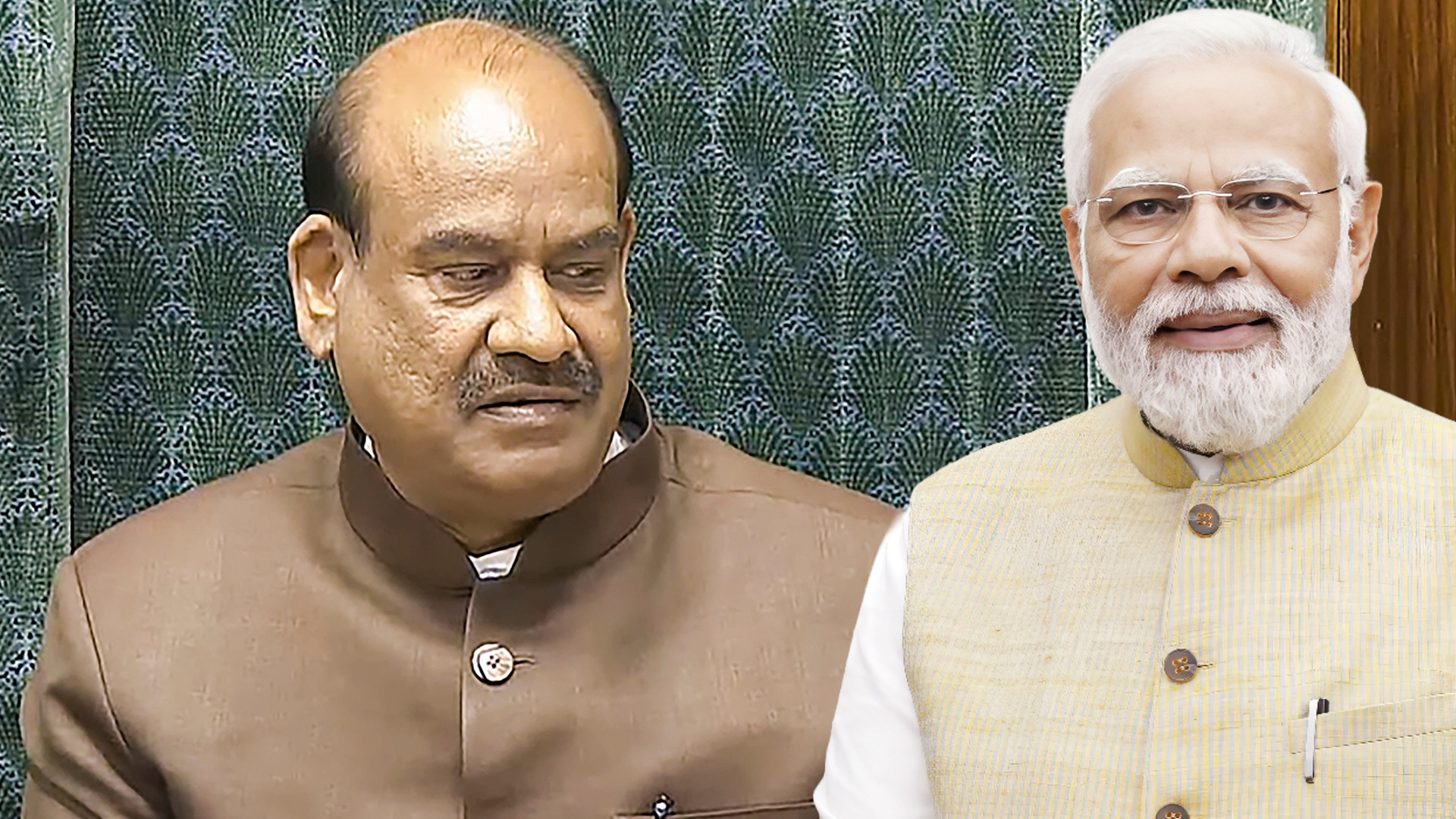
Prime Minister Narendra Modi has praised Lok Sabha Speaker Om Birla for his leadership and impartial conduct in Parliament after a no-confidence motion against the Speaker was defeated in the Lok Sabha.

The motion, brought by Opposition members, was discussed in the House and later rejected through a voice vote after a heated debate between the government and Opposition benches. With the motion failing, Birla will continue to serve as the Speaker.

Following the development, Modi wrote a letter to Birla appreciating the way he has conducted parliamentary proceedings. The Prime Minister said Birla had shown patience, fairness and dedication while presiding over the House, even during intense political disagreements and repeated disruptions.

Modi also stated that Birla had upheld the dignity of the Speaker’s office and followed parliamentary traditions and rules while managing debates and discussions. According to the Prime Minister, maintaining discipline and neutrality in the House is essential for the smooth functioning of democracy.

The no-confidence motion had been moved by several Opposition parties, which accused the Speaker of favouring the government and not giving enough opportunities to Opposition members to raise their issues during parliamentary debates. They argued that the Speaker’s decisions during recent sessions had been biased.

However, leaders from the ruling side strongly rejected these allegations and defended Birla’s actions. Government members said the Speaker had conducted proceedings according to established parliamentary rules and had treated all members equally.

During the debate, ruling party MPs criticised the Opposition for attempting to challenge the authority of the Speaker’s office. They said such moves could weaken parliamentary institutions and disrupt the functioning of the House.

Also Read: Jaishankar says no blanket deal with Iran