rotating globe
6 Apr 2026


Michigan suspect shared relatives’ images

Authorities probe motive after Temple Israel attack

A 41-year-old man, Ayman Mohamad Ghazali, attacked Temple Israel in West Bloomfield Township, Michigan, on 12 March 2026, before dying at the scene. The FBI is treating the case as a targeted attack against the Jewish community.

Police said Ghazali drove a truck into the synagogue, which caught fire. Thanks to quick evacuations, no children or staff were hurt, though one security guard was injured.

Hours before the attack, Ghazali posted photos of relatives killed in recent Israeli airstrikes in Lebanon, including children. Investigators are examining whether this personal loss influenced his actions.

Ghazali, a naturalized US citizen from Lebanon, lived in Dearborn Heights, Michigan. Authorities continue to review his social media activity and background to understand his motives.

Following the attack, security at synagogues nationwide has been increased. Officials and community leaders have condemned the violence, calling attacks on places of worship unacceptable and illegal.

Also Read: Warrant against Farooq Abdullah recalled
Warrant against Farooq Abdullah recalled

Non-bailable JKCA case warrant withdrawn hours after issuance

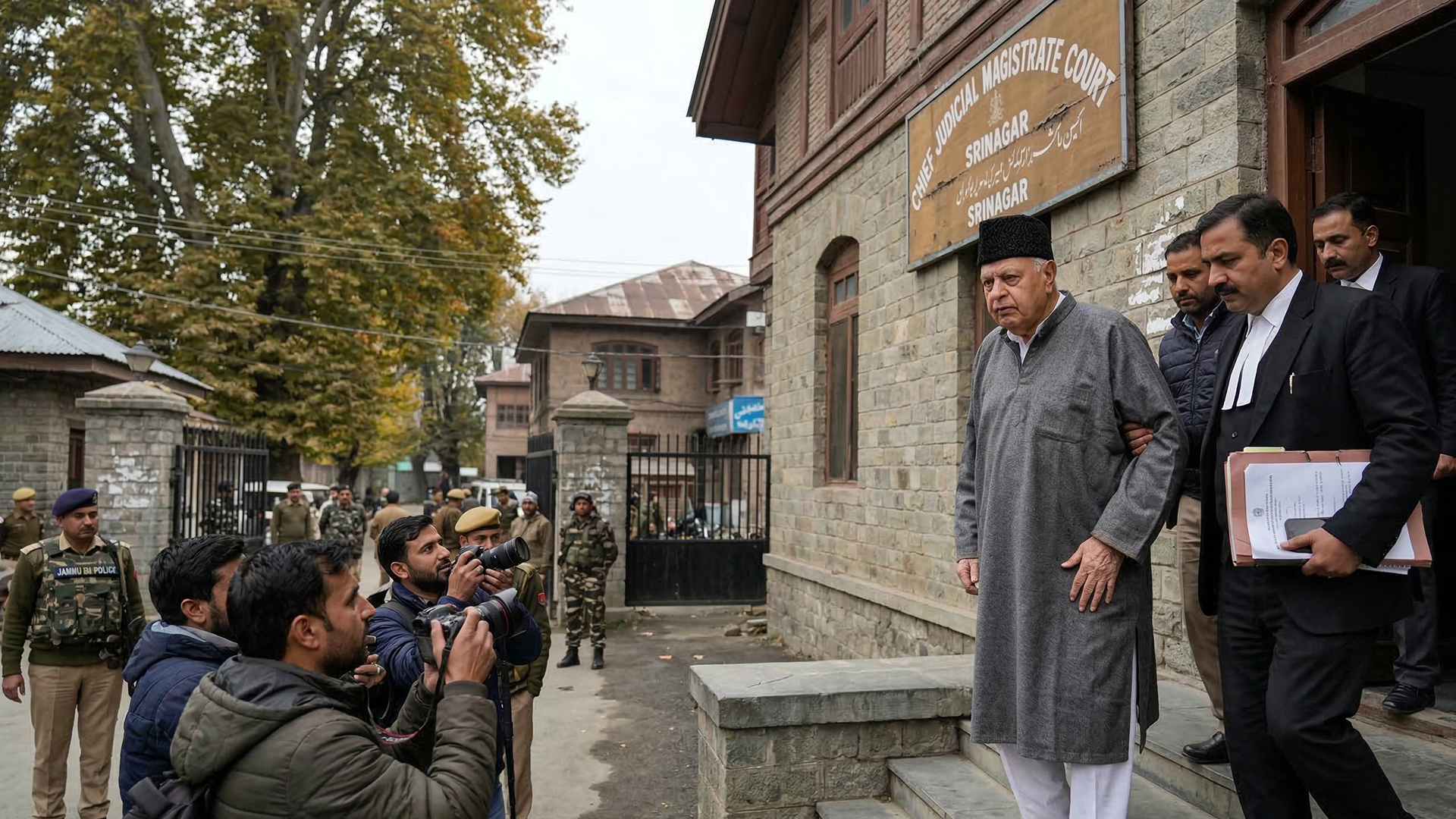
A Srinagar court has withdrawn a non-bailable warrant against senior politician and National Conference leader Farooq Abdullah in connection with the Jammu and Kashmir Cricket Association (JKCA) scam case. The reversal came just hours after the warrant was issued when Abdullah did not appear in court.

The warrant had been ordered by the Chief Judicial Magistrate (CJM) of Srinagar during hearings in the long-running case, which alleges financial irregularities and misappropriation of funds in the JKCA. The court had earlier rejected Abdullah’s request to avoid personal appearance, noting that he had the option to join proceedings virtually but did not.

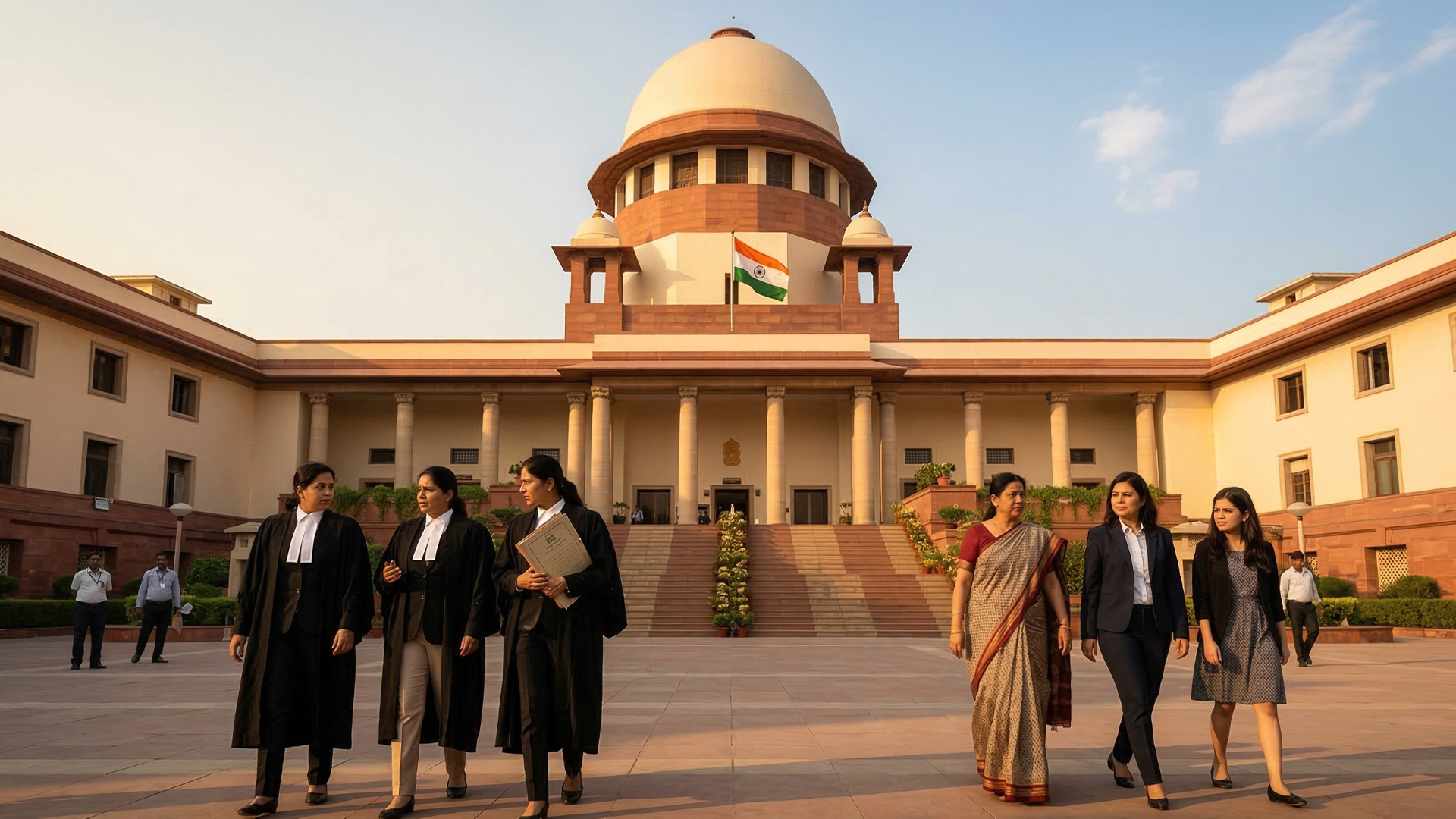
Later, the court recalled the warrant, taking into consideration Abdullah’s health issues after a recent suspected attack and a formal application filed on his behalf explaining his absence. Legal experts say this move reflects the court’s need to balance strict legal procedures with humanitarian considerations, especially for elderly defendants.

The JKCA case, under investigation for several years by agencies including the Central Bureau of Investigation (CBI) and the Enforcement Directorate (ED), involves allegations of mismanagement of funds intended for cricket development in Jammu and Kashmir. Abdullah, a former Chief Minister of Jammu and Kashmir, has faced repeated scrutiny in this high-profile matter. His legal team has consistently cited his age and health concerns during proceedings.

The brief issuance and subsequent withdrawal of the warrant highlighted the tensions in handling high-profile cases, where ensuring court appearances must be weighed against defendants’ personal circumstances. Observers note that such decisions demonstrate the judiciary’s flexibility in sensitive matters while keeping the case on track.

The trial is ongoing, with the court now focused on framing charges and progressing the investigation. Abdullah’s lawyers say the leader remains committed to cooperating with the investigation despite the temporary legal hurdles.

Also Read: Trump threatens “very hard” strikes on Iran

Trump threatens “very hard” strikes on Iran

President warns of intensified military action and potential protection of ships in Strait of Hormuz

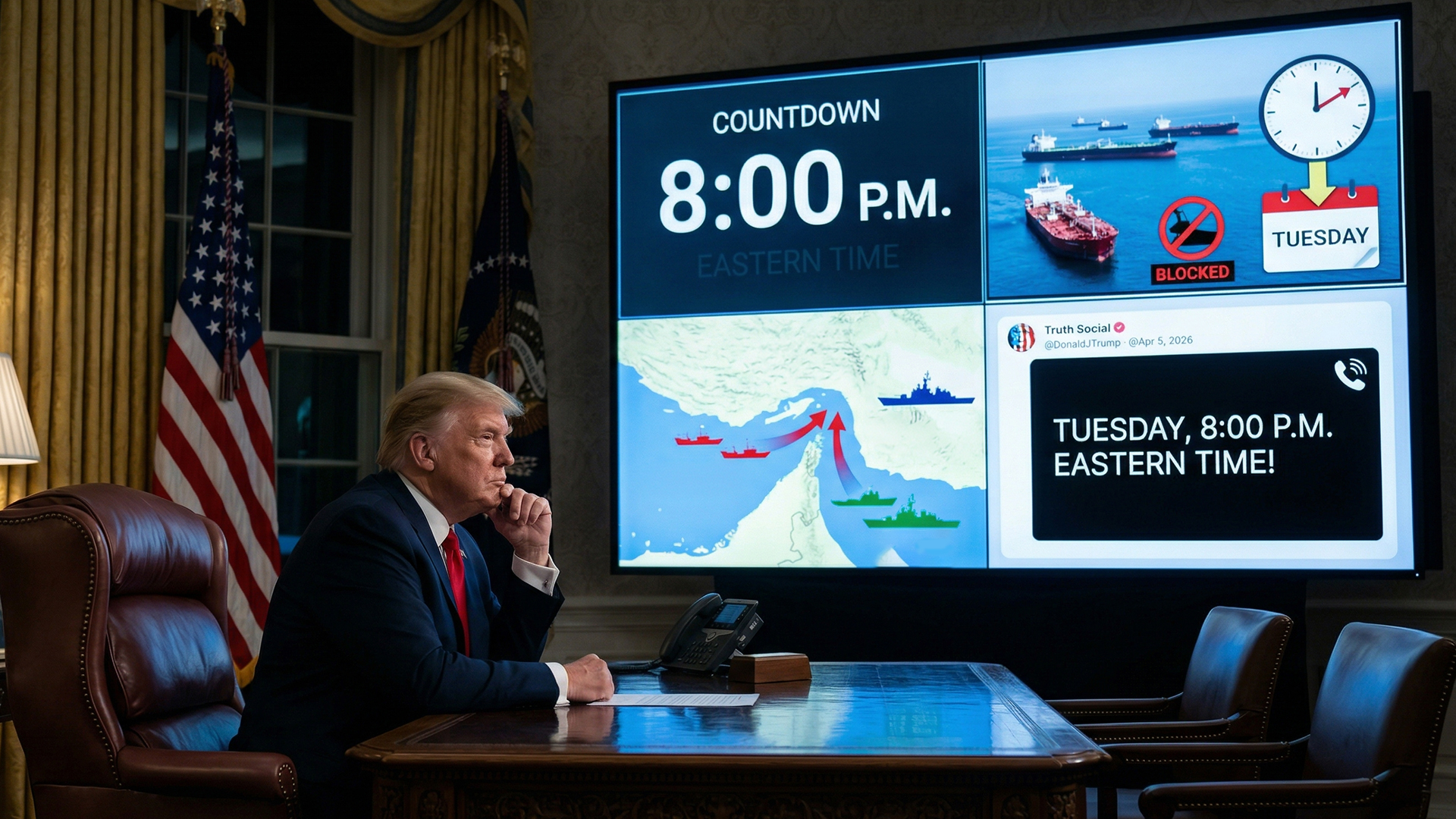
US President Donald Trump has issued a stark warning to Iran, saying the United States is prepared to launch “very hard” strikes on the country in the coming week as tensions in the Middle East escalate. His remarks came during a Fox News interview amid ongoing clashes involving the US, Israel, and Iran.

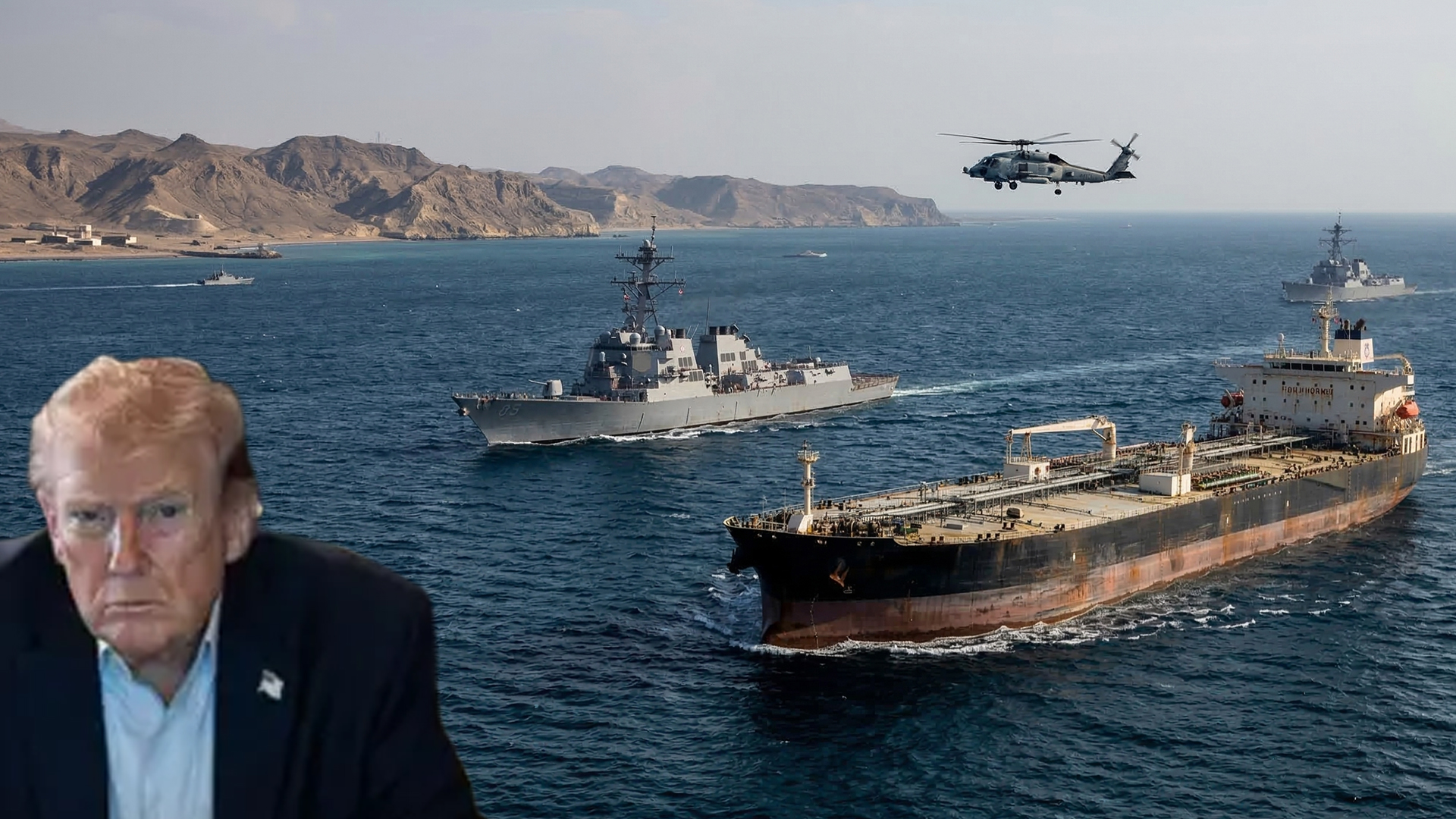
Trump also indicated that the US could escort commercial vessels through the Strait of Hormuz if necessary, to protect crucial shipping lanes for global oil supplies. The strait is a key route, handling nearly a fifth of the world’s crude exports, and recent tensions have disrupted normal maritime traffic, increasing shipping risks and costs.

While details on possible naval operations remain unclear, the warning signals a heightened US readiness to respond to Iranian provocations. Iranian forces have warned against interference and have already taken actions, including missile and drone strikes on regional targets, vowing to deliver an “unforgettable lesson” to the US and Israel.

The situation has pushed crude oil prices higher and increased global market uncertainty. Analysts warn that the continued military escalation could further destabilize energy supplies and heighten geopolitical risks.

Trump’s hard-line statements reflect a strategy focused on pressure and deterrence, with no immediate diplomatic resolution in sight. The US administration is signaling that it is willing to act decisively to protect its interests and allies in the region.

With both sides showing little sign of backing down, the Middle East remains on edge, and international observers are closely monitoring developments in the Strait of Hormuz and surrounding areas, wary of the potential for a broader regional conflict.

Also Read: India sets up ₹1 lakh cr stabilisation fund

India sets up ₹1 lakh cr stabilisation fund

Finance Minister Sitharaman unveils fund to shield economy from global shocks

The Union government announced the creation of a ₹1 lakh crore Economic Stabilisation Fund (ESF) to help India withstand sudden global economic shocks, on 13th March. The announcement was made by Finance Minister Nirmala Sitharaman in the Lok Sabha during discussions on supplementary demands for grants in the ongoing Budget session.

The ESF is designed to provide the government with flexibility to respond quickly to external disruptions such as geopolitical tensions, energy price spikes, and supply‑chain disturbances, without affecting long-term fiscal targets. Sitharaman highlighted that recent global uncertainties, including rising tensions in West Asia, underscored the need for a dedicated fund to maintain economic stability.

Alongside the fund, Parliament approved ₹2.01 lakh crore in additional spending for the current fiscal year, raising total outlays to ₹2.81 lakh crore. The Finance Minister assured that despite the increased expenditure, the fiscal deficit would remain within the 4.4% of GDP target set in the Budget.

The ESF will allow for rapid deployment of funds in emergencies while maintaining planned allocations for ongoing programmes. Key areas of continued support include fertiliser subsidies and the Pradhan Mantri Garib Kalyan Anna Yojana (PMGKAY), ensuring farmers and vulnerable populations do not face shortages amid global price fluctuations.

Sitharaman also addressed criticism from opposition members, emphasizing that the fund is not an arbitrary spending measure but a strategic fiscal buffer to protect India’s economy from shocks. Economists see the ESF as a move to strengthen India’s economic resilience, giving the government the ability to respond to crises without compromising growth or fiscal discipline.

With the creation of the ESF, India joins a growing number of countries that maintain dedicated stabilization mechanisms, signaling a proactive approach to managing uncertainty in an increasingly volatile global economy. The fund will be monitored closely and deployed only when necessary, providing both flexibility and fiscal prudence.

Also Read: Iran grants safe passage for Indian ships

Iran grants safe passage for Indian ships

Tehran calls India a friend as New Delhi secures energy shipments through Hormuz

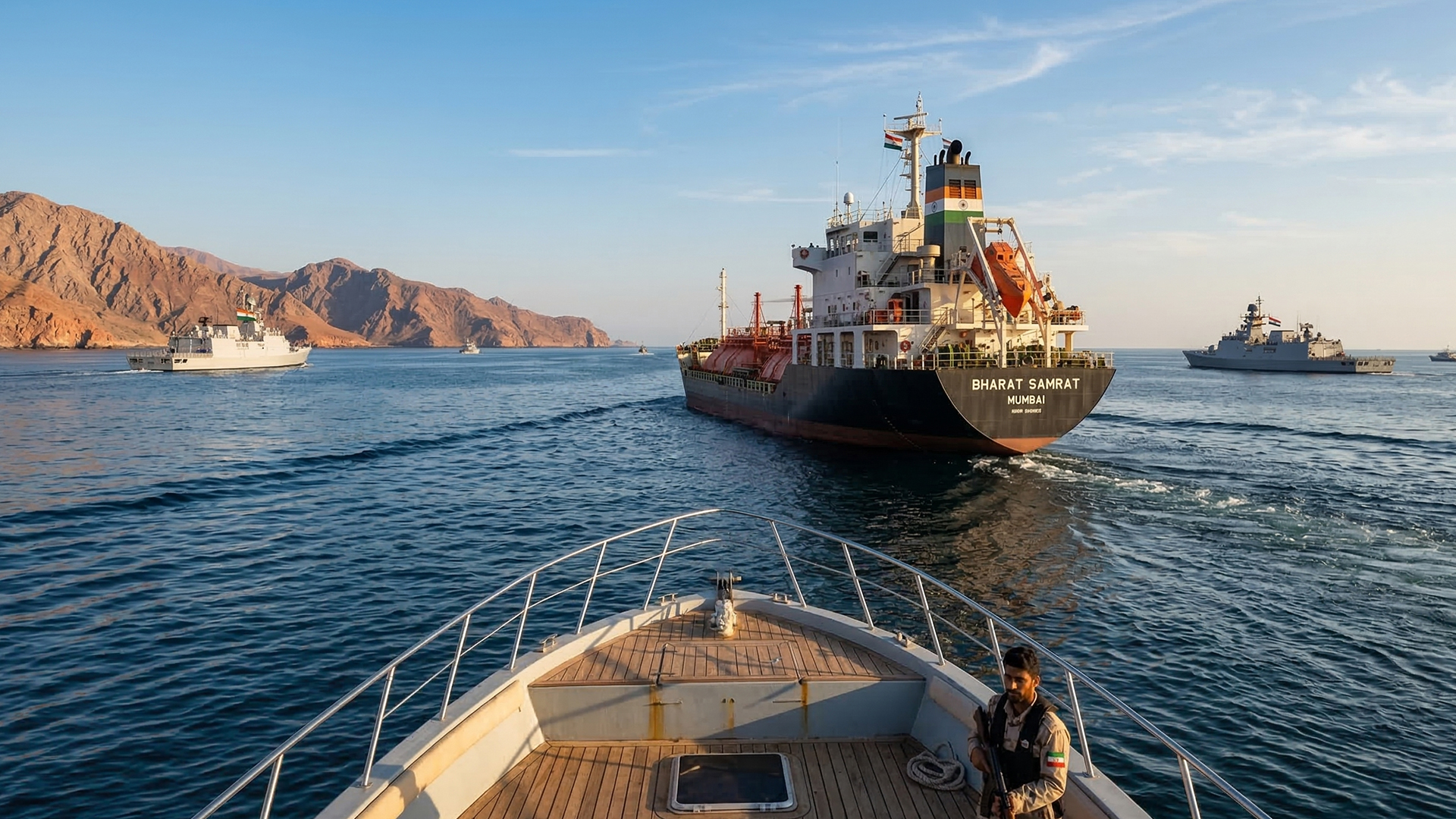
Iran has assured India that its ships will be granted safe passage through the Strait of Hormuz, a critical route for global energy transport. The announcement comes amid rising tensions in West Asia, which have disrupted shipping and raised concerns for India’s energy security.

Iran’s Ambassador to India, Mohammad Fathali, said Indian vessels bound for the country would receive “safe passage,” highlighting the historic friendship and strategic ties between the two nations. He added that operational details are expected to be finalized soon.

The move is crucial for India, which depends on energy imports from the Gulf. A significant share of its crude oil and liquefied petroleum gas (LPG) shipments passes through Hormuz, making secure maritime access essential.

In a tangible step, an Indian commercial ship carrying 40,000 metric tonnes of LPG recently exited the Strait under escort by the Indian Navy, reflecting Delhi’s proactive measures to protect its energy supply chain.

New Delhi has engaged with Tehran at multiple levels to coordinate maritime safety, ensuring that energy imports remain uninterrupted despite regional instability. Analysts view Iran’s assurance as a reaffirmation of bilateral friendship, even as tensions in the broader Gulf region persist.

With the first vessel already escorted successfully, India is likely to maintain stable maritime trade routes in the coming weeks. The development highlights the importance of diplomacy and naval preparedness in safeguarding national energy interests amid volatile geopolitical conditions.

Also Read: Khamenei’s wife is alive, confirms Iran media

Khamenei’s wife is alive, confirms Iran media

Tehran dismisses false claims following deadly U.S.–Israeli strikes that killed the Supreme Leader

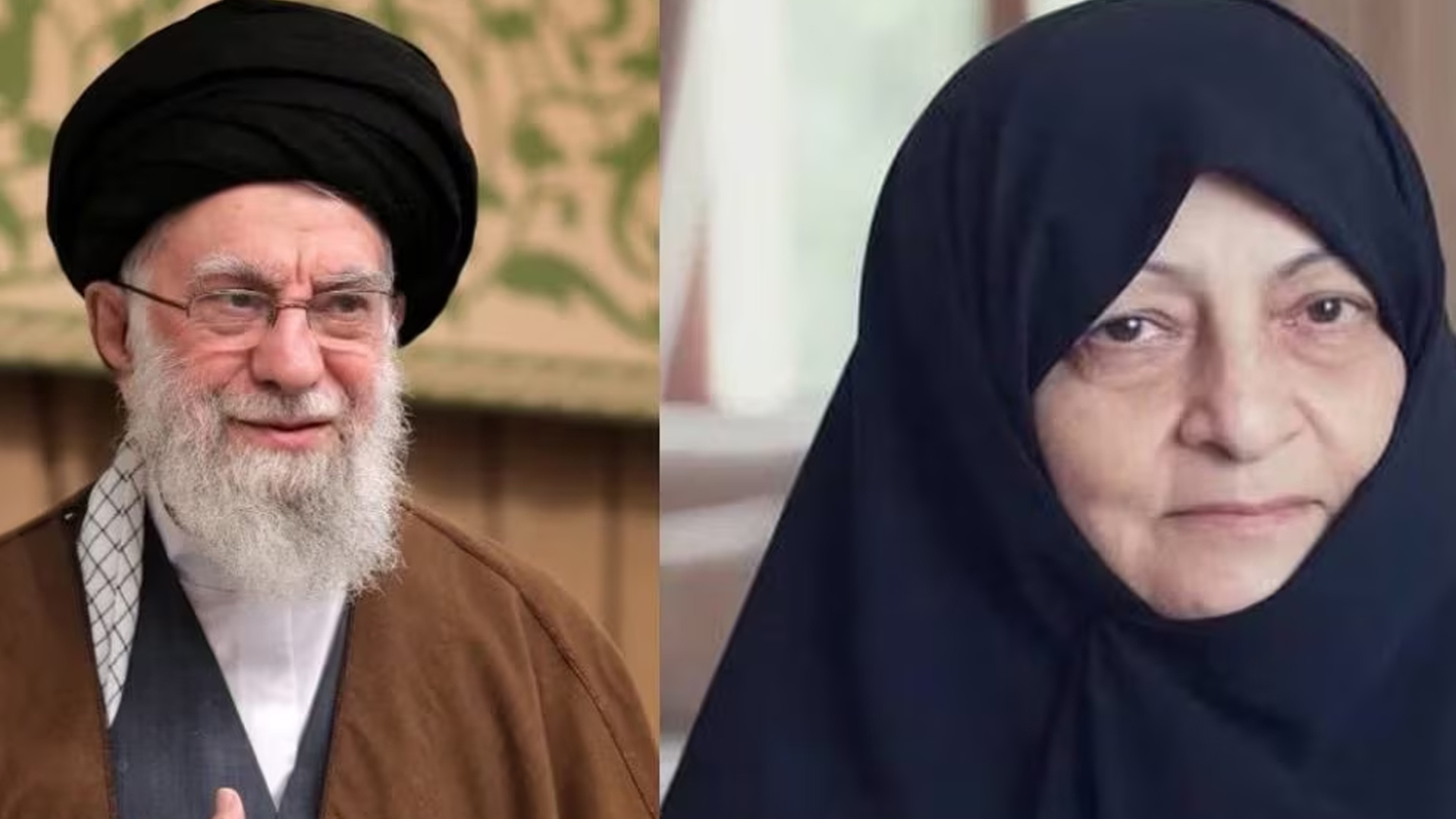
In the event of widespread confusion and rumors, Iran’s state media has clarified that Mansoureh Khojasteh Bagherzadeh, the wife of the late Supreme Leader Ayatollah Ali Khamenei, is alive. Earlier reports claiming she had died from injuries during a US–Israeli strike in Tehran were incorrect.

The false news circulated after the February 28 attacks that killed Khamenei, marking a shocking moment for the country and drawing global attention. Initial reports suggested that Bagherzadeh, 79, had also been fatally wounded. But on March 12, Iranian state outlets, including the Fars News Agency, issued corrections, stating clearly that she is safe.

Officials have not shared details about her current health or whereabouts. Her low public profile, she rarely appeared in public during her husband’s decades in power, has fueled speculation and made verification difficult.

Bagherzadeh married Ali Khamenei in 1964, and the couple had six children. Over the years, she mostly stayed out of the spotlight, living a private life despite her proximity to one of the world’s most powerful leaders.

The confusion over her status highlights the chaotic flow of information following the strikes. As Tehran recovers from the attacks, which caused significant casualties and damage, misinformation and unconfirmed reports have spread rapidly, leaving many unsure about the fate of key figures.

While the country mourns the loss of Khamenei, officials are emphasizing that Bagherzadeh’s life has been spared. The Iranian government’s clarification brings some relief amid a period of fear and uncertainty for her family and the public.

Also Read: Israeli strikes killed top Iranian nuclear scientists, says PM

Claude AI adds interactive charts

Users can now see dynamic graphs and diagrams directly in chat

Anthropic has upgraded its AI assistant Claude with a feature that brings interactive visuals straight into chat conversations. Now, instead of just reading text explanations, users can see live charts, graphs, and diagrams that update in real time. The feature is in beta and available to all users, including free plan subscribers.

Complex information is often easier to grasp visually. Whether you’re exploring trends over time, learning a tricky concept, or mapping out a process, Claude can create visuals automatically—or you can ask for them explicitly, like “show me a chart” or “draw a diagram.” These aren’t static images—they respond to follow-up questions and can evolve as the conversation continues.

This update builds on Anthropic’s previous tool, “Imagine with Claude,” which allowed subscribers to create custom visual interfaces. Now, these visual tools are integrated directly into chat, blending explanations and visuals seamlessly.

Anthropic says the feature is designed to make learning and working with information more interactive and intuitive. Professionals can quickly visualize business data, students can explore concepts in real time, and creators can connect visuals to platforms like Figma, Canva, and Slack.

Also Read: IPL 2026 set to roar in Bengaluru on March 28

Israeli strikes killed top Iranian nuclear scientists, says PM

PM Benjamin Netanyahu says the attacks targeted key figures in Iran’s nuclear program

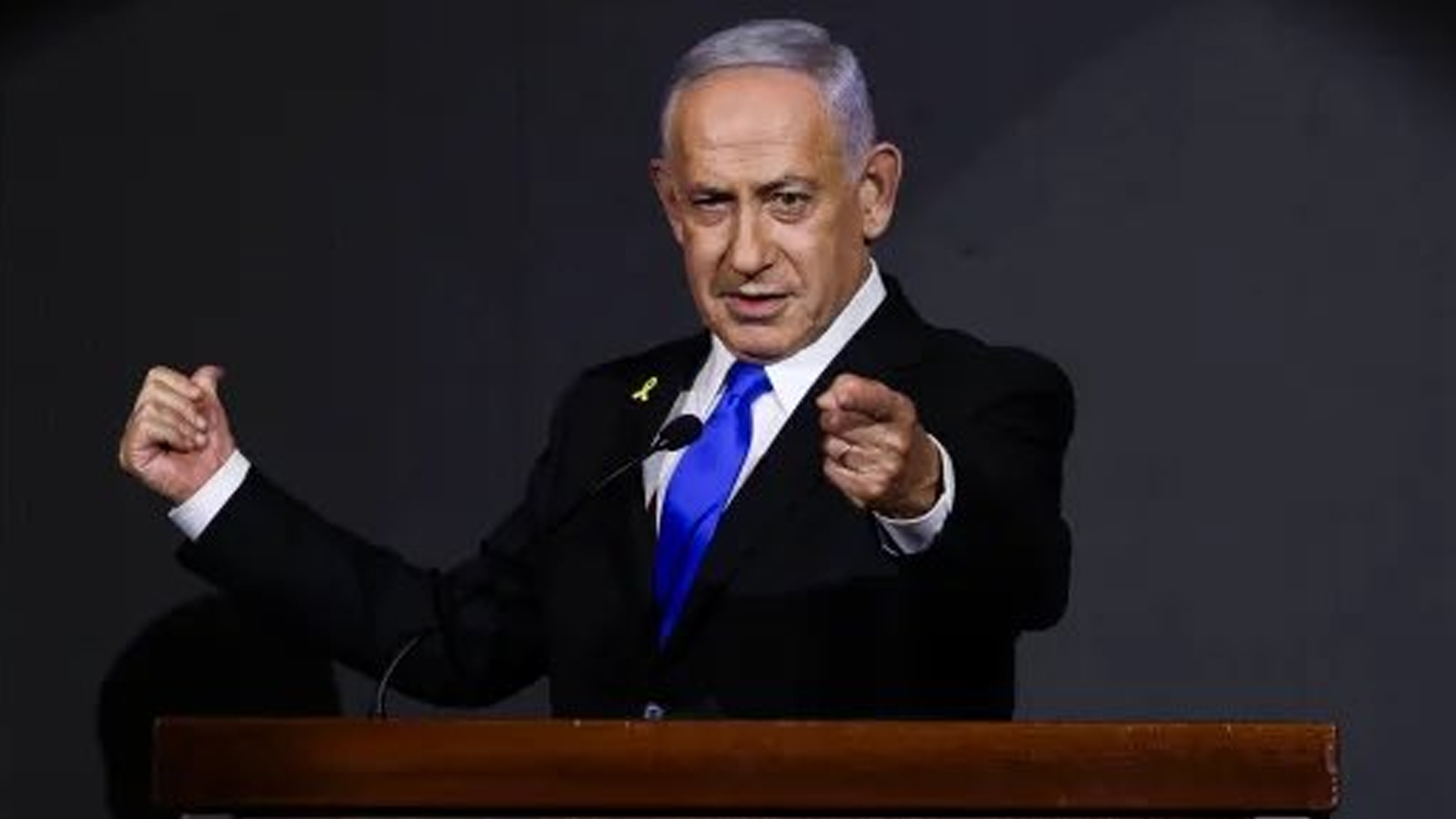
Israeli Prime Minister Benjamin Netanyahu has announced that Israel’s recent military strikes killed senior Iranian nuclear scientists, who he described as key players in Iran’s nuclear program. According to Netanyahu, the operation was carried out to weaken Iran’s nuclear and military capabilities and to protect Israel from potential threats.

These attacks mark another stage in the growing conflict between Israel and Iran, which has seen a series of targeted strikes on Iranian nuclear facilities and senior military figures over the past few years. Israel has repeatedly stated that it views Iran’s nuclear program as a major security threat, and it has been carrying out preventive operations to stop Iran from advancing its nuclear technology.

The recent strikes reportedly targeted scientists involved in nuclear research critical to Iran’s program. While the exact number of casualties has not been independently confirmed, Netanyahu emphasized that Israel is committed to acting against anyone who contributes to Iran’s nuclear ambitions.

The announcement has heightened tensions in the Middle East, with fears that the situation could escalate further. Iran has not immediately confirmed the deaths, but the strikes come amid a backdrop of regional instability, including prior clashes and military actions involving Iran, Israel, and their respective allies.

Israel’s recent actions underscore the longstanding rivalry and distrust between the two countries. While Israel maintains that these strikes are defensive, they are likely to increase global concern about escalating conflict in the Middle East. World leaders and international organizations are monitoring the situation carefully, urging restraint from all sides.

The recent development adds to the complex and tense dynamics in the region, with the potential to affect security, energy markets, and diplomatic relations worldwide.

Also Read: Trump says US is benefiting from oil price spike

IPL 2026 set to roar in Bengaluru on March 28

RCB to face Sunrisers Hyderabad in the season opener as BCCI announces first-phase schedule

The Board of Control for Cricket in India (BCCI) has released the schedule for the first phase of the Indian Premier League (IPL) 2026, with the tournament set to begin on March 28 at Bengaluru’s M. Chinnaswamy Stadium. The opening match will feature defending champions Royal Challengers Bengaluru (RCB) taking on Sunrisers Hyderabad.

Only the fixtures from March 28 to April 12 have been announced so far. The remaining schedule will be released later, once election dates in several Indian states are finalized, as these could affect venue availability.

During the first phase, RCB will play four matches. After the opener against Sunrisers Hyderabad, they will host Chennai Super Kings on April 5, then face Rajasthan Royals in Guwahati on April 10, and travel to Mumbai to play Mumbai Indians on April 12.

Other notable early fixtures include Mumbai Indians starting their campaign at home against Kolkata Knight Riders on March 29, while Chennai Super Kings will face Rajasthan Royals in Guwahati on March 30.

Matches at the Chinnaswamy Stadium are pending approval from a Karnataka government-appointed expert committee. The panel will inspect the venue and conduct a full mock match-day simulation to ensure safety and readiness for IPL games.

The IPL 2026 will feature ten teams competing across multiple cities in India, with the season expected to run until May 31, culminating in the final. Cricket fans are already gearing up for a high-octane season of T20 action, with RCB’s home opener drawing significant attention.

Also Read: Trump says US is benefiting from oil price spike