rotating globe
6 Apr 2026


Trump says US is benefiting from oil price spike

President links rising crude prices to profits for US producers amid tensions with Iran

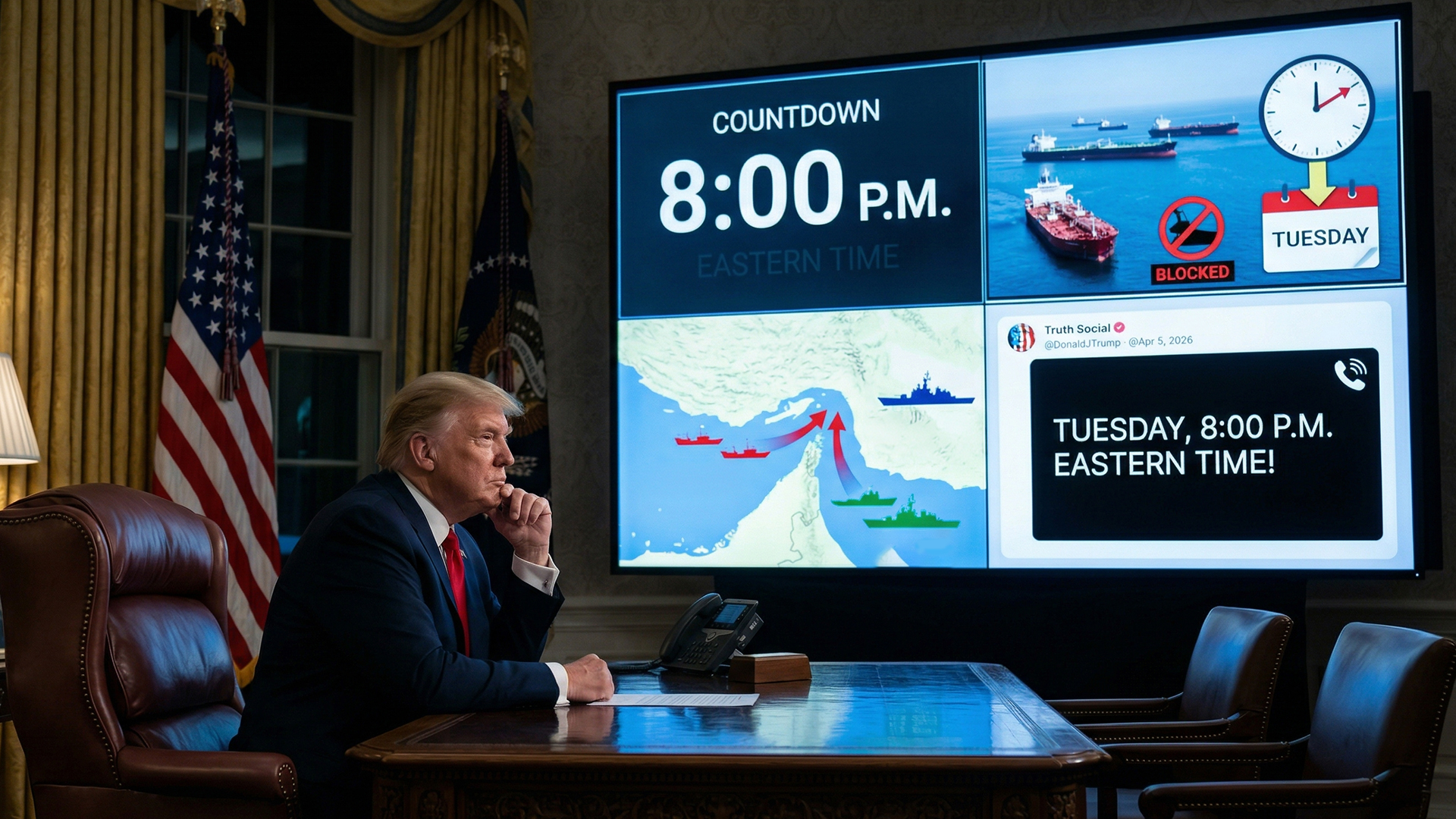
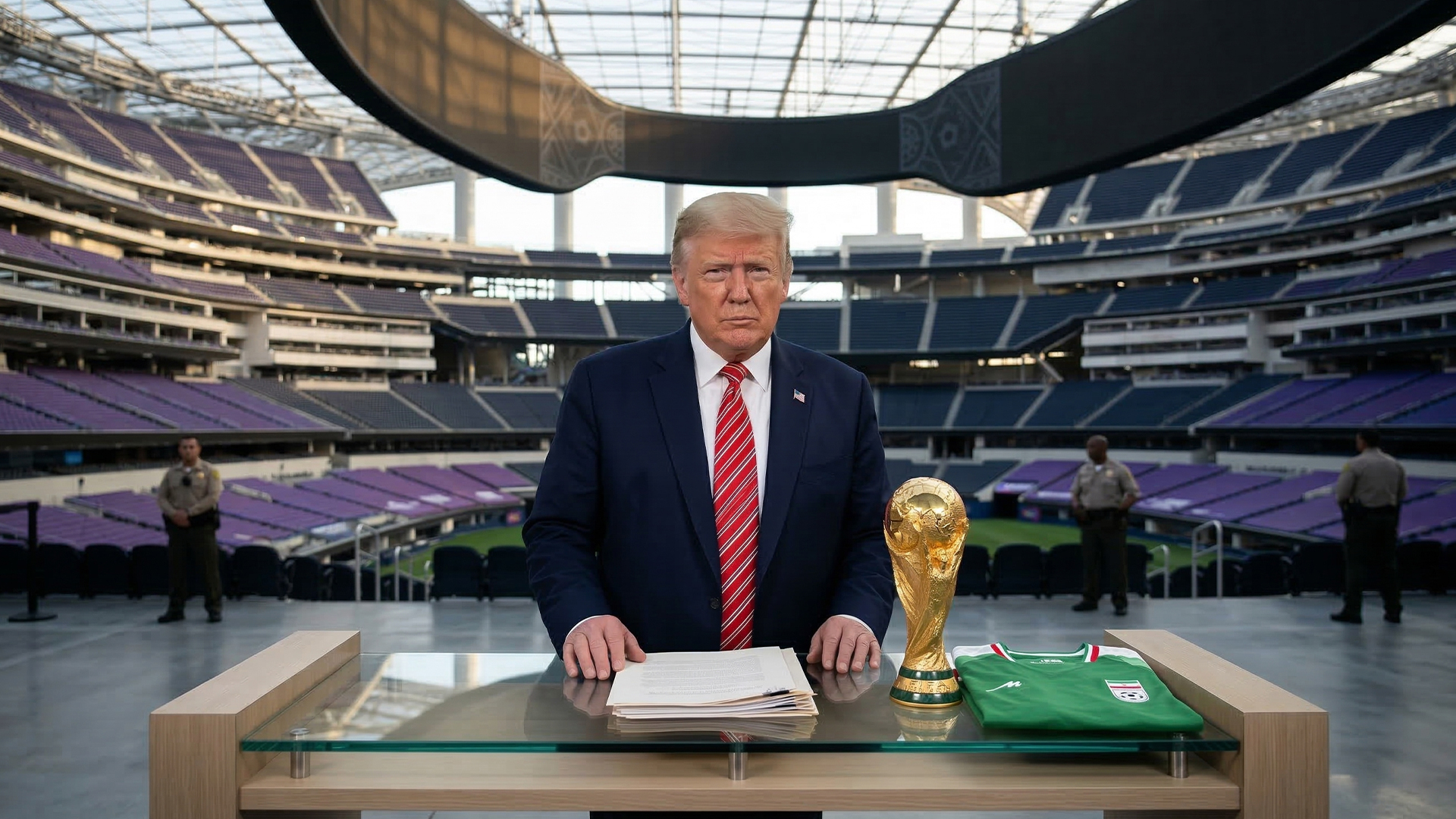
US President Donald Trump has said the United States is benefiting from the recent rise in global oil prices as tensions involving Iran continue to unsettle energy markets.

In comments posted on social media, Trump said higher oil prices are advantageous for the United States because the country is one of the world’s leading oil producers. According to him, when crude prices increase globally, American energy companies earn more, bringing additional revenue to the US economy.

Oil markets have seen a sharp rally in recent days amid growing geopolitical tensions in the Middle East. Investors fear that the conflict could disrupt oil supply from the region, which is responsible for a large share of global production.

Trump said the US energy sector is well positioned to benefit from the price surge due to strong domestic production. He noted that many countries depend heavily on imported oil, but the United States has expanded its production capacity in recent years.

Despite pointing to the economic advantage of higher oil prices, Trump stressed that national security remains the top priority for the United States. He reiterated that Washington will not allow Iran to develop nuclear weapons and said efforts to stop Tehran’s nuclear programme will continue.

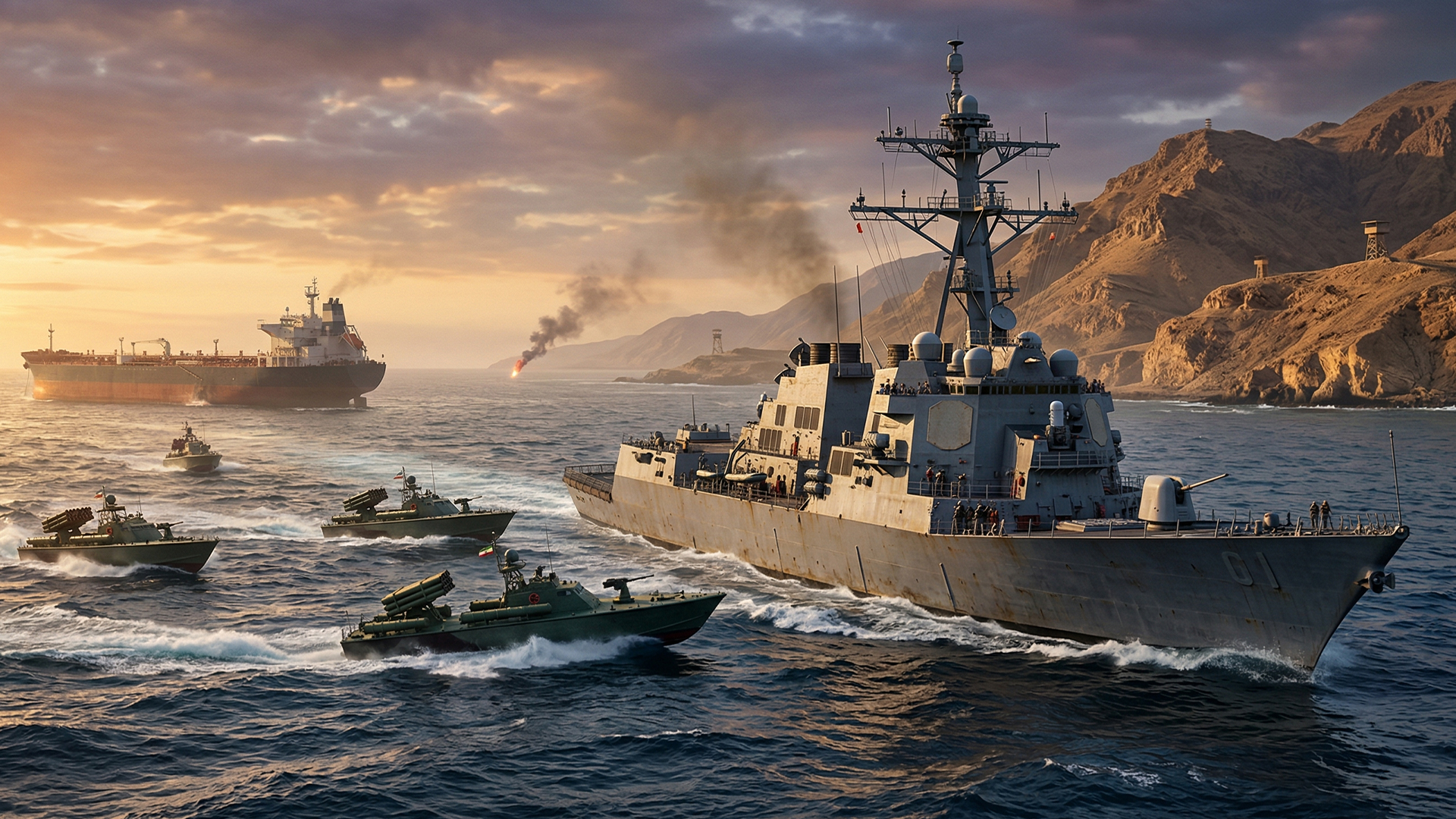
The tensions have also raised concerns about possible disruptions to key shipping routes in the Middle East, particularly the Strait of Hormuz. The narrow waterway is one of the world’s most important oil transit routes, carrying a significant portion of global crude shipments.

Any instability in this region could further push up oil prices and intensify market volatility.

The surge in crude prices has already begun affecting fuel costs in several countries, adding pressure on consumers and raising concerns about inflation. Higher energy prices can influence transportation, manufacturing and the overall cost of living.

Also Read: Trump warns Iran over 2026 World Cup participation
Pakistan airstrikes in Afghanistan kill four

Kabul condemns attacks on residential areas as tensions rise between the neighbouring countries

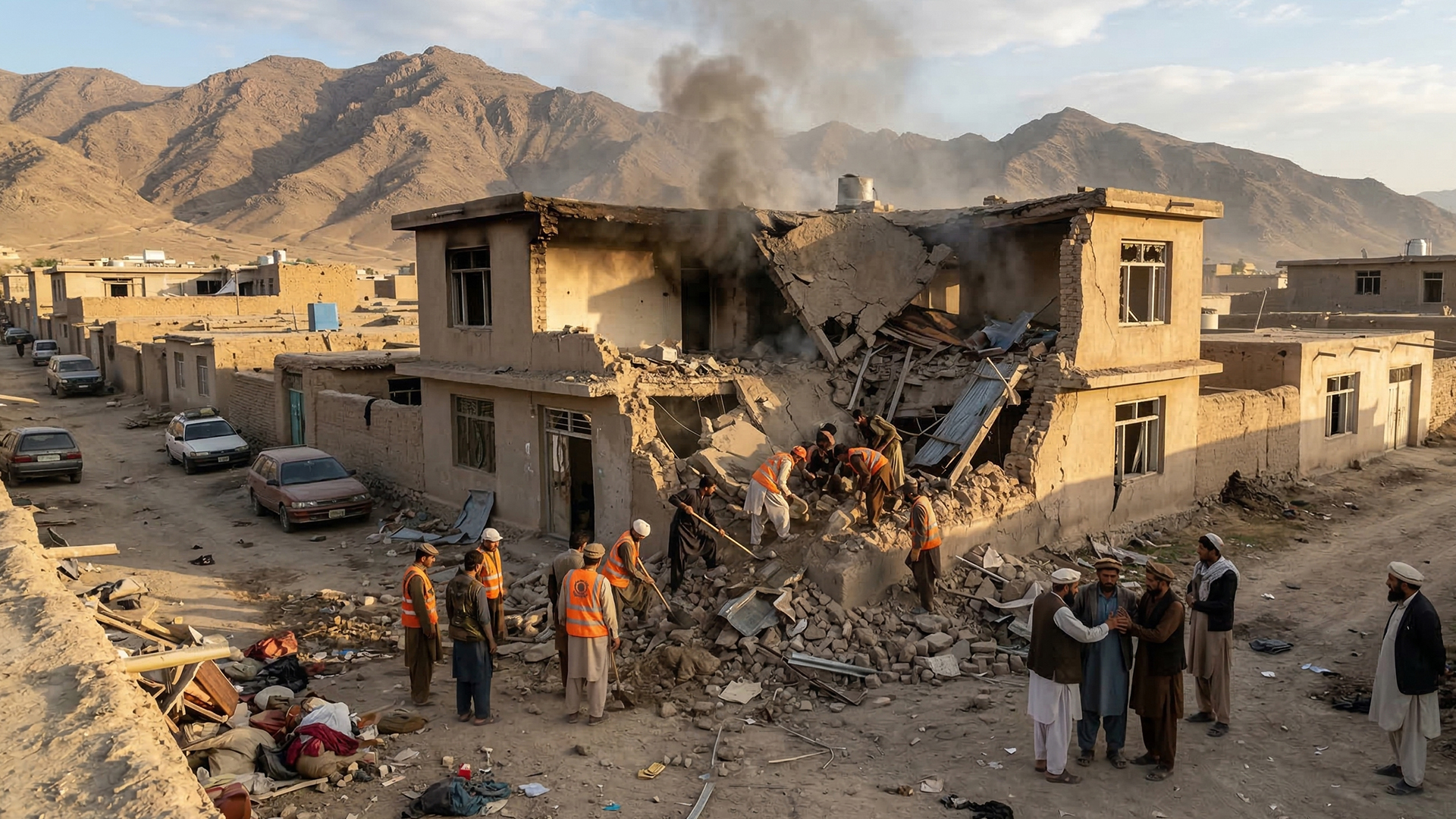
At least four people were killed after Pakistani airstrikes hit parts of Kabul and other areas in Afghanistan, according to Afghan officials. The overnight strikes also injured several people and damaged homes, raising concerns about civilian safety.

Local authorities said explosions were heard in different parts of Kabul, where some houses were reportedly hit during the attack. Officials claimed that the strikes affected residential areas, leading to casualties among civilians.

Apart from Kabul, airstrikes were also reported in provinces close to the Afghanistan–Pakistan border. Afghan authorities said a fuel depot used by a private airline near an airport in Kandahar was also damaged during the strikes.

The Taliban-led government in Afghanistan strongly criticised the attacks, calling them a violation of the country’s sovereignty. Officials said targeting civilian areas was unacceptable and demanded an explanation from Pakistan.

Pakistan, however, has maintained that its military operations are aimed at militant groups hiding inside Afghanistan. For months, Islamabad has accused Kabul of allowing armed groups, including members of the Tehrik-i-Taliban Pakistan, to operate from Afghan territory and carry out attacks inside Pakistan.

Tensions between the two neighbouring countries have been growing in recent weeks, with both sides exchanging accusations over cross-border violence. Security analysts say the situation has become increasingly fragile due to the rise in militant activity along the border.

The latest airstrikes have further strained relations between the two countries and raised fears of a possible escalation. Civilians living near the border areas are particularly vulnerable as clashes and military operations continue to affect daily life.

Also Read: Netflix opens VFX studio in Hyderabad

Netflix opens VFX studio in Hyderabad

Global streaming giant expands production footprint in India

Netflix has opened a new global visual effects facility, Eyeline Studios, in Hyderabad, marking a major step in the company’s plans to expand its production and technology capabilities in India.

The studio will focus on visual effects, virtual production and post-production work for Netflix films and series produced for audiences around the world. By setting up the new facility in Hyderabad, Netflix aims to tap into India’s growing pool of creative and technical talent in the digital production sector.

The Hyderabad unit becomes the fifth global location for Eyeline Studios, joining existing facilities in Los Angeles, Vancouver, Seoul and London. The expansion highlights the increasing role India is playing in the global entertainment technology industry.

Located in the city’s technology hub, the new studio covers about 32,000 square feet and is expected to employ nearly 300 professionals by 2026. Artists, engineers and creative professionals working there will help design visual effects and develop tools used to create large-scale cinematic scenes for global productions.

The launch event was attended by A. Revanth Reddy, Chief Minister of Telangana, along with several Netflix executives and members of the film industry. Reddy said the new facility reflects Hyderabad’s growing reputation as a centre for innovation, technology and creative industries. He also invited Netflix to consider setting up its India headquarters in the state’s proposed “Future City” project.

Actor and producer Rana Daggubati, who attended the event, said the opening of Eyeline Studios is an important moment for India’s entertainment industry. He noted that the country’s animation, visual effects, gaming and comics sector is rapidly gaining global recognition.

Netflix officials said the studio will strengthen the company’s global production network while creating new opportunities for Indian artists and technicians to work on international projects.

Also Read: US allows limited Russian oil sales

TMC meeting request with President declined

President Murmu’s office cites scheduling issues as row over Bengal tribal event continues

A request by the Trinamool Congress (TMC) to meet President Droupadi Murmu has been declined for now, with the President’s office citing a tight schedule. The development comes amid an ongoing political controversy linked to her recent visit to West Bengal.

According to sources, the party had written to the President seeking an appointment for a 12-member delegation. The TMC leaders wanted to brief her about the welfare programmes and development initiatives undertaken by the state government for tribal communities.

However, officials from the President’s office reportedly informed the party that a meeting could not be arranged at present due to scheduling constraints. The TMC has since sent another letter requesting a meeting sometime next week.

The request comes after a political row involving West Bengal Chief Minister Mamata Banerjee and Prime Minister Narendra Modi over the President’s recent visit to the state.

President Murmu had travelled to Siliguri to attend a tribal community event linked to the International Santal Conference. The visit sparked controversy following reports of last-minute changes to the venue and concerns over accessibility for members of the Santhal tribal community.

The absence of Chief Minister Mamata Banerjee and several state ministers at the reception also drew attention and added to the political debate.

The issue soon escalated into a confrontation between the TMC government in West Bengal and the Bharatiya Janata Party (BJP) at the Centre. Prime Minister Modi criticised the state government, calling the situation disrespectful to both the President and the tribal community.

Also Read: Netflix opens VFX studio in Hyderabad

PM Modi to release 22nd PM-Kisan scheme

₹18,000-plus crore to be credited directly to bank accounts of over 9 crore farmers

Prime Minister Narendra Modi will release the 22nd instalment of the Pradhan Mantri Kisan Samman Nidhi (PM-Kisan) scheme during a programme in Guwahati on Friday. The move will provide financial support to millions of farmers across the country.

During the event, the Prime Minister will transfer more than ₹18,640 crore directly into the bank accounts of over 9.3 crore farmer families. Each eligible beneficiary will receive ₹2,000 under the latest instalment through the Direct Benefit Transfer (DBT) system.

The PM-Kisan scheme, launched in 2019, provides income support to small and marginal farmers. Under the programme, farmers receive ₹6,000 every year in three equal instalments of ₹2,000 each. The amount is transferred directly to beneficiaries’ bank accounts to help them meet farming and household expenses.

Officials said the funds will be released digitally by the Prime Minister during the public event. The programme in Guwahati is expected to witness the participation of farmers, government representatives and officials from the agriculture sector.

According to the Agriculture Ministry, the PM-Kisan scheme is among the largest income-support programmes for farmers in India. Since its launch, the government has transferred more than ₹4 lakh crore to farmer families across the country. With the release of the 22nd instalment, the total amount disbursed under the scheme will increase further.

Farmers have been advised to complete their e-KYC verification to receive the payment without any issues. Linking Aadhaar details with bank accounts and updating necessary information on the official PM-Kisan portal are also important for beneficiaries to ensure smooth transfer of funds.

Eligible farmers can check their payment status and beneficiary details through the official PM-Kisan website using their Aadhaar number, bank account number or registered mobile number.

Also Read: Pakistan airstrikes in Afghanistan kill four


India has adequate fuel supplies, says Centre

Union minister Hardeep Singh Puri assures adequate fuel supply despite West Asia tensions

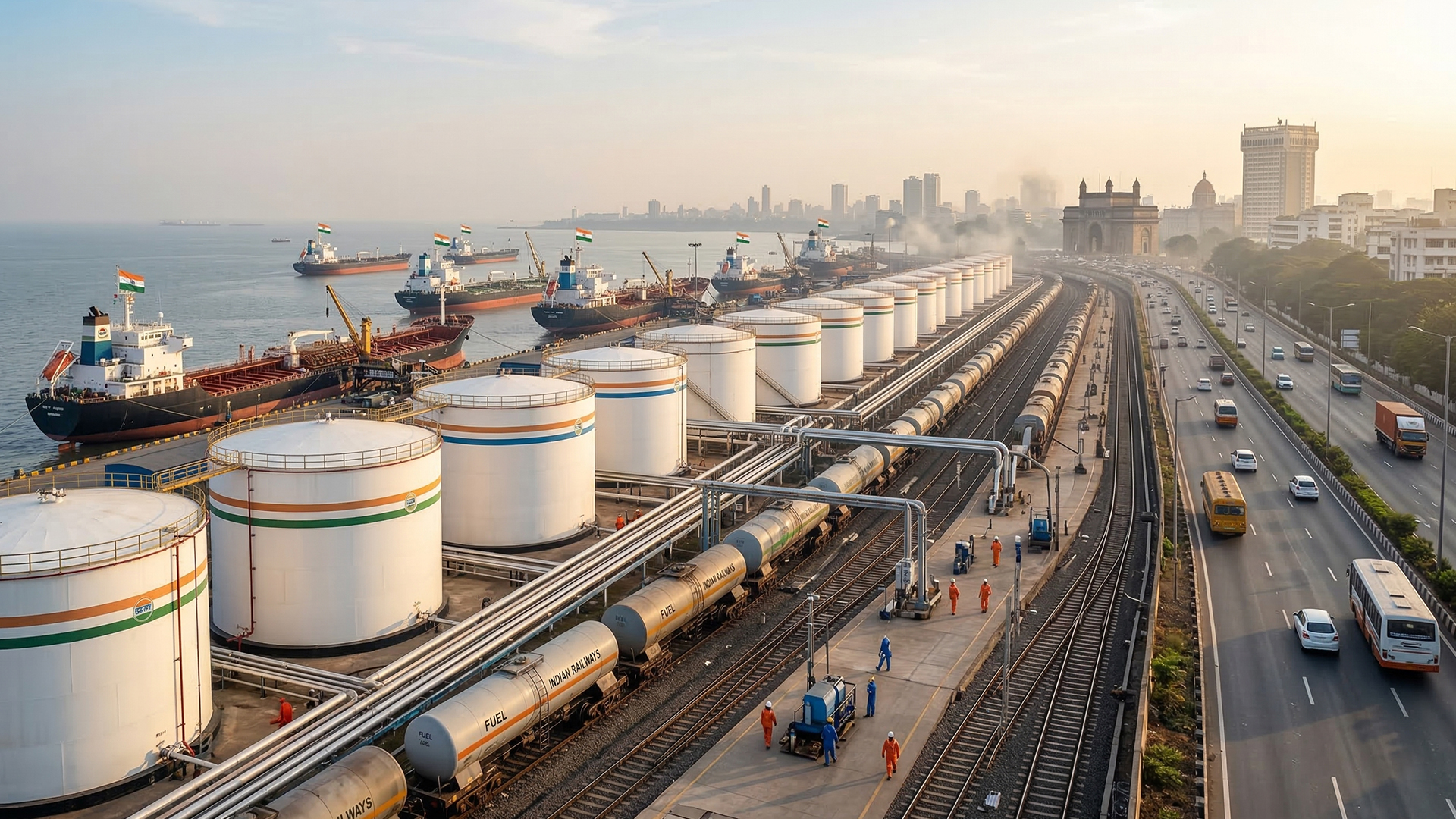
The Union government has assured that India has sufficient fuel supplies and there is no shortage of petroleum products despite growing global concerns over disruptions in the Strait of Hormuz due to the ongoing West Asia conflict.

Union Petroleum and Natural Gas Minister Hardeep Singh Puri said the country’s energy supplies remain secure and that the government is closely monitoring the evolving situation in the region. He stated that there is adequate availability of petrol, diesel, aviation turbine fuel (ATF), kerosene and other petroleum products to meet domestic demand.

The assurance comes amid fears that tensions in West Asia could affect global oil shipments through the Strait of Hormuz, one of the world’s most important oil transit routes. Disruptions in the region have raised concerns about energy supply and oil prices worldwide.

Puri said India has taken several steps over the years to strengthen its energy security. One of the key measures has been diversifying the sources of crude oil and liquefied petroleum gas (LPG) imports so that the country is not dependent on a single region for supplies.

According to the minister, India now imports LPG from a number of countries including the United States, Norway, Canada, Algeria and Russia, in addition to suppliers in the Gulf region. This diversification has helped ensure steady supplies even during global disruptions.

He also noted that a large share of India’s crude oil imports now come through routes that do not pass through the Strait of Hormuz, reducing the risks posed by instability in the region.

To maintain stable fuel supplies, Indian refineries have been operating at high capacity to meet domestic demand. Officials said these measures have helped ensure that petroleum products continue to be available across the country without any disruption.

Also Read: Rupee dips near to ₹93 against dollar

US allows limited Russian oil sales

Temporary waiver issued to stabilise global oil supply amid Middle East conflict

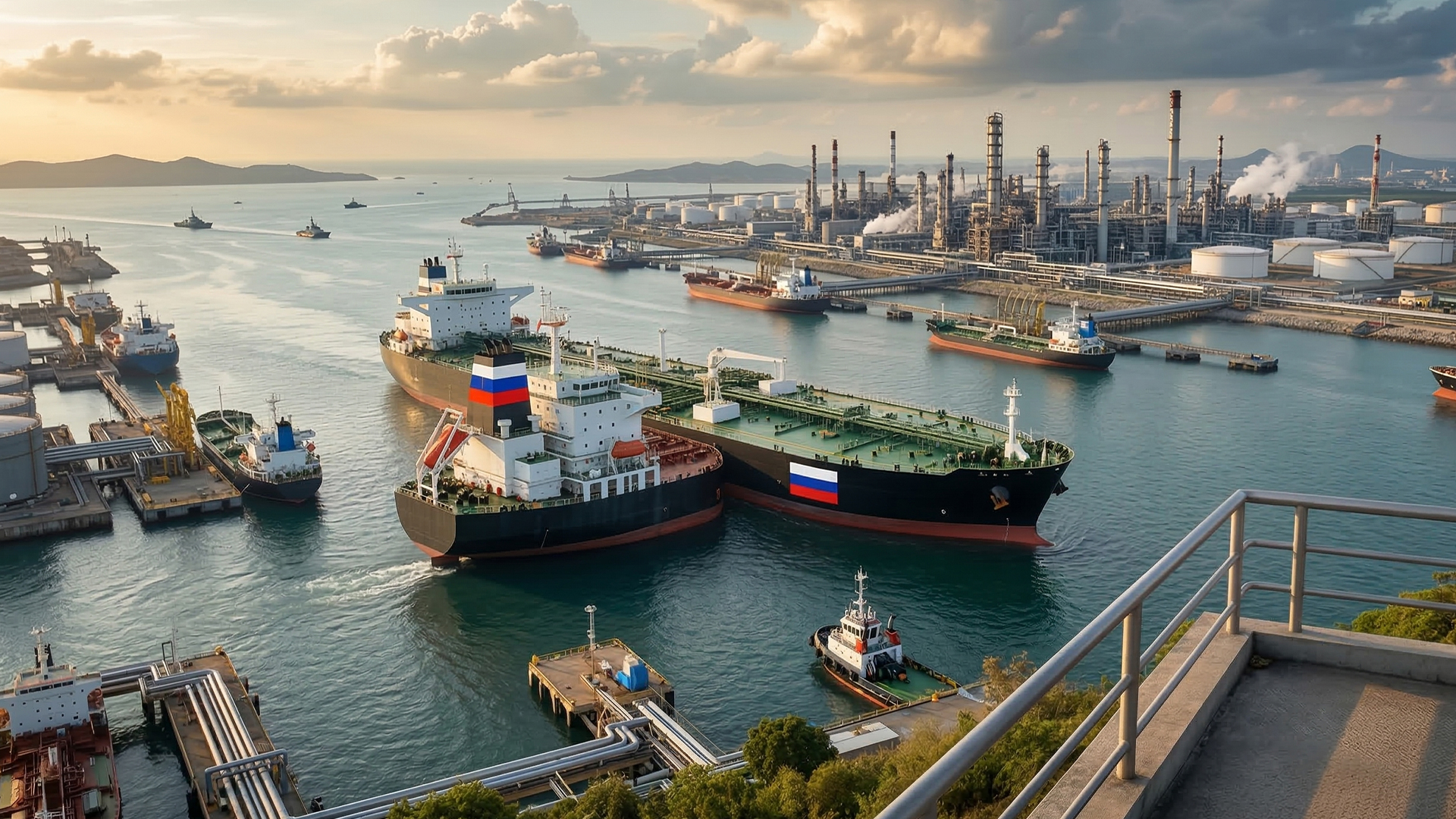
The United States has temporarily allowed the sale of certain Russian oil shipments in an effort to ease pressure on global energy markets amid the ongoing conflict in West Asia.

The US Treasury issued a 30-day licence permitting countries to buy Russian crude oil and petroleum products that are already loaded on ships and currently at sea. The measure is aimed at preventing supply disruptions and controlling rising oil prices caused by the regional conflict.

According to officials, the waiver applies only to cargo that had already been loaded on tankers before the order was issued. Buyers have been given time until April 11 to complete these transactions.

The move comes as tensions in the Middle East, particularly involving Iran, have disrupted shipping through the Strait of Hormuz. The narrow waterway is one of the world’s most important oil transport routes, and any disruption there can significantly affect global energy supply.

Due to concerns about supply shortages, global crude oil prices have surged past $100 per barrel in recent days. Governments across the world have been closely watching the situation as rising prices threaten to increase inflation and economic pressure in many countries.

Energy experts estimate that a large volume of Russian crude oil has remained stranded on ships following earlier sanctions imposed after Russia’s invasion of Ukraine. Allowing these cargoes to be sold could help increase short-term supply in the global market and reduce immediate price pressure.

US officials said the relaxation of sanctions is temporary and limited in scope. They emphasised that the step is meant only to address the current market disruption and will not change the broader sanctions policy against Russia.

However, the decision has faced criticism from some Western policymakers who believe easing restrictions could reduce the impact of sanctions meant to pressure Russia over the Ukraine conflict.

Also Read: India has adequate fuel supplies, says Centre


Rupee dips near to ₹93 against dollar

West Asia tensions push crude prices higher, weaken Indian currency and raise inflation concerns

The Indian rupee weakened sharply on Friday, falling to a record intra-day low of ₹92.37 against the US dollar as rising crude oil prices and geopolitical tensions in West Asia unsettled global markets.

In early trade at the interbank foreign exchange market, the rupee dropped by around 12 paise before recovering slightly later in the session. The fall came amid growing concerns that the ongoing conflict in West Asia could disrupt global oil supplies and shipping routes.

Crude oil prices have surged close to $100 per barrel as tensions in the region intensify. The rise in oil prices has increased pressure on the rupee because India imports a large share of its crude oil requirements from the Gulf region. Higher oil prices raise the country’s import bill and weaken the domestic currency.

The depreciation of the rupee has also heightened concerns about inflation in India. Recent data shows that retail inflation has climbed to a 10-month high, with economists warning that sustained high oil prices could push prices further upward.

A weaker rupee makes imports more expensive, including crude oil, fertilisers, electronics and industrial machinery. These increased costs may eventually be passed on to consumers through higher prices for fuel, transportation and several everyday goods.

Market analysts say global uncertainty caused by the West Asia conflict has also affected investor sentiment. During periods of geopolitical tension, investors tend to move funds into safer assets such as the US dollar, which strengthens the dollar and puts pressure on emerging market currencies like the rupee.

Currency traders noted that the Reserve Bank of India (RBI) is closely monitoring developments in the foreign exchange market. The central bank may intervene if the rupee experiences sharp or excessive volatility.

Also Read: PM Modi talks with Iran President

PM Modi talks with Iran President

India raises concerns over shipping disruption and regional tensions in West Asia amid Strait of Hormuz crisis

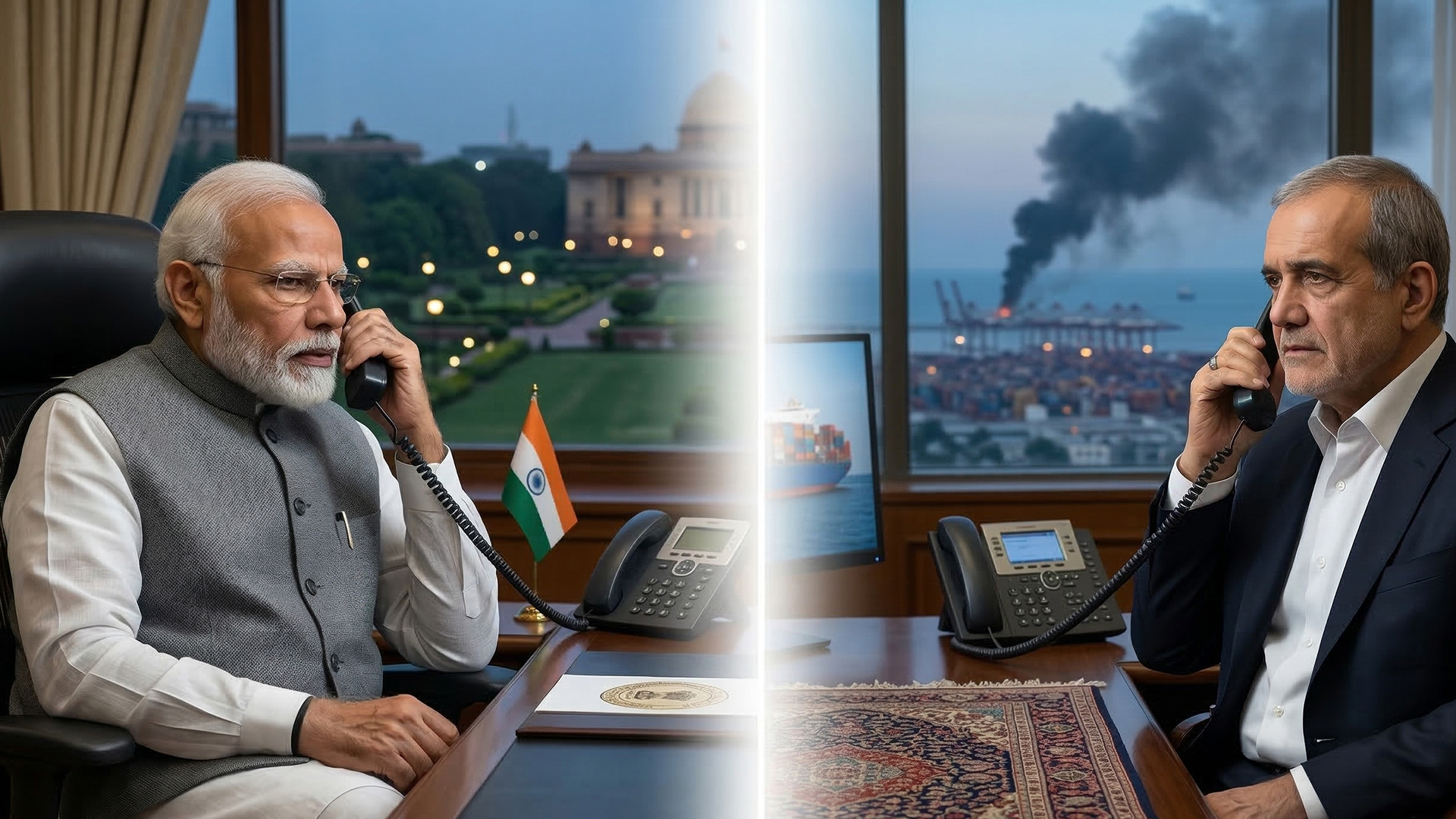
Prime Minister Narendra Modi spoke with Iranian President Masoud Pezeshkian on Thursday to discuss the escalating situation in West Asia, as rising tensions in the region disrupt global shipping routes through the Strait of Hormuz.

During the telephone conversation, Modi expressed deep concern over the ongoing conflict, particularly the loss of civilian lives and damage to infrastructure. The leaders reviewed the rapidly evolving security situation and its wider impact on regional stability and global trade.

The call comes amid growing concerns over disruptions in the Strait of Hormuz, a crucial maritime route through which a significant portion of the world’s oil supplies is transported. Several oil tankers have reportedly slowed down or halted their movement due to security risks, raising fears of supply disruptions and rising energy prices.

PM Modi emphasised that India’s key priorities remain the safety of Indian citizens in the region and ensuring the uninterrupted flow of energy supplies and goods through international sea routes. India depends heavily on crude oil imports from the Gulf region, making stability in the area critical for its energy security.

He also called for restraint and dialogue to ease tensions and restore peace in the region. He underlined the importance of maintaining stability in West Asia, which is vital for global economic and trade networks.

Officials said India has been closely monitoring developments in the region as security concerns grow around maritime traffic and energy infrastructure. Disruptions in shipping have heightened worries among major energy-importing nations, including India.

The Strait of Hormuz, located between Iran and Oman, is one of the world’s most strategic energy chokepoints. Any instability in the area can have immediate consequences for global oil markets and international trade.

Both leaders agreed on the importance of continued diplomatic engagement and maintaining communication as the situation evolves.

Also Read: Om Birla survives no-confidence motion