rotating globe
6 Apr 2026


US starts ‘trade probe’ into India, 15 nations

United States Trade Representative launches investigation into alleged unfair trade practices

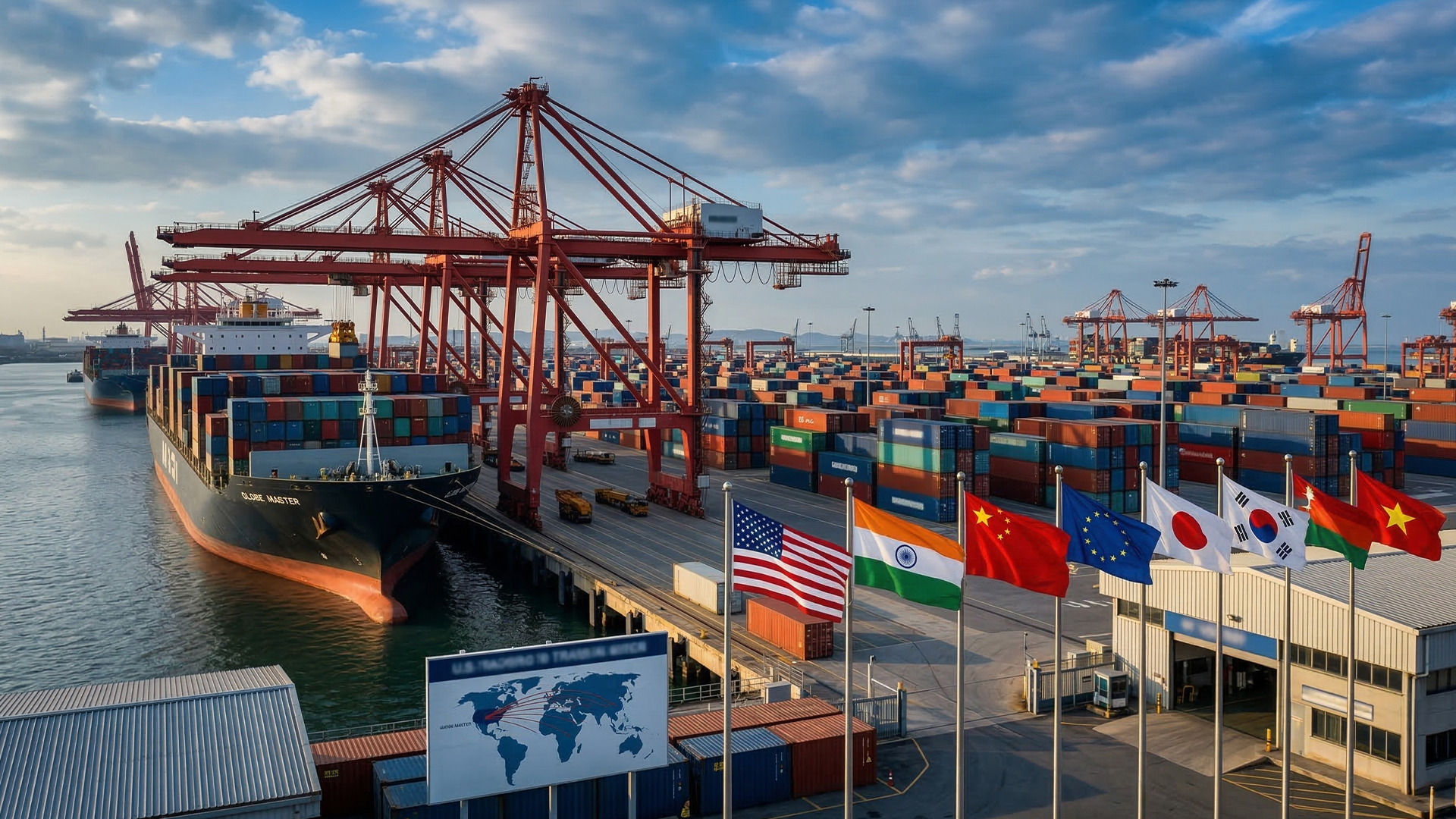
The United States Trade Representative (USTR) has started a trade investigation into India and 15 other countries over concerns about possible unfair trade practices that may affect American industries.

The probe has been launched under Section 301 of the US Trade Act of 1974, a law that allows the United States government to investigate foreign trade policies that it believes may harm US businesses. If the investigation finds unfair practices, the US could impose tariffs or take other trade measures.

Along with India, the investigation includes several other economies such as China, European Union, Japan, South Korea, Vietnam, Mexico, Taiwan, Singapore, Indonesia and Bangladesh.

US officials said the investigation will mainly examine whether certain countries have created “structural excess capacity” in industries such as manufacturing. According to Washington, producing more goods than global demand could lead to unfair competition and affect American companies.

The move is part of broader efforts by the administration of Donald Trump to address trade imbalances and protect domestic industries.

During the investigation process, the USTR will consult with the governments of the countries involved and gather feedback from businesses and the public. Hearings and discussions are expected to take place before any final decision is made.

This probe could increase tensions in global trade if the US decides to introduce new tariffs. At the same time, Washington says the investigation is meant to ensure fair competition and protect its industries from market distortions.

For India and the other countries under review, the probe could lead to negotiations with the United States to resolve trade concerns and avoid possible penalties.

Also Read: Scientists find methanol-rich Interstellar comet

India-bound Thai ship attacked in Strait of Hormuz

Three missing as India‑bound Thai ship attacked. India condemns strike

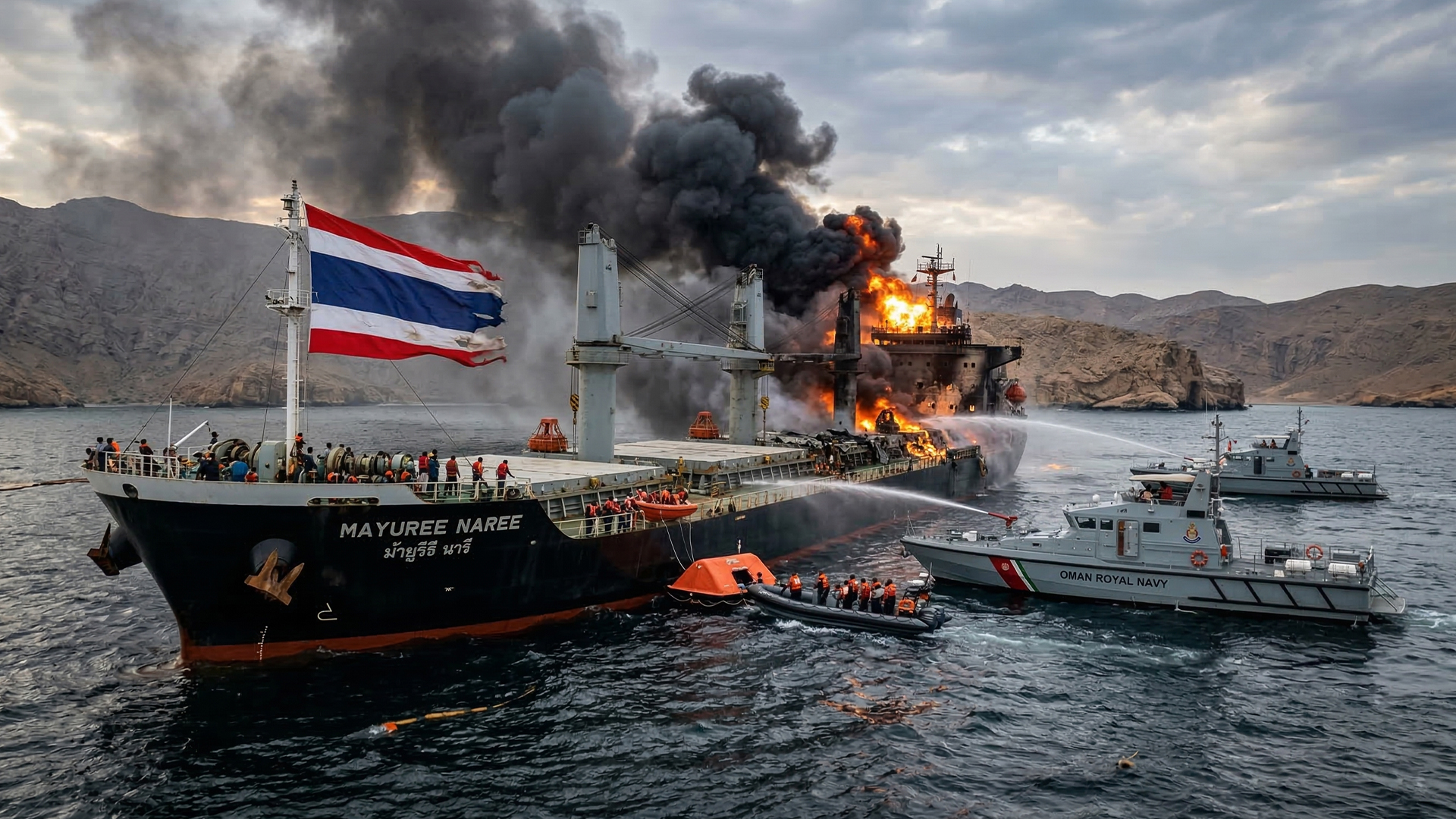
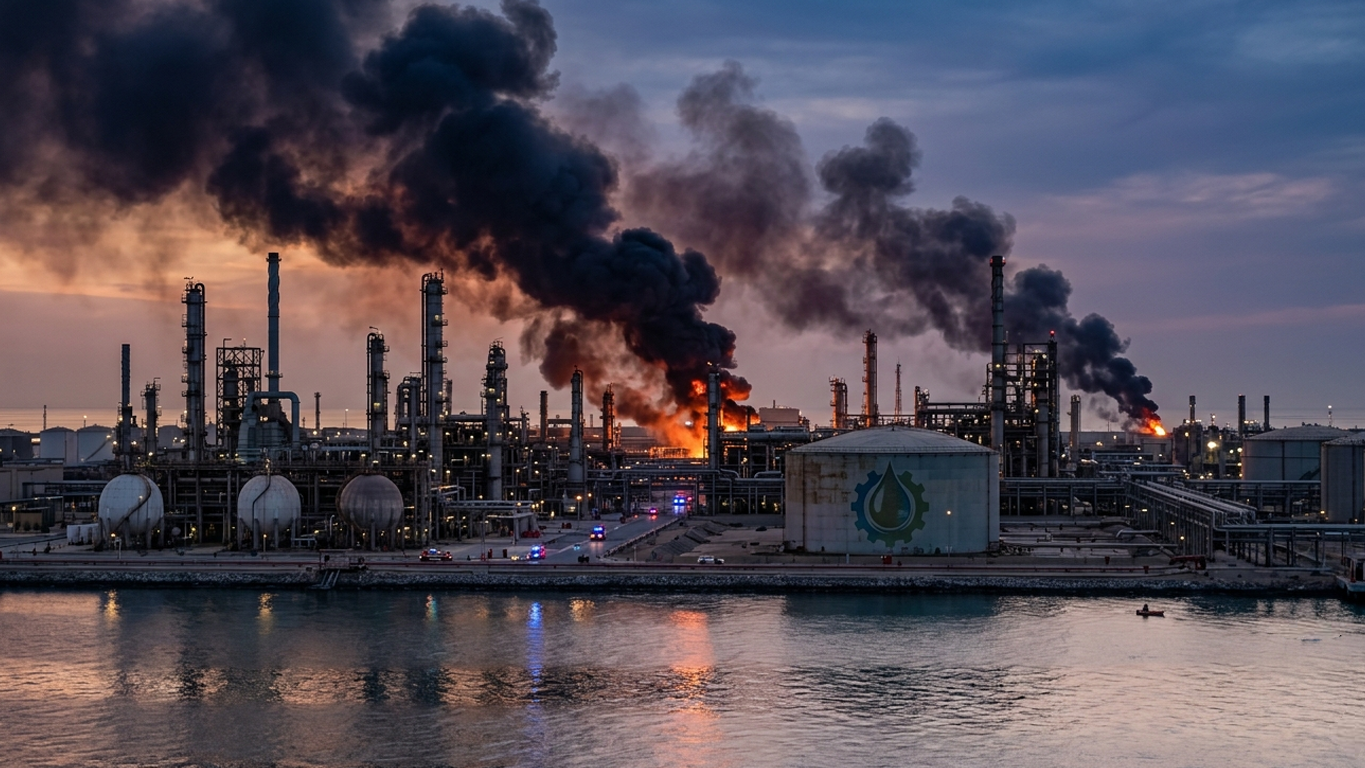
A Thai cargo vessel, Mayuree Naree, bound for Kandla port in India, was attacked in the Strait of Hormuz on March 11, leaving three crew members missing. The attack caused explosions and a fire in the engine room, forcing the crew to abandon ship. Omani naval forces rescued 20 crew members and brought them ashore for medical treatment.

The Islamic Revolutionary Guard Corps (IRGC) of Iran claimed responsibility, stating the strike was part of ongoing military operations and warning vessels to seek permission before entering the waterway. The incident reflects escalating tensions in the Middle East, where regional conflicts have increasingly threatened commercial shipping.

India’s Ministry of External Affairs condemned the attack, calling it “unacceptable” and stressing the safety of civilians and freedom of navigation in international waters. Authorities highlighted the risks posed to innocent lives and the disruption of global trade through one of the world’s busiest shipping lanes.

The Strait of Hormuz is a strategic chokepoint, carrying a large share of the world’s oil and gas shipments. Attacks on merchant vessels have raised alarms internationally, prompting calls for stronger maritime security to protect neutral commercial traffic.

Also Read: UN Security Council condemns Iran’s Gulf attacks

Brain-dead woman revives after ambulance jolts

A jolt on the highway gives a second chance at life, leaving family and doctors in awe

In a story that feels almost surreal, Vineeta Shukla, a 50-year-old woman from Pilibhit, Uttar Pradesh, was declared brain-dead by doctors, yet fate had a dramatic twist in store.

It all began on February 22, when Vineeta suddenly fell ill at home and was rushed to a hospital in Bareilly. Doctors said there was little hope: her brain showed no activity, pupils were dilated, and reflexes were absent. For her husband, Kuldeep Kumar Shukla, and their family, the news was devastating. With heavy hearts, they started preparing for her last rites.

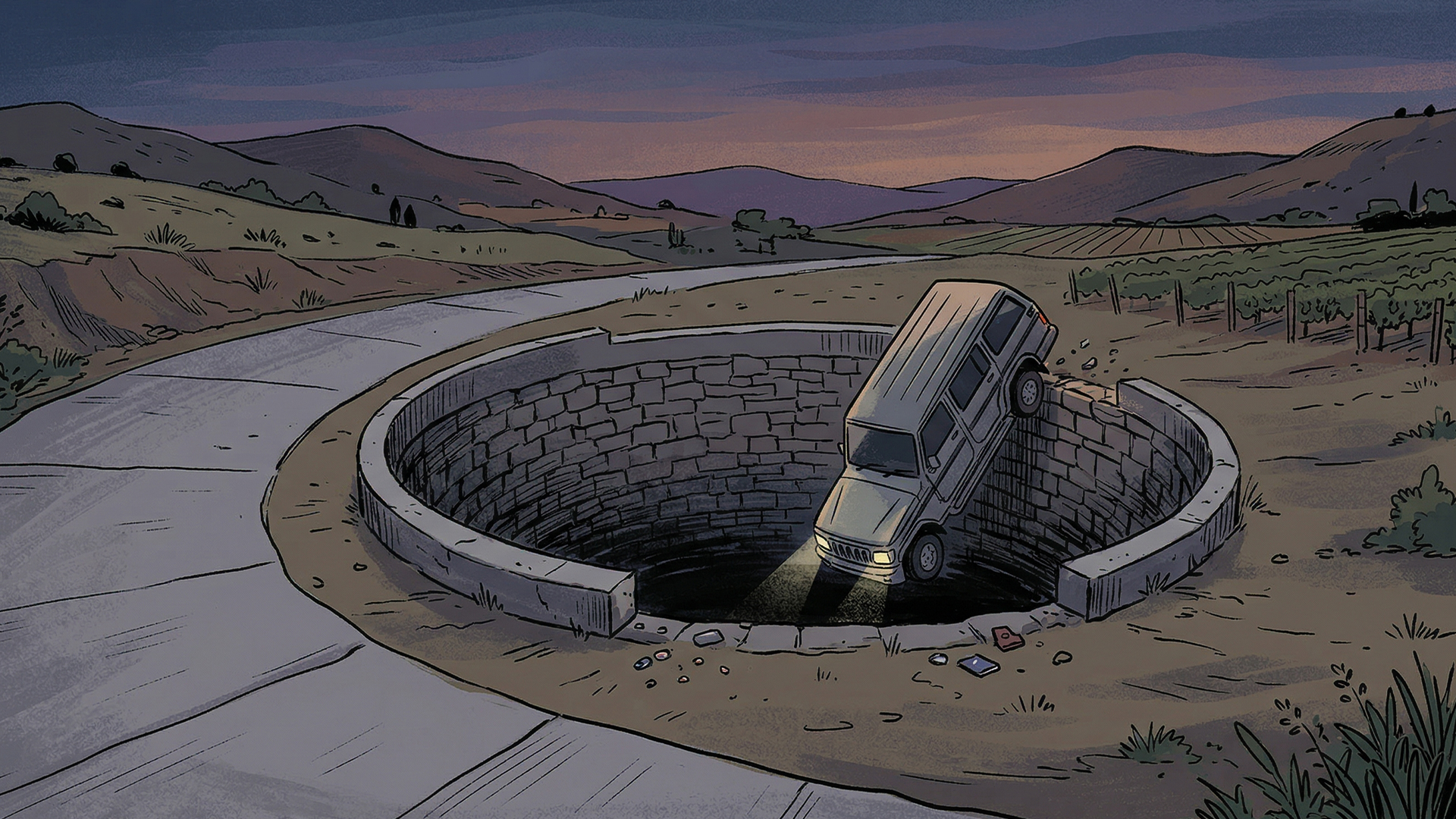
Two days later, Kuldeep decided to take Vineeta home. But fate intervened in the most unexpected way. As the ambulance travelled along the Bareilly-Haridwar National Highway (NH-74), it hit a large pothole. The sudden jolt was jarring—and then astonishing. Vineeta, who had been unresponsive, started breathing on her own. Shocked and hopeful, her family rushed her to Neurocity Hospital in Pilibhit, where doctors began monitoring her closely.

Medical examinations revealed possible traces of neurotoxins, hinting that her condition might have been worsened by a toxic bite rather than complete brain death. With careful treatment over the following weeks, Vineeta gradually regained consciousness and strength. Today, she is home with her family, able to breathe independently and interact with her loved ones.

Doctors caution that such recoveries are extremely rare, and this case likely reflects complex medical circumstances rather than a literal miracle. Yet, for her family, the moment of revival on that bumpy road is nothing short of miraculous.

Also Read: Iran threatens US-Israeli banks and major tech firms

UN Security Council condemns Iran’s Gulf attacks

Resolution urges Tehran to stop strikes and protect regional security

The United Nations Security Council has passed a resolution condemning recent attacks by Iran on Gulf countries and Jordan, amid rising tensions in the Middle East. The move signals strong international concern over escalating violence in the region.

Known as Resolution 2817, the measure was presented by Bahrain and co-sponsored by over 130 nations. It was adopted with 13 votes in favour, while China and Russia abstained, and no country voted against it.

The resolution condemns Iran’s missile and drone strikes on several Gulf Cooperation Council (GCC) states, including Saudi Arabia, the UAE, Kuwait, Qatar, Oman, and Bahrain, as well as on Jordan. The Council called the attacks “serious violations of international law” and warned that such actions threaten global peace and security.

The Security Council demanded an immediate halt to Iran’s attacks, emphasizing the importance of safeguarding international shipping lanes, particularly the Strait of Hormuz, a crucial route for global oil supplies. The resolution also denounced strikes on civilian infrastructure, noting that they have caused casualties and significant property damage.

India joined other nations in co-sponsoring the resolution, expressing support for the sovereignty and territorial integrity of the affected countries. Officials highlighted the need for diplomacy to prevent further escalation and protect civilians.

Iran’s UN ambassador criticized the vote, calling it politically motivated and unfairly targeting Tehran without addressing the broader regional conflict. The country argued that the resolution oversimplifies complex dynamics in the Middle East.

The resolution reflects the UN’s collective effort to curb hostilities, protect civilians, and maintain stability in a region vital to global energy supplies.

Also Read: Canada eyes energy partnership with India

Canada eyes energy partnership with India

Ottawa offers LNG and oil exports as Middle East conflict threatens global supplies

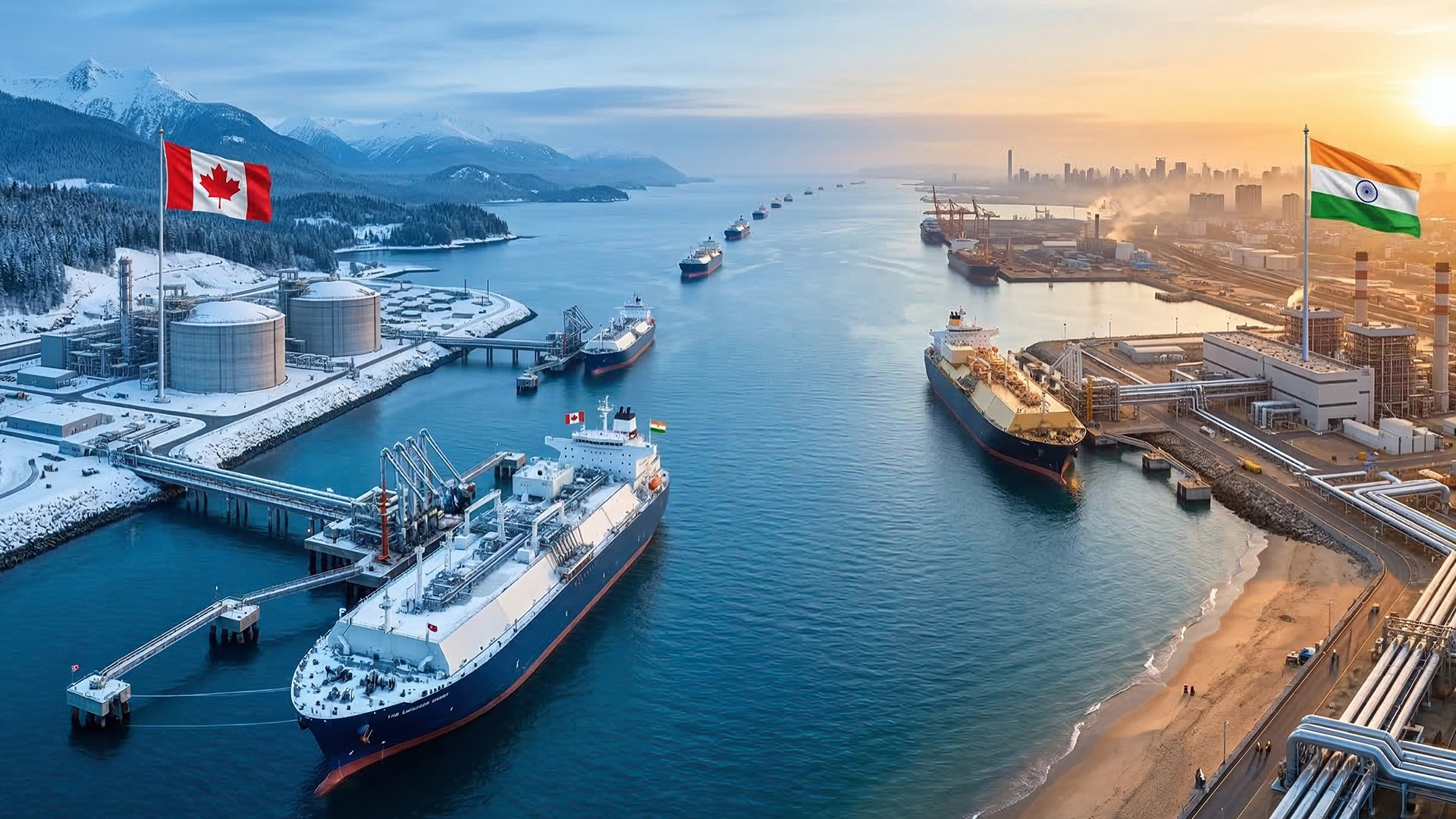
Canada has said it is ready to help India meet its growing energy needs as tensions in the Middle East threaten global oil and gas supplies. The ongoing conflict involving Iran and Israel has raised concerns about disruptions to fuel shipments from the Gulf, a major energy hub.

Prime Minister Mark Carney said Canada is well positioned to supply reliable energy, including liquefied natural gas (LNG) and crude oil, to countries seeking alternatives to the Middle East. India, which imports a significant portion of its energy, is seen as a key partner in this strategy.

Canada already has large reserves of natural gas and is expanding LNG production to meet rising demand. The LNG Canada project in Kitimat, British Columbia, has increased output and shipments, targeting Asian markets including India. Officials said Canadian LNG is also a cleaner energy option, which could help India as it looks to diversify and reduce carbon emissions.

The Middle East conflict has heightened fears of supply disruptions. Many energy shipments from the region pass through the Strait of Hormuz, one of the world’s most important oil and gas transport routes. Any disruption could affect global prices, making Canada’s stable supply more attractive to importers like India.

Experts say India’s energy security could improve by partnering with Canada and other non-Middle East suppliers. Diversifying sources reduces dependence on a single region and protects the country from price spikes or supply shortages.

Officials in Ottawa see the situation as an opportunity to strengthen economic ties with India while expanding Canada’s role in global energy markets. Analysts say if Gulf tensions continue, countries like Canada could play a bigger role in meeting Asia’s energy demand, reshaping trade patterns and global energy flows.

Also Read: US starts ‘trade probe’ into India, 15 nations

Farooq Abdullah escapes assassination attempt

Gunman arrested after firing at senior Jammu and Kashmir leader during wedding event

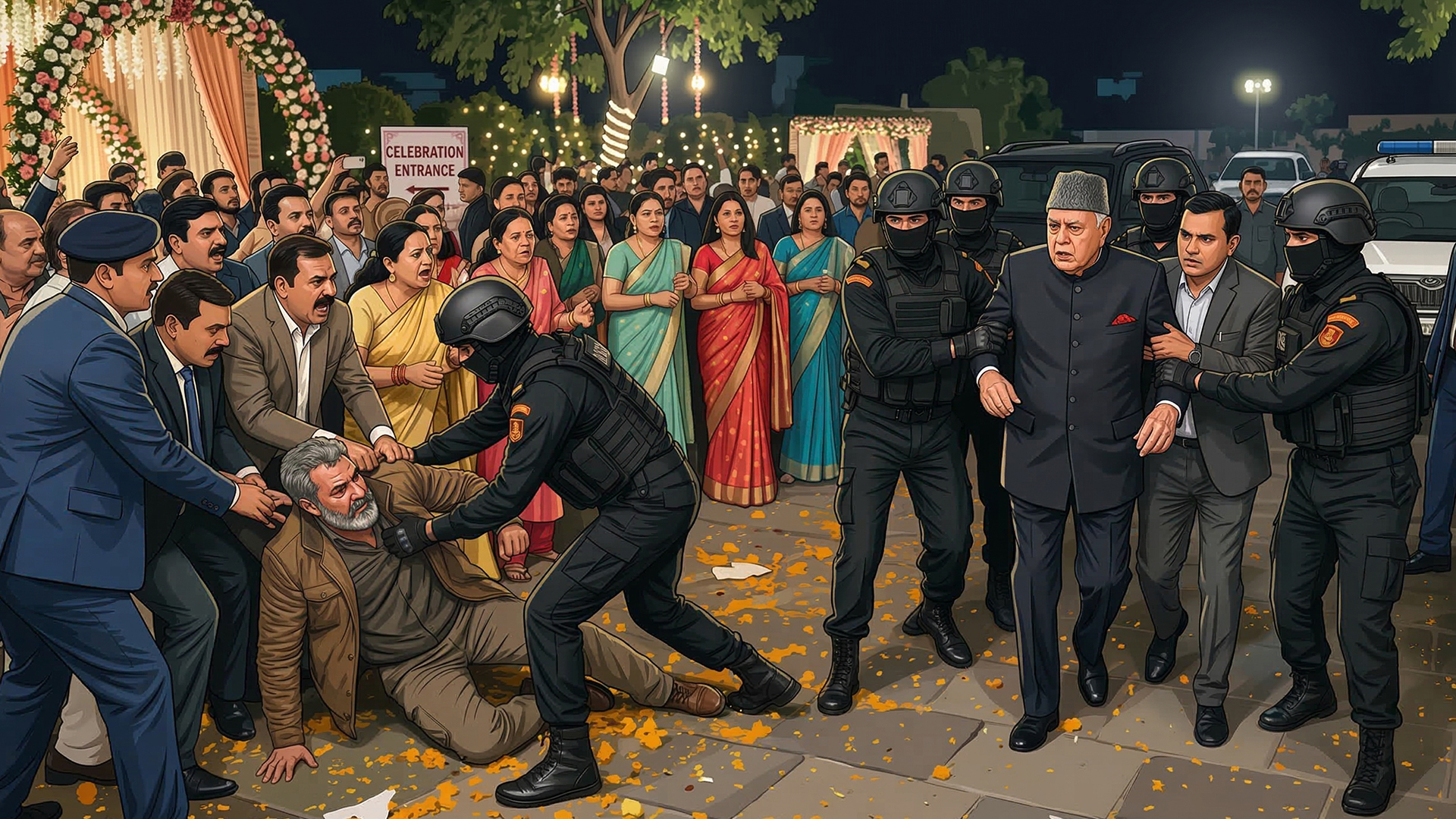
Farooq Abdullah, former chief minister of Jammu and Kashmir and president of the Jammu and Kashmir National Conference, narrowly escaped a shooting attempt during a wedding function in Jammu.

According to police, a man identified as Kamal Singh Jamwal allegedly fired a shot at Abdullah while he was attending the private event. The bullet missed the veteran politician and no one was injured in the incident.

Security personnel and people present at the venue quickly caught the attacker and handed him over to the police. Authorities also recovered a licensed pistol that was reportedly used in the attack.

During questioning, the accused allegedly told investigators that he had wanted to kill Abdullah for nearly 20 years and had been waiting for the right moment. Police said the suspect claimed he had personal reasons behind the attempt.

At the time of the incident, Abdullah was accompanied by several leaders and guests attending the wedding ceremony. Among them was Surinder Choudhary, the deputy chief minister of Jammu and Kashmir. Both leaders were unharmed.

Officials said an investigation has been launched to determine the full motive behind the attack. Police are also trying to find out whether the accused acted alone or if others were involved.

The incident has raised questions about security arrangements at events attended by high-profile leaders. Abdullah is provided Z-plus security, one of the highest levels of protection given to public figures in India.

Authorities are now reviewing how the attacker was able to get close enough to fire a shot at the leader during the gathering.

Political leaders from different parties expressed relief that Abdullah was not injured in the incident. Security agencies have also said they will examine existing safety measures to prevent similar incidents in the future.

Also Read: US starts ‘trade probe’ into India, 15 nations

PM Modi launches ₹10,800-cr projects in Kerala

Infrastructure, energy and highway projects inaugurated in Ernakulam to improve growth and connectivity

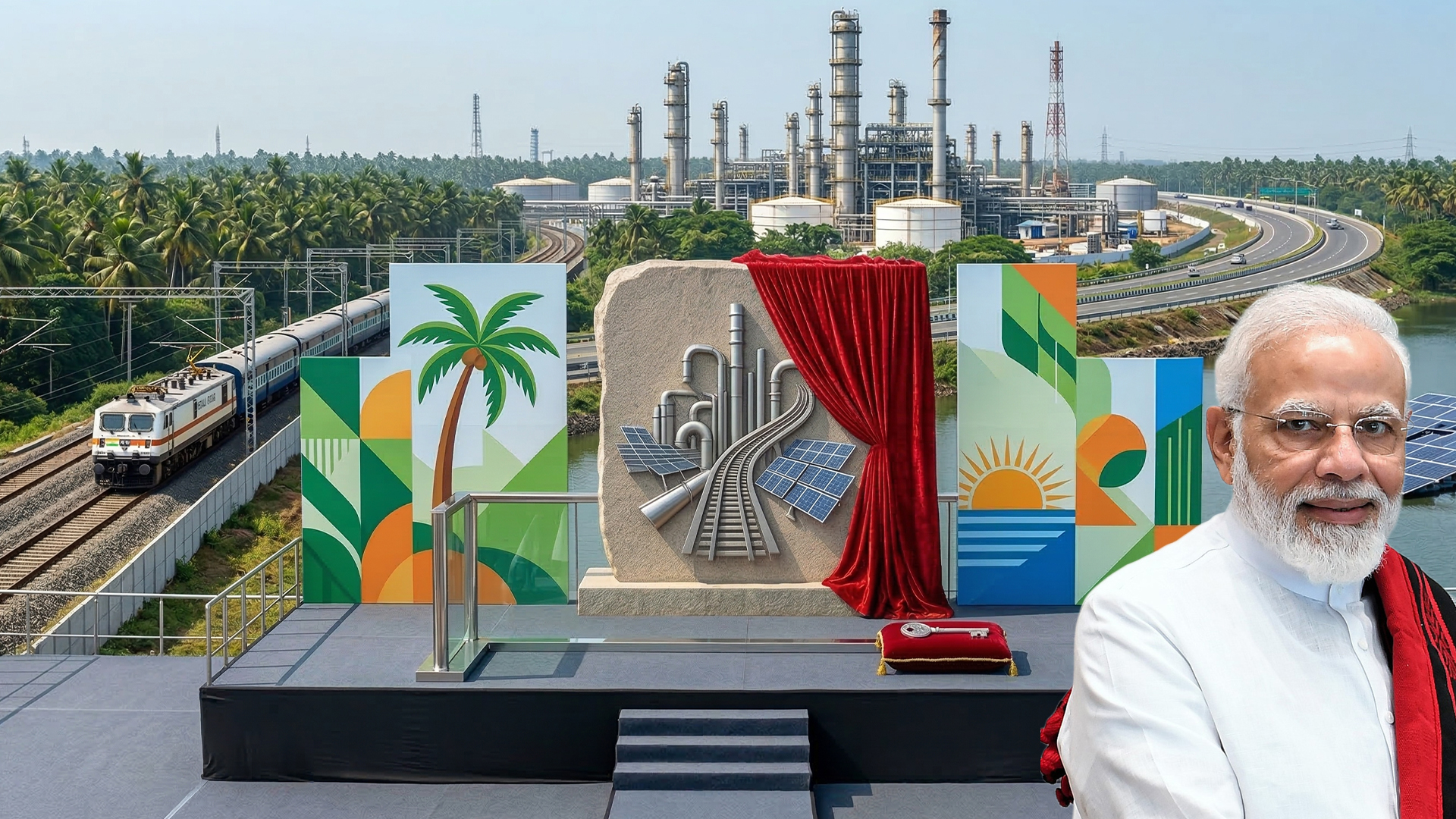
Prime Minister Narendra Modi on Tuesday launched and laid the foundation stone for development projects worth ₹10,800 crore in Ernakulam, Kerala. The projects focus on improving infrastructure, boosting industry and strengthening transport and energy sectors in the state.

Speaking at the event, Modi said the projects were dedicated to the people of Kerala and would support economic growth and create more job opportunities. The initiatives cover different sectors such as petrochemicals, highways, railways and renewable energy.

One of the major projects announced was a new polypropylene plant at the Kochi Refinery of Bharat Petroleum Corporation Limited. The project is estimated to cost more than ₹5,500 crore and will produce about 400 kilotonnes of polypropylene each year. This material is widely used in making plastic products, packaging and industrial goods. The project is expected to support the growth of petrochemical industries and related businesses in the region.

The Prime Minister also inaugurated road development works, including the six-lane expansion of the Thalappady–Chengala stretch of National Highway 66. This highway is part of an important corridor that connects different parts of the western coast of India. The upgraded road is expected to improve travel and transport between northern Kerala and nearby regions.

In addition, railway electrification projects were launched to improve the efficiency and speed of train services in the state. A 50-megawatt floating solar power project at West Kallada was also inaugurated. The solar project will help increase the use of renewable energy and support India’s efforts to produce cleaner power.

During his visit, Modi also attended a programme organised by the All Kerala Dheevara Sabha and later addressed a meeting of the National Democratic Alliance. The event was attended by many supporters and party workers.

Also Read: Ban on non-sanatanis in Badri-Kedar temples

Scientists find methanol-rich Interstellar comet

Study of 3I/ATLAS may reveal clues about how planets form around other stars

Scientists studying the interstellar comet 3I/ATLAS have discovered that it contains unusually high levels of methanol, a simple alcohol-based molecule. The finding is exciting for astronomers because it could help them understand how planets form in distant star systems.

The comet did not originate in our solar system. Instead, it travelled through space from another star system before passing near the Sun. Because of its foreign origin, researchers see it as a rare opportunity to study material formed around another star.

Using powerful radio telescopes from the Atacama Large Millimeter/submillimeter Array in Chile, scientists examined the cloud of gas and dust surrounding the comet. This cloud, known as a coma, forms when the comet approaches the Sun and its icy surface begins to evaporate.

During their observations, researchers detected strong signs of methanol in the comet’s coma. The amount of methanol found was much higher than what scientists normally see in comets from our own solar system.

Methanol is considered an important organic molecule in space. It plays a role in chemical reactions that can lead to more complex compounds, which are essential for the formation of planets and possibly even the building blocks of life.

Scientists believe the unusual chemical makeup of the comet could reveal details about the environment where it formed. If methanol is present in large amounts, it may suggest that the region around its original star had different conditions than those in the early solar system.

Researchers also detected other molecules, including hydrogen cyanide, which provide further clues about the comet’s composition. By studying these molecules, astronomers can better understand the processes that shape young planetary systems.

Interstellar comets like 3I/ATLAS are extremely rare visitors. They travel across the galaxy for millions or even billions of years before occasionally entering another star system.

Also Read: PM Modi launches ₹10,800-cr projects in Kerala