rotating globe
6 Apr 2026


Entries for Critics’ Choice Awards

This year’s Critics’ Choice Awards celebrate India’s best films, web series, and documentaries

The 8th Critics’ Choice Awards 2026 nominations are out, honoring the year’s most remarkable work in Indian cinema, web series, documentaries, and short films. The awards, organized by the Film Critics Guild in collaboration with WPP Motion Entertainment, are decided by a panel of 56 critics from across the country.

Leading the feature film nominations is Neeraj Ghaywan’s Homebound, which received six nods, including Best Film, Best Director, and Best Actor for Vishal Jethwa. Meanwhile, the web series Vikramaditya Motwane’s Black Warrant topped its category with seven nominations, becoming the most‑nominated series of the year. Both productions have been praised for their storytelling, performances, and creative vision.

Other films making waves include Rohan Parashuram Kanawade’s Sabar Bonda, Raam Reddy’s Jugnuma, Anusha Rizvi’s The Great Shamsuddin Family, Mari Selvaraj’s Bison Kaalamaadan, and the BAFTA‑winning Boong, reflecting the diversity of Indian cinema today. The Best Film category showcases a mix of regional stories and innovative narratives, demonstrating the growing breadth of talent.

In acting, the nominations celebrate established stars and fresh faces alike. Vishal Jethwa, Mammootty, Basil Joseph, Mounesh Nataranga, and Abhishek Banerjee vie for Best Actor, while Priyanka Bose, Geetha Kailasam, Yami Gautam Dhar, Amruta Subhash, and Sharmila Tagore are in the running for Best Actress. Directors such as Lakshmipriya Devi, Neeraj Ghaywan, Aranya Sahay, Raam Reddy, and Jayant Digambar Somalkar have been recognized for their exceptional vision.

Short films like Aasmaani Jhoola and Maaybaapache Aashirwaad are celebrated, alongside documentaries including Chaar Phool Hain Aur Duniya Hai and I, Poppy. The awards will also honor veteran actor Farida Jalal with the Extraordinary Contribution to Cinema Award.

Also Read: US labels Afghanistan for wrongful detention

US warns Iran may activate sleeper cells abroad

Intercepted encrypted message raises fresh security concerns after regional tensions

US intelligence agencies have issued a warning after intercepting an encrypted message that they believe may be linked to Iran activating “sleeper cells” in other countries. The alert has increased security concerns in the United States and among its international partners.

According to reports, American intelligence officials recently detected a coded message that appears to have been sent from Iran. Investigators believe the message could contain instructions meant for secret operatives living outside the country. These operatives, often called sleeper cells, usually live normal lives in foreign countries and remain inactive for years until they receive orders to act.

Officials say the message may have been broadcast in a way that only specific recipients with the correct decoding system could understand it. Because of this, authorities are trying to determine who the intended recipients might be and what actions, if any, they were asked to take.

The alert reportedly came at a time of rising tensions in the Middle East. Intelligence agencies are now carefully analysing the intercepted message to understand its meaning and whether it poses any immediate threat.

For now, US officials say there is no confirmed information about a specific attack or target. However, security agencies across the country have been advised to remain alert and closely monitor any suspicious activity. Law-enforcement authorities are also coordinating with international partners to track possible threats.

Experts say sleeper cells are difficult to detect because the individuals involved often blend into society for long periods without drawing attention. They may work normal jobs and live ordinary lives until they receive instructions from their handlers.

The latest warning highlights growing concerns about how geopolitical tensions can extend beyond borders. While authorities stress that the investigation is still ongoing, they say precautionary steps are necessary to prevent potential security risks.

US officials continue to monitor the situation closely while intelligence teams work to decode the message and determine whether it was truly meant to activate covert operatives abroad.

Also Read: Iran women footballers seek asylum in Australia

US labels Afghanistan for wrongful detention

Secretary of State Marco Rubio urges Taliban to free Americans held in Afghanistan

Secretary of State Marco Rubio accuses the Taliban of holding Americans hostage and warns it’s unsafe for US citizens to travel to Afghanistan.

The United States has added Afghanistan to its list of countries that wrongfully detain people. The move comes after the Taliban‑led government held Americans in the country, apparently to use them for political advantage.

US Secretary of State Marco Rubio announced the decision on March 9, 2026. He said the Taliban is using “terrorist tactics” like kidnapping and detention to gain concessions. Rubio warned Americans not to travel to Afghanistan because it is unsafe.

Rubio called for the release of two Americans believed to be held there: Dennis Coyle, a 64-year-old teacher held since January 2025 without charges, and Mahmood Habibi, an Afghan-American businessman missing since August 2022. The US has even offered $5 million for information that could help bring Habibi home.

The wrongful detention list is part of a new US law started in September 2025. It allows the US to impose sanctions or restrictions on countries that hold Americans unfairly. Iran was the first country added to this list in February 2026.

At the United Nations, US officials accused the Taliban of “hostage diplomacy” and questioned whether humanitarian aid should go to a government that violates human rights.

The Taliban denied the US claims, saying that foreigners are held according to Afghan law and that some detainees have already been released. They said they prefer to solve the issue through talks, not sanctions.

Also Read: US lawmakers introduce WISA Act to ease H‑1B visa rules

US lawmakers introduce WISA Act to ease H‑1B visa rules

Proposed legislation aims to reverse recent restrictions, benefiting skilled foreign workers and employers

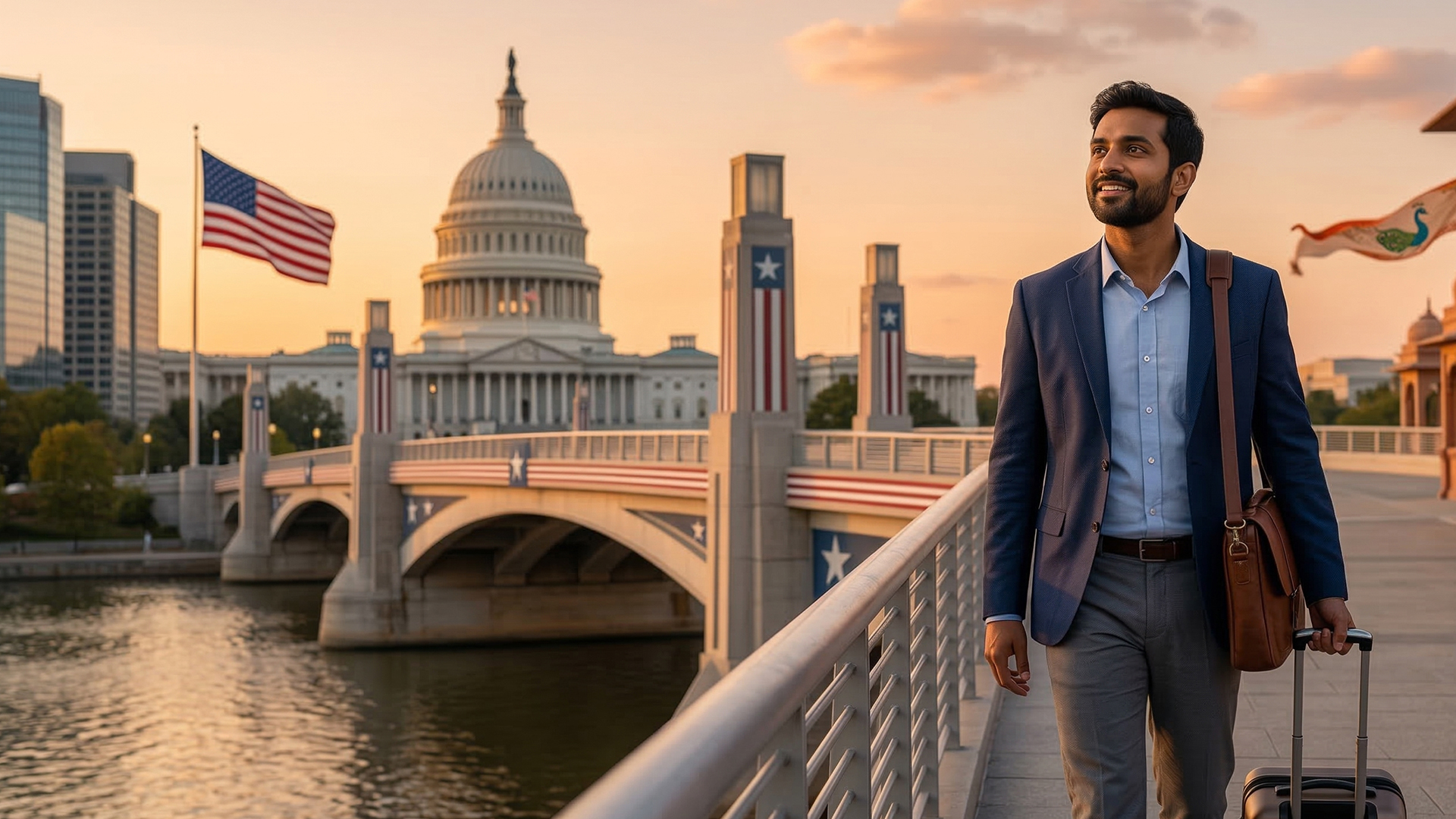
A new bill in the United States Congress, called the Welcoming International Success Act (WISA Act), seeks to reverse stricter regulations on the H‑1B visa program that were introduced in late 2025. The legislation is designed to make it easier for US companies, universities, and research institutions to hire highly skilled foreign workers, many of whom are from India, to fill specialized roles in sectors such as technology, healthcare, and academia.

Under the changes implemented in 2025, employers must pay a $100,000 sponsorship fee per H‑1B worker, meet more stringent wage requirements, and comply with tighter eligibility rules. Supporters of the WISA Act argue that these restrictions have increased costs and uncertainty for both employers and skilled applicants. The proposed legislation would remove the additional fees and relax eligibility criteria, allowing employers to hire global talent more efficiently.

Proponents emphasize that the H‑1B program supports economic growth and innovation rather than displacing American workers. By enabling companies to access specialized skills not readily available in the domestic workforce, the program helps maintain US  competitiveness in critical industries. Congresswoman Bonnie Watson Coleman, a sponsor of the bill, highlighted that the legislation would particularly benefit Indian professionals, who traditionally receive a significant portion of H‑1B visas, by reducing financial and administrative burdens.

The WISA Act comes amid ongoing debate over US immigration policy. Some lawmakers have proposed further tightening of the H‑1B program, citing concerns about domestic employment opportunities. The new bill represents an opposing approach, focused on restoring access to skilled international workers while ensuring US companies can remain competitive in global markets.

If passed, the WISA Act could streamline hiring processes, lower costs for employers, and provide more predictable outcomes for prospective H‑1B applicants. It also reflects broader efforts to attract global talent to support the US economy and maintain its position in innovation-driven industries.

Also Read: India sends diesel to Bangladesh amid fuel crunch

US confirms 140 troup members wounded in Iran conflict

Pentagon releases first detailed casualty figures as war with Iran intensifies

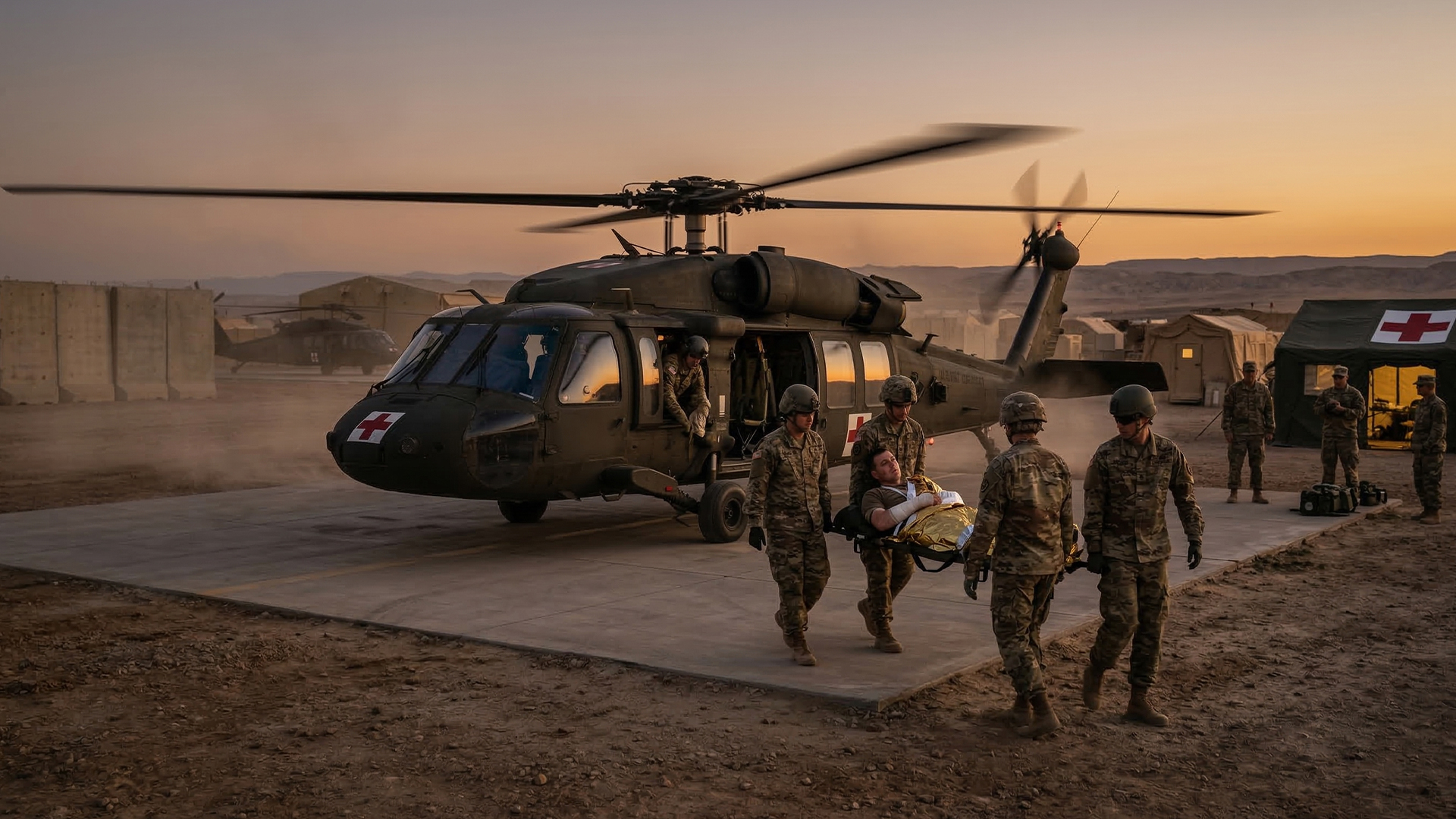
The US Department of Defense has confirmed that around 140 American service members have been wounded in the ongoing conflict with Iran, which began on February 28, 2026. While most injuries are minor, eight troops remain severely wounded and are receiving advanced medical care.

A Pentagon spokesperson said that 108 of the injured have already returned to duty, highlighting that the majority of injuries are not life-threatening. Officials estimate that the total number of wounded could be as high as 150, though most cases are considered minor.

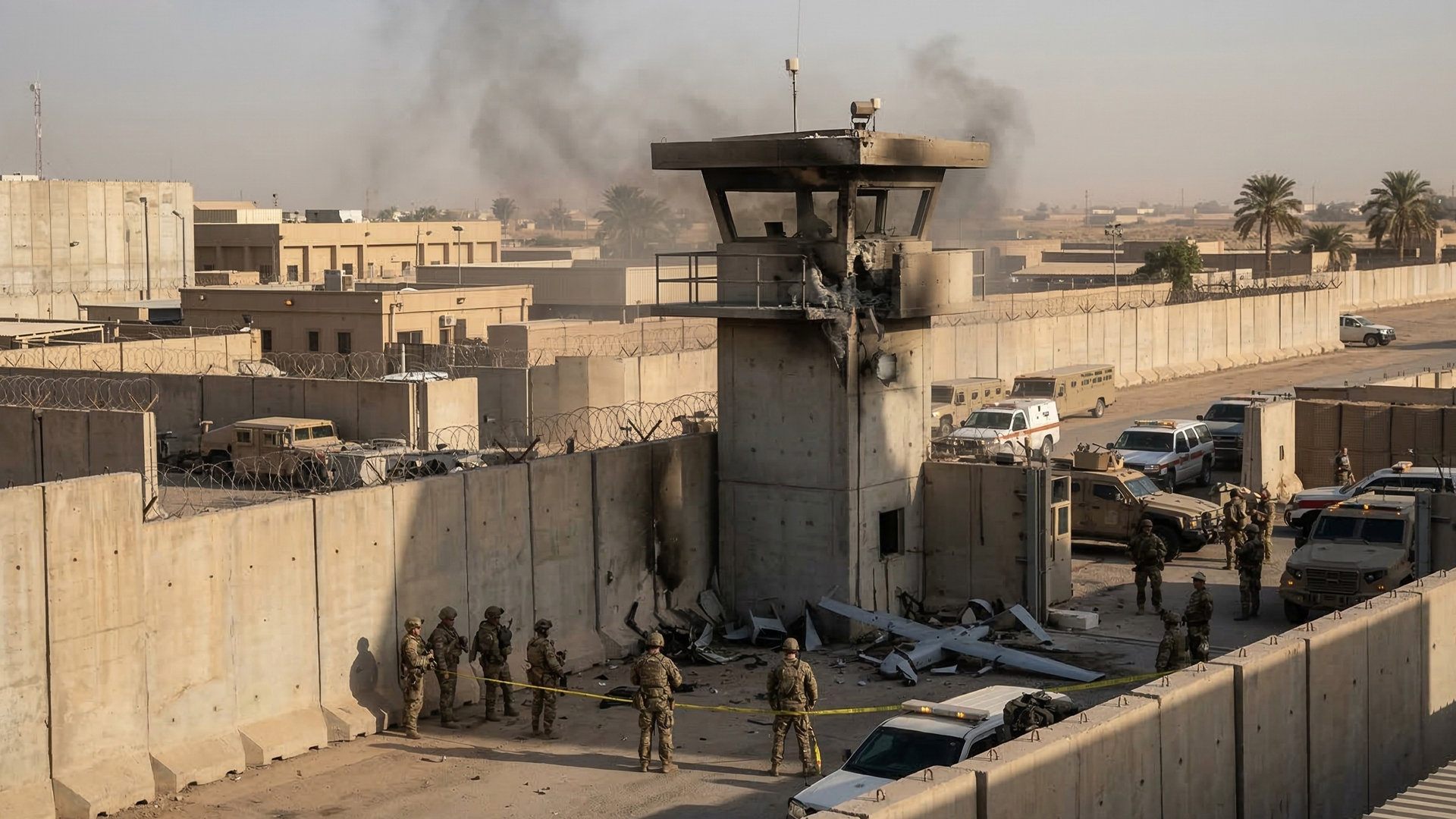
This is the first comprehensive update on US casualties in the conflict, giving a clearer picture of the toll on American forces. The reported injuries followed Iranian missile and drone strikes on US and allied military bases in the Middle East, including in Kuwait and Saudi Arabia.

In addition to the wounded, seven US service members have been killed, six in Kuwait and one in Saudi Arabia, reflecting the growing human cost of the conflict.

The war has also taken a toll on civilians. Hundreds of deaths have been reported in Iran and Lebanon due to airstrikes and retaliatory attacks, signaling a worsening humanitarian situation.

Defense Secretary Pete Hegseth described recent operations as among the most intense in the campaign against Iranian targets. Iran continues to carry out retaliatory strikes on US  and allied positions across the Gulf, keeping the conflict highly volatile.

As the war enters its second week, focus remains on the evolving battlefield, troop casualties, and the broader impact on regional security and civilians.

Also Read: US strikes Iranian mine‑laying vessels

Assam renames Barpeta medical college

Former President Fakhruddin Ali Ahmed's name dropped. College now named after its location

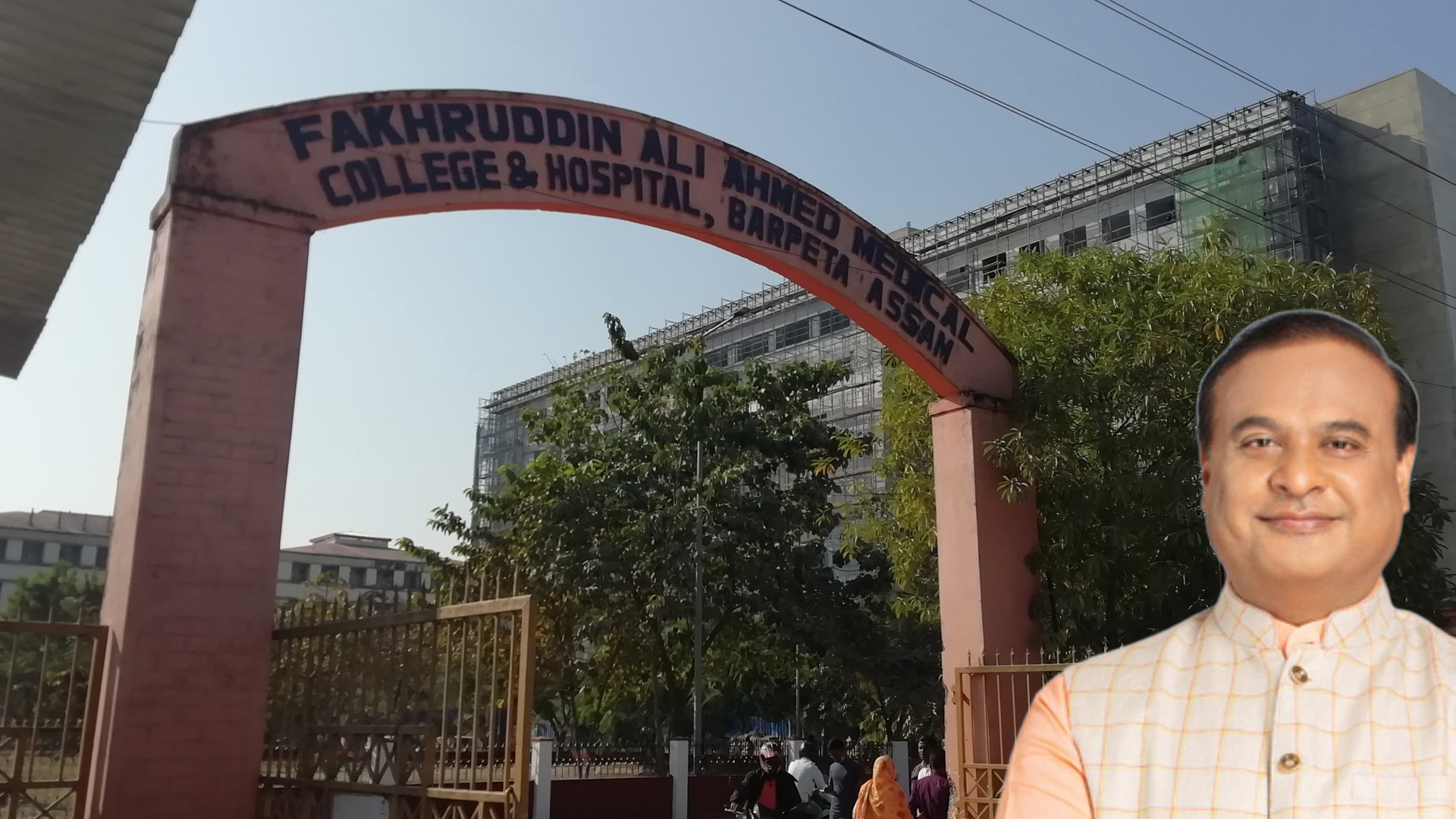
The Assam government has decided to rename the medical college in Barpeta, removing the name of former Indian President Fakhruddin Ali Ahmed. It will now be called Barpeta Medical College and Hospital. The move is part of an effort to make government college names consistent across the state.

At a recent cabinet meeting, Chief Minister Himanta Biswa Sarma explained that most government medical colleges in Assam are named after their location, including colleges in Guwahati, Dhubri, Silchar, Bongaigaon, Biswanath, and Sonitpur. The Barpeta college was the only one named after a person, which officials said did not match the standard naming pattern.

The government also said the name change will help reduce confusion among the public. Because the college previously carried a person’s name, some people thought it was a private institution. Renaming it after its district makes it clear that it is a government college.

The Fakhruddin Ali Ahmed Medical College and Hospital was established in 2011 and started undergraduate courses in 2012. It later expanded to offer postgraduate programs. The college serves students and patients in Barpeta and surrounding areas.

Fakhruddin Ali Ahmed was the seventh President of India and the only one from Assam. To honour his legacy, the government has said another institution of equal or higher importance will be named after him, though details have not been announced yet.

Observers note that the renaming comes just before the upcoming Assam Assembly elections. While some see it as a political decision, the state government maintains that the change is administrative, aimed at standardising college names and improving clarity, rather than reducing the former President’s recognition.

The new name will come into effect once the state government issues a formal notification.

Also Read: India sends diesel to Bangladesh amid fuel crunch