rotating globe
2 Apr 2026


Sonam Kapoor, Anand Ahuja welcome second baby boy

Actor announces arrival of baby boy. Anil Kapoor shares emotional reaction

Actor Sonam Kapoor and her husband, businessman Anand Ahuja, have welcomed their second child, a baby boy, on March 29, 2026. The couple shared the happy news through a joint social media statement, expressing gratitude and excitement as their family grows.

In their announcement, the couple said they were “overjoyed” to welcome their newborn son and described the moment as deeply special for their family. They added that their hearts are filled with love as they begin this new phase of parenthood together.

The couple’s first child, their son Vayu, born in 2022, is also part of this growing family. According to their message, the elder sibling is delighted with the arrival of his baby brother, making the occasion even more meaningful for them.

The announcement was met with an outpouring of love from fans and members of the film industry. Several celebrities extended their congratulations, celebrating the couple’s joyful milestone and wishing the newborn good health and happiness.

Sonam’s father, veteran actor Anil Kapoor, also shared his happiness at becoming a grandfather again. In an emotional note, he said his “heart is full,” expressing how thrilled the family is to welcome the newest member. His message reflected the excitement and warmth within the Kapoor household following the baby’s arrival.

Sonam Kapoor and Anand Ahuja, who tied the knot in 2018, had announced their second pregnancy last year. Since then, they had occasionally shared glimpses of this journey with their followers.

Also Read: Bengali actor Rahul Arunoday Banerjee dies at 43
Bengali actor Rahul Arunoday Banerjee dies at 43
Actor’s sudden death by drowning during shoot shocks Bengali film and television industry

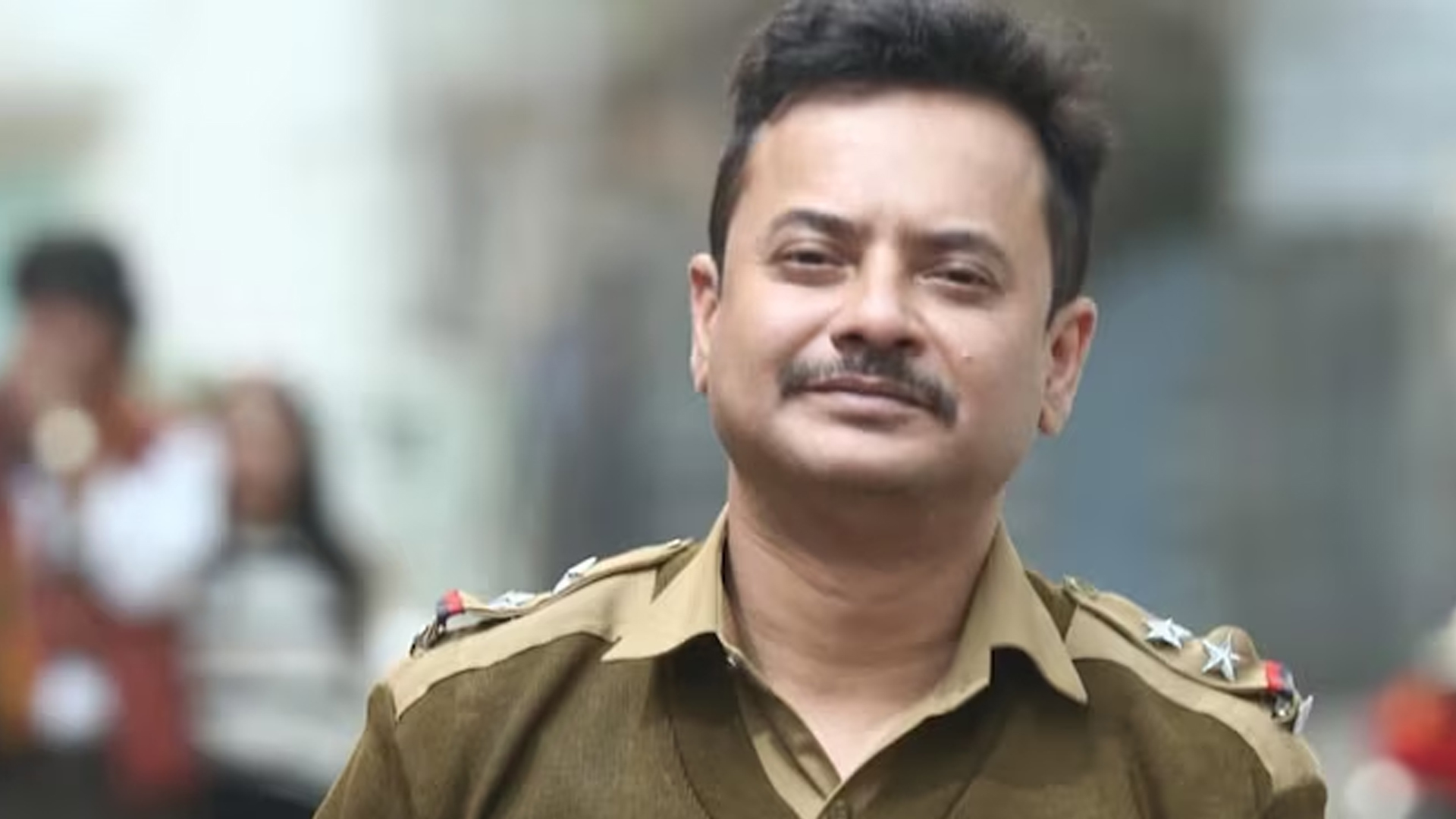
Bengali actor Rahul Arunoday Banerjee died at the age of 43 after drowning at Talsari beach in Odisha, near the Digha coast. The incident took place on March 29 while he was on location for a television shoot, leaving the entertainment industry and his fans in deep shock.

According to reports, Banerjee had entered the sea during a break or after filming scenes for a television project. When he failed to return, members of the crew grew concerned and began searching for him. He was later found in the water and immediately taken to a nearby hospital, where doctors declared him dead. Initial reports suggest accidental drowning, possibly caused by strong waves or unsafe sea conditions.

Rahul Arunoday Banerjee was a well-known figure in Bengali cinema and television, gaining popularity for his role in the film Chirodini Tumi Je Amar and several television serials. Over the years, he built a strong reputation for his performances and remained a familiar face in the industry.

His sudden death has triggered an outpouring of grief from colleagues, fans, and members of the Bengali film fraternity, many of whom remembered him as a talented and dedicated actor.

He is survived by his wife, Priyanka Sarkar, and their son. The family has requested privacy as they deal with the loss.

Also Read: Mid-air scare on IndiGo flight 

Shaheen Afridi, Sikandar Raza face PSL hotel security controversy

Punjab Police say Lahore Qalandars stars violated safety rules

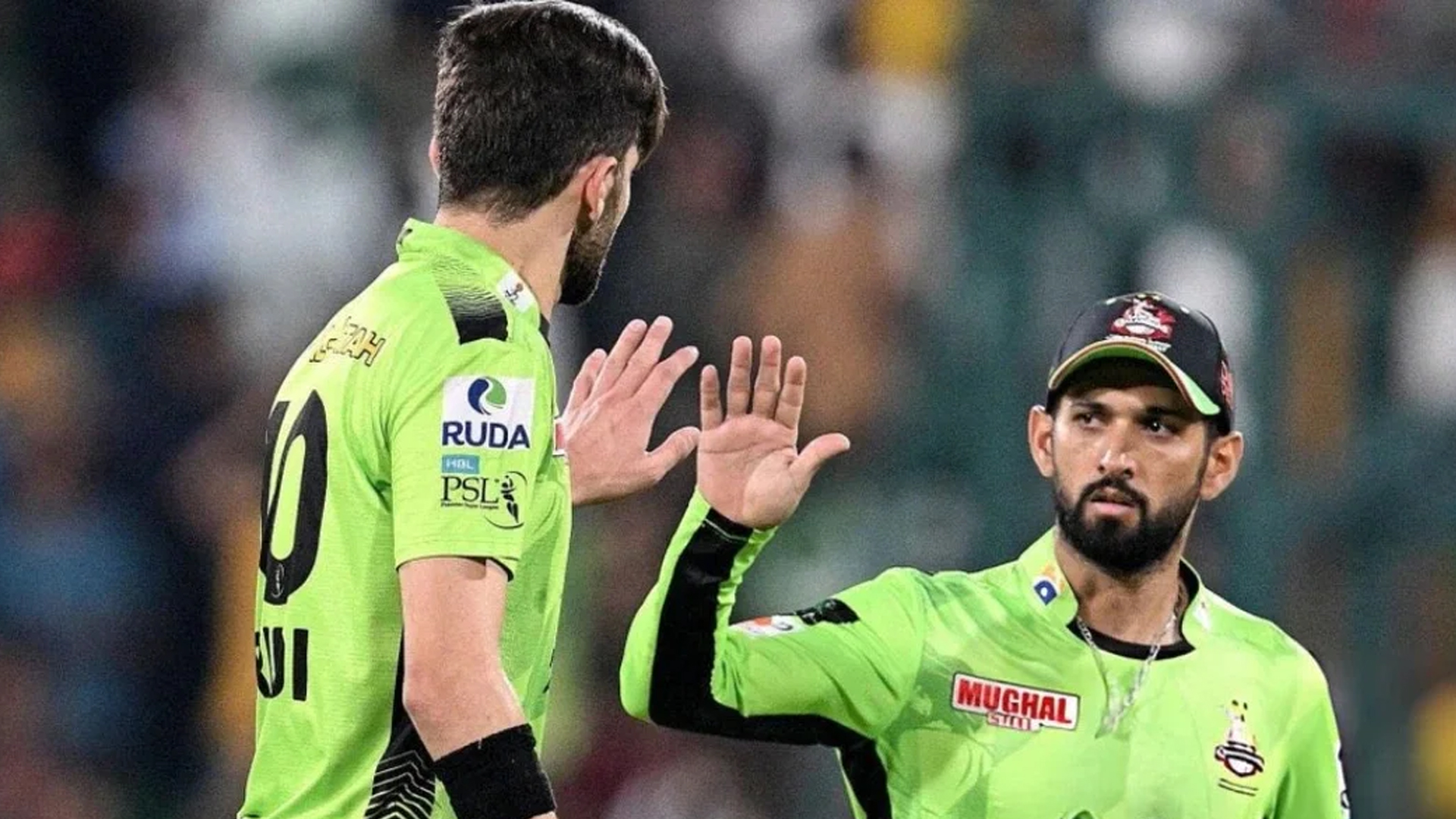
A security breach has emerged in Pakistan Super League (PSL) 2026 after Lahore Qalandars captain Shaheen Shah Afridi and all-rounder Sikandar Raza allegedly allowed unauthorised guests into their hotel rooms, prompting action from Punjab Police and PSL officials.

The incident occurred on March 28, when the team was staying at a hotel ahead of a match against the Karachi Kings. Police said four non-team visitors were taken up to a player’s room, in violation of strict PSL security protocols that forbid outside guests from entering players’ accommodation. These visitors reportedly stayed until late at night, triggering concerns about player safety and tournament bio-security rules.

Authorities claimed the hotel’s security staff and anti-corruption officers had refused the guests entry, but the players allegedly escorted them inside anyway. Punjab Police sent a formal note to the PSL management urging a review of the incident and measures to prevent similar breaches in the future.

PSL sources say such rules exist to ensure both the safety of players and the integrity of the tournament. Allowing outsiders into the hotel rooms not only violates safety protocols but could also compromise the league’s strict anti-corruption and bio-security measures.

In response, Sikandar Raza defended his actions, stating he was unaware of the updated security rules and that the visitors were his relatives he had not seen in a long time. Shaheen Afridi has not made a public statement yet. Both players are reportedly cooperating with authorities while the PSL management investigates the matter.

The controversy has drawn attention because the PSL is one of cricket’s most closely monitored franchise leagues, with strict guidelines for player movements and guest access. Officials from the Pakistan Cricket Board (PCB) and the PSL are reviewing police reports and team statements to decide whether disciplinary action is needed.

Also Read: India opposes WTO investment pact

Australia’s sky turns red ahead of cyclone


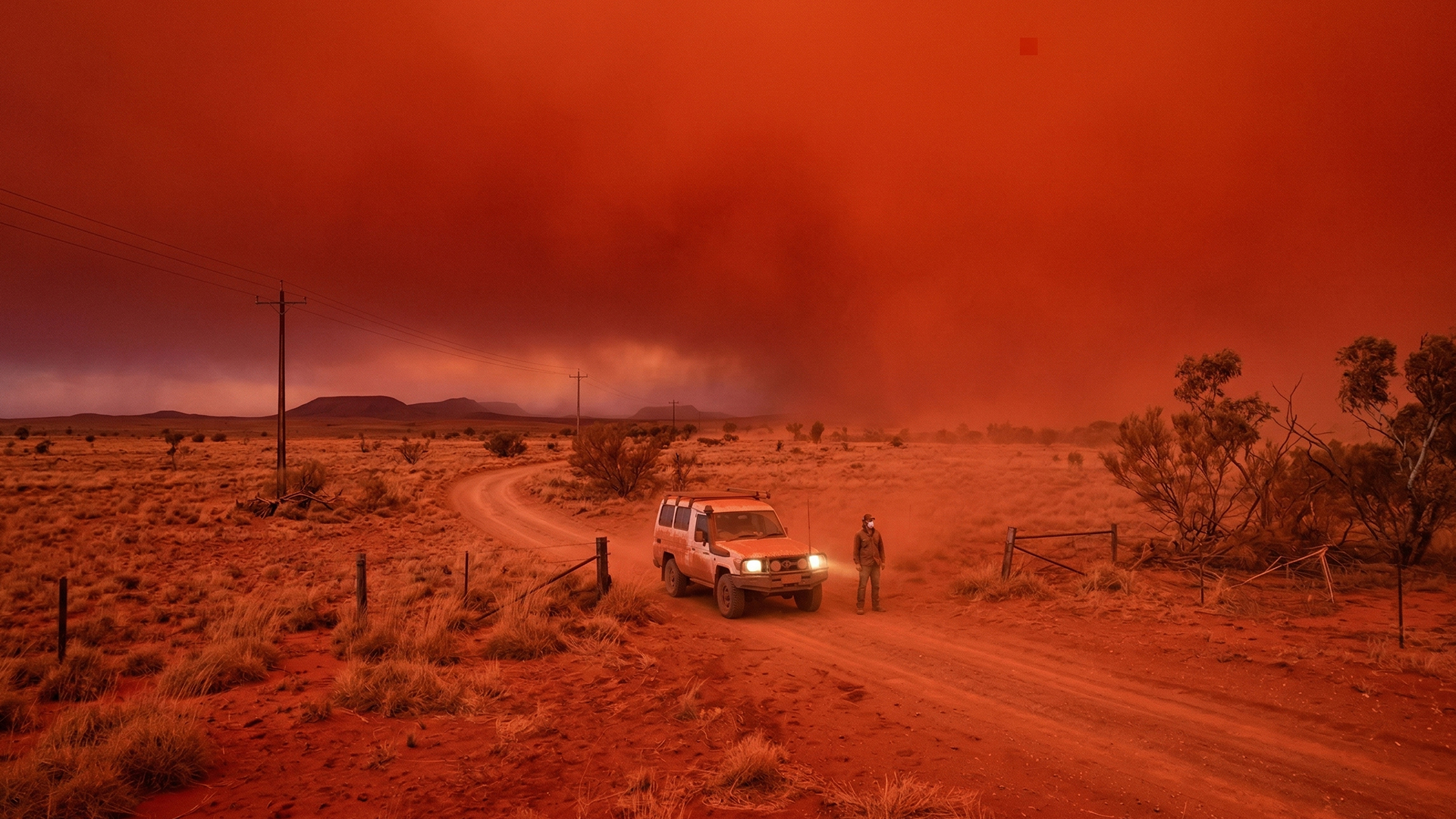
The residents of Western Australia were treated to a rare and dramatic natural display yesterday as the sky turned a deep blood-red just hours before Cyclone Narelle made landfall. Coastal towns such as Shark Bay and Denham reported an eerie crimson glow, with daylight appearing almost like sunset despite it being mid-afternoon. The unusual sky became a striking reminder of the interplay between extreme weather and local geography.

Meteorologists explained that the red color resulted from iron-rich dust from inland regions being lifted into the atmosphere by strong winds ahead of the approaching cyclone. Normally, the sky looks blue because small air molecules scatter sunlight. But when larger dust particles are present, they scatter sunlight differently, letting longer wavelengths, reds and oranges, dominate. This phenomenon, known as Mie scattering, created the vivid crimson skies observed across the region.

The effect was amplified by cloud cover associated with the storm, which diffused sunlight evenly and made the red color more intense. The striking display lasted several hours until the winds and rain from the cyclone cleared the dust, returning the sky to its normal hue.

Cyclone Narelle itself has been unusual for its strength and path. It became only the third recorded cyclone to make landfall on three separate Australian coasts—first Queensland, then the Northern Territory, and finally Western Australia—before moving back over the Indian Ocean and regaining intensity. The cyclone brought heavy rain, strong winds, and localized flooding, underscoring the dangers of such extreme weather events.

While the red sky captured the imagination of locals and social media users worldwide, it also highlighted practical concerns. Dust storms can reduce visibility, affect air quality, and interact with storms in ways that impact safety and the environment.

Also Read: DMK promises ₹8,000 coupons, new welfare schemes

Strikes hit Iran nuclear facility, Kuwait power plant

Khondab site shut down after US-Israeli attack. Iranian strike on Kuwait kills worker and damages key facility

Tensions in the Middle East have escalated further after a series of strikes targeted critical infrastructure in Iran and Kuwait, heightening fears of a broader regional conflict.

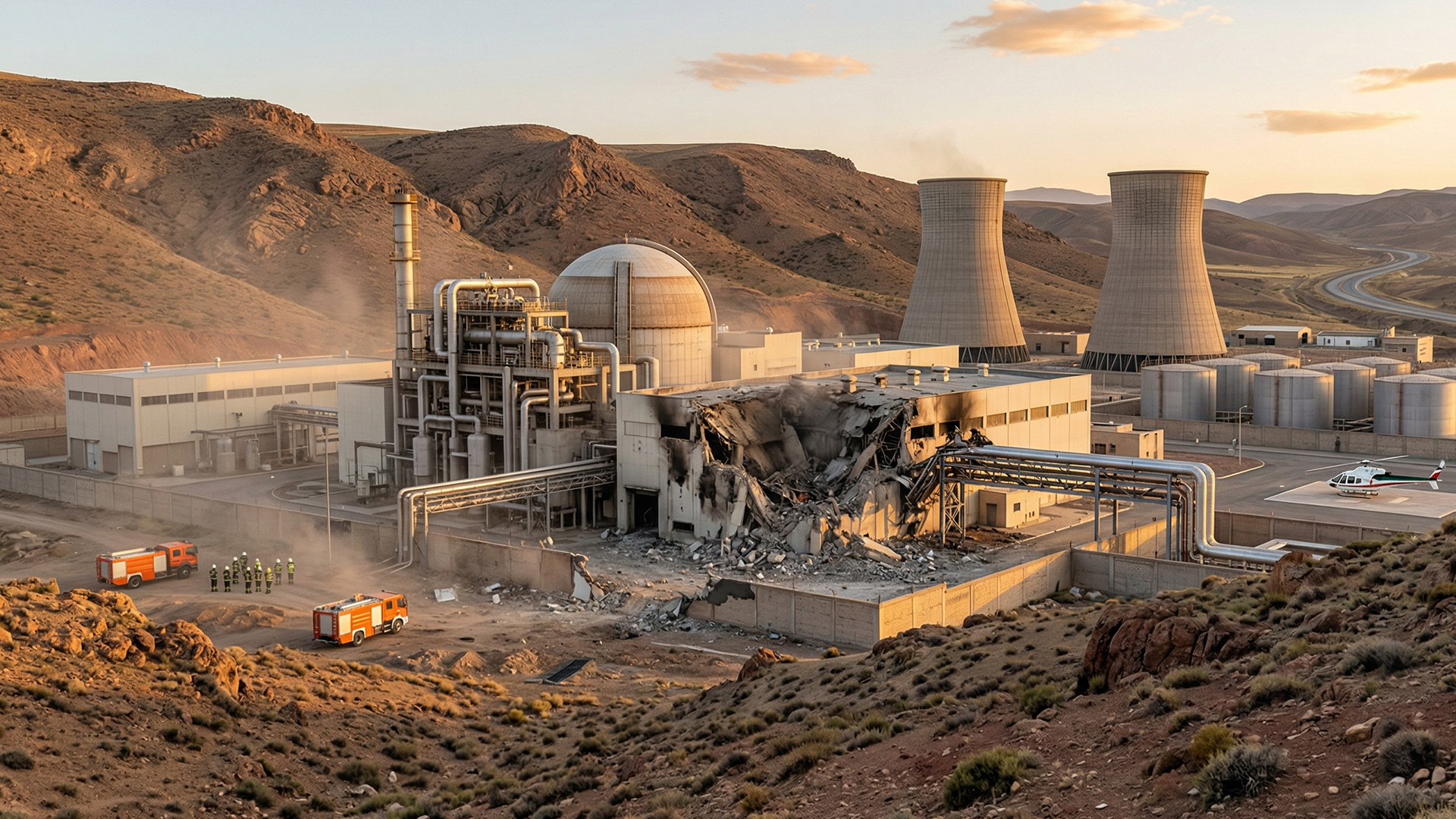
Iran’s Khondab heavy water production facility, located near Arak, has been put out of operation following damage caused by joint US-Israeli strikes. The International Atomic Energy Agency confirmed that the plant is no longer functional. However, it noted that no nuclear material was present at the site at the time of the attack.

IAEA Director General Rafael Grossi raised concerns over the targeting of nuclear-related facilities, warning that such actions could have serious consequences. He reiterated that nuclear sites should not be attacked under any circumstances and called for restraint and renewed diplomatic efforts.

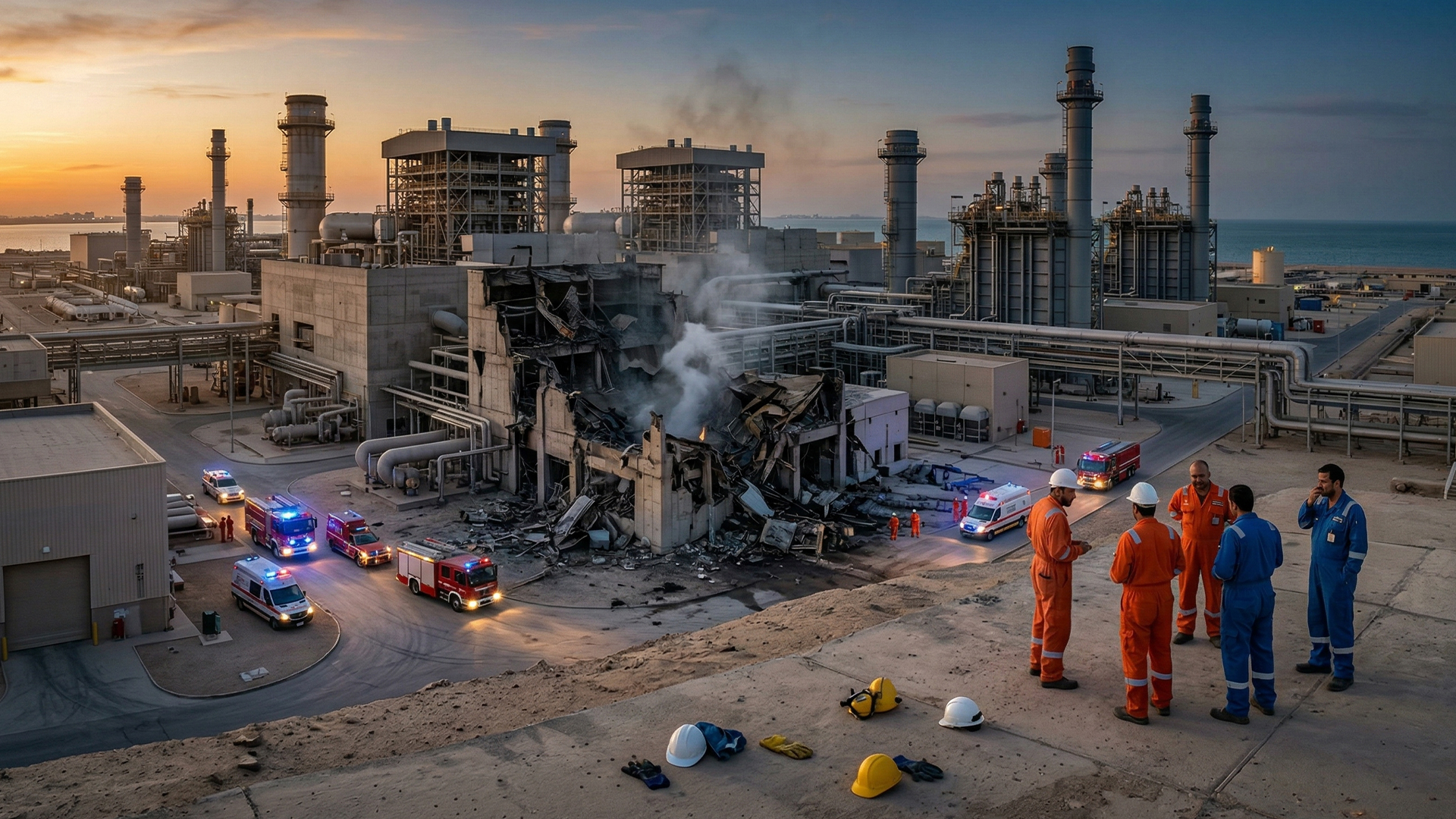
In response to the escalating situation, Iran launched a strike on a power generation and water desalination facility in Kuwait. The attack caused significant damage to the site and resulted in the death of one worker. Authorities confirmed that emergency teams were quickly deployed to manage the situation and prevent further disruption.

Reports indicate that the deceased worker was an Indian national, drawing attention to the risks faced by foreign workers in conflict-prone regions. Despite the damage, Kuwaiti officials activated backup systems to ensure continuity of essential services, particularly water supply.

The incident has highlighted the vulnerability of desalination plants in the Gulf, which play a crucial role in providing fresh water to populations in the region. Any disruption to these facilities could have serious consequences for daily life.

Also Read: Trump signals possible seizure of Iran’s oil hub

Millions across US take to the streets in “No Kings” protests

Citizens voice frustration over Trump policies, democracy, and social issues in a historic day of marches

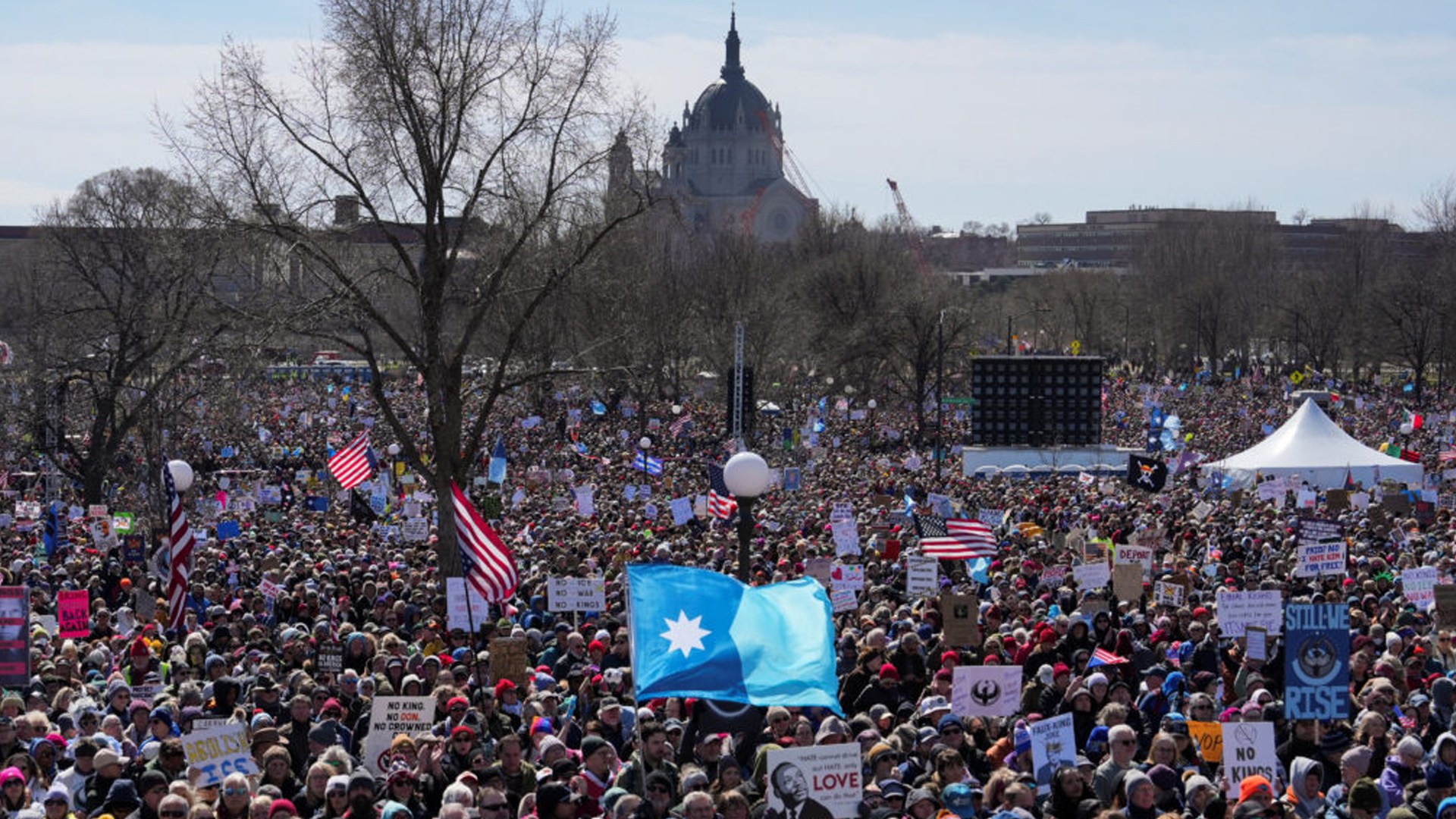
Millions of Americans had filled streets from coast to coast in a movement called “No Kings”, sending a powerful message about the state of the country, last weekend. From bustling cities like New York, Los Angeles, and Washington, D.C., to small towns such as Flagstaff and Gainesville, people of all ages carried banners, chanted slogans, and demanded change. Organizers estimate that 8 to 9 million people participated nationwide, making it one of the largest protest movements in recent US history.

The protesters weren’t just showing up, infact they were speaking out. Many voiced anger over US military involvement in Iran, stricter immigration enforcement, and rising costs of living. Others expressed concern about what they see as authoritarian tendencies in the Trump administration. Signs read “Democracy, not monarchy” and “No kings, no crowns,” reflecting a deep desire among Americans to ensure that no single person holds unchecked power.

While most marches were peaceful, with families, students, and seniors walking side by side, a few cities saw tensions rise. In Los Angeles, for example, clashes near a detention center led to some arrests after police intervened. Still, these incidents were exceptions in a day largely defined by unity, conversation, and shared concern for the country’s direction.

For many participants, the protests were personal. Parents marched for their children’s future, young people spoke out against climate and social policies, and workers voiced frustration with economic inequality. “We needed to show that people care and that we’re paying attention,” said one protester in Chicago, holding a handmade sign reading, “Our voices matter.”

Supporters say the “No Kings” protests are the strong stand of the people to voice that  democracy depends on active citizens.

Also Read:

Pope Leo XIV urges peace, condemns war

God does not hear prayers of those who wage violence, says Pontiff

Pope Leo XIV delivered a strong message calling for peace during Palm Sunday celebrations at St. Peter’s Square in Vatican City, telling the faithful that “God does not listen to the prayers of those who wage war.” Thousands of worshippers gathered to mark the start of Holy Week, a period commemorating Jesus Christ’s journey toward his crucifixion and resurrection.

The Pope emphasised that Palm Sunday, which celebrates Jesus’ peaceful entry into Jerusalem, serves as a reminder that true strength lies in humility, love, and compassion rather than violence. “We must not let hatred harden our hearts,” he said. “Peace and mercy must guide our actions, both in private lives and in public affairs.”

Pope Leo XIV specifically appealed to world leaders, urging them to resolve conflicts through dialogue and reconciliation instead of force. He noted that wars and violence create suffering and injustice, and faith cannot coexist with acts of aggression. “We cannot claim to love God while ignoring the pain of others,” the Pope added.

During the ceremony, the Pontiff blessed palms and olive branches, symbols of peace and victory, which many of the faithful held aloft as part of the ritual. The Pope’s sermon stressed the spiritual significance of Holy Week, encouraging believers to reflect on Christ’s sacrifice and embrace compassion, forgiveness, and solidarity.

The Pope’s message resonates amid ongoing global conflicts and political tensions, serving as both a spiritual guidance and moral appeal for peaceful conduct. Catholic leaders worldwide echoed his call, using his words to encourage prayer, nonviolence, and humanitarian action within their communities.

Holy Week in the Catholic Church includes a series of services that highlight themes of suffering, redemption, and hope. Pope Leo XIV’s Palm Sunday homily set a tone of reflection, urging individuals and nations alike to turn away from violence and choose dialogue, mercy, and understanding.

Also Read: Trump signals possible seizure of Iran’s oil hub

Indian worker killed in Iran strike on Kuwait plant

Death raises India’s West Asia conflict toll to eight

An Indian worker from Tamil Nadu has been killed in a missile and drone attack by Iran on a desalination plant in Kuwait. The man has been identified as M. Suresh, 38, and his death brings the number of Indians killed in the ongoing West Asia conflict to eight.

The strike took place on March 30, 2026, targeting the plant that provides fresh drinking water by treating seawater. Several other workers were injured, and emergency teams rushed to help them and secure the site.

Suresh was rushed to a hospital but succumbed to his injuries. The Indian embassy in Kuwait confirmed his death and is in contact with his family, providing support and arranging for his body to be brought back home. Officials expressed condolences and called the loss tragic.

The West Asia conflict, involving Iran, Israel, and other regional players, has seen multiple missile and airstrikes, affecting civilians and workers in the region. Many Indians work in Gulf countries, particularly in essential industries like water supply, construction, and services, putting them at risk during attacks. Before Suresh’s death, seven other Indian nationals had already lost their lives in conflict-related incidents in the region.

State authorities in Tamil Nadu have reached out to Suresh’s family, offering support during this difficult time. Leaders highlighted the contribution of Indian workers in the Gulf, noting that many play critical roles in industries that keep communities running.

The Government of India has asked citizens in the Gulf to stay alert and follow safety instructions from embassies and consulates. Efforts are underway to assist Indians who want to return home or need help due to the conflict. Indian officials are also working with local authorities to ensure the safety of workers and residents.

Also Read: Anil Ambani sues Arnab Goswami, Republic TV

Trump signals possible seizure of Iran’s oil hub

Comments on seizing Kharg Island spark fears of escalation and impact oil markets

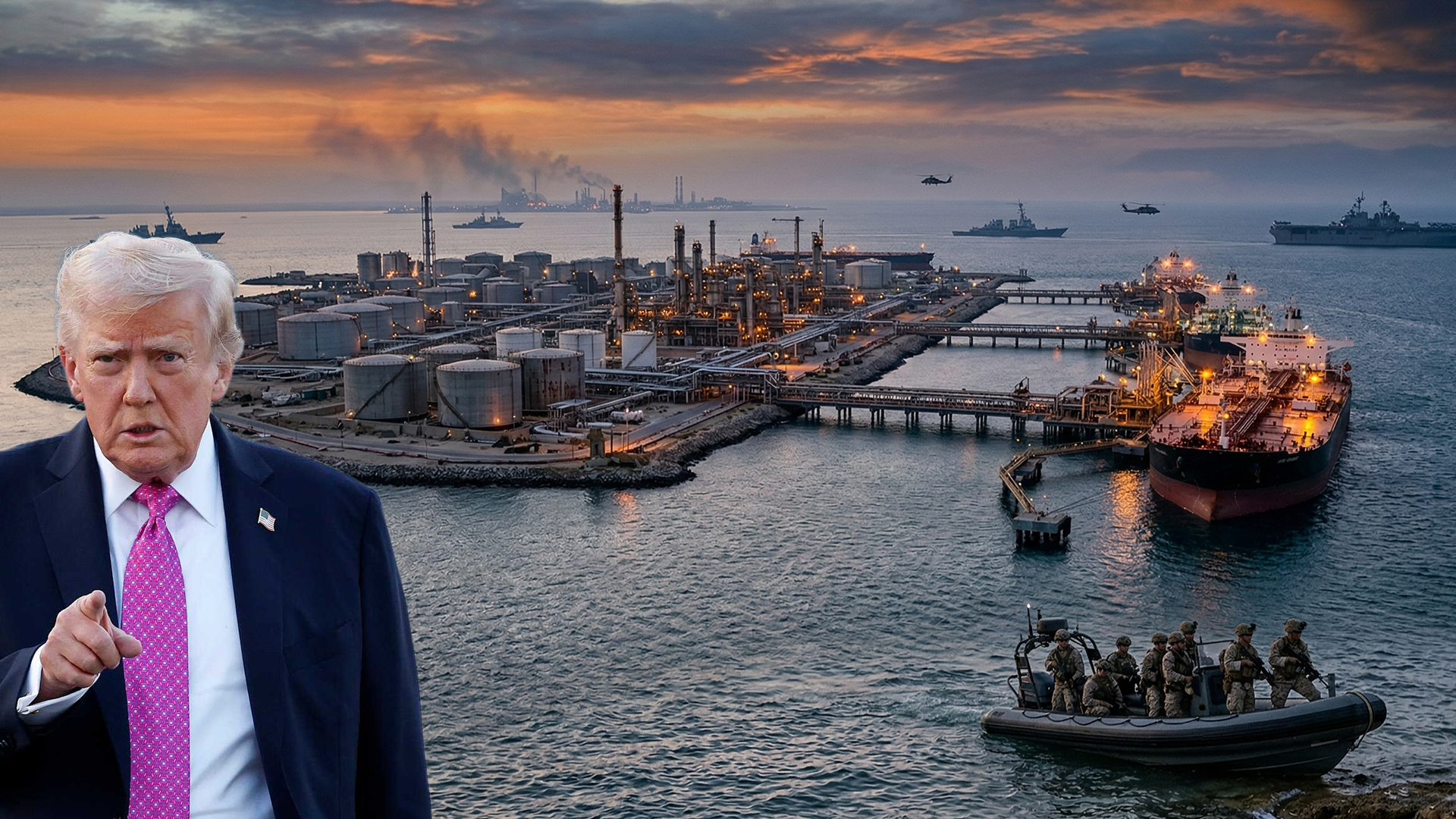
US President Donald Trump has indicated that the United States could consider taking control of Iran’s primary oil export facility, Kharg Island, amid escalating tensions in the Middle East. The remarks mark a sharp escalation in rhetoric and have triggered concerns over potential military and economic consequences.

Speaking on the ongoing conflict, Trump suggested that seizing Iranian oil assets could be a strategic option, stating that he would prefer to “take the oil.” While no formal policy announcement has been made, the comments point to a more assertive stance by Washington as regional instability deepens.

Kharg Island is a critical component of Iran’s energy infrastructure, accounting for a significant majority of the country’s oil exports. Any attempt to capture or disrupt operations at the site would likely have severe implications for Iran’s economy and could further strain global oil supplies.

Following the remarks, oil markets reacted swiftly, with prices rising amid fears of supply disruptions. Analysts noted that the situation remains highly sensitive, particularly given the strategic importance of nearby shipping routes such as the Strait of Hormuz, through which a large portion of the world’s oil passes.

Military experts have cautioned that any operation targeting Kharg Island would be complex and high-risk. The facility is believed to be well-defended, and a direct intervention could expose US forces to threats including missiles, drones, and naval mines. Such a move, they warn, could broaden the conflict rather than contain it.

Meanwhile, diplomatic channels are reported to remain active, with efforts underway to reduce tensions. However, the combination of strong rhetoric and ongoing negotiations has added to uncertainty over the United States’ next steps.

Trump’s comments have intensified global concern about a possible escalation in the region, with implications not only for Middle Eastern stability but also for the wider global economy.