rotating globe
6 Apr 2026


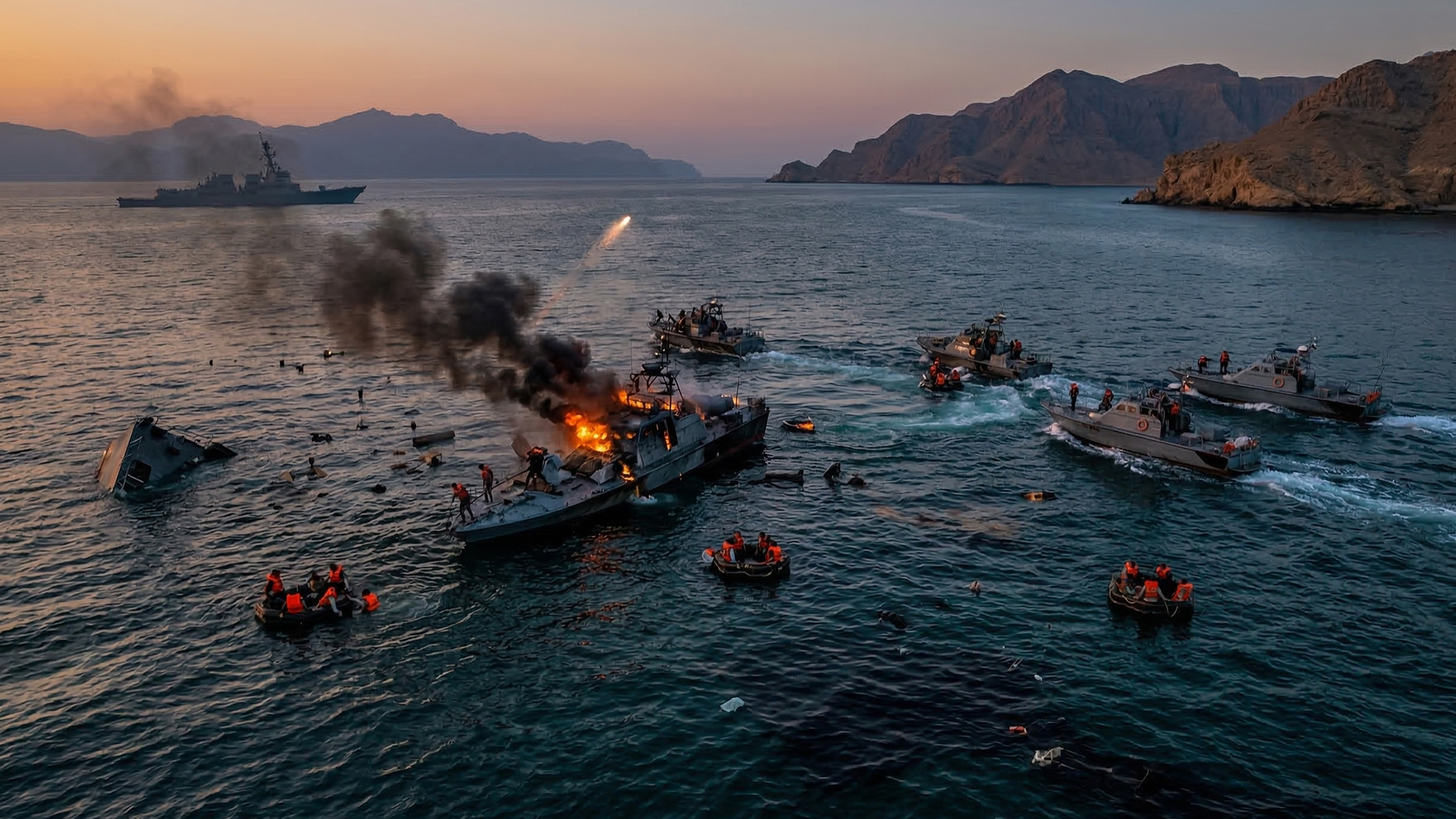
US strikes Iranian mine‑laying vessels

Attack targets boats placing sea mines near strategic Strait of Hormuz

The United States military has destroyed several Iranian boats suspected of laying sea mines near the Strait of Hormuz, a crucial route for global oil shipments. The strike marks a major escalation in tensions between the US and Iran.

US Central Command said intelligence indicated that Iranian vessels were placing mines that could endanger commercial ships and oil tankers in the busy waterway. Around 16 boats believed to be mine-layers were targeted and destroyed to prevent disruption of maritime traffic.

The Strait of Hormuz connects the Persian Gulf to the open sea and is one of the world’s most important energy routes. Nearly 20% of the world’s oil passes through it daily, making any threat to shipping a serious global concern.

The strike comes amid a series of clashes in the region involving US and Israeli forces and Iran. Previous incidents included missile and drone attacks, damage to ships, and interruptions to shipping traffic.

US officials said the operation was aimed at protecting international shipping and ensuring freedom of navigation. They warned Iran that any attempt to block or threaten the strait would trigger strong military consequences.

Iran has not fully confirmed the details but has previously stated it could restrict ship movements in retaliation for attacks on its territory. The Iranian military has emphasized that it is prepared to defend its interests in the region.

The incident has already affected global energy markets, with shipping companies reconsidering routes due to safety concerns. Analysts warn that further confrontations in the Strait of Hormuz could have serious consequences for regional stability and the global oil supply.

Also Read: US warns Iran may activate sleeper cells abroad

India eases FDI rules for China, others

Small investments allowed automatically as India looks to boost manufacturing

The Government of India has relaxed foreign direct investment (FDI) rules for countries that share a land border with India, including China. The move is aimed at attracting more investment while keeping safeguards in place for sensitive sectors.

Under the revised rules, investors from neighbouring countries can now invest up to 10% in Indian companies through the automatic route, as long as the investment does not give them control over the company. Earlier, any investment from these countries required prior approval from the government, even if the stake was small.

The earlier restrictions were introduced in 2020 during the COVID-19 pandemic. At that time, the government tightened FDI rules to prevent foreign companies from taking advantage of Indian firms that were financially stressed during the crisis.

Officials say the latest change is meant to support manufacturing and industrial growth in India. Investments in sectors such as electronics, capital goods and solar equipment manufacturing are expected to benefit from the new policy.

The government has also introduced a faster approval system for certain proposals. Investments in selected manufacturing sectors will now be reviewed within 60 days, helping companies bring funds and technology into India more quickly.

However, the government has kept several safeguards. Investments that involve majority ownership or control of Indian companies will still need detailed scrutiny and government approval. Authorities say this is necessary to protect national security and strategic industries.

Industry groups had earlier raised concerns that strict approval rules were slowing down investment from neighbouring countries. The latest relaxation is expected to make it easier for companies to raise funds and strengthen supply chains, especially in sectors linked to electronics and manufacturing.

Also Read: Jaishankar, Iranian FM discuss West Asia crisis

Jaishankar, Iranian FM discuss West Asia crisis

Third since conflict escalated as India urges dialogue and restraint

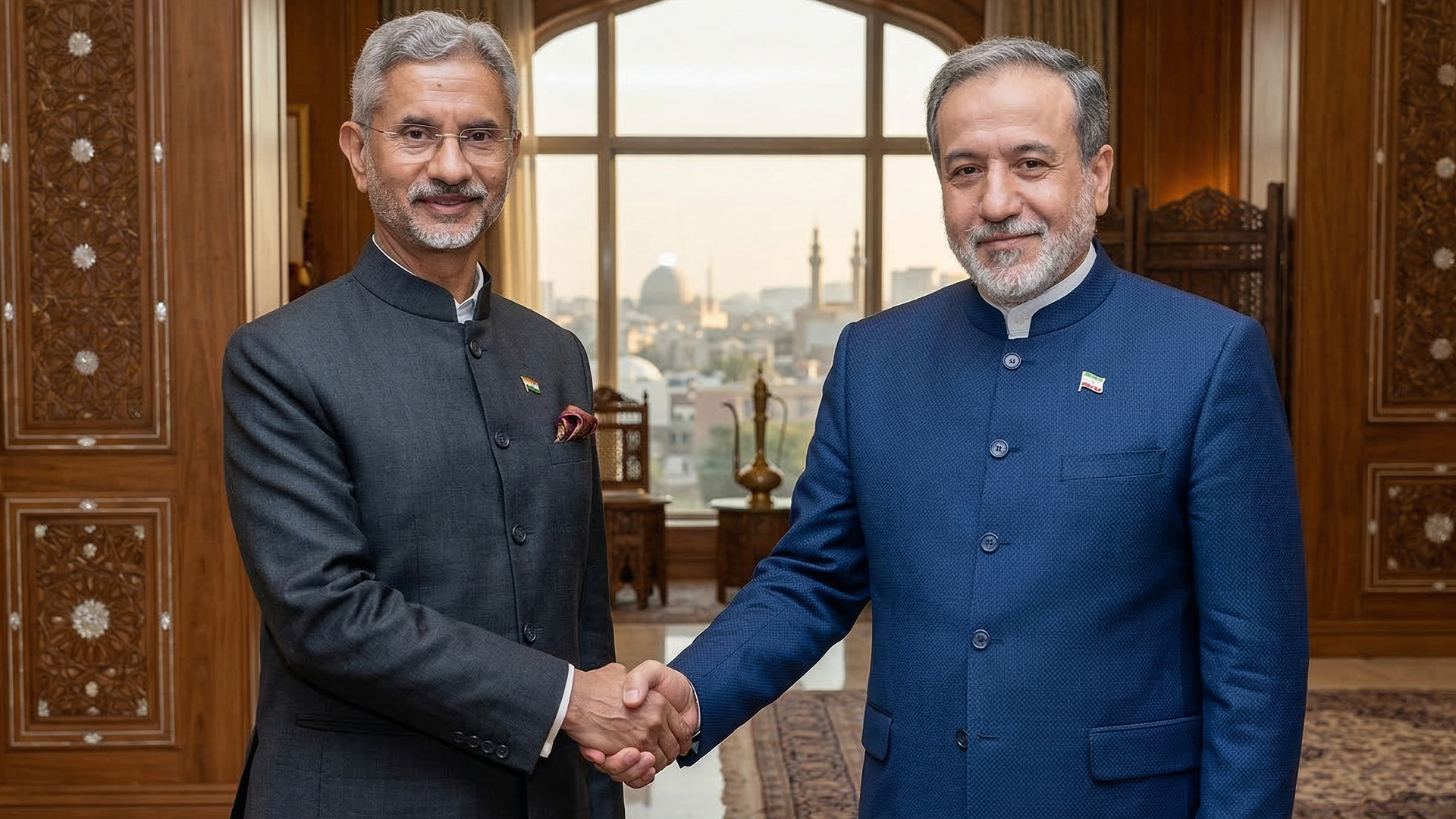
India has stepped up its diplomatic outreach amid the escalating tensions in West Asia, with External Affairs Minister S. Jaishankar holding a detailed phone conversation with Iran’s Foreign Minister Seyed Abbas Araghchi. The discussion focused on the latest developments in the region as the conflict continues to raise global concerns.

According to officials, the two leaders reviewed the evolving situation and exchanged views on the ongoing crisis. Jaishankar later said that the conversation covered the broader regional developments and that both sides agreed to stay in touch as events unfold.

This was the third conversation between the two ministers since late February, when tensions in the region escalated following military strikes involving Iran and its adversaries. The conflict has since intensified, raising fears of a wider regional war and drawing international attention.

India has been closely monitoring the situation because of its strong economic and strategic ties with countries in West Asia. The region is crucial for India’s energy imports, trade and the safety of millions of Indian citizens living and working there. Any escalation could affect shipping routes, energy supplies and regional stability.

New Delhi has repeatedly called for restraint and dialogue to ease tensions. Indian officials believe that diplomacy and negotiations are the only way to prevent further escalation and restore stability in the region.

Along with engaging Iran, India has also been in touch with several other countries to exchange views and assess the situation. The government is closely watching developments and coordinating with regional partners to ensure the safety of Indian nationals if the conflict worsens.

Also Read: Indian restaurants struggle to keep kitchens running


Indonesia buys BrahMos missiles from India

Jakarta boosts defence with BrahMos missiles as India expands its global defence footprint

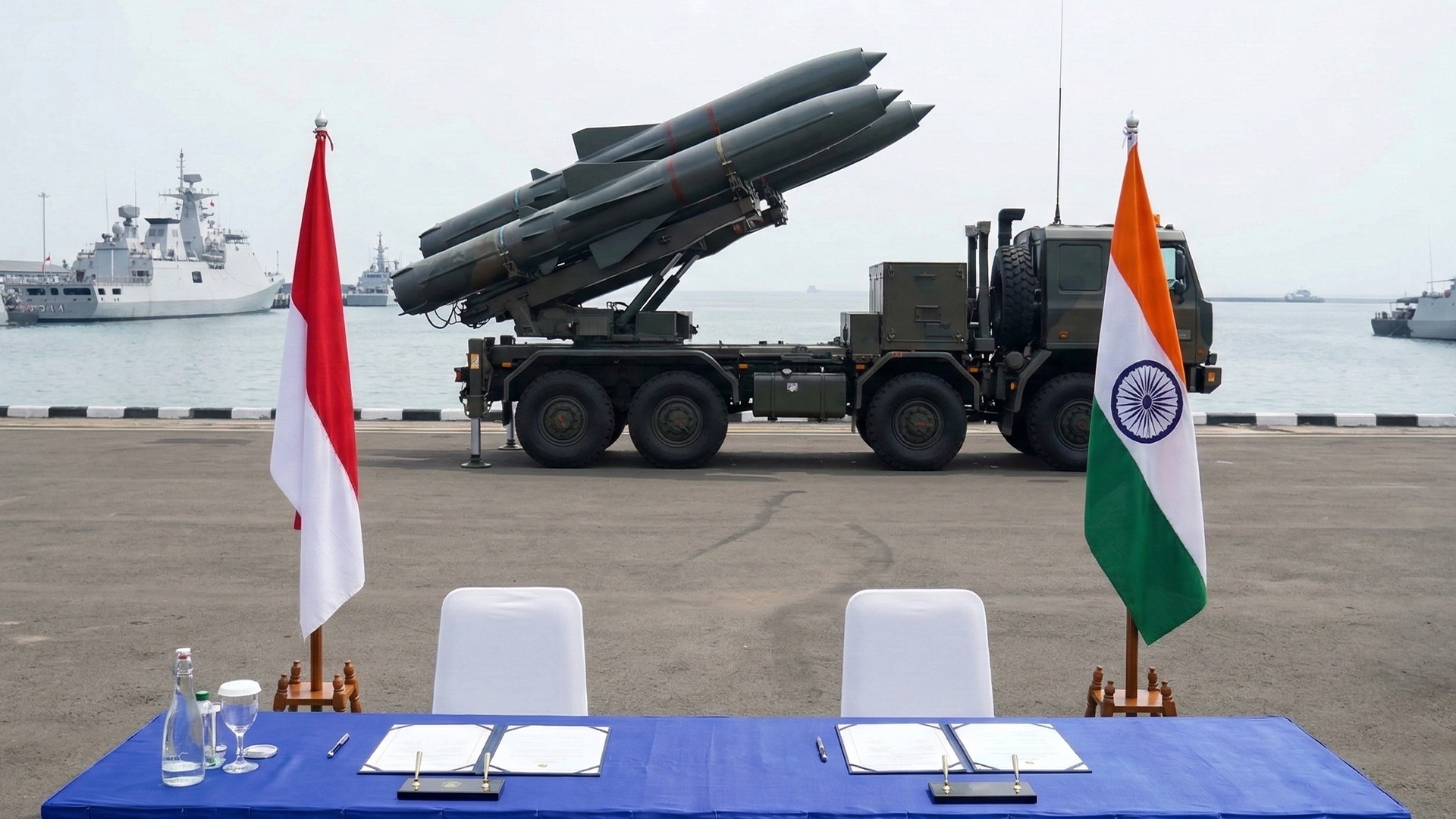
Indonesia has signed an agreement with India to purchase the BrahMos supersonic cruise missile system, marking a significant step in modernising its defence infrastructure and deepening military ties with New Delhi. The move is being viewed as a strategic investment in national security and regional stability.

Rico Ricardo Sirait, spokesperson for Indonesia’s Defence Ministry, confirmed the deal, stating that it was part of the country’s broader efforts to upgrade its armed forces and that the acquisition would enhance Indonesia’s capabilities, particularly in protecting its vast maritime territory.

The BrahMos missile, jointly developed by India’s Defence Research and Development Organisation (DRDO) and Russia’s NPO Mashinostroyeniya, is one of the world’s fastest cruise missiles, capable of flying at three times the speed of sound. It can be deployed from land, sea, air, and submarines, offering Indonesia a versatile and modern strike capability.

This purchase makes Indonesia only the second foreign customer for BrahMos, after the Philippines, signalling growing international interest in India’s defence technology. Analysts note that Southeast Asian nations are increasingly investing in advanced weaponry to strengthen their strategic posture amid regional tensions.

While financial details of the deal remain undisclosed, reports suggest a potential value between $200 million and $350 million. Officials have yet to release the delivery schedule or specific configurations, but industry observers say the missiles are likely to be integrated with Indonesia’s naval and coastal defence systems first.

For India, the sale represents a significant milestone in its efforts to expand defence exports under the “Make in India” initiative. BrahMos exports not only generate revenue but also enhance India’s strategic influence in the region, strengthening partnerships with countries like Indonesia that share interests in maritime security.

Business analysts say the deal could also boost India’s defence manufacturing sector, creating opportunities for suppliers and technology partners. For Indonesia, acquiring BrahMos is expected to improve deterrence, protect critical trade routes, and signal the country’s commitment to modernising its military amid evolving regional security dynamics.

Also Read: Coogler, Anderson win big at WGA awards

Iran strikes Gulf as Trump sends mixed war signals

Drone strikes hit Saudi Arabia and Kuwait. Tehran sets its own timeline

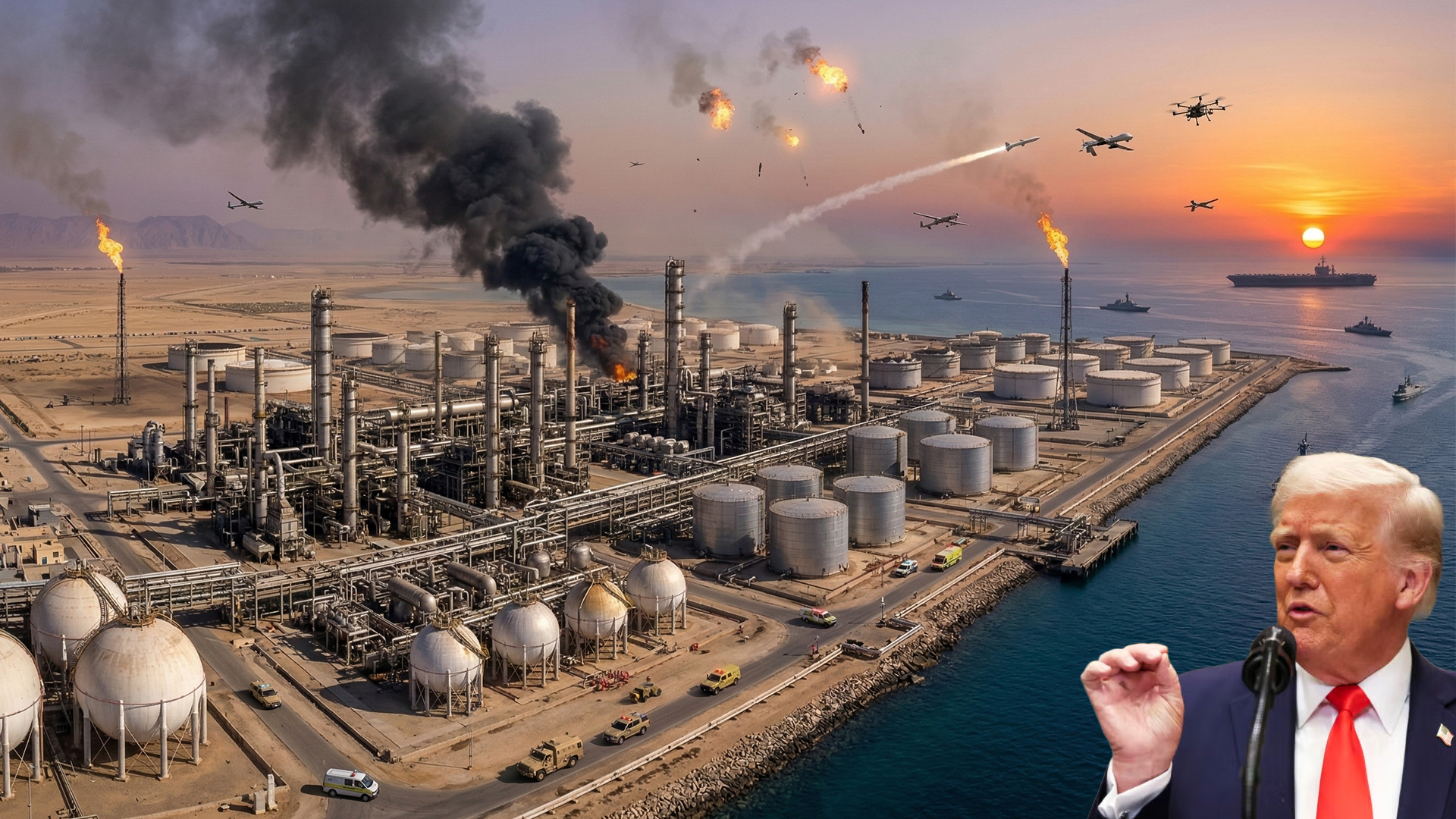
The Middle East conflict intensified on Tuesday as Iran launched drone attacks on Gulf countries, while the United States delivered mixed messages about the war’s duration. The escalating tensions have unsettled regional governments and global markets.

Early Tuesday, Iranian drones targeted Saudi Arabia and Kuwait. Saudi authorities reported shooting down two drones over its eastern oil-producing province, while Kuwait intercepted six drones over its territory. These attacks follow a recent pattern of Iranian strikes across the Gulf.

The conflict, triggered by US and Israeli airstrikes on Iran, has already spread to Bahrain, Qatar, the UAE, and Israel, raising fears of wider regional instability.

US President Donald Trump offered contradictory statements, calling the conflict a potential “short excursion” but also warning that any disruption of oil shipments through the Strait of Hormuz would trigger stronger US retaliation.

The attacks have already affected global markets, particularly oil prices, as the Strait of Hormuz remains a critical route for energy shipments. Shipping companies and governments are closely monitoring developments for potential disruptions.

Iran’s Islamic Revolutionary Guard Corps (IRGC) responded, insisting that Tehran alone would determine when the conflict ends, rejecting any external timelines.

The UAE and other Gulf states have urged de-escalation and stressed the need to protect civilian lives and infrastructure amid rising hostilities.

Also Read: Indonesia buys BrahMos missiles from India

Microsoft adds Anthropic AI to Copilot

Partnership aims to build smarter AI agents for workplace productivity

Microsoft has announced a new partnership with AI startup Anthropic to enhance its digital assistant Microsoft Copilot. The move is part of the company’s push to develop advanced AI tools that can complete work tasks automatically.

As part of the collaboration, Microsoft will introduce a feature called Copilot Cowork. The tool will use Anthropic’s AI models to perform tasks such as analysing information, creating presentations, managing files and generating reports.

Unlike traditional chatbots, the new system focuses on AI agents that can take actions and complete tasks with minimal human involvement. This technology is expected to help employees save time by automating routine office work.

Anthropic’s AI models, including Claude, are designed to handle complex instructions and workflows. Microsoft believes these capabilities will make Copilot more powerful for business users.

The new feature will first be tested with a small group of customers before being launched on a larger scale. Microsoft said the system will operate through its cloud infrastructure and will include security features designed for corporate environments.

The partnership also shows Microsoft’s effort to diversify its AI partnerships. The company has previously worked closely with OpenAI, but the addition of Anthropic’s technology will allow it to offer a wider range of AI capabilities.

The Copilot Cowork feature will be offered through Microsoft’s Microsoft 365 Copilot subscription service, which provides AI tools for workplace applications.

Also Read: LPG supply tightens in cities across India

Coogler, Anderson win big at WGA awards

Sinners and One Battle After Another take top film honours while The Pitt dominates television categories.

Writers took centre stage in Hollywood as the 2026 Writers Guild Awards honoured the year’s best storytelling in film and television, with major wins for Ryan Coogler, Paul Thomas Anderson and the television drama The Pitt.

Coogler won the award for Best Original Screenplay for Sinners, a film that has drawn widespread praise during the awards season for its powerful narrative and strong character writing. The win further strengthens the film’s position in the ongoing race for the Oscars.

In the Best Adapted Screenplay category, filmmaker Paul Thomas Anderson was honoured for One Battle After Another. The film is based on Thomas Pynchon’s novel Vineland, and Anderson’s screenplay was recognised for successfully bringing the complex story to the screen. The victory adds another accolade to Anderson’s celebrated career as a writer-director.

In documentary filmmaking, Ukrainian journalist and filmmaker Mstyslav Chernov won the Documentary Screenplay award for 2,000 Meters to Andriivka. The film captures the harsh realities of war reporting and offers an intimate look at life on the front lines.

Television categories were largely dominated by the medical drama The Pitt. The series won the awards for Best Drama Series and Best New Series, reflecting strong support from writers across the industry and highlighting its impact on television audiences.

In the comedy category, Apple TV+ series The Studio won Best Comedy Series. The show, a satire set in the entertainment industry, has been widely praised for its sharp and witty writing.

Meanwhile, the limited series award went to Dying for Sex, which was recognised for its emotionally engaging storytelling in the short-format series category.

Presented annually by the Writers Guild of America East and West, the Writers Guild Awards recognise excellence in writing across film, television and other media. The awards are often seen as an important indicator during Hollywood’s awards season and can influence the momentum leading up to the Academy Awards.

Also Read: Trump says Iran war may end soon

26 leaders elected unopposed to Rajya Sabha

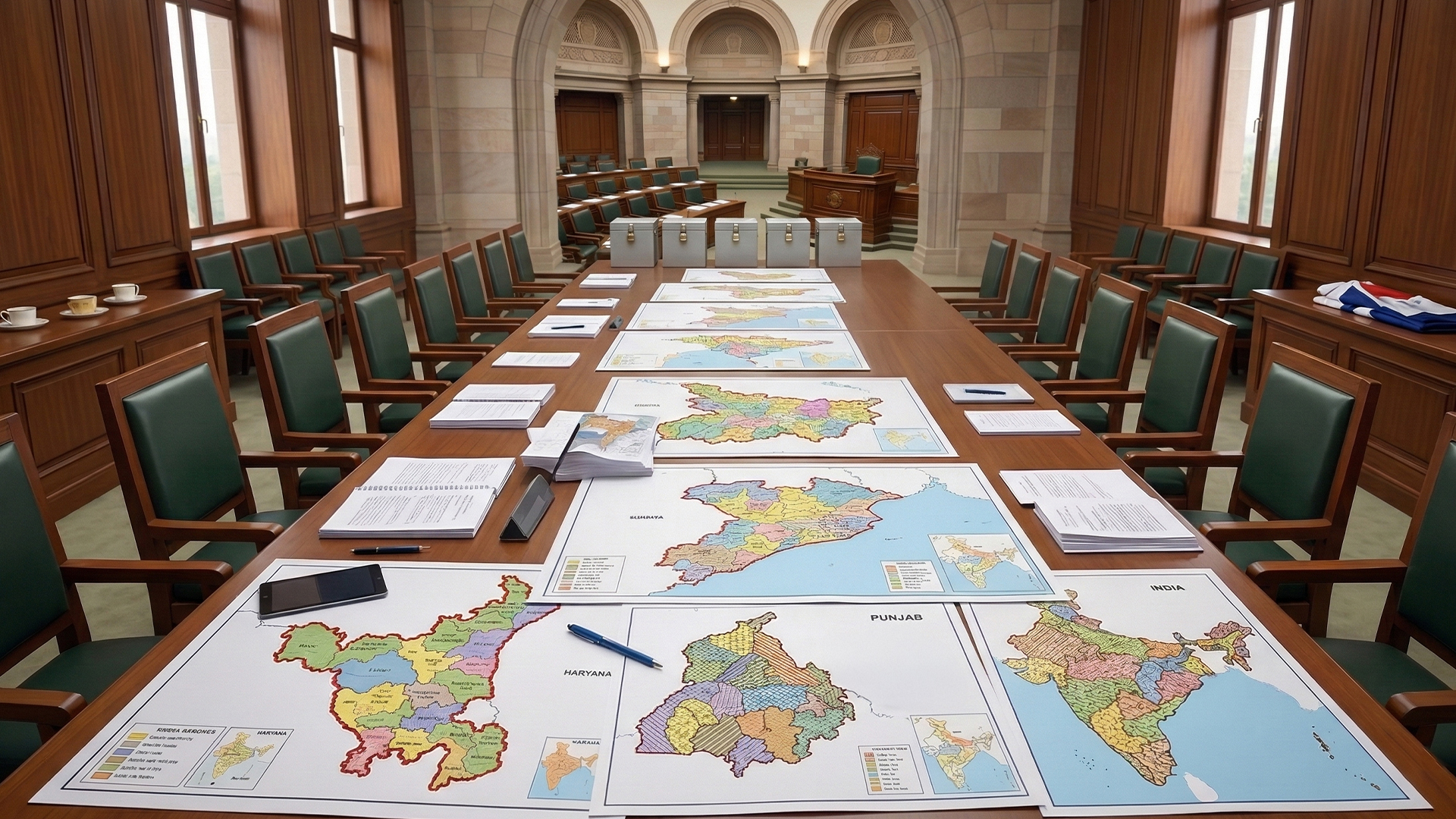
Seats filled without contest in several states; voting to be held for remaining seats in Bihar, Odisha and Haryana

A total of 26 candidates have been elected unopposed to the Rajya Sabha after the deadline for withdrawal of nominations ended for the ongoing biennial elections to the Upper House of Parliament.

These candidates secured their seats without facing a contest because the number of nominees was equal to the number of seats available in their respective states. This meant that elections were not required in those states.

The unopposed members come from different political parties, including the Bharatiya Janata Party, Indian National Congress, and several regional parties. Among the prominent leaders elected without a contest are Sharad Pawar and Union Minister Ramdas Athawale.

The Rajya Sabha elections are being held to fill 37 seats that are becoming vacant as the terms of current members end in April. These seats are spread across several states including Maharashtra, Tamil Nadu, West Bengal, Assam, Telangana and Chhattisgarh.

While 26 candidates have already been declared elected unopposed, elections will still be held for the remaining 11 seats. Polling for these seats is scheduled to take place on March 16.

The states where voting will be required include Bihar, Odisha and Haryana, where more candidates are contesting than the number of seats available.

Members of the Rajya Sabha are not elected directly by the public. Instead, they are chosen by elected members of state legislative assemblies through a system of proportional representation. Each Rajya Sabha member serves a six-year term, and elections are held regularly to replace members whose terms are ending.

Also Read: Lok Sabha disrupted over West Asia debate