rotating globe
6 Apr 2026


Lok Sabha disrupted over West Asia debate

Opposition protests stall move to take up resolution seeking removal of Speaker Om Birla

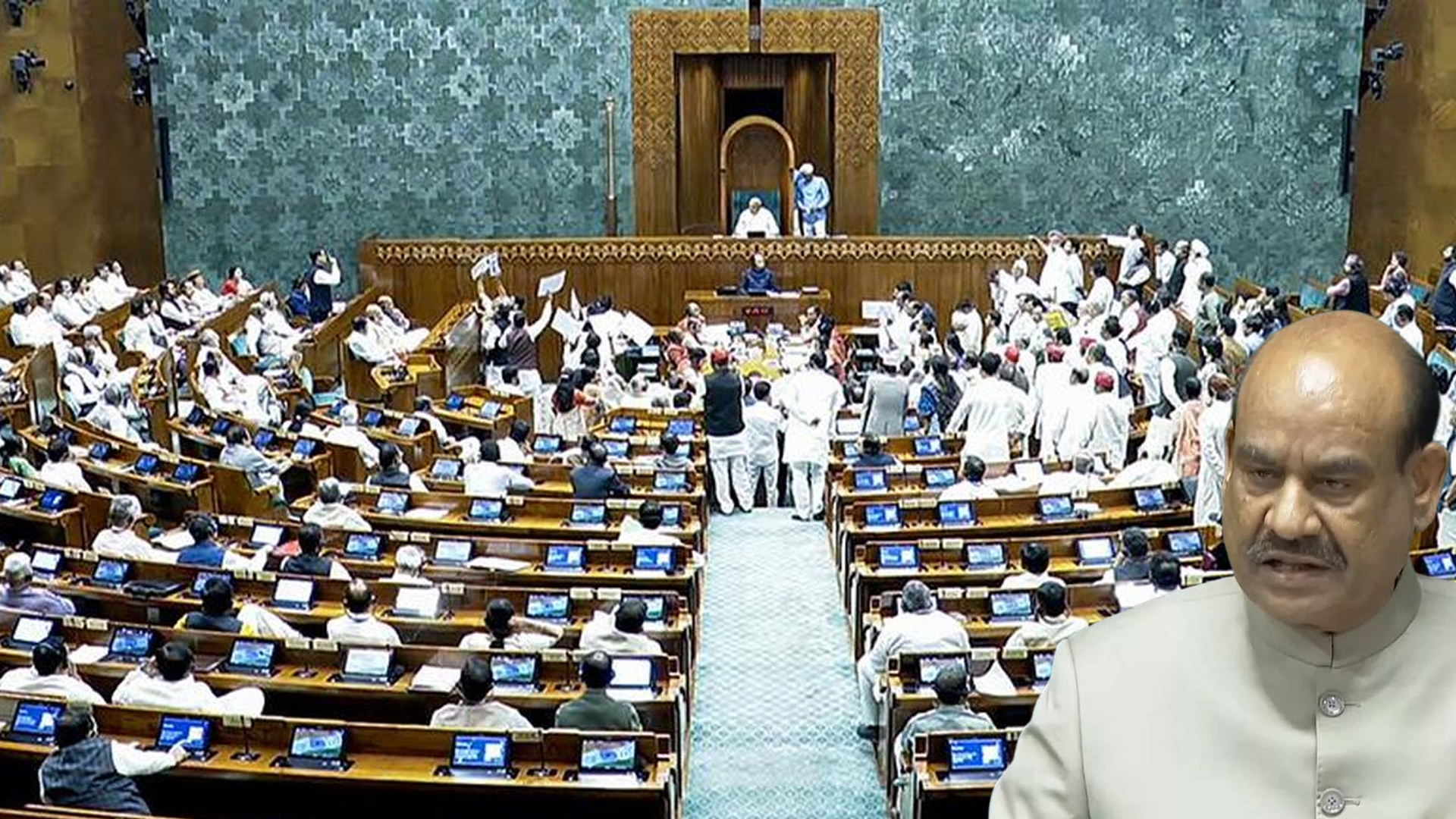
Proceedings in the Lok Sabha were disrupted after opposition parties demanded an immediate discussion on the ongoing crisis in West Asia. The protests prevented the House from taking up a resolution seeking the removal of Speaker Om Birla.

The resolution to remove the Speaker had been scheduled for discussion during the day’s proceedings. However, members of the opposition alliance INDIA bloc insisted that Parliament should first debate the situation in West Asia and its possible impact on India.

As soon as the House began its session, opposition MPs started raising slogans and demanding a discussion on the issue. The protests continued even after S. Jaishankar, India’s External Affairs Minister, made a statement about the developments in the region.

The repeated disruptions forced the Chair to adjourn the House several times during the day. Because of the ongoing protests, the scheduled resolution to remove the Speaker could not be taken up for discussion.

At the time, Jagadambika Pal, who was presiding over the proceedings, appealed to members to maintain order and allow the House to continue with its planned agenda. He said the resolution listed for the day should be discussed in Parliament.

However, opposition members continued their protest, arguing that the situation in West Asia was a more urgent matter and required immediate attention from the government in Parliament.

The motion to remove Speaker Om Birla had been submitted earlier by opposition MPs, who alleged that the Speaker had been conducting the House in a partisan manner. The proposal had been signed by several opposition members and was expected to lead to a heated debate in the House.

Due to the continued protests and adjournments, the resolution could not be discussed during the session. The issue is likely to come up again when the Lok Sabha resumes its proceedings.

Also Read: LPG supply tightens in cities across India
Trump says Iran war may end soon

US president warns Iran against disrupting global oil supply through the Strait of Hormuz

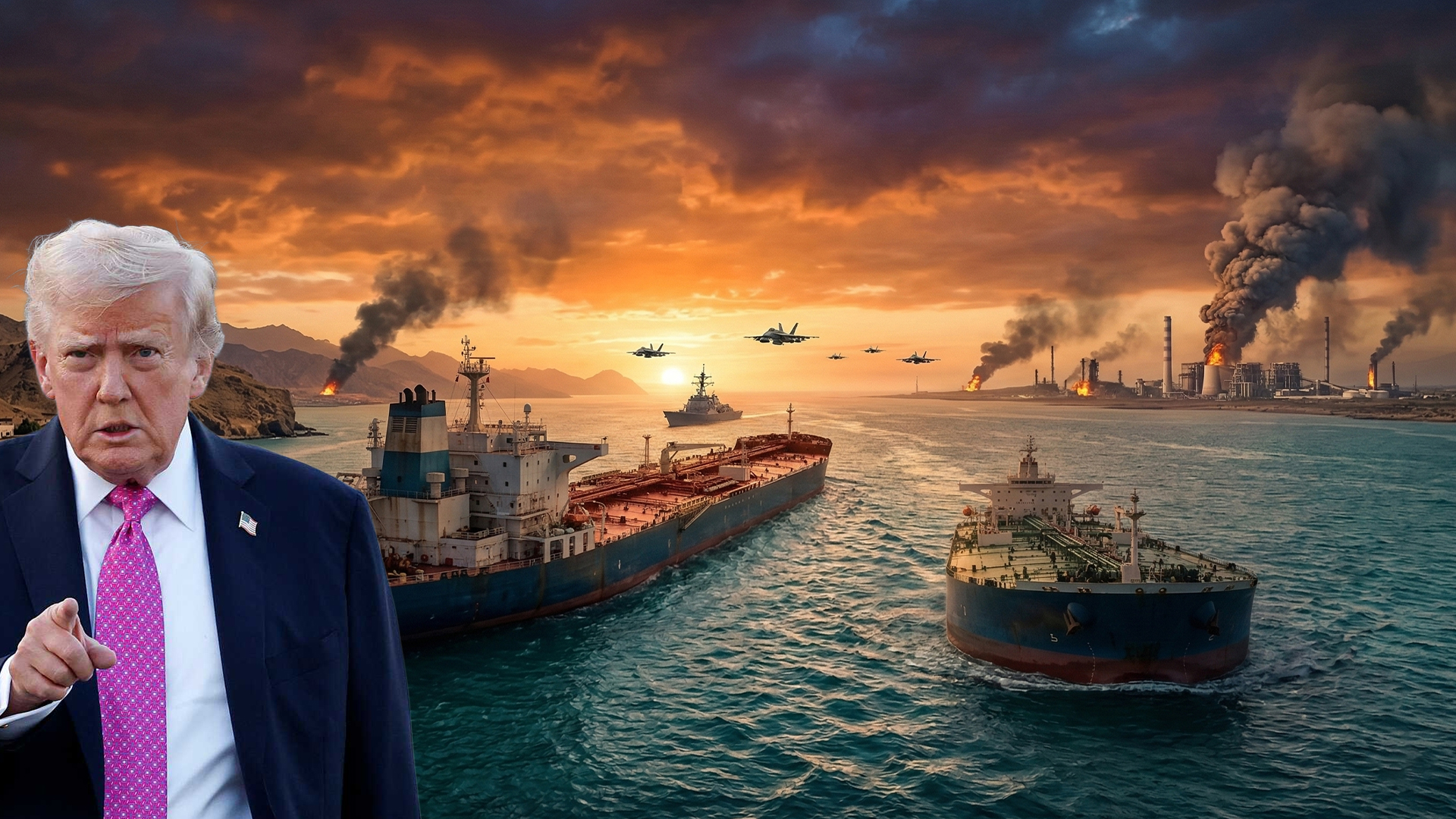
US President Donald Trump has said that the ongoing conflict involving the United States, Israel and Iran could end soon. His comments come as tensions in the Middle East remain high following recent military actions.

Speaking about the situation, Trump said the conflict was moving quickly and there was a possibility that the war could come to an end in the near future. However, he also issued a strong warning to Iran over global oil supplies.

Trump said the United States would respond strongly if Iran attempts to block oil shipments through the Strait of Hormuz. This narrow waterway is one of the most important routes for global oil transport, with a large share of the world’s crude oil passing through it every day.

Any disruption in this route could affect global energy markets and push oil prices higher. Because of this, countries around the world are closely watching the situation in the region.

Trump said the United States has plans to deal with possible disruptions in oil supply. These could include steps to stabilise energy markets if tensions increase further.

His comments also had an impact on global markets. Oil prices, which had recently risen due to fears of supply disruptions, dropped after Trump suggested that the conflict could ease soon.

The war has created uncertainty across the Middle East, with military strikes and tensions raising concerns about a wider regional conflict. The situation has also influenced global financial markets and energy prices.

Despite Trump’s optimistic comments, experts say the situation remains uncertain as tensions between the countries continue. They say developments in the region could still affect global oil supply and economic stability.

Also Read: Journalists held for filming Iranian ship

Journalists held for filming Iranian ship

Republic TV reporter and cameraman arrested near Kochi port seek bail in court

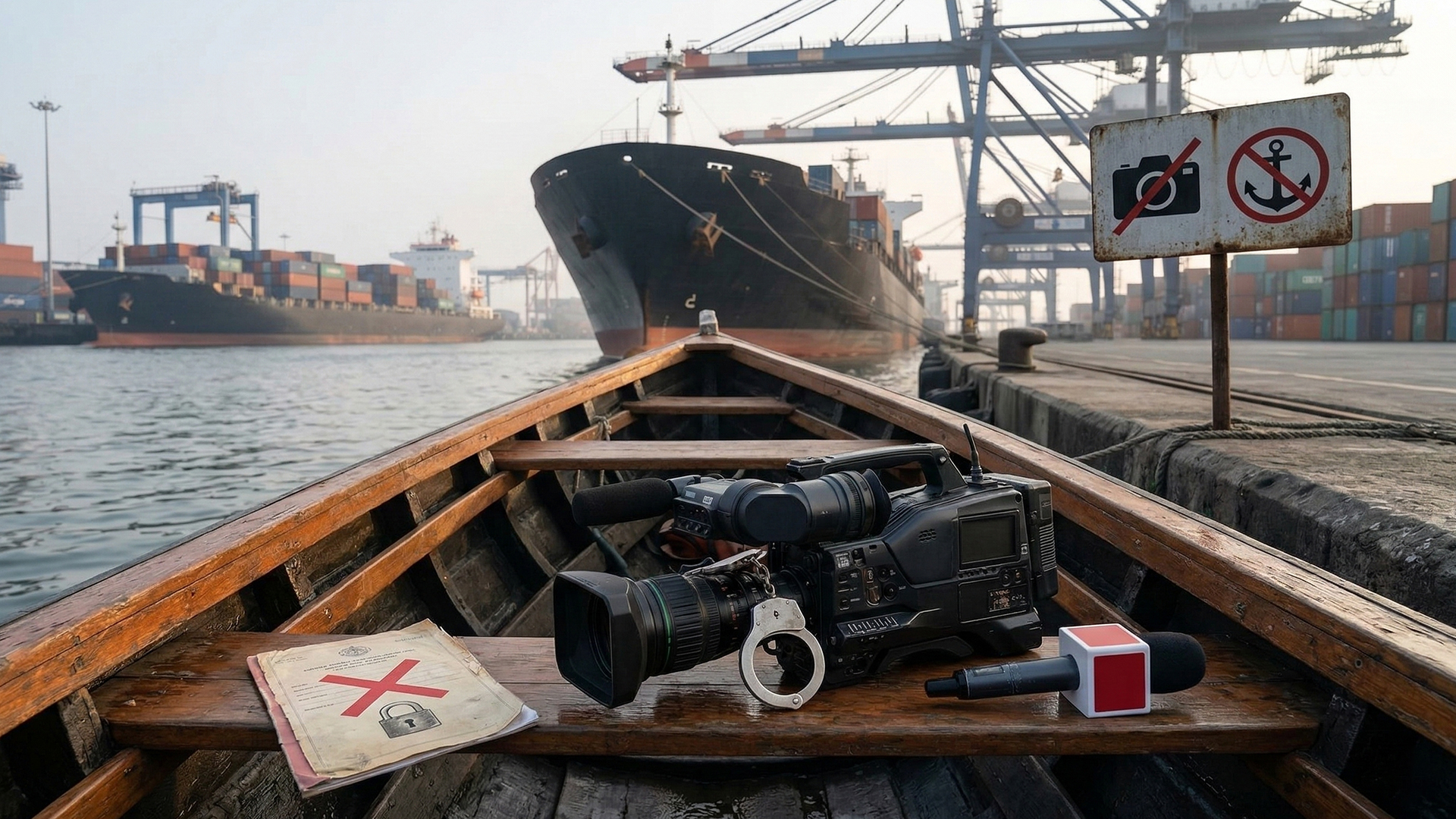
Two journalists from Republic TV have approached a court in Kochi, Kerala, seeking bail after they were arrested for allegedly trying to film an Iranian naval ship at the port.

The arrested journalists include a reporter and a cameraman, along with a boat driver who was helping them reach the area. According to the police, the group had hired a speedboat and went close to a restricted zone near Cochin Port to capture visuals of an Iranian naval vessel.

Authorities said the journalists were trying to record photos and videos of the Iranian warship IRIS Lavan, which has been docked at the port for a few days. Security officials noticed the activity and stopped them, after which they were taken into custody.

Police said the group entered a sensitive area where photography and videography are not allowed without permission. Because of this, a case was registered against them under the Official Secrets Act, which deals with activities that may affect national security.

After their arrest, the three were produced before a local magistrate court and later sent to judicial custody. The journalists then filed a bail application before the court, requesting to be released while the investigation continues.

During the court hearing, their lawyers argued that the journalists were doing their professional work and had no intention of violating security rules. However, the prosecution said the area was highly sensitive and strict security rules must be followed.

The Iranian warship arrived at Cochin Port earlier this month. Its presence has drawn attention as tensions continue in the West Asia region.

The court has heard the arguments from both sides and is expected to announce its decision on the bail request soon.

Also Read: 26 leaders elected unopposed to Rajya Sabha

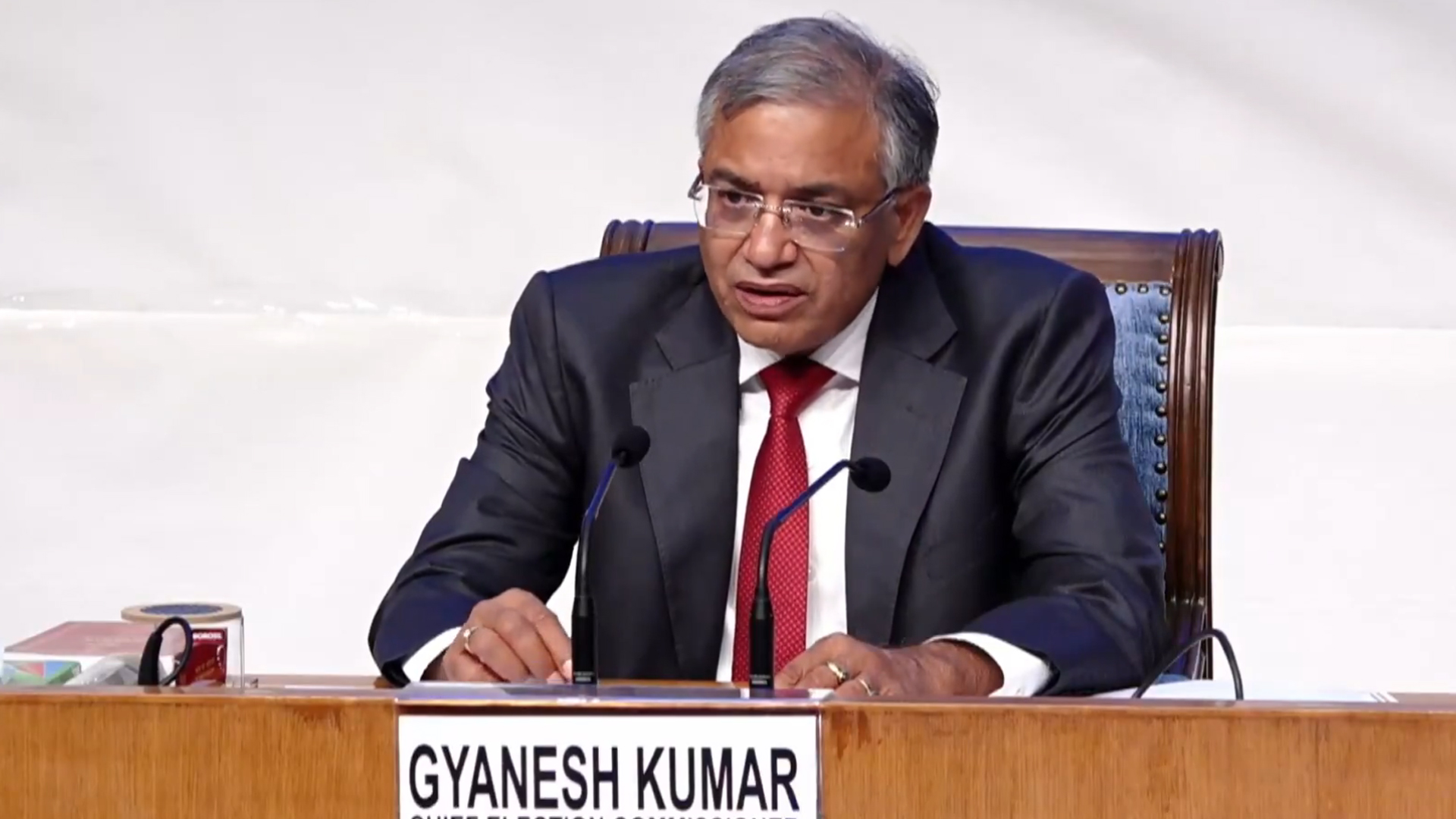
Opposition seeks CEC Gyanesh Kumar’s removal

INDIA bloc plans to submit notice in Parliament against Chief Election Commissioner over electoral roll concerns

Opposition parties from the INDIA bloc are planning to submit a notice in Parliament seeking the impeachment of Gyanesh Kumar, the Chief Election Commissioner of the Election Commission of India. The move comes amid growing political tensions over the functioning of the poll body.

According to opposition leaders, discussions are underway among several parties to prepare the impeachment notice and gather the required support from Members of Parliament. Parties including the Indian National Congress and the Trinamool Congress are said to be involved in the effort.

The opposition has raised concerns about the Election Commission’s recent actions, particularly the revision of electoral rolls in some states. Leaders claim that the process could lead to the removal of eligible voters’ names from the lists, which they argue may affect the fairness of elections.

The issue has become especially sensitive in West Bengal, where Chief Minister Mamata Banerjee has criticised the voter list revision process and alleged that it could impact genuine voters. Opposition parties say the matter needs to be addressed to ensure transparency in the electoral system.

Under Indian law, removing a Chief Election Commissioner is a complex process similar to the impeachment of a judge. To move the proposal, at least 100 MPs in the Lok Sabha or 50 MPs in the Rajya Sabha must sign the notice.

If the motion is accepted, it would then require a special majority in Parliament to pass. Because of these strict conditions, such attempts are rare in Indian politics.

The development comes at a time when Parliament has already been witnessing frequent clashes between the ruling government and opposition parties. Recently, opposition members had also submitted a resolution seeking the removal of Om Birla, the Speaker of the Lok Sabha.

Also Read: 26 leaders elected unopposed to Rajya Sabha

LPG supply tightens in cities across India
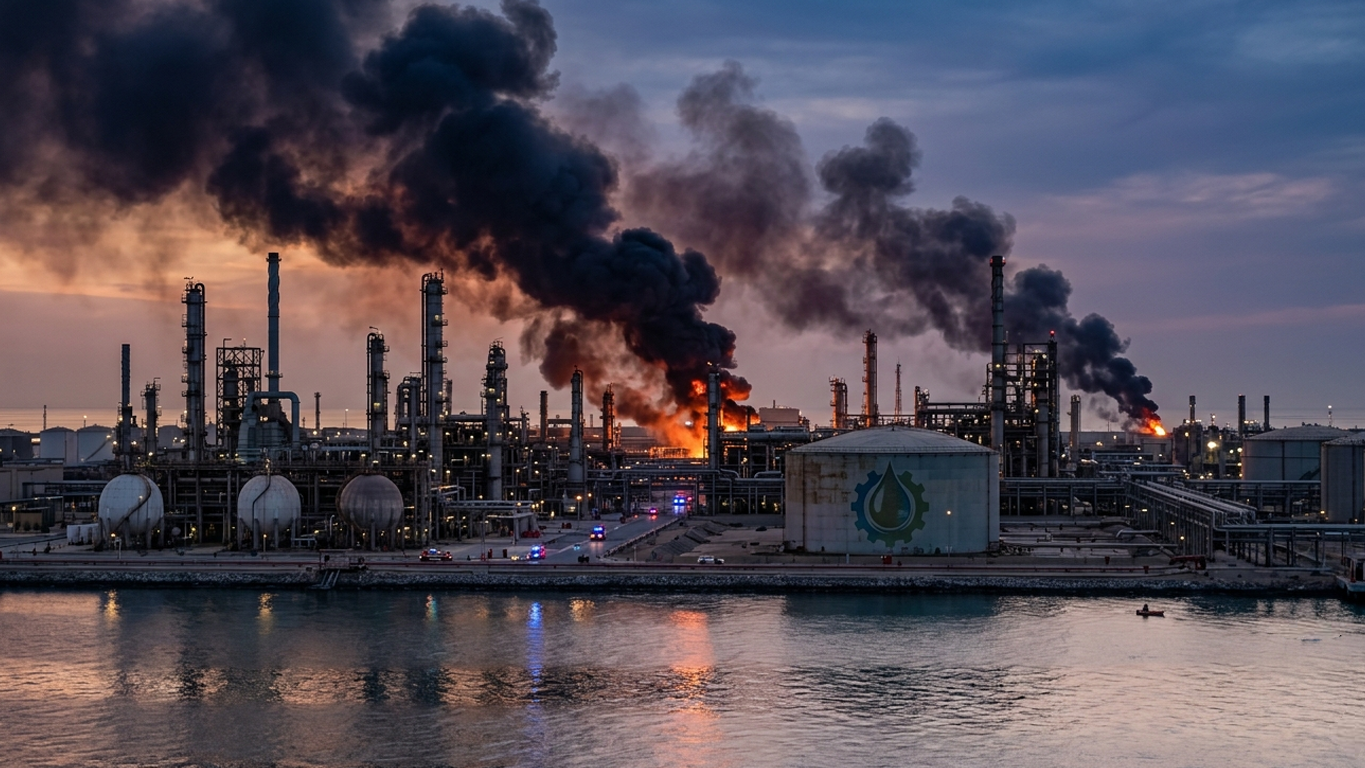
Centre increases production and extends refill booking gap to prevent hoarding

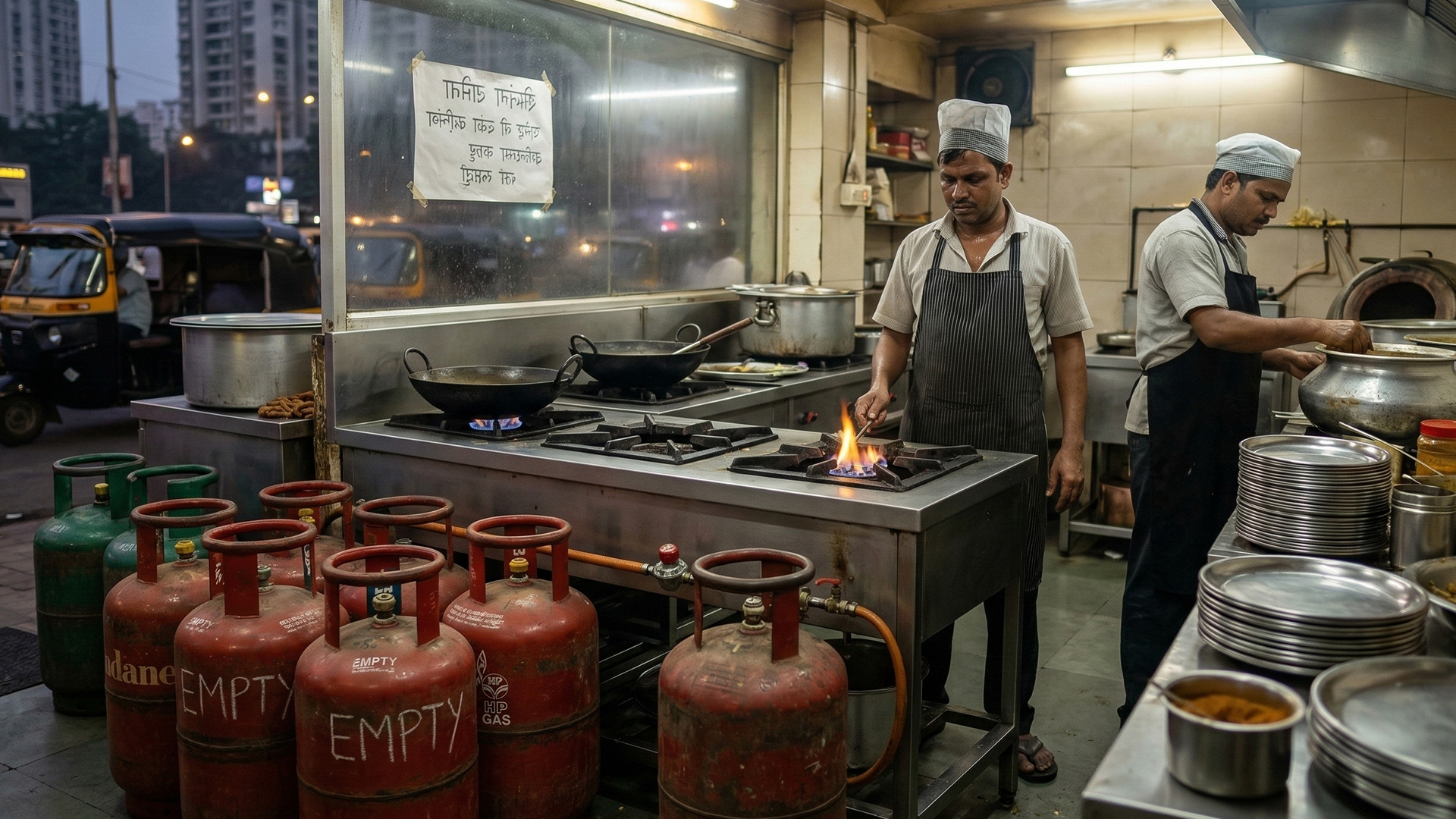
Rising tensions in West Asia have begun to affect the supply of liquefied petroleum gas (LPG) in several Indian cities, including Bengaluru, Mumbai and Kolkata. The disruption has mainly impacted the availability of commercial LPG cylinders used by hotels, restaurants and small food businesses.

Many restaurant owners and hotel operators have reported delays in receiving LPG cylinders, which are essential for daily cooking operations. Industry representatives say that if the supply situation continues for long, it could affect the functioning of eateries and food outlets in major cities.

The disruption is linked to the ongoing geopolitical tensions in West Asia, a region that plays a key role in global energy supply. Since India imports a significant portion of its LPG from Gulf countries, any instability in the region can affect domestic availability and supply chains.

To manage the situation, the central government has stepped in with several measures aimed at stabilising LPG supplies. The Ministry of Petroleum and Natural Gas has directed oil refineries to increase LPG production for domestic use. The additional production is expected to help improve supply in the coming days.

Authorities have also decided to prioritise household LPG demand over commercial use to ensure that domestic consumers do not face shortages. Officials have clarified that cooking gas used in homes remains available and that efforts are being made to maintain steady supply for households across the country.

In another step to prevent panic buying and hoarding, the government has increased the minimum gap for booking an LPG refill from 21 days to 25 days. The move is intended to ensure fair distribution of cylinders and prevent people from booking multiple refills within a short period.

Government officials said they are closely monitoring the situation and are prepared to take additional measures if needed. They are also exploring alternative sources for LPG imports to reduce pressure on the domestic supply.

Also Read: Rupee weakens to record 92.35

Rupee weakens to record 92.35

Currency weakens due to high crude oil prices, a stronger dollar and foreign investor outflows

Rupee fell to its lowest-ever level against the US dollar, touching 92.35 during recent trading. The decline came as rising crude oil prices, a strong US dollar and foreign investor outflows put pressure on the domestic currency.

In the interbank foreign exchange market, the rupee started the session on a weaker note and continued to lose ground during the day. It eventually touched the record low level of 92.35 against the dollar, reflecting the pressure faced by emerging market currencies amid global uncertainty.

A key reason behind the rupee’s fall is the increase in global crude oil prices. India imports a large part of its oil needs from other countries. When oil prices rise, India has to spend more dollars on imports. This increases demand for the US currency and weakens the rupee.

Another factor affecting the rupee is the strength of the US dollar. The dollar has been gaining against many global currencies as investors move their money into safer assets during uncertain times. This trend has also led to weakness in currencies such as the rupee.

Foreign investors pulling money out of Indian markets have added to the pressure on the currency. When overseas investors sell Indian shares or bonds and take their money out, they convert rupees into dollars. This increases demand for the US currency and pushes the rupee lower.

Geopolitical tensions in West Asia have also contributed to market volatility. These tensions have pushed crude oil prices higher and increased uncertainty in global markets, which indirectly affects the Indian currency.

Also Read: Ending Iran war will be a joint US-Israel decision

Putin extends support to Iran’s new supreme leader

Russia backs Mojtaba Khamenei as Tehran’s head amid ongoing regional tensions

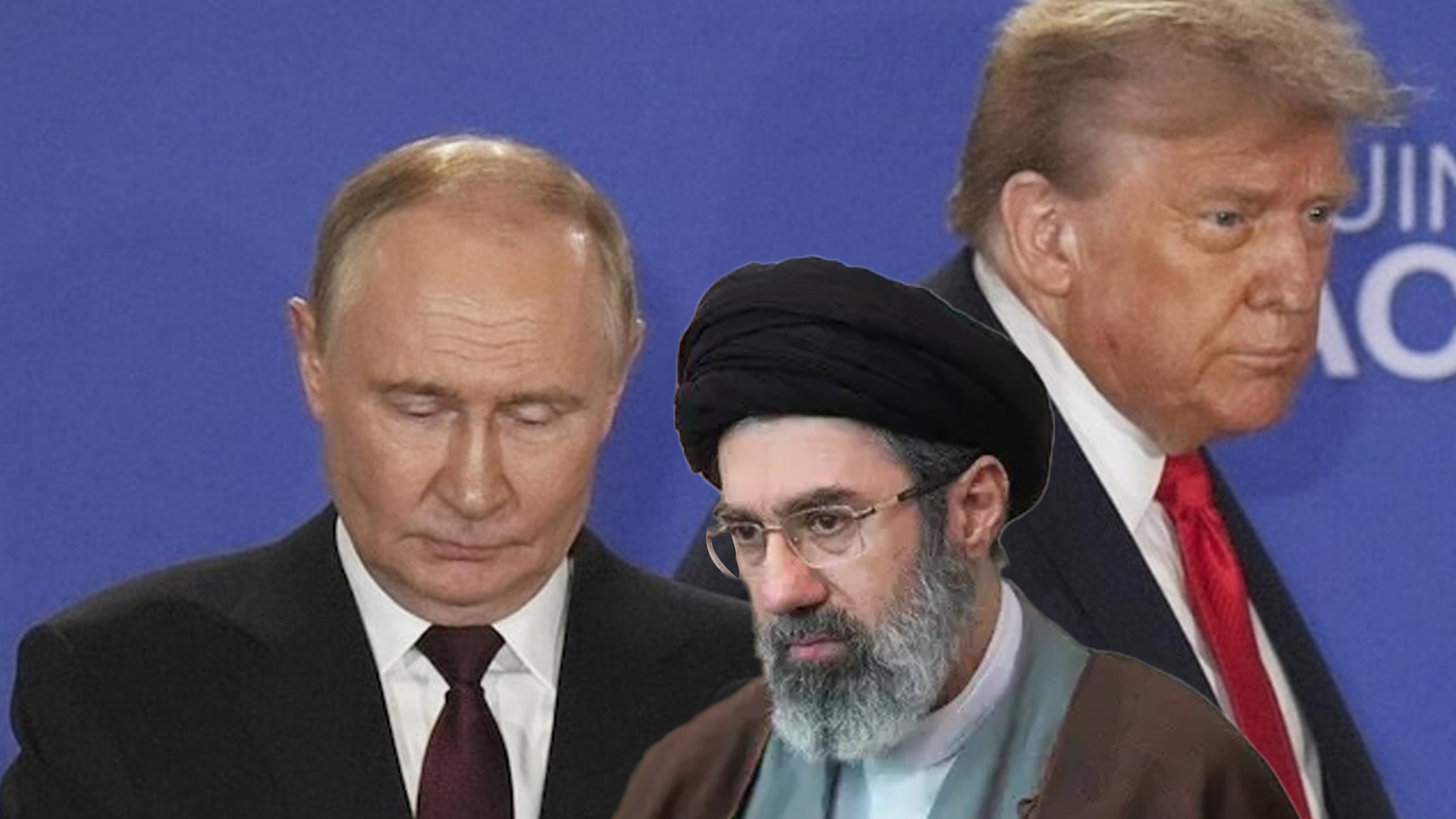
Russian President Vladimir Putin has congratulated Mojtaba Khamenei on becoming Iran’s new Supreme Leader and pledged unwavering support, highlighting the close relationship between Moscow and Tehran amid ongoing regional tensions.

Putin described Mojtaba’s appointment as a significant moment for Iran and said Russia values its long-standing partnership with the country. He emphasised cooperation on regional security, diplomacy, energy, and economic development, noting shared perspectives on global affairs and opposition to Western influence in the Middle East.

Mojtaba Khamenei succeeds his late father, Ali Khamenei, who was killed earlier this year in a joint United StatesIsrael strike. While leadership succession in Iran is not strictly hereditary, Mojtaba’s close ties to military and clerical circles made him a natural choice. Iranian officials and military leaders have pledged loyalty, promising unity and a steady hand amid ongoing conflicts.

The Kremlin’s support reinforces the idea that Moscow and Tehran will continue to coordinate on security and political matters, resisting external pressures while protecting their shared interests. Putin’s statements underline Russia’s role as a reliable partner for Iran, especially as the country navigates new leadership during a period of uncertainty.

Putin’s message comes at a delicate time for the region, with Iran under international scrutiny and tensions with the West escalating. Analysts say Russia’s backing not only strengthens Mojtaba’s domestic legitimacy but also signals Moscow’s strategic commitment to maintaining a close alliance with Tehran.

Also Read: Mojtaba Khamenei takes charge as Iran’s supreme leader