rotating globe
6 Apr 2026


Ending Iran war will be a joint US-Israel decision

US President affirms coordinated strategy with Netanyahu as conflict continues

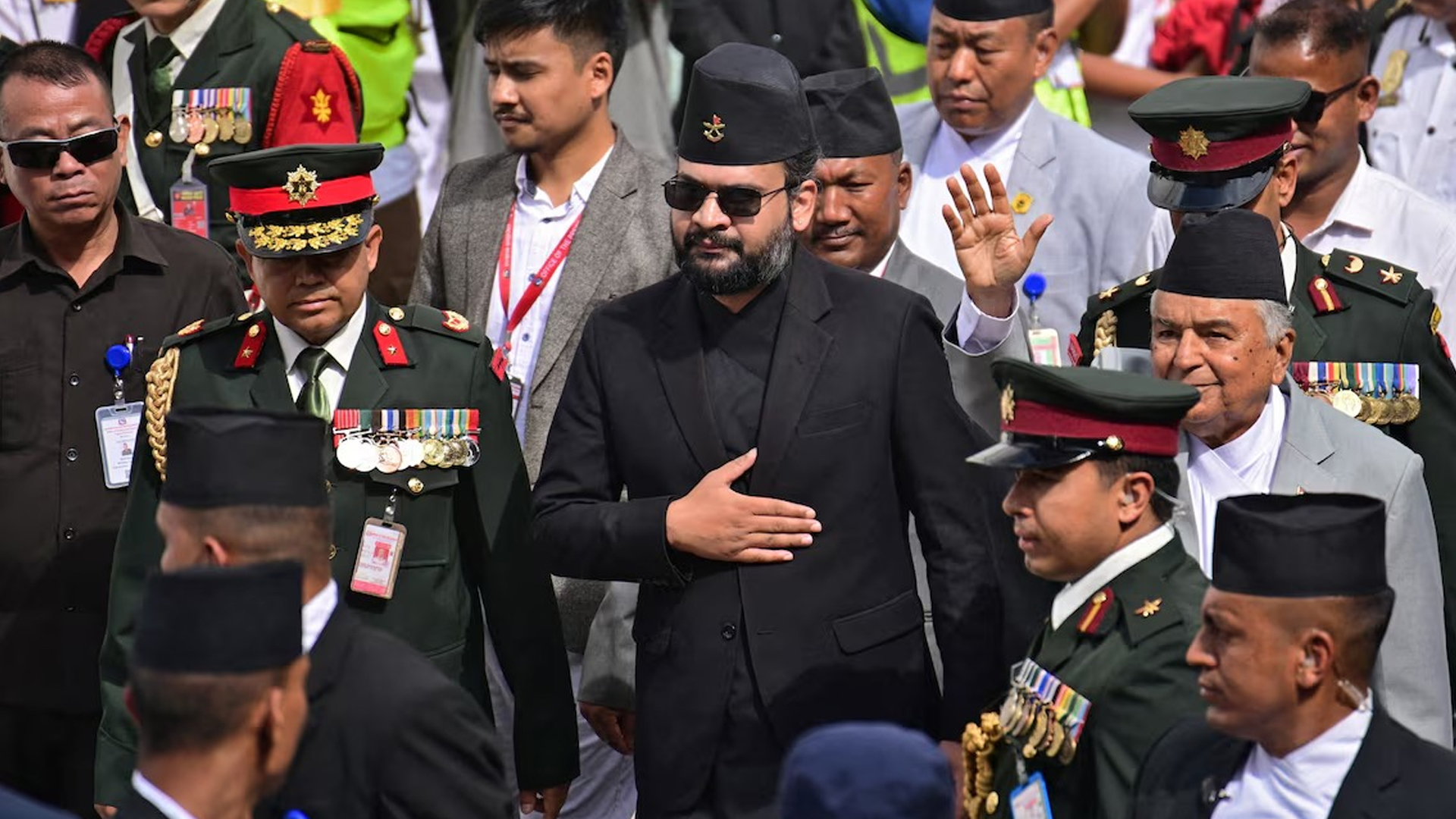
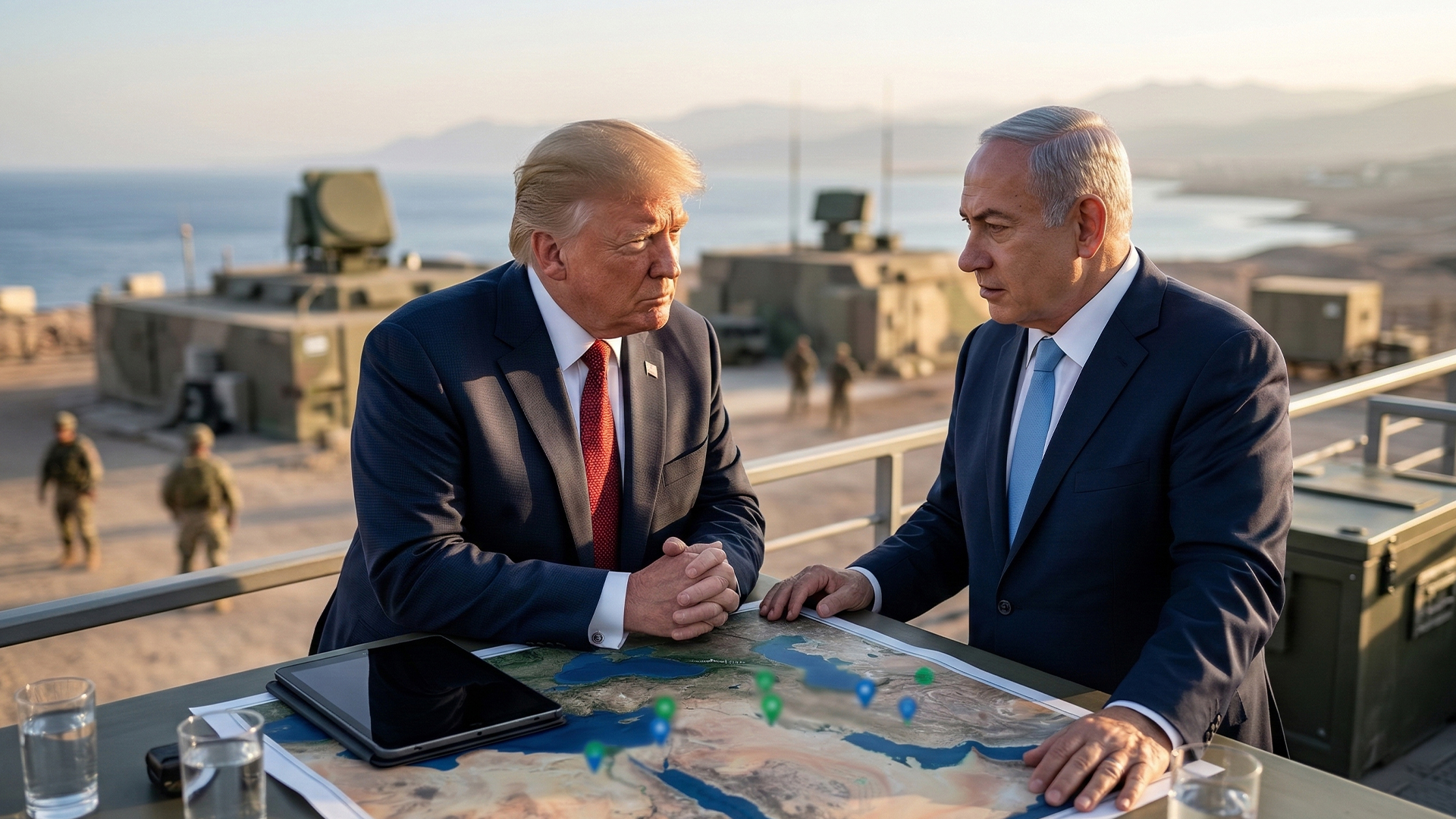
United States President Donald Trump said on Monday that ending the ongoing conflict involving Iran will be a “mutual decision” made together with Benjamin Netanyahu and highlighted close coordination between Washington and Jerusalem on strategy and timing.

In comments made during an interview with Times of Israel, Trump stressed that the United States and Israel are aligned in their goals and will work together to determine when and how the conflict should conclude. The president’s remarks come amid heightened tensions and military engagements in the Middle East, triggered by a deadly strike that killed Iran’s Supreme Leader, Ayatollah Ali Khamenei, earlier this year.

“This will be a mutual decision with Prime Minister Netanyahu on when this fight is over,” Trump said, emphasising that both nations are cooperating closely. He added that the United States wants a “decisive outcome” and is committed to preventing Iran from posing future threats. Trump noted that timing and conditions on the ground will influence when operations wind down, and that the strategy is being discussed in daily consultations with Israeli leadership.

Trump repeated that the US is not just acting unilaterally, underlining that any decision to end the conflict will be taken jointly with Israel. He framed the approach as part of a broader effort to ensure long‑term regional stability while addressing security concerns. Trump also hinted that diplomatic communication remains open with allies and partners to align on next steps.

The president’s comments come as global markets remain volatile due to uncertainty surrounding the conflict. Crude oil prices have climbed sharply as hostilities affect supply routes and investor confidence. Many nations, including major oil importers, are watching developments closely, concerned about economic fallout from prolonged instability.

Trump’s emphasis on joint decision‑making with Netanyahu aims to reassure both domestic and international audiences that the US‑Israel alliance is strong and unified in its objectives. However, critics argue that prolonged conflict could have wider geopolitical and humanitarian consequences, urging greater emphasis on diplomatic solutions.

Also Read: Trump says oil price spike is “small price to pay”

Samsung tops global TV market for 20 years

From QLED to smart screens, innovation keeps brand number one

For two decades, Samsung has been the brand most people trust when buying a TV. Samsung Electronics has now officially held the title of the world’s No.1 TV brand for 20 consecutive years, a testament to innovation, reliability, and understanding what viewers want.

Samsung’s lineup blends cutting-edge technology with user-friendly features. From Neo QLED screens with vivid colours to smart TVs with voice control and built-in streaming apps, the brand has kept up with changing ways people watch content. Whether it’s for a family movie night or a high-end home theatre, Samsung offers options for every audience.

Experts say the company’s ability to anticipate trends and innovate has helped it stay ahead, even as new competitors enter the market. Its presence across North America, Europe, Asia, and the Middle East ensures that Samsung TVs are accessible to millions worldwide.

Looking ahead, Samsung plans to continue investing in AI-based picture enhancements, 8K resolution, and immersive experiences, proving that the brand isn’t just resting on its legacy.

Also Read: Nita Ambani launches Heroes movement

Nita Ambani launches Heroes movement

New initiative celebrates and supports women changemakers across India

On International Women’s Day, business leader and philanthropist Nita Ambani launched the ‘Heroes Movement’, a nationwide effort to recognise and support women who are making a difference in their communities.

Speaking at the event, Ambani said the movement aims to shine a light on women from all walks of life — teachers, entrepreneurs, caregivers, social workers, artists, and community leaders — who inspire others and drive positive change. She emphasised that the initiative is about more than recognition; it is about creating opportunities, building networks, and providing support to help women reach their full potential.

“Women are the backbone of families and communities,” Ambani said. “When they are empowered, the benefits ripple across society. The Heroes Movement is a way to celebrate their courage, resilience, and leadership.”

The initiative will roll out workshops, mentorship programmes, storytelling sessions, and outreach campaigns to identify and celebrate women changemakers at the grassroots level. By sharing their stories, these women can inspire others and connect with resources that amplify their impact.

Several women achievers from different sectors attended the launch, sharing personal stories of challenges, perseverance, and success. Their experiences highlighted the importance of encouragement, mentorship, and community support in helping women overcome barriers.

Ambani called on schools, NGOs, and local organisations to participate in the movement, aiming to create a network of women leaders and mentors across India. The goal is to ensure that the efforts of everyday heroes are visible, valued, and rewarded.

The ‘Heroes Movement’ reflects Ambani’s vision of an India where women are not just celebrated but supported, guided, and connected to opportunities that allow them to thrive. Through this platform, she hopes to inspire a culture of recognition, empowerment, and equality, where women’s contributions to society are acknowledged and their potential fully realised.

Also Read: Empowered women drive nation’s progress, says President

Israeli operation in Lebanon turn deadly

Search for missing pilot’s remains ends in clashes, leaving dozens dead

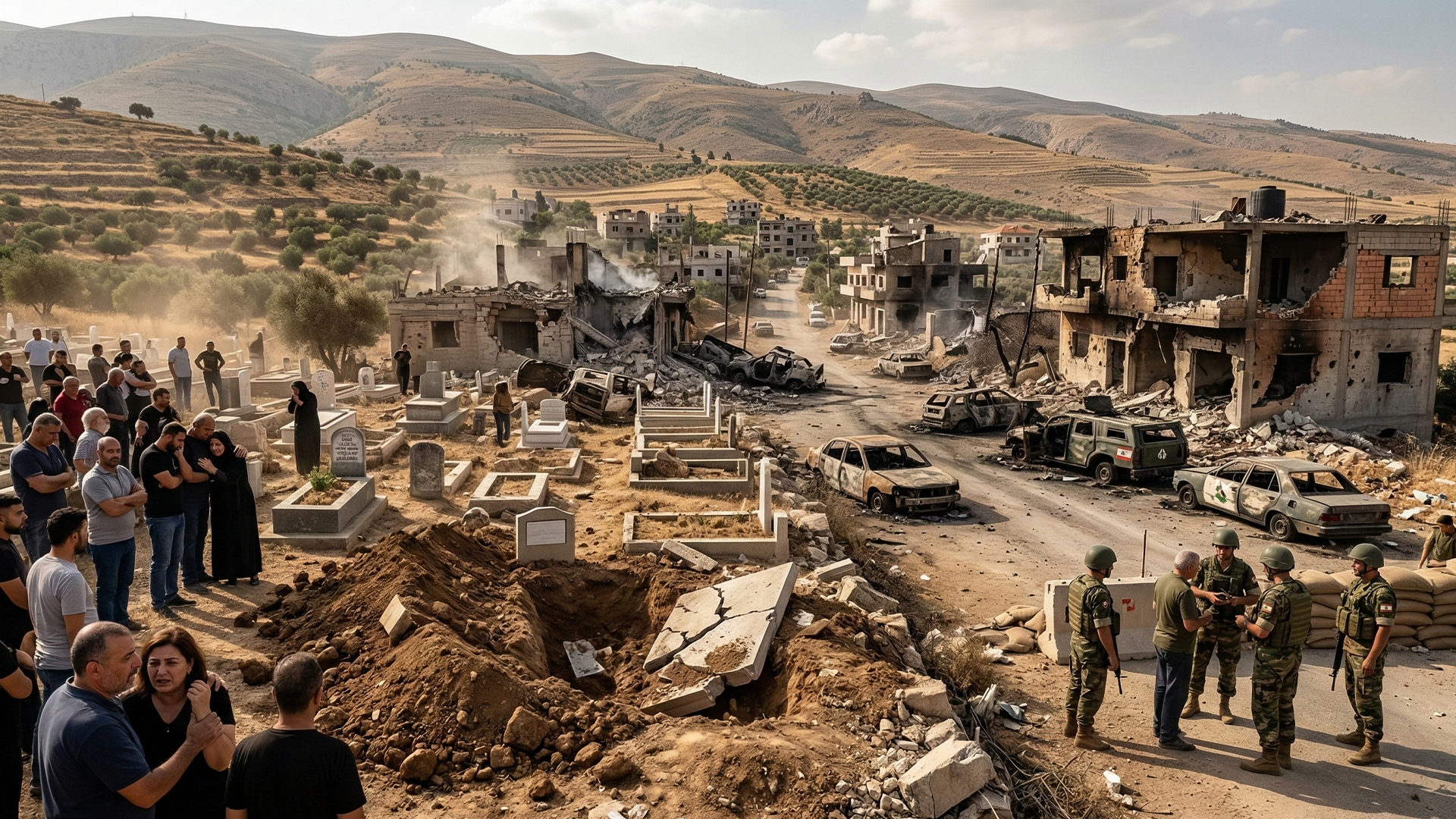
A covert Israeli military mission in eastern Lebanon turned deadly after heavy fighting broke out during an operation to recover the remains of a long-missing Israeli airman.

According to Lebanese officials, at least 41 people were killed and dozens injured after Israeli forces carried out airstrikes in the Bekaa Valley region. The violence followed a raid by Israeli commandos who had entered the area late at night as part of a secret operation.

The mission was reportedly aimed at finding the remains of Ron Arad, an Israeli navigator who went missing nearly 40 years ago. Arad disappeared in 1986 after his aircraft went down during a military operation over Lebanon. He was captured by militants at the time, and although Israel believes he later died in captivity, the country has continued searching for his remains.

Reports say Israeli special forces landed near the town of Nabi Chit, an area believed to hold information related to Arad’s burial. Soldiers reportedly began searching a cemetery where intelligence suggested his remains might be located.

However, the operation was soon discovered, leading to a gunfight between Israeli forces and fighters from Hezbollah, along with armed local residents. As the confrontation intensified, Israeli warplanes launched several airstrikes in the area to support the troops and help them withdraw safely.

The strikes caused significant destruction in the town and nearby areas. Among those killed were civilians and members of the Lebanese security forces. Residents described a night filled with explosions, panic and chaos as people rushed to find safety.

Despite the large-scale operation, Israeli forces reportedly failed to locate any evidence of Ron Arad’s remains, making the mission unsuccessful.

The incident has added to tensions between Israel and Hezbollah, which have frequently clashed along the border in recent years. Lebanese officials strongly criticised the strikes, calling them a violation of the country’s sovereignty.

Also Read: Two held in Bangladesh leader Osman Hadi murder

Iran sailor reveals US warning before warship strike

Report says American forces warned crew to abandon ship before torpedo attack

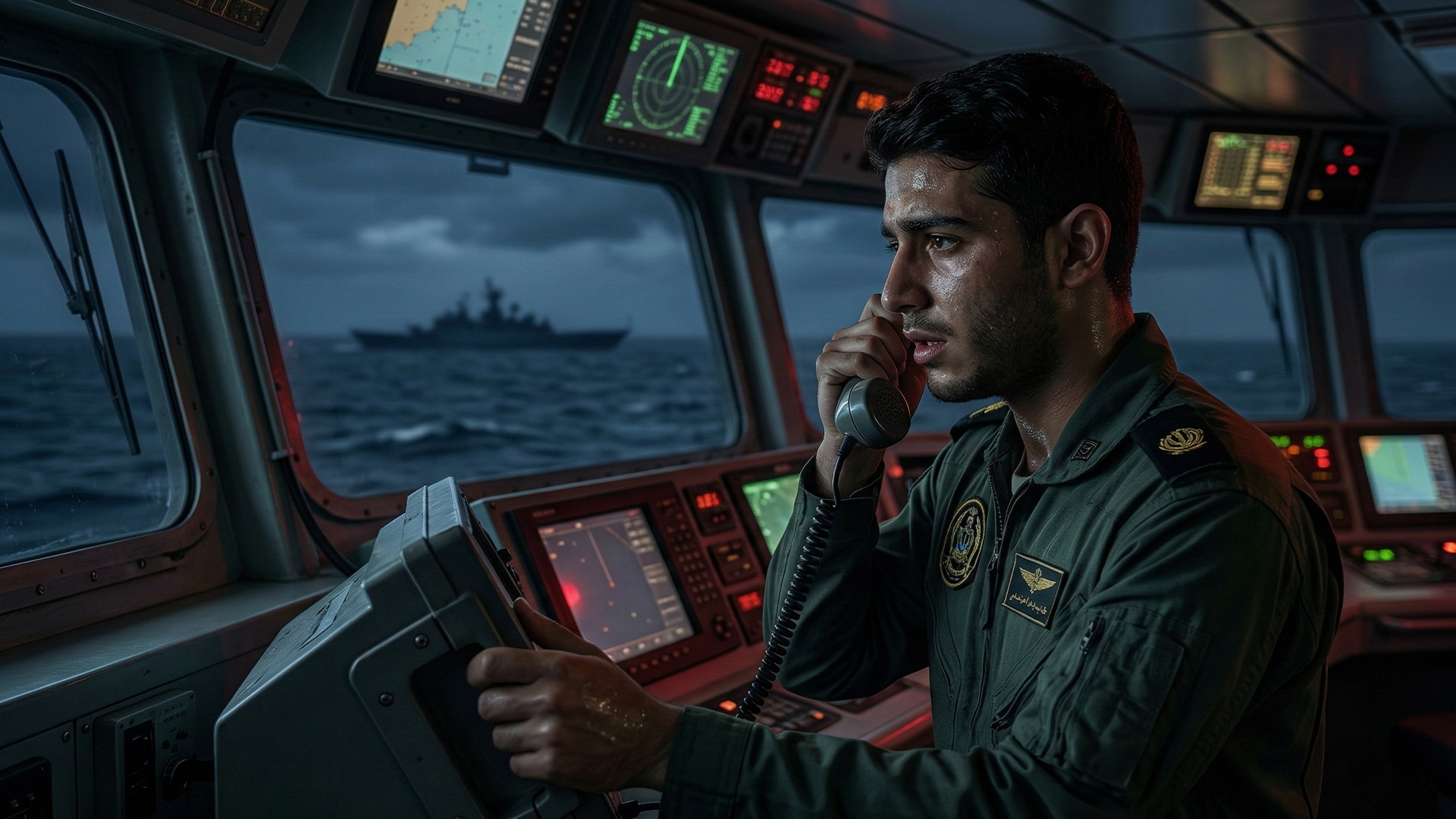
A final phone call from an Iranian sailor to his father has revealed new details about the moments before an Iranian naval warship was struck by a torpedo during rising tensions in the region.

According to reports, the sailor serving on the IRIS Dena contacted his father shortly before the attack and said that the United States had warned the crew to abandon the vessel. The warning reportedly came twice, asking the sailors to leave the ship before it was targeted.

The incident occurred in the Indian Ocean near Sri Lanka, where the Iranian warship was operating earlier this month. Not long after the call, the vessel was hit by a torpedo believed to have been fired from a US submarine.

According to the report, the sailor told his father that some crew members were worried and expected an attack. However, the ship’s commander allegedly decided not to order an evacuation despite the warning. The reasons for the decision remain unclear.

Soon after, the torpedo struck the warship, causing severe damage and eventually sinking it. Several sailors were killed in the attack, while a small number of crew members were rescued during search and rescue operations carried out in the area.

The IRIS Dena, which joined the Iranian navy in 2021, was considered one of Iran’s newer naval vessels and had recently been involved in regional naval activities before the incident.

The attack comes amid heightened tensions in the Middle East involving Iran, Israel, and the United States. The situation has already raised concerns globally about a wider conflict in the region.

Iranian officials have condemned the strike, calling it an act of aggression and warning that such actions could lead to serious consequences.

Also Read: India beat New Zealand to lift T20 title

Trump says oil price spike is “small price to pay”

US President defends higher crude prices during the ongoing conflict with Iran

Global crude oil prices surged past $100 per barrel as tensions in the Middle East escalate, driven by the ongoing conflict involving Iran, United States and Israel. The rise in oil prices has raised concerns about inflation, economic pressure on oil‑importing countries and increased fuel costs worldwide.

The spike in crude comes amid expanding hostilities in the region, which sits at the heart of global oil supply routes. The Strait of Hormuz, a key chokepoint through which a significant portion of the world’s oil is transported, has seen disruptions in shipping due to security risks. Any threat to supply routes quickly feeds into higher international oil prices.

In response to the price surge, President Donald Trump said the world may have to accept higher energy costs as part of efforts to confront Iran. Trump described the elevated oil prices as a “small price to pay” for defeating Iran in the ongoing conflict and ensuring long‑term security. His comments have drawn mixed reactions from economists and world leaders, many of whom noted that higher crude prices can strain global economies and increase living costs.

Oil reached above $100 a barrel on major benchmarks as traders reacted to geopolitical risks, potential supply constraints and the likelihood of continued instability in the region. Market analysts say prices could remain volatile as long as the conflict continues and if oil shipments through critical routes remain disrupted.

The rise in crude prices has immediate implications for oil‑importing countries. For nations dependent on imported fuel, including India, higher crude costs can lead to increased prices at petrol pumps, greater import bills and upward pressure on inflation. Governments often face difficult choices when global oil prices rise sharply, balancing economic stability and consumer relief measures.

Energy markets are also watching responses from major oil producers. Some countries in the Organization of the Petroleum Exporting Countries and allied producers may adjust output in an effort to stabilise prices, but decisions depend on evolving geopolitical developments.

Economists warn that if oil prices stay high for an extended period, it could slow global growth by raising production costs for industries and reducing consumer spending power. Central banks may also face pressure to adjust monetary policy if inflation remains elevated due to energy costs.

Also Read: Mojtaba Khamenei takes charge as Iran’s supreme leader

Mojtaba Khamenei takes charge as Iran’s supreme leader

Son of late leader assumes top post amid Middle East tensions

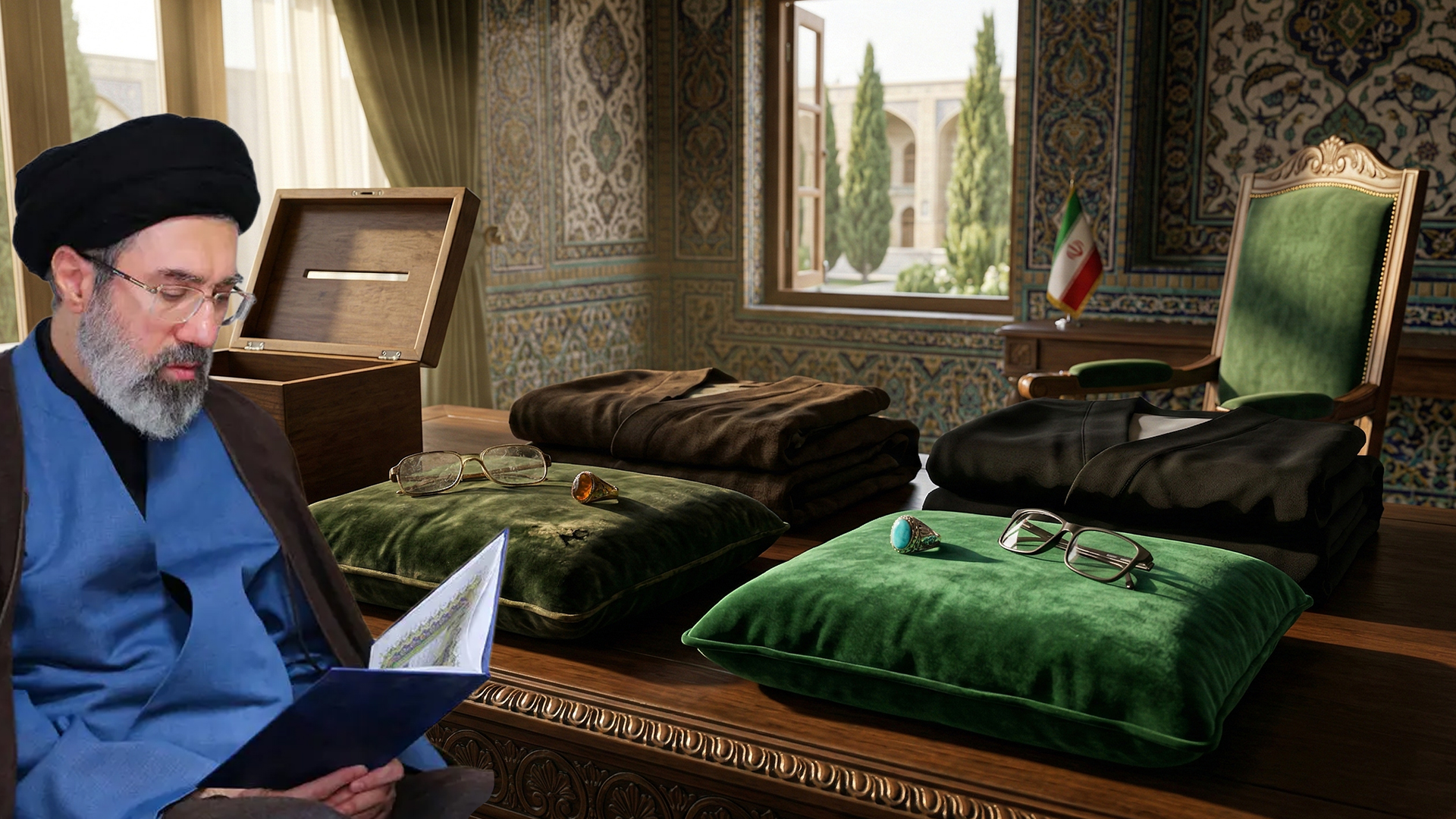
Iran has officially appointed Mojtaba Khamenei, son of the late Ayatollah Ali Khamenei, as the country’s new Supreme Leader, following his father’s death in a joint USIsrael strike that escalated regional conflict. The decision was announced on March 8 by the Assembly of Experts, which is constitutionally responsible for selecting the nation’s top leader.

Mojtaba, 56, assumes control at a critical time. The Supreme Leader holds ultimate authority over Iran’s political system, the armed forces, judiciary, and key security institutions, giving him unmatched influence over the country’s domestic and foreign policies. Observers note that his leadership is expected to be closely aligned with hard-line factions within the government.

Though Iran’s system formally rejects hereditary succession, Mojtaba was widely seen as the probable successor due to his long-standing ties with conservative clerics and the Islamic Revolutionary Guard Corps (IRGC). State media and government officials quickly rallied support around him, presenting a unified front both to domestic audiences and the international community.

The appointment has triggered global reactions. United States officials expressed concern about the new leader’s hard-line stance, with warnings that Mojtaba’s policies could further heighten regional tensions. Israel also responded cautiously, signalling that military pressure on Iran may continue in response to aggressive actions.

Mojtaba inherits leadership at a volatile moment. The conflict with the US and Israel has already disrupted the Middle East, driving up global oil prices and intensifying military activity. Analysts say the new Supreme Leader’s close ties to conservative factions could shape Iran’s strategies in the ongoing conflict, potentially making diplomatic resolution more challenging.

Also Read: India eases port charges amid shipping chaos

Two held in Bangladesh leader Osman Hadi murder

West Bengal STF catches suspects who fled India after Dhaka murder

The West Bengal Police Special Task Force has arrested two men accused of being involved in the murder of Bangladeshi political activist Osman Hadi.

Police said the suspects, Faisal Karim Masud and Alamgir Hossain, were arrested from Bongaon in North 24 Parganas district. Both men are believed to be Bangladeshi nationals who fled their country after the killing.

According to investigators, the two crossed into India illegally and had been hiding near the border to avoid arrest. Security agencies tracked their movement before finally detaining them during a targeted operation.

Osman Hadi was a well-known youth activist in Bangladesh and was associated with the political group Inqilab Mancho. His killing had created outrage in Bangladesh and sparked protests among supporters.

The incident took place in Dhaka in December last year. Hadi was reportedly attacked by gunmen riding a motorcycle shortly after he left a mosque in a busy area of the city.

He was rushed to a hospital in Dhaka after the shooting and later shifted abroad for advanced medical treatment. Despite efforts by doctors, he died a few days later due to the injuries he had suffered in the attack.

Following the murder, Bangladeshi authorities launched an investigation and began searching for those responsible. During the probe, it emerged that some suspects had escaped to India.

Officials said Indian and Bangladeshi agencies shared information to trace the accused. Acting on these inputs, the West Bengal STF located the suspects and arrested them near the international border.

Police are now questioning the two men to understand their role in the crime and to find out if others were involved in planning the attack. Authorities are also expected to coordinate with Bangladeshi officials regarding the next legal steps, which could include deportation or further investigation.

Also Read: Over 52,000 Indians return from West Asia