rotating globe
6 Apr 2026


PM Modi opens India’s first Ring Metro

New Pink and Magenta Line stretches aim to ease travel across New Delhi

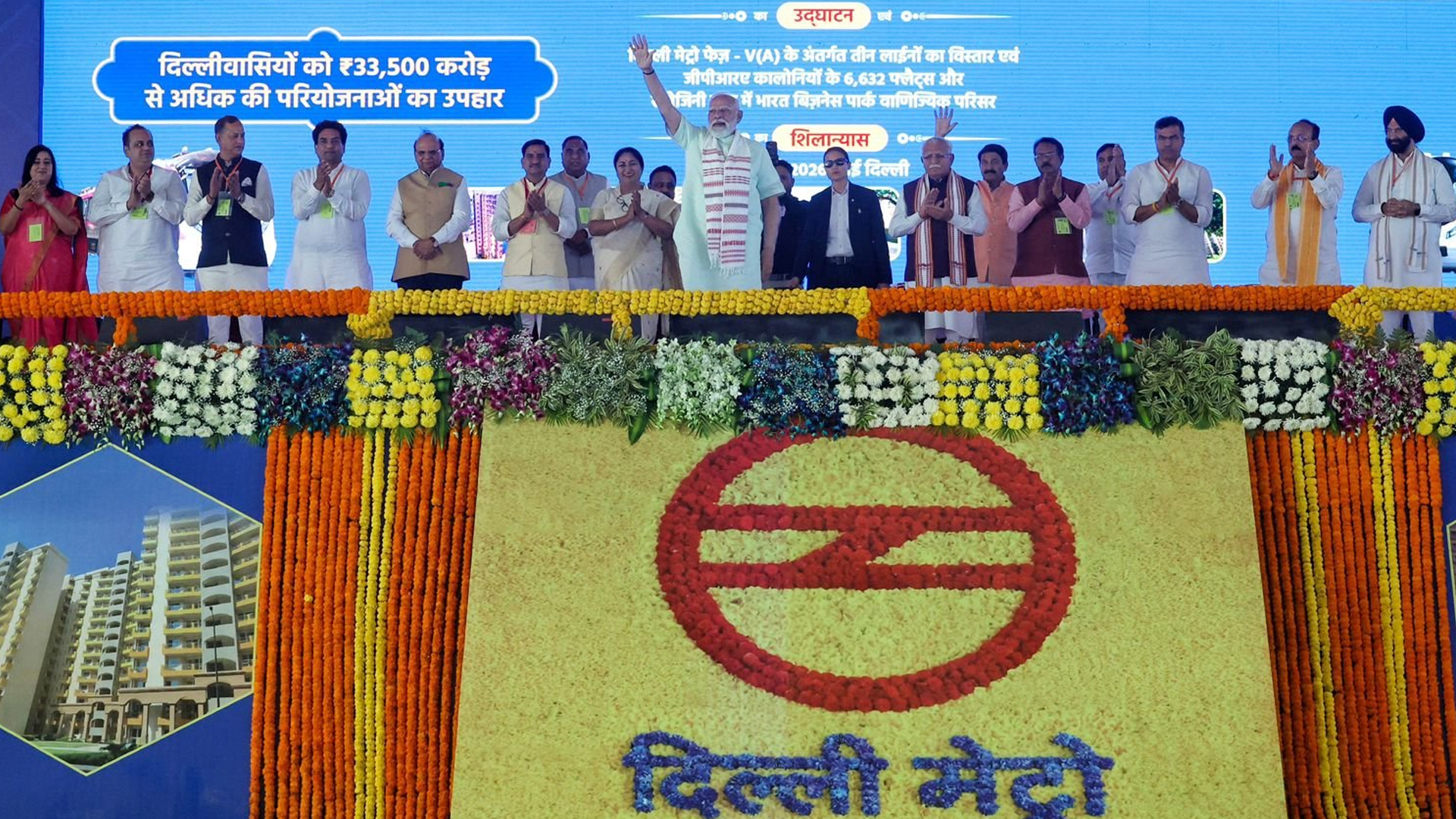
Prime Minister Narendra Modi inaugurated two new metro corridors in Delhi on March 8, marking the launch of India’s first operational Ring Metro. The project is expected to make daily travel smoother for thousands of people across the national capital.

The new stretches are part of the growing network of the Delhi Metro Rail Corporation, which continues to expand to meet the needs of the city’s rising population.

During the ceremony, the prime minister opened the 12.3-km Majlis Park–Maujpur-Babarpur section of the Delhi Metro Pink Line and the 9.9-km Deepali Chowk–Majlis Park extension of the Delhi Metro Magenta Line.

With the final section of the Pink Line now complete, the corridor forms a circular route of about 71.5 kilometres, creating what officials describe as India’s first Ring Metro system. The circular design allows trains to move around large parts of the city without forcing passengers to pass through crowded central stations.

For commuters, this means shorter travel times and fewer train changes. People travelling between north, northeast and other parts of Delhi will now have a more direct and convenient route.

The Majlis Park–Maujpur corridor connects several busy neighbourhoods including Burari, Jagatpur, Bhajanpura, Khajuri Khas and Yamuna Vihar, bringing many densely populated areas closer to the metro network. Residents in these areas had long demanded better public transport options.

The project also involved significant engineering work. A new bridge over the Yamuna River was built as part of the corridor, along with a double-decker structure where a metro line runs above a flyover.

Along with the inauguration, the prime minister also laid the foundation stone for three new metro corridors planned under the next phase of Delhi Metro expansion. These projects are part of a broader infrastructure plan worth around ₹33,500 crore, with a large portion allocated to metro development.

With these additions, the Delhi Metro network has now grown to over 400 kilometres with more than 300 stations, making it one of the largest metro systems in the world.

Also Read: Lok Sabha to take up motion against Om Birla
India eases port charges amid shipping chaos

Ports asked to ease charges as West Asia crisis affects cargo movement

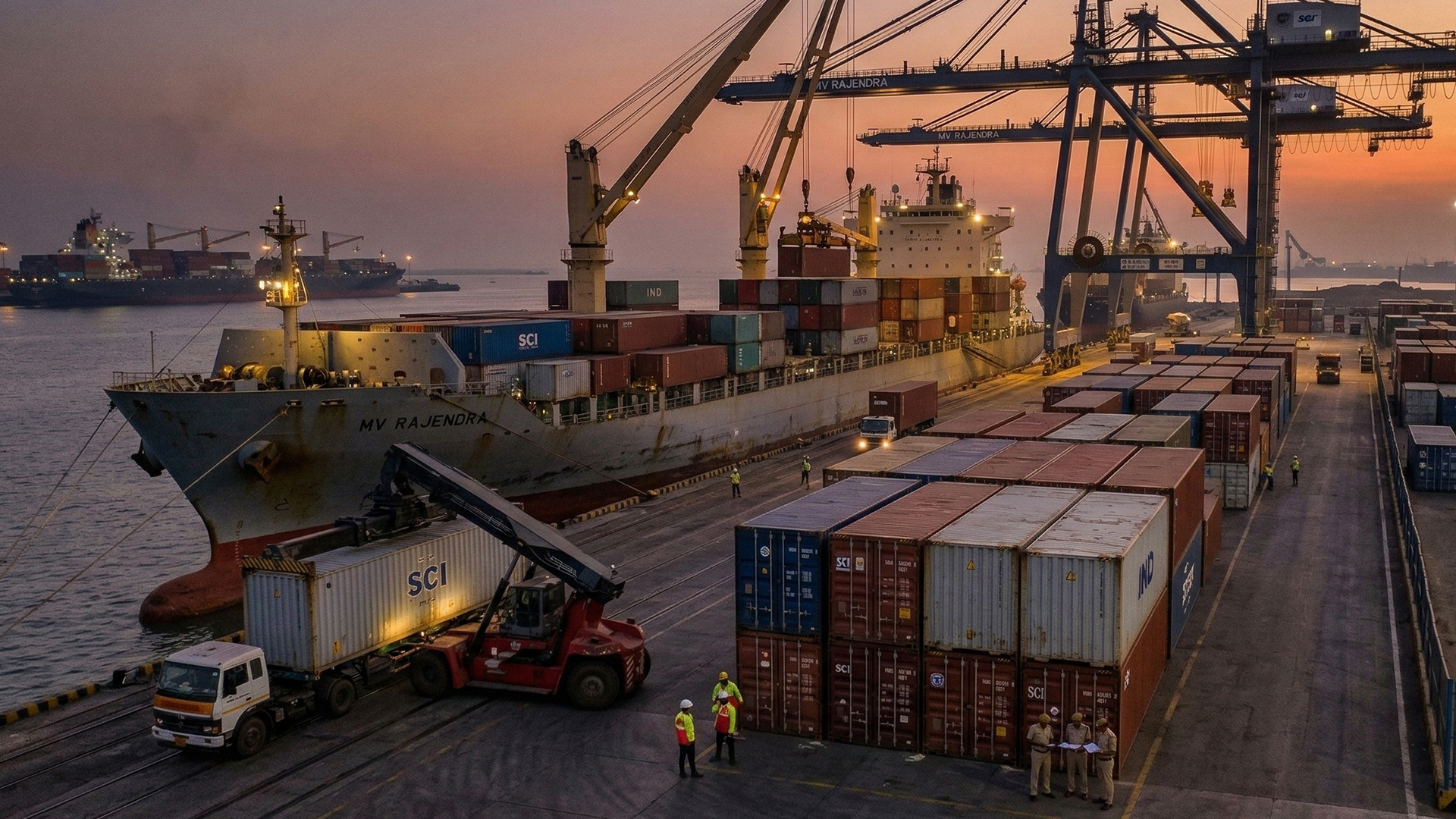
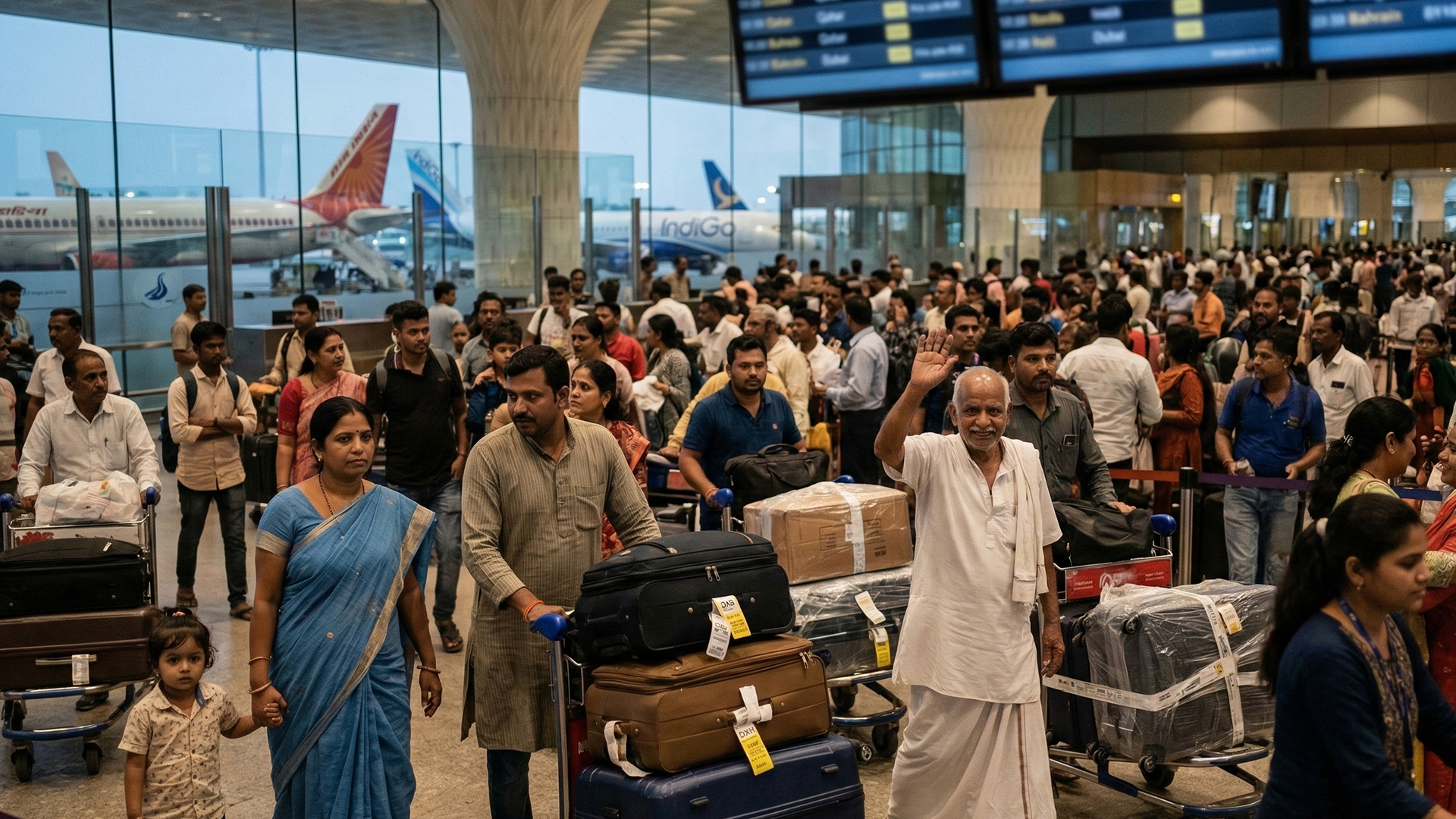
India has stepped in to help exporters facing shipping disruptions caused by tensions in West Asia. The government has asked major ports across the country to consider waiving or reducing certain port charges for cargo that could not reach its destination and had to return to India.

The advisory was issued by the Ministry of Ports, Shipping and Waterways, which urged ports to provide relief to businesses struggling with delays and unexpected costs. Many ships carrying goods to West Asian markets were forced to turn back due to uncertainty and security concerns around the Strait of Hormuz.

The Strait of Hormuz is one of the world’s busiest maritime routes and is crucial for global trade, especially for oil and cargo shipments. Recent tensions in the region have disrupted shipping movements, affecting exporters from several countries, including India.

Because of the situation, several vessels returned to Indian ports without completing their journey. As a result, exporters were left dealing with extra port charges, storage costs and logistical complications.

To reduce this financial burden, the government has asked ports to review such cases and offer relief wherever possible. This could include waiving storage fees, reducing vessel-related charges or providing other forms of operational support.

Authorities have also introduced a standard operating procedure (SOP) to help ports handle the situation more efficiently. Under the new system, each port will appoint a nodal officer who will act as a contact point for exporters and shipping companies facing problems. These officers will be responsible for quickly reviewing requests for fee waivers and resolving operational issues.

In addition, customs authorities have simplified procedures for cargo that returned to Indian ports after ships were unable to continue their journey. This allows the goods to be unloaded without going through lengthy import procedures, helping clear the cargo faster.

Also Read: Israeli operation in Lebanon turn deadly

India beat New Zealand to lift T20 title

Samson’s 89 and Bumrah’s four-wicket spell power India to 96-run victory

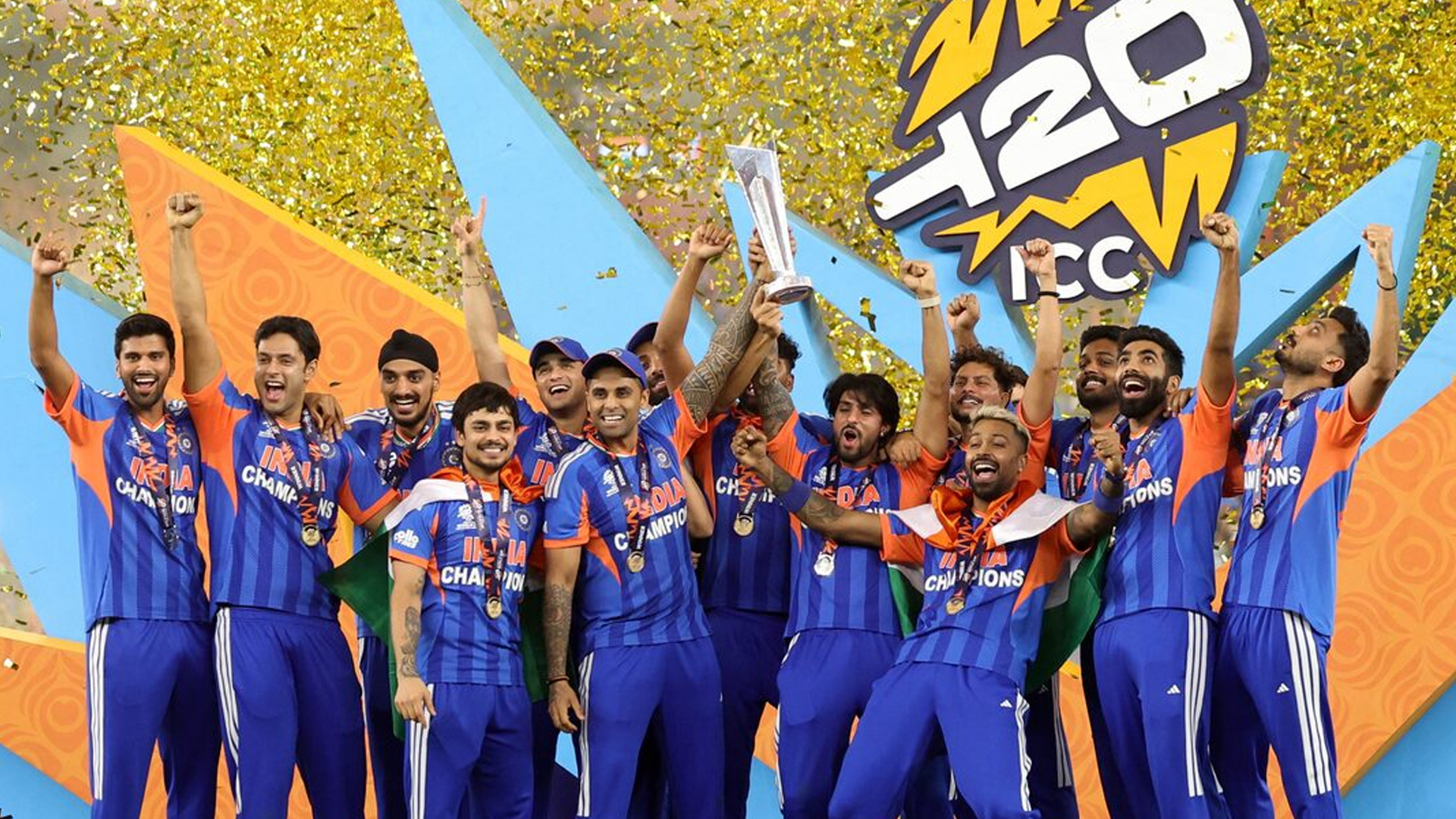
India delivered a near-perfect performance to defeat New Zealand by 96 runs and win the ICC Men’s T20 World Cup 2026 at the Narendra Modi Stadium in Ahmedabad on Sunday. The victory sparked huge celebrations among thousands of fans at the stadium as India sealed the title with an emphatic all-round display.

Asked to bat first, India’s top order came out with attacking intent. Sanju Samson led the charge with a superb 89-run knock, playing confidently and finding boundaries regularly to anchor the innings. He was well supported by Abhishek Sharma, who struck a quick half-century, while Ishan Kishan also added a brisk fifty.

The Indian batters kept the pressure firmly on New Zealand’s bowlers throughout the innings. Late acceleration helped India post 255 for 5 in 20 overs, the highest total ever in a T20 World Cup final, setting a daunting 256-run target.

New Zealand’s chase never really gathered momentum as India’s bowlers struck early and maintained tight control. Jasprit Bumrah produced a brilliant spell, picking up four wickets for just 15 runs, dismantling the New Zealand batting line-up. Spinner Axar Patel also played a key role in the middle overs, taking three wickets and building pressure.

Despite a fighting half-century from Tim Seifert, New Zealand struggled to keep up with the required run rate and were eventually bowled out for 159 in 19 overs, handing India a comfortable victory.

Bumrah was named Player of the Match for his decisive bowling performance, while Samson’s consistent performances throughout the tournament earned him the Player of the Tournament award.

India’s head coach Gautam Gambhir praised the team’s fearless approach and discipline during the tournament. Gambhir said the players showed great character under pressure and credited their aggressive mindset for the team’s success.

“This team believes in playing positive cricket and backing each other,” Gambhir said after the match. “Winning a world title at home in front of our fans makes it even more special.”

The triumph was particularly meaningful for Indian fans as it came at the same venue where India had lost the 2023 ODI World Cup final, turning the Ahmedabad stadium into a place of redemption and celebration.

Also Read: Rupee slides to 92.28 against dollar

Empowered women drive nation’s progress, says President

She emphasized that education and equal opportunities for women vital for India’s future

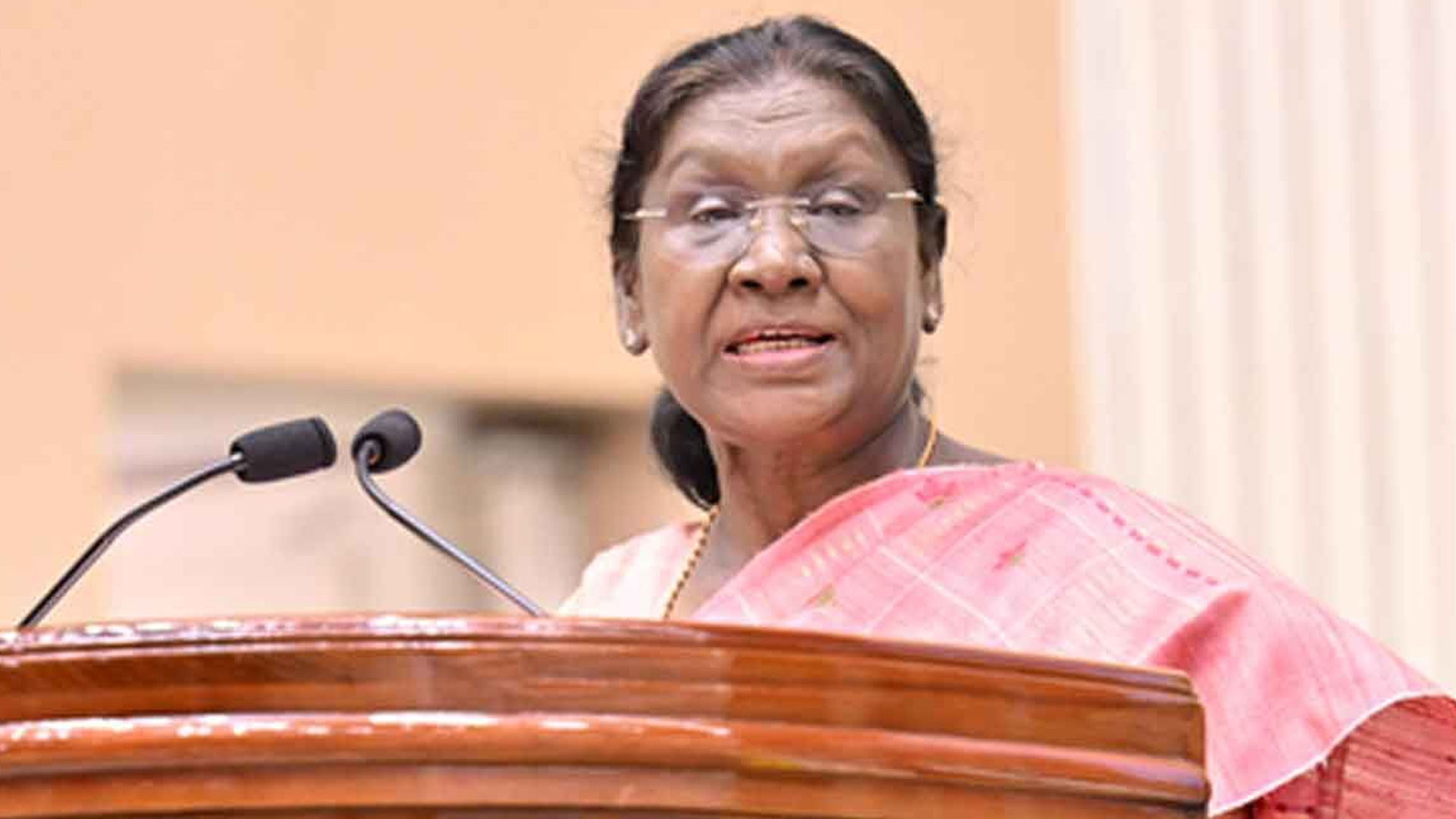
President Droupadi Murmu said that the progress of any nation depends greatly on how empowered its women are. Speaking at an event celebrating International Women’s Day, she highlighted the important role women play in shaping families, communities and the country’s future.

Addressing the gathering in New Delhi, Murmu said that when women are educated, financially independent and confident, the entire nation moves forward. She noted that empowering women is not just about giving them opportunities but also about creating an environment where they can grow without fear or discrimination.

The President pointed out that women in India have made remarkable achievements across many fields — from science and education to business, sports and governance. Their success stories, she said, show the strength and determination of Indian women when they are given the right support.

At the same time, she acknowledged that many women still face challenges. Issues such as gender discrimination, unequal pay and lack of opportunities continue to affect women in different parts of society. She stressed that these barriers must be removed so that every woman can reach her full potential.

Murmu also spoke about the importance of encouraging young girls to pursue their dreams. She said families and communities play a key role in building confidence among girls and helping them believe that they can achieve anything they set their minds to.

According to the President, true empowerment begins with education. When girls receive quality education and equal opportunities, they grow into confident individuals who contribute positively to society and the economy.

She said India’s journey toward becoming a developed nation cannot succeed without the full participation of women. She called for collective efforts from society, institutions and policymakers to ensure that women are respected, safe and given equal chances to grow.

Also Read: Two held in Bangladesh leader Osman Hadi murder

Lok Sabha to take up motion against Om Birla
Opposition moves resolution alleging bias during Budget Session proceedings

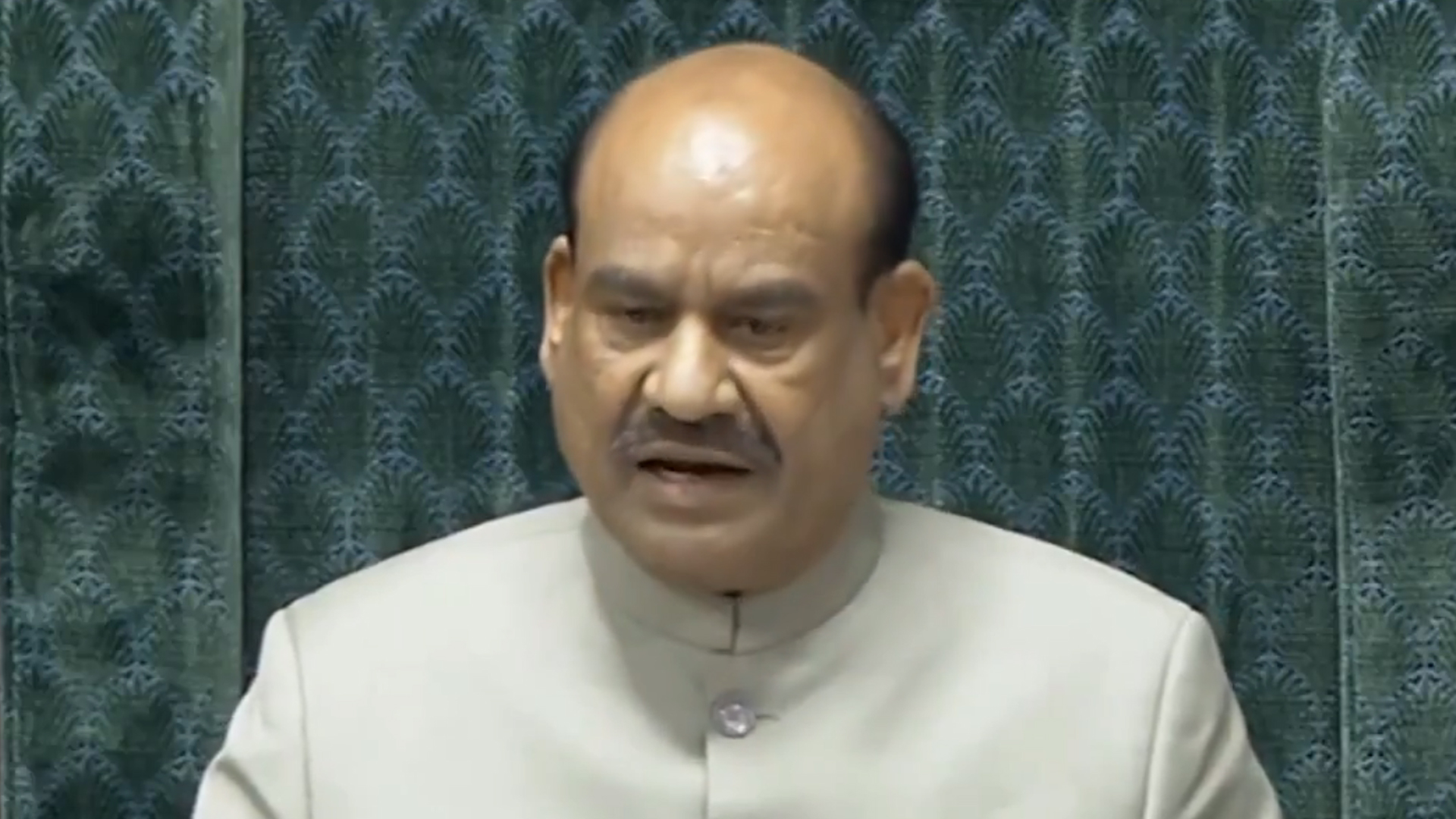
The Lok Sabha will take up a resolution seeking the removal of Speaker Om Birla as Parliament resumes its Budget Session. The motion has been moved by opposition parties, setting the stage for a major political debate in the House.

According to reports, around 118 opposition MPs have signed the resolution. Leaders from several parties, including the Congress, Samajwadi Party, DMK and Left parties, have supported the move. They have accused the Speaker of not maintaining neutrality while conducting the proceedings of the Lok Sabha during the earlier phase of the Budget Session.

Opposition members claim that they were not given adequate opportunity to raise important issues in the House. They also criticised the suspension of several opposition MPs during protests, saying the action was unfair and restricted debate.

The notice for the resolution was submitted by Congress MPs Mohamed Jawed, K. Suresh, and Mallu Ravi on behalf of different opposition parties.

As per parliamentary rules, the resolution must first receive the support of at least 50 MPs when it is taken up in the Lok Sabha. If that support is confirmed, the House will proceed with a discussion on the motion before a vote is held.

During the debate, Om Birla will not preside over the proceedings. Instead, another member will chair the session, while the Speaker will be present in the House and may respond to the allegations made against him.

Both the ruling Bharatiya Janata Party and the opposition Indian National Congress have issued whips asking their MPs to be present in Parliament for the debate and possible voting.

The development is likely to lead to intense discussions in the Lok Sabha, with the opposition pressing its charges of bias and the government expected to defend the Speaker’s conduct.

Also Read: Iran sailor reveals US warning before warship strike

Rupee slides to 92.28 against dollar

Weak currency raises concerns over inflation, import costs as crude tops $100

The Indian rupee weakened sharply on Monday, falling close to its record low and raising fresh concerns about the impact of rising global crude oil prices on the country’s economy.

The rupee dropped around 46 paise to 92.28 against the US dollar in early trade, as global oil prices surged above $100 per barrel amid escalating tensions in the Middle East. The decline in the currency reflects growing pressure on emerging market economies that rely heavily on imported energy.

For India, a weaker rupee combined with higher crude prices could significantly increase the country’s import bill. India imports nearly 85 per cent of its crude oil needs, and any sustained rise in oil prices increases demand for dollars to pay for these imports. This, in turn, puts further pressure on the domestic currency.

Economists say the falling rupee could also add to inflationary pressures in the economy. A weaker currency makes imported goods such as fuel, machinery and electronic components more expensive. Higher import costs are often passed on to consumers, pushing up prices across sectors.

The impact may also be felt in transportation and manufacturing industries, where fuel and energy costs form a significant portion of operating expenses. Rising input costs could affect company margins and slow economic activity if the trend continues.

Apart from crude prices, the strengthening US dollar has also contributed to the rupee’s weakness. Investors globally tend to move funds into the dollar during periods of uncertainty, which often leads to capital outflows from emerging markets.

Domestic financial markets have already reacted to these developments. Government bond yields moved higher, reflecting expectations of rising inflation and tighter financial conditions. Equity markets also saw volatility as investors assessed the broader economic impact of rising oil prices and a weakening currency.

Also Read: Nitish Kumar’s son Nishant to join JD(U)

Trump aide backs India oil waiver

Scott Bessent says India 'acted responsibly' as waiver aims to stabilise global oil supply

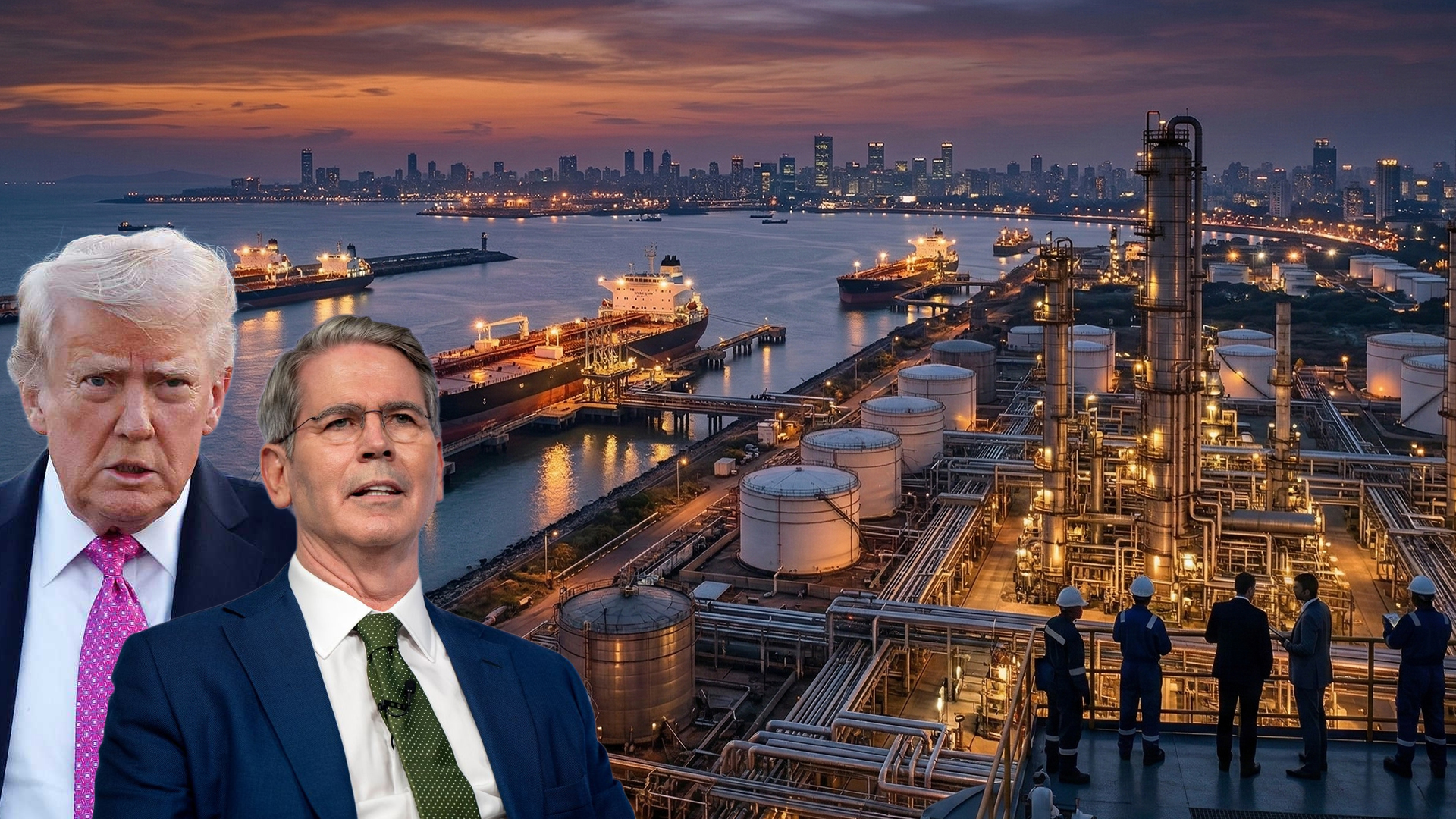
The United States has given India a temporary waiver to import Russian oil, allowing shipments already en route to reach Indian ports. The move comes amid global supply disruptions, and US Treasury Secretary Scott Bessent, a senior aide to Donald Trump, praised India, saying the country had “been very good actors” in complying with US sanctions.

The waiver covers oil cargoes that were loaded before March 5, 2026, and will remain valid for 30 days, until April 3, 2026. Indian refiners can now safely receive these shipments without violating US restrictions, providing short-term relief amid rising global energy uncertainty.

Bessent noted that India had previously cut down its purchases of sanctioned Russian oil and explored alternative sources, including crude from the United States. “The Indians have been very good actors… we had asked them to stop buying sanctioned Russian oil, and they did,” he said. This cooperation helped convince Washington to grant the temporary waiver.

US officials stressed that the measure is strictly temporary and applies only to shipments already in transit. The decision is aimed at maintaining stability in global oil markets, preventing sudden shortages or sharp increases in fuel prices, particularly as tensions continue in the Strait of Hormuz, a major energy shipping corridor.

India relies heavily on imported oil, with nearly 90% of its crude coming from abroad, making uninterrupted supply crucial for industries, transportation, and everyday life. The temporary waiver ensures that India’s energy needs are met even as international markets face volatility.

Also Read: Explosions at Tehran airport post Israeli strikes

Amazon launches AI healthcare platform

AWS tool aims to automate routine administrative tasks in hospitals

Amazon has launched a new artificial intelligence-powered platform aimed at helping hospitals and clinics automate routine administrative work. The platform has been introduced by the company’s cloud computing arm, Amazon Web Services (AWS), as part of its growing focus on healthcare technology.

Healthcare providers often spend a large amount of time on administrative tasks such as scheduling appointments, verifying patient information and preparing medical documentation. Amazon’s new AI platform is designed to handle many of these processes automatically, allowing doctors and healthcare staff to spend more time with patients.

The system can help manage several routine tasks in healthcare facilities. It can schedule appointments, check patient details, organise medical records and assist with documentation during or after consultations. The platform can also generate billing codes needed for insurance claims and hospital payments.

Another key feature of the platform is its ability to interact directly with patients through voice or digital communication systems. Patients can use the system to book appointments, ask questions and receive basic information about their medical visits. This can help hospitals respond to patient requests more quickly and reduce waiting times.

According to Amazon, the AI platform is designed to work with the electronic health record systems that hospitals already use. This means healthcare providers can integrate the technology into their existing systems without major changes to their infrastructure.

The company says the system can run continuously, helping hospitals manage patient requests and administrative tasks at any time of the day. If the AI system encounters complex issues, the request can be passed on to human staff for further assistance.

Also Read: Domestic LPG up ₹60, commercial dearer by ₹115

Domestic LPG up ₹60, commercial by ₹115

Cooking gas prices rise across India amid global fuel pressure

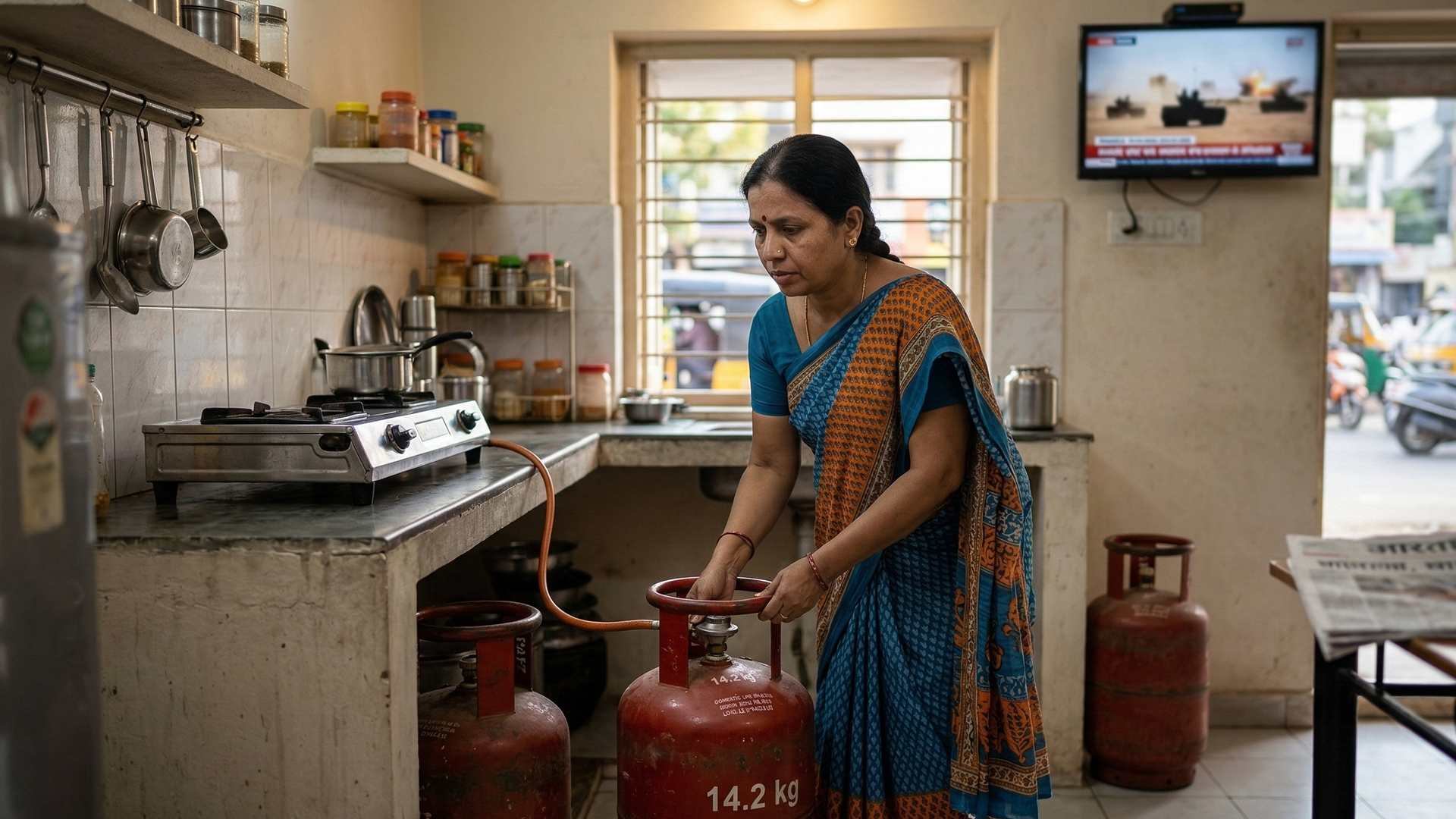
Cooking gas has become more expensive for households and businesses across India after oil marketing companies raised LPG cylinder prices on March 7. The price of a 14.2-kg domestic LPG cylinder has increased by ₹60, while the cost of a 19-kg commercial cylinder has gone up by ₹115.

Following the hike, a domestic LPG cylinder in Delhi now costs around ₹913, compared to ₹853 earlier. Similar increases have been reported in other metro cities. In Mumbai, the price has risen to about ₹912.50, while in Kolkata it now stands at nearly ₹939. In Chennai, consumers will have to pay around ₹928.50 for a domestic cylinder after the latest revision.

The increase means households will now have to spend more on one of their daily essentials. LPG is widely used for cooking in Indian homes, and even a small rise in price can add to monthly expenses, especially for middle- and lower-income families.

Businesses that depend on commercial LPG cylinders are also likely to feel the impact. Hotels, restaurants, small eateries and catering services use these cylinders regularly, and the ₹115 hike may increase their operating costs. Some businesses may eventually pass on part of the additional cost to customers.

Officials say the price hike is linked to rising global energy prices. Tensions in West Asia have created uncertainty in global oil and gas markets, pushing up fuel prices internationally. Since India imports a large share of its energy requirements, global price movements often affect domestic fuel rates.

The latest revision is the first major LPG price change in several months. Domestic cylinder prices were last increased in April last year by ₹50. Since then, rates had largely remained unchanged.

India has more than 33 crore LPG consumers, making cooking gas one of the most widely used household fuels in the country. Because of this, any increase in LPG prices directly affects millions of families and businesses.

Officials, however, say LPG supplies remain stable across the country and there is no immediate concern about shortages despite the global uncertainties.

Also Read: US grants India 30-day Russian oil waiver