rotating globe
6 Apr 2026


Karnataka, Andhra plan social media ban for kids

States plan restrictions on online platforms to protect minors

Karnataka and Andhra Pradesh are considering restrictions on social media use for children, raising a new debate about online safety and digital habits among young users.

The Karnataka government has proposed banning social media access for children below the age of 16. Chief Minister Siddaramaiah announced the plan while presenting the state budget for 2026–27. According to the government, the move is intended to address rising concerns about excessive smartphone use, online addiction and exposure to harmful content among school students.

Officials say many children spend long hours on social media platforms, which may affect their studies, sleep patterns and mental health. The proposed restriction is part of a broader effort to encourage healthier digital habits among young people.

Meanwhile, the government of Andhra Pradesh is also preparing a similar measure but with a different age limit. Chief Minister N. Chandrababu Naidu said the state plans to restrict social media access for children under the age of 13. The government aims to introduce the policy within the next 90 days.

The proposal in Andhra Pradesh was suggested by IT and Education Minister Nara Lokesh, who has been advocating stronger online safety rules for minors. State officials are studying international policies and consulting experts before finalising the guidelines.

Both states say the planned restrictions are meant to protect children from online risks such as cyberbullying, harmful content and excessive screen time. Authorities also believe limiting early exposure to social media could support better mental health and academic performance among students.

However, the proposals have also raised questions about how such restrictions would be enforced. Experts say it may be difficult to completely prevent children from accessing social media, especially when they can use shared devices or create accounts using incorrect age details.
Also Read: Mamata Banerjee protests voter roll deletions

Kate Middleton adds desi touch at Holi event

Princess of Wales wears jhumka-style earrings and takes part in Garba dance

Catherine, Princess of Wales brought a touch of Indian culture to her visit to Leicester as she joined celebrations linked to the festival of Holi. The royal’s appearance drew attention not only for her participation in cultural activities but also for her fashion choice inspired by Indian jewellery.

During the visit, the Princess of Wales wore a simple cream-white outfit, keeping her look elegant and understated. However, the highlight of her attire was a pair of gold earrings with blue stones that resembled traditional Indian jhumkas. The earrings, reportedly made in India, added a subtle “desi” touch to her outfit and were widely appreciated online for reflecting Indian craftsmanship.

Kate visited Leicester to interact with the city’s large British-Indian community and to celebrate cultural diversity. One of the key stops during her trip was the famous Golden Mile area, known for its Indian restaurants, jewellery shops and clothing stores. She met with local business owners and residents and learned about the cultural and economic contributions of the community.

A major highlight of the visit was her stop at the Shreeji Dham Haveli Temple, a Hindu temple where Holi-related events were taking place. Following temple traditions, she removed her shoes before entering and interacted with members of the community gathered for the celebration.

During the event, Kate also joined a traditional Garba dance, a popular folk dance from the Indian state of Gujarat. She danced with local women and appeared to enjoy the lively atmosphere, drawing cheers from the crowd. Videos of the moment quickly circulated on social media and received widespread appreciation.

The Princess also visited a local dance studio run by British-Indian choreographer Aakash Odedra, where she watched a performance and spoke about the role of arts and culture in bringing communities together.

Residents welcomed her warmly with flowers and greetings, making the visit a memorable occasion for many. Her participation in Holi celebrations and her choice of Indian-inspired jewellery were seen as gestures of respect and appreciation for Indian traditions.

Also Read: Amazon launches AI healthcare platform

India let an Iranian ship dock in Kochi

Decision came days before a US strike sank another Iranian warship near Sri Lanka

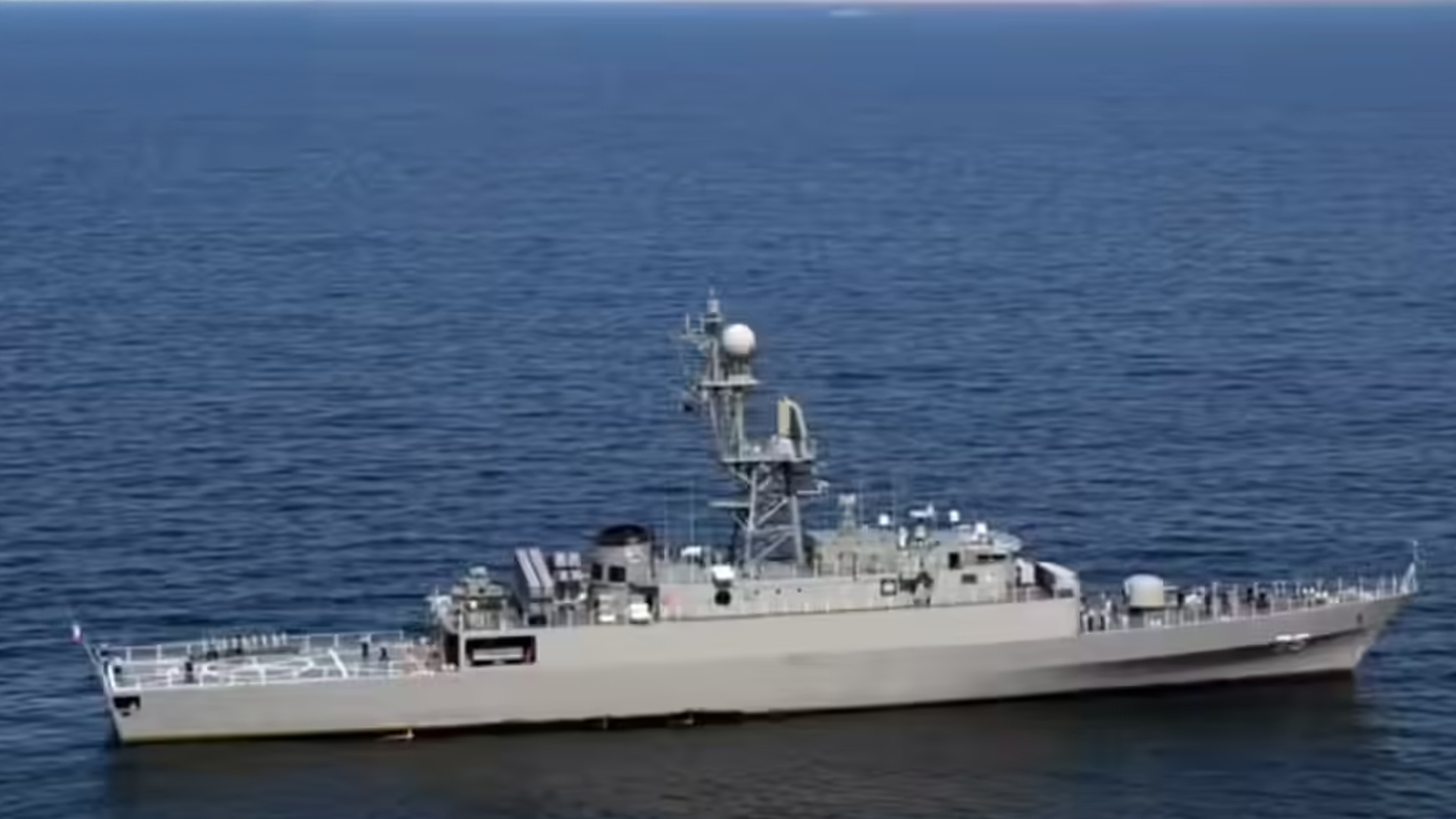
India allowed an Iranian naval ship to dock at Kochi in Kerala just days before another Iranian warship was sunk in an attack in the Indian Ocean, according to government sources.

The ship, IRIS Lavan, asked for permission to enter Kochi port after it faced technical problems while sailing in the region. India approved the request on humanitarian grounds, and the vessel docked at Kochi earlier this week.

The ship was carrying 183 crew members. Officials said the crew was allowed to stay at naval facilities while the ship undergoes checks and necessary repairs. Authorities stressed that the permission was given mainly to ensure the safety and well-being of the sailors.

The development gained attention because it happened shortly before another Iranian warship, IRIS Dena, was reportedly sunk in a US attack near Sri Lanka. According to reports, the ship was struck by a torpedo fired from a US submarine while it was sailing through the Indian Ocean.

The attack caused heavy damage to the vessel and resulted in several casualties. Reports said dozens of sailors were killed, while some crew members were rescued by Sri Lankan authorities during search and rescue operations.

Both ships had recently taken part in the MILAN naval exercise, a multinational maritime drill hosted by India in Visakhapatnam. After the exercise ended, the vessels were travelling through the region when the situation escalated.

Indian officials clarified that the decision to allow IRIS Lavan to dock was taken before the attack on IRIS Dena and was unrelated to the conflict. They said the request from the Iranian ship was treated as a humanitarian matter because of the technical issues and the safety of the crew.

India has maintained that providing shelter to the vessel was a routine decision based on maritime rules and international practice when ships face difficulties at sea.

Following the attack on the other Iranian warship, India and Sri Lanka also helped in rescue operations in the area. Naval ships and aircraft were used to search for survivors in the waters where the vessel sank.

Also Read: DGCA clears Noida airport for operations

DGCA clears Noida airport for operations

Jewar airport clears a key step before starting operations

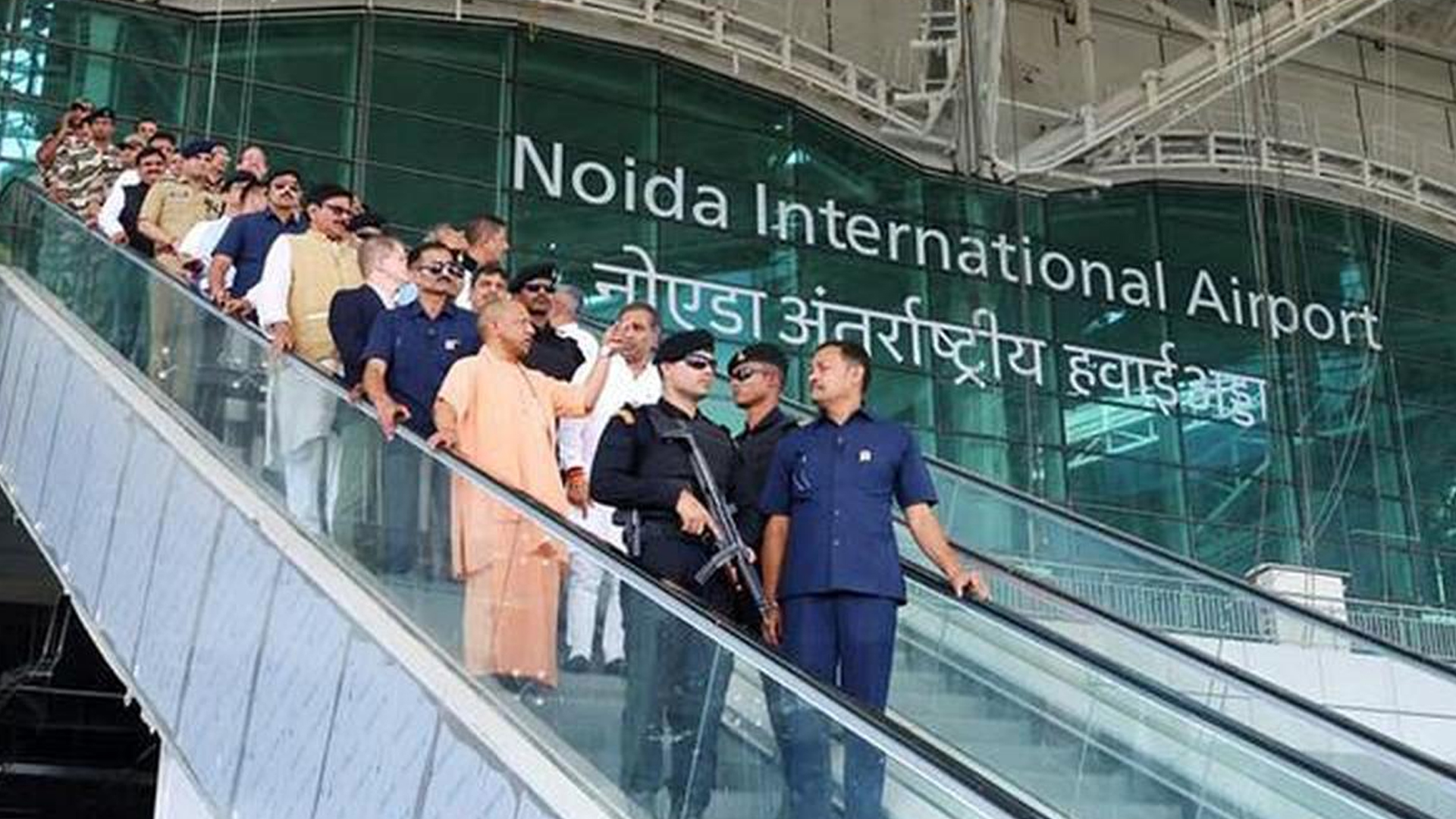
The upcoming Noida International Airport at Jewar has crossed an important milestone after receiving an aerodrome licence from India’s aviation regulator, the Directorate General of Civil Aviation (DGCA). This approval allows the airport to operate and brings it a step closer to starting commercial flight services.

The licence has been issued to Yamuna International Airport Private Limited, the company responsible for building and running the airport. With this clearance, the airport has met the safety, infrastructure and operational standards required to handle passenger and cargo flights.

Officials said the approval came after a detailed inspection by aviation authorities to ensure that all systems at the airport meet national safety guidelines. The airport had earlier received security clearance from the Bureau of Civil Aviation Security (BCAS), which was another important requirement before beginning operations.

With the DGCA licence now in place, the airport is preparing to launch flights in the near future. Reports suggest that domestic passenger and cargo flights could start within the next few weeks, while international services may begin later after additional arrangements are completed.

In its first phase, the airport is expected to handle around 12 million passengers every year. Over time, the project will expand in multiple phases with additional runways and larger terminals, allowing it to serve many more travellers.

Noida International Airport, widely known as Jewar Airport, is one of India’s largest upcoming airport projects. Located in Uttar Pradesh’s Gautam Budh Nagar district, the airport is expected to improve air connectivity in the National Capital Region (NCR). It will also help reduce the heavy passenger load currently handled by Delhi’s Indira Gandhi International Airport.

Also Read: Karnataka, Andhra plan social media ban for kids


Nitish Kumar’s son Nishant to join JD(U)

Bihar CM’s son set to begin political journey on March 8

Nishant Kumar, the son of Nitish Kumar, is set to enter active politics by joining the Janata Dal (United) (JD(U)) on March 8. The move will mark his first formal step into public life after staying away from politics for many years.

The announcement was made after discussions among senior party leaders in Patna. Leaders of the party reportedly welcomed the decision and said many workers had been encouraging Nishant to take up a role in the party.

Nishant has mostly kept a low profile and has rarely appeared in political events. However, his entry into the JD(U) is being seen as an important moment for the party, especially at a time when it is preparing for future political challenges in the state.

There has also been speculation about the role Nishant may play after joining the party. Some reports suggest he could be given an important responsibility in the government or the party organisation in the future. There have even been discussions about the possibility of him becoming Deputy Chief Minister, although no official decision has been announced yet.

Nishant’s entry into politics comes at a time when Nitish Kumar is planning to take on a bigger role at the national level. The Bihar Chief Minister is expected to move to the Rajya Sabha, which has led to speculation about possible changes in the state’s political leadership.

However, Nitish Kumar has reassured party leaders that he will continue to guide the party and remain involved in its activities even if he takes up responsibilities at the national level. He reportedly told party members not to worry and promised that he would continue to support the party.

Many JD(U) workers believe Nishant’s entry could bring new energy to the party and help strengthen its organisation. At the same time, some critics have raised concerns about the growing trend of political families passing leadership roles to the next generation.

Also Read: Mamata Banerjee protests voter roll deletions


Mamata Banerjee protests voter roll deletions

Bengal Chief Minister stages dharna in Kolkata ahead of state elections

Mamata Banerjee, Chief Minister of West Bengal, started a sit-in protest in Kolkata against the alleged deletion of voters’ names from the electoral rolls. The protest comes ahead of the upcoming state assembly elections and has sparked fresh political debate in the state.

Banerjee staged the dharna along with leaders and supporters of her party, the All India Trinamool Congress (TMC). She accused the Election Commission of India of removing genuine voters from the list. According to her, many eligible voters have reportedly found their names missing from the electoral rolls during the recent revision process.

Speaking at the protest site, Banerjee said the deletion of voter names could affect people’s democratic rights. She alleged that the move might benefit the Bharatiya Janata Party (BJP) in the upcoming elections. The chief minister claimed that several people who are alive have even been marked as deceased in the voter list.

The voter list is currently being updated through a special revision process carried out by the Election Commission. Officials say such revisions are done to remove duplicate, incorrect or outdated entries from the electoral rolls. However, the large number of deleted names has led to concerns among political parties and voters.

Banerjee said her party would continue to oppose any action that prevents people from exercising their right to vote. She also urged citizens to check their names in the voter list and report any errors to the authorities.

Several TMC leaders and workers joined the protest, turning the dharna into a major political demonstration in the city. The party said it would raise the issue at different levels to ensure that eligible voters are not left out of the electoral rolls.

Also Read: Explosions hit Tehran airport after Israeli strikes

Explosions at Tehran airport post Israeli strikes

Blasts reported at major airport as tensions between Israel and Iran escalate

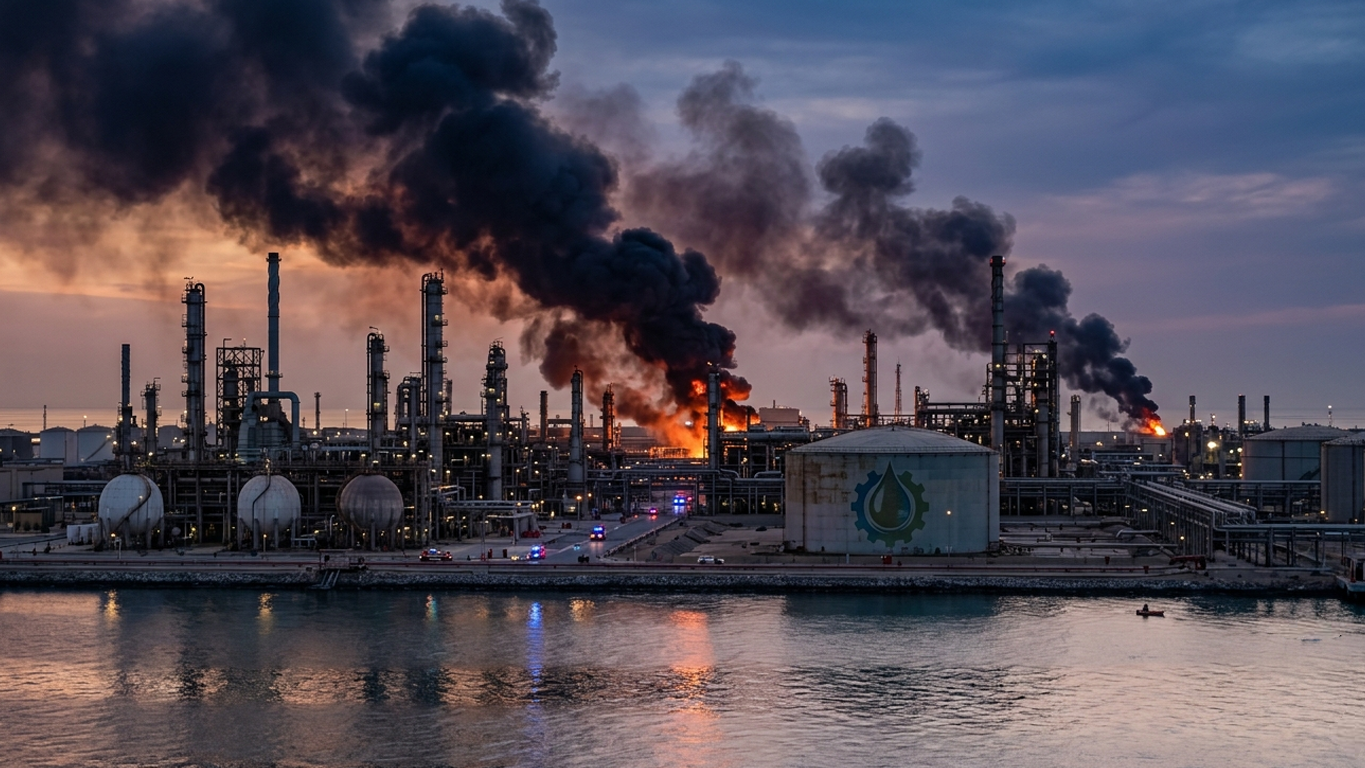
Powerful explosions were reported at a major airport in Tehran after Israeli airstrikes targeted infrastructure in the Iranian capital, according to media reports. The blasts were heard across several parts of the city, while thick smoke and flames were seen rising from the airport area.

The attack reportedly struck Mehrabad International Airport, one of the country’s main airports that handles domestic flights and military operations. Witnesses said several loud explosions occurred late at night, followed by fire and smoke near airport facilities.

Videos shared on social media showed burning aircraft and large plumes of smoke rising into the sky. Emergency teams were seen rushing to the scene as authorities tried to control the fire and assess the damage.

The strikes were reportedly part of a wider Israeli military operation targeting Iranian government and military infrastructure. Several locations in and around Tehran were said to have been hit during the wave of attacks.

The latest incident comes as tensions between Israel and Iran continue to escalate. In recent weeks, both countries have exchanged attacks involving missiles, drones and airstrikes, raising fears of a broader conflict in the Middle East.

Iranian authorities did not immediately release detailed information about casualties or the extent of damage at the airport. However, early reports suggest parts of the airport complex and nearby facilities were affected by the explosions.

The incident also raised concerns about air travel and security in the region. Flights were reportedly disrupted following the attack as security measures were tightened around the airport and other key locations.

Also Read: Domestic LPG up ₹60, commercial dearer by ₹115


US grants India 30-day Russian oil waiver

Temporary move ensures smooth fuel supply amid Middle East tensions

The United States has allowed India a 30-day waiver to continue importing Russian crude oil that was already on ships, providing short-term relief for Indian refiners as global energy markets face pressure from tensions in the Middle East. The waiver, effective until early April 2026, is designed to ensure that fuel supplies to India remain uninterrupted during a period of heightened uncertainty.

This temporary measure comes amid growing concerns over the Strait of Hormuz, a critical oil shipping route affected by the ongoing conflict in the region. By permitting Indian refiners to legally take delivery of Russian crude already in transit, the waiver helps prevent immediate disruptions in oil availability and keeps domestic fuel supplies stable.

US officials have clarified that the waiver is strictly short-term and applies only to cargoes already loaded. It does not represent a broad relaxation of sanctions on Russian oil. The move also underscores India’s strategic importance as a reliable partner in global energy supply chains.

Indian refiners have already begun securing millions of barrels of stranded Russian crude to ensure that production and distribution of fuels continue without interruption. Analysts say that while the waiver provides immediate logistical relief, it does not change India’s long-term energy strategy, which continues to include diversifying crude sources and increasing imports from other countries, including the United States.

The decision highlights the delicate balancing act India faces in maintaining energy security while navigating complex international relations. With nearly 40% of the country’s oil imports typically passing through the Hormuz region, even a short-term disruption could have significant consequences for domestic fuel availability.

The 30-day waiver offers India a narrow window to adjust its supply chain and manage energy needs amid global uncertainties. It ensures that the country can continue to meet its fuel requirements while exploring alternative sources and maintaining stability in its energy markets.

Also Read: Pakistani man claims Iran forced assassination plot

Netflix buys Ben Affleck’s AI startup

InterPositive joins to boost AI tools for filmmakers

Netflix has acquired InterPositive, an artificial intelligence startup for filmmakers founded by Hollywood actor and director Ben Affleck. The acquisition reflects the streaming giant’s growing focus on integrating AI technology into film and television production.

Founded in 2022, InterPositive develops AI-powered tools that help filmmakers address production challenges such as missing shots, background changes, and lighting issues, all while preserving cinematic quality and storytelling integrity. The technology is designed to support directors and editors, not replace them, providing practical solutions for both shooting and post-production.

As part of the deal, the entire InterPositive team will join Netflix. Ben Affleck will serve as a senior adviser, guiding how AI can be implemented in filmmaking without diminishing the role of human creativity. Financial terms of the acquisition have not been disclosed.

Affleck explained that InterPositive was born from his observation that existing AI tools often fell short of meeting filmmakers’ needs. The company’s systems are trained to understand cinematic logic, ensuring that technical fixes align with creative decisions.

Netflix emphasized that the acquisition underscores its commitment to empowering artists rather than automating them out of the creative process. By incorporating InterPositive’s technology into its production workflow, Netflix aims to expand creative possibilities, increase efficiency, and foster innovation in film and television projects.

The deal comes amid ongoing debates in Hollywood over AI’s role in the industry. Some filmmakers and actors have expressed concerns about AI potentially replacing human creators or misusing copyrighted content. Netflix stressed that its approach prioritizes human oversight while leveraging AI as a supportive tool.

Also Read: Iran crisis disrupts India’s basmati rice exports