rotating globe
7 Apr 2026


Middle East crisis escalates with Iran, US, Israel strikes

Missiles, airstrikes, and civilian casualties mount as conflict enters sixth day

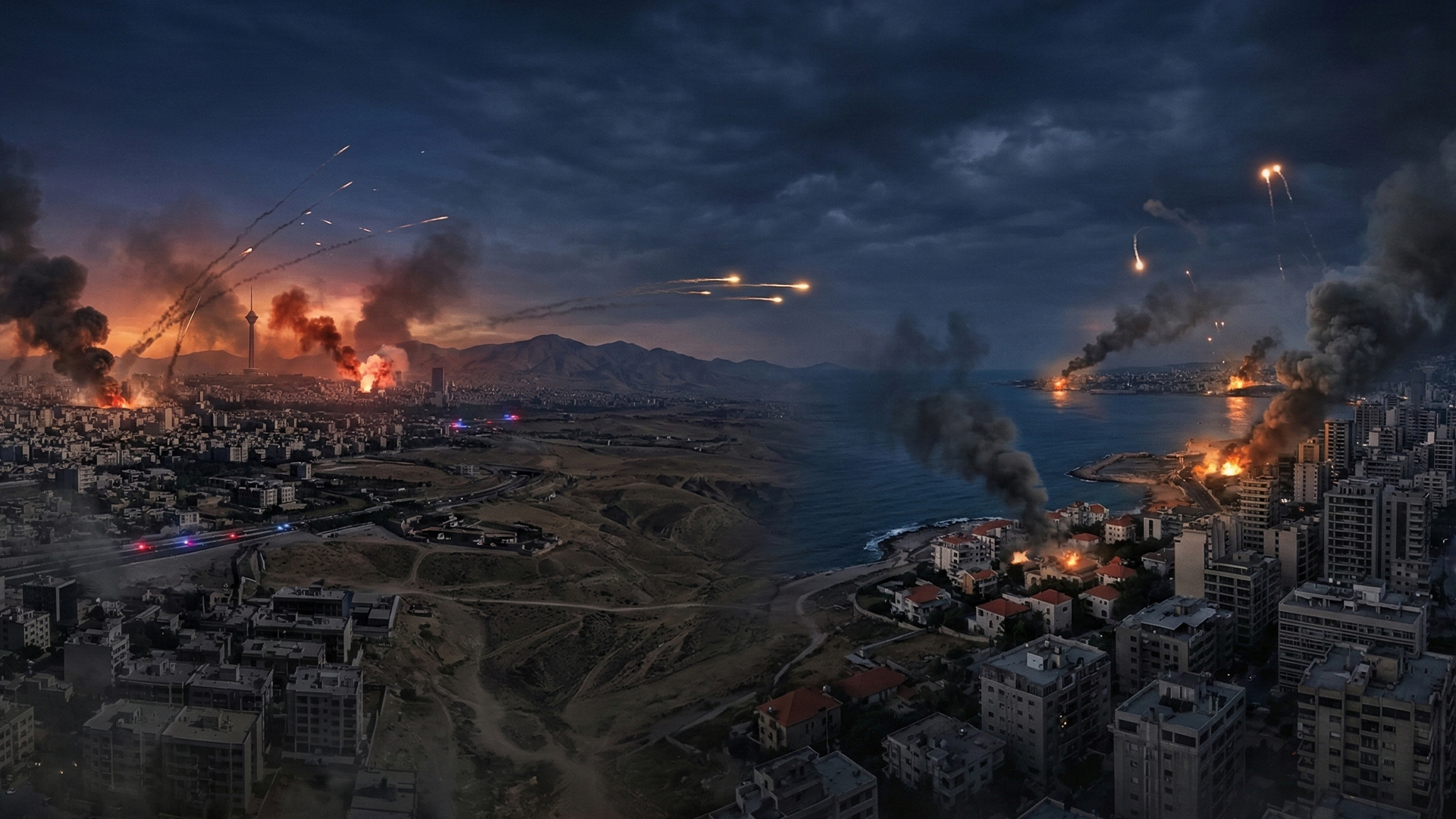
The conflict between Iran, Israel, and the United States intensified on Thursday, as missile strikes and air raids continued across the region, causing growing civilian casualties and raising global concern.

Iran fired multiple missiles targeting Israeli cities and US military bases in the Middle East. Israeli defense forces intercepted many of the missiles while responding with airstrikes on Iranian targets. The exchange highlights how quickly the fighting has escalated since it began earlier this week.

The war began with joint U.S. and Israeli strikes on Iranian military installations, following rising tensions over Iran’s nuclear and missile programs. Several senior Iranian military officials were reportedly killed in the initial attacks, prompting Tehran to vow continued retaliation.

Civilian casualties are mounting. Hundreds of people have been killed in Iran, including children, with thousands more injured. Many strikes have hit residential neighborhoods and vital infrastructure, causing widespread fear and displacement.

The violence is not limited to Iran and Israel. In Lebanon, rocket fire from Hezbollah and Israeli air raids have killed and displaced civilians. Neighboring countries have taken precautionary measures, including suspending flights over unsafe airspace.

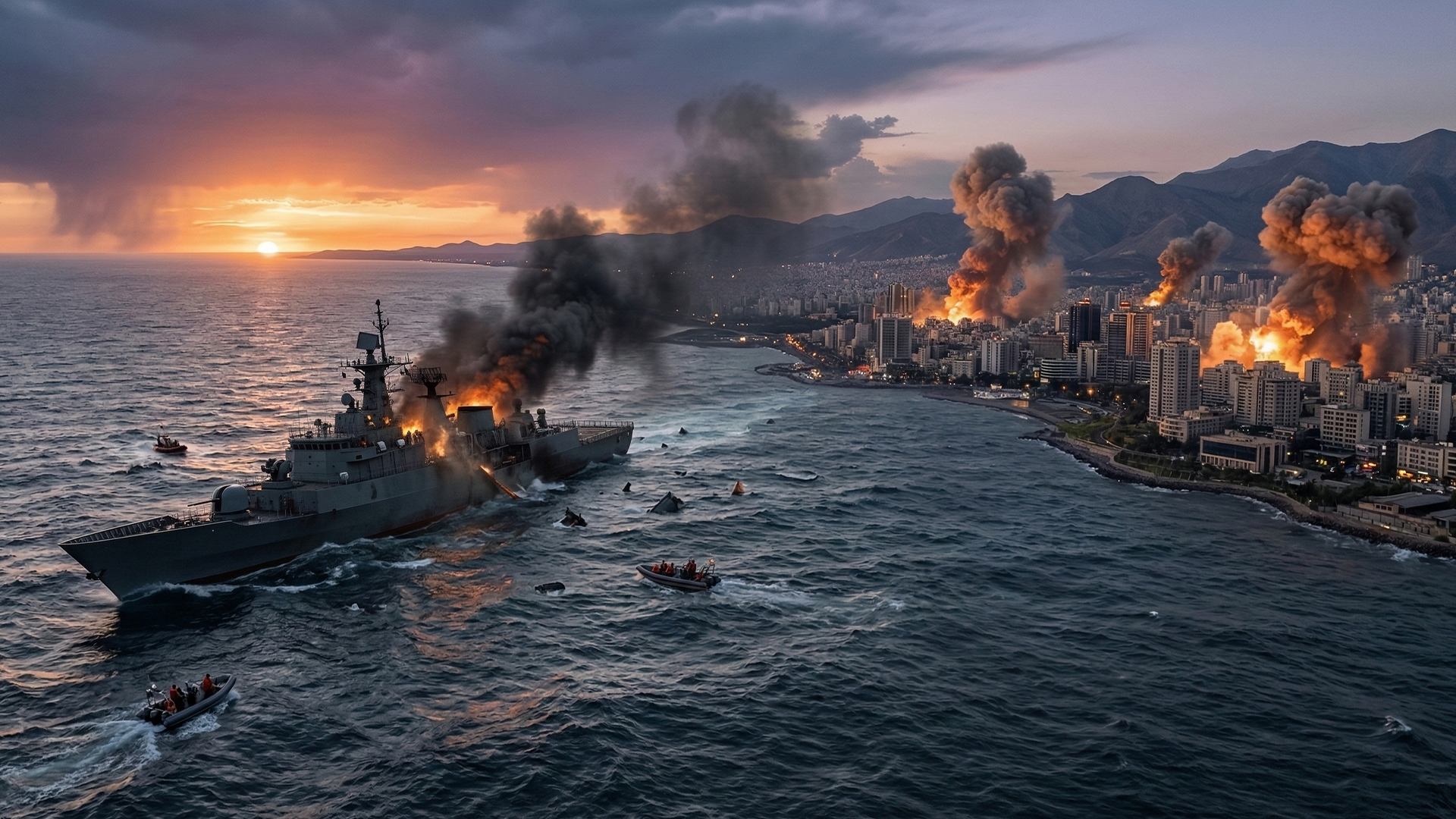
The conflict has also reached the seas. US forces reportedly sank an Iranian warship near Sri Lanka, while other missiles were intercepted over the eastern Mediterranean, highlighting the global reach of the fighting.

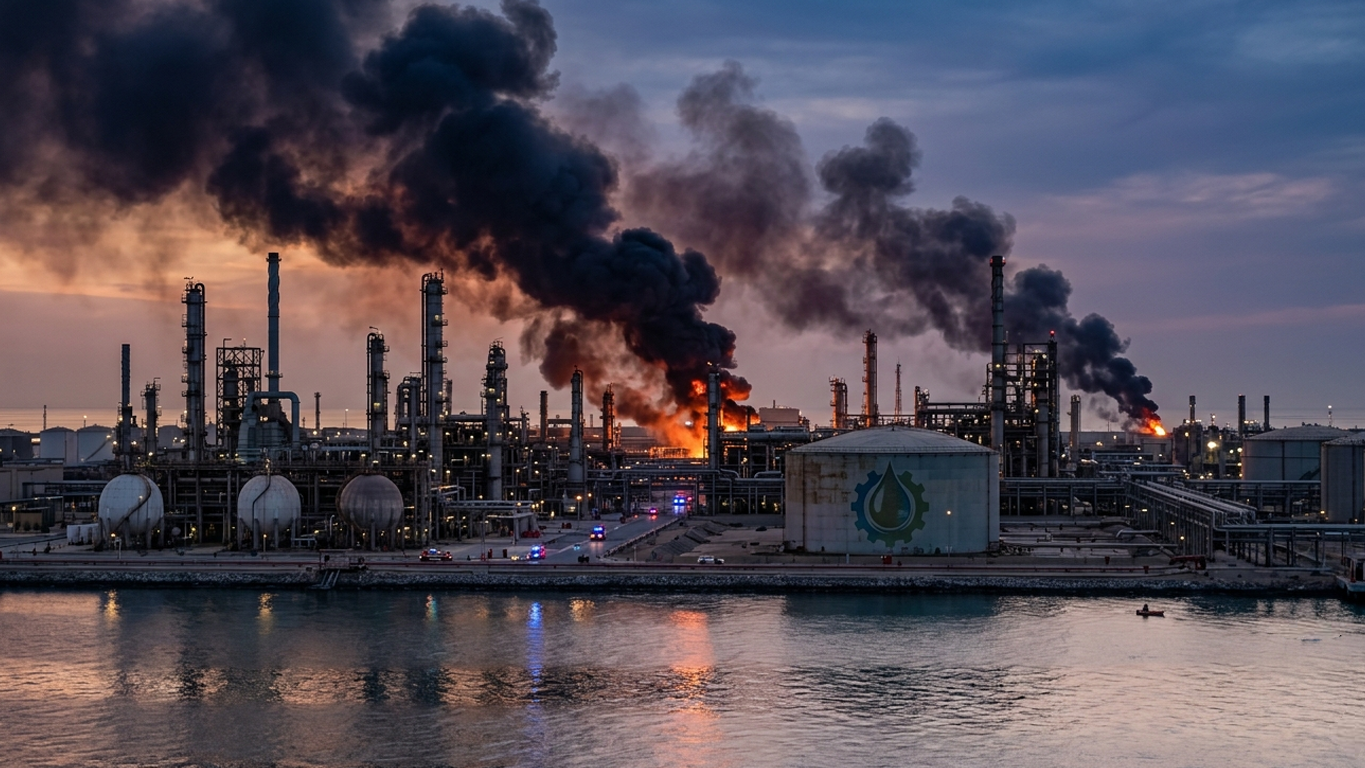
Despite international calls for restraint, the conflict shows no signs of slowing down. Markets and oil prices remain volatile, reflecting growing concern over the regional instability.
Also Read: India denies US used its Ports for Iran attacks

10% voter turnout in early phase of Nepal polls

Polls held as Nepal reflects on 2005 royal coup and ongoing political tensions

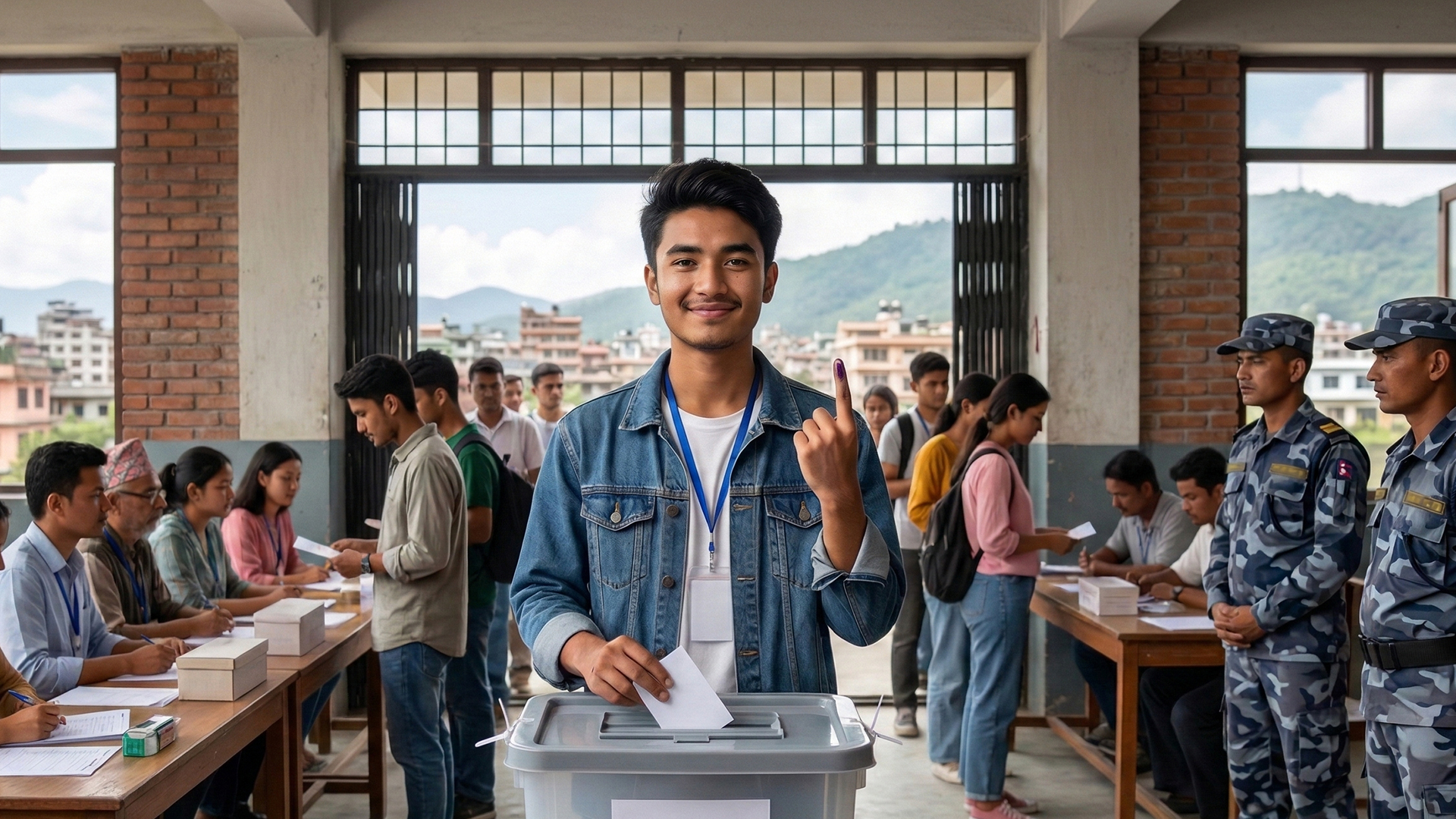
Nepal recorded about 10% voter turnout in the early hours of polling as voting began in parts of the country, officials said. Authorities expect the turnout to rise steadily as more voters reach polling stations through the day.

The elections are taking place under tight security arrangements, with thousands of security personnel deployed to ensure peaceful voting. Election officials have urged citizens to participate actively in the democratic process.

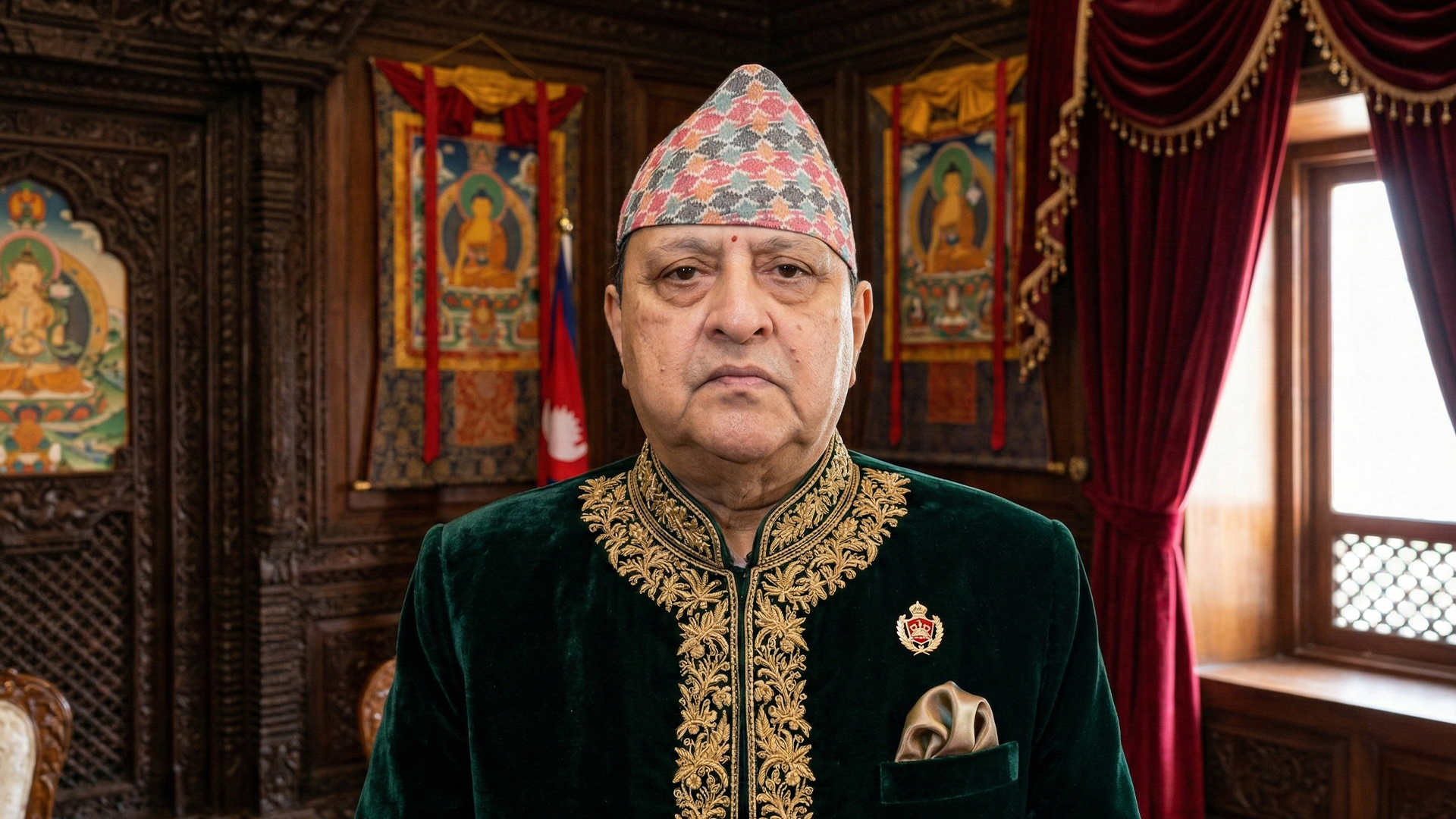
Nepal’s current political landscape has been shaped by years of political change and instability. One of the most significant events in recent history was the power grab by former king Gyanendra Shah in 2005.

On February 1, 2005, the monarch dismissed the elected government led by Sher Bahadur Deuba, declared a state of emergency and took direct control of the government. Several political leaders were arrested or placed under house arrest, while media freedom and civil liberties were restricted.

The move triggered massive protests across Nepal. Political parties, civil society groups and citizens staged demonstrations demanding the restoration of democracy. Under intense pressure, the king restored parliament in 2006.

The political developments that followed led to the abolition of the monarchy in 2008, turning Nepal into a federal democratic republic.

Despite the shift to democracy, Nepal has continued to face political instability, with frequent changes in government and disagreements among major political parties. Economic concerns and governance issues have also added to public frustration.

In recent years, youth-led protests have gained attention, with many young voters calling for political reforms, transparency and better job opportunities.

The current elections are therefore being closely watched as an important step in Nepal’s democratic journey. Millions of eligible voters are expected to cast their ballots to elect representatives to the national parliament.

Also Read: Nitish Kumar confirms Rajya Sabha bid

7 judges made permanent in Kerala HC

Centre approves appointments following recommendation by Supreme Court collegium

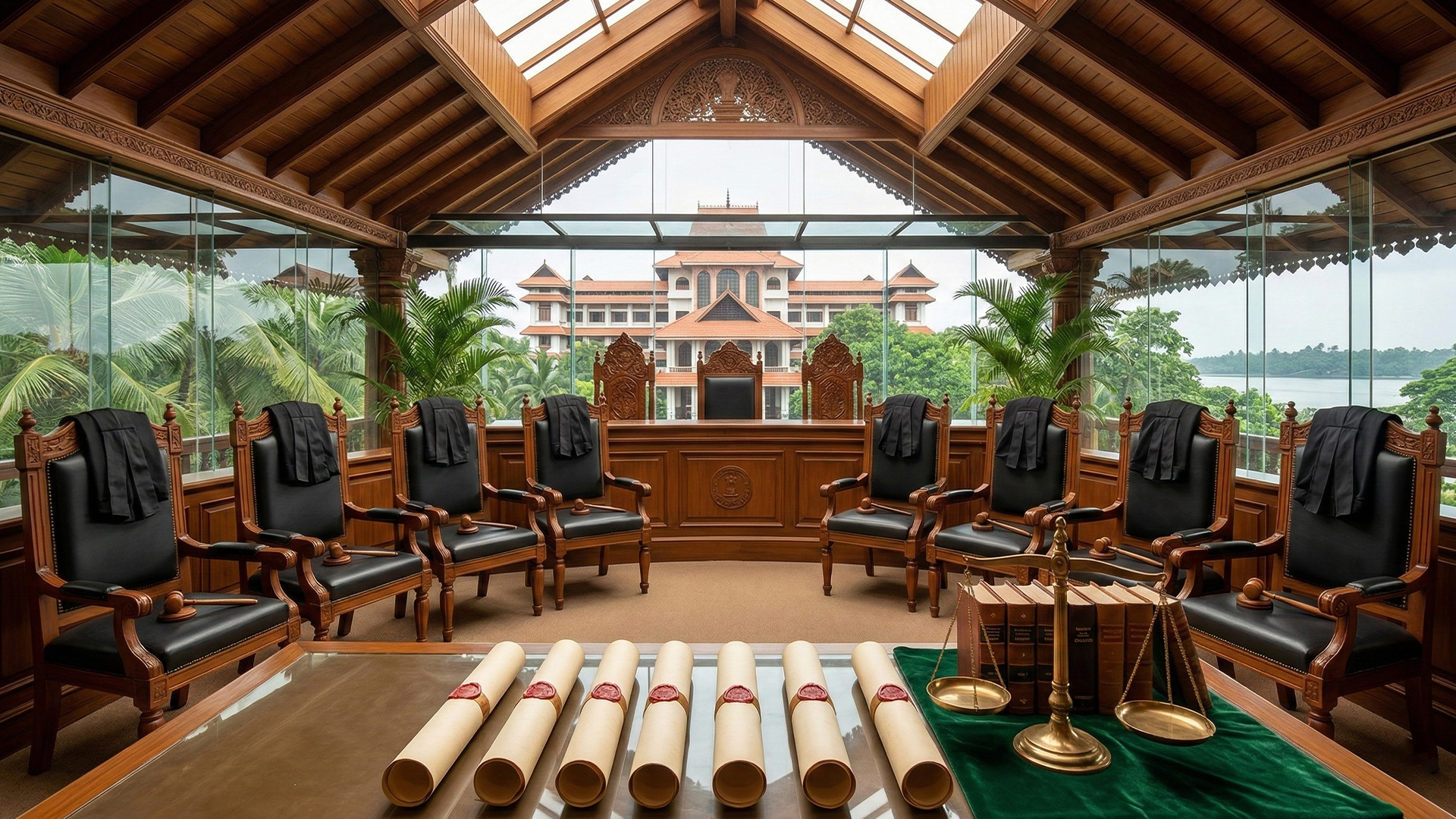
The Central government has appointed seven additional judges of the Kerala High Court as permanent judges. The decision was notified after the recommendation of the Supreme Court Collegium, which had cleared their names earlier.

The judges who have now been made permanent are Justice M.A. Abdul Hakhim, Justice Syam Kumar V.M., Justice Harisankar V. Menon, Justice Manu Sreedharan Nair, Justice Easwaran S., Justice Manoj P.M. and Justice M.B. Snehalatha.

All seven judges were earlier working as additional judges of the High Court. With the new notification from the Centre, they will now serve as permanent judges of the court until they reach the retirement age for High Court judges.

Officials said the appointments were made after the collegium reviewed their performance and recommended their elevation. The collegium system is used in India to appoint judges to higher courts. It is led by the Chief Justice of India along with senior Supreme Court judges, who evaluate and recommend names for judicial appointments.

The Kerala High Court is the highest court in the state and also handles cases from the Union Territory of Lakshadweep. It deals with a large number of cases every year, including civil, criminal and constitutional matters.

Legal experts say confirming additional judges as permanent judges helps improve the court’s functioning. It strengthens the judiciary and ensures that courts have enough judges to deal with pending cases.

The move is expected to support faster handling of cases and reduce the workload on the court. High Courts across India often appoint additional judges when there is a heavy caseload, and these judges are later made permanent after evaluation.

Also Read: Congress announces 6 Rajya Sabha candidates

India denies US used its Ports for Iran attacks

Government calls viral claim “baseless and fabricated” amid rising tensions between the US, Israel and Iran

India has denied claims that the United States used Indian ports to launch military attacks on Iran, calling the reports false and misleading.

The clarification came after a statement by Douglas Macgregor, a former US Army colonel, circulated widely on social media. In the video, he suggested that the US Navy was using Indian ports after some of its bases were damaged during the ongoing conflict with Iran.

Reacting to the claim, the Ministry of External Affairs said the report was completely incorrect. Officials described the allegation as “baseless and fabricated” and urged people not to believe or spread such misinformation.

Government sources made it clear that India has not allowed its ports or facilities to be used by the US military for strikes against Iran. They said the viral claim had no factual basis.

The statement comes at a time when tensions in West Asia have increased due to the conflict involving the United States, Israel and Iran. The situation has raised concerns globally about the possibility of a wider regional conflict.

Indian officials said misinformation about the issue could create confusion about the country’s position. They stressed that India is closely watching the developments in the region while maintaining a balanced diplomatic approach.

Authorities have also been monitoring the situation to ensure the safety of Indian citizens living or working in West Asian countries. The government has set up support systems to help Indians in the region if needed.

India has long maintained diplomatic relations with both the United States and Iran, making it important for the country to remain cautious during periods of geopolitical tension.

Also Read: 10% voter turnout in early phase of Nepal polls


‘Devdas’ actor Vijay Crishna dies at 81

Actor known for playing Shah Rukh Khan’s father in Devdas remembered for his long career in theatre and films

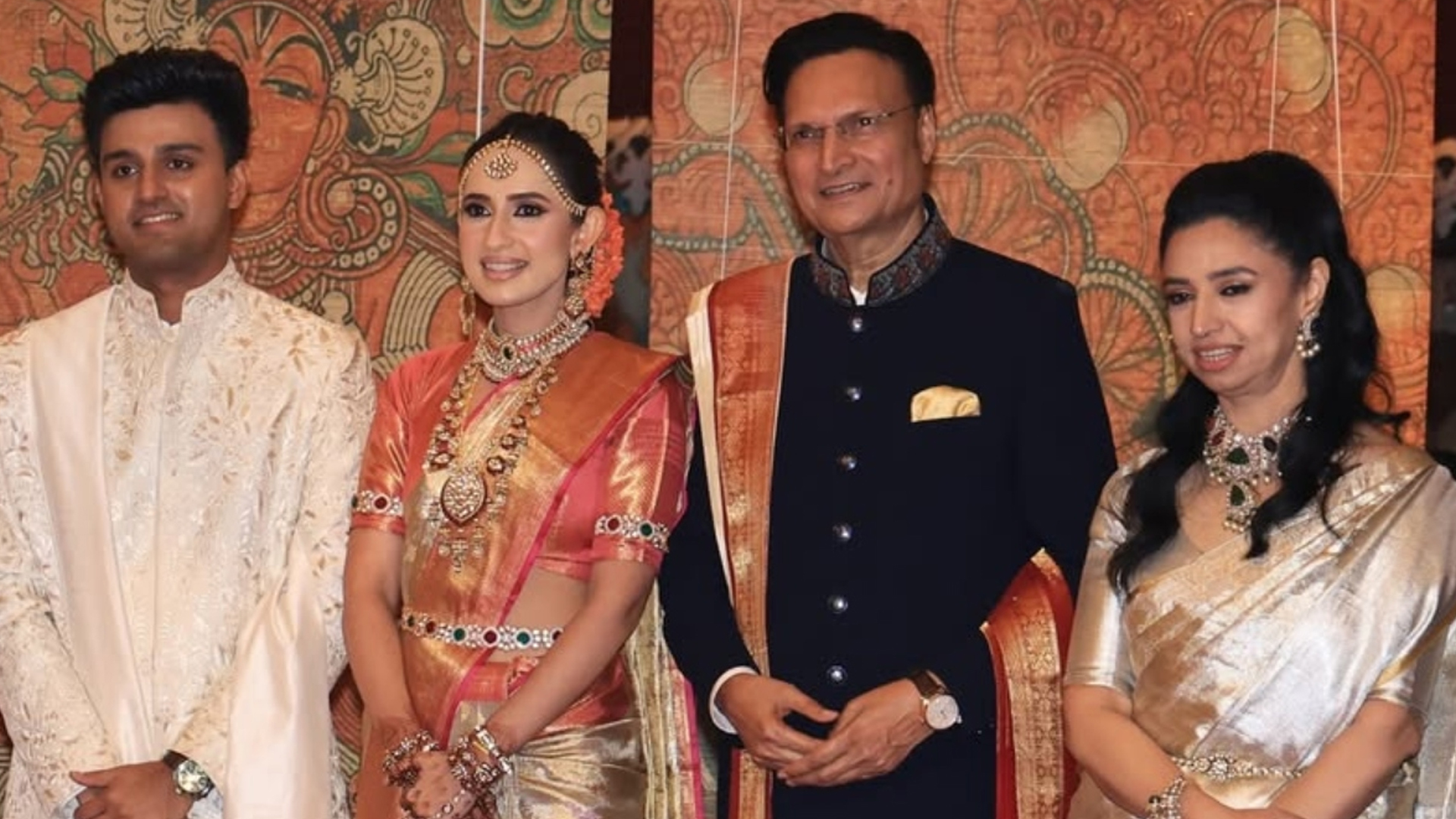
Veteran theatre and film actor Vijay Crishna passed away at the age of 81. His death has saddened members of the film and theatre community, who remembered him as a talented performer and a respected figure in Indian theatre.

Crishna was widely recognised for playing the father of Shah Rukh Khan in the 2002 Bollywood film Devdas, directed by Sanjay Leela Bhansali. The film, which also featured Aishwarya Rai Bachchan and Madhuri Dixit, remains one of the most popular movies of that time.

However, Crishna was best known in the world of theatre. He spent many years performing on stage and earned respect for his powerful performances. One of his most notable works was the stage play Dance Like a Man, in which he performed for more than two decades. His work in theatre made him a familiar and admired face among stage actors and audiences.

Apart from Devdas, Crishna also appeared in several other films, including Guzaarish and the internationally acclaimed film Gandhi. Though his film roles were limited, he was known for portraying thoughtful and dignified characters.

Actor Lillete Dubey shared the news of his passing and paid tribute to him. She described him as a wonderful actor and remembered the many years he spent contributing to theatre.

Friends and colleagues from the film and theatre industries also expressed their condolences. Many said Crishna’s dedication to acting and his calm presence on stage made him a respected figure in the performing arts.

Besides acting, Crishna also worked in the corporate sector and was associated with the Godrej Group for several years. Despite his business career, he remained deeply connected to theatre and continued acting on stage for a long time.

Crishna is survived by his wife, Smita Crishna‑Godrej, and their daughters.

Also Read: 7 judges made permanent in Kerala HC

Nitish Kumar confirms Rajya Sabha bid

Move may end his tenure as Bihar CM, triggers speculation over next chief minister

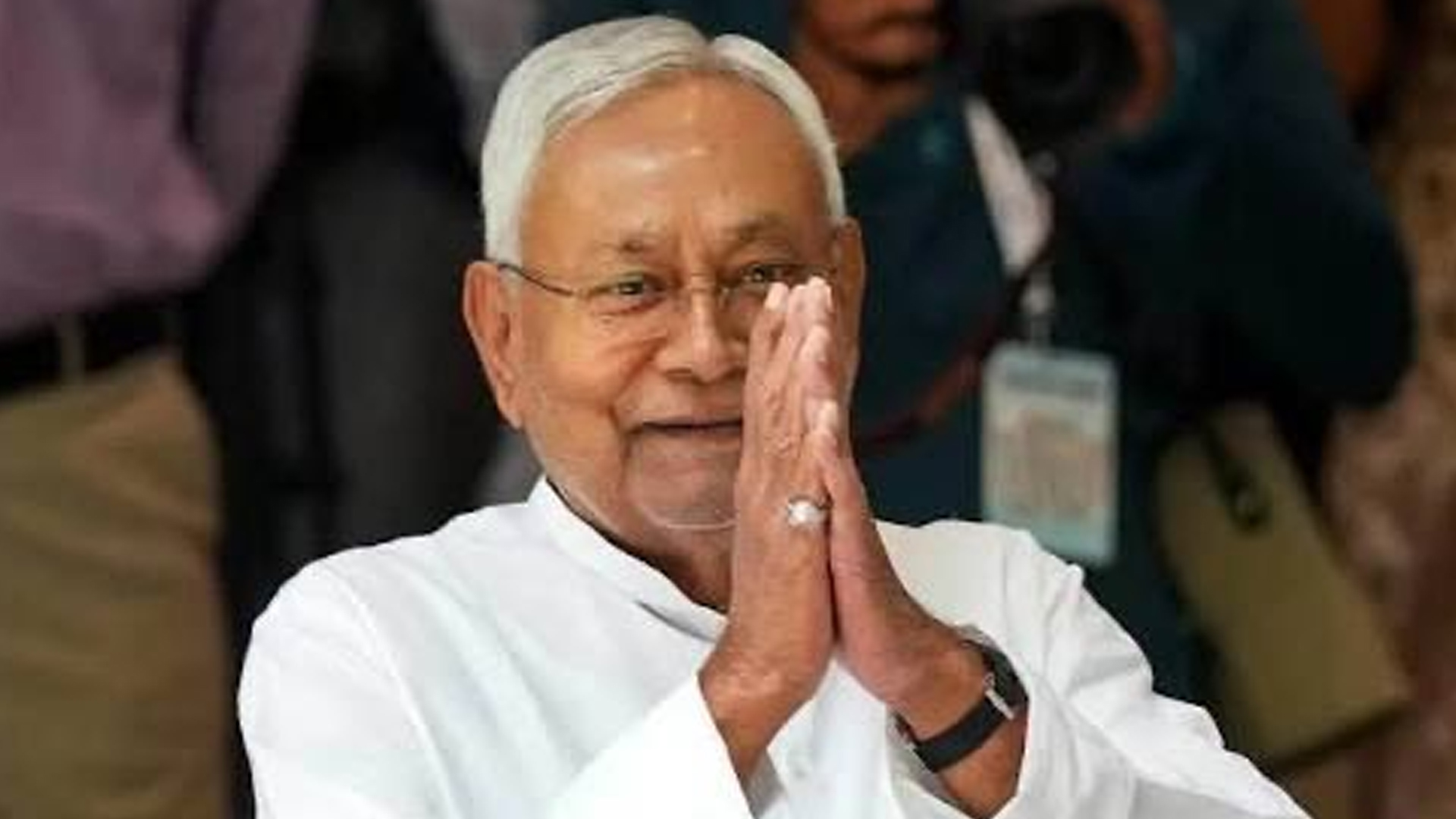
Bihar Chief Minister Nitish Kumar has said that he wishes to enter the Rajya Sabha, the Upper House of Parliament, stating that the idea has been in his mind for a long time.

In a message to the people of Bihar, Kumar said he has always had a desire to serve in the Rajya Sabha. He added that he felt it was the right time to take that step and contribute at the national level.

Kumar, who has been a key political figure in Bihar for decades, said he is grateful to the people of the state for repeatedly supporting him in elections. He said their trust and support have allowed him to work for Bihar’s development over the years.

The announcement comes ahead of his expected nomination for a Rajya Sabha seat. His move has also triggered political discussions about who might become the next chief minister of Bihar if he shifts to Parliament.

Kumar currently leads the Janata Dal (United) and heads the government in alliance with the Bharatiya Janata Party in the state. The ruling alliance holds enough strength in the state assembly to secure a Rajya Sabha seat.

Speculation has already begun about possible successors within the alliance, though no official announcement has been made so far.

Kumar has served multiple terms as Bihar’s chief minister and is one of the state’s longest-serving leaders. Over the years, he has also been a Union minister and a member of Parliament.

His plan to move to the Rajya Sabha is being seen as a new phase in his political career. Supporters say his experience could be useful in national policymaking, while opponents argue the move may reshape the political balance in Bihar.

More clarity is awaited once the nomination process for the Rajya Sabha seat begins and the ruling alliance decides on the next leadership in the state.

Also Read: Nepal votes as monarchy debate returns

Nepal votes as monarchy debate returns

Gen Z demand for reform shapes polls under PM Rabi Lamichhane. Former King Gyanendra’s legacy still sparks debate

Nepal is heading to general elections amid growing political energy from younger voters and renewed debate over the monarchy, nearly two decades after it was abolished. Prime Minister Rabi Lamichhane leads the government, navigating a political landscape shaped by youth demands for jobs, governance reforms, and economic opportunities.

The monarchy, under former King Gyanendra Bir Bikram Shah, was abolished in 2008 after a long civil conflict. While most young voters prioritize reform and economic progress, discussions about the king’s legacy continue, particularly among older generations who remember his reign. Analysts note that nostalgia for the monarchy remains limited but symbolically significant in some regions.

Gen Z voters, born after the monarchy ended, are increasingly influential, pressing for transparency, accountability, and modern solutions. Youth-led protests and activism over the past years have brought issues like corruption, employment, and public service efficiency to the forefront, forcing traditional parties to adapt.

Established parties like the Nepali Congress and the Communist Party of Nepal (UML) are reshaping campaigns to appeal to younger voters, while newer parties gain attention by focusing directly on youth concerns such as climate change, digital opportunities, education, and job creation.

Social media and online engagement have become central to campaigning, reflecting how the younger electorate consumes information and interacts with political leaders. With high anticipated turnout among youth, this election could redefine Nepal’s political trajectory, balancing historical debates with aspirations for a modern, accountable democracy.

The results will indicate how effectively Nepal can accommodate the voices of a new generation while reckoning with the lingering legacy of Gyanendra Bir Bikram Shah and the monarchy’s historical role.

Also Read: Iranian ship sinks near Sri Lanka, 101 missing

Iranian ship sinks near Sri Lanka, 101 missing

Rescue teams race to save sailors after suspected submarine attack on IRIS Dena

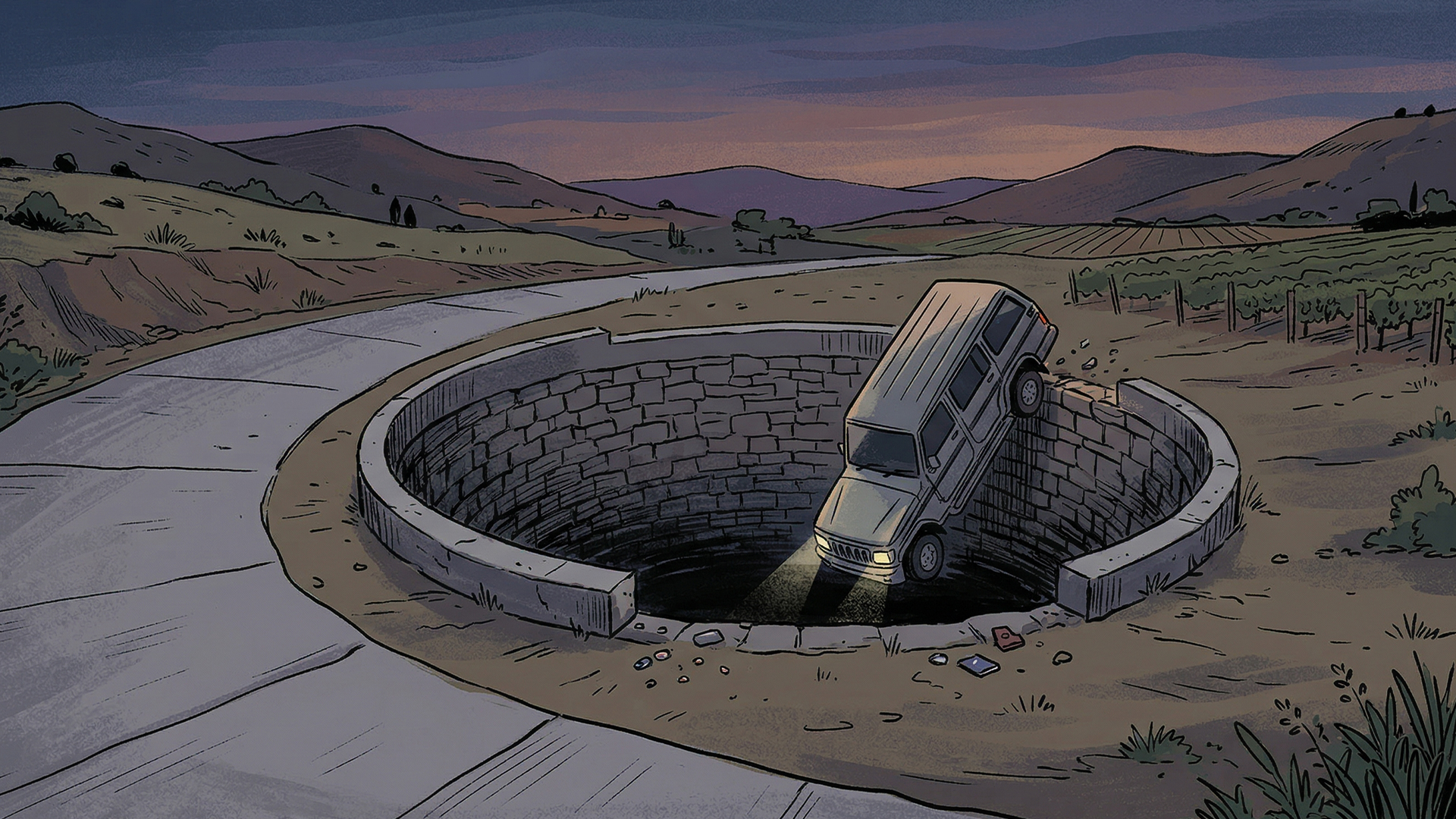
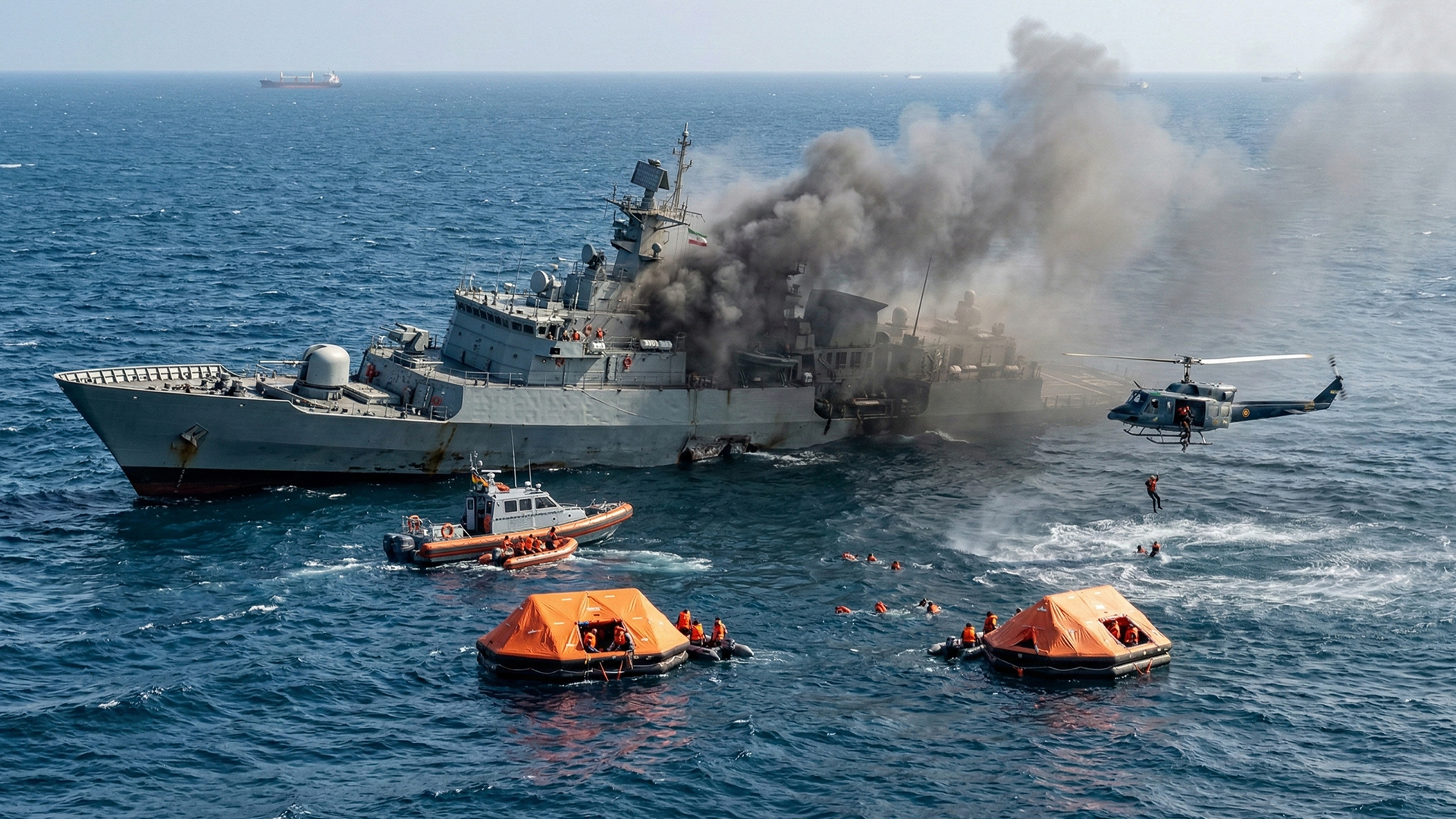
A tense rescue operation is underway off the southern coast of Sri Lanka after an Iranian Navy frigate, IRIS Dena, sank following what authorities say was a submarine attack. Early reports indicate at least 101 crew members are missing and 78 injured, many seriously.

The distress call from the vessel sparked a swift response from the Sri Lankan Navy and Air Force, which deployed ships and aircraft to search the waters near Galle. So far, around 30 sailors have been rescued and rushed to local hospitals. Medical teams are treating a mix of minor and critical injuries.

The attack has left families of crew members anxiously awaiting news. Officials are working around the clock to locate the missing sailors while providing updates to Iranian authorities and relatives. The cause of the sinking and details about the submarine involved remain unclear, and investigations are ongoing.

The IRIS Dena, carrying roughly 180 personnel, was patrolling international waters when the incident occurred. The sudden tragedy highlights the dangers faced by naval forces operating amid rising tensions in the Middle East and Indian Ocean region.

Sri Lankan officials emphasized that the search and rescue mission is their top priority. “We are coordinating closely with Iran to locate the missing sailors and provide medical support to the injured,” said Foreign Minister Vijitha Herath.

The international maritime community is closely watching the developments. Shipping lanes in the region are vital for global trade, and any escalation could have wider implications. Meanwhile, the focus remains firmly on saving lives and bringing the missing crew members to safety.

Also Read: 160 dead in Iran school strike