rotating globe
7 Apr 2026


Rupee breaches ₹92, marks record low

Rising oil prices and global uncertainty push Indian currency to ₹92.18 in early trade

Rupee touched a fresh record low of ₹92.18 against the US dollar on Wednesday, slipping 69 paise in early trade. The fall marks a significant breach of the ₹92 level, reflecting heightened pressure on the domestic currency.

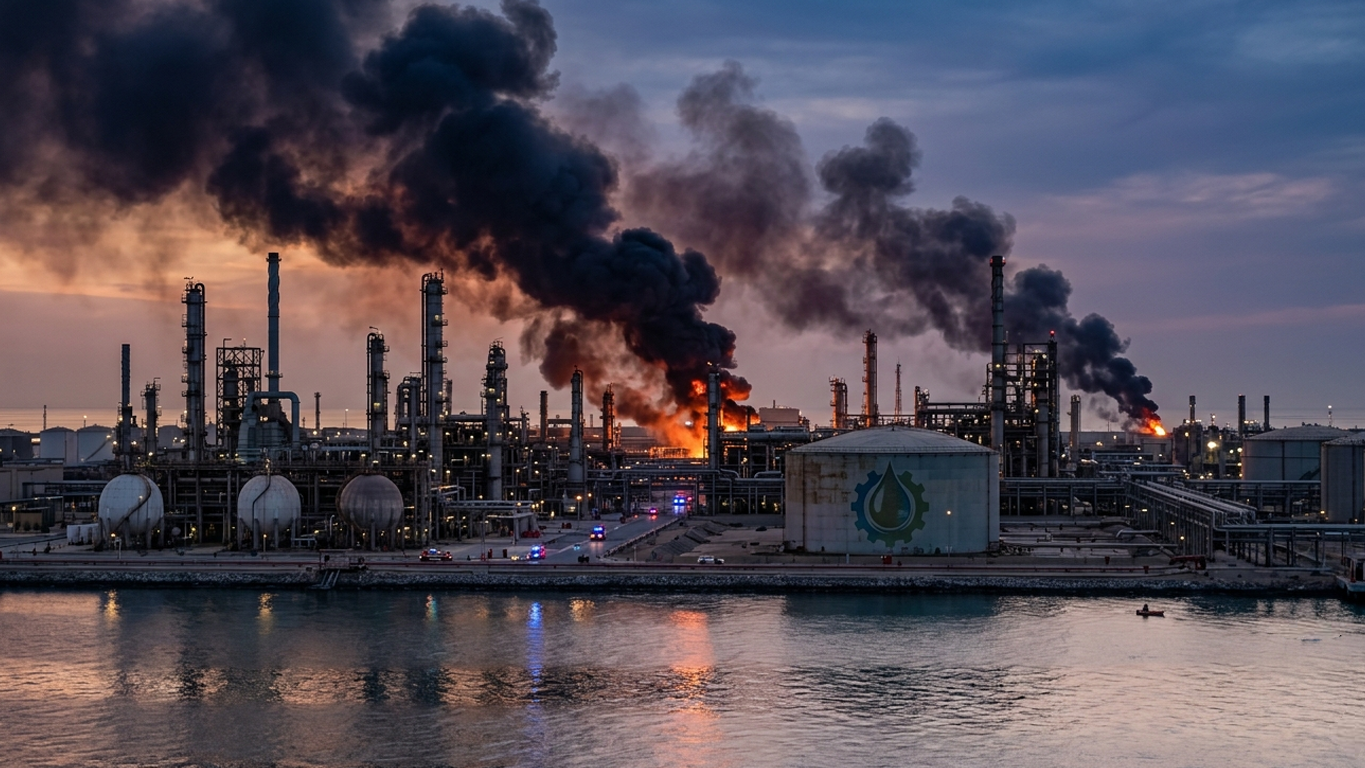
The decline was largely driven by a surge in global crude oil prices following escalating tensions in the Middle East. Brent crude moved above $82 per barrel, increasing concerns about India’s trade deficit and inflation outlook. Higher oil prices raise import costs, which in turn weaken the rupee.

At the same time, global investors shifted toward the US dollar as a safe-haven asset, strengthening the greenback. Foreign institutional investors also reduced exposure to Indian equities, leading to capital outflows and additional pressure on the currency.

A weaker rupee could make imports costlier and add to inflationary risks, especially in fuel and related sectors. Economists say the currency’s movement will depend on crude oil trends, global market sentiment, and possible intervention by the Reserve Bank of India.

If geopolitical tensions persist and oil prices remain high, the rupee may continue to face volatility in the coming sessions.

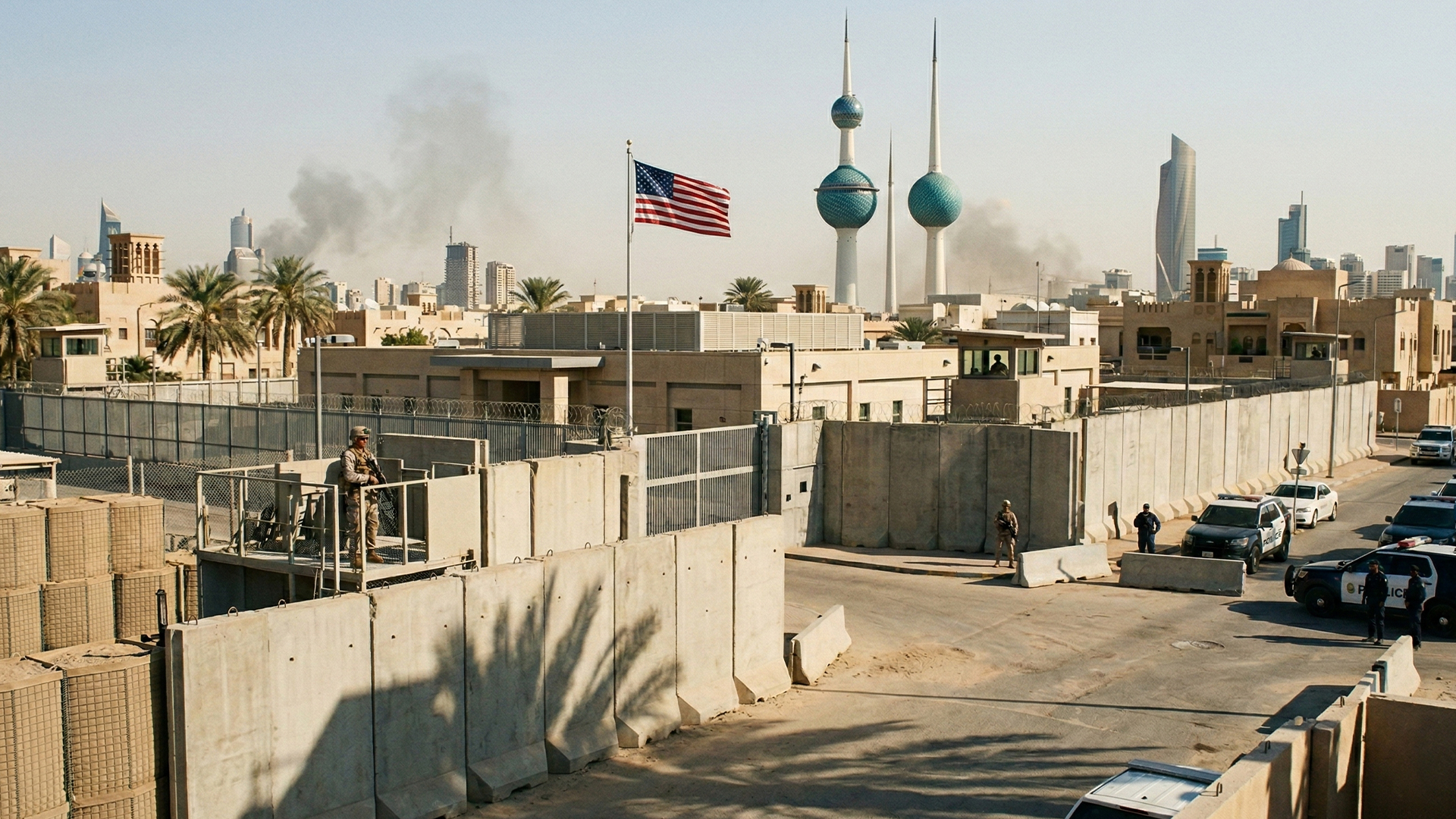
Also Read: Trump backs off ground troops after Riyadh US Embassy attack

Saba Shawl takes charge of Srinagar jail

First woman officer appointed superintendent of Central Jail

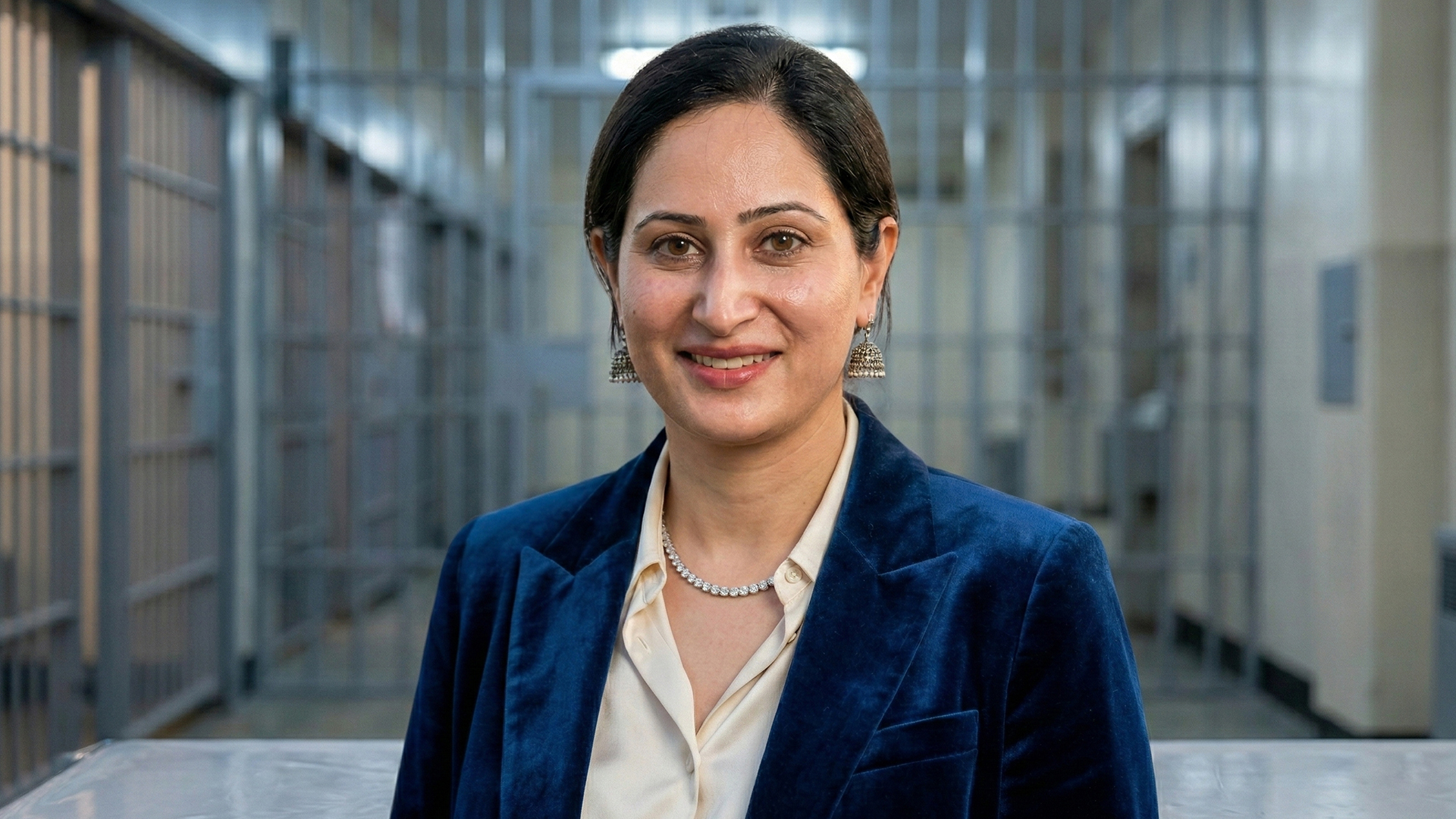
In a first for Jammu & Kashmir, Saba Shawl, a senior Indian Police Service (IPS) officer, has been appointed as the Superintendent of Srinagar Central Jail, marking a significant milestone in the region’s prison administration.

Saba Shawl, who belongs to the 1998 IPS batch, took charge of the prestigious jail in Srinagar, the summer capital of J&K. Her appointment is historic as she becomes the first woman to head the facility, which is one of the largest and most significant correctional institutions in the Union Territory. The move reflects ongoing efforts to strengthen professional and administrative standards in the region’s law enforcement and penal systems.

A native of Kashmir, Shawl has served in multiple leadership roles during her career. Before this posting, she held key assignments in the police department, including in areas focused on crime prevention, community policing and organisational management. Her experience in handling diverse responsibilities is expected to help her lead the complex operations of a central jail, including inmate welfare, security, rehabilitation, and coordination with judicial authorities.

Her appointment comes at a time when prison reforms and improved correctional practices have been gaining attention in India. Administrators have increasingly emphasised the need for professional oversight, better inmate engagement, and enhanced security protocols in prisons nationwide. Having a woman superintendent at the helm of a major correctional facility is seen as a step toward broader inclusion and modernisation.

Her role will involve overseeing day-to-day security, prisoner rights, staff training and implementation of policies aimed at improving living conditions within the jail. Colleagues and senior officials have welcomed the appointment, recognising it as a positive development for both gender representation and institutional reform.

As she assumes her new responsibilities, Saba Shawl’s appointment is being celebrated as an inspiring achievement for women officers and for the Jammu & Kashmir police cadre.

Also Read: Iran action came post PM Modi trip states Israel envoy

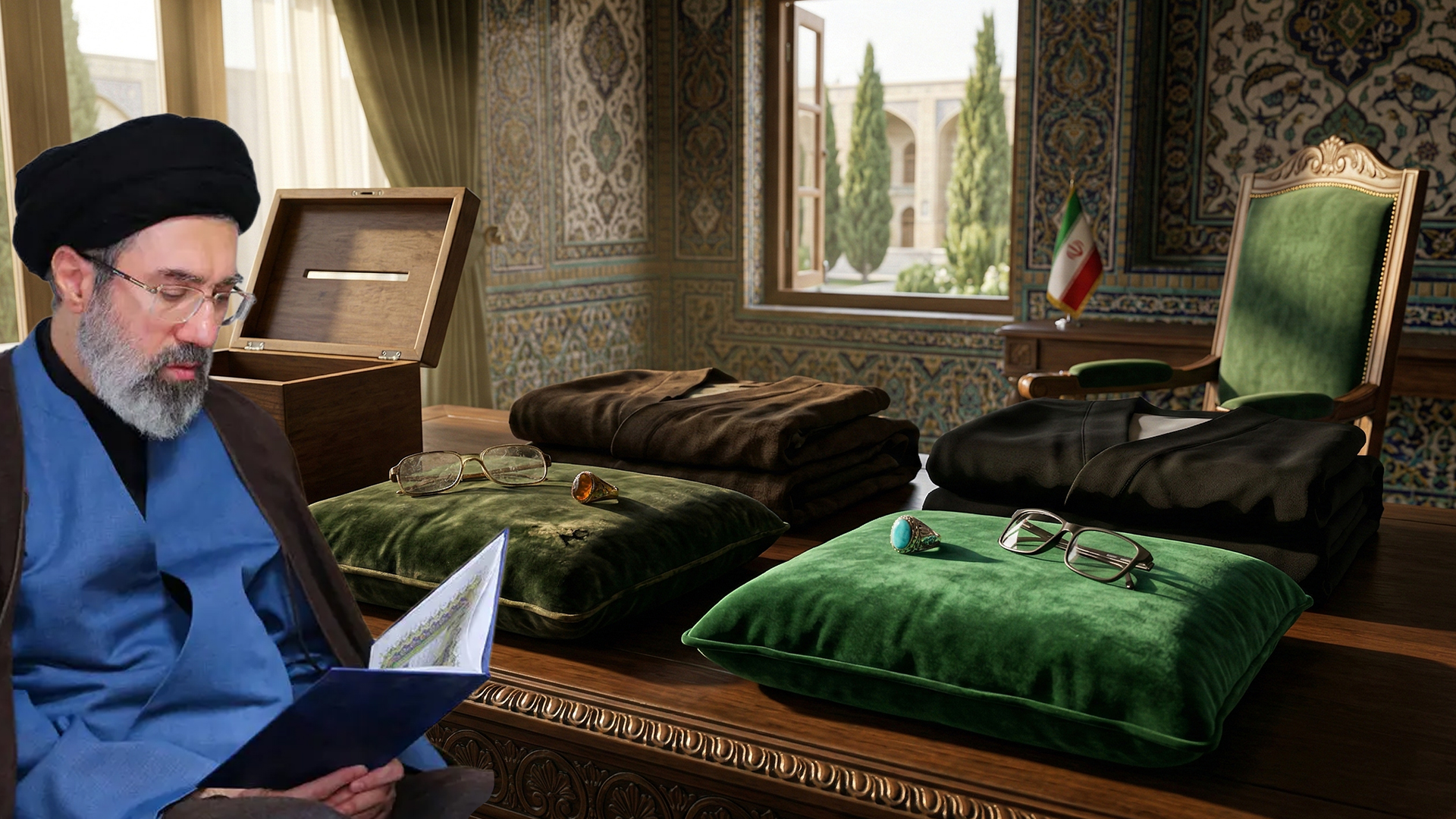
Iran’s assembly names Mojtaba Khamenei as Supreme Leader

Son of Ayatollah Ali Khamenei reportedly chosen to lead Iran after his father’s death

Iran’s powerful clerical body, the Assembly of Experts, has reportedly appointed Mojtaba Khamenei as the country’s new Supreme Leader following the death of his father, Ayatollah Ali Khamenei, according to multiple media reports.

Mojtaba Khamenei, 56, is said to have secured the backing of influential figures within Iran’s establishment, including the Islamic Revolutionary Guard Corps (IRGC). The support of the IRGC, a key military and political force in the country, is believed to have played a crucial role in his selection during a period of heightened regional tension.

The Assembly of Experts, an 88-member clerical body, is constitutionally responsible for appointing and overseeing the Supreme Leader. Its decision comes at a sensitive time for Iran, as the country faces external pressures and ongoing geopolitical uncertainty.

Unlike his father, Mojtaba has largely remained out of the public spotlight. He has not held major elected office but is widely believed to have been closely involved in Iran’s political affairs behind the scenes for years. Analysts say his proximity to power and long-standing ties within the security establishment strengthened his position as a leading contender.

If formally confirmed, his appointment would be a significant moment in Iran’s political history. Since the 1979 Islamic Revolution, the country has had only two Supreme Leaders. The reported selection of the late leader’s son has drawn attention because leadership in Iran has traditionally been based on religious authority rather than family succession.

There has been no detailed official announcement outlining the process or voting details so far.

Also Read: India holds almost 50 days of oil, fuel reserves

Iran action came post PM Modi trip states Israel envoy

Ambassador Reuven Azar says military action followed an intelligence window and was not linked to PM's visit

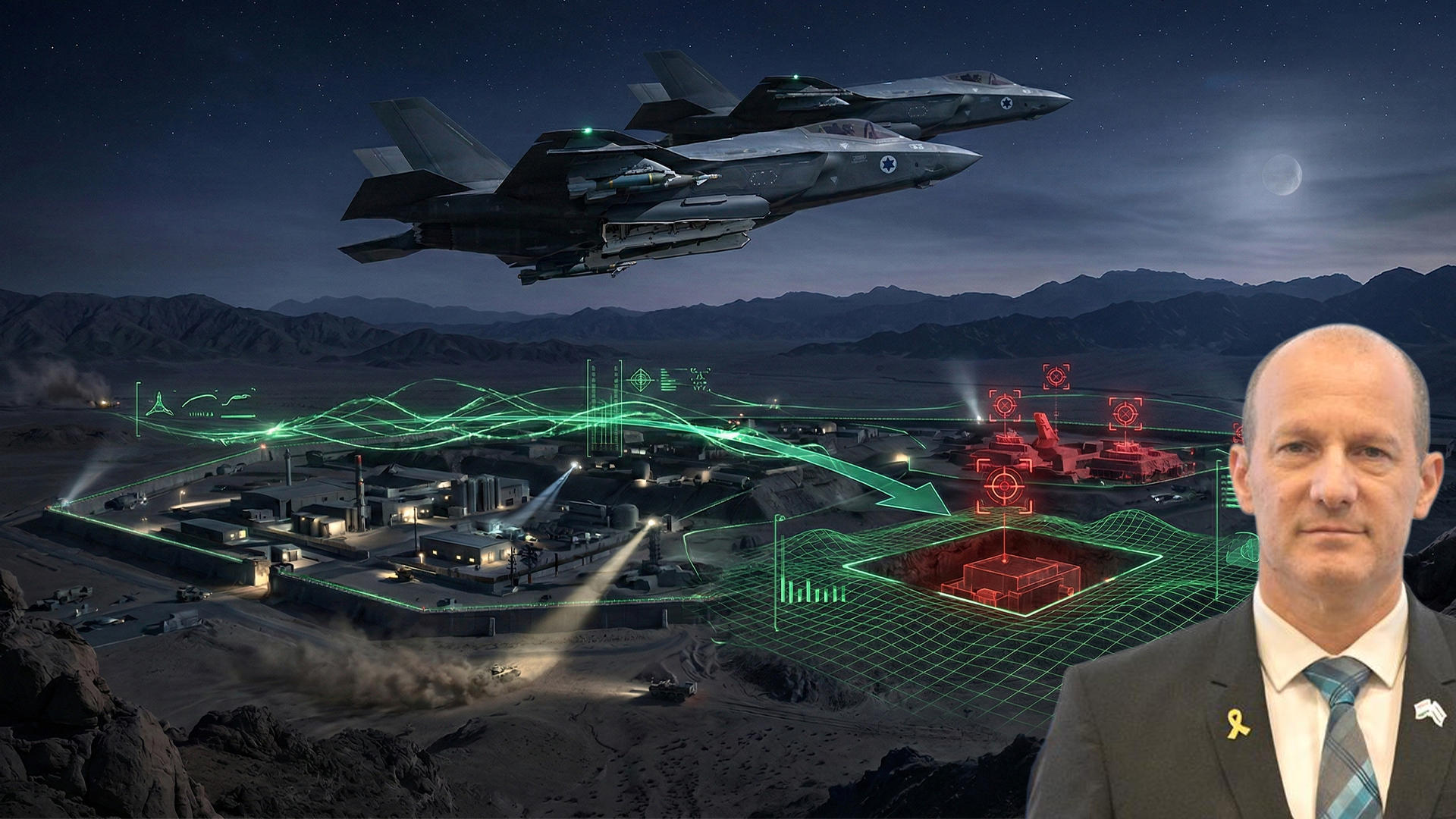
Israel’s Ambassador to India, Reuven Azar, has said that the recent strikes on Iran were approved and carried out only after Prime Minister Narendra Modi completed his visit to Israel, dismissing suggestions that the timing was connected to the trip.

In interviews to Indian media outlets, Azar said there was no prior indication during Modi’s two-day visit in late February that a military operation was imminent. He clarified that the decision to strike came later, when what he described as an “intelligence window” opened, providing an operational opportunity.

According to the envoy, Israel’s security cabinet gave the green light for the operation after the Prime Minister had left. The strikes were part of coordinated action with the United States and were based on real-time intelligence inputs rather than diplomatic considerations.

Azar said Israel has spent years strengthening its intelligence and defence systems to closely monitor threats from Iran. These capabilities, he noted, allow Israel to act quickly when credible information about potential risks emerges.

The ambassador stressed that Israel’s actions were aimed at countering security threats and not interfering in Iran’s internal affairs. He stressed that it is up to the Iranian people to decide their future adding that Israel’s focus remains on self-defence.

He also spoke about Israel’s air defence systems, including Iron Dome, David’s Sling and Arrow, which are designed to intercept missiles and drones. While many incoming threats were intercepted, he acknowledged that no system provides 100% protection. He mentioned that newer technologies such as the Iron Beam laser system are being developed to improve defence capabilities.

Also Read: Iran’s assembly names Mojtaba Khamenei as Supreme Leader

Flights to Middle East slightly resume

Limited services return in Dubai, UAE, Bahrain and Qatar as airlines adjust routes

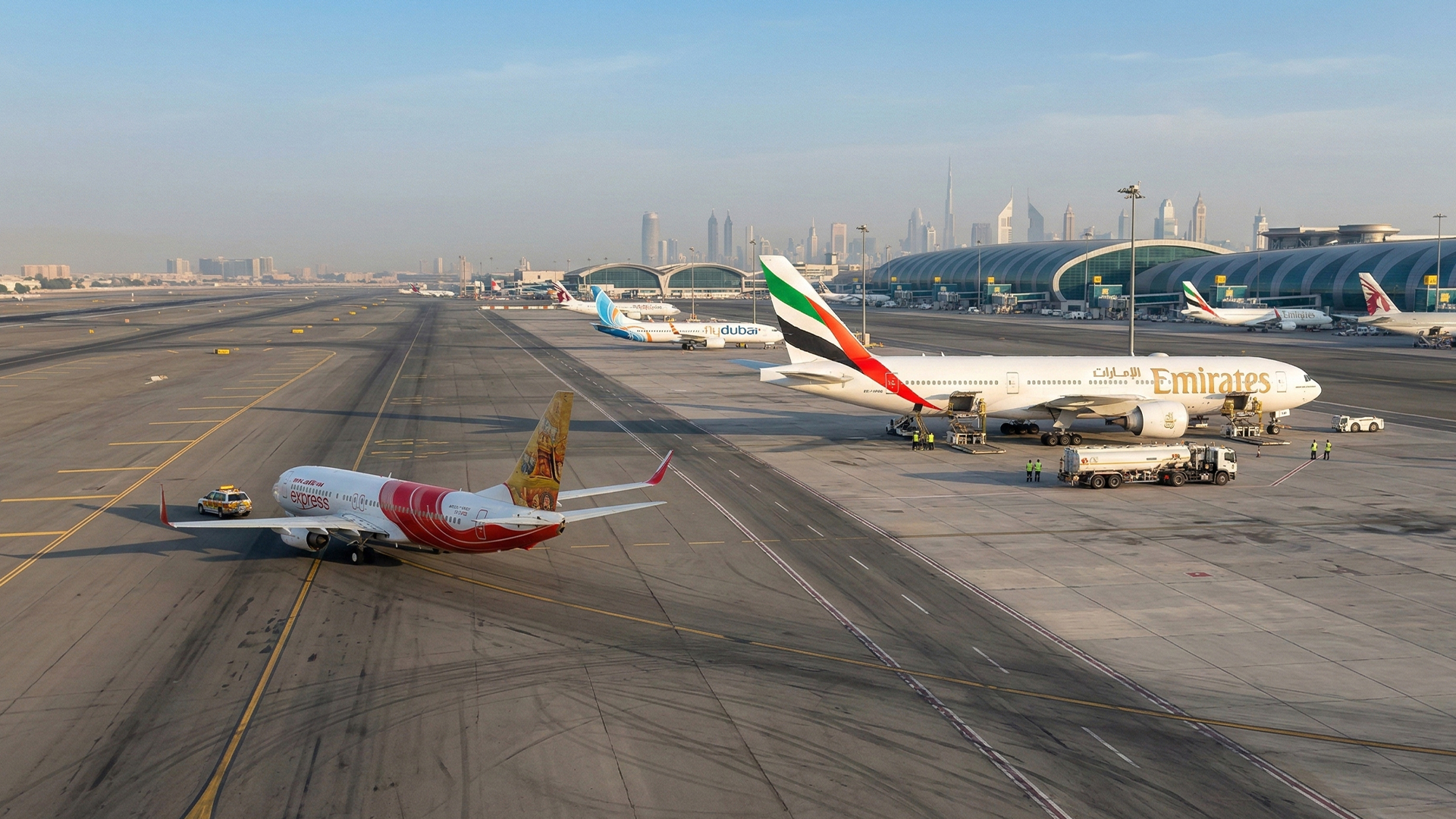
Air travel across the Middle East remains disrupted, though some flights have gradually resumed in key Gulf hubs following days of widespread cancellations linked to regional tensions.

Airports in Dubai, the UAE, Bahrain and Qatar have begun restoring limited services after suspensions caused by airspace closures and security concerns tied to the ongoing Iran-related conflict. However, airlines continue to operate reduced schedules, and many routes remain affected.

Several international carriers had temporarily halted flights to and from parts of the Gulf after missile strikes and military activity heightened safety risks in regional airspace. With the situation still fluid, airlines are taking a cautious approach, resuming operations in phases while closely monitoring security developments.

Indian carriers and foreign airlines have both adjusted flight paths to avoid sensitive zones. In some cases, aircraft are taking longer alternative routes, leading to extended travel times and higher operating costs. Passengers have been advised to check flight status regularly, as last-minute changes and cancellations are still possible.

Despite partial resumption in cities like Dubai and Doha, travel advisories remain in place. Authorities are prioritising safety and coordinating with aviation regulators to ensure secure operations before restoring full schedules.

The disruption has impacted business travellers, tourists and expatriates across the region. Many passengers faced delays, rescheduled departures or temporary stays due to sudden cancellations earlier in the week.

Airlines have said they will continue to review conditions daily and scale up services once airspace stability improves. For now, while some normalcy is returning at major Gulf airports, the broader aviation network in the region remains under strain.

Also Read: 160 dead in Iran school strike

IAF reopens Agniveer Vayu applications

Young aspirants can now register online under the Agnipath scheme

The Indian Air Force (IAF) has reopened its online application process for the Agniveer Vayu recruitment, offering another opportunity for young aspirants to join the force under the Agnipath scheme. The move comes as part of the IAF’s continued efforts to attract motivated and physically fit youth to serve in one of India’s key defence services.

The registration window is now open on the official recruitment portal, where eligible candidates can submit their applications. The Agniveer Vayu intake is aimed at recruiting individuals for various roles in the air force, including ground duties and technical positions that support operations, logistics, maintenance and administration.

Under the Agnipath scheme, selected candidates will be enrolled as Agniveers for a four‑year term, during which they will undergo training and serve in different units of the IAF. After completing the four years, a portion of Agniveers may be selected for longer service in the regular force based on performance, vacancies and medical fitness, while others will exit with a tailored benefits package, including a separation package and opportunities for re‑employment or further education.

To be eligible, candidates must meet certain educational, age and physical fitness criteria as specified in the official notification. Typically, applicants are required to have completed their 10+2 education with specified subjects and minimum marks. There are also medical and physical standards that aspirants must satisfy during the selection process, which includes written tests, physical fitness evaluations and medical examinations.

Officials have also advised aspirants to regularly check the official website for updates on exam dates, admit cards and selection procedures. Preparation tips and syllabus information are made available online to help candidates familiarise themselves with the process.

Also Read: Flights to Middle East slightly resume

160 dead in Iran school strike

Mass funerals held in Minab after deadly attack on girls’ school, images of graves shared

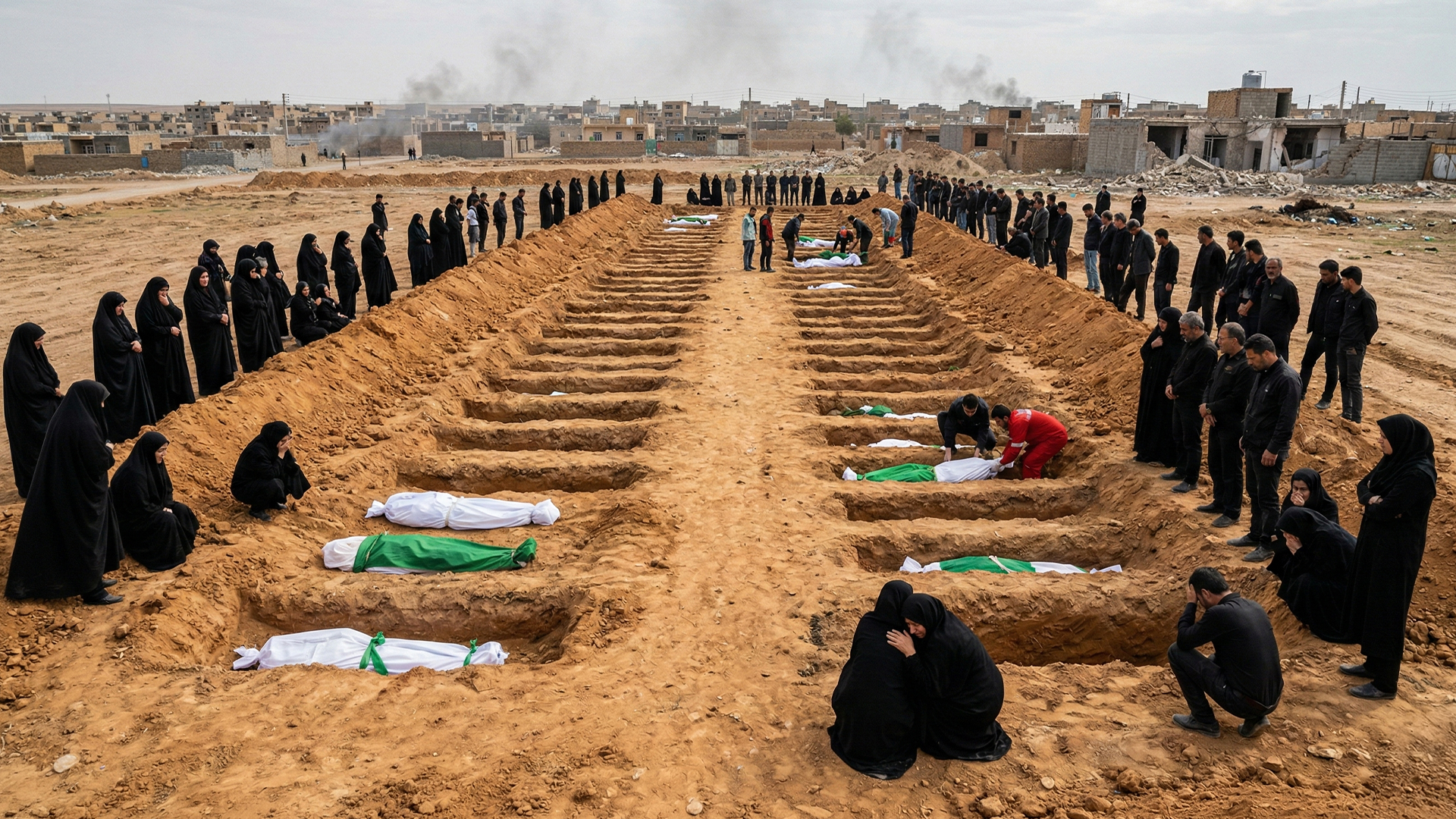
Iran has released images of hundreds of freshly dug graves and held large funerals after a deadly strike on a girls’ school in Minab, southern Iran, that left many children and staff members dead. Tehran has linked the incident to the broader Israel-Gaza conflict, intensifying criticism of the United States and Israel.

The Iranian government and media shared photographs showing rows of graves being prepared at a cemetery, reportedly for the victims of the school attack. These images also included references to Gaza, signalling Iran’s effort to connect what it describes as a “massacre” in Minab with the ongoing war in the Palestinian territory.

Mass funeral processions were held for the young victims, with large numbers of mourners attending and state officials present. The funerals underscored the deep grief and anger among families and communities affected by the strike, which Tehran asserts was carried out by US and Israeli forces.

Iranian leaders have accused the United States and Israel of targeting civilians and have used the mass graves imagery as a rallying point to condemn their actions in the region. State media broadcast scenes of mourners, including religious leaders, praying and carrying the bodies of the deceased through city streets.

The attack in Minab has further heightened tensions in the already volatile Middle East, where a spiralling conflict involving Iran, Israel, Hamas, and US interests continues to unfold. Iran’s portrayal of the graves and funerals appears aimed at garnering both domestic and international sympathy, framing the incident as part of a larger pattern of violence against Muslim civilians.

International responses to the images have varied. Some world leaders have expressed concern over the loss of civilian life and called for restraint, while others have urged independent investigations into the circumstances of the attack. Humanitarian groups have also highlighted the plight of families coping with sudden loss and displacement.

Critics of Iran’s narrative caution that information during active conflicts can be difficult to verify independently, and they call for transparent evidence about what exactly occurred in Minab. Nevertheless, the release of mass grave photographs has reinvigorated global debate over the human cost of the wider Middle East conflict.

Also Read: US shuts 3 embassies in Gulf in Iran tensions