rotating globe
2 Apr 2026


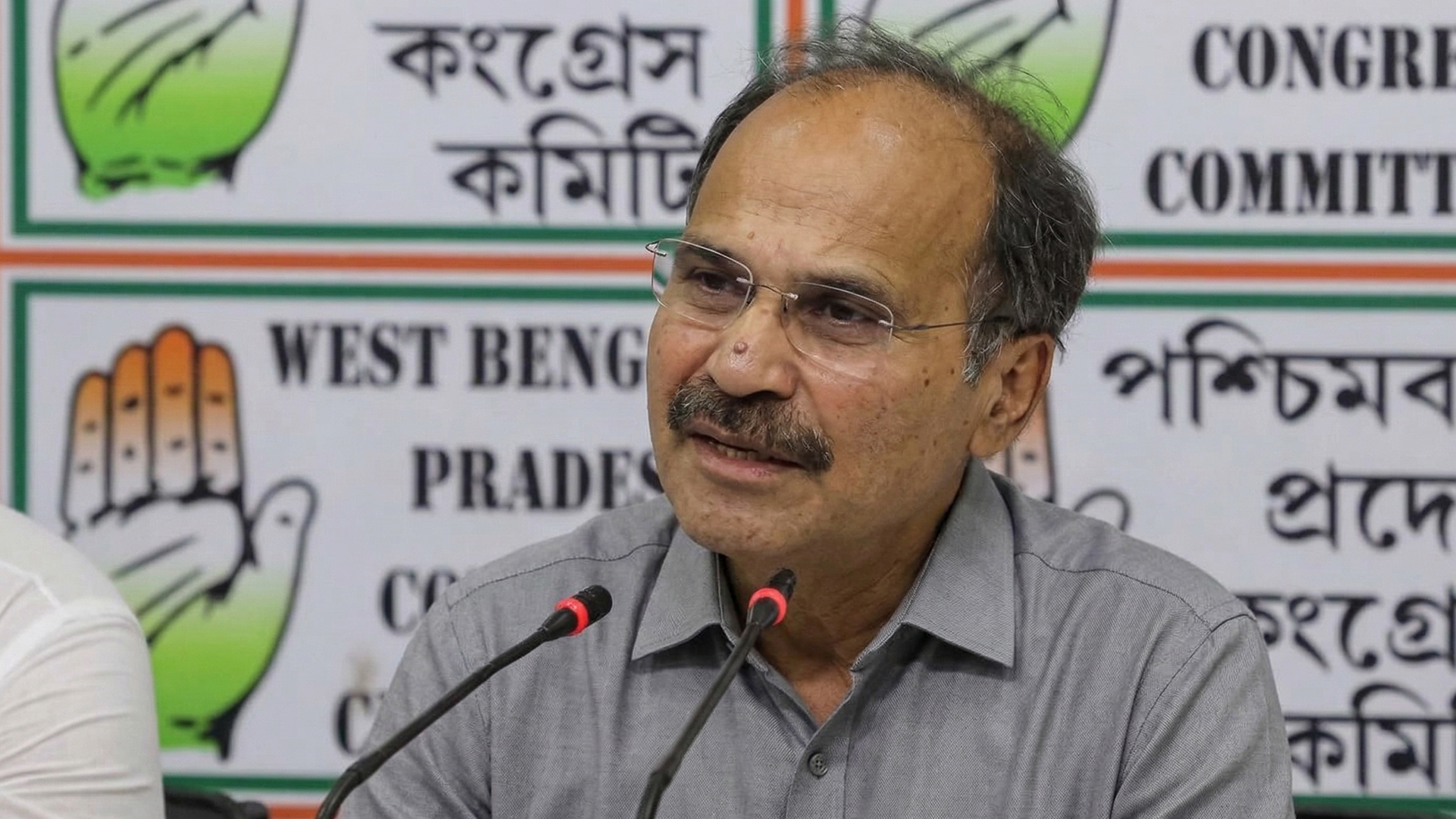
Congress announces 284 West Bengal candidates

Heavyweights included as party finalises full slate

The Indian National Congress (INC) on Monday released its full list of 284 candidates for the upcoming West Bengal Assembly elections, signalling a major push by the party to regain ground in the state. The announcement was made ahead of the scheduled polls, as the Congress aims to present a strong challenge to the ruling Trinamool Congress (TMC) and other competitors.

Among the candidates named are several seasoned leaders and prominent party figures, reflecting the Congress’s effort to blend experienced hands with fresh faces. The list includes politicians who have previously served as legislators and others who have been active in party organisation and grassroots work. The party’s leadership hopes this mix will appeal to a wide range of voters across West Bengal’s diverse regions.

The elections come at a time when political activity in the state is intensifying, with major parties finalising their tickets and launching public campaigns. The Congress’s list covers constituencies throughout West Bengal, including urban centres, rural districts, and border areas, as the party seeks to expand its presence beyond traditional strongholds.

Senior Congress leaders said the list was finalised after extensive consultations with local units and party strategists to ensure balanced representation of different communities and regions. Some candidates have been retained from previous elections, while others are new nominees chosen to energise the party’s prospects and connect with local voters.

The party has also fielded candidates in constituencies held by the TMC and other rival parties, with the aim of making inroads where the electoral battle is expected to be closely contested. Along with candidate announcements, the Congress is preparing its campaign strategy, focusing on issues such as governance, development, employment, and public welfare.

Also Read: DMK promises ₹8,000 coupons, new welfare schemes

DMK offers ₹8,000 coupons, welfare schemes

Stalin unveils voter‑friendly plans ahead of Tamil Nadu polls

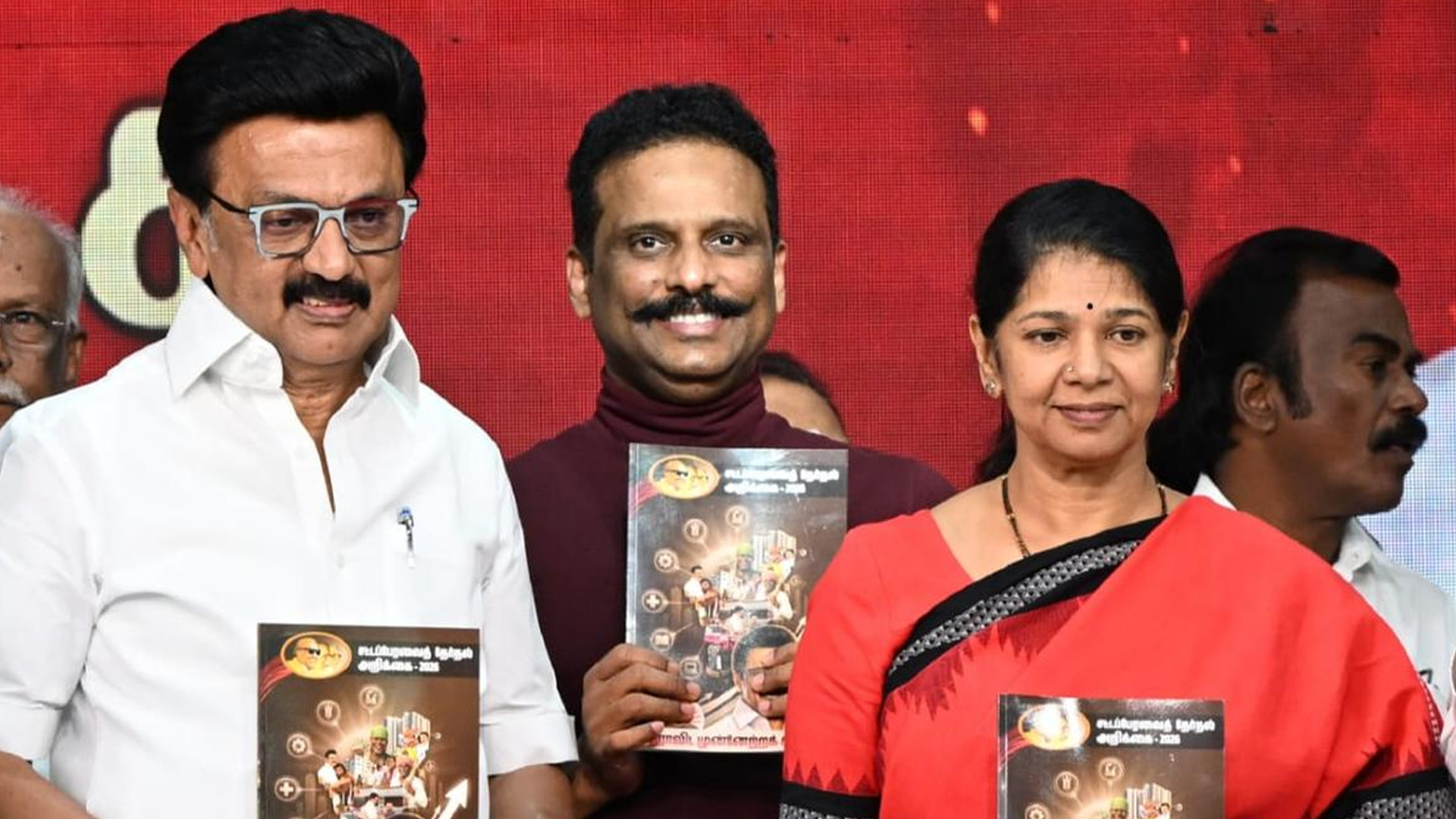
The Dravida Munnetra Kazhagam (DMK) has announced its 2026 Tamil Nadu Assembly election manifesto, highlighting new welfare programs and financial support aimed at helping women, families, and vulnerable groups across the state. The party, led by Chief Minister M.K. Stalin, is focusing on schemes that provide direct assistance to citizens.

A key promise is an ₹8,000 annual coupon for homemakers who do not pay income tax. The coupons can be used to buy household items and appliances, helping women manage daily chores and expenses. Party leaders say this plan recognises the value of domestic work and gives financial support to families.

The DMK also plans to increase monthly financial aid for women from ₹1,000 to ₹2,000, giving them extra money for household needs. In addition, the party intends to expand its existing school breakfast program, which provides meals to students, and strengthen other education and health-related welfare initiatives.

Other promises in the manifesto include higher pensions for senior citizens and improved health insurance coverage. These measures aim to help people from different sections of society and create a stronger social support system in the state.

The manifesto release comes as parties in Tamil Nadu intensify election campaigns. Welfare promises like the homemaker coupons and financial aid are expected to be important talking points among voters and in political debates.

The DMK’s welfare plans are designed to appeal to women, families, and lower-income groups, who play a key role in elections. By offering direct benefits and boosting social programs, the party hopes to gain widespread support ahead of voting.

Also Read: Vijay to contest Tamil Nadu polls from two seats

Nitish quits Bihar council after Rajya Sabha win

Exit fuels buzz over possible leadership change in state

Bihar Chief Minister Nitish Kumar has stepped down from the State Legislative Council after being elected to the Rajya Sabha, marking an important moment in the state’s political landscape.

His resignation, submitted on March 30, was expected, as rules do not allow a person to remain a member of both a state legislature and Parliament beyond a short period. With his move to the Rajya Sabha, Nitish is now set to take on a more active role in national politics.

While the decision follows procedure, it has set off fresh political chatter in Bihar. Many are now wondering what this means for the state’s leadership, as he has been a central figure in Bihar politics for years. His exit from the Council is being seen by some as the beginning of a larger transition.

There is growing speculation about who could take over if Nitish Kumar eventually steps aside as Chief Minister. Leaders within the ruling alliance are being closely watched, though no official announcement has been made so far. For now, Kumar continues in his role as Chief Minister, but the situation remains fluid.

Known for his long and eventful political career, he has served multiple terms as Chief Minister and has played a key role in shaping Bihar’s governance. His shift to Parliament signals a possible change in focus, even as he remains influential in state politics.

Also Read: Modi attacks LDF, UDF during Kerala campaign

India sends 38,000 tonnes of fuel to Sri Lanka

Diesel and petrol sent to ease island nation’s energy crisis

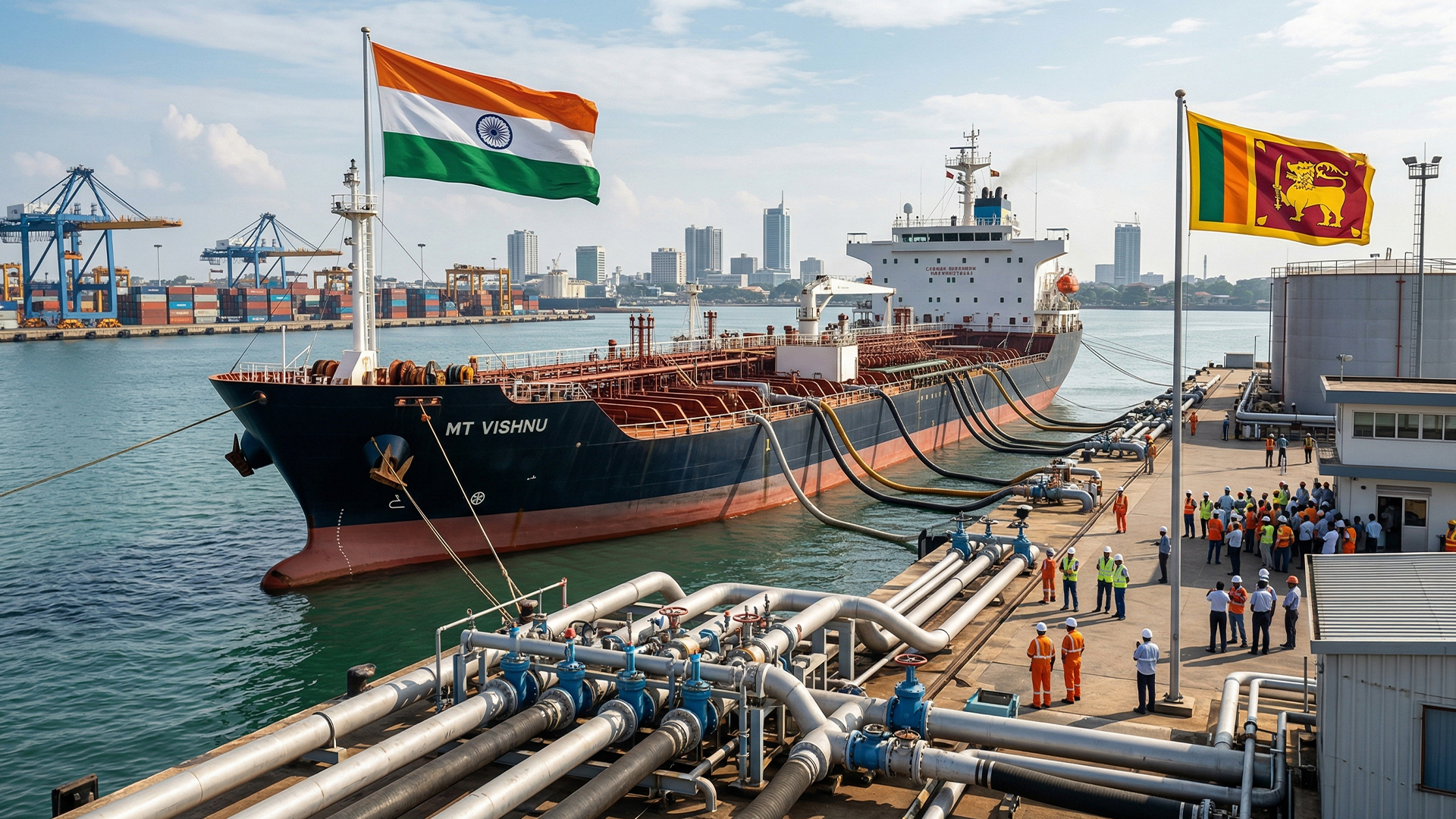
India has sent 38,000 metric tonnes of fuel to Sri Lanka to help the country manage a severe shortage caused by global supply disruptions. The shipment, which reached Colombo Port on March 28, 2026, includes 20,000 tonnes of diesel and 18,000 tonnes of petrol and aims to stabilise fuel availability across the island.

The supply comes after talks between Prime Minister Narendra Modi and Sri Lankan President Anura Kumara Dissanayake about the nation’s urgent energy needs. Sri Lanka had been struggling with fuel shortages as several international suppliers either delayed or suspended deliveries due to global market instability linked to conflicts in West Asia.

The consignment was arranged by Indian Oil Corporation Limited (IOCL) and its Sri Lankan unit Lanka IOC, ensuring quick delivery. Indian authorities said the move is part of the country’s “Neighbourhood First” policy, which focuses on supporting neighbouring nations during crises.

Sri Lankan officials expressed gratitude for the aid. President Dissanayake thanked Prime Minister Modi and External Affairs Minister S. Jaishankar, noting that the fuel would help reduce long queues at petrol stations and support essential services such as hospitals, schools, and government offices.

The fuel shortage had disrupted daily life and economic activity in Sri Lanka, affecting both households and industries. Force majeure claims and logistical challenges had left the country with limited access to petrol and diesel, causing concern for the public and government alike.

This emergency assistance from India ensures that critical services continue to function while Sri Lanka seeks long-term solutions to restore normal fuel supplies. Experts note that the shipment demonstrates the importance of regional cooperation in energy security and crisis management.

Indian authorities continue to monitor the situation and may consider additional shipments if global supply challenges persist. The delivery also reflects strong bilateral ties and highlights India’s readiness to assist neighbouring countries in times of need.

Also Read: Strikes hit Iran nuclear facility, Kuwait power plant

Vijay to contest Tamil Nadu polls from two seats

Vijay to contest from Perambur and Trichy East, following Jayalalithaa’s dual-seat strategy

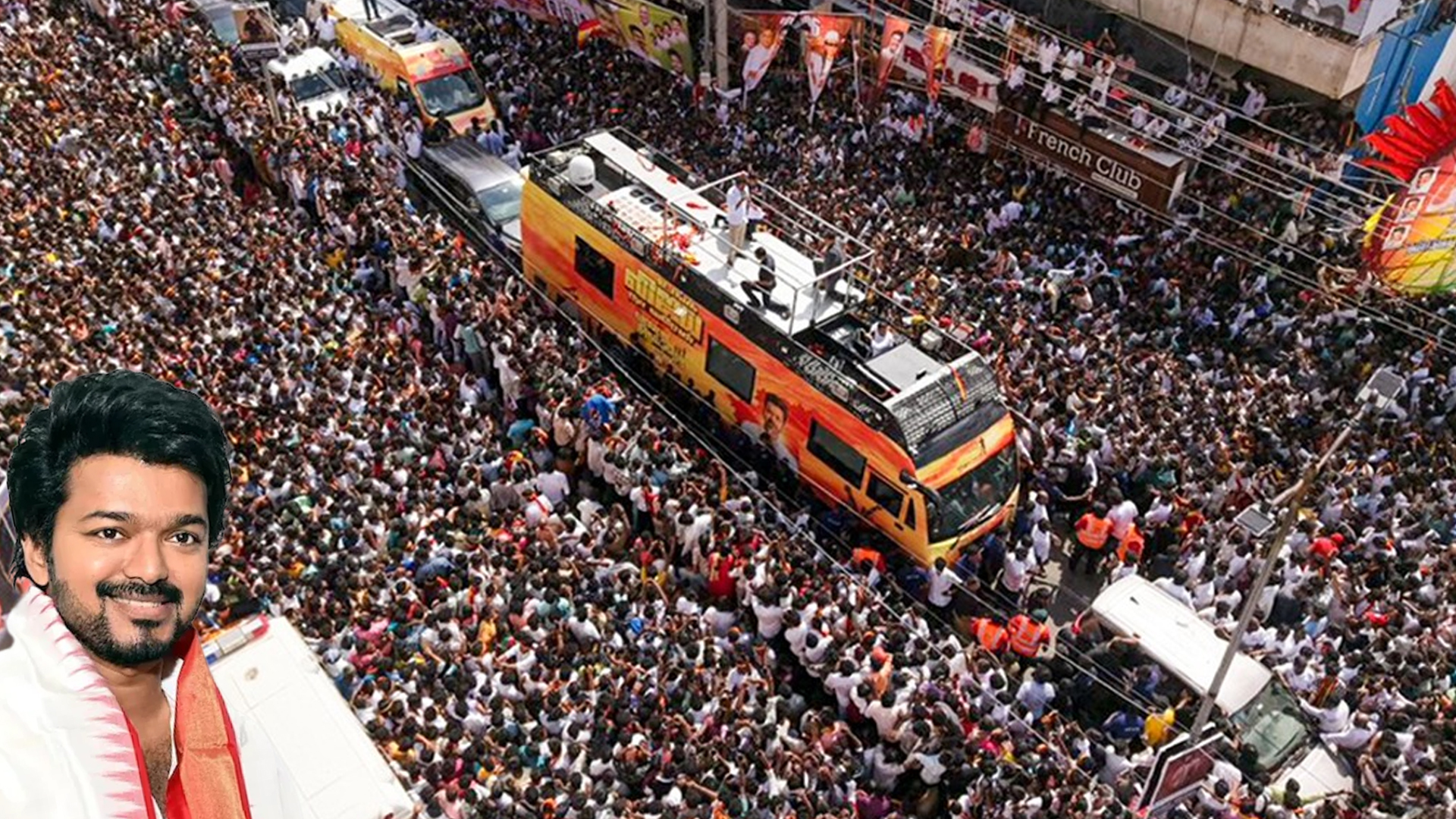
Tamil actor‑turned‑politician Vijay is set to follow a familiar pattern in Tamil Nadu politics by contesting the upcoming Assembly elections from two constituencies,  Perambur in Chennai and Trichy East,  a move that places him alongside several prominent state leaders who have previously opted for dual electoral battles.

The decision was announced by Tamil Maanila Congress (TMC), the party of which Vijay is the president. The actor’s entry into the fray from two seats has grabbed attention and drawn comparisons to past political heavyweights like J. Jayalalithaa, late AIADMK leader and former Tamil Nadu Chief Minister, who contested and won from more than one seat in earlier elections.

Perambur is a traditional political battleground in Chennai, while Trichy East, in central Tamil Nadu, represents a more rural and diverse voter base. Party insiders said Vijay’s dual candidacy is aimed at strengthening TMC’s presence in both urban and semi‑urban regions, tapping into his popularity as a leading film star as well as his growing political appeal.

Several veteran politicians in Tamil Nadu have used the dual seat strategy in previous elections. Leaders believed this approach helped broaden their political reach and provide a safety net in case one contest did not go in their favour. The trend reflects the state’s distinctive electoral culture, where personalities with strong mass appeal often leverage multiple constituencies to maximise impact.

Vijay’s candidature in both Perambur and Trichy East was finalised after consultations within the TMC leadership. Supporters say his dual entry is a signal of confidence and ambition to challenge established parties in the state, including DMK and AIADMK. It also underscores the increasing role film stars continue to play in Tamil Nadu’s political landscape.

Also Read: India sends 38,000 tonnes of fuel to Sri Lanka

Mysuru man held for 1,100+ fake bomb threats

Delhi Police nab suspect after nationwide panic

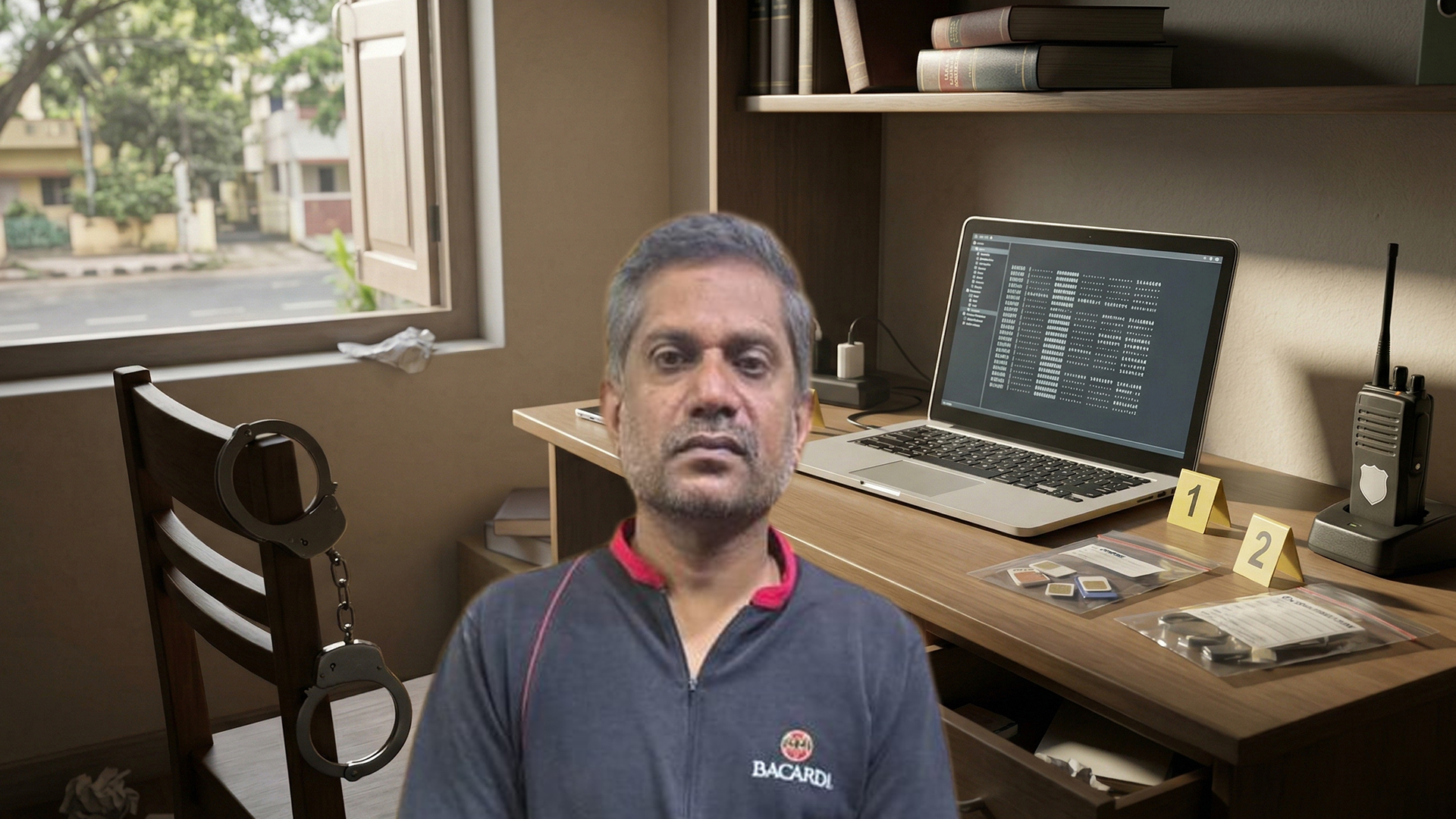
Delhi Police have arrested a 47-year-old man from Mysuru, Karnataka, for allegedly sending over 1,100 fake bomb threats to schools, courts, and government offices across India, officials confirmed on Monday.

The accused, identified as Srinivas Louis, is a postgraduate who is currently unemployed and lives with his mother. He was detained from his rented apartment in Mysuru following weeks of surveillance and investigation by Delhi Police in coordination with local authorities.

Police said Louis used emails and other digital platforms to send the threats, causing widespread alarm and prompting evacuations and security checks at multiple institutions. Targets included schools, the Delhi High Court, and the Delhi Assembly. Though the threats were fake, they disrupted normal operations and created panic among staff and students.

In one instance, a judge of the Delhi High Court formally complained after receiving a bomb threat via email. Officials emphasized that each false alert required time and resources to investigate, putting additional strain on security agencies.

Preliminary investigations suggest the suspect may have been under mental stress during the period he sent the threats. Multiple FIRs have been registered in various states as part of the ongoing inquiry.

Louis is being transported to Delhi for further questioning, with police examining digital evidence to understand the full scope of his actions and whether others were involved. Authorities are also probing his motives, which remain unclear at this stage.

Officials stressed that sending false security alerts is a serious offence, as it not only causes public panic but also wastes resources and disrupts normal functioning of institutions across the country.

The case has drawn nationwide attention, highlighting the risks and consequences of hoax threats in the digital age. Authorities have urged citizens and institutions to remain vigilant and report suspicious communications immediately.

Also Read: Strikes hit Iran nuclear facility, Kuwait power plant

Modi attacks LDF, UDF during Kerala campaign

PM mixes sharp criticism with cultural outreach during roadshow in Kerala

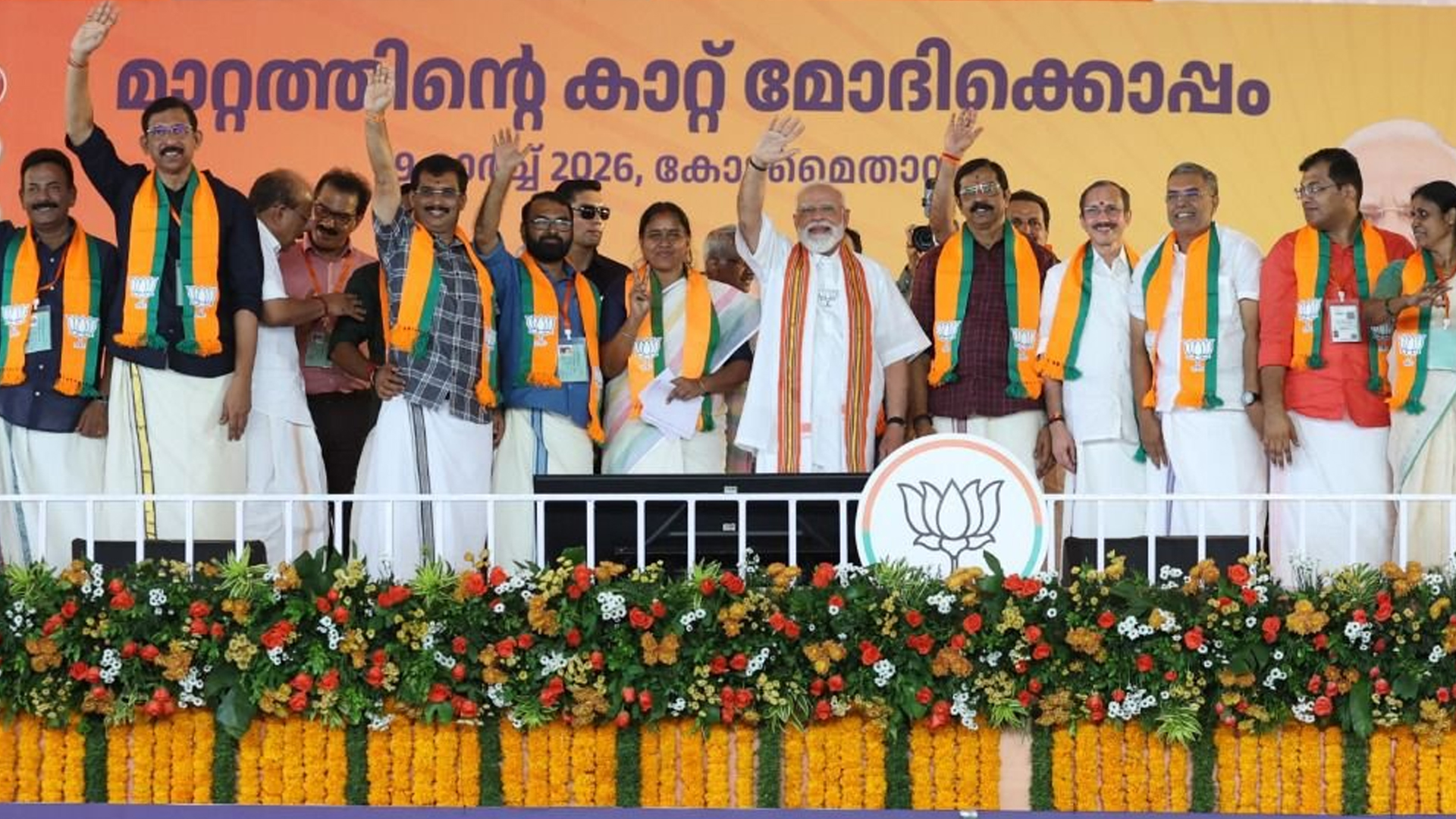
Prime Minister Narendra Modi turned up the heat in Kerala’s election campaign, taking aim at both the ruling Left Democratic Front (LDF) and the opposition United Democratic Front (UDF), while also trying to strike a cultural connection with voters.

At a rally and during a lively roadshow that drew large crowds, he said Kerala has been stuck choosing between the same two alliances for years. He argued that this back-and-forth has held the state back, accusing both fronts of corruption and ineffective governance.

Positioning the BJP as a fresh option, PM Modi called the party-led National Democratic Alliance (NDA) the “real A-team” in Kerala politics. He brushed aside the ongoing war of words between the LDF and UDF, where each labels the other as close to the BJP, saying people deserve a genuine alternative.

He also promised strong action against corruption if voted to power. According to Modi, cases linked to both current and former governments would be investigated, and any misused public funds would be recovered.

Adding a lighter, more relatable moment to his visit, he was seen playing the traditional Kerala drum, the chenda, at an event in Palakkad. The gesture drew cheers and smiles from the crowd, reflecting an effort to connect with the local culture beyond politics.

PM Modi also spoke about the concerns of Indians working in Gulf countries, assuring that their safety remains a priority. At the same time, he criticised certain remarks made by Congress leaders on the issue, calling them irresponsible.

The roadshow itself saw enthusiastic participation, with people lining the streets to catch a glimpse of the Prime Minister. The strong turnout highlighted the BJP’s push to expand its presence in a state where politics has long been dominated by the LDF and UDF.

As Kerala heads toward Assembly elections, the contest is shaping up to be more competitive.


FBI director’s email hacked by Iran-linked group

Personal emails and photos of Kash Patel leaked amid rising cyber tensions

Kash Patel, director of the Federal Bureau of Investigation, has reportedly been targeted in a cyberattack by a group believed to be linked to Iran. The hackers claimed they accessed his personal email account and released a set of private data online.

The group, identified as “Handala Hack Team,” said it had obtained hundreds of emails along with personal photographs. The leaked material is believed to include correspondence from several years ago, mostly dating back to before Patel assumed his current role.

US officials acknowledged that Patel’s personal email account was compromised but emphasized that the breach did not involve classified or sensitive government systems. Authorities described the exposed data as old and largely personal in nature, seeking to reassure that national security was not affected.

An investigation into the incident is currently underway, and officials are working to determine the full extent of the breach. While the hackers have publicized the data, authorities have not fully verified the authenticity of all the leaked content.

Cybersecurity analysts say the group behind the attack is likely connected to Iranian state-linked networks, which often operate through proxy hacker collectives. Such groups are known for targeting high-profile individuals and institutions as part of broader geopolitical strategies.

The incident comes at a time of heightened tensions involving United States and Iran, with cybersecurity emerging as a key battleground. The hackers reportedly framed the breach as retaliation against actions taken against their digital infrastructure.

Experts note that these kinds of cyberattacks are increasingly being used to send political signals and create pressure without direct military escalation.

Also Read: PM backs ‘Team India’ approach for West Asia crisis