rotating globe
11 Apr 2026


Iran rejects US talks as regional strikes intensify

Ali Larijani dismisses negotiation claims amid escalating Middle East conflict

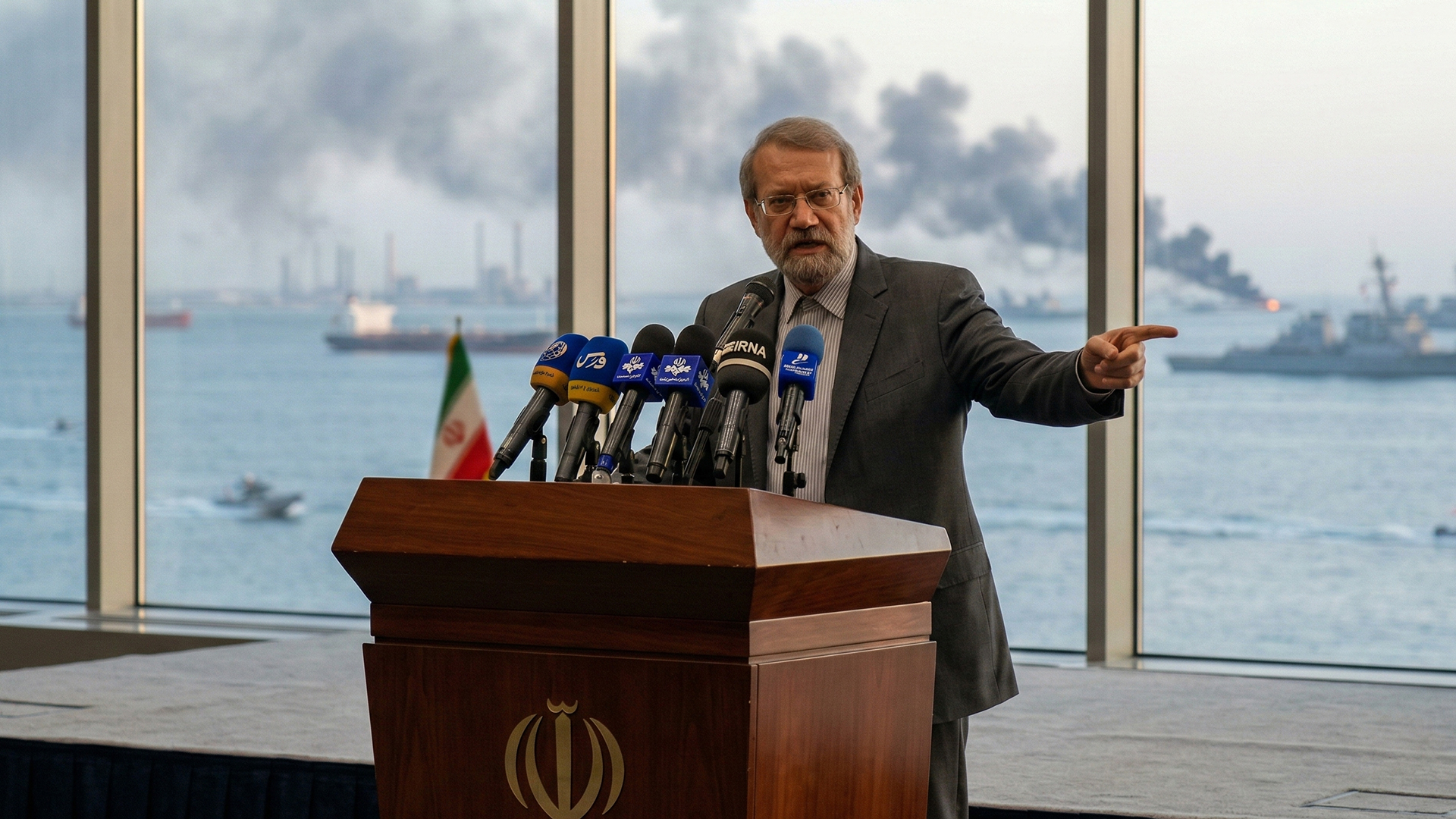
Ali Larijani, a senior security official in Iran, has said Tehran will not negotiate with the United States as tensions continue to rise across the region.

His statement came after reports suggested that Iran might be open to talks with Washington through intermediaries. Larijani dismissed these claims, saying Iran would not enter discussions while facing military pressure. He stressed that the country’s position remains firm despite speculation about possible backchannel diplomacy.

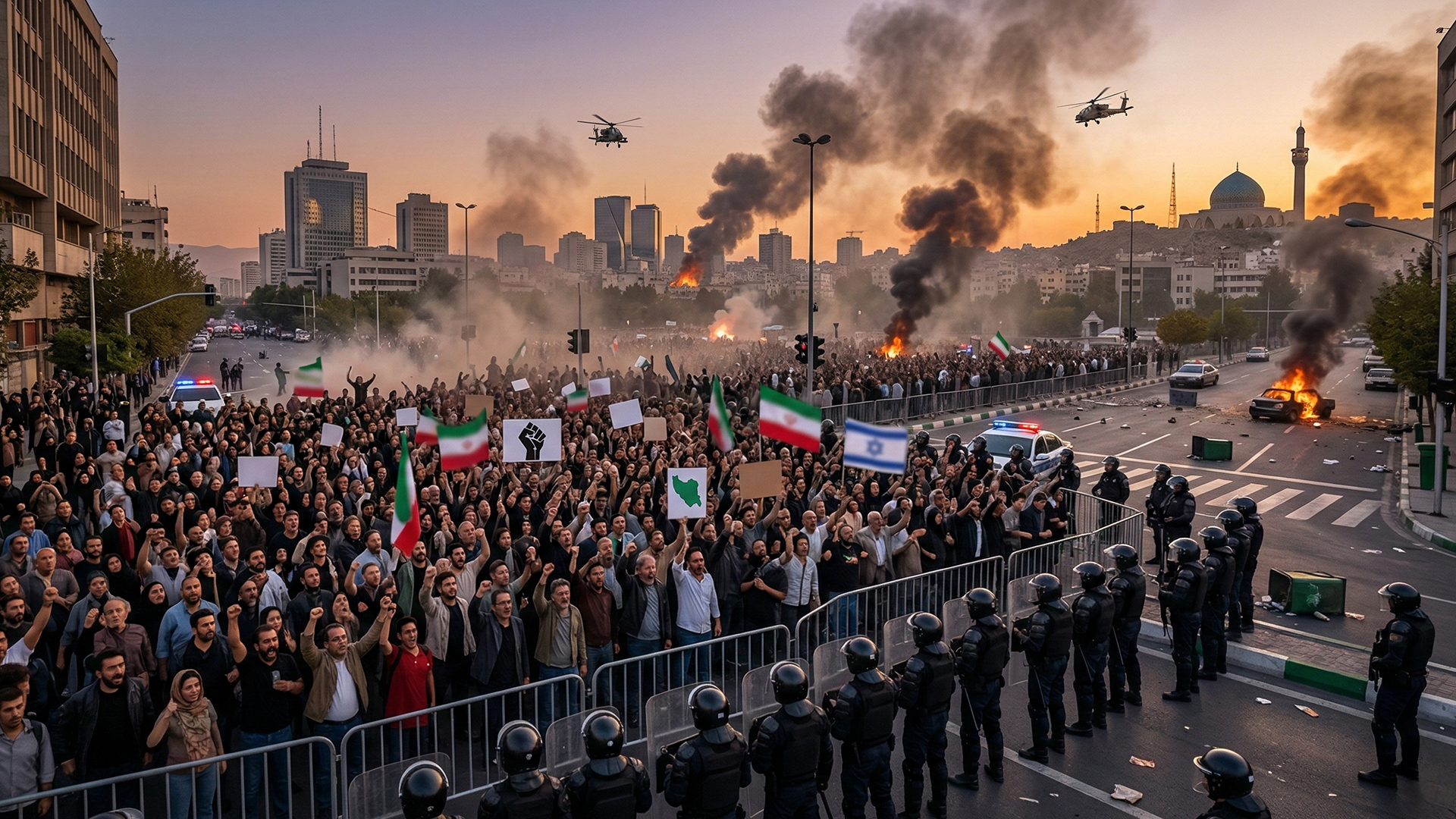
The remarks follow a sharp escalation in hostilities involving Iran, the United States and Israel. Recent airstrikes and counterattacks have heightened fears of a wider regional conflict. Iran has accused the US and Israel of aggressive actions, while Washington and its allies blame Tehran for destabilising activities in the region.

Larijani also criticised US President Donald Trump, accusing him of worsening instability in the Middle East. He said Iran would continue to defend its interests and would not negotiate under threat.

Meanwhile, Israeli strikes in Lebanon have reportedly targeted senior members of Hezbollah, further expanding the conflict’s footprint. Cross-border exchanges of fire between Israel and Hezbollah have intensified, adding to concerns of a broader war.

Analysts say the breakdown in communication between Tehran and Washington reduces the chances of a diplomatic solution in the short term. With both sides taking a firm public stance, tensions remain high and the possibility of further military action cannot be ruled out.

Also Read: Top Hezbollah leader reportedly killed in Israeli strike
Qatar says it shot down two Iranian warplanes

Air force intercepts jets, missiles and drones after reported strikes

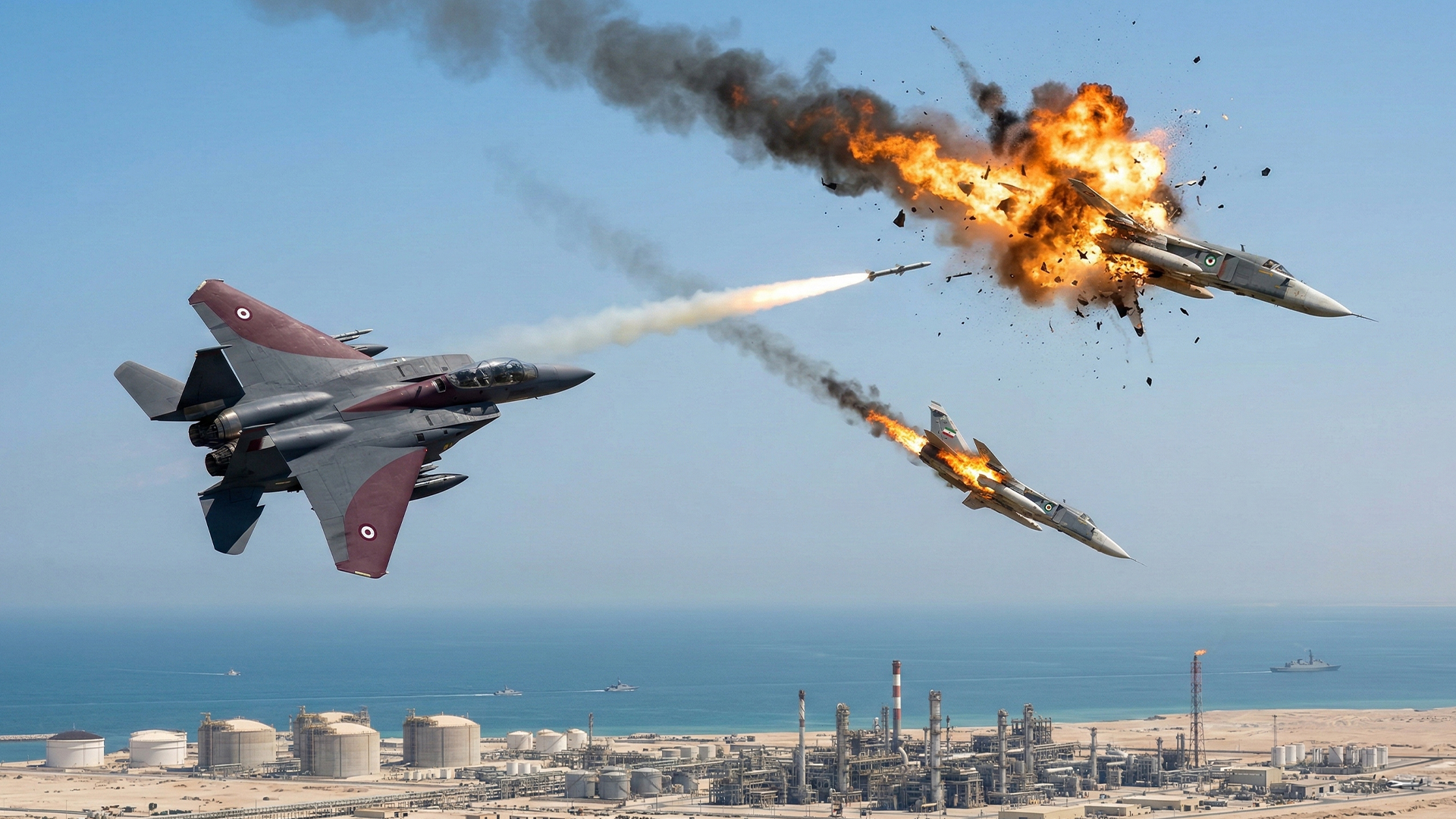
Qatar has said its air force shot down two Iranian fighter-bombers after they entered its airspace, in what marks a serious escalation in the ongoing regional conflict.

According to Qatari officials, the aircraft were identified as Su-24 jets, a Russian-made model used by Iran’s military. The planes were intercepted and destroyed before they could reach their targets. Authorities said the action was taken to protect the country’s sovereignty and ensure civilian safety.

In addition to the warplanes, Qatar claimed its air defence systems intercepted several incoming ballistic missiles and drones launched towards the country. Officials said the threats were neutralised mid-air and that there were no immediate reports of casualties or major damage.

The incident comes amid intensifying hostilities across the Middle East. In recent days, large-scale strikes and counter-strikes have been reported involving Iran, the United States and Israel, raising fears of a broader regional war. Several Gulf nations have placed their security forces on high alert as tensions continue to rise.

Qatar’s defence ministry described the response as swift and coordinated, crediting the country’s air force and missile defence systems for preventing harm. Residents were urged to remain calm and follow official updates, as authorities monitored the situation closely.

The reported downing of manned Iranian aircraft is seen as a significant development. Much of the recent fighting in the region has involved drones and missiles rather than direct aerial combat between fighter jets.

While Iran has not immediately commented in detail on the claims, the episode underscores how quickly the conflict is spreading beyond its original flashpoints. With multiple countries now involved or affected, diplomatic efforts to contain the crisis appear increasingly urgent.

Also Read: 4.3-magnitude earthquake hits Gerash city in Iran

Asif Ali Zardari alleges India gearing up for conflict

Pakistan President calls for talks, India dismisses war claim

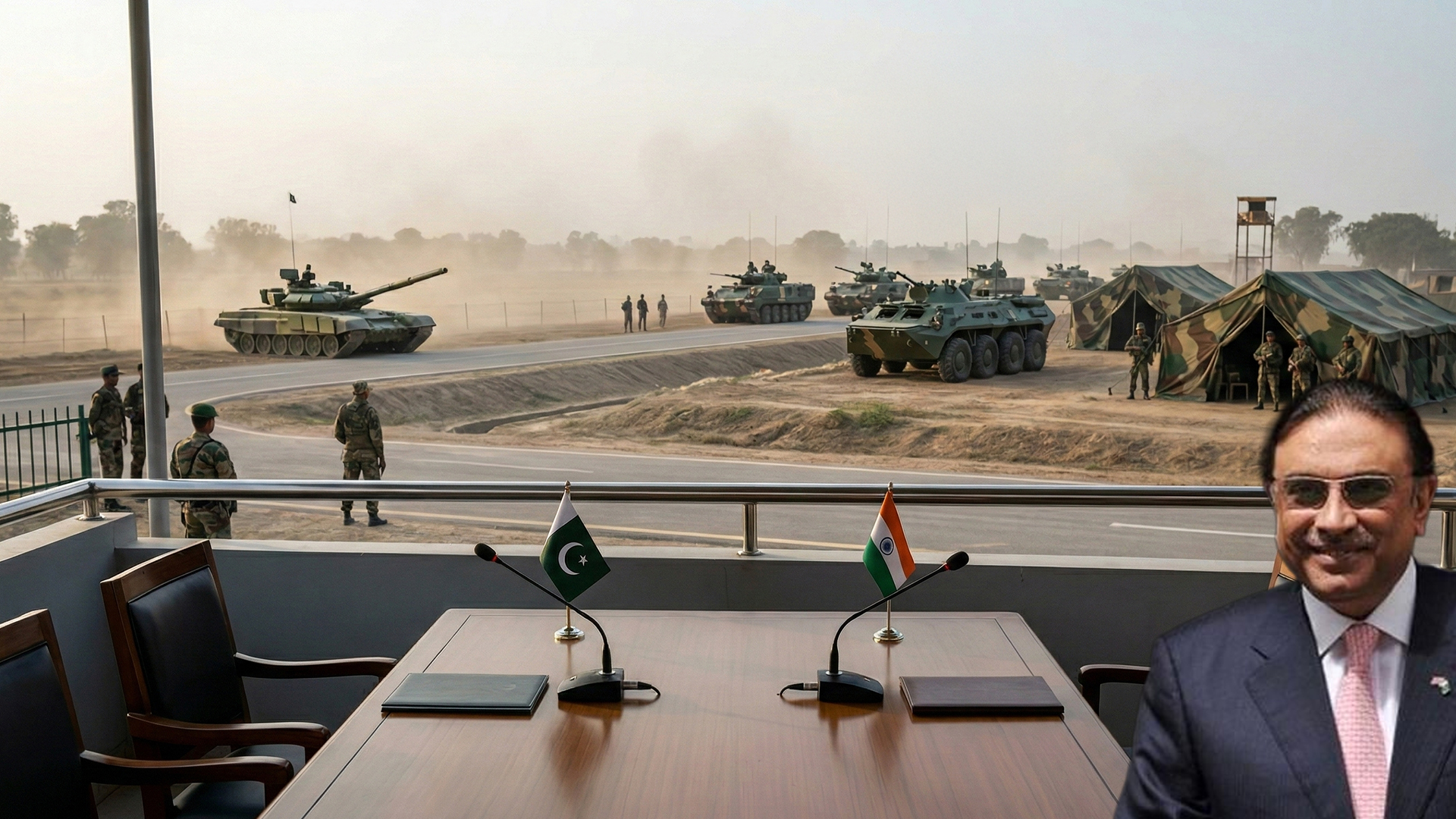
Asif Ali Zardari has claimed that India is preparing for another war, even as he urged both countries to resolve differences through dialogue.

Speaking amid rising regional tensions, the Pakistan President said recent developments suggested that India could be moving towards heightened military action. He did not cite specific evidence but said Pakistan was closely monitoring the situation. At the same time, he stressed that Islamabad prefers peaceful negotiations over confrontation.

Zardari said war would benefit neither side and called on both nations to engage in meaningful talks. He emphasised that stability in South Asia is crucial not just for India and Pakistan, but for the wider region. According to him, dialogue remains the only practical way to address longstanding disputes.

India, however, rejected the allegation. Officials in New Delhi described the claims as baseless and maintained that any military exercises or preparedness measures are routine and defensive in nature. The Indian government reiterated its position that it remains committed to peace but will take necessary steps to safeguard national security.

Relations between the two nuclear-armed neighbours have often been tense, shaped by historical conflicts, border disputes and security concerns. While there have been occasional diplomatic engagements, mistrust continues to define much of the bilateral relationship.

Security analysts note that strong public statements are not uncommon during sensitive periods. They point out that both countries regularly conduct military drills as part of standard defence operations, which do not necessarily signal imminent conflict.

Zardari’s comments come at a time when global geopolitical tensions are already high. Observers say careful communication and diplomatic channels will be essential to prevent misunderstandings from escalating further.

Also Read: Qatar says it shot down two Iranian warplanes

US orders its citizens to leave Middle East immediately

State Department urges Americans to register for 'STEP' and depart 14 gulf countries immediately

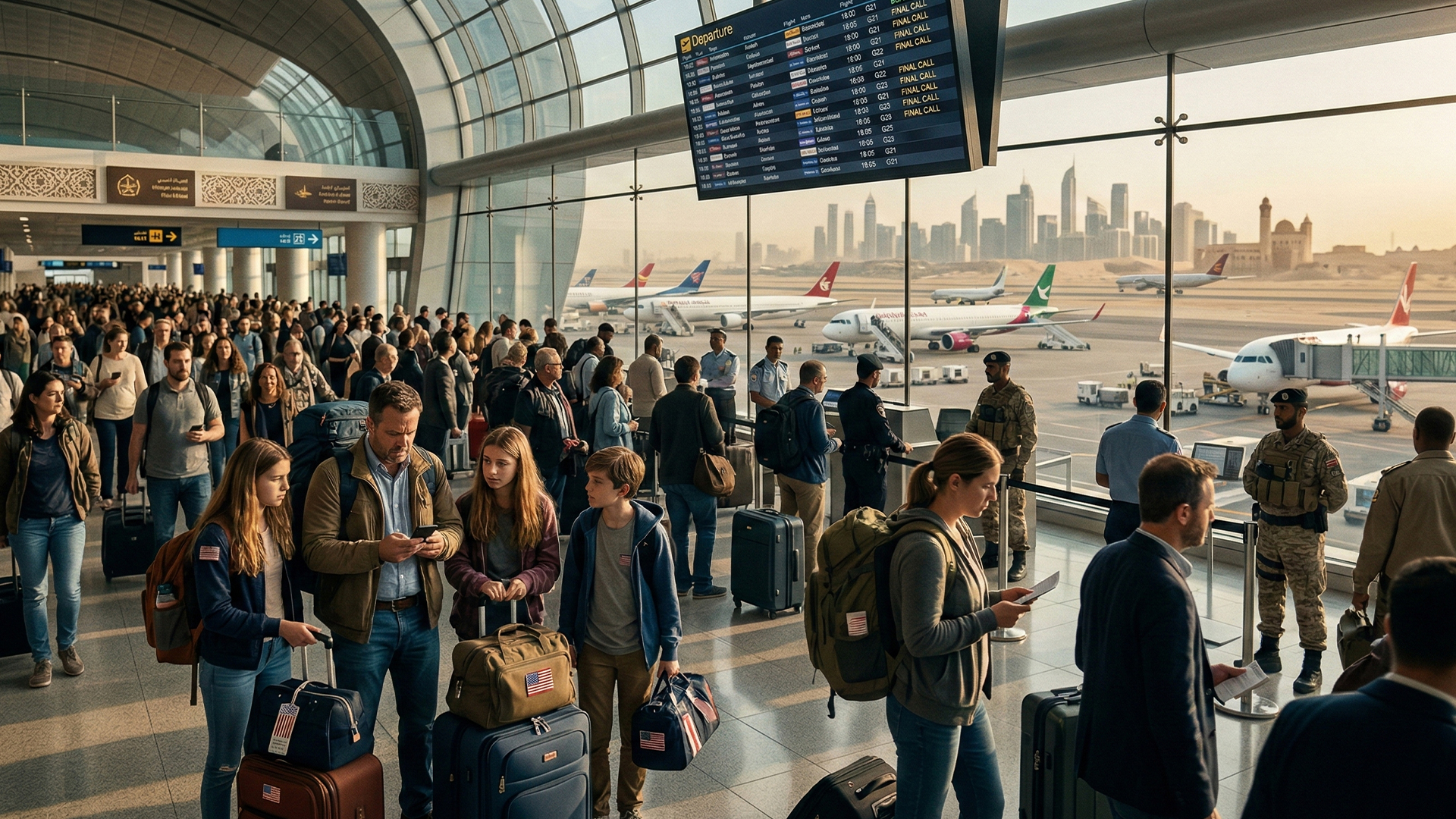
The US Department of State has asked all American citizens in the Middle East to leave immediately due to rising safety risks. Assistant Secretary of State Mora Namdar urged Americans on social media to “DEPART NOW” using any available commercial flights.

The advisory covers 14 countries, including Bahrain, Egypt, Iran, Iraq, Israel, Jordan, Kuwait, Lebanon, Oman, Qatar, Saudi Arabia, Syria, the UAE, and Yemen. Officials cited growing dangers from the ongoing US‑Israel strikes on Iran and Iran’s reported retaliatory actions.

The conflict has triggered airstrikes, missile launches, and drone attacks across the region. Many airports and flight routes have been affected, making travel complicated. Some evacuation flights have already started from key Gulf hubs.

American citizens are advised to register with the Smart Traveler Enrollment Program (STEP) and stay in touch with local embassies or consulates for updates. The State Department warned that conditions could change quickly, and people should not delay leaving if it is safe to do so.

Other countries have also issued warnings for their citizens, emphasizing personal safety amid growing instability in the region. Authorities stress the importance of staying alert and planning travel carefully as tensions remain high.

Also Read: Asif Ali Zardari alleges India gearing up for conflict

Trump backs off ground troops after Riyadh US Embassy attack

US president signals retaliation but avoids committing troops in the rising Middle East tensions

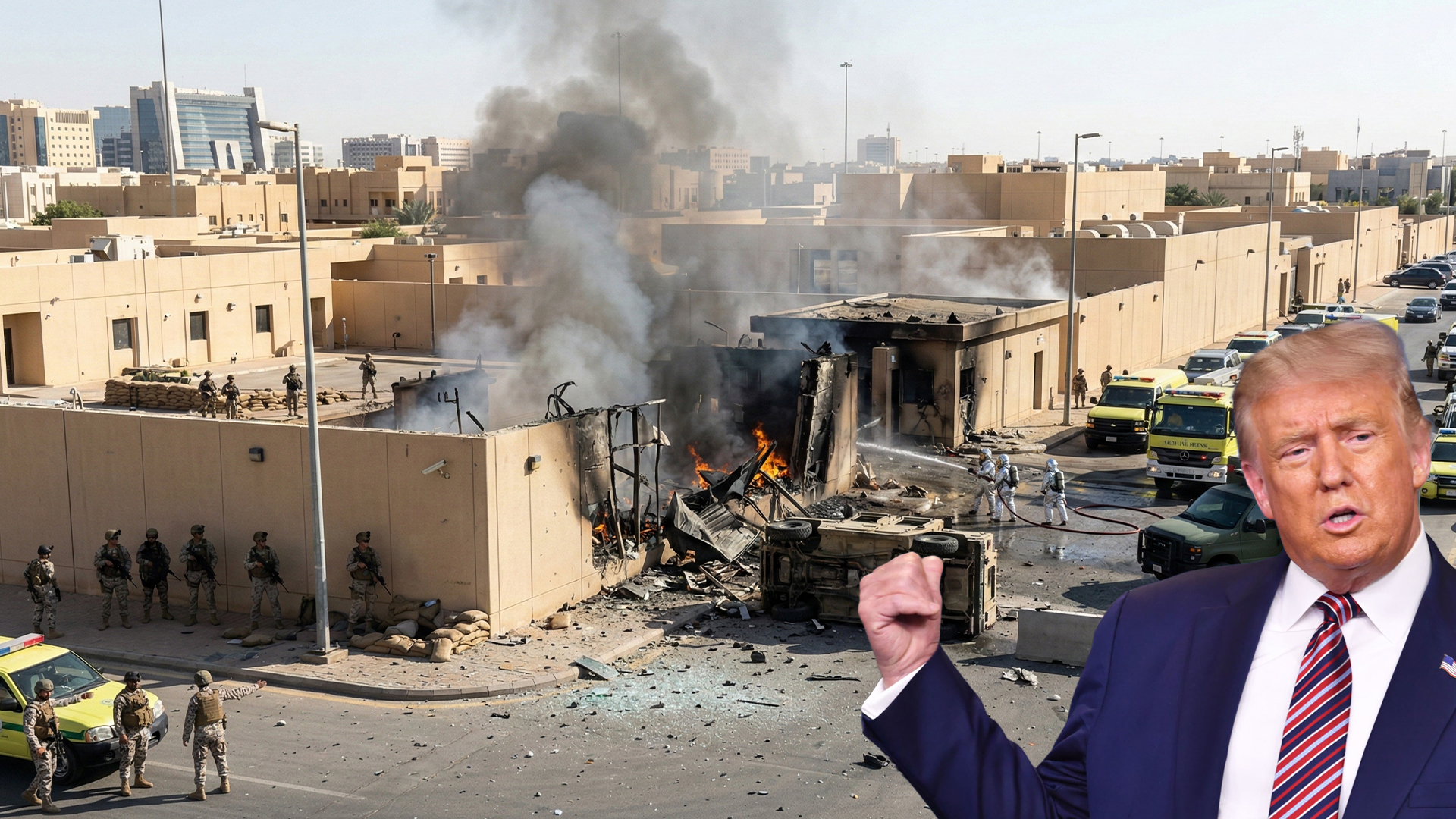
Following a drone attack on the US Embassy in Riyadh, Saudi Arabia, President Donald Trump has indicated that while the United States will respond, deploying ground troops may not be necessary. The attack, attributed to Iran-linked forces, caused minor damage to the embassy complex and prompted warnings for Americans in Saudi Arabia to stay indoors.

The incident comes amid heightened tensions in the Middle East after US and Israeli strikes on Iran’s military targets, which have triggered retaliatory attacks by Tehran, including missile and drone strikes on US bases and allied nations. Several US service members were reportedly killed or injured in related attacks, raising fears of a wider regional escalation.

Trump’s initial statements had not ruled out the use of ground forces in response to Iranian provocations. However, in recent remarks, he emphasized that air strikes and other measures may suffice to ensure the protection of US interests without triggering a large-scale ground war. “You’ll soon find out our response,” Trump said, adding that the military is “fully prepared” to act.

The president’s comments reflect a careful approach, balancing the need to show strength against Iran while avoiding direct troop deployments that could escalate the conflict. Security analysts say the decision not to immediately send ground forces aims to limit US casualties while signaling a firm stance against attacks on American personnel and installations.

Saudi authorities coordinated with US officials to secure the embassy area and increase surveillance of critical sites. The attack also comes amid heightened global concern over civilian and diplomatic safety in conflict zones, with Western nations reviewing security protocols for their missions in the region.

Also Read: Centre alerts states for Iran-Israel unrest

Centre alerts states for Iran-Israel unrest

MHA advises vigilance as Middle East strikes raise concerns of protests in India

The Indian government has issued a security advisory to all states and Union Territories warning of possible protests or violence following recent military strikes by Israel and the US on Iran. Authorities are concerned that these international events could trigger unrest in parts of India.

The Ministry of Home Affairs (MHA) has asked state governments to remain alert, monitor law-and-order situations, and take preventive measures to maintain peace. Officials have highlighted the risk of inflammatory speeches at religious gatherings, especially by radical groups supporting Iran, which could escalate tensions between communities.

Police and intelligence agencies have been instructed to closely monitor social media and online platforms to prevent the spread of rumors or provocative content. Rapid-response teams should be ready, and coordination with central security agencies should be strengthened.

Sensitive locations, such as embassies of Iran, Israel, and the US, major tourist sites, and areas with large public gatherings, have been flagged for additional security. Authorities are particularly cautious about the possibility of both pro-Iran and anti-Iran groups mobilizing crowds.

The advisory follows nationwide reactions to recent developments in the Middle East, including tensions around Iran’s leadership and strikes that have sparked protests in some regions, including Jammu and Kashmir. In some areas, internet services have been temporarily restricted and additional security forces deployed.

The MHA advisory reflects the central government’s aim to maintain peace and communal harmony across India while the situation in the Middle East remains tense. State authorities are expected to follow these directions closely in the coming days.

Also Read: President launches 4 women empowerment schemes

Toxic gas leak in Palghar, 2,500 people shifted

Residents shifted to safety after chemical release. Cases of some report eye irritation reported

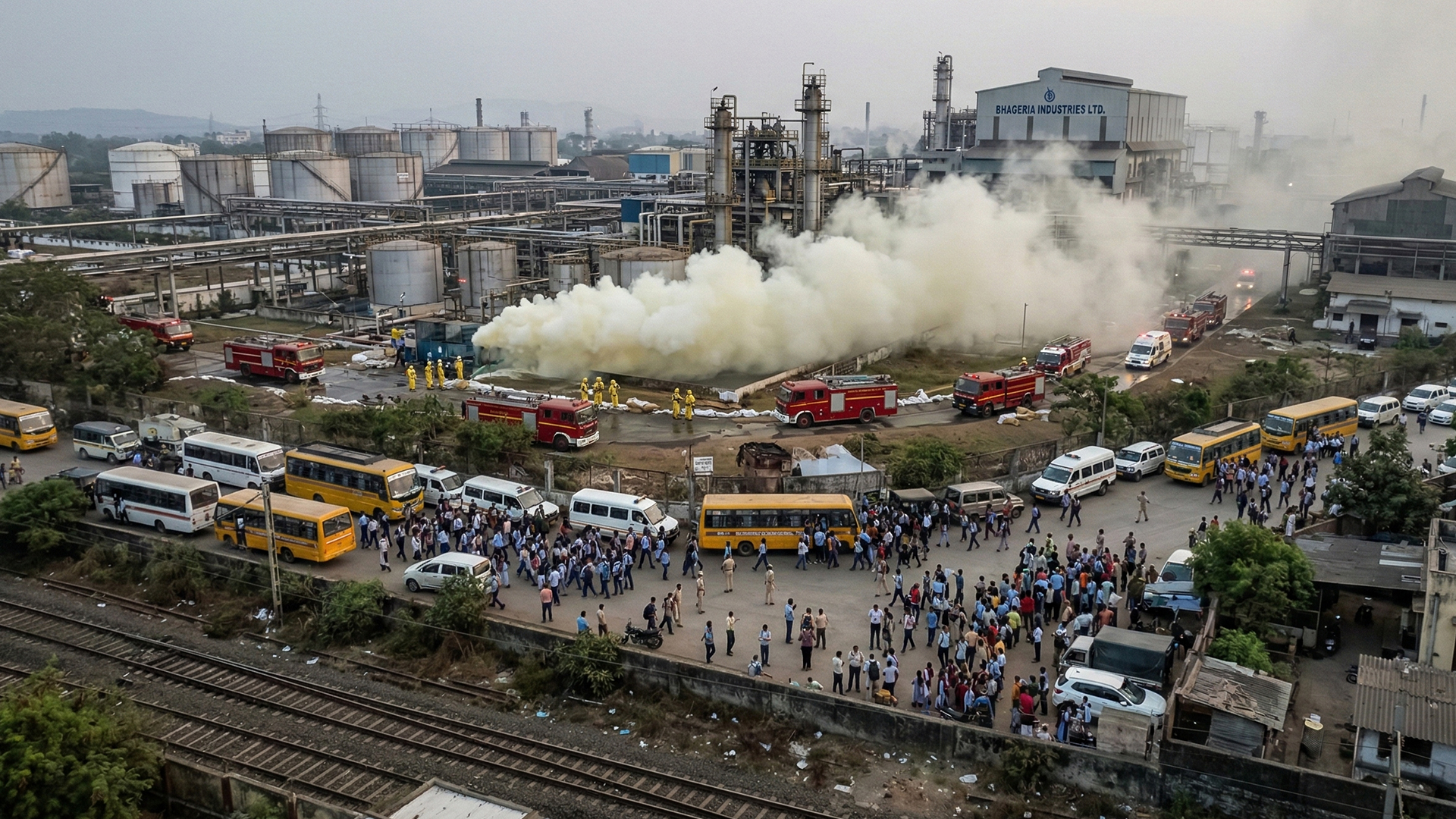
Around 2,500 people were evacuated in Palghar on Tuesday after a toxic gas leak at a chemical unit caused panic and health concerns among nearby residents.

The leak occurred early in the morning at a chemical storage facility in the Vagh (Bagh) area, triggering an emergency response from local authorities. Thick fumes spread in the vicinity, prompting residents to rush out of their homes and seek shelter in safer locations.

Local officials and emergency teams quickly cordoned off the area and began evacuating families living closest to the plant to prevent further exposure. Firefighters and disaster management personnel worked to control the situation and monitor air quality.

Several people exposed to the fumes complained of eye irritation, watering eyes and breathing discomfort, but most of the cases were mild. Those affected received medical attention on the spot, and a few were taken to nearby primary health centres as a precaution. No deaths or serious injuries have been reported.

Eyewitnesses said the gas smell was strong and spread rapidly, leading many residents to flee their homes and cover their faces with cloth. Children and the elderly were among the first to be moved to safety by neighbours and rescue workers.

Local police and administration officials urged people in nearby villages to stay indoors, close windows, and avoid going near the affected factory until air quality improves. The company where the leak occurred has not yet publicly explained what caused the release.

Authorities are investigating the source of the leak and testing the chemicals involved to determine if safety protocols were violated. District officials have also set up temporary medical camps to check on residents who may have been exposed.

The incident has raised concerns among local communities about industrial safety norms and emergency preparedness. Residents have called for stricter monitoring of chemical units near residential areas to prevent similar episodes in the future.

Also Read: Asif Ali Zardari alleges India gearing up for conflict

President launches 4 women empowerment schemes

New initiatives promote safety, education, and financial security

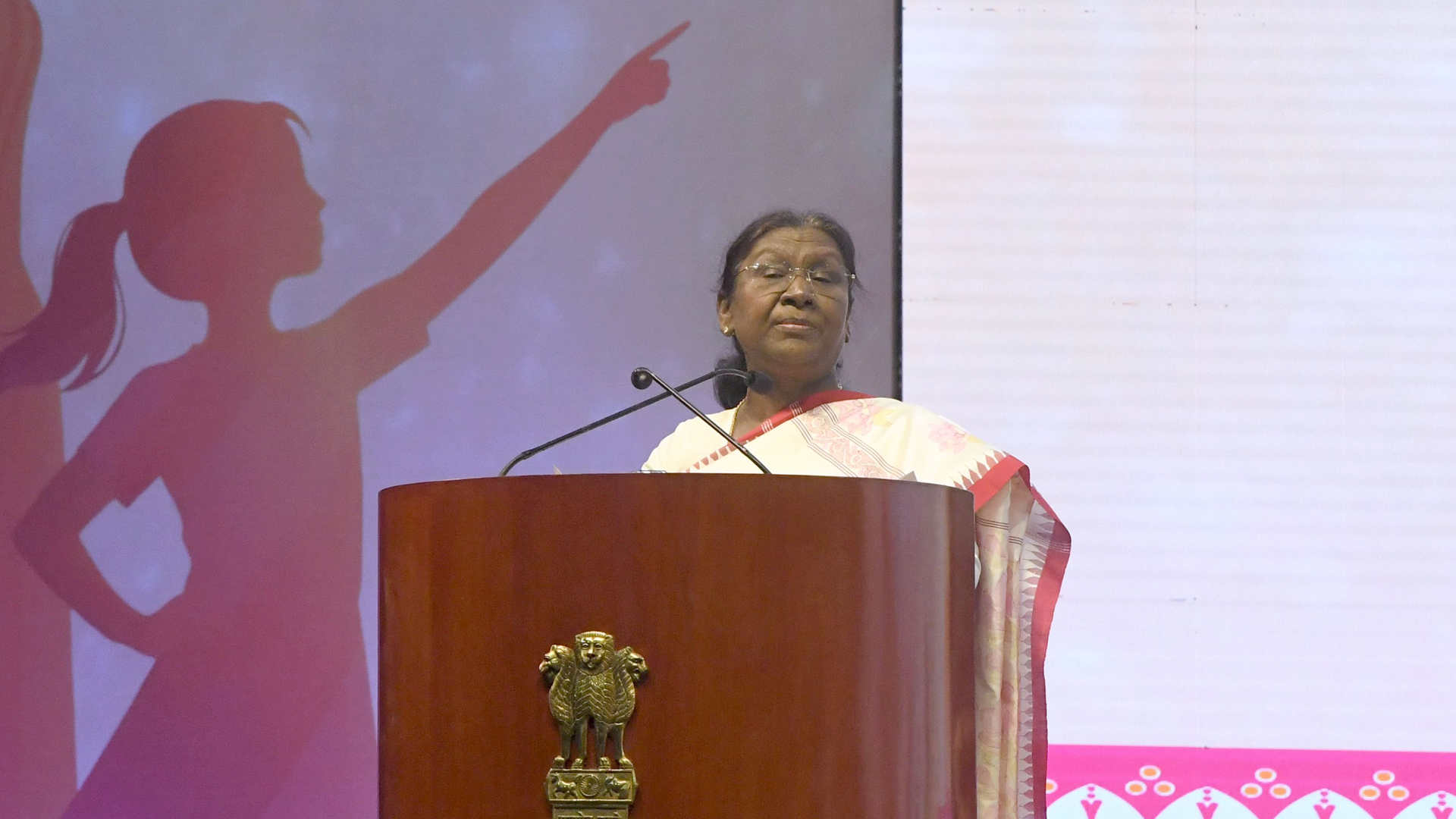
In a major step to strengthen women’s rights and opportunities, President Droupadi Murmu launched four welfare schemes aimed at improving safety, mobility, education, and financial security for women and girls in Delhi. The event, held at Indira Gandhi Indoor Stadium, saw the presence of senior officials, including Chief Minister Rekha Gupta and Lieutenant Governor V.K. Saxena.

One of the flagship initiatives, the Pink Saheli Smart Card, promises safer and more convenient travel for women. Eligible women and transgender residents can now travel free on Delhi public buses and use the card for metro rides and the Regional Rapid Transit System. The cashless system is designed to make daily commutes easier, safer, and more inclusive.

The Delhi Lakhpati Bitiya Yojana aims to secure the future of girls from birth. Through scheduled deposits, each girl’s account will grow to over ₹1 lakh by age 21, providing financial support for higher education or vocational training. The scheme encourages families to invest in their daughters’ education and independence, giving girls a tangible foundation for their future.

Another initiative, Meri Punji, Mera Adhikaar, is focused on ensuring women receive pending financial entitlements promptly. At the launch, over ₹100 crore was directly transferred to more than 40,000 girls’ bank accounts, covering benefits from schemes like Delhi Ladli. This step ensures that funds reach the intended recipients quickly, improving trust and accessibility.

Additionally, a free LPG cylinder scheme will help ease household expenses, particularly during festivals such as Holi and Diwali. Eligible families will receive the monetary equivalent of two cylinders annually through Direct Benefit Transfer (DBT), reducing the burden of fuel costs for daily cooking.

President Murmu highlighted that women’s safety, independence, and access to opportunities are key to societal progress. She stressed that these schemes are not just programs; they are steps toward dignity, empowerment, and equality for women. By combining financial support, education, and mobility, the initiatives aim to create an environment where women can thrive safely and confidently in every aspect of life.

Also Read: Trump warns ‘Big Wave’ of US strikes on Iran