rotating globe
11 Apr 2026


India-Canada seal major $2.6 bn uranium pact

Critical minerals pact and renewed FTA talks mark a reset in economic relation

India and Canada have taken a major step to strengthen their economic partnership by signing a $2.6 billion uranium supply agreement and setting an ambitious target to significantly expand bilateral trade in the coming years.

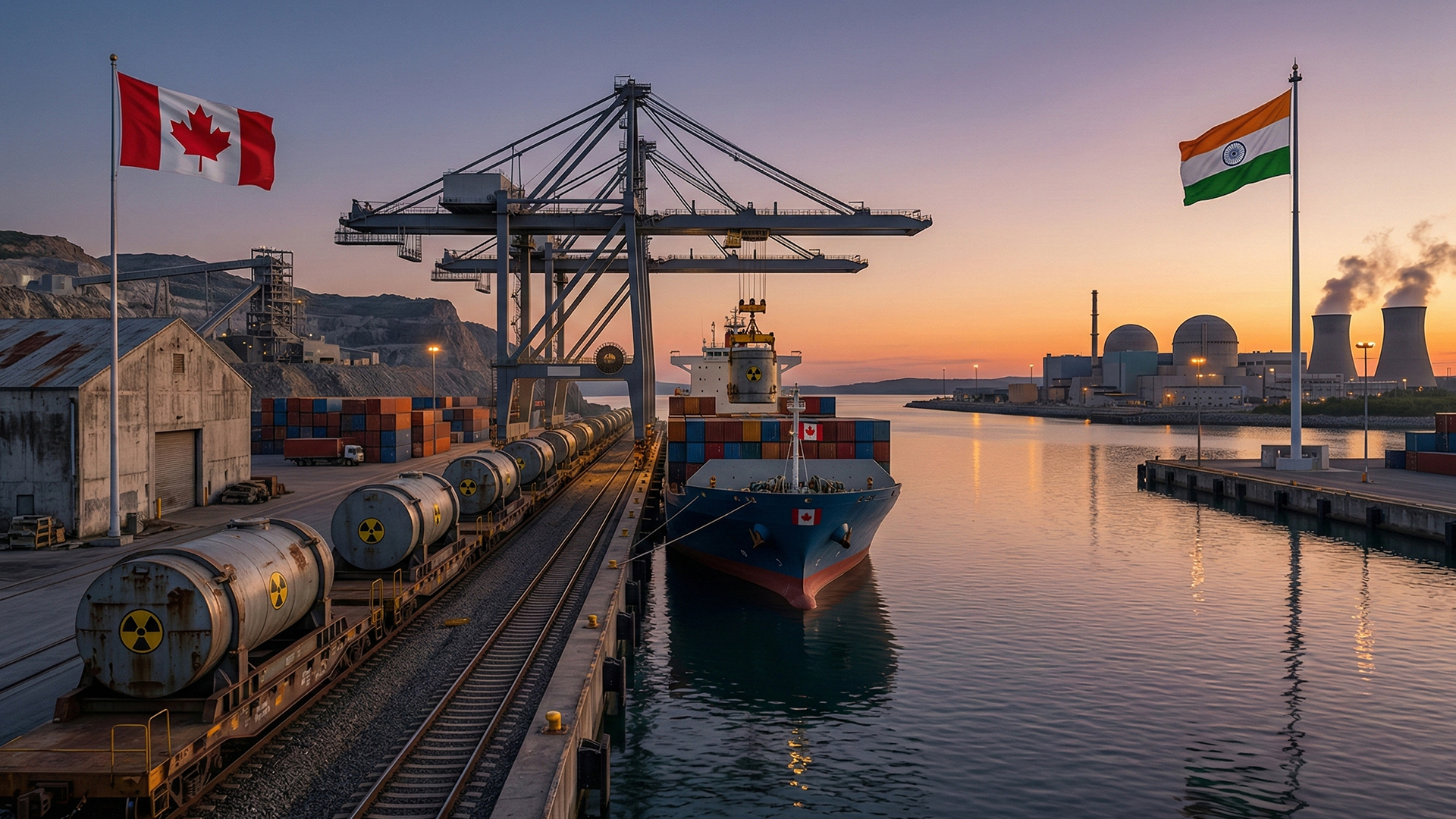
Under the deal, Canadian uranium major Cameco will supply uranium ore to India for use in its civilian nuclear power plants. The long-term arrangement is expected to support India’s expanding nuclear energy programme and help ensure a stable supply of fuel for electricity generation. For India, which is looking to increase the share of clean energy in its power mix, reliable uranium supplies are critical.

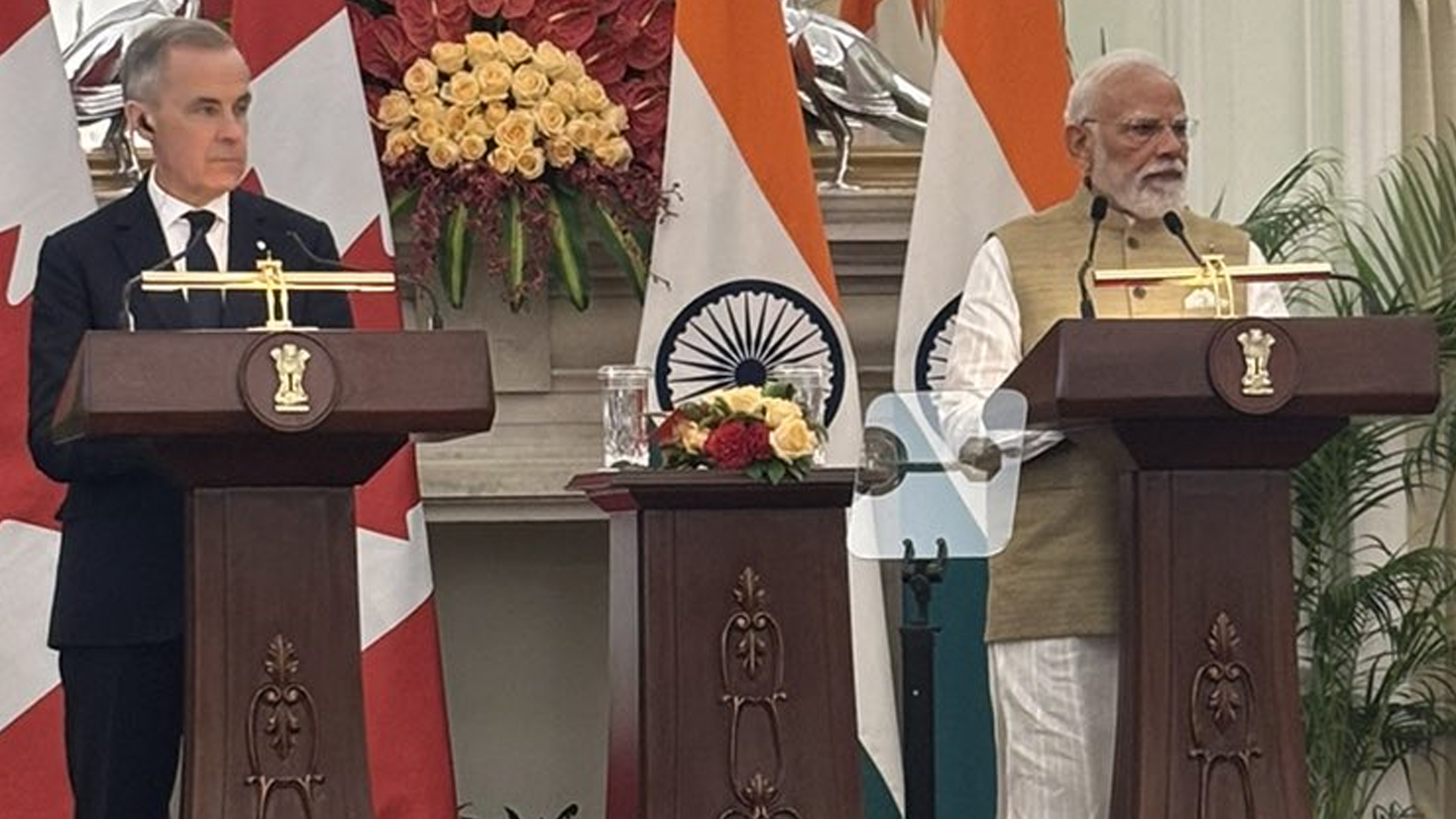
The agreement was finalised during high-level discussions between Prime Minister Narendra Modi and his Canadian counterpart Mark Carney. Both leaders emphasised the importance of energy security and stronger economic cooperation between the two countries.

Beyond uranium, the two sides also signed pacts to collaborate in the exploration and development of critical minerals — key raw materials required for electric vehicles, renewable energy systems and advanced technologies. With global supply chains under strain, both countries see value in working together to secure access to these strategic resources.

In a further boost to ties, India and Canada agreed to accelerate negotiations on a Comprehensive Economic Partnership Agreement (CEPA), effectively reviving talks on a long-pending free trade agreement. They have set a goal of increasing two-way trade to $50 billion by 2030, a sharp rise from current levels.

Officials said deeper trade and investment flows could create fresh opportunities for businesses and generate jobs in both countries. The new agreements are being seen as a reset in India-Canada relations, with a clear focus on energy cooperation, supply chain resilience and long-term economic growth.



Global breast cancer cases soar, India hardest hit

Experts warn low-resource countries are hardest hit as numbers climb

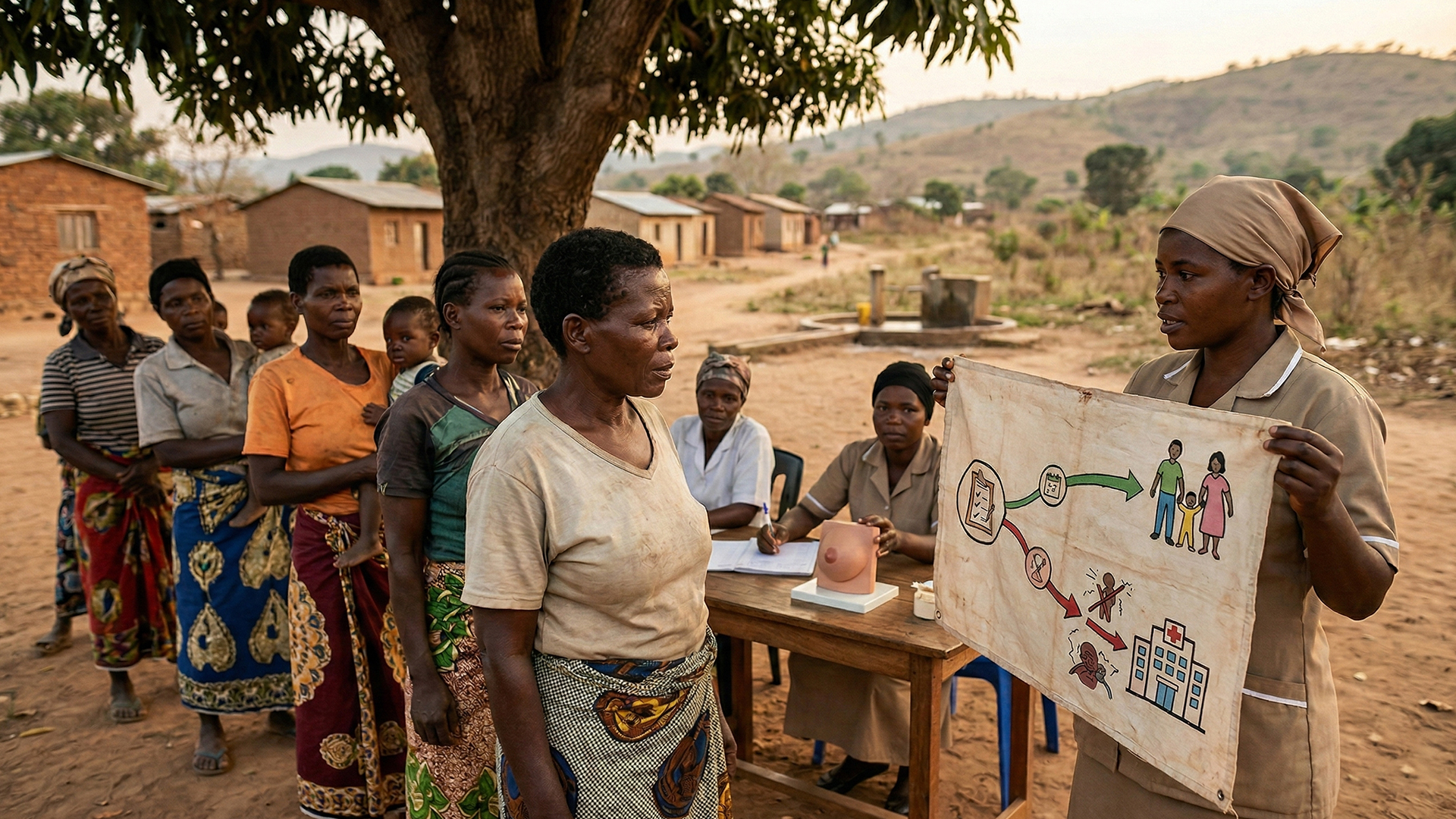
Low and middle-income countries are likely to feel the brunt of this surge. While wealthier nations have benefited from better screening, early diagnosis, and advanced treatments, many countries with limited healthcare infrastructure struggle to detect cases early, leaving women at higher risk of dying from the disease.

In India, the increase has been particularly alarming. New cases reached nearly 203,000 in 2023, marking a nearly five-fold rise since 1990. Breast cancer deaths also climbed to 102,000, a more than three-fold increase over the same period. Experts say that lifestyle changes, rising obesity, diabetes, reproductive patterns, and longer life expectancy are contributing to the growing burden, alongside improved reporting and awareness.

Doctors emphasise that early detection is key. Many cases can be successfully treated if caught in the early stages, but late diagnosis remains common in regions with fewer screening programs. Preventive measures, such as maintaining a healthy weight, staying physically active, limiting alcohol, and avoiding tobacco, can also play a crucial role in reducing risk.

Health experts warn that without urgent action, the human and economic toll of breast cancer will continue to rise. They urge governments, healthcare providers, and communities to invest in accessible screening programs, public awareness campaigns, and better treatment facilities.

Also Read: Toxic gas leak in Palghar, 2,500 people shifted

Airtel, Google launch AI spam shield for RCS

Telecom-grade AI filters and real-time checks to block spam and fraud

Bharti Airtel and Google have announced a collaboration to enhance the security of Rich Communication Services (RCS), India’s next-generation messaging platform. RCS offers richer features than traditional SMS, including media sharing, interactive chats, and business messaging. The partnership focuses on reducing spam, fraudulent messages, and malicious links by integrating Airtel’s AI-powered spam detection with Google’s RCS infrastructure.

Under this initiative, messages sent via RCS on Airtel’s network are screened in real time. Suspicious content, spam, and potentially harmful links are blocked before reaching users. Verified business senders are clearly identified, and communications violating Do Not Disturb (DND) preferences are filtered, ensuring only legitimate messages reach users.

Airtel has extensive experience in spam mitigation, having blocked billions of spam calls and SMS on its network through advanced AI algorithms that detect fraud patterns and phishing attempts. By linking this telecom-grade intelligence with Google’s RCS platform, the partnership provides an enterprise-grade solution to secure next-generation messaging in India.

The collaboration sets a benchmark for carrier-backed messaging security. Google highlighted that integrating spam protection at the carrier level builds trust in RCS and encourages adoption of enhanced messaging features globally. Airtel has also urged other messaging platforms to adopt similar measures to strengthen consumer protection in digital communications.

With billions of messages exchanged daily, Airtel and Google’s collaboration demonstrates the potential for AI-powered solutions to make messaging safer and more reliable. The project also positions India as a model for implementing carrier-backed, secure RCS platforms internationally.

Also Read: Amit Shah urges Punjab to stop forced conversions

PM Modi meets PM Carney in New Delhi

Leaders discuss trade, energy, technology and future cooperation

In a high-profile visit to New Delhi, Canadian Prime Minister Mark Carney met Narendra Modi to explore ways to strengthen the bond between India and Canada. The two leaders shared a warm dialogue, focusing on opportunities for collaboration in trade, energy, technology and innovation.

Speaking to local media, Carney described India as “one of the fastest-growing major economies” and expressed excitement about the potential for Canadian businesses to partner with Indian companies. Modi welcomed the Canadian delegation, noting that the two nations share a history of strong people-to-people ties and complementary economic strengths.

A key highlight of the talks was the Comprehensive Economic Partnership Agreement (CEPA), aimed at boosting bilateral trade and investment. Officials said the pact could help double India-Canada trade by 2030, with discussions covering sectors such as clean energy, critical minerals, artificial intelligence, and quantum computing.

Energy cooperation was also a central theme. The two sides are negotiating a 10-year uranium supply agreement, which would ensure long-term fuel security for India’s civil nuclear program while supporting Canadian producers. Talks also touched on collaboration in LNG, LPG, crude oil, education, environmental technologies, and cultural exchanges.

The visit comes after years of strained ties over political and diaspora-related issues. Carney’s approach emphasizes pragmatic engagement, focusing on shared economic and strategic interests rather than past disputes. Observers noted that both leaders appeared eager to set a forward-looking agenda and signal renewed confidence in bilateral relations.

Business leaders and diplomats accompanying Carney praised the openness of discussions, highlighting the spirit of partnership and mutual respect.

Also Read: Ayatollah Ali Khamenei killed in US-Israel strikes

Airlines cancel flights amid Iran–Israel conflict

Air India, IndiGo, Emirates among carriers suspending key Gulf and Europe routes

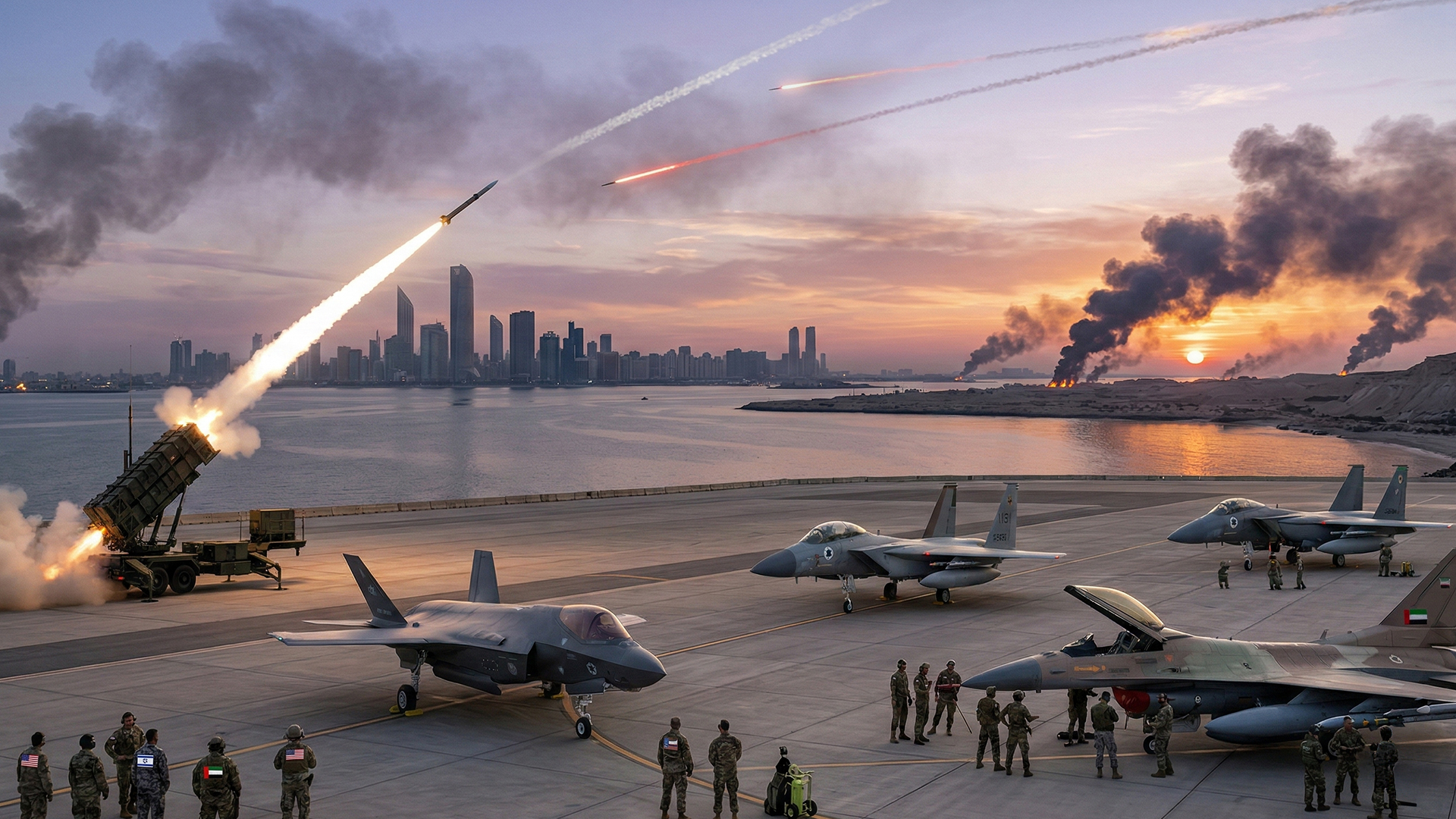
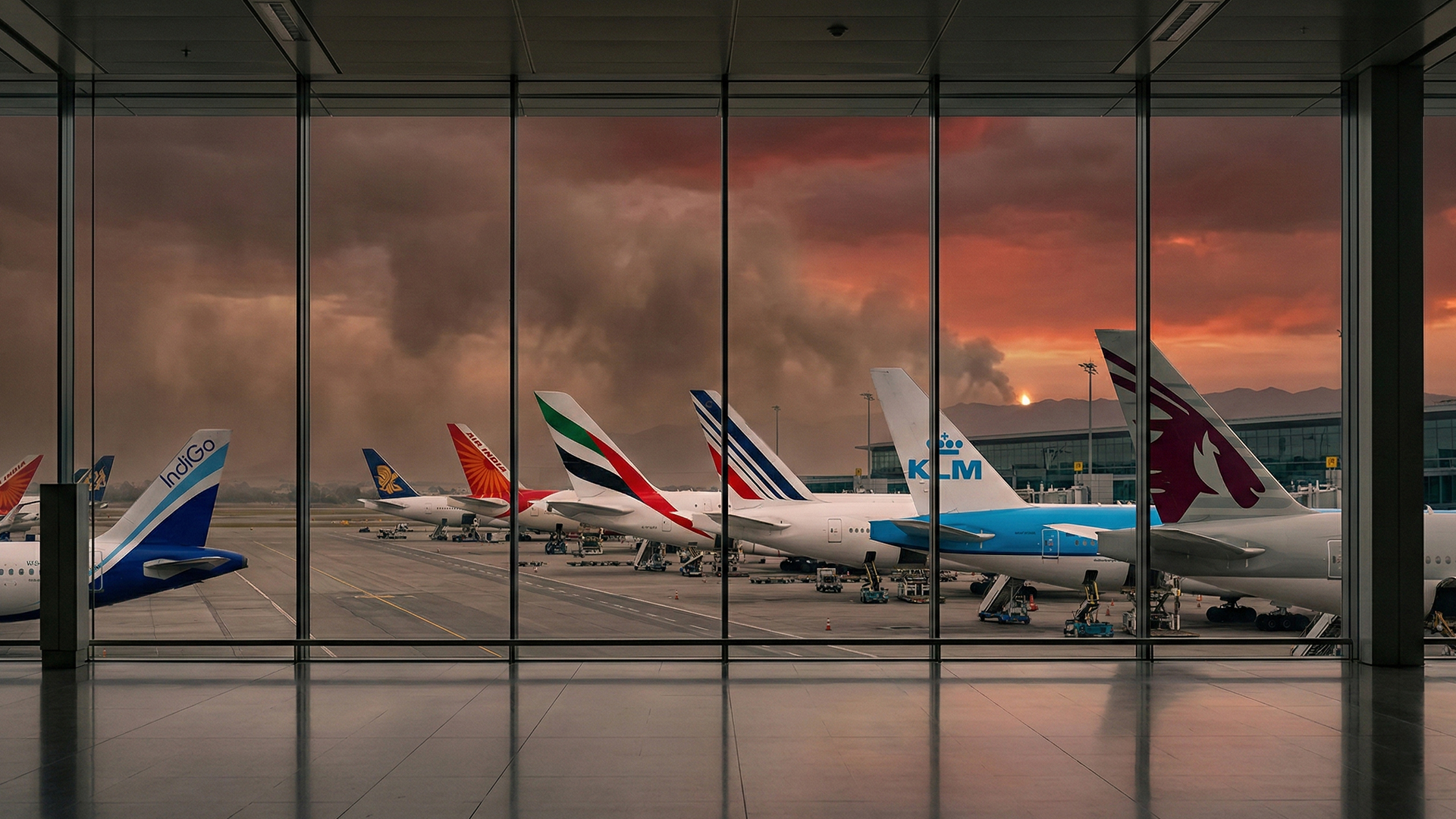
Air travel has been severely disrupted around the world as major airlines cancel numerous flights due to heightened tensions in the Middle East following the military strikes involving Iran and Israel. The uncertainty over airspace safety and ongoing security risks have forced carriers to rethink schedules, affecting passengers across Asia, Europe, the Gulf and beyond.

In India, several carriers have announced cancellations for March 2, impacting both international and regional services. IndiGo confirmed that select flights to and from the Middle East, including destinations in the UAE and Qatar, have been called off as a precaution. Air India has extended suspensions on routes to the UAE, Saudi Arabia, Israel and Qatar until late Monday night, also affecting some Europe-bound flights. The airline cited airspace closures and operational safety concerns in the region.

Several international carriers have also altered schedules like Emirates suspended flights between Dubai and a number of regional destinations, including some Gulf and South Asian cities. While Qatar Airways cancelled Doha services to select airports due to insecure airspace conditions. Also Air France and KLM also reported disruptions on routes connecting Europe with the Middle East and South Asia.

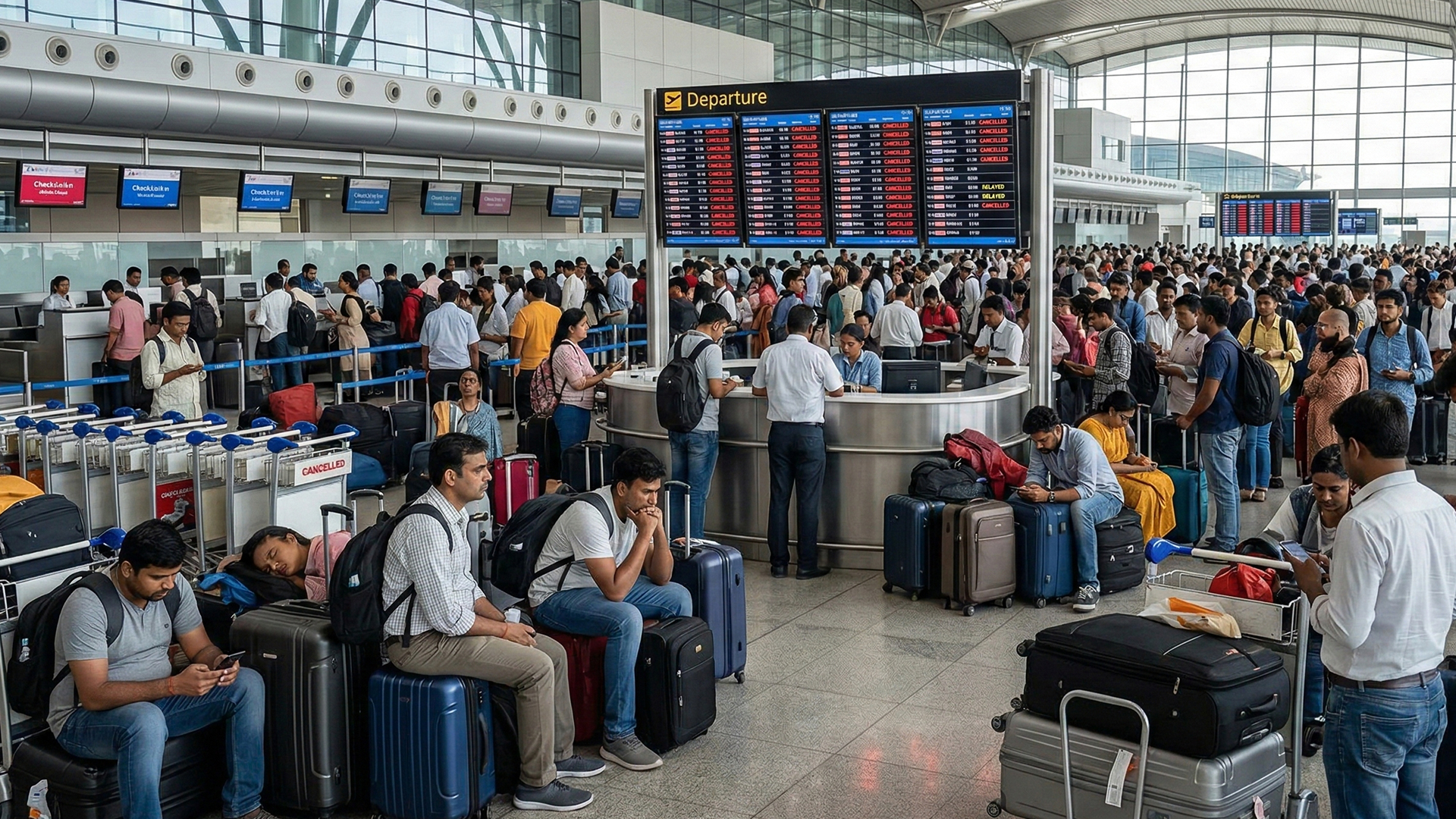
Airport authorities in Bangalore and other Indian cities confirmed that multiple departures and arrivals were cancelled, particularly those headed to or coming from the Gulf region. Many travellers were left waiting at terminals, while airlines scrambled to rebook passengers or offer refunds.

The cancellations follow warnings from aviation regulators about the risks of flying near conflict zones. Several countries temporarily closed airspace over parts of the Middle East, prompting rerouting or grounding of flights that normally transit through these corridors.

Passengers travelling over the next few days have been urged to check flight statuses with their airlines before heading to the airport, as carriers continue to monitor the situation closely. Many airlines have also offered flexible rebooking options given the uncertainty.

The disruptions have compounded the disruption already felt in global travel markets following rising geopolitical tensions, with airlines citing crew safety, fuel concerns and unpredictable airspace restrictions as key factors in their operational decisions.

Also Read: Ayatollah Ali Khamenei killed in US-Israel strikes

Middle East airspace crisis disrupts air travel in India

Major airports hit as airlines cancel and reroute Gulf-bound flights

Air travel across India was significantly disrupted as escalating conflict in West Asia, involving Iran, the Israel and the United States, ed to widespread airspace restrictions and flight cancellations. Airlines suspended several services to Gulf destinations after advisories warned of potential risks in parts of the region’s airspace.

At Rajiv Gandhi International Airport, airport authorities confirmed extensive cancellations, particularly on routes linking Hyderabad with Middle Eastern cities. The disruption also affected some domestic departures due to aircraft and crew being out of position. Passengers were seen waiting in long lines at airline counters, trying to secure alternative bookings or refunds.

In Kempegowda International Airport, multiple flights to Gulf hubs were cancelled, while a few Europe-bound services were delayed or rerouted to avoid sensitive air corridors. Airport officials said operations were being monitored continuously as airlines assessed the evolving situation.

Similar disruption was reported at Chhatrapati Shivaji Maharaj International Airport and Indira Gandhi International Airport, where passengers scheduled to travel to cities such as Dubai, Doha and Riyadh faced last-minute changes. In several cases, aircraft were held back due to uncertainty over overflight permissions and safety clearances.

Aviation experts explained that even limited airspace closures can have a cascading effect. When international sectors are suspended, aircraft availability reduces, leading to delays across domestic networks as well. Airlines must also factor in longer rerouting distances, higher fuel consumption and crew duty limitations.

Carriers have stated that safety remains their primary concern and that they are closely following international civil aviation advisories. Many airlines are offering flexible rescheduling options and waiving change fees for affected passengers.

With the geopolitical situation still evolving, aviation authorities expect continued volatility in schedules over the coming days. Travellers have been advised to check real-time flight updates before leaving for the airport and remain in contact with airlines for the latest information.

Also Read: Airlines cancel flights amid Iran–Israel conflict

CBSE postpones board exams in Gulf regions

Class 10 and 12 exams delayed in West Asia as safety concerns rise

The Central Board of Secondary Education (CBSE) has postponed the Class 10 and Class 12 board examinations scheduled for March 2, 2026, in several West Asian countries due to escalating tensions in the region. The move follows heightened insecurity after military strikes involving Iran, Israel and United States, which disrupted normal life and raised safety concerns for students.

In an official notice, CBSE informed schools in Bahrain, Iran, Kuwait, Oman, Qatar, Saudi Arabia, and the UAE that the March 2 exams would not be held as planned. The board said new dates would be announced later, once the situation stabilizes.

Thousands of Indian students studying in Gulf-based CBSE schools are affected by the postponement, especially in countries like the UAE and Saudi Arabia, which host a large number of Indian expatriates. Parents and students had been preparing for these crucial exams when the sudden escalation forced authorities to intervene.

CBSE also stated it would review the situation on March 3 to determine whether other exams, scheduled from March 5 onwards, could proceed as planned. Students and parents in the affected regions have been urged to stay in touch with their schools and follow official updates.

The postponement highlights how the Middle East crisis is affecting not only education but also daily life, travel, and business in the region. While exams in Gulf countries have been deferred, students in India and other unaffected regions will continue with their board schedules as planned.

Parents and students expressed concern over the disruption but largely supported CBSE’s decision, emphasizing the importance of safety during such unpredictable times. The board reassured that the postponement is temporary and that exam timetables will be updated as soon as it is safe to conduct the tests.

Also Read: Middle East airspace crisis disrupts air travel in India